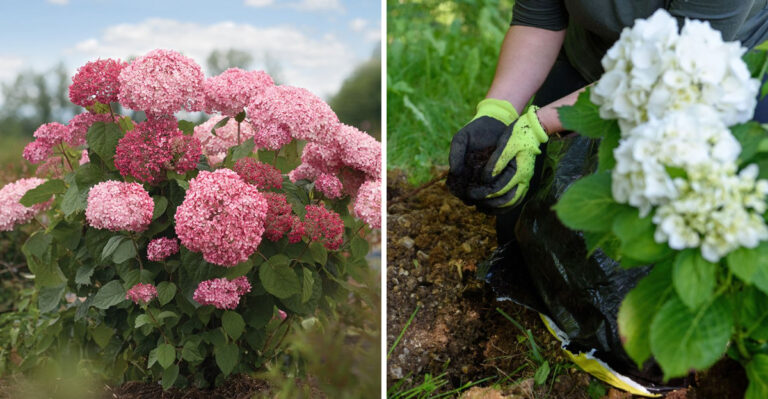
Perennials That Multiply Themselves When You Divide And Replant In Pennsylvania
It usually starts with a crowded corner of the garden. A plant that once fit perfectly is now pushing against its neighbors, blooming less, or looking a bit tired despite your best efforts.
Instead of seeing it as a problem, Pennsylvania gardeners often treat that moment as an opportunity. Some perennials are built to be divided, and when you split them and replant the sections, you are not just fixing the space.
You are creating more plants from what you already have. That process can feel surprisingly rewarding. With a little digging and careful handling, one established plant can turn into several healthy additions ready to fill new spots in your yard.
It is a practical way to expand your garden without spending extra money, and it helps keep older plants growing strong and productive.
In Pennsylvania’s changing seasons, perennials that respond well to dividing bring both flexibility and value. They allow you to refresh your landscape, adjust your layout, and enjoy a fuller, more balanced garden as the years go by.
1. Hosta
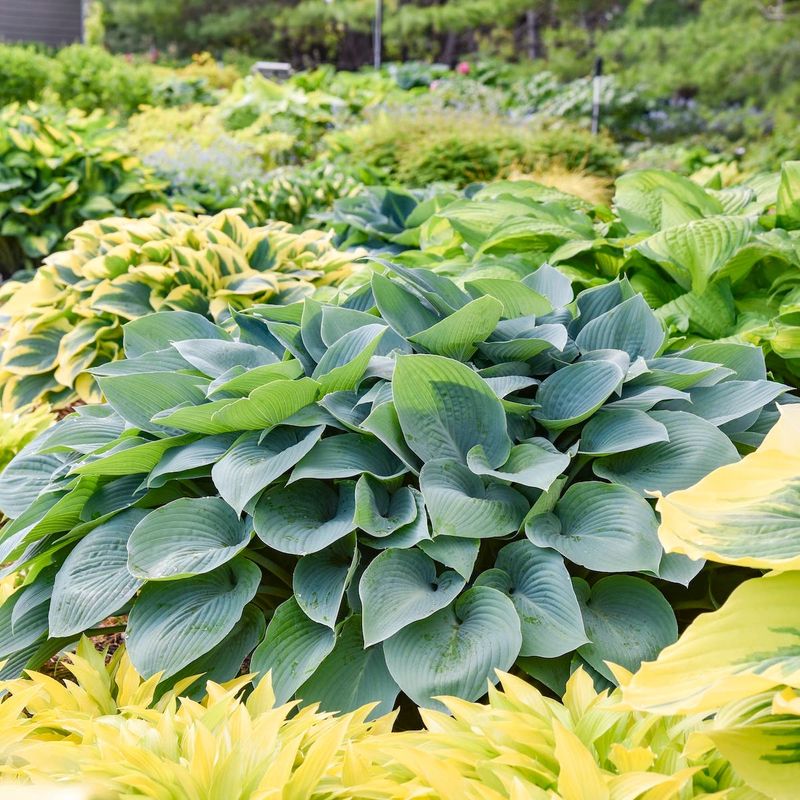
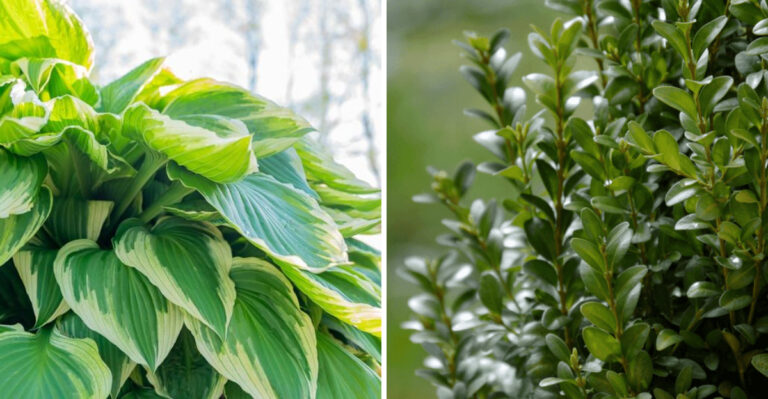
Walk through almost any shaded Pennsylvania garden and you will probably spot a hosta. These bold, leafy perennials are famous for their gorgeous foliage, and they are one of the easiest plants to divide and multiply.
Hostas form wide, dense clumps over time, and splitting them every three to five years keeps them looking their best.
Early spring is the perfect time to divide hostas in Pennsylvania. When you see the first little shoots poking up through the soil, grab a sharp spade and slice the clump into sections. Each section needs a few healthy roots and shoots to grow successfully on its own.
One of the best things about hostas is how quickly each division settles into its new spot. You can move divisions to other shaded areas of your yard, share them with neighbors, or line a walkway for a clean, polished look.
They thrive under trees and along fences where other plants struggle. Hostas come in hundreds of varieties, from tiny miniatures to giant plants with leaves the size of dinner plates.
Blue, green, gold, and variegated options give you plenty of choices for adding texture to shaded beds. In Pennsylvania, they handle the humid summers and cold winters without much fuss.
Water your new divisions well after replanting and add a layer of mulch to hold moisture. Within a few weeks, you will notice fresh, strong growth. Before long, your divided hostas will look just as full and healthy as the original plant.
2. Daylily
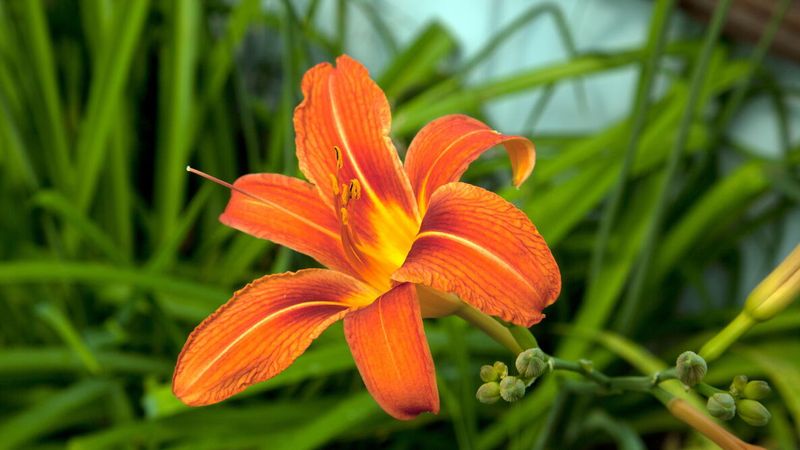
Few plants put on a show quite like the daylily. Bursting with color in shades of orange, yellow, red, and pink, daylilies are one of the fastest-multiplying perennials you can grow in Pennsylvania.
Their dense, fleshy root systems expand steadily each year, making them incredibly easy to divide and replant.
Daylilies benefit from division every five to seven years, though you can divide them sooner if the clumps get too crowded. Early spring or late summer, after the blooms fade, are the two best windows for dividing daylilies in Pennsylvania.
Your Pennsylvania Garden Changes Every Week. Your Plan Should Too.
Gardening in Pennsylvania changes quickly throughout the season. Every Friday you’ll receive a simple weekly plan showing exactly what to plant, prune, fertilize, harvest, and protect so you never miss the right timing.
Use a garden fork to loosen the roots and gently pull the clump apart into smaller sections. Each section will recover quickly after being replanted. Daylilies are tough, adaptable plants that bounce back with very little extra care.
Give them a sunny spot with well-drained soil, water them in after planting, and they will take off on their own.
One fun fact about daylilies is that each individual flower only lasts one day, but the plant produces so many blooms that it looks full and colorful for weeks at a time. Spreading them around your Pennsylvania yard means you get waves of color in multiple spots throughout summer.
Daylilies also spread steadily year after year without much help from you. Over time, a single plant can turn into a large, impressive drift of color.
Dividing and replanting them regularly keeps each clump producing its best blooms season after season.
3. Bee Balm
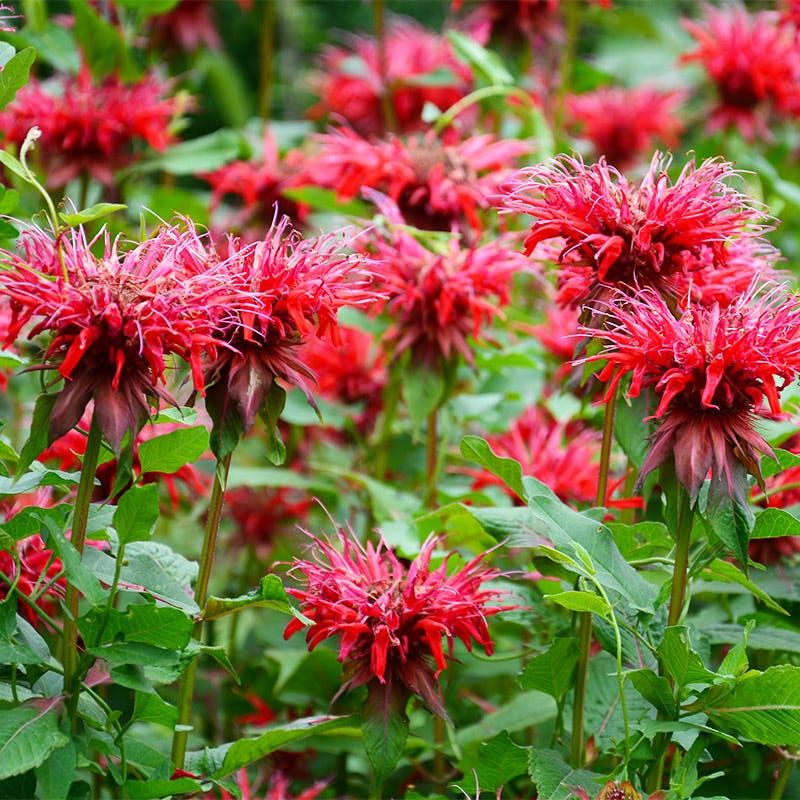
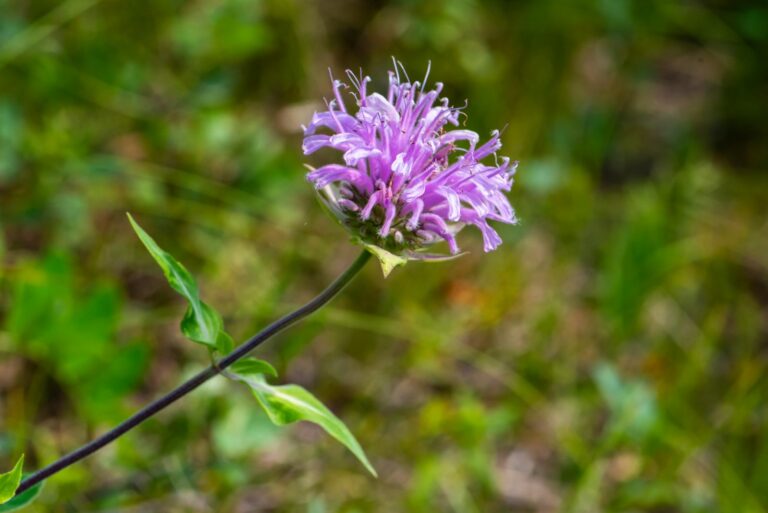
Bee balm is the kind of plant that earns its spot in the garden by doing double duty. Its shaggy, brilliant blooms in red, purple, and pink attract bees, butterflies, and hummingbirds all summer long.
On top of that, it smells amazing, with a minty, slightly spicy fragrance that drifts through the garden on warm Pennsylvania afternoons.
This vigorous grower spreads through underground stems called stolons, which means it can take over a bed if you are not paying attention. Dividing bee balm every two to three years is actually good for the plant.
It controls the size, improves air circulation between stems, and helps prevent powdery mildew, which is a common problem in Pennsylvania’s humid summers.
Spring is the best time to divide bee balm in Pennsylvania, right when new growth begins to emerge from the soil. Dig up the clump and separate the outer sections, which tend to be the healthiest and most vigorous. The older, woody center can be set aside or composted.
Replant your divisions in a sunny or partly sunny location with decent air circulation around each plant. Bee balm is not picky about soil, but it does appreciate consistent moisture Water the new divisions well and they will establish themselves quickly.
Once established, bee balm rewards you with weeks of stunning blooms from midsummer onward. Spreading divisions around your Pennsylvania yard creates a pollinator-friendly paradise that brings life and movement to every corner of the garden.
4. Black-Eyed Susan
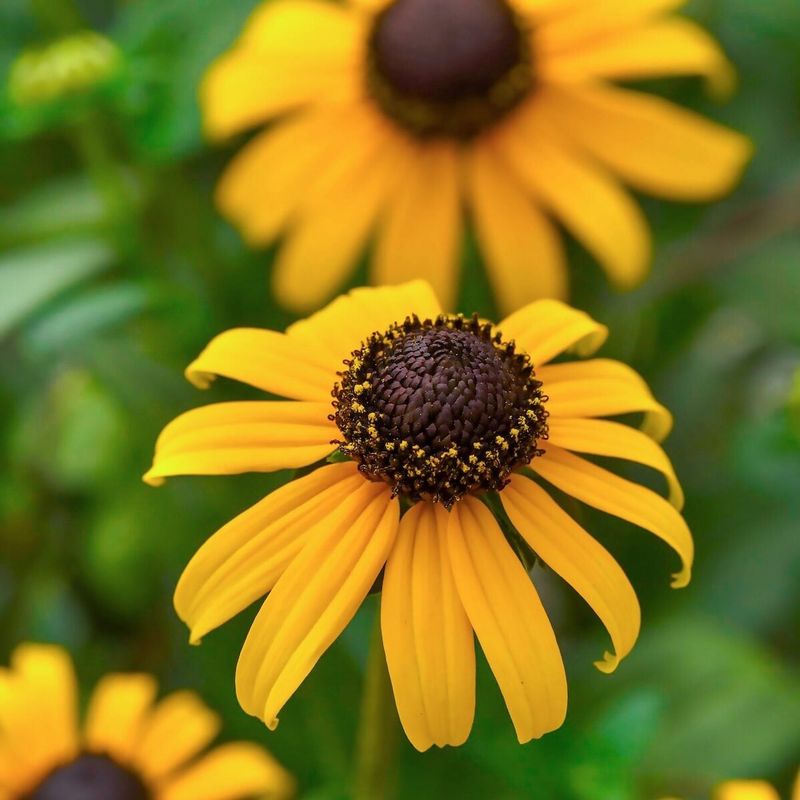
There is something undeniably cheerful about a patch of black-eyed Susans. Their golden yellow petals and dark chocolate centers are like little bursts of sunshine in the garden.
As a native plant to much of the eastern United States, black-eyed Susans feel right at home in Pennsylvania and thrive with very little extra care.
These reliable bloomers form expanding clumps that are easy to separate and replant. Dividing them every three to four years in early spring or fall keeps the plants healthy and prevents overcrowding.
When clumps get too dense, the plants in the center can weaken, so regular division actually helps every section bloom more freely.
To divide black-eyed Susans, use a sharp spade to slice through the clump and lift sections out of the ground. Each piece should have a healthy set of roots and a few green shoots. Replant the divisions at the same depth they were growing before, and water them in well.
One of the coolest things about black-eyed Susans is that they often self-seed too. So in addition to spreading through division, they scatter seeds around the garden and pop up in new spots on their own.
This makes them one of the most generous plants you can grow in a Pennsylvania yard.
They love full sun and handle dry spells better than many other perennials. Plant divisions along a fence, in a meadow-style bed, or mixed with ornamental grasses for a natural, low-maintenance look that looks great from summer through fall.
5. Garden Phlox
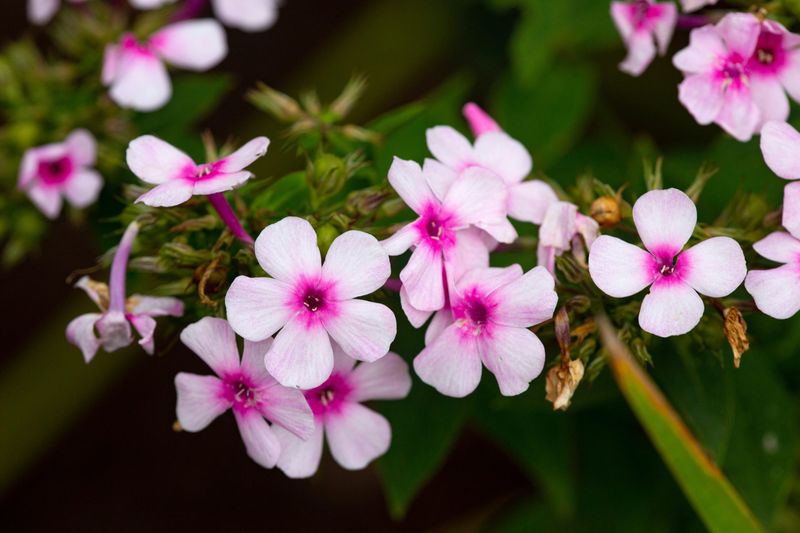
Summer gardens in Pennsylvania would feel incomplete without garden phlox. The tall, fragrant flower clusters in shades of pink, purple, white, and red are a beloved feature of cottage-style and traditional gardens across the state.
And the good news is that dividing phlox regularly makes it bloom even better. Garden phlox clumps enlarge steadily over time. After a few years, the center of the clump can become woody and less productive, while the outer edges stay lush and full of energy.
Dividing every three to four years in early spring gives you the chance to replant the vigorous outer sections and discard the tired center growth.
Use a sharp garden fork or spade to lift the clump out of the ground. Pull or cut the outer sections apart, making sure each piece has several healthy stems and a good root system. Replant the divisions promptly so the roots do not dry out.
Good air circulation is key to keeping garden phlox healthy in Pennsylvania. Powdery mildew can be a challenge during the humid summer months, so space your divisions at least eighteen inches apart.
This simple step goes a long way toward keeping your phlox looking fresh and disease-free all season.
Plant divisions in a spot with full sun or light afternoon shade and keep the soil consistently moist. Within a few weeks of replanting, your divisions will settle in and push out strong new growth.
By midsummer, they will reward you with fragrant, show-stopping blooms that attract butterflies from all over the neighborhood.
6. Yarrow
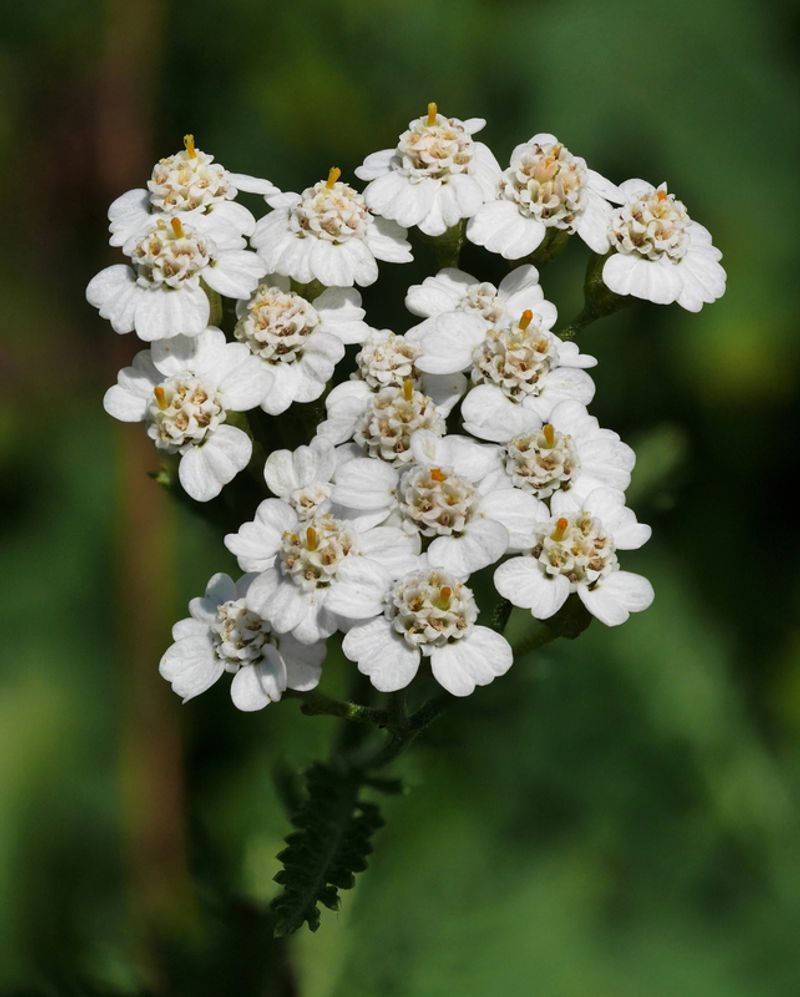
Yarrow has been growing wild in fields and roadsides across Pennsylvania for centuries, and its toughness is exactly what makes it such a great garden plant.
This feathery-leaved perennial spreads quickly through a fast-growing root system, and it divides into multiple healthy plants with very little effort on your part.
The flat-topped flower clusters come in yellow, white, red, and soft pink, blooming from late spring through midsummer. After a few years in the ground, yarrow clumps can get quite wide.
Dividing them every two to three years keeps the plants compact, encourages better flowering, and gives you plenty of new starts to spread around your yard.
Spring is the easiest time to divide yarrow in Pennsylvania. Dig up the clump with a spade, shake off the excess soil, and pull or cut the root mass into sections.
Each section needs just a few stems and a small amount of root to get established in a new spot.
Yarrow is incredibly tolerant of transplanting. Unlike more delicate perennials, it handles the stress of being moved without missing a beat.
Replant divisions in a sunny, well-drained location and water them in once. After that, yarrow is largely self-sufficient and does not need much watering or fertilizing.
Another reason to love yarrow in Pennsylvania is its drought tolerance. Once established, it handles dry summers without complaint.
It also attracts beneficial insects like lacewings and parasitic wasps, making it a smart choice for any gardener who wants a healthier, more balanced garden ecosystem.
7. Ornamental Grasses
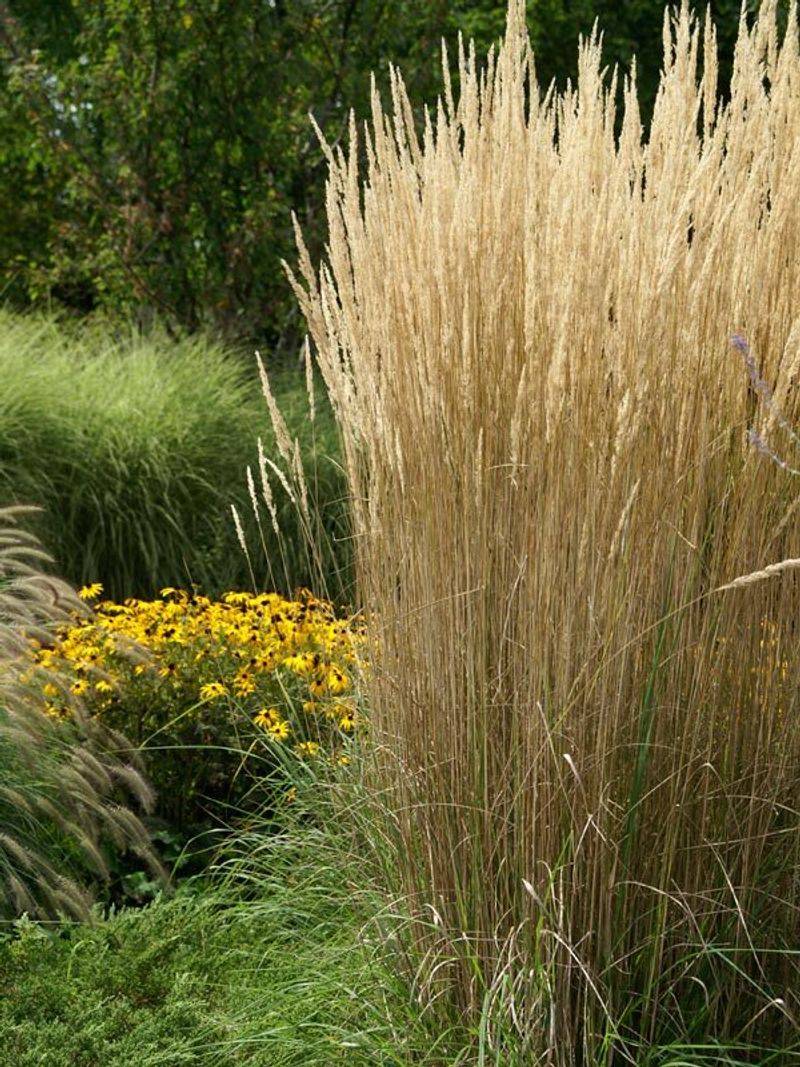
Ornamental grasses bring a completely different kind of beauty to the Pennsylvania garden. Their graceful, swaying stems and feathery seed heads add movement and texture that no flowering plant can quite replicate.
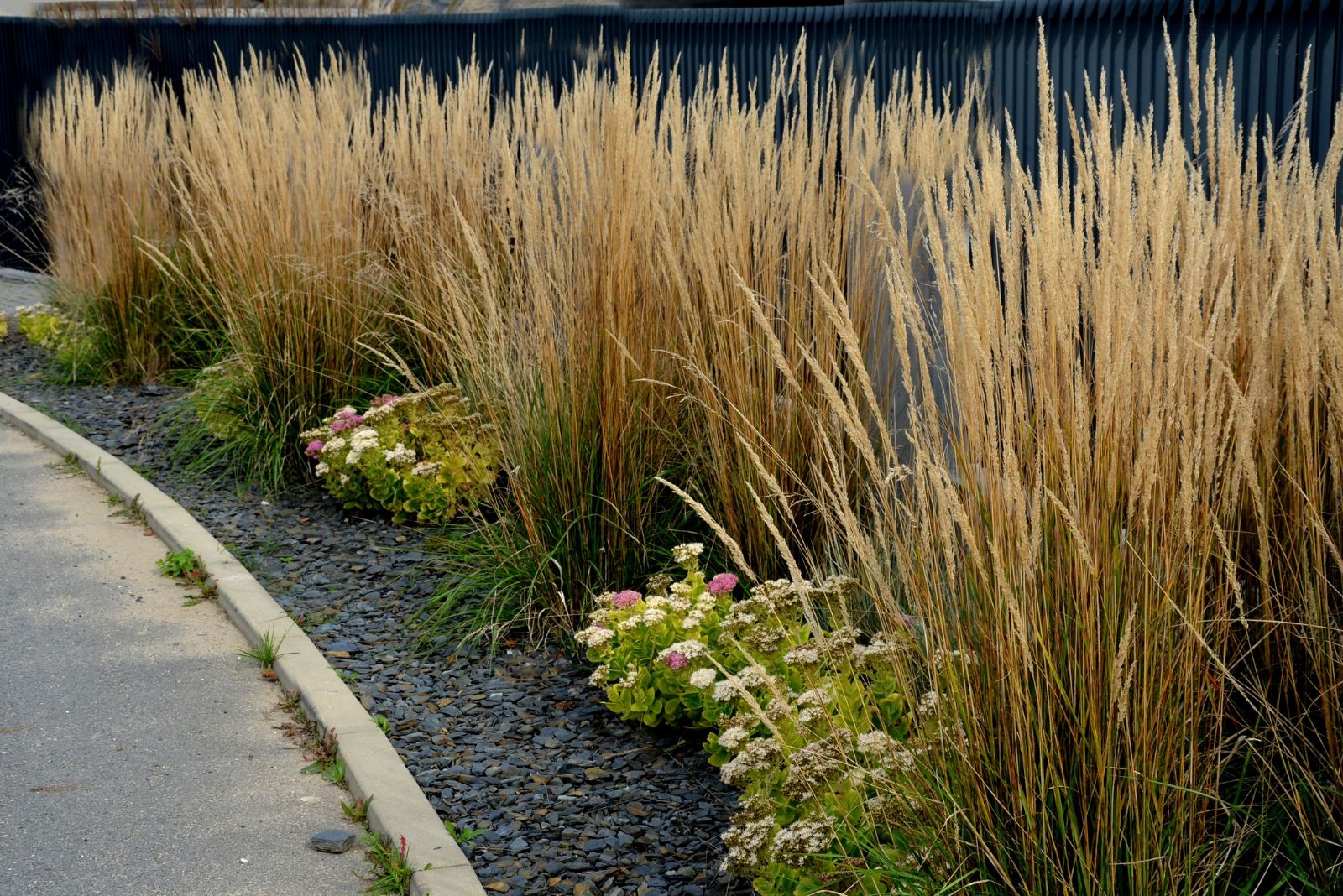
Varieties like feather reed grass (Calamagrostis) and switchgrass (Panicum) are especially popular because they are cold-hardy, easy to grow, and multiply beautifully when divided.
Over several years, ornamental grass clumps grow into large, dense mounds. Dividing them every three to four years in early spring, just before new growth begins, is the best approach in Pennsylvania.
At this point, the clump is dormant and easy to handle, and the divisions will have the whole growing season to establish themselves.
Dividing large ornamental grasses takes a bit of muscle. Use a sharp spade or even a pruning saw to cut through the dense root mass.
Aim to split the clump into sections that each have several healthy shoots and a solid chunk of roots. The center of an older clump may be less productive, so focus on the outer sections for your best new plants.
Replant the divisions at the same depth they were growing before. Water them in well and add a layer of mulch around the base to help retain moisture during the first few weeks. Once they are established, ornamental grasses are extremely low maintenance.
By fall, your newly planted divisions will be full, graceful, and swaying in the breeze. They add four-season interest to Pennsylvania gardens, looking beautiful even in winter when their tan, frosted plumes catch the light on cold mornings.