Perennials That Practically Multiply Themselves When You Divide And Replant In Texas
One of the nicest surprises in gardening is realizing you do not always have to buy more plants to make your yard look fuller. In Texas, plenty of perennials can do some of that work for you.
Once they settle in and grow into healthy clumps, they often reach a point where dividing them is not just possible, but actually a smart move. Split them up, replant the sections, and suddenly one good plant can turn into two, three, or even more.
That is a pretty great deal for any gardener, especially when you are trying to fill empty spots, stretch your budget, or build a landscape that looks established without starting from scratch every season.
Dividing also helps many perennials stay healthier and more vigorous, so it is not only about getting extras. It is about keeping the original plant in better shape too.
In Texas, where tough conditions can make every good plant feel valuable, perennials that multiply this way really stand out. They bring color, structure, and staying power, then reward you with even more growth when the time is right.
1. Turk’s Cap
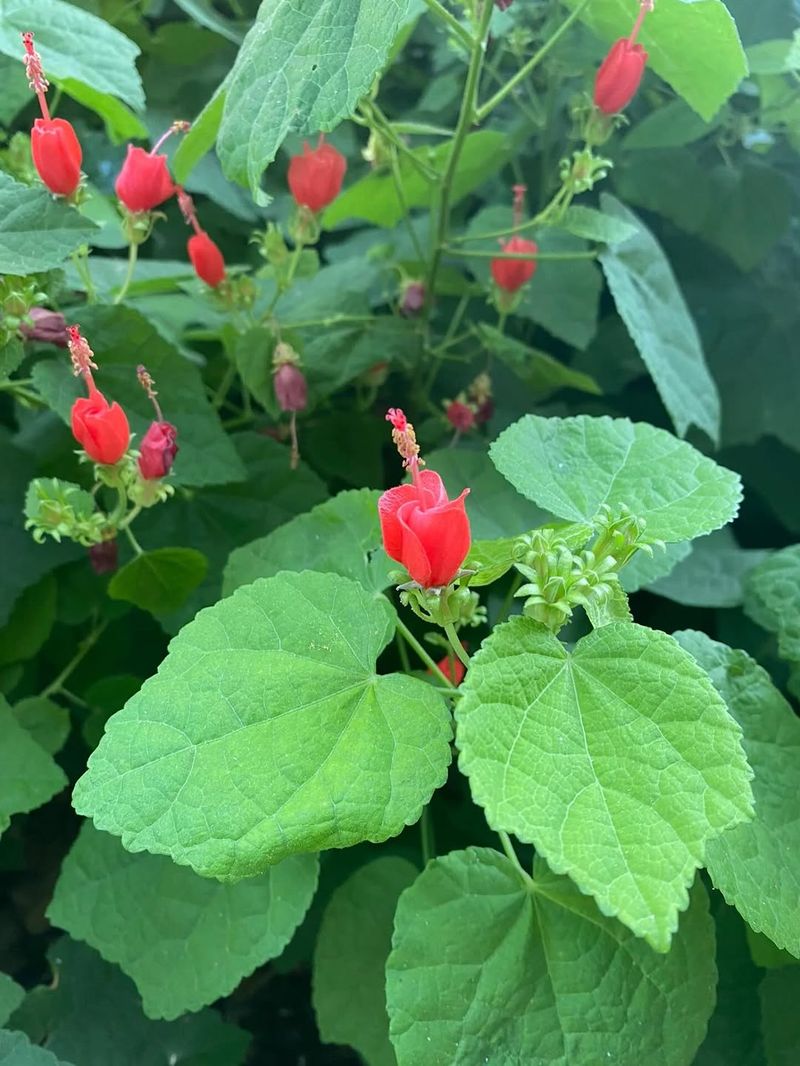
Walk through almost any older Texas neighborhood in summer, and you will likely spot a Turk’s Cap plant tucked under a tree or along a fence. This tough native shrub has been a Texas garden favorite for generations, and it is easy to see why.
The bright red, twisted blooms show up even when the summer heat feels brutal, and hummingbirds absolutely love them.
Turk’s Cap forms wide, spreading clumps over time. When a clump gets large enough, you can dig up sections from the outer edges and replant them elsewhere in your yard.
Each division roots quickly, especially when planted in a shady or partly shaded spot. The plant handles the stress of being moved much better than most garden plants.
One of its best qualities is how well it fills in empty shady areas that other plants simply refuse to grow in. In Texas, where shade can be hard to find, that makes Turk’s Cap incredibly valuable.
It does not need much water once it gets established, and it tolerates heavy clay soil, which is common across Central and South Texas.
To divide it successfully, wait until early spring before new growth really takes off, or try early fall when temperatures start cooling down. Use a sharp shovel to cut sections from the base of the clump.
Replant them at the same depth they were growing before, give them a good drink of water, and add a layer of mulch. Within a few weeks, you will see fresh new growth pushing up from the soil.
2. Autumn Sage
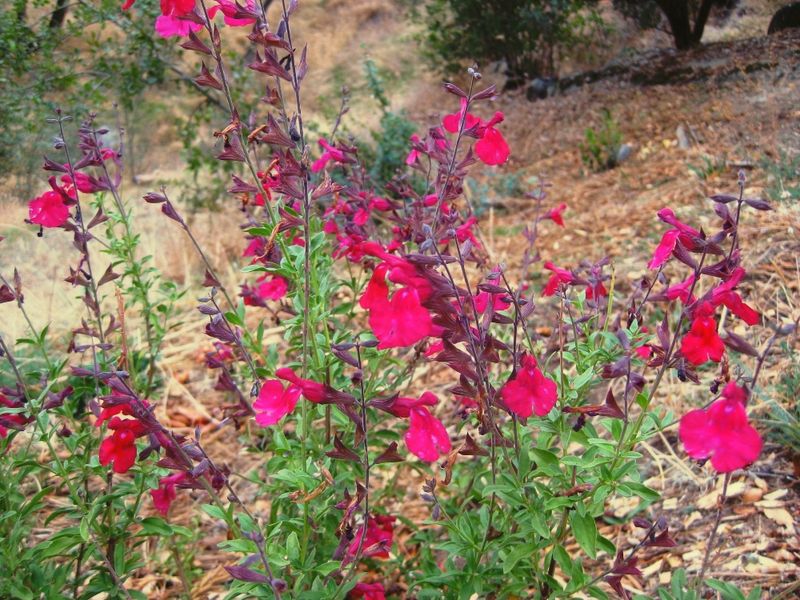
Autumn Sage is one of those plants that makes you wonder why everyone in Texas does not have it growing in their yard. It blooms in spring, takes a short break during the worst of summer, and then comes back with a second flush of color in the fall.
Your Texas Garden Changes Every Week. Your Plan Should Too.
Gardening in Texas changes quickly throughout the season. Every Friday you’ll receive a simple weekly plan showing exactly what to plant, prune, fertilize, harvest, and protect so you never miss the right timing.
That kind of repeat performance is rare, and it makes this plant worth every bit of effort you put into it.
Propagating Autumn Sage is surprisingly easy. You can take stem cuttings and root them in moist soil, or you can carefully dig up an established plant and divide the root ball into sections.
Each section, as long as it has healthy roots attached, will establish itself quickly in its new spot. The plant does not sulk or struggle the way some transplants do.
Drought tolerance is one of Autumn Sage’s strongest traits. Once rooted in, it needs very little irrigation, which is a big deal in Texas where summer water restrictions are common.
It thrives in full sun and actually prefers lean, well-drained soil over rich, heavily amended beds. Too much fertilizer can cause floppy growth and fewer blooms.
Gardeners across the Hill Country, San Antonio, and Dallas areas have used Autumn Sage to line walkways, fill rock gardens, and anchor sunny borders. Colors range from deep red to soft pink and even coral.
Planting divisions in fall gives them the cool season to root deeply before the next summer arrives, setting them up for a strong, colorful performance.
3. Purple Coneflower
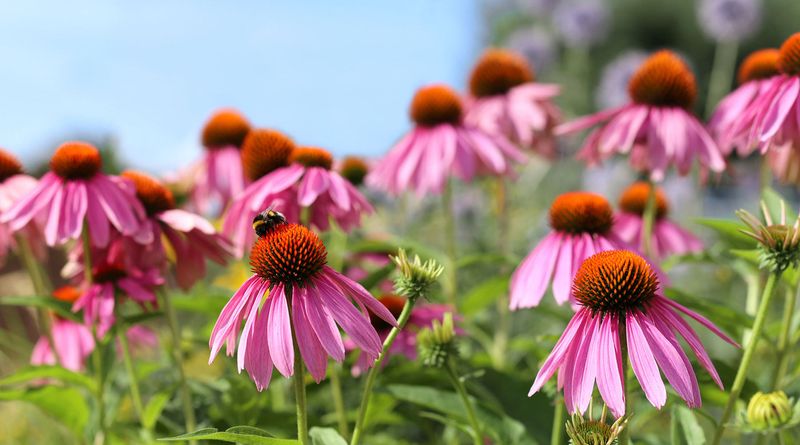
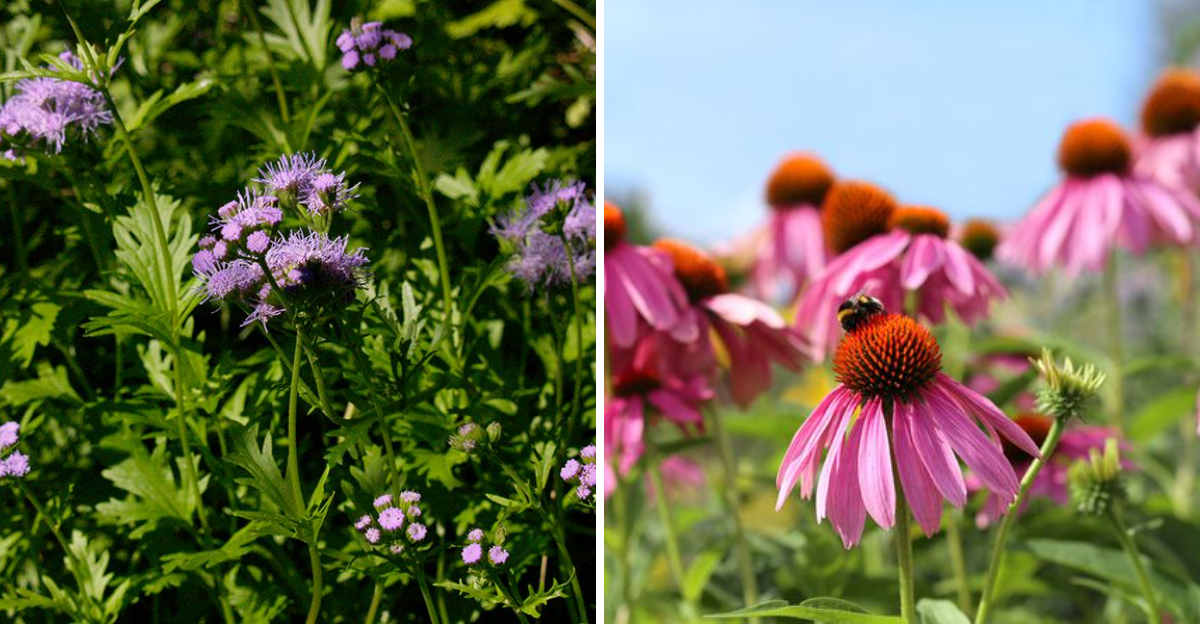
Purple Coneflower has earned its place in Texas gardens through sheer reliability. It blooms faithfully every summer, attracts bees and butterflies by the dozens, and asks for very little in return.
Gardeners who plant one coneflower often end up with a whole patch within just a few years, thanks to both self-seeding and natural clump expansion.
Dividing coneflowers is a straightforward process. After a plant has been growing for three or four years, the clump becomes large enough to split into several sections.
Early spring is the ideal time to do this in Texas, right before the heat arrives. Dig up the entire root ball, pull or cut it apart into sections, and replant each piece at the same depth. Water them in well and keep the soil moist for the first couple of weeks.
Coneflowers adapt well to the varied conditions found across Texas. Whether you garden in the sandy soils of East Texas or the rocky limestone ground of the Hill Country, these plants find a way to thrive.
They prefer full sun but can handle light afternoon shade during the hottest months, which actually helps them bloom longer in the intense Texas heat.
Did you know that Purple Coneflower was used for centuries by Native American tribes for medicinal purposes? Today, it is mostly celebrated for its beauty and its ability to support pollinators.
Leaving the seed heads standing through winter also feeds songbirds like goldfinches, making this plant a triple-threat winner for any Texas perennial garden.
4. Coreopsis
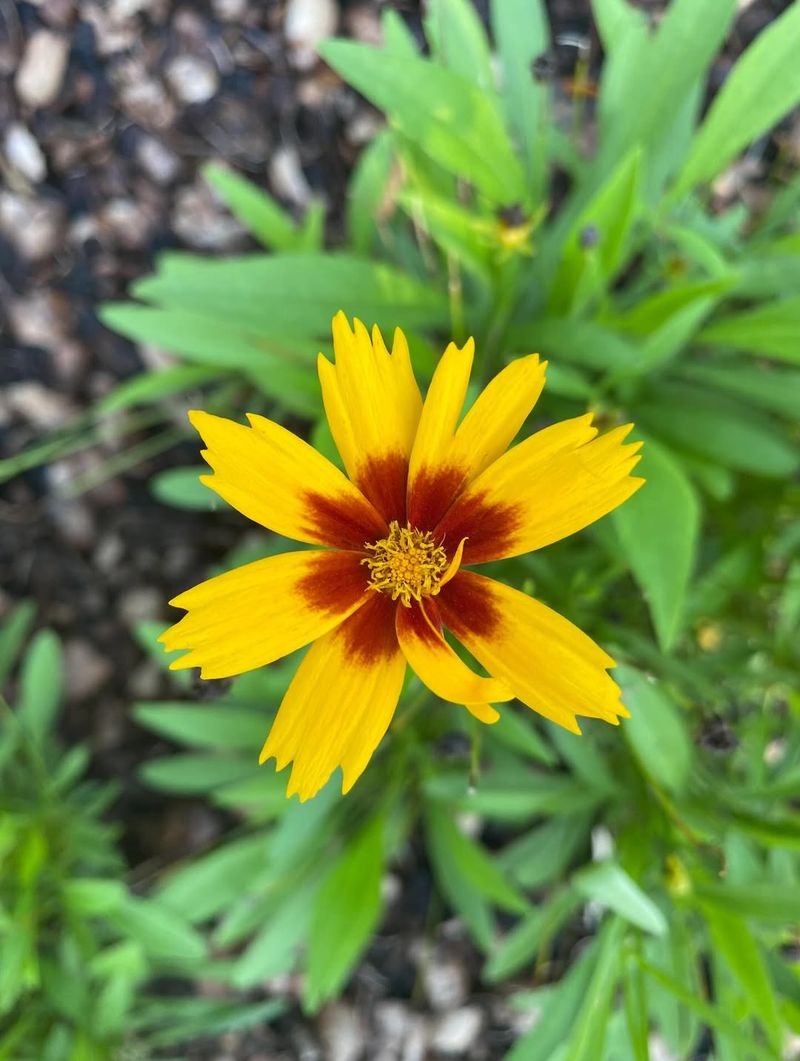
Few plants bring as much cheerful energy to a Texas garden as Coreopsis. The bright yellow flowers pop against the summer sky, and they keep blooming for weeks on end without much fussing from the gardener.
Native to North America and well-suited to Texas conditions, Coreopsis is one of those plants that makes gardening feel rewarding rather than exhausting.
Dividing Coreopsis is one of the easiest tasks in the garden. After a plant has been growing for two or three years, it forms a loose clump that practically falls apart when you dig it up.
Each section roots quickly in its new location, often within just a couple of weeks. You can easily turn one plant into four or five new ones without spending a single dollar at the garden center.
Poor soil and intense heat are no problem for this tough little bloomer. In fact, Coreopsis tends to perform better in lean, well-drained soil than in rich, heavily watered beds.
Overwatering is one of the few ways to actually stress this plant out. Across Texas, it does especially well in raised beds, along roadsides, and in natural-style landscapes where irrigation is minimal.
Spring is the best time to divide Coreopsis in Texas, giving each new plant plenty of time to establish roots before summer fully arrives. After dividing, trim the foliage back by about half to reduce stress on the plant.
Then water regularly for the first few weeks. Once settled in, your new Coreopsis divisions will reward you with a sea of golden yellow blooms all season long.
5. Gregg’s Mistflower
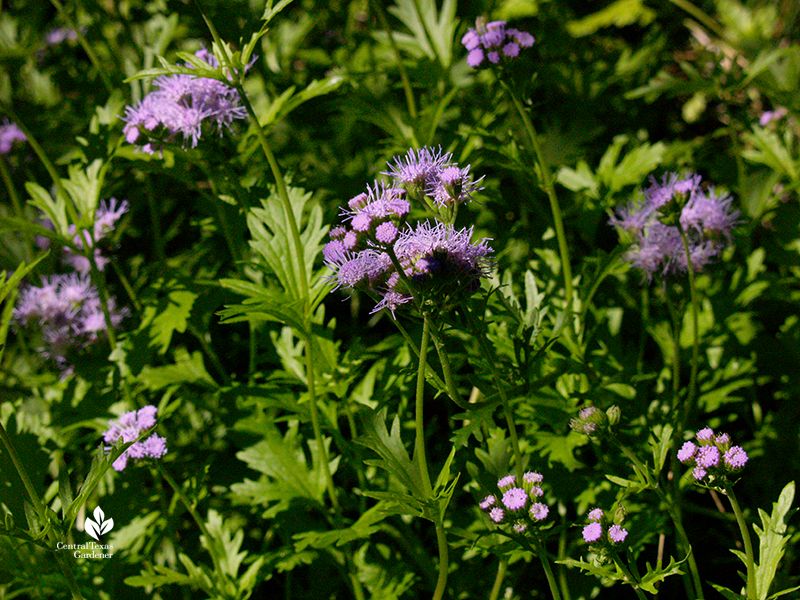
Gregg’s Mistflower is a bit of a secret weapon in the Texas garden world. It might not get as much attention as showier plants, but come fall, it puts on a display that stops people in their tracks.
The clusters of fuzzy purple-blue flowers cover the plant from top to bottom, and monarch butterflies on their migration south cannot seem to resist stopping for a visit.
What makes this plant especially exciting for Texas gardeners is how aggressively it spreads through underground stems called rhizomes. Over time, one plant becomes a wide colony.
To keep things manageable, or to start new patches in different parts of your yard, simply dig up sections of the spreading roots in early spring and replant them where you want more coverage. Each piece with a few healthy roots attached will take off on its own.
Gregg’s Mistflower thrives in the heat and handles dry spells well once established. It does best in full sun to part shade and adapts to a range of soil types found across Texas, from rocky Hill Country terrain to clay-heavy soils in North Texas.
It is especially useful for filling in open, sunny spots where other plants struggle to spread. One thing to keep in mind is that this plant can spread quite enthusiastically.
Planting it in an area with natural borders, like a bed edged with stone or a slope, helps keep it from wandering too far.
That said, in a large yard or a naturalized garden space, its spreading habit is one of its greatest strengths, quickly turning a bare patch into a lush, pollinator-friendly scene.
6. Daylily
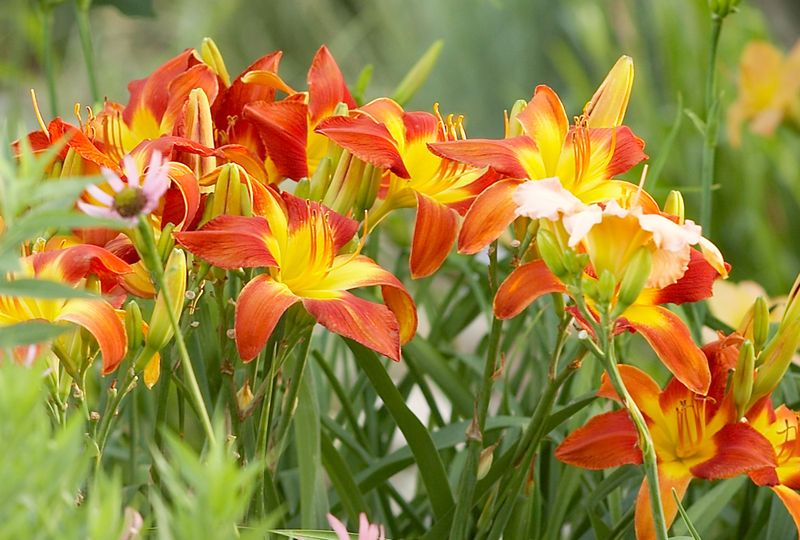
Daylilies have been growing in Texas gardens for so long that some people forget they even need any care at all. You can find them thriving in old farmyards, along country roads, and in grandmothers’ gardens across the state.
Their ability to survive neglect is legendary, but when you actually pay attention to them, they reward you with an explosion of blooms that is hard to beat.
Dividing daylilies is one of the most satisfying jobs in the garden. A mature clump can be split into dozens of individual fans, each with its own set of roots and leaves.
Use a sharp garden fork or spade to lift the entire clump, then pull the fans apart by hand or cut them with a knife if they are tightly packed. Replant each fan about 18 inches apart and water them in well.
The best time to divide daylilies in Texas is in early spring before they push out new growth, or in late summer after the main bloom period has passed. Both windows give the divisions enough time to root before extreme weather arrives.
Even a small fan with just a few roots will establish itself quickly, especially in the warm Texas soil.
Daylilies tolerate a wide range of conditions, from full sun to light shade, and from sandy to clay soils. They are forgiving of heat, occasional drought, and even poor drainage for short periods.
With hundreds of varieties available, Texas gardeners can choose from soft pastels to deep burgundy and everything in between, making daylilies one of the most versatile perennials you can grow.
7. Ornamental Grasses – Gulf Muhly
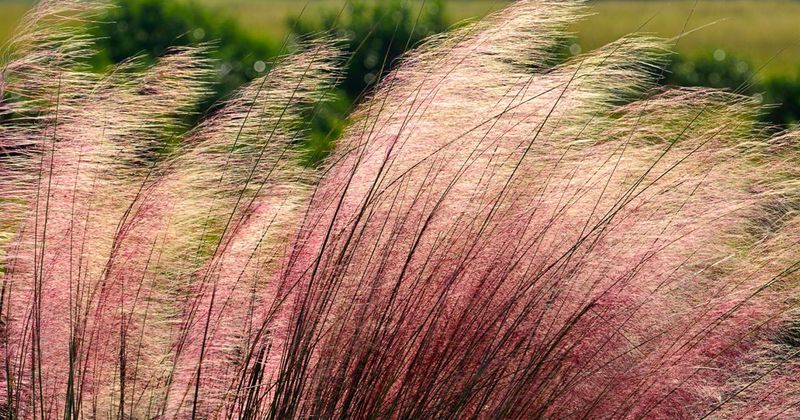
Every fall, Gulf Muhly transforms Texas landscapes into something that looks almost dreamlike. The clouds of pink and purple plumes catch the light in a way that makes the whole plant seem to glow.
It is one of those plants that people pull over on the side of the road to photograph, and it happens to be incredibly easy to grow and multiply in Texas gardens.
Gulf Muhly forms large, rounded clumps that get bigger every year. Once a clump reaches a foot or more in diameter, it is ready to be divided.
The best time to do this in Texas is in early spring, just as new growth begins to emerge from the base. Use a sharp spade to cut straight down through the center of the clump, dividing it into sections.
Each section can be replanted immediately or shared with a neighbor. After dividing, cut the foliage back to about six inches tall before replanting. This helps the plant focus its energy on growing new roots rather than supporting a lot of top growth.
Water the divisions regularly for the first month, and then back off as the plants establish. Gulf Muhly is remarkably drought-tolerant once it gets settled in, which makes it a perfect fit for the Texas climate.
Full sun is where Gulf Muhly truly shines. It thrives in the rocky, fast-draining soils common across Central and West Texas, and it also performs well in the sandy soils of the Gulf Coast region.
Over time, a few divided clumps can fill an entire slope or garden border with spectacular fall color, making it one of the most rewarding perennials you can multiply in a Texas landscape.