6 Native Texas Vines That Are Beautiful But Often Overlooked
Vines tend to get a bad reputation, and honestly, a lot of it is deserved when you’re talking about the invasive ones. Anyone who has spent an afternoon fighting back non-native climbers knows exactly how quickly things can get out of hand.
It’s the kind of gardening experience that makes people swear off vines altogether, which is completely understandable. The problem is that native Texas vines get caught in that same negative conversation, even though they behave completely differently.
These plants grew up here. They know the climate, they support local wildlife, they play nicely with the surrounding ecosystem, and they bring a kind of effortless, wild beauty to fences, arbors, and trellises that cultivated plants just can’t replicate.
Most gardeners never even find out these vines exist because they rarely show up at mainstream nurseries. That’s a real shame, because some of them are genuinely spectacular and deserve a spot in far more Texas gardens.
1. Coral Honeysuckle
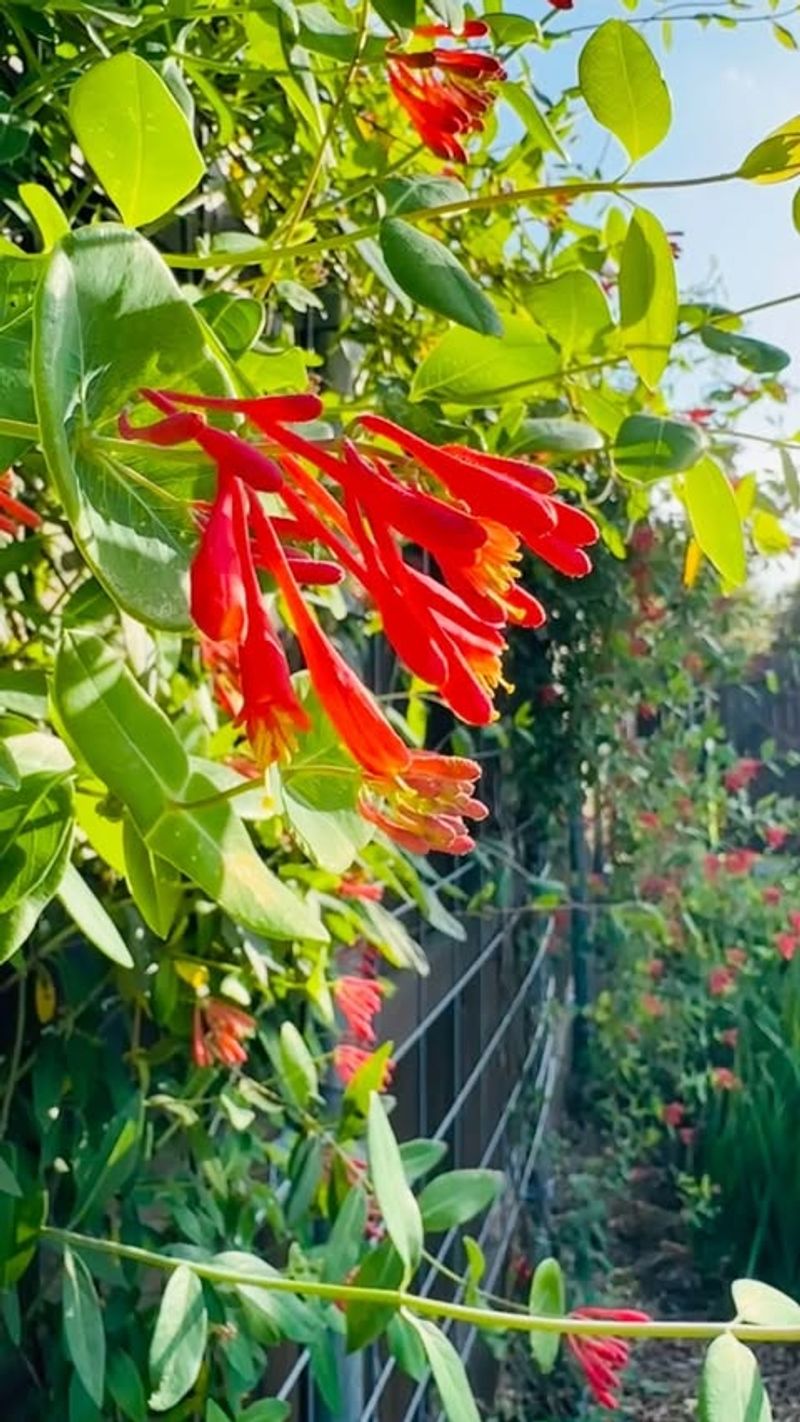
Hummingbirds in Texas practically lose their minds over this vine. Coral Honeysuckle, also called Lonicera sempervirens, produces gorgeous tubular flowers in bold shades of red and orange that act like a magnet for pollinators.
Unlike its invasive Japanese cousin, this Texas native stays well-behaved in the garden and never tries to take over everything around it.
What makes it even better is that it blooms repeatedly from spring all the way through fall. That means months of color in your yard without much effort on your part.
In South Texas, it stays evergreen through winter, giving your garden structure and greenery even in the cooler months.
Coral Honeysuckle grows vigorously on fences, arbors, and trellises, reaching up to 20 feet in ideal conditions. It prefers full sun to partial shade and handles the heat of a Texas summer without complaint.
It also tolerates a range of soil types, which makes it flexible for gardens across the state. Planting this vine near a window or porch is a smart move. You will get a front-row seat to hummingbird visits all season long.
Ruby-throated and Black-chinned hummingbirds are especially fond of the nectar-rich blooms.
Native bees and butterflies also visit the flowers regularly, adding even more life to your outdoor space.
For gardeners in Texas who want a reliable, low-maintenance, and genuinely beautiful vine, Coral Honeysuckle checks every single box. It is one native plant that truly earns its place in any landscape.
2. Snapdragon Vine
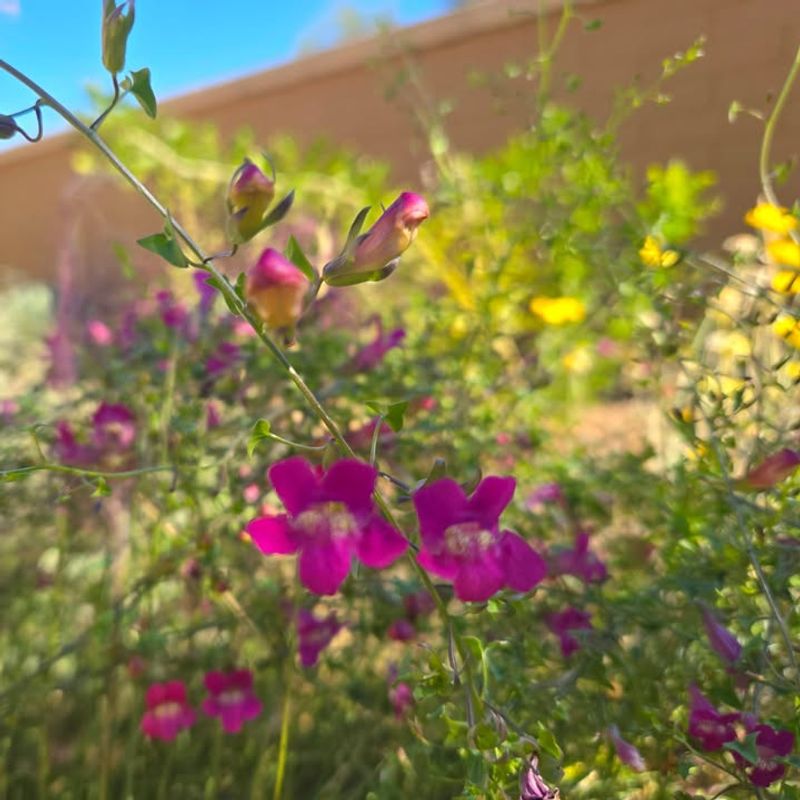
Most Texas gardeners have never even heard of this one, and that is honestly a shame. Snapdragon Vine, known scientifically as Maurandella antirrhiniflora, is a petite but absolutely charming native that quietly works its magic in gardens across the state.
Its tiny flowers look just like miniature snapdragons, showing up in shades of purple and pink that catch your eye even from a distance.
Rocky, dry Texas soils are where this vine truly feels at home. It thrives in the kinds of conditions that would stress out most garden plants, making it a smart pick for low-water landscapes.
Your Texas Garden Changes Every Week. Your Plan Should Too.
Gardening in Texas changes quickly throughout the season. Every Friday you’ll receive a simple weekly plan showing exactly what to plant, prune, fertilize, harvest, and protect so you never miss the right timing.
It twines gracefully through fences, shrubs, and other plants without causing any damage or crowding out its neighbors.
Native bees are big fans of the Snapdragon Vine. The flower shape is perfectly designed for smaller bee species to access the nectar inside.
Watching native pollinators work through a patch of these blooms is one of those simple garden moments that reminds you why native plants matter so much.
Despite all its charms, this vine is almost completely absent from Texas nurseries and garden center conversations. Finding it may take a little effort, but native plant societies and specialty growers in Texas often carry it. It is worth seeking out.
Once established, it reseeds itself reliably, meaning you may not have to replant it at all. For a plant that asks for so little and gives so much in return, the Snapdragon Vine deserves far more attention than it currently gets in Texas gardens.
3. Texas Virgin’s Bower
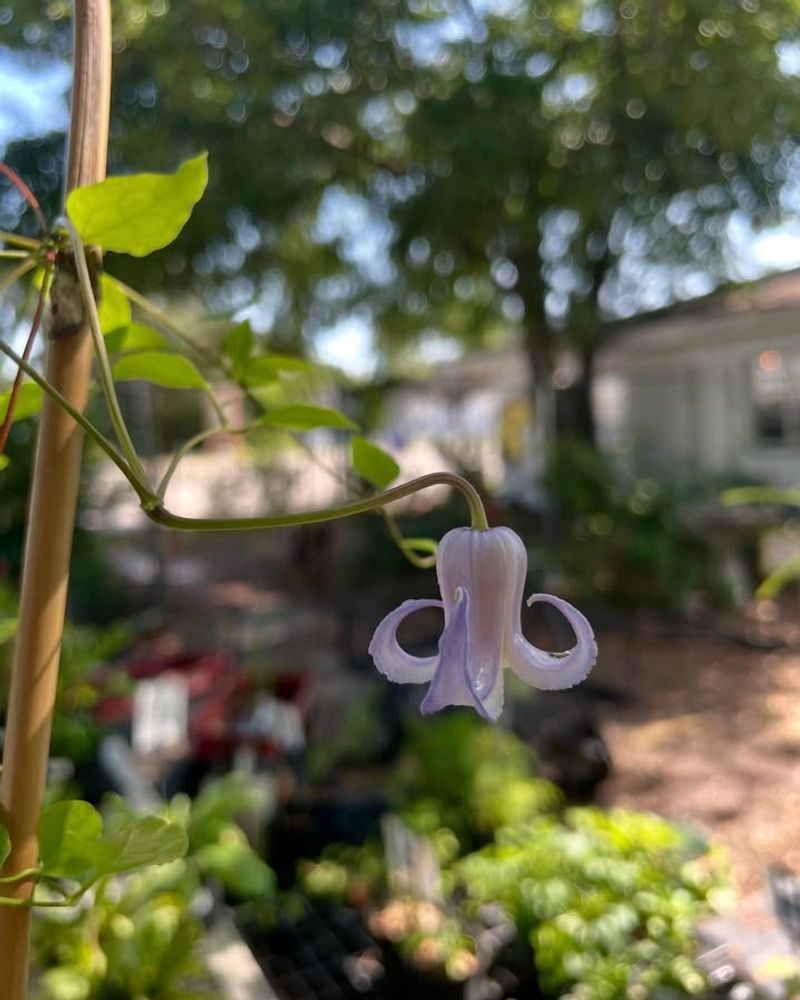
Come fall in Texas, few plants put on a show quite like this one. Texas Virgin’s Bower, or Clematis drummondii, starts the season with wispy white flowers and then transforms into something even more stunning as the seed heads develop into silvery, fluffy clusters that practically glow in the afternoon sun.
It looks like something out of a nature documentary, and it is growing right here in the Lone Star State.
Speed is one of this vine’s most impressive qualities. It grows fast, covers structures quickly, and handles Texas heat and drought without any fuss.
Gardeners who struggle to find plants tough enough for harsh Texas summers will appreciate how naturally resilient this native clematis really is.
Pollinators are drawn to the flowers during the blooming season, making it a solid contributor to any wildlife-friendly garden. Bees and butterflies visit regularly, and the fluffy seed heads attract birds looking for nesting material in late fall and winter.
Most gardeners skip over this vine in favor of showier non-native clematis varieties found at big box stores. But those imports often struggle in Texas conditions and require far more maintenance.
Texas Virgin’s Bower, on the other hand, was made for this climate and thrives with minimal intervention.
It works beautifully scrambling over fences, rocky outcroppings, or through other shrubs. Its natural, wild look adds texture and movement to a garden space.
For anyone in Texas wanting something genuinely different and breathtaking, this overlooked native clematis is a wonderful place to start.
4. Mustang Grape
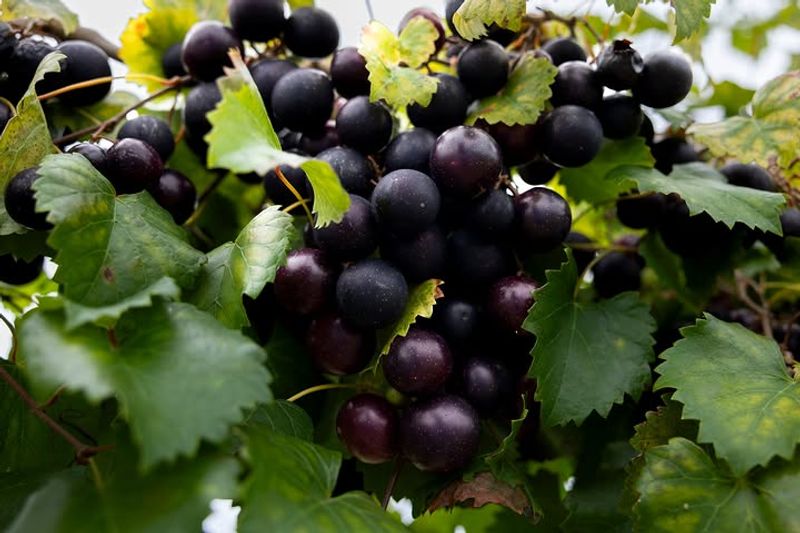
There is something deeply Texan about the Mustang Grape. This rugged, vigorous native vine has been part of the Texas landscape for thousands of years, feeding wildlife and shading the land long before anyone thought to plant it intentionally in a garden.
Vitis mustangensis is a true original, and it brings a kind of bold, unapologetic energy to any outdoor space it inhabits.
The foliage alone makes it worth growing. Dense, lush, and deeply lobed, the leaves create thick coverage that is perfect for draping over fences, arbors, pergolas, and trellises.
In summer, that canopy creates wonderful natural shade that can actually cool down the area underneath, which is a huge bonus in a Texas summer.
Wildlife value is where this vine really shines. Birds like mockingbirds, cedar waxwings, and various thrushes feast on the dark purple fruits in late summer.
Mammals, including raccoons and foxes, also take advantage of the fruit. Few native plants in Texas offer this level of wildlife benefit in such a compact, easy-to-grow package.
Fair warning though: Mustang Grape skin contains tartaric acid that can irritate bare skin, so wear gloves when handling the fruit or pruning the vine. That small caveat aside, it is an incredibly rewarding plant to grow in Texas landscapes.
It tolerates a wide range of soils, handles drought well once established, and grows with real determination. For gardeners wanting shade, wildlife habitat, and a genuinely Texas-tough plant, the Mustang Grape delivers on every front without ever asking for much in return.
5. Passion Vine
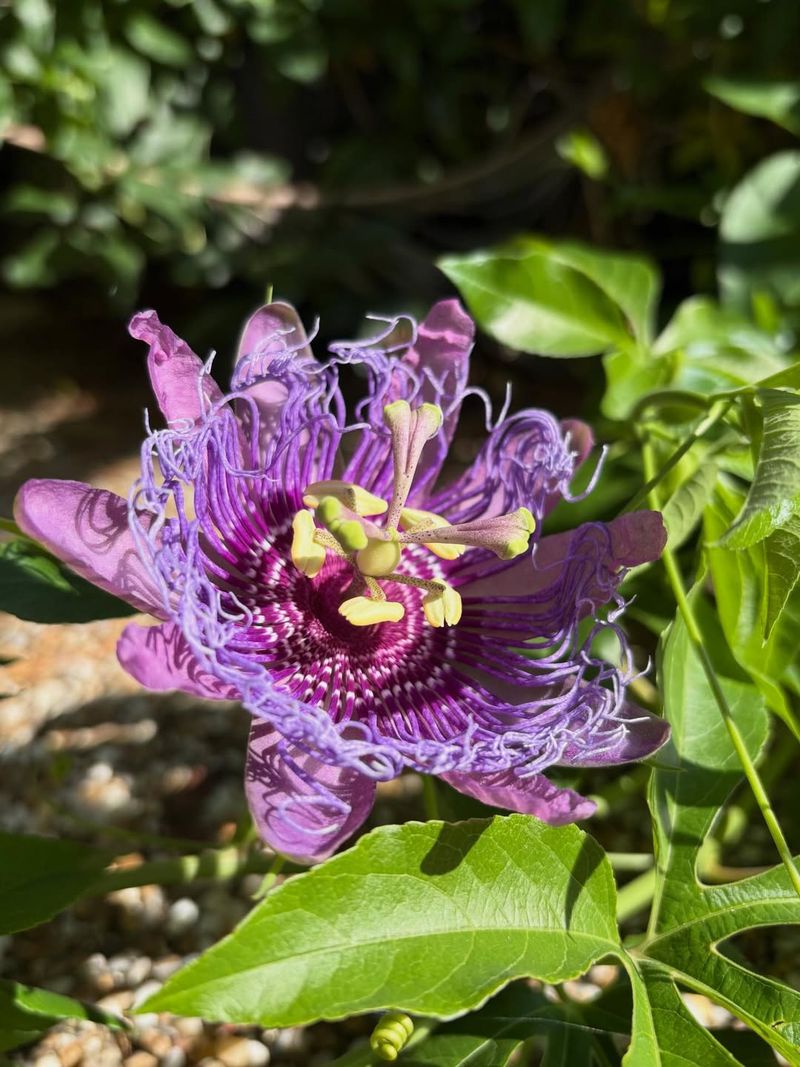
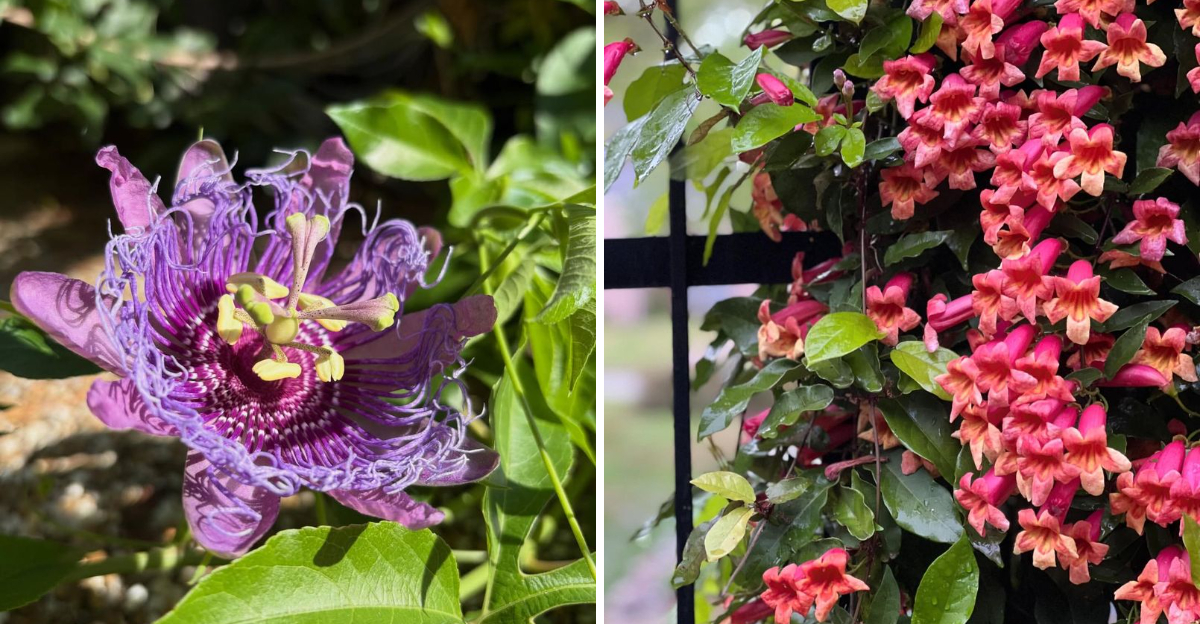
Nothing in a Texas garden stops visitors in their tracks quite like a Passion Vine in full bloom. The flowers of Passiflora incarnata, also called Maypop, are so exotic and intricate that people often assume they must be tropical imports requiring constant care.
The truth is the opposite. This vine is a tough Texas native that grows on its own terms, blooms prolifically, and asks for very little from the gardener.
The blooms are a masterpiece of natural design, featuring layers of purple and white petals surrounding a fringe of filaments that looks almost alien.
Each flower opens for a single day, but the vine produces so many buds that you will enjoy a long parade of blooms throughout the warm season. After flowering, it sets edible egg-shaped fruits that ripen to yellow-green in late summer.
Butterfly gardeners in Texas especially love this vine. Passion Vine is the host plant for both Gulf Fritillary and Zebra Longwing butterflies, meaning females lay their eggs on the leaves and the caterpillars feed on the foliage.
Watching this life cycle play out in your own backyard is genuinely one of the coolest things a Texas gardener can experience.
It spreads by underground runners and may pop up in new spots each year, which some gardeners love and others manage with simple edging. Either way, it is easy to control with minimal effort.
Despite all these incredible qualities, Passion Vine remains surprisingly underused in Texas landscapes. Once you plant one, you will wonder how you ever gardened without it.
6. Cross Vine
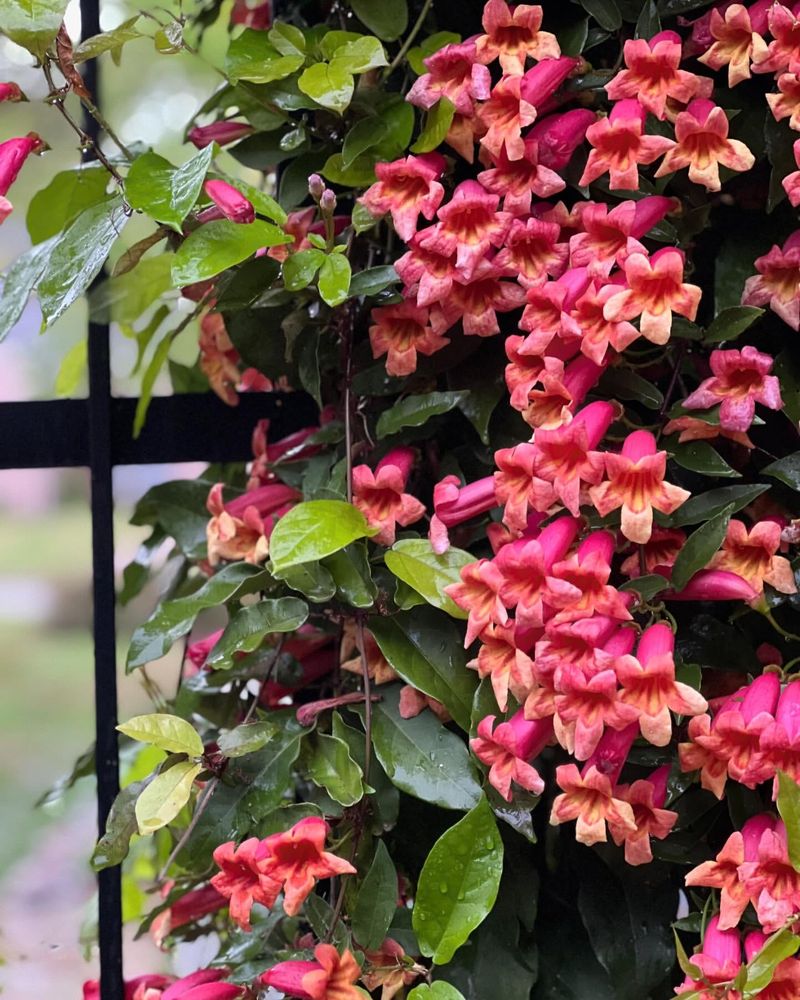
Early spring in Texas brings a lot of beautiful things, but few sights are as striking as a Cross Vine covered in trumpet-shaped flowers. Bignonia capreolata bursts into bloom with rich shades of orange and red before many other plants have even woken up from winter.
It is the kind of vine that makes neighbors stop and ask what it is, and the answer almost always surprises them.
Here is the quirky detail that gave this vine its name: slice through a stem and you will see a distinct cross-shaped pattern in the wood.
It is a small but memorable feature that makes this plant feel like it has a story to tell. Gardeners who discover this little trick tend to share it with everyone they know.
Cross Vine is semi-evergreen across much of Texas, holding onto its attractive foliage through mild winters and providing year-round structure on fences, walls, and arbors.
It climbs using tendrils with adhesive discs, meaning it can attach itself to masonry and wood surfaces without additional support. That makes it incredibly practical for covering large structures quickly.
Hummingbirds are reliable visitors to the tubular blooms in spring, and the vine grows vigorously enough to create real impact on a garden structure within just a couple of seasons.
It handles the heat and humidity of East Texas as well as the drier conditions of Central Texas with equal ease.
Even with all these strengths, Cross Vine is consistently overlooked in favor of non-native alternatives. Giving it a spot in your Texas garden is a decision you will not regret for a single season.