6 Hard-To-Find Native Texas Flowers That Are Worth Planting
Texas nurseries play it safe, and honestly, who can blame them. They stock what moves off the shelves quickly, and that usually means the same rotating cast of familiar flowers that every gardener in the state has already grown at least once.
It’s reliable, it’s predictable, and it leaves almost no room for anything truly interesting to make an appearance. What most Texas gardeners don’t know is that the state is home to some absolutely stunning native flowers that rarely, if ever, show up in commercial nurseries.
These are plants that evolved right here, built specifically for Texas soil, Texas heat, and Texas rainfall patterns. They support native pollinators, they come back reliably, and they bring a kind of authentic Texas beauty to a garden that imported ornamentals simply cannot match.
Tracking them down requires a little extra effort, but once they’re growing in your yard, you’ll wonder why it took you this long to find them.
1. Texas Bluebonnet
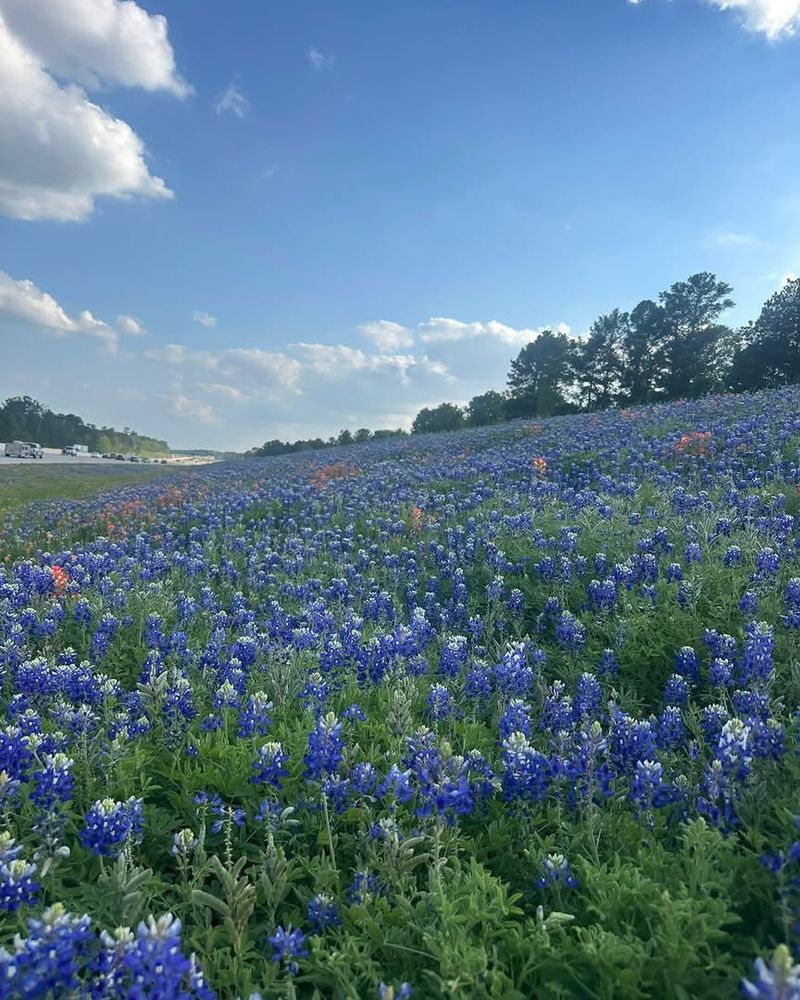
Everyone thinks they know the Texas Bluebonnet, but here is the surprising truth: actually growing a thriving patch of them in your garden is one of the trickiest things you can do in Texas landscaping.
Seeds are sold all over the place, but most gardeners end up with patchy results or nothing at all. The real secret lies in understanding exactly what this flower needs.
Bluebonnets demand well-drained, alkaline soil above everything else. If your yard has heavy clay or stays wet after rain, you will struggle to get them established.
The planting window is also very specific. Seeds need to go into the ground in fall, not spring, so they can go through a natural cold period before they sprout.
Scarification is another step most people skip. That means lightly scratching or nicking the hard seed coat before planting so moisture can get inside and trigger germination.
You can do this with sandpaper or by soaking seeds in warm water overnight. Skipping this step is one of the most common reasons bluebonnet plantings fail across Texas.
Once you crack the code, though, the payoff is extraordinary. A healthy bluebonnet patch in full bloom is one of the most purely Texan sights imaginable.
The rich blue-purple spikes attract native bees and butterflies by the dozens. They also reseed themselves naturally, so a successful planting can come back stronger every single year without much help from you at all.
2. Cobaea Beardtongue
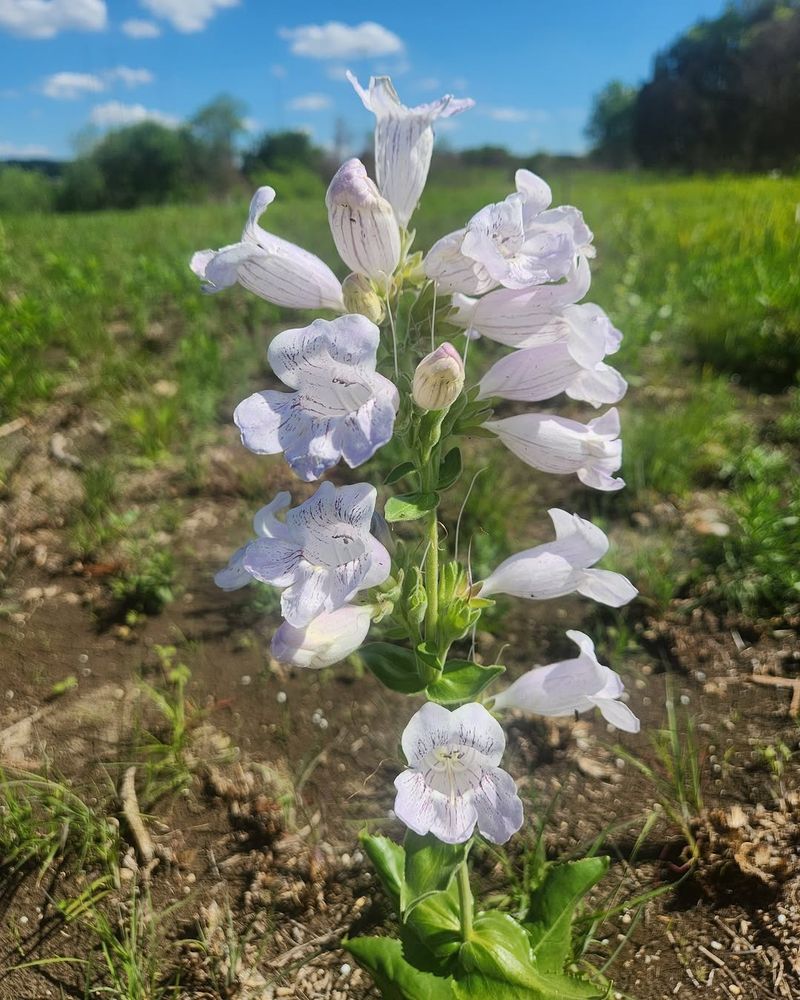
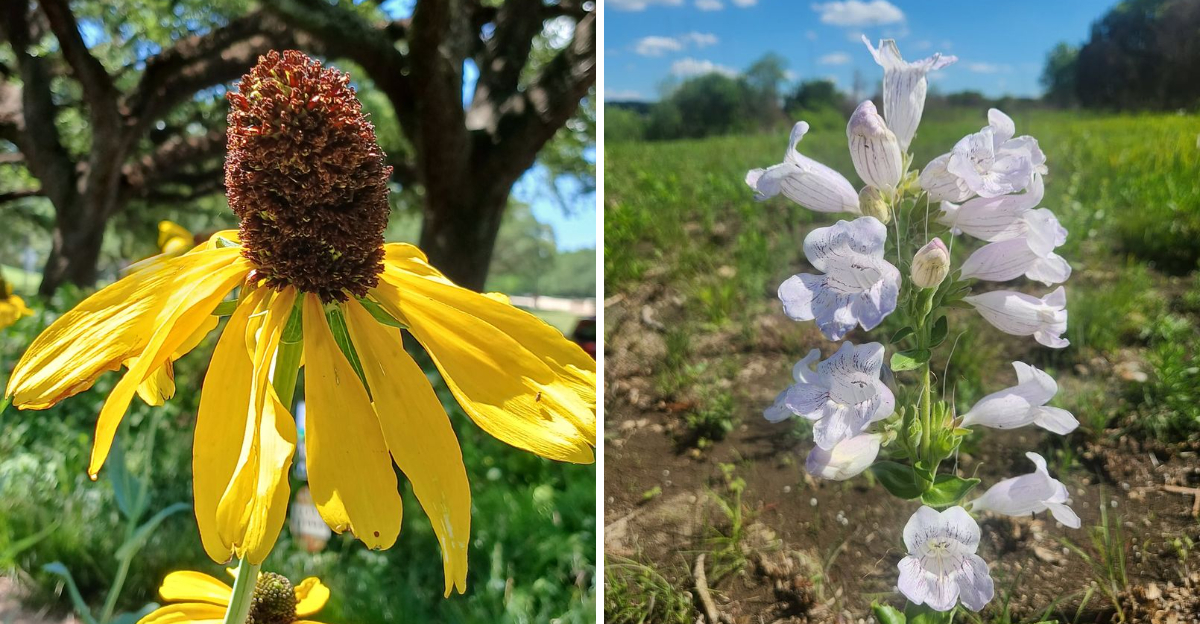
If you have never heard of Cobaea Beardtongue, you are not alone, and that is honestly a shame. This wildflower produces blooms so large and so showy that most people assume it must be some exotic tropical import.
The flowers are trumpet-shaped, coming in soft white and lavender, and they look almost too beautiful to be growing wild across Texas hillsides and rocky prairies.
Finding it at a mainstream nursery is nearly impossible. Most garden centers simply do not carry it, which means you will likely need to seek out a native plant specialty nursery or order seeds from a reputable Texas wildflower supplier.
Your Texas Garden Changes Every Week. Your Plan Should Too.
Gardening in Texas changes quickly throughout the season. Every Friday you’ll receive a simple weekly plan showing exactly what to plant, prune, fertilize, harvest, and protect so you never miss the right timing.
The effort is completely worth making. Once you see it blooming in person, you will wonder why every Texas garden does not have one.
Planting conditions are actually pretty forgiving as long as you respect two key rules. First, this plant must have well-drained soil.
Rocky, gravelly ground is perfectly fine and actually preferred. Second, avoid overwatering at all costs.
Cobaea Beardtongue is adapted to dry Texas conditions and will struggle in soggy soil far more than it will in drought.
Native bees and bumblebees are absolutely wild about these flowers. The large trumpet shape is perfectly sized for big pollinators to crawl inside and feed.
Watching a fat bumblebee disappear headfirst into one of these blooms is genuinely entertaining. Plant a small grouping of three or five together for the best visual impact, and enjoy one of Texas’s most underappreciated native wildflowers in full, gorgeous bloom.
3. Texas Coneflower
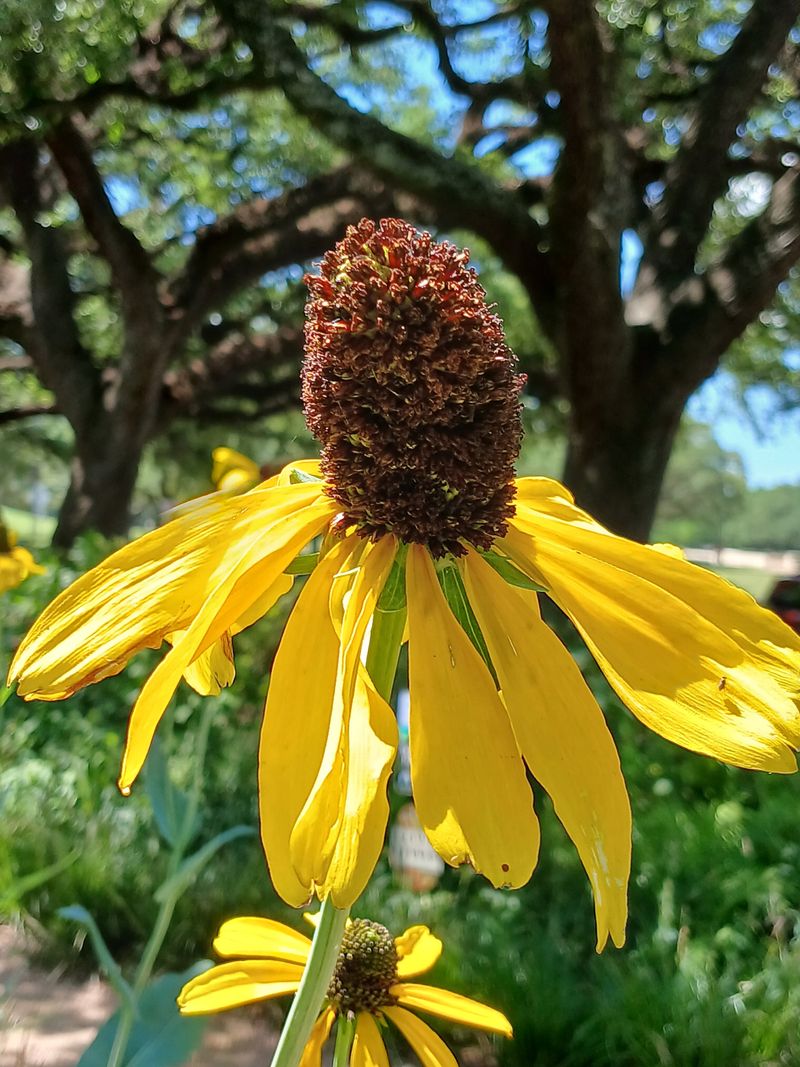
Most gardeners are familiar with purple coneflowers from the garden center, but the Texas Coneflower is something entirely different and far more special. Rudbeckia texana is a true Texas endemic, which means it grows naturally nowhere else on the entire planet.
That alone makes it one of the most remarkable plants you could ever put in a Texas garden.
The flowers are cheerful and bright, with golden-yellow petals that droop downward from a rounded dark center cone. They have a slightly wild, loose look that fits perfectly in naturalistic garden designs.
Unlike the stiff, formal look of many cultivated coneflowers sold at nurseries, the Texas Coneflower has a relaxed, meadow-like charm that feels genuinely alive and natural.
Pollinators absolutely love it. Bees, butterflies, and even some native wasps are drawn to the blooms throughout the summer months.
After the flowers fade, the seed heads provide food for goldfinches and other small birds heading into fall. So even when the blooming season wraps up, this plant keeps on giving to the wildlife around it.
Finding Texas Coneflower is the real challenge. It is extremely rare in the nursery trade and almost completely unknown to most Texas gardeners.
Your best bet is to check with native plant societies in Texas or search online for specialty seed suppliers who focus on Texas endemics.
Growing something this rare and this beautiful from seed is one of the most satisfying gardening experiences you can have anywhere in the Lone Star State.
4. Winecup
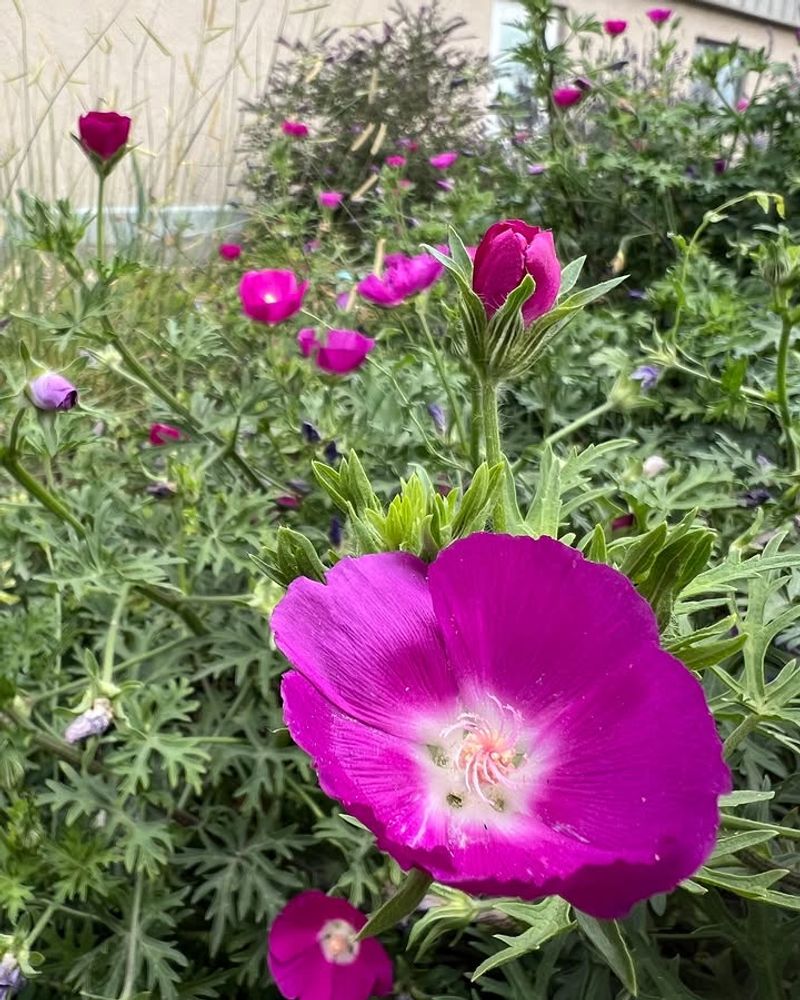
Picture the most vivid, electric magenta-purple color you have ever seen in a flower, then imagine that color covering a low-growing plant that spreads freely across your garden bed all spring long.
That is exactly what Winecup brings to a Texas garden, and it is genuinely hard to believe this stunner is not in every yard across the state.
Callirhoe involucrata is a sprawling perennial native that stays close to the ground, making it a fantastic option as a groundcover or front-of-border plant.
The cup-shaped blooms open wide in the morning sun and seem to glow from across the yard. Bees love them, and the plant itself asks for almost nothing in return once it gets settled in.
Drought tolerance is one of Winecup’s greatest strengths. Once established, it can go long stretches without rain and still push out flowers reliably.
Texas summers can be brutal, but this plant handles the heat with ease. Well-drained soil is important, though.
Like many Texas natives, Winecup does not appreciate wet feet and will decline quickly in poorly drained spots.
Tracking it down is the tricky part. Despite all these incredible qualities, Winecup remains surprisingly absent from most mainstream Texas nurseries.
Native plant sales held by local botanical gardens and native plant societies are often your best source. Some specialty online nurseries also carry it.
Once you find it and get it growing, you will have a plant that seeds around gently and fills your garden with breathtaking color for years to come.
5. Rock Rose
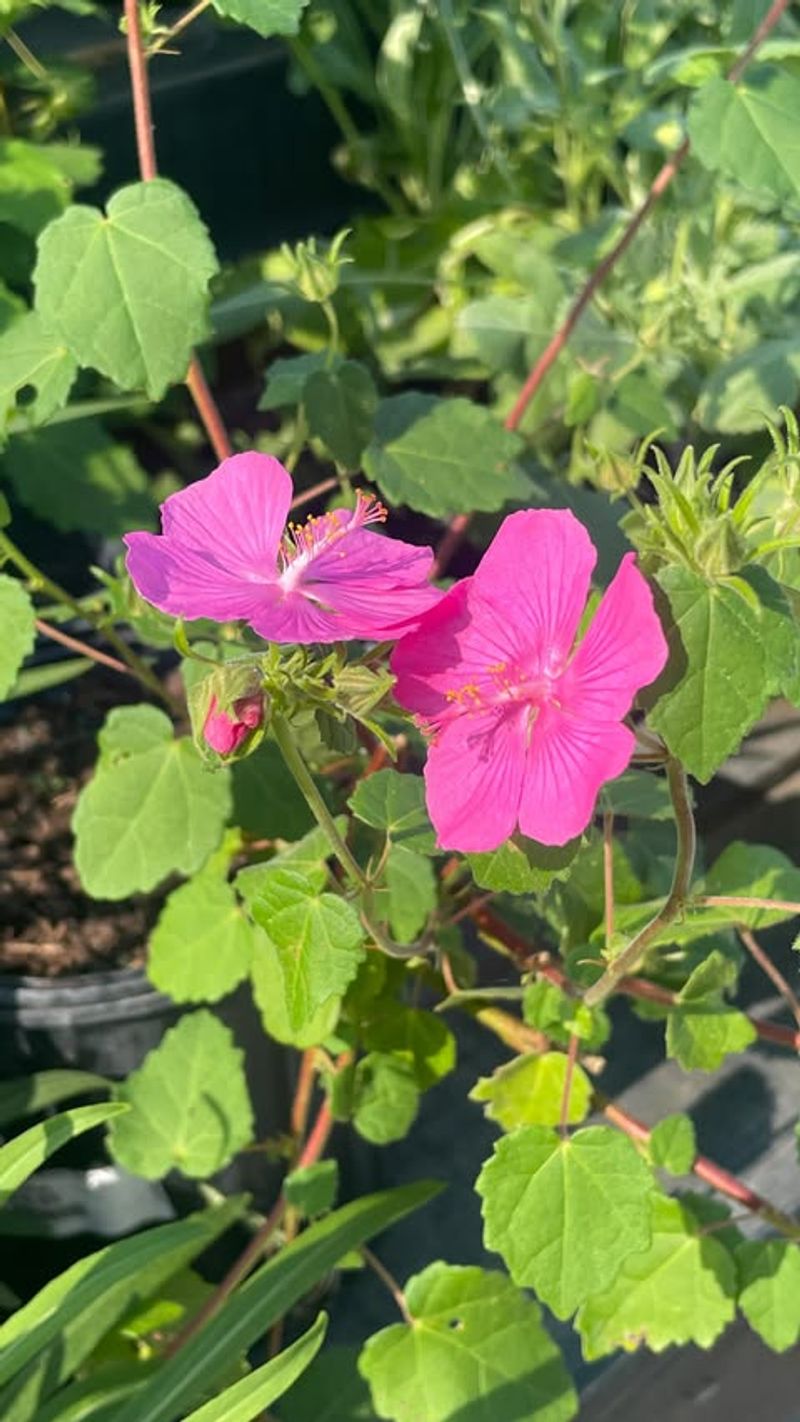
There is a quiet elegance to Rock Rose that sets it apart from flashier wildflowers. The blooms are soft and delicate, a warm rose-pink that looks almost like miniature hibiscus flowers, which makes sense because Pavonia lasiopetala is actually a member of the same plant family.
It grows as a shrubby perennial and can reach about three to four feet tall with a loose, airy structure.
Native to the Edwards Plateau and Hill Country regions of Texas, Rock Rose is perfectly engineered for the challenges of that landscape. Rocky, thin soils that would stress most ornamental plants are exactly where this flower thrives.
It handles the intense Texas summer heat without complaint and bounces back from drought conditions that would flatten less adapted plants.
The blooming season is remarkably long. Rock Rose can produce flowers continuously from late spring all the way through fall, giving your garden months of soft color when many other plants have long since given up for the season.
Butterflies are especially attracted to the blooms, and native bees visit regularly throughout the day, making it a fantastic pollinator resource.
Despite deserving a spot in every Texas garden, Rock Rose remains largely invisible in mainstream nurseries. Most big box garden centers have never heard of it.
Your best chances of finding it are at Hill Country native plant nurseries, regional native plant sales, or specialty online growers who focus on Texas natives.
Once established, it spreads gently by seed and can slowly fill a sunny, rocky garden bed with effortless, long-lasting beauty across the entire growing season.
6. Greenthread / Navajo Tea
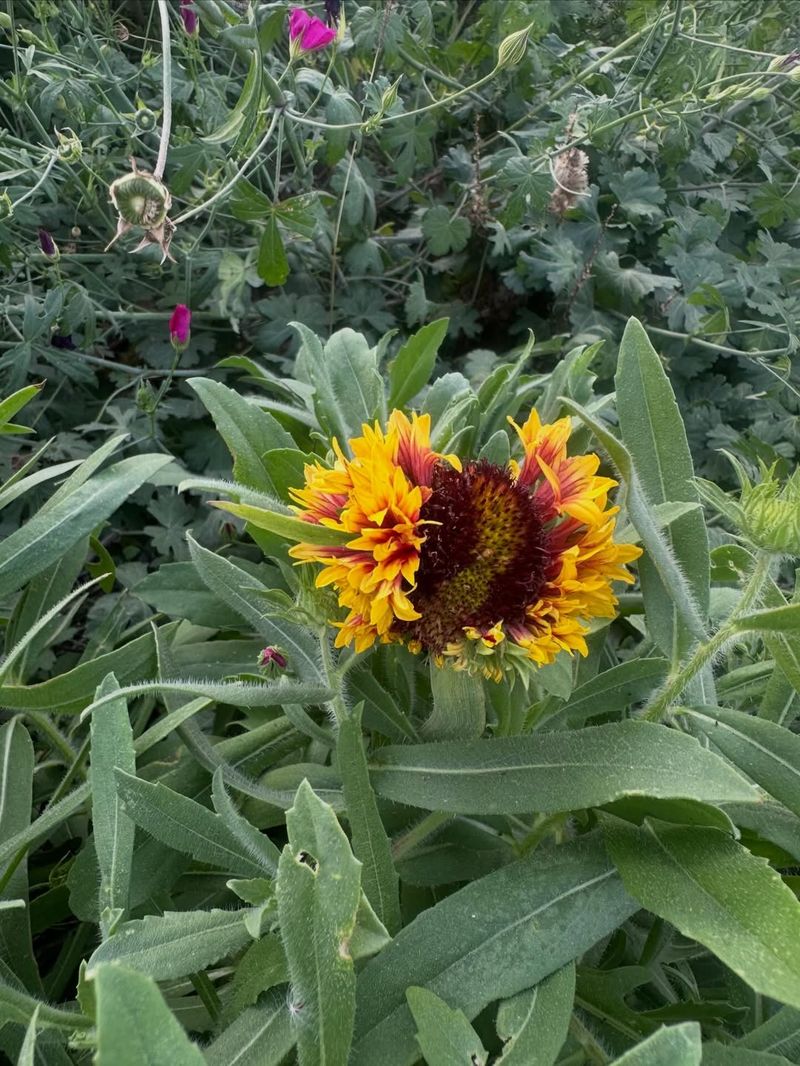
Greenthread is the kind of plant that makes you stop and look twice. The stems are impossibly slender and thread-like, giving the whole plant an airy, delicate appearance.
But then the flowers show up, and they are bold, bright golden-yellow daisy-like blooms that pop against that wispy foliage in the most charming way imaginable. It is one of those wildflowers that looks fragile but is actually incredibly tough.
Also called Navajo Tea, this Texas native has a history that goes far beyond ornamental gardening. Native American tribes, particularly the Navajo people, brewed the dried stems and leaves into a flavorful herbal tea for centuries.
That tradition gives Greenthread a cultural depth and story that most garden plants simply cannot match. Knowing that history makes growing it feel like connecting to something much larger than just a pretty flower.
From a practical standpoint, Greenthread is one of the most low-maintenance plants you could ever put in a Texas garden. It thrives in poor, rocky soils where other plants struggle.
Drought tolerance is exceptional, and it actually performs better with less water rather than more. Overwatering or planting in heavy soil are the fastest ways to have problems with this one.
Pollinators genuinely love the bright blooms, and the plant provides excellent value to native bees and small butterflies throughout its blooming season.
Finding Greenthread at a regular Texas nursery is nearly impossible, but native plant seed suppliers and specialty native plant sales are reliable sources.
Once established in a dry, sunny spot, it will reseed gently and reward you with golden blooms season after season.