North Carolina Gardeners’ Guide To Growing Fuchsia Flower Plants Successfully
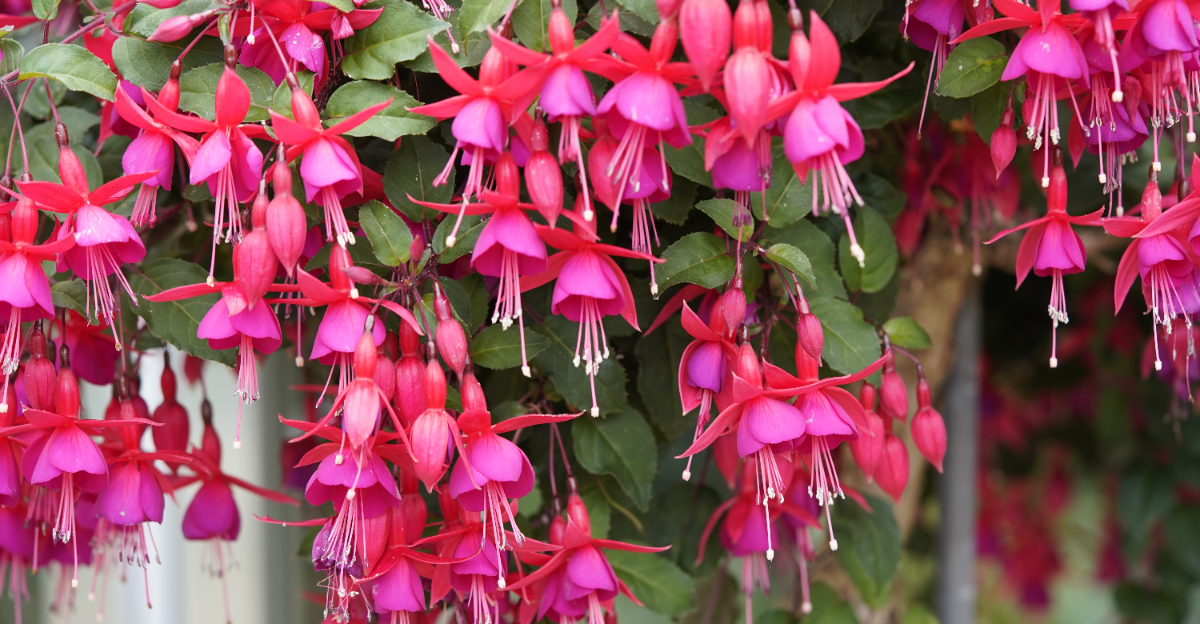
Fuchsia flowers have a way of getting attention fast. Their hanging blooms, rich color, and unusual shape can make any porch, patio, or garden corner feel more lively.
In North Carolina, though, growing them well can take a little extra care. Heat, strong sun, and heavy summer humidity can be tough on these plants if they are not placed in the right spot.
That is why some gardeners struggle with fuchsia while others enjoy months of beautiful blooms. The difference often comes down to a few simple choices made early.
When fuchsia gets the right light, enough moisture, and some protection from harsh afternoon conditions, it can stay healthy and bloom far better.
For North Carolina gardeners who want something colorful and eye catching, fuchsia can be a standout plant, but it needs the right setup to truly look its best.
1. Choose The Right Variety For NC
Not every fuchsia variety is built the same, and picking the right one for North Carolina can make all the difference between a thriving plant and a struggling one.
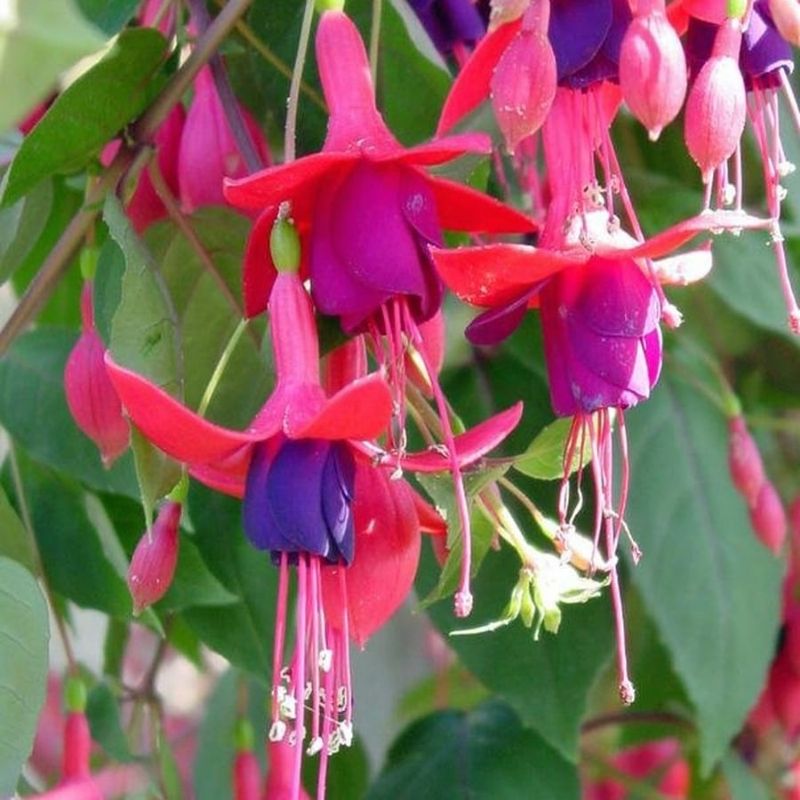
Fuchsia magellanica, often called Hardy Fuchsia, is one of the best choices for NC gardeners because it tolerates cooler temperatures and can bounce back after mild winters with proper mulching.
It produces elegant, small, tube-shaped flowers in deep red and purple that hummingbirds absolutely love.
For gardeners in the warmer Piedmont and Coastal Plain regions, tender fuchsia varieties grown in containers are a popular and flexible option.
Varieties like ‘Swingtime’ and ‘Dollar Princess’ are well-suited for hanging baskets on shaded porches or patios, where they get protection from the intense summer heat.
Container growing also gives you more control over soil quality, moisture, and light exposure throughout the season.
Mountain regions in western North Carolina are actually ideal for hardy fuchsias since cooler summer temperatures match the plant’s natural preferences.
Checking with your local NC Cooperative Extension office is a smart move before purchasing, as they can recommend regionally tested varieties.
Choosing the right fuchsia from the start sets the entire growing season up for success and saves you a lot of frustration later on.
2. Plant In Partial To Full Shade
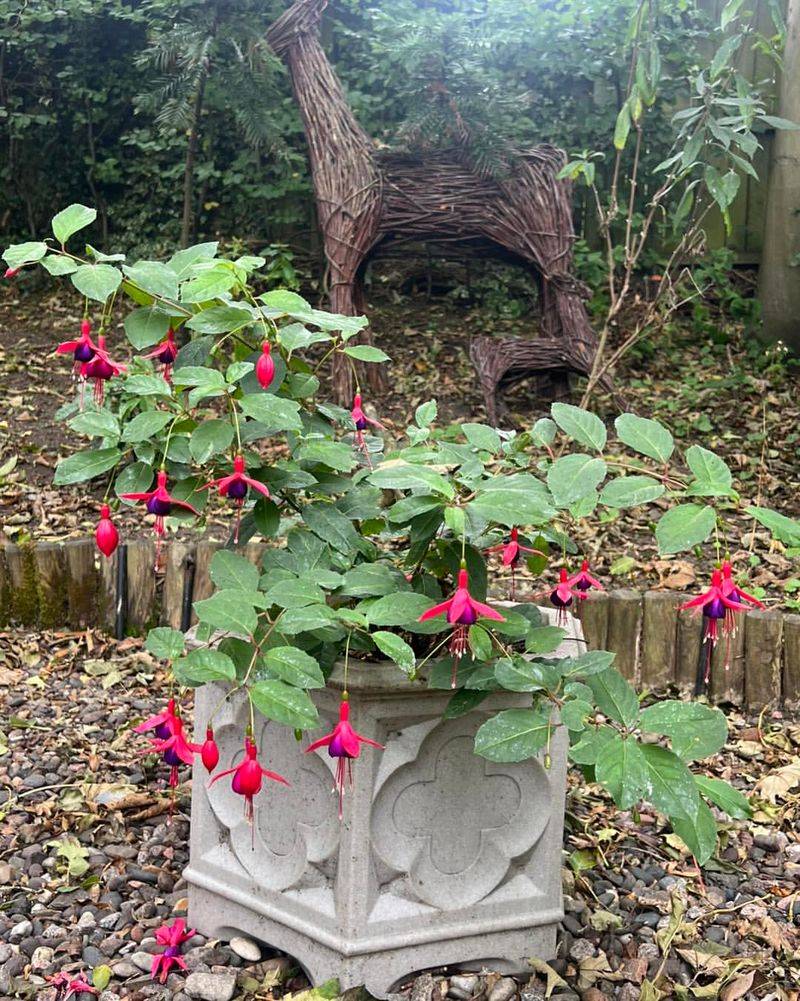
Sunlight placement is one of the most critical decisions you will make when growing fuchsias in North Carolina.
These plants genuinely thrive with morning sun and afternoon shade, especially across the warmer Piedmont and Coastal Plain areas where summer temperatures can soar above 90 degrees.
Too much direct afternoon sun causes leaf scorch, wilting, and rapid flower loss, which is frustrating after all the care you put in.
Filtered or dappled light works beautifully for container fuchsias placed under tall trees, on covered porches, or near structures that block the harshest midday rays.
East-facing spots in your yard are often ideal because they offer gentle early light without the punishing heat that west-facing exposures bring.
Hanging baskets do especially well under pergolas or shade cloth setups that mimic natural woodland conditions.
In the cooler mountain counties of western North Carolina, fuchsias can handle a bit more sun exposure without struggling because temperatures stay more moderate throughout the growing season.
Your North Carolina Garden Changes Every Week. Your Plan Should Too.
Gardening in North Carolina changes quickly throughout the season. Every Friday you’ll receive a simple weekly plan showing exactly what to plant, prune, fertilize, harvest, and protect so you never miss the right timing.
Even there, though, watching for signs of heat stress like drooping leaves or faded blooms is a good habit.
Adjusting placement by even a few feet can dramatically improve how your fuchsia looks and performs all season long.
Finding that sweet shady spot is genuinely one of the most rewarding parts of growing fuchsias in NC.
3. Use Well-Draining Soil
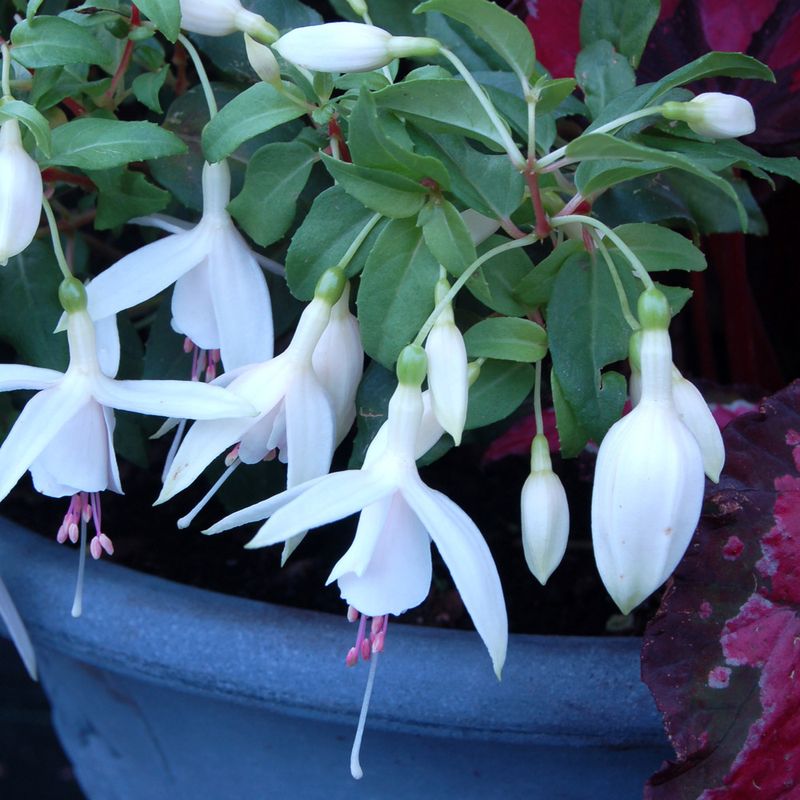
Fuchsias are surprisingly picky about their soil, and getting it right is one of the simplest ways to set your plants up for long-term success.
Rich, well-draining soil is the gold standard because it holds enough moisture to keep roots hydrated while allowing excess water to escape freely.
In North Carolina’s humid spring and summer conditions, soggy soil is one of the fastest ways to cause root rot, which can seriously weaken your plants.
Amending your garden bed or container mix with compost, peat moss, or aged bark improves both drainage and fertility at the same time.
For container fuchsias, a high-quality potting mix designed for hanging baskets works extremely well because it stays loose and airy even after repeated watering.
Avoid using heavy clay-based garden soil in pots, as it compacts quickly and prevents proper drainage around sensitive fuchsia roots.
If your North Carolina garden has naturally clay-heavy soil, which is common across much of the Piedmont region, raised beds are a practical solution worth considering.
Raising the planting area by just eight to twelve inches with amended soil can completely transform your results.
Adding perlite to your soil mix at a ratio of about one part perlite to four parts soil is another easy trick that improves drainage noticeably. Healthy soil truly is the foundation of every successful fuchsia garden.
4. Water Consistently But Avoid Overwatering
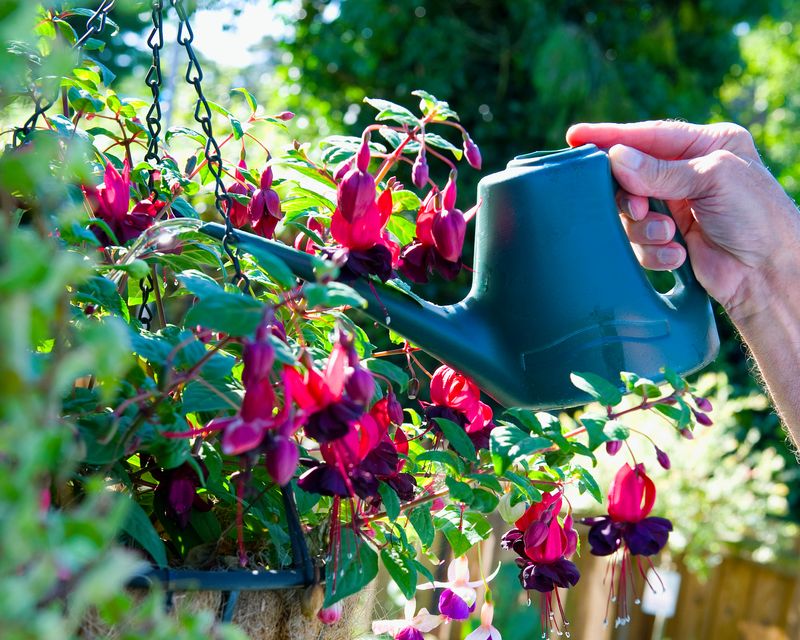
Watering fuchsias feels simple until you realize how easy it is to do too much or too little. These plants want soil that stays evenly moist, not wet and not bone dry, which means checking them regularly rather than sticking to a rigid schedule.
During North Carolina’s hot and sometimes unpredictable summers, outdoor containers may need watering once or even twice a day depending on temperature and wind conditions.
The best way to check moisture levels is to push your finger about an inch into the soil. If it feels dry at that depth, it is time to water thoroughly until water drains freely from the bottom of the pot.
If the soil still feels damp, hold off for another day and check again rather than adding more water out of habit.
Overwatering is a surprisingly common mistake, especially with container fuchsias that sit in decorative outer pots without drainage holes.
Always make sure excess water can escape freely, because waterlogged roots quickly become a serious problem in humid NC conditions.
Mulching around in-ground fuchsias helps retain soil moisture between watering sessions while also keeping roots cooler during summer heat waves.
Getting into a consistent watering routine that responds to actual soil conditions rather than a fixed calendar will keep your fuchsias healthy, vibrant, and blooming beautifully throughout the entire growing season.
5. Fertilize Regularly For Bloom Production
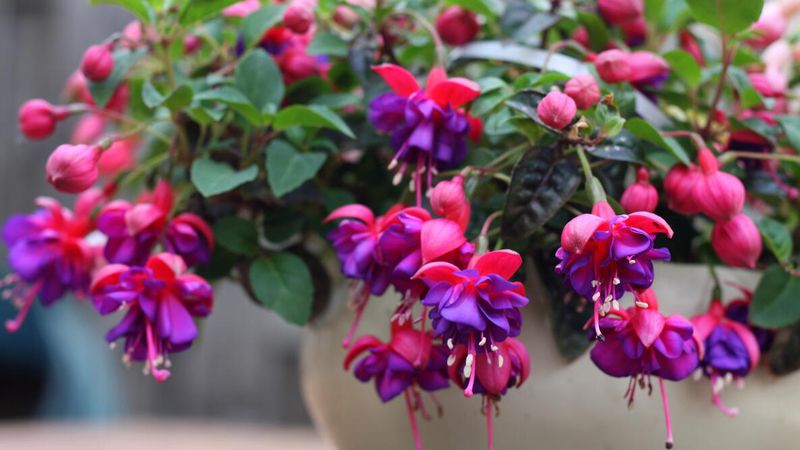
Fuchsias are enthusiastic bloomers, but they need regular feeding to keep that show going all season long.
A balanced, water-soluble fertilizer applied every two to three weeks during the growing season gives fuchsias the steady supply of nutrients they need for continuous flower production.
Look for fertilizers with an equal ratio of nitrogen, phosphorus, and potassium, such as a 20-20-20 formula, which supports both leafy growth and abundant blooms.
In North Carolina’s warm growing season, which typically runs from spring through early fall, consistent fertilizing makes a visible difference in how many flowers your plant produces.
Some experienced NC gardeners switch to a fertilizer slightly higher in phosphorus during midsummer to encourage even more blooms during peak growing periods.
Always apply liquid fertilizer to moist soil rather than dry soil to prevent any root sensitivity from concentrated nutrients.
Container fuchsias actually need more frequent feeding than in-ground plants because regular watering flushes nutrients out of the potting mix faster.
Starting a simple fertilizing schedule at the beginning of the season and sticking with it is one of the easiest ways to see dramatic improvements in bloom quantity and color.
Skipping feedings for several weeks in a row often leads to fewer flowers and yellowing leaves, which is a clear sign the plant is running low on essential nutrients. Consistent fertilizing truly transforms a modest fuchsia into a spectacular showstopper.
6. Prune To Encourage Branching
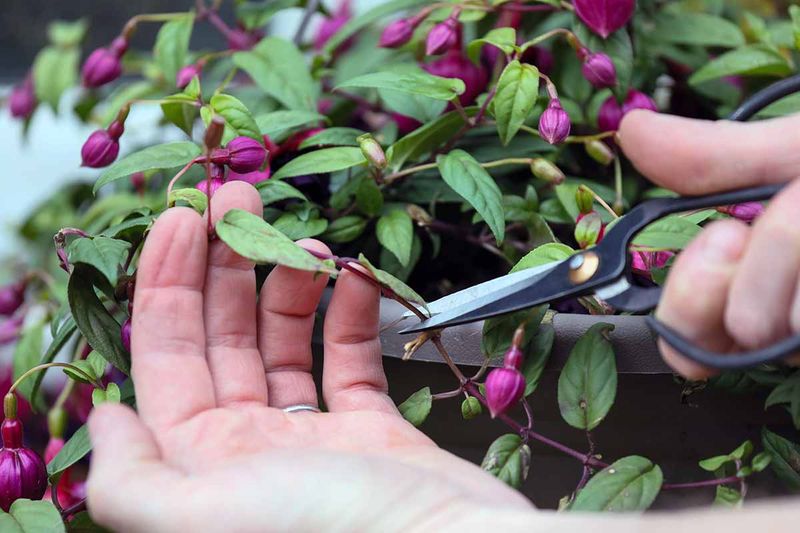
Pruning might seem counterintuitive when your fuchsia is just waking up in spring, but it is honestly one of the best things you can do for the plant’s future.
Light pruning in early spring before new growth emerges encourages fuchsias to branch out more fully, which directly leads to more flower-producing stems later in the season.
A bushier plant with more branches simply has more surface area to produce those gorgeous, dangling blooms that make fuchsias so eye-catching.
For container and hanging basket fuchsias in North Carolina, pinching back the growing tips by one or two nodes every few weeks during the early growing season is a simple technique that works extremely well.
This encourages the plant to send out side shoots rather than growing straight up, resulting in a fuller, more rounded shape that looks spectacular in hanging displays. Use clean, sharp pruning shears or even your fingernails for very young, soft tip growth.
Avoid heavy pruning once the plant is actively blooming in late spring and summer, since cutting back too aggressively at that stage removes flower buds that are already forming.
Removing old or damaged stems at any time is fine and actually benefits the plant by improving air circulation.
NC gardeners who prune consistently from early spring onward tend to enjoy significantly fuller, more floriferous plants throughout the entire warm season compared to those who skip this important step.
7. Protect From Extreme Heat
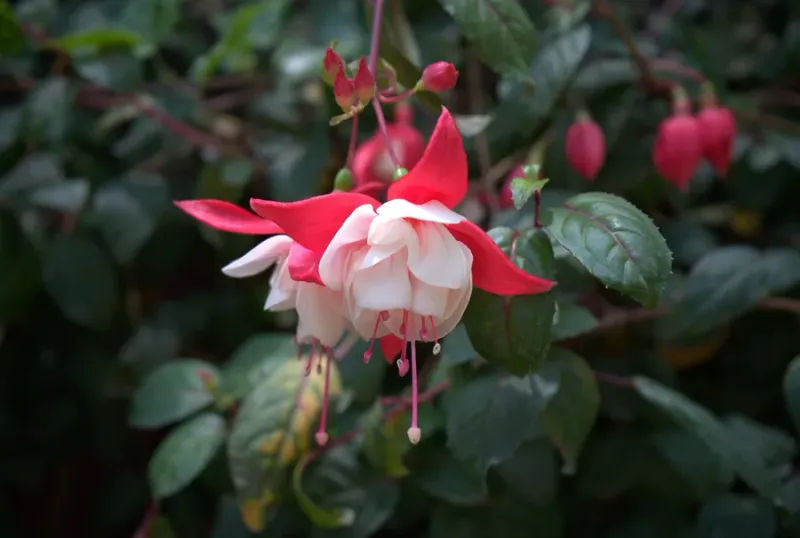
North Carolina summers can be brutal, and fuchsias are not fans of prolonged heat.
When temperatures consistently climb above 85 to 90 degrees Fahrenheit, tender fuchsia varieties often respond by dropping flowers and leaves, which is their natural way of conserving energy under stress.
Recognizing this early and taking action can mean the difference between a plant that recovers quickly and one that struggles for weeks.
Providing temporary afternoon shade using shade cloth, a beach umbrella, or simply relocating container plants to a cooler spot works surprisingly well during the worst heat waves.
Misting the foliage lightly in the early morning or evening can also help cool the plant and raise humidity around the leaves, which mimics the naturally cool, moist conditions fuchsias prefer in the wild.
Just avoid misting during the hottest part of the day when water droplets on leaves can intensify sun exposure.
Across the Piedmont and Coastal Plain regions of North Carolina, summer heat management is especially important from July through early September when temperatures peak.
Grouping container fuchsias together in a shaded spot creates a small microclimate with slightly higher humidity that benefits all the plants in the group.
Keeping roots cool with a layer of mulch around in-ground plants also reduces soil temperature significantly.
A few simple adjustments during peak heat periods can keep your fuchsias looking fresh and colorful even through the most intense North Carolina summer stretches.
8. Watch For Common Pests
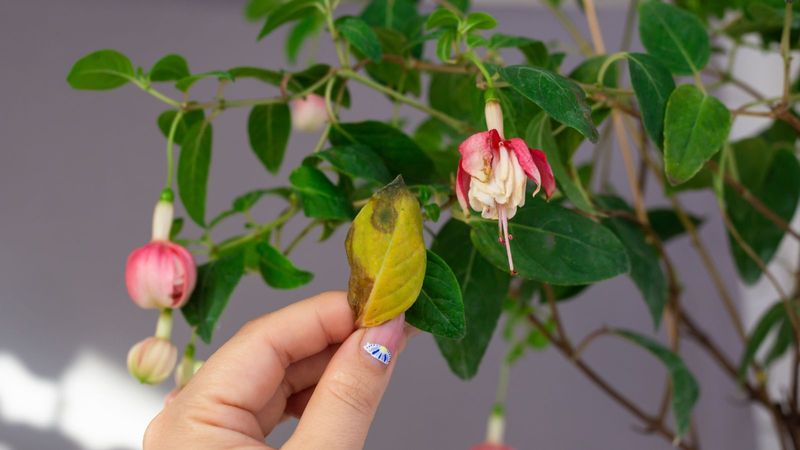
Fuchsias are beautiful, but they do attract a few uninvited guests that gardeners in North Carolina should keep an eye out for throughout the growing season.
Aphids are among the most common culprits, clustering on new growth and flower buds where they feed on plant sap and cause distorted, curling leaves.
Catching an aphid infestation early makes treatment much easier and prevents the population from exploding into a bigger problem.
Whiteflies are another frequent issue for NC fuchsia growers, particularly in warm, sheltered spots like covered porches and greenhouse settings.
They flutter up in a cloud when you disturb the plant and can weaken fuchsias significantly over time by sucking nutrients from the foliage.
Spider mites tend to show up during hot, dry stretches of summer and leave a fine webbing on the undersides of leaves along with stippled, faded-looking foliage.
Organic treatment options work well for all three of these pests without harsh chemicals that can harm beneficial insects in your garden.
Insecticidal soap spray applied directly to affected areas is effective against aphids and whiteflies, while a strong spray of plain water dislodges spider mites quickly.
Neem oil is another reliable organic option that handles multiple pest types at once and also has some antifungal benefits.
Checking your fuchsias weekly during the growing season in North Carolina means you catch problems early and keep your plants healthy all season long.
9. Overwinter Container Plants Indoors
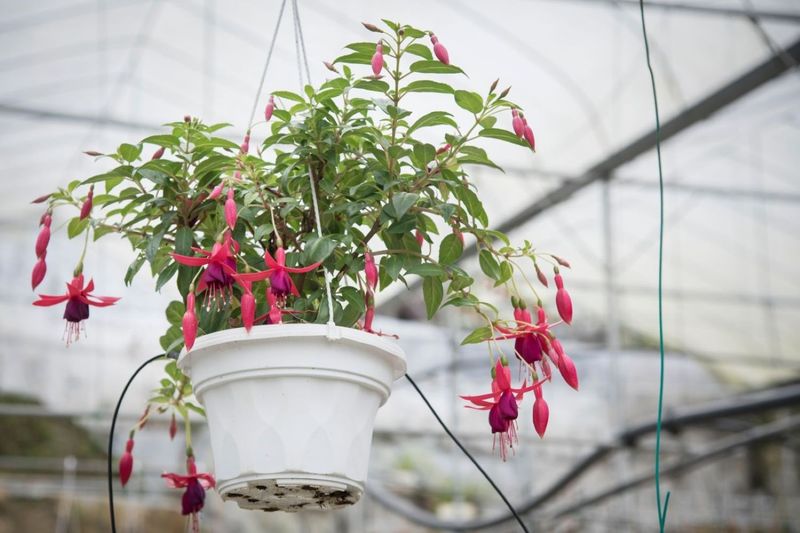
When the temperatures in North Carolina start dropping in late fall, tender fuchsia varieties need a little extra attention to make it through to the next growing season.
Frost-tender fuchsias grown in containers should be brought indoors before the first frost arrives, which typically occurs between late October and mid-November depending on your region within the state.
Moving them inside before cold snaps hit protects the roots and stems from freeze damage that would otherwise set the plant back significantly.
Once indoors, place your fuchsia in a cool but bright location such as a sunroom, enclosed porch, or south-facing window where temperatures stay between 45 and 55 degrees Fahrenheit.
At this cooler indoor temperature, the plant goes into a semi-dormant state, which actually helps it rest and prepare for vigorous new growth in spring.
Water sparingly during this period, just enough to keep the soil from drying out completely, and hold off on fertilizing until you see new growth emerging.
Hardy fuchsia varieties like Fuchsia magellanica, which are better suited to the cooler mountain regions of western North Carolina, can often survive outdoors through winter with a generous layer of mulch piled around the base of the plant.
The mulch insulates the root zone and protects it from hard freezes.
Come spring, both indoor-overwintered containers and mulched in-ground plants typically push out fresh new growth, rewarding your patience with another season of stunning blooms.
10. Remove Spent Blooms
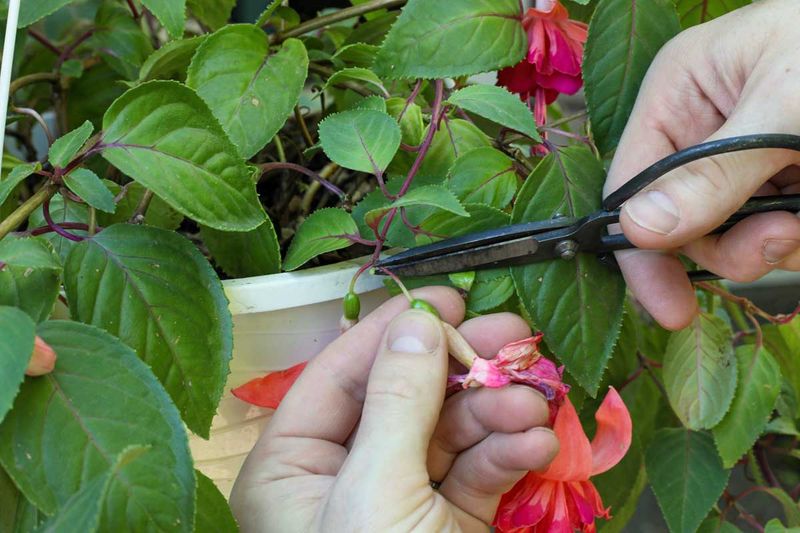
One of the most satisfying and effective habits you can build as a fuchsia grower is deadheading, which simply means removing flowers that have faded and finished blooming.
When spent blooms are left on the plant, the fuchsia puts energy into forming seeds rather than producing new flowers, which slows down the blooming cycle noticeably.
Removing those old flowers regularly signals the plant to keep pushing out fresh buds, which keeps the display going much longer.
Deadheading is quick and easy, requiring nothing more than a gentle pinch or a snip with small scissors right at the base of the old flower where it meets the stem.
Along with the faded petals, removing the small swollen berry-like seed pod that forms behind the flower is equally important for redirecting the plant’s energy back into blooming.
Making this a habit during your regular watering routine means it only takes a few extra minutes each time and keeps your plant looking its very best.
Throughout North Carolina’s spring and summer growing season, consistent deadheading can genuinely double the number of blooms your fuchsia produces over time.
Container plants and hanging baskets benefit especially well from this practice since they are typically displayed in high-visibility spots where appearance really matters.
NC gardeners who deadhead weekly report noticeably fuller, more colorful plants compared to those left untouched. It is a small effort that pays off with big, beautiful results you will enjoy all season long.