How To Save Zinnia And Marigold Seeds From Your North Carolina Garden This Fall
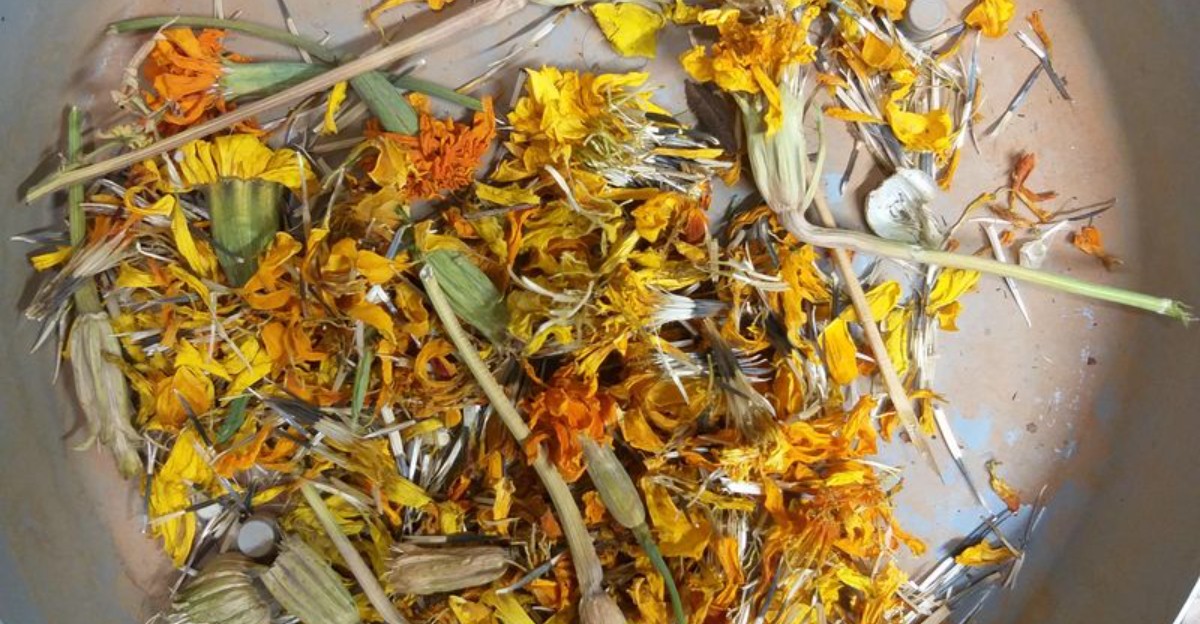
Zinnias and marigolds hand you free seeds every fall. You only have to catch them at the right moment. Wait until the flower heads turn brown and dry on the plant.
Picking too early gives you seeds that are soft and unready. Marigold seeds are thin and black, and they pull out of the dried flower like little darts. Zinnia seeds hide at the base of each petal.
Dry them for a few more days, then store them somewhere cool and dark. Humid North Carolina air can spoil seeds quickly, so keep them dry.
One note: seeds from hybrid varieties may not look like the parent plant. Even so, saving them is part of the fun, and it costs you nothing.
1. Choose Healthy, Open-Pollinated Plants
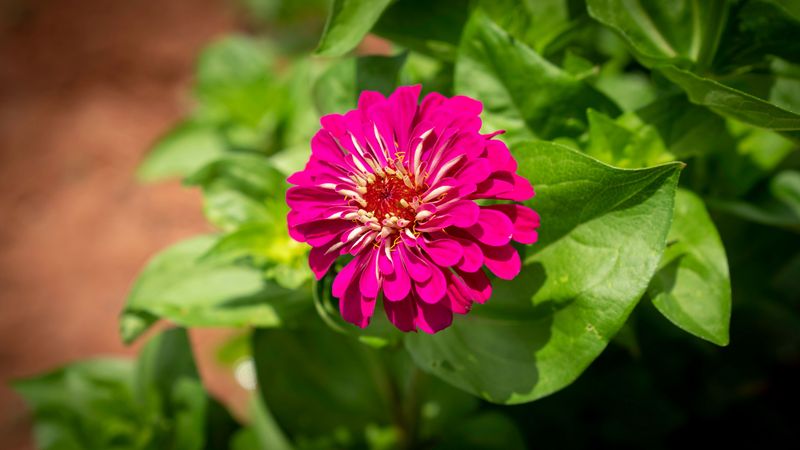
Great seeds start with great parents. The plant you pick in fall decides what pops up in your garden next summer, so a little planning now pays off in a big way.
Open-pollinated and heirloom zinnias (Zinnia elegans) and marigolds (Tagetes) usually grow plants that look a lot like the parent.
Hybrid types are a different story. Often labeled F1 on the packet, they can give you seedlings with surprise colors, odd heights, or flower shapes that look nothing like what you loved.
Not sure what you planted? Dig out the old seed packets or plant tags and look for the variety name. Words like heirloom or open-pollinated are good signs, while F1 means your results may be a gamble.
Next, walk your garden and play judge. Look for plants that stayed strong all season, with sturdy stems, healthy leaves, and plenty of blooms.
Pick the ones with the colors and shapes that made you smile the most, because those traits are what you want to carry forward.
Once you find your winners, mark them while they are still blooming. A piece of bright string, a twist tie, or a strip of tape around the stem works well. After the petals fade, every brown flower head looks the same, so this small step saves a lot of guessing later.
Here in North Carolina, zinnias and marigolds grow so easily that many gardeners end up with huge patches.
They often keep blooming right up until the first frost, which gives you weeks to watch and choose. Take your time, pick the best of the bunch, and your future garden will thank you.
2. Let Flowers Dry On The Plant
Patience might be the hardest part of seed saving. A bright, fresh flower looks ready for anything, but the seeds inside are still babies that need more time.
Seeds grow and harden while the flower stays on the plant. When you pick a bloom too early, the seeds inside are often soft, pale, and not fully formed. Those immature seeds usually will not sprout, no matter how carefully you plant them next spring.
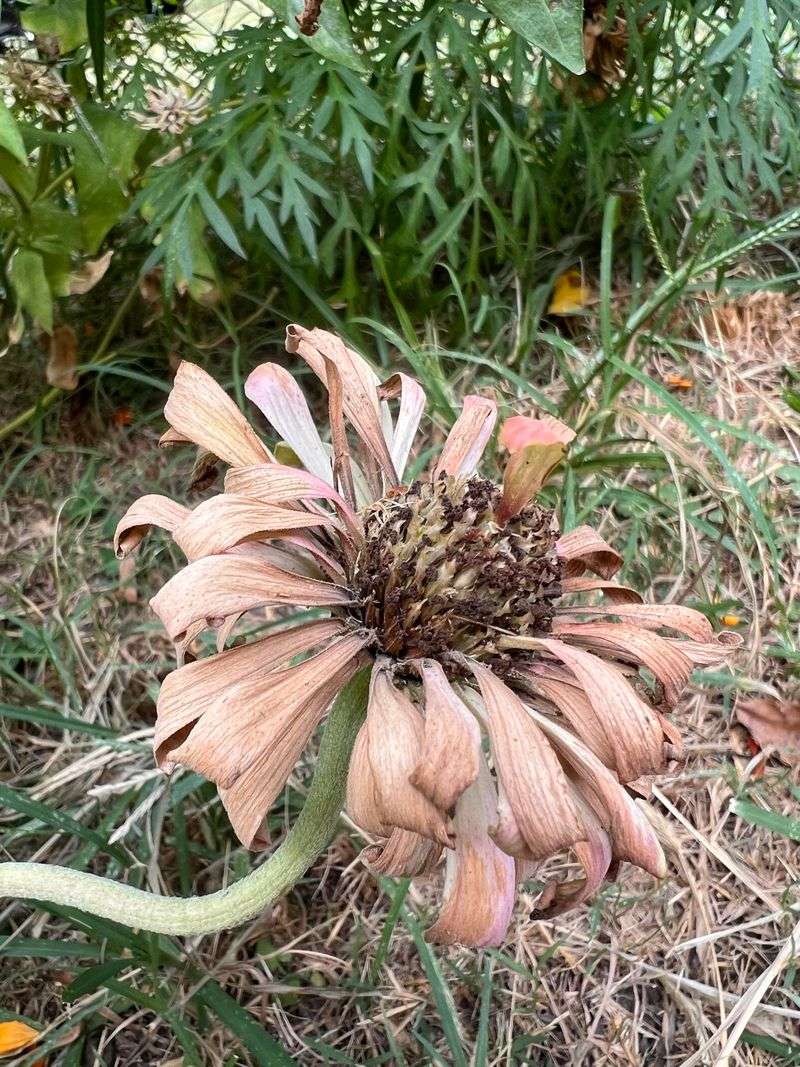
So what should you wait for? Watch the flowers you marked and let them go through their whole life cycle. First, the petals lose their bright color and start to droop.
Your North Carolina Garden Changes Every Week. Your Plan Should Too.
Gardening in North Carolina changes quickly throughout the season. Every Friday you’ll receive a simple weekly plan showing exactly what to plant, prune, fertilize, harvest, and protect so you never miss the right timing.
Then the flower head turns brown, and the base just below it begins to shrink and dry out.
Give it a gentle squeeze. A ready seed head feels dry and crisp, almost like paper, and it may even rattle a little. If it still feels soft, green, or spongy, leave it alone for a while longer.
Expect this process to take several weeks after the flower opens. It can feel strange to leave messy brown blooms in a pretty garden, but those scruffy heads are full of treasure.
Many gardeners simply stop deadheading their chosen plants in late summer so the seeds can develop.
North Carolina gardeners have a real advantage here. Our fall season is long and mild, with frost often holding off until late October or even November in many areas.
That gives seed heads plenty of time to ripen fully before cold weather arrives. Let nature do the slow work, and you will be rewarded with plump, healthy seeds.
3. Harvest On A Dry Day
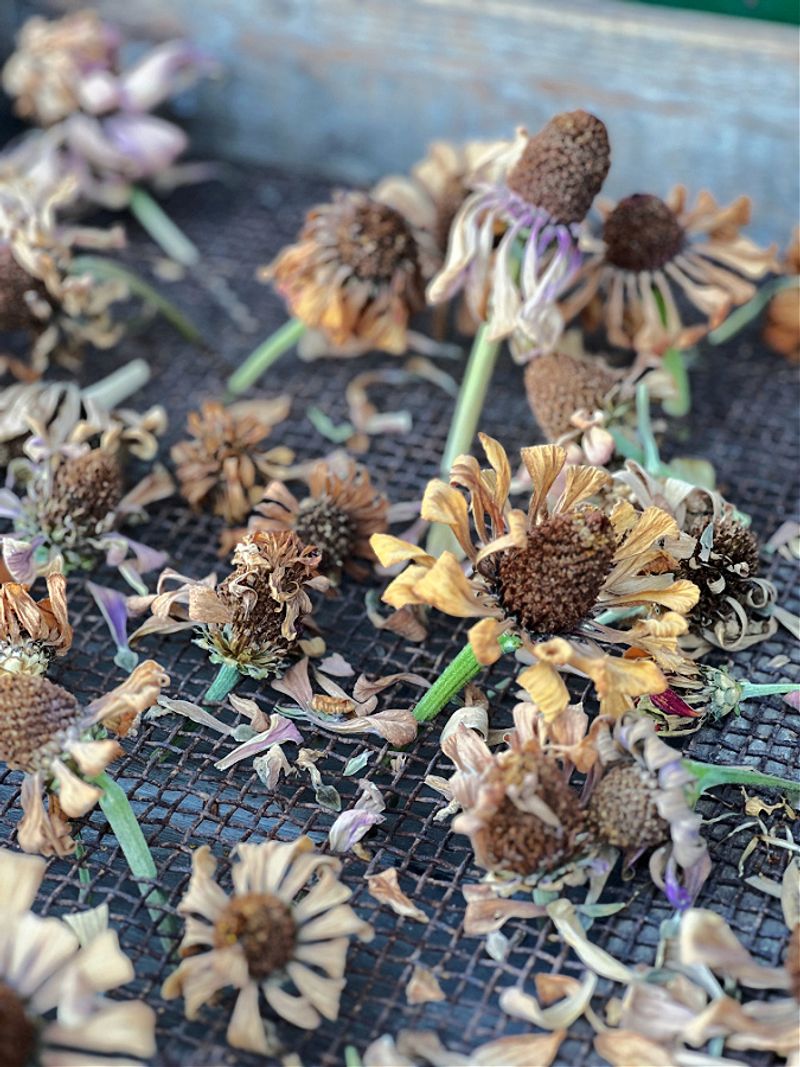
Timing your harvest is a bit like timing a picnic. Pick the wrong day, and wet weather can ruin all your hard work before you even get started.
Moisture is the enemy of stored seeds. Seed heads gathered after a rain shower or a heavy morning dew hold water inside them.
Once those damp heads sit in a bag or drawer, mold can creep in and spoil the seeds, leaving you with a fuzzy, smelly mess instead of next year’s flowers.
The fix is simple. Wait for a dry, sunny day and head outside in the afternoon, after the sun has had time to burn off the dew. By then, the seed heads should feel crisp and dry to the touch.
Bring along a pair of scissors and a paper bag. Snip each seed head just below the flower and let it drop right into the bag. Paper is better than plastic because it lets air move and keeps moisture from getting trapped.
Writing the flower type on the outside of the bag will help you stay organized, too.
Did it rain yesterday? Hold off for a day or two. Give the seed heads time to dry out again on the plant before you collect them. A short wait is far better than losing a whole batch to mold.
This advice matters a lot in North Carolina. Fall mornings here are often humid, and dew can sit on plants until late morning. Coastal and Piedmont gardens can stay especially damp. Choosing a dry afternoon gives your seeds the best start possible.
4. Find The Zinnia Seeds At The Base Of The Petals
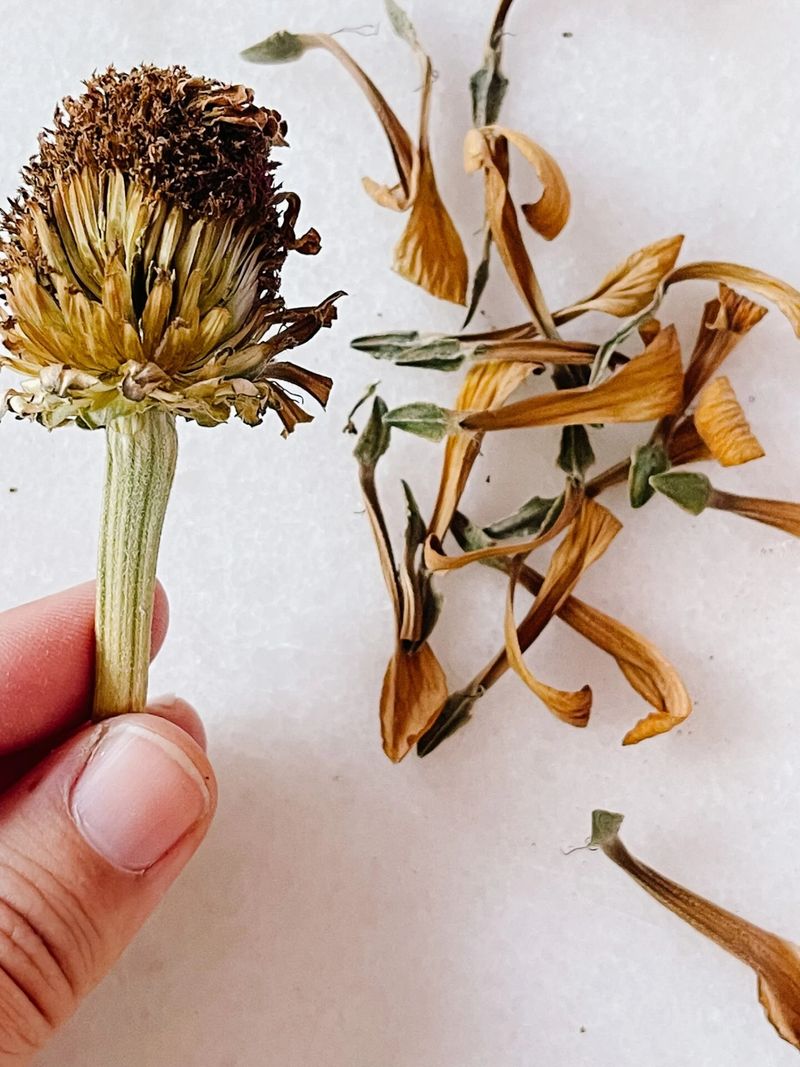
Opening a dried zinnia for the first time feels a little like a treasure hunt. At first glance it looks like a crumbly pile of brown stuff, but the seeds are hiding right in plain sight.
Zinnia seeds have a shape all their own. They are flat, shaped a bit like an arrowhead or a tiny spade, and usually grayish brown. Each one is attached to the bottom of a dried petal inside the flower head.
Once you know what to look for, picking them out gets quick and easy. Start by holding a dried flower head over a tray, bowl, or sheet of paper.
Gently pull it apart with your fingers, and the petals and seeds will start to loosen. Some seeds will still cling to their petals, so give those a soft tug to free them.
Now sort the good from the not so good. Set aside the papery petals and the dusty bits called chaff. Then look closely at the seeds themselves.
The best ones feel slightly thick in the middle, while flat or empty-looking seeds are less likely to sprout.
A handy trick is to press a seed lightly between your fingers. If you can feel a little bump in the center, there is likely a healthy embryo inside. Keep those plump ones and toss the rest into your compost pile.
Plenty of North Carolina gardeners grow big patches of zinnias for butterflies, bees, and cut flower bouquets. A single dried head can give you dozens of seeds, so even a few flowers can fill a whole bed next year.
5. Pull Marigold Seeds From The Dried Pods
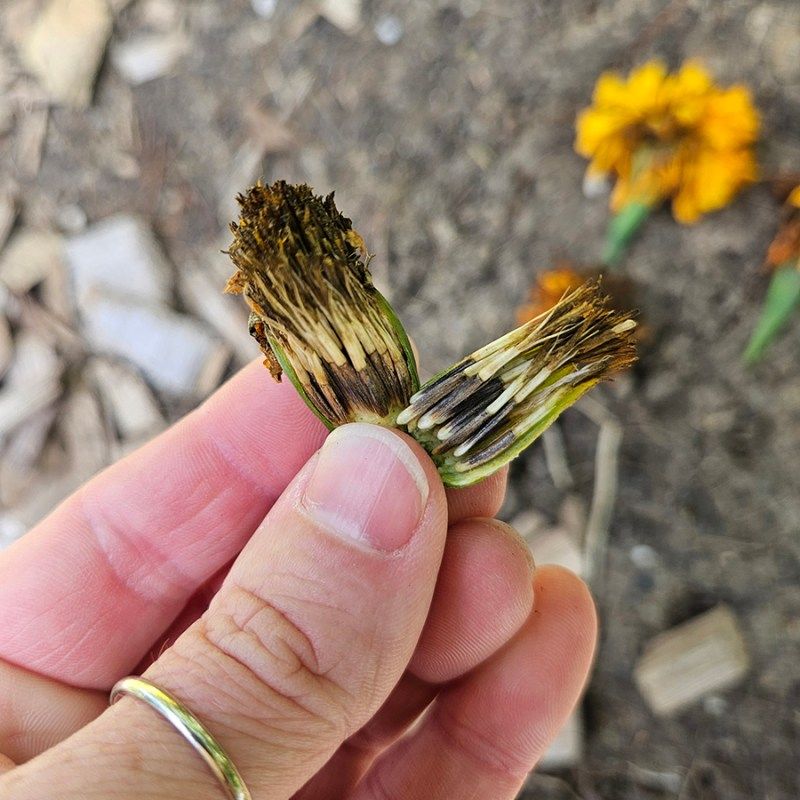
Marigolds might just be the easiest flowers in the world for seed saving. Once you open your first pod, you will see why so many gardeners get hooked.
As a marigold flower fades, the base of the bloom stretches into a slender pod. Inside, the seeds grow packed together in a neat little bundle. Each seed is thin and needle-like, usually black with a pale tan or white tip, looking a bit like a tiny paintbrush.
Wait until the pod turns brown and feels completely dry. A green or soft pod means the seeds still need more time. When it is ready, the dried petals at the top will often pull right out, and the whole thing will feel light and papery.
To get the seeds, pinch the pod open with your fingers or pull off the dried petals at the top. The bundle of seeds should slide out easily, sometimes all at once. Spread them out on a paper plate and gently separate any clumps.
The black part of each seed is what grows, while the pale end is just part of the seed’s structure. Leave it attached. Toss out any seeds that look thin, shriveled, or pale all the way through, since those are less likely to sprout.
Marigolds are a favorite across North Carolina. Gardeners tuck them into vegetable beds near tomatoes and peppers, line flower borders with them, and fill pots on porches.
Saving your own seeds means you can plant as many as you want next year, all from a few pods that cost you nothing.
6. Expect Some Surprises From Cross-Pollination
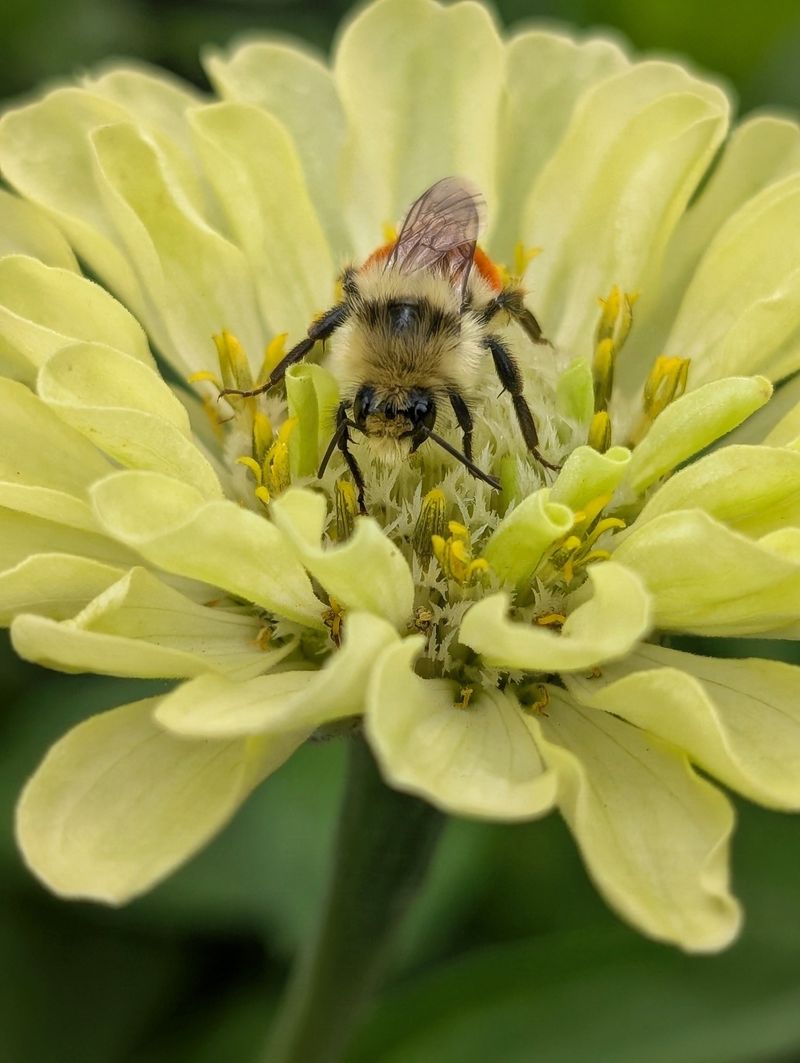
Bees are busy little matchmakers. As they buzz from flower to flower, they carry pollen along for the ride, and that can lead to some fun surprises in your garden next year.
When different zinnia varieties grow close together, pollinators often mix their pollen. Marigolds can cross with other marigolds in the same way.
The seeds that form may grow into plants with new color blends, different heights, or flower shapes you have never seen before. A red zinnia might give you coral, or a tall type might show up shorter.
Some gardeners love these surprises. Every spring becomes a guessing game, and you might even discover a favorite new color that nobody else has. If that sounds fun, simply grow your flowers together and enjoy the show.
Want plants that stay true to the parent? Plant different varieties of the same flower farther apart. Putting some distance between them, or growing just one variety in a bed, lowers the chance that bees will mix pollen.
Separate garden areas work well if you have the space. Either way, label your seeds with the name of the parent plant. Add a note if other varieties were growing nearby.
Good notes help you remember what to expect and make it easier to track your results from year to year.
North Carolina is a busy place for pollinators. Bees, butterflies, and even hummingbirds flock to zinnias and marigolds from summer through fall.
All that activity is great for the garden, but it also means crossing happens often, so plan ahead or welcome the mystery.
7. Dry Seeds Thoroughly Before Storing
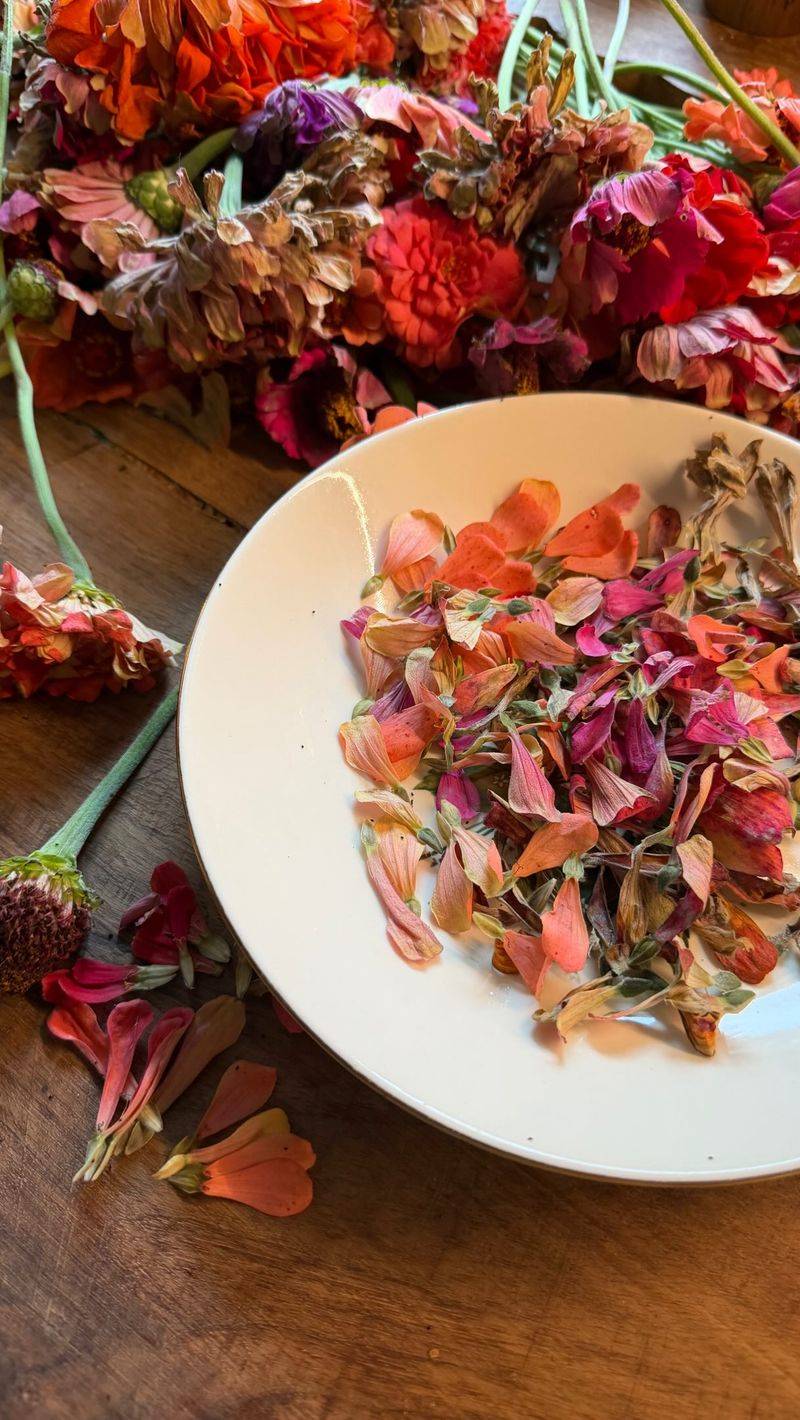
Dry to the touch does not always mean dry all the way through. Seeds can feel crisp on the outside while still holding a bit of moisture deep inside.
That hidden moisture causes real trouble. If you seal seeds in a container too soon, mold can grow and ruin the whole batch. Even without mold, extra moisture can shorten how long your seeds stay able to sprout.
A little extra drying time protects all your hard work. Start by spreading your seeds in a single layer.
Paper plates work great, and so do window screens or baking trays lined with paper towels. Keep each type separate and label each plate so zinnias and marigolds do not get mixed up.
Find a dry room inside your home with good airflow. Skip spots in direct sun, since strong sunlight can overheat seeds. Avoid damp places like basements, bathrooms, or a laundry room, too.
A shelf in a spare bedroom or a corner of the kitchen away from the stove often works well.
Let the seeds rest for about one to two weeks. Every few days, give them a gentle stir with your fingers so all sides get air. A small fan running nearby on low can help in a sticky house, as long as it does not blow seeds away.
Humidity is a fact of life in North Carolina, even in fall. Our moist air slows drying, so seeds here often need more time than they would in drier states. Giving them the full two weeks is a smart move.
8. Store Seeds Cool, Dry, And Labeled
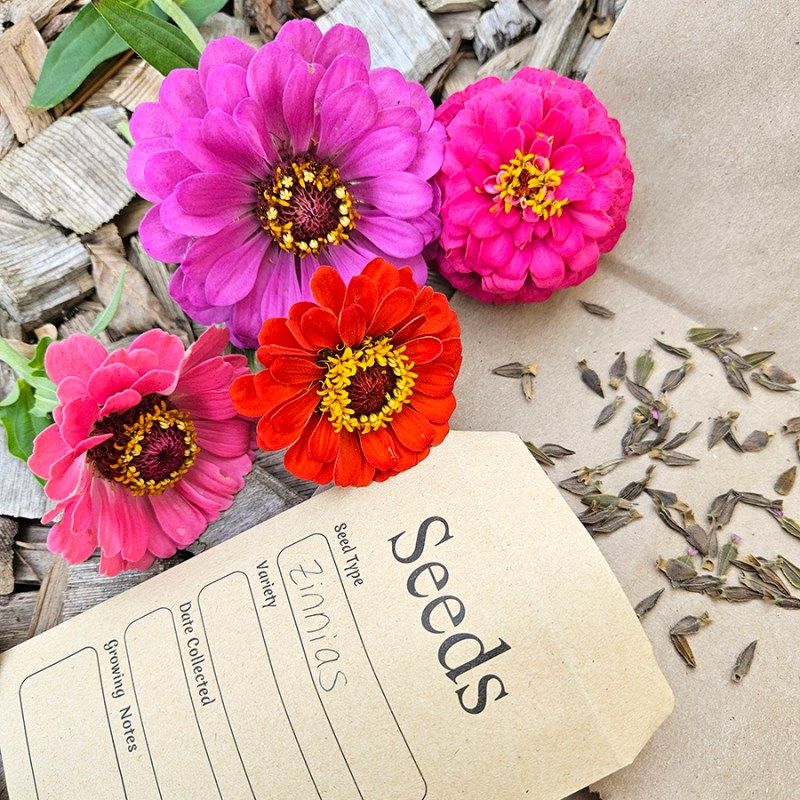
Think of seed storage as tucking your future garden into bed for the winter. With the right setup, your seeds will wake up in spring ready to grow.
Seeds last longest when they stay cool, dry, and dark. Heat, light, and moisture all wear them down over time. Clear labels matter just as much, because a pile of unmarked envelopes can quickly turn into a confusing mystery come spring.
Begin by placing each variety in its own paper envelope. Write the flower type, variety name, color, and the date you saved it right on the front. Small coin envelopes work nicely, but folded paper or old mail envelopes do the job, too.
Next, place the envelopes inside an airtight jar, like a canning jar with a tight lid. Add a small packet of silica gel, the kind that often comes in shoe boxes or vitamin bottles. It soaks up extra moisture and keeps the air inside dry.
Set the jar somewhere cool and dark. A closet shelf, a pantry, or even the back of the refrigerator can work well. Stored this way, zinnia and marigold seeds often stay good for a few years, though fresher seeds usually sprout best.
When spring arrives, wait until the danger of frost has passed before sowing seeds outdoors. In much of North Carolina, that falls around mid April to early May, depending on where you live.
A sealed jar protects seeds from our muggy air until planting time, so your garden can burst into color all over again.