Why So Many North Carolina Homeowners Plant Azaleas Near Their Front Doors
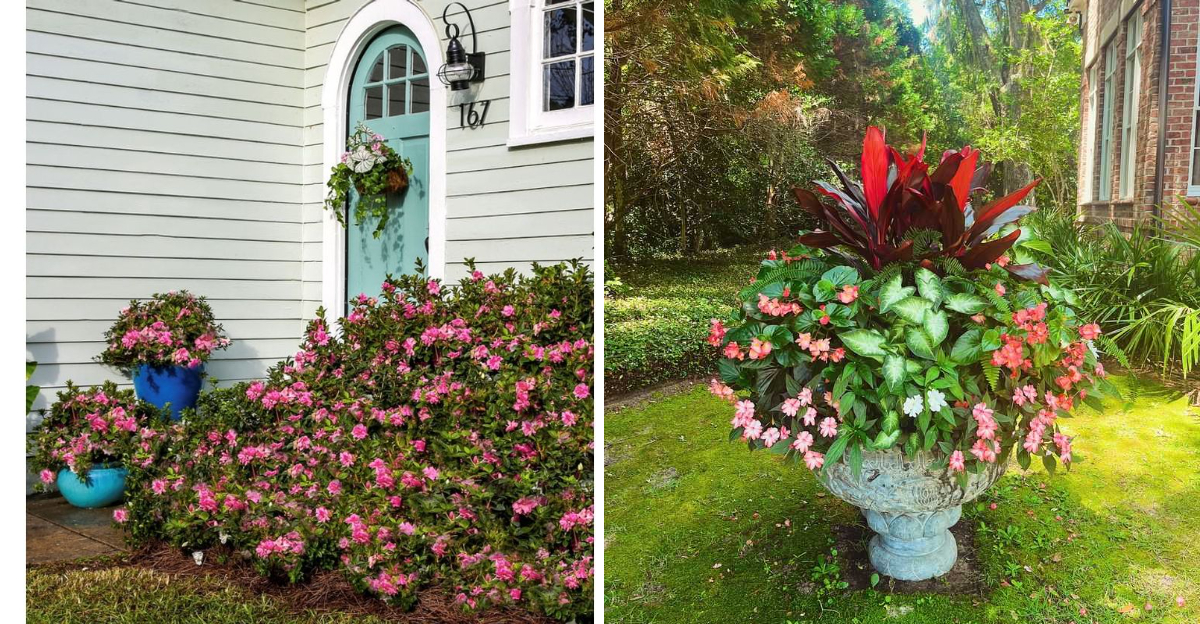
Azaleas are a popular choice for many North Carolina homeowners, especially near front doors, and it’s easy to see why. Their vibrant blooms and rich colors make a striking statement right when guests arrive, instantly brightening up the entrance.
Azaleas thrive in the state’s climate, handling both the warm summers and cooler winters with ease. Their dense, glossy foliage offers year-round interest, while their spring blooms bring an added pop of color just when the yard needs it most.
Plus, azaleas do well in shaded spots, which makes them perfect for front yards where sun exposure can be limited by trees or the house itself. They are low maintenance, resistant to pests, and easily shaped to fit any space.
For homeowners looking for an easy-to-care-for, beautiful plant that adds curb appeal, azaleas are the perfect front-door companion.
1. Azaleas Thrive In North Carolina’s Climate
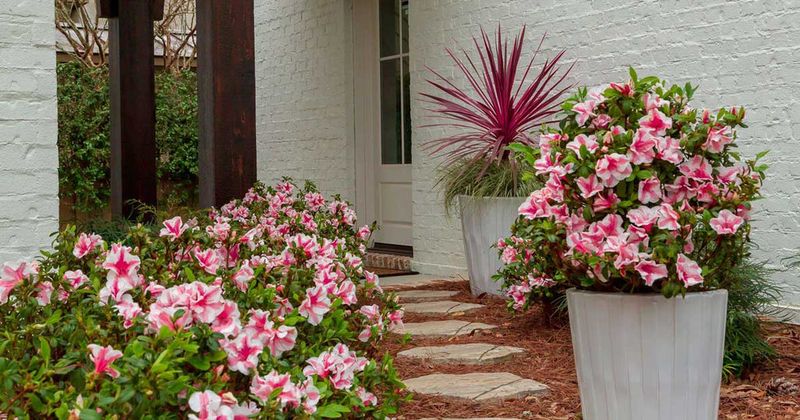
North Carolina has a secret weapon for gardeners, and it is the soil. Across the Piedmont and coastal plain, the naturally acidic soil creates near-perfect growing conditions for azaleas.
These shrubs love a soil pH between 4.5 and 6.0, and much of the state delivers exactly that without much extra effort from homeowners.
The climate here plays a huge role too. Mild winters mean azalea roots rarely face the kind of brutal freezes that damage plants further north.
When spring arrives with its warm temperatures and steady humidity, azaleas respond with strong, healthy new growth that sets up an impressive bloom season.
Gardeners in cities like Raleigh, Charlotte, and Wilmington benefit from long, warm growing seasons that give azaleas plenty of time to establish deep root systems.
Once a plant settles into North Carolina soil, it tends to reward homeowners with reliable, vigorous growth year after year.
That kind of dependability is hard to find in a flowering shrub, and it is a big reason why azaleas have become such a staple in front yard plantings across the state.
2. Azaleas Grow Well In Partial Shade
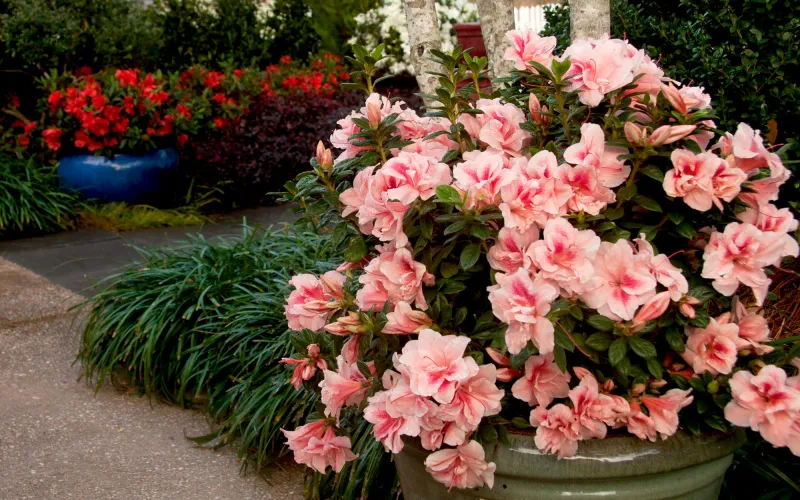
Most front yards in North Carolina share a common feature: some degree of shade. Whether it comes from mature oak trees, tall pines, or the shadow cast by the home itself during afternoon hours, partial shade is just about everywhere.
Azaleas happen to love exactly that kind of environment, which makes them a natural fit for spots near porches and entryways.
Full afternoon sun in the South can be brutal, especially during the long, hot summers that North Carolina is known for. Plants that need full sun often struggle in spots where buildings block the light for part of the day.
Azaleas, on the other hand, actually perform better with some protection from that intense heat, producing more blooms and keeping their foliage looking healthier throughout the season.
Filtered light beneath a canopy of trees is often described as the sweet spot for azalea growth. Homeowners who have large trees near their front walkways or entryways find that azaleas fit beautifully into those shaded pockets where other flowering shrubs might struggle.
Your North Carolina Garden Changes Every Week. Your Plan Should Too.
Gardening in North Carolina changes quickly throughout the season. Every Friday you’ll receive a simple weekly plan showing exactly what to plant, prune, fertilize, harvest, and protect so you never miss the right timing.
Across North Carolina, this compatibility between azaleas and the typical shaded front yard is one of the most practical and underappreciated reasons why these plants show up near so many front doors throughout the state.
3. Spring Blooms Create A Dramatic Entryway
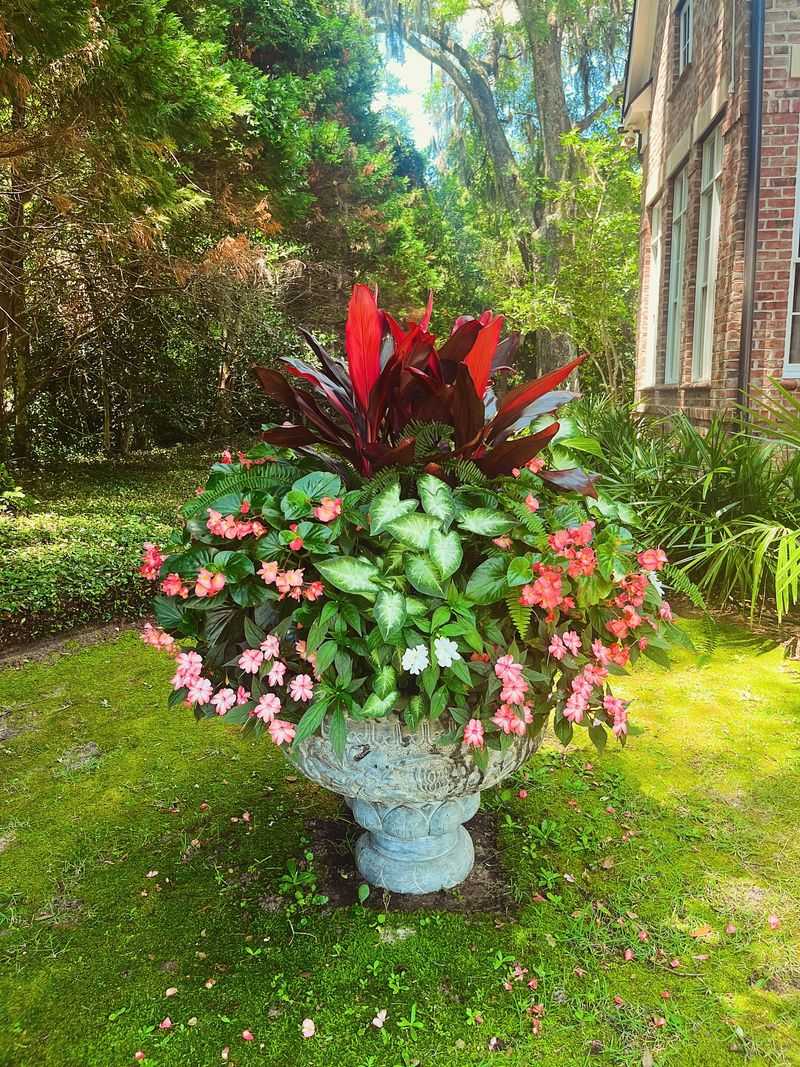
Few things in the gardening world match the sheer visual impact of azaleas in full bloom. From late March through May across much of North Carolina, these shrubs put on a show that can completely cover the plant in color, sometimes hiding the green leaves entirely beneath layers of blossoms.
It is the kind of display that makes neighbors slow their cars down to take a second look.
Near a front door, that explosion of color does something powerful. It draws the eye straight to the entrance, making a home feel warm, inviting, and well cared for.
Whether the blooms are soft pink, bold red, crisp white, or deep purple, azaleas add a level of curb appeal that very few other plants can match at the same price point.
In North Carolina neighborhoods, homes with azalea plantings near the entry often stand out as some of the most attractive on the street during spring.
Real estate agents have noted that strong front yard landscaping, especially with showy flowering plants, can boost a home’s first impression significantly.
Planting a few well-chosen azalea varieties near your front door is one of the most straightforward ways to make your home look its absolute best when spring rolls around each year.
4. Evergreen Foliage Looks Good All Year

Spring blooms get all the attention, but the real secret behind azaleas’ year-round popularity in North Carolina is their foliage.
Many of the most commonly planted varieties in the state are evergreen, meaning they hold onto their glossy green leaves even through the cooler winter months. That steady presence keeps front yards looking structured and tidy no matter the season.
Think about what most front yards look like in January or February. Perennials have gone dormant, deciduous trees stand bare, and the landscape can feel flat and uninspiring.
Evergreen azaleas step in and fill that visual gap beautifully, offering rich green color and a sense of fullness that makes the whole yard feel more polished and put together even without a single bloom in sight.
For North Carolina homeowners who want their property to look attractive twelve months a year, evergreen azaleas near the front door are an especially smart investment.
The foliage acts as a reliable backdrop that makes other seasonal plants pop when they come into bloom.
It also softens the hard edges of foundations, walkways, and steps in a way that feels natural and effortless. That combination of seasonal flowers and consistent greenery is a big part of why azaleas remain one of the most planted shrubs in North Carolina landscapes.
5. Compact Growth Fits Foundation Plantings
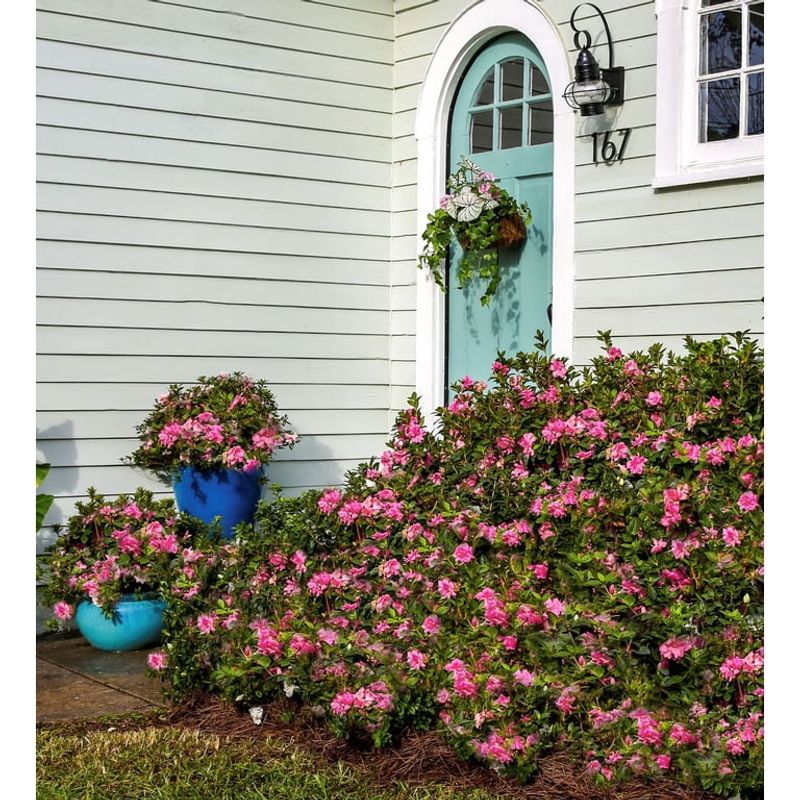
One of the most common landscaping mistakes homeowners make is planting shrubs that eventually outgrow their space.
Near a front door or foundation, an oversized plant can block windows, crowd walkways, and create a messy look that actually hurts curb appeal rather than helping it.
Azaleas solve this problem beautifully because many popular varieties stay naturally compact.
Most foundation-friendly azalea cultivars grown in North Carolina top out between three and six feet in height and spread. That size range is ideal for planting along porches, lining front walkways, and filling in the space between a front door and a corner of the house.
They provide visual weight and color without becoming the kind of overgrown problem that requires constant heavy cutting to manage.
Varieties like Encore Azaleas and many of the traditional Kurume hybrids are especially popular in North Carolina because they stay tidy and proportional for years with very little intervention.
Homeowners appreciate not having to worry about a plant eventually taking over the entrance or pressing against the siding.
When you choose a variety with the right mature size for your space, you end up with a low-stress, high-reward planting that looks intentional and well-designed from the very first season it goes in the ground near your front door.
6. Minimal Pruning Keeps Them Looking Good
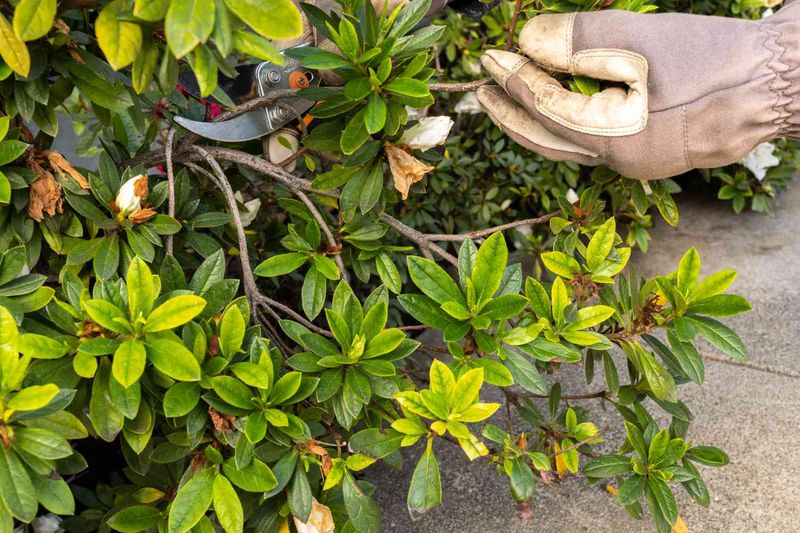
Busy homeowners across North Carolina appreciate plants that do not demand constant attention, and azaleas fit that lifestyle perfectly. Once established in the right spot, these shrubs rarely need aggressive pruning or frequent reshaping to stay attractive.
A little light trimming goes a long way toward keeping them neat and well-proportioned near a front entrance.
The key timing tip that experienced North Carolina gardeners swear by is this: prune your azaleas shortly after they finish blooming in spring, usually within the first few weeks after the flowers fade.
Azaleas set their flower buds for the following year during the summer months, so cutting them back too late in the season can accidentally remove those developing buds and reduce next spring’s bloom display significantly.
A quick pass with sharp hand pruners right after flowering is usually all it takes to maintain a clean, tidy shape. Removing any crossing branches or stems that have grown noticeably longer than the rest keeps the plant looking intentional rather than wild.
For most North Carolina homeowners, that single brief pruning session each year is the only real maintenance their azaleas need.
That kind of low-effort upkeep is genuinely rare among flowering shrubs, and it makes azaleas one of the most practical choices available for front yard plantings near the home’s entrance.
7. Long History In Southern Gardens
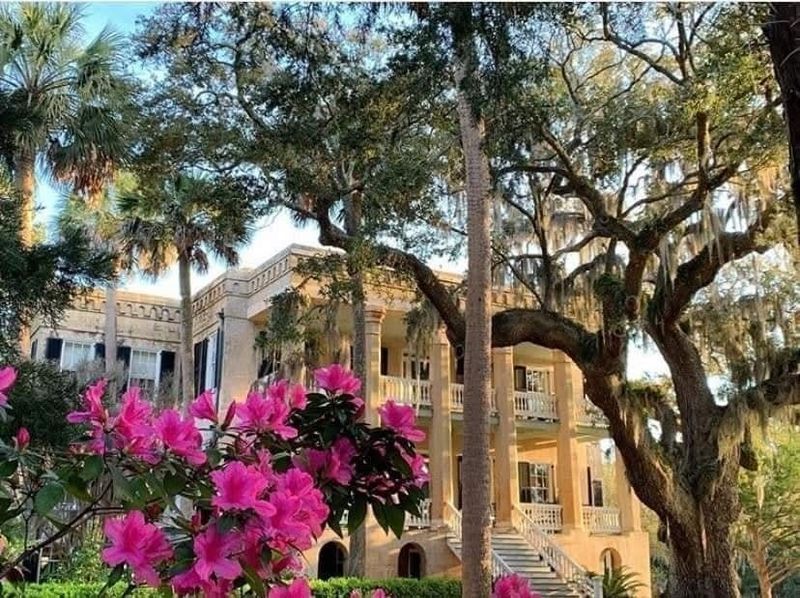
There is something deeply rooted about the relationship between azaleas and Southern gardens.
Walk through any historic neighborhood in cities like Wilmington, New Bern, or Hillsborough, North Carolina, and you will find azaleas that have been growing near front doors and along garden paths for generations.
These plants carry a sense of place and tradition that newer ornamental shrubs simply cannot replicate.
Azaleas became popular in Southern landscapes during the late 1800s and early 1900s, as gardeners discovered how well they responded to the region’s climate and soil. Over time, they became a symbol of Southern hospitality and pride in home presentation.
Planting azaleas near the front door became a tradition passed down from one generation of homeowners to the next, especially in North Carolina where gardening culture runs deep.
That long history means there is a wealth of knowledge available about which varieties perform best in different parts of the state.
Local nurseries, garden clubs, and cooperative extension offices across North Carolina have decades of experience helping homeowners choose the right azaleas for their specific conditions.
When you plant azaleas near your front door today, you are joining a long line of gardeners who made the same choice and never looked back. That kind of proven track record is genuinely reassuring for anyone starting out in gardening.
8. They Pair Well With Other Spring Plants
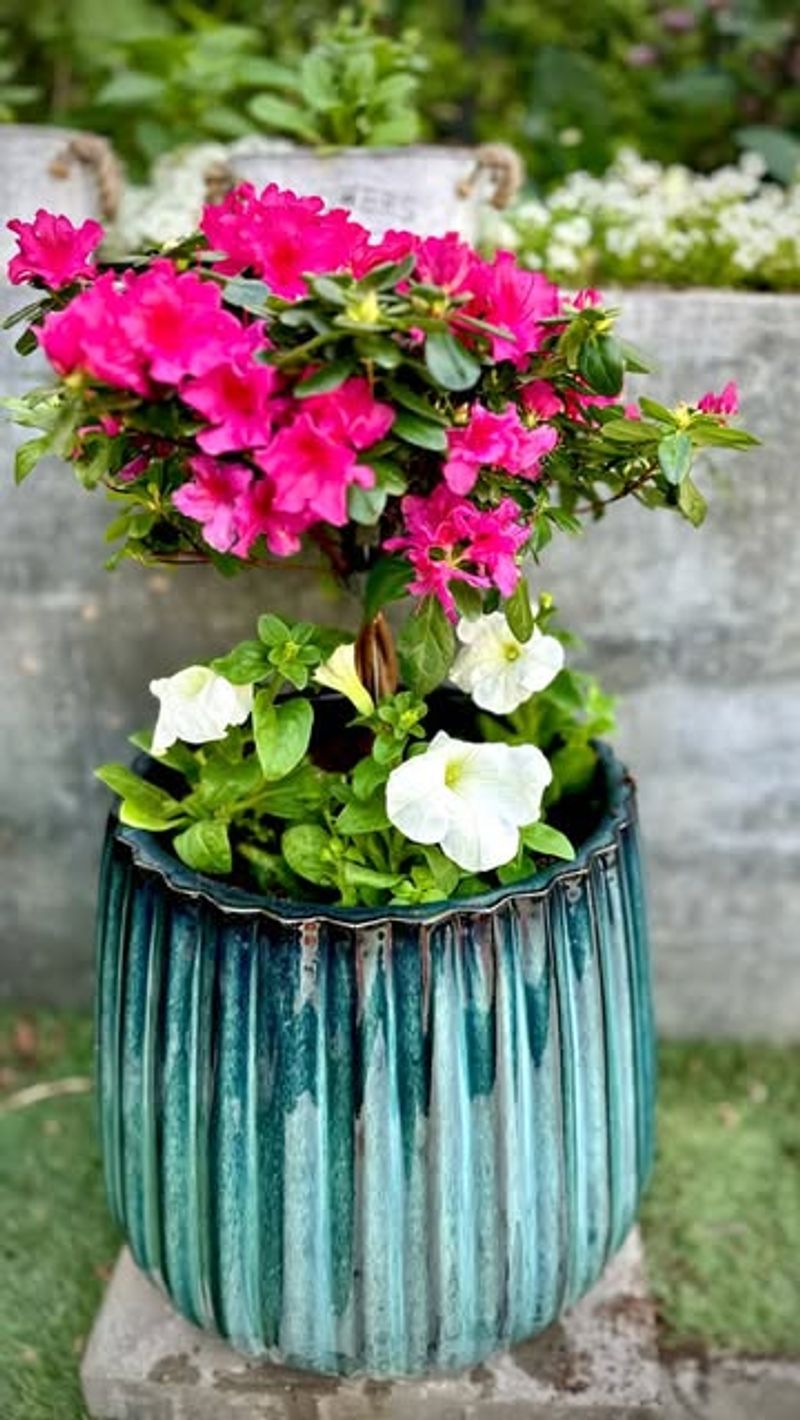
Azaleas rarely have to work alone, and that is part of what makes them so valuable in a front yard design. In North Carolina, spring brings a whole cast of beautiful companion plants into bloom around the same time, and azaleas layer into those combinations effortlessly.
The result is a front entrance that feels lush, colorful, and professionally designed without requiring a landscape architect.
Dogwood trees are one of the most beloved pairings in North Carolina gardens. Their delicate white or pink blooms open right around the same time as many azalea varieties, creating a two-layer effect that fills both the upper and lower portions of the landscape with color simultaneously.
Adding early-blooming perennials like hellebores or creeping phlox at the base of azalea shrubs brings even more texture and interest to the planting bed near a front door.
Camellias are another excellent companion that North Carolina gardeners frequently use alongside azaleas.
Camellias often bloom in late winter before azaleas open, which extends the flowering season near the entrance from February all the way through May in many parts of the state.
Building a layered planting that sequences different bloom times is one of the most satisfying things a homeowner can do for their front yard, and azaleas are almost always at the center of those beautiful, season-long color displays.