Why Native Asters Are Critical For Fall Pollinators In North Carolina Gardens
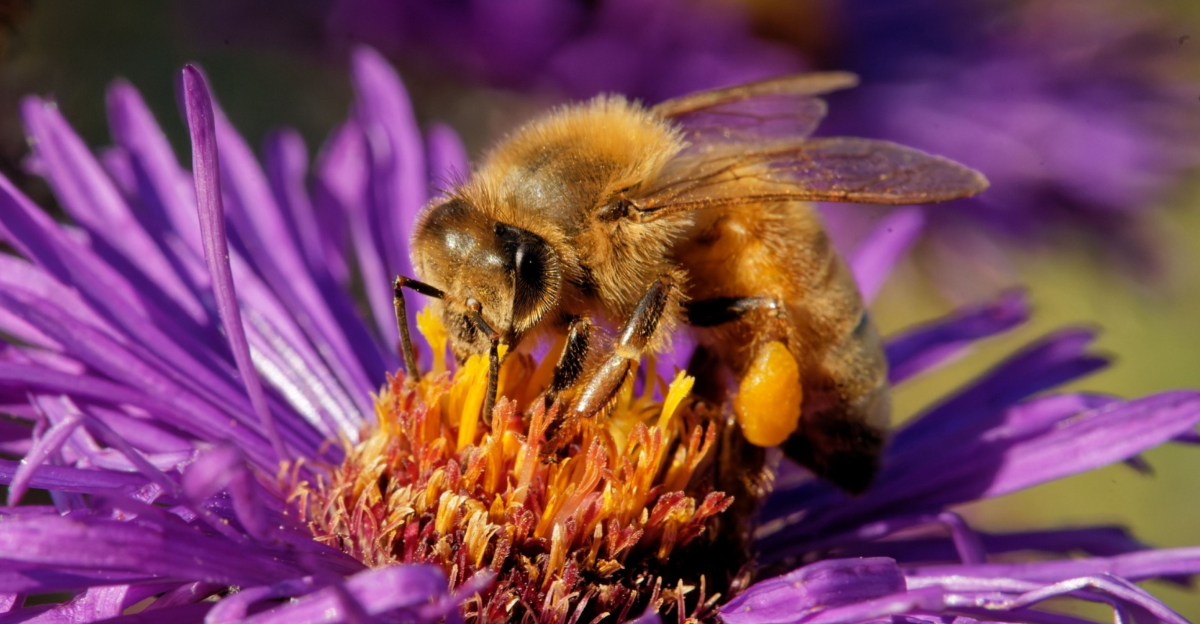
By the time September settles in across North Carolina, many gardens start to lose their summer color just as pollinators are still actively searching for food.
It is a moment many gardeners notice, fewer blooms, but plenty of bees and butterflies still moving through the yard. This is where native asters quietly step in.
These daisy-like flowers begin to light up landscapes from late summer into fall, offering nectar and pollen right when it is needed most.
Across North Carolina, from the mountains to the coast, adding native asters can help keep your garden lively while supporting pollinators through the changing season.
1. Late-Season Blooms Provide Food When Other Flowers Fade
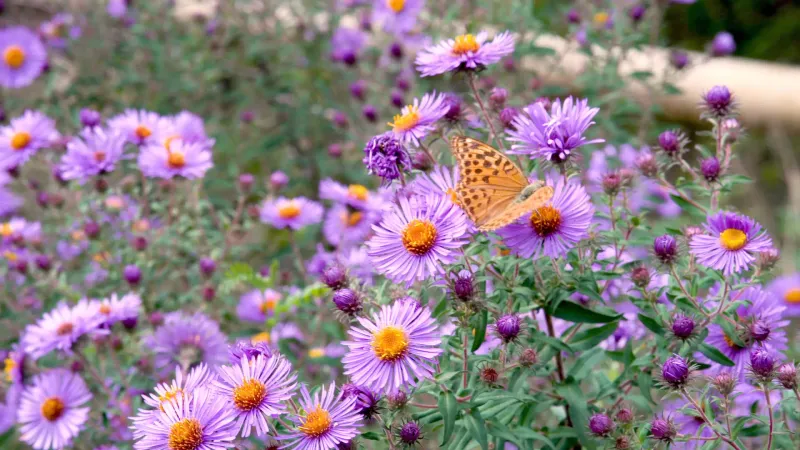
Walk through most North Carolina gardens in October and you will notice something striking: the bright summer flowers are mostly gone, but pollinators are still buzzing around searching for food.
That gap between summer’s end and winter’s arrival is exactly where native asters earn their place in the garden.
While coneflowers, black-eyed Susans, and bee balm have finished their cycles, asters are just getting started.
Native asters typically bloom from late August through November across much of North Carolina, depending on the species and your region.
That extended bloom window gives bees, butterflies, and other beneficial insects a steady food supply during a time when options are genuinely scarce.
For pollinators building fat reserves or fueling long migrations, these late-season blooms are not just helpful – they are essential.
Gardeners who have watched their yards go quiet in September often report a noticeable change after planting asters.
The flowers attract a surprising variety of visitors, from small native bees to larger bumblebees working the blooms well into cool afternoons.
Asters produce both nectar and pollen, making them especially valuable because they address two different nutritional needs at once.
Adding even a small cluster of native asters near existing garden beds can meaningfully extend the feeding season for local pollinators throughout the fall months.
2. Native Asters Support Migrating Monarch Butterflies In Fall
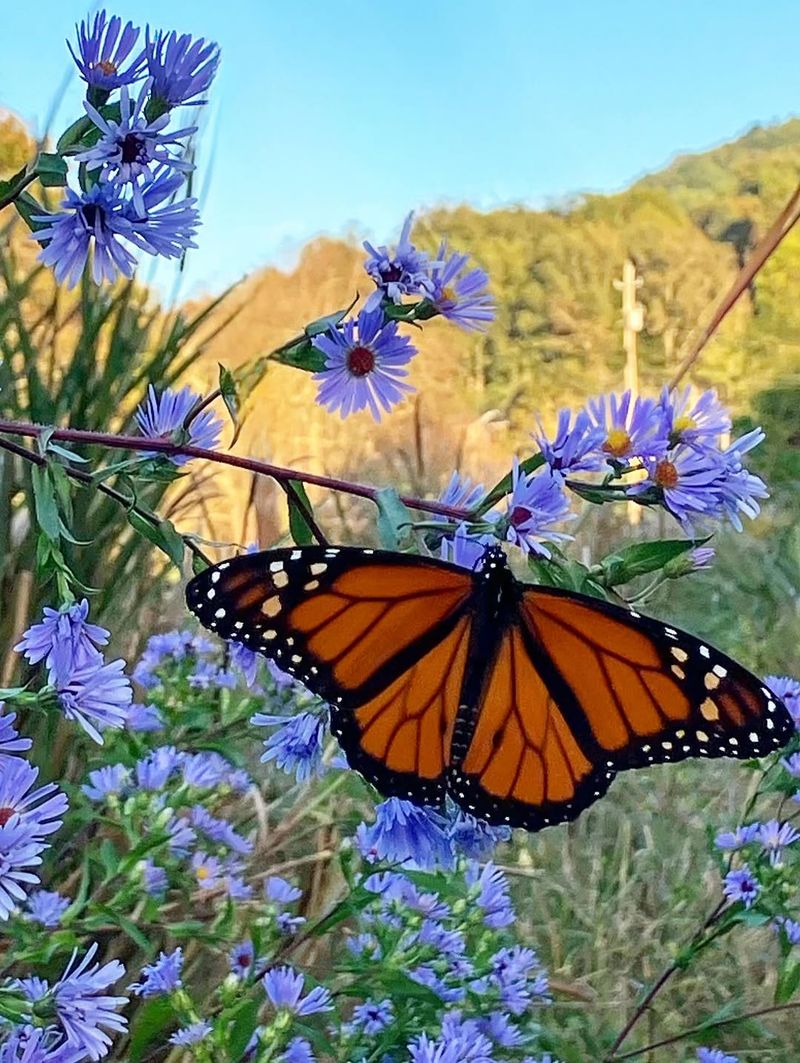
Few wildlife moments feel as exciting as spotting a monarch butterfly drifting through your garden on a crisp October morning.
North Carolina sits along a significant eastern migration corridor, meaning thousands of monarchs pass through the state each fall on their way to overwintering sites in Mexico.
These travelers are burning enormous amounts of energy, and they need reliable nectar sources along the way.
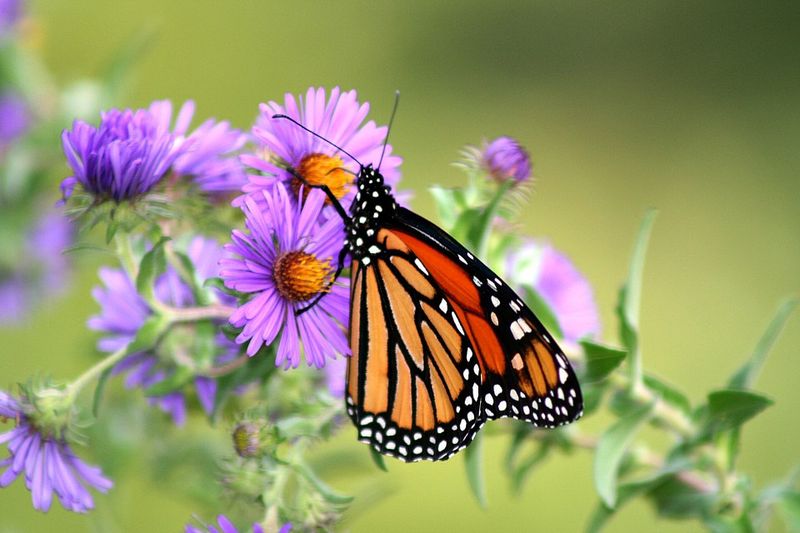
Native asters are among the most important fueling stations for migrating monarchs in North Carolina.
Species like New England Aster (Symphyotrichum novae-angliae) bloom right in sync with the monarch migration window, offering clusters of purple and pink flowers loaded with accessible nectar.
Monarchs can feed efficiently from aster blooms, which are wide enough to accommodate their wingspan and rich enough to deliver meaningful energy. Supporting monarch migration does not require a large yard.
Even a modest planting of asters along a fence line, garden border, or sunny patch of lawn can attract passing monarchs and give them the fuel they need to continue south.
Your North Carolina Garden Changes Every Week. Your Plan Should Too.
Gardening in North Carolina changes quickly throughout the season. Every Friday you’ll receive a simple weekly plan showing exactly what to plant, prune, fertilize, harvest, and protect so you never miss the right timing.
Gardeners across the piedmont and coastal plain of North Carolina are especially well-positioned to help, since monarchs tend to move through those regions in concentrated numbers during September and October.
Planting native asters is a genuinely practical way to participate in monarch conservation right from your own backyard.
3. Bees Rely On Asters For Nectar And Pollen Late In The Season
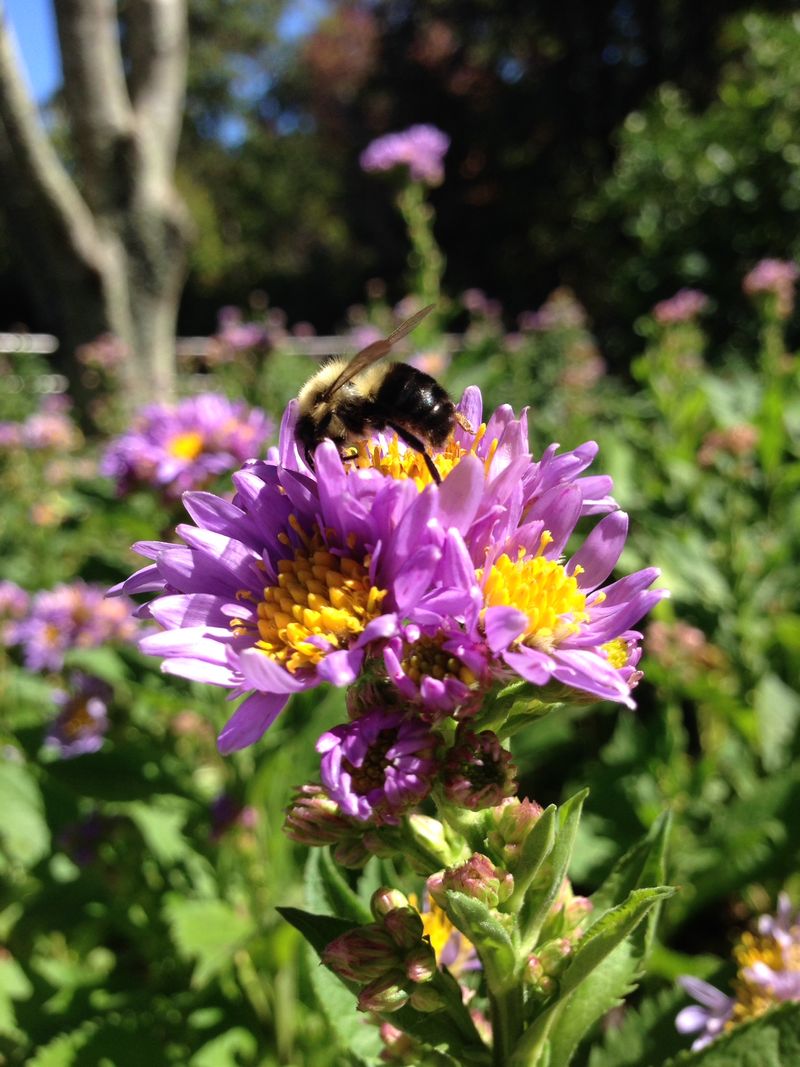
By the time October rolls around in North Carolina, most bees are in a race against the calendar. Native bumblebees need to build up fat stores before queens enter winter dormancy.
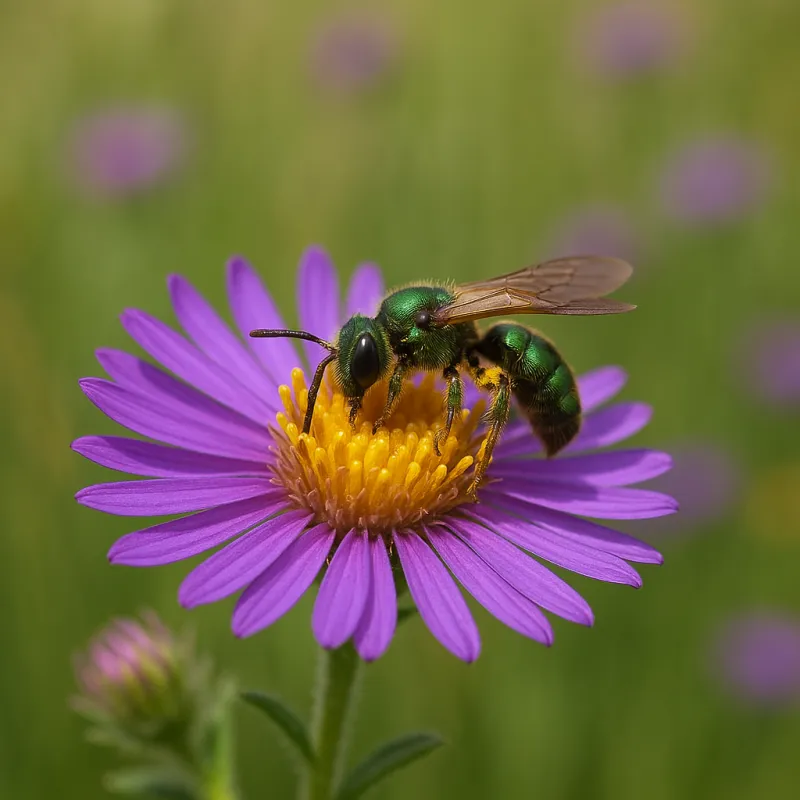
Solitary bees, including sweat bees and mining bees, are finishing their nesting cycles and foraging hard to provision their offspring.
For all of them, finding enough nectar and pollen this late in the season is a genuine challenge. Asters respond to that challenge in a big way.
A single aster plant can produce dozens of individual flower heads, each one offering both nectar and pollen.
That combination is unusually valuable because bees need pollen as a protein source and nectar for energy – two different resources that asters conveniently supply together.
Research on native bee foraging consistently highlights asters as among the most visited fall-blooming plants across the eastern United States.
North Carolina is home to hundreds of native bee species, many of which are specialist foragers with strong preferences for aster family plants.
The Symphyotrichum genus, which includes most of our native asters, is particularly attractive to these specialists.
Planting a mix of aster species with slightly different bloom times can help spread the availability of food across a longer window, giving bees more chances to feed and store resources before temperatures drop across North Carolina’s varied landscapes.
4. Native Asters Thrive In North Carolina’s Fall Conditions
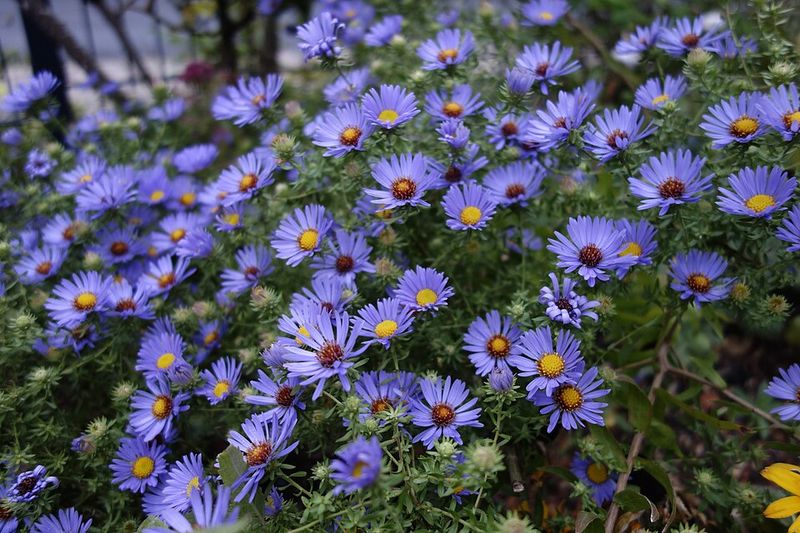
North Carolina’s fall climate can be a bit unpredictable – warm afternoons followed by cool nights, occasional dry spells, and soil that has been baked by a long summer.
Many ornamental plants struggle under these conditions, but native asters are genuinely well-suited to handle them.
These plants evolved here, which means they are already adapted to the regional soil types, rainfall patterns, and temperature swings that come with a North Carolina autumn.
Aromatic Aster (Symphyotrichum oblongifolium) is a standout example, thriving in dry to medium soils and handling heat and drought with ease once established.
New England Aster (Symphyotrichum novae-angliae) does well in moist, well-draining soils and can handle the heavier clay soils common in the piedmont.
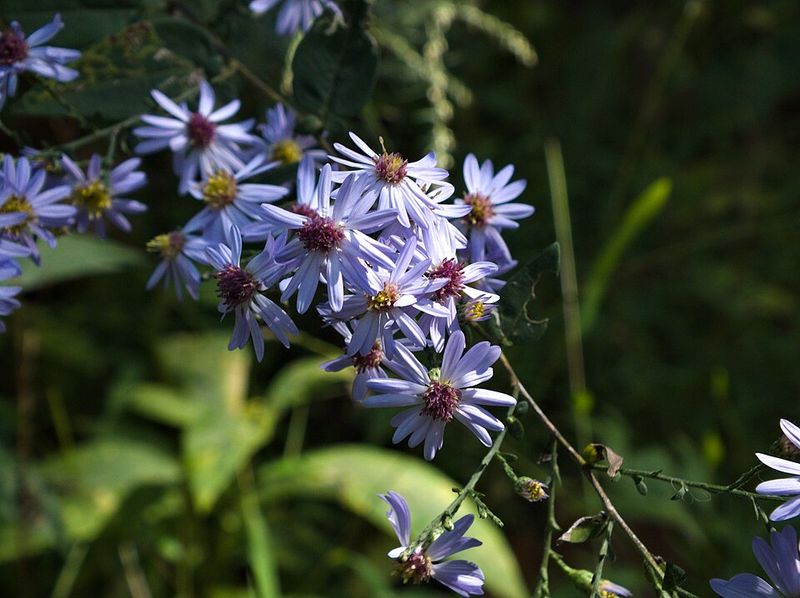
Blue Wood Aster (Symphyotrichum cordifolium) adapts nicely to partially shaded woodland edges, which are plentiful across the mountain and foothills regions of the state.
Because they are native, these asters rarely need supplemental fertilizer or intensive soil preparation.
They have spent thousands of years adapting to North Carolina’s natural conditions, and that history shows up in their resilience.
Gardeners who have struggled to keep non-native ornamentals alive through dry falls often find that native asters require far less attention and still deliver stunning late-season color.
That combination of toughness and beauty makes them a practical and rewarding choice for nearly any North Carolina garden style.
5. Asters Help Extend The Pollinator Feeding Season In Your Garden
Most home gardens in North Carolina hit a wall sometime in mid-to-late summer. The spring and early summer bloomers have finished, the midsummer plants are winding down, and suddenly the garden feels quiet.
Pollinators do not disappear just because the flowers do – they keep searching, often flying farther and working harder to find what they need.
Bridging that late-season gap is one of the most practical things a gardener can do for local wildlife. Native asters are exceptional at extending that feeding window.
When planted alongside goldenrod, another native fall bloomer, asters help create a late-season buffet that can carry pollinators well into November in the warmer parts of North Carolina.
The two plants complement each other nicely – goldenrod tends to bloom slightly earlier, and asters follow close behind, creating a smooth handoff of available resources. Thoughtful plant layering is the key to making this work.
Positioning asters near the back or middle of a garden bed allows them to grow through summer without much notice and then take center stage when fall arrives.
Shorter species like aromatic aster work well along borders, while taller types like New England Aster can anchor the back of a mixed planting.
With a little planning, your North Carolina garden can remain a genuinely active pollinator habitat from April all the way through late fall, rather than going quiet just when wildlife needs it most.
6. Different Aster Species Suit Sun And Partial Shade Gardens
One of the most common reasons gardeners hesitate before adding native plants is uncertainty about whether a particular species will work in their specific yard conditions.
Shady spots, sunny slopes, dry corners, and moist low areas can all feel like obstacles. With native asters, that concern largely disappears because the genus includes species suited to a genuinely wide range of conditions found across North Carolina properties.
For full sun gardens, Aromatic Aster (Symphyotrichum oblongifolium) and New England Aster (Symphyotrichum novae-angliae) are strong choices.
Both handle direct sunlight well and produce abundant flowers that pollinators actively seek out.
In partially shaded spots, Blue Wood Aster (Symphyotrichum cordifolium) is a reliable performer, growing comfortably under the canopy of deciduous trees where sunlight filters through in the afternoon.
North Carolina’s varied topography means that many properties have multiple light conditions across a single yard.
A sunny front border might be ideal for Aromatic Aster while a shaded backyard edge near a tree line suits Blue Wood Aster beautifully.
Mixing species across different light zones not only increases the range of pollinators you attract but also creates a more visually interesting garden with varied heights and flower colors.
Experimenting with two or three aster species in different spots around your yard is a low-risk way to discover which ones perform best in your particular North Carolina growing conditions.
7. Native Asters Support A Wide Range Of Beneficial Insects
Monarch butterflies and bumblebees tend to get most of the attention when people talk about pollinators, but the insect community visiting native asters in fall is far more diverse than that.
Skippers, painted ladies, and sulfur butterflies all forage on aster blooms. Small native bees including sweat bees, mining bees, and leafcutter bees visit regularly.
Even hoverflies, which mimic the appearance of bees, use asters as a nectar source and contribute to pollination in the process.
Beyond pollinators, asters also support insects that gardeners do not always think about but should.
Predatory wasps and parasitoid insects, which help control pest populations naturally, are attracted to aster flowers for their nectar.
Lacewings, whose larvae consume aphids and other soft-bodied pests, also visit aster blooms as adults.
Supporting these beneficial insects creates a more balanced garden ecosystem that can reduce the need for pest management over time.
North Carolina’s native insect diversity is genuinely impressive, and many of those species have evolved close relationships with native plants in the aster family.
Planting non-native aster varieties, while attractive, does not always offer the same ecological value because the plant-insect relationships developed over thousands of years with specific native species.
Choosing plants in the Symphyotrichum genus ensures your garden is offering resources that local insects are actually equipped to use and depend on throughout the fall season.
8. Asters Return Each Year With Minimal Maintenance
There is something genuinely satisfying about planting a native perennial once and watching it come back stronger each year.
Native asters are exactly that kind of plant – resilient, self-sufficient, and reliable in a way that many ornamentals simply are not.
Once established in a suitable spot, most native asters require little more than occasional watering during prolonged dry spells in their first season.
After the first year, asters typically need very little intervention. They do not generally require fertilizer, and their natural resistance to regional pests and diseases means you can skip many of the treatments that non-native plants often demand.
Cutting stems back by about half in late spring, a practice sometimes called the Chelsea chop, can encourage bushier growth and more flower heads without significantly delaying bloom time.
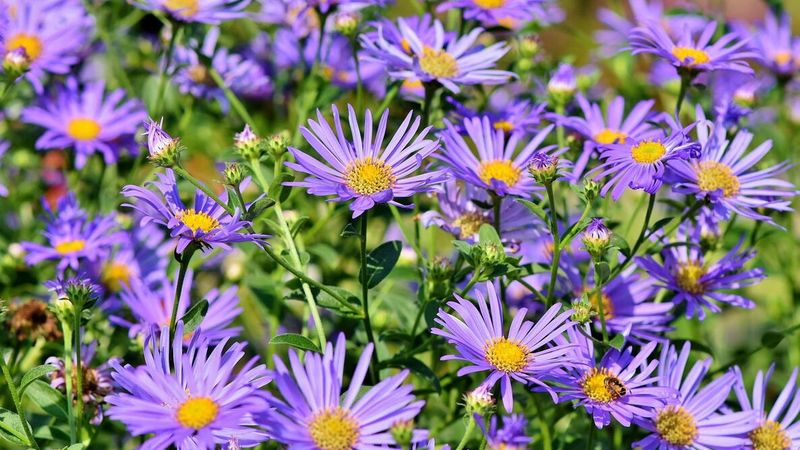
Asters also spread gradually over time, filling in gaps and creating fuller plantings that look increasingly natural as the years pass.
Some species self-seed lightly, which can be a welcome bonus for gardeners who want to expand their plantings without purchasing additional plants.
In North Carolina, where fall gardens often receive less attention than spring and summer beds, having a reliable plant that essentially takes care of itself is a real advantage.
Native asters reward even the most casual gardener with dependable late-season color and consistent ecological value year after year.