8 Florida Annuals That Reseed Themselves So You Never Have to Replant
Most annuals have an exit strategy that costs you money. They bloom, they fade, and come next season you are back at the garden center doing the whole thing over again.
In Florida, where the growing calendar barely pauses, that cycle adds up fast. Some annuals play by different rules.
They drop seed, pause for a stretch, and often show back up with very little help when the gardener lets seedheads mature and leaves some open soil for seedlings.
Florida’s warmth and humidity, the same conditions that exhaust so many plants, actually work in their favor when it comes to reseeding.
It is not magic, and it does not happen with every variety. But the ones that do it reliably are worth knowing about, because once they are established, they largely take care of themselves.
A few of these are true annuals, while others behave as annuals or short-lived perennials in Florida, but all earn their place because they can return from seed when the site is right.
1. Let Leavenworth’s Tickseed Drop Seed Before You Tidy Up
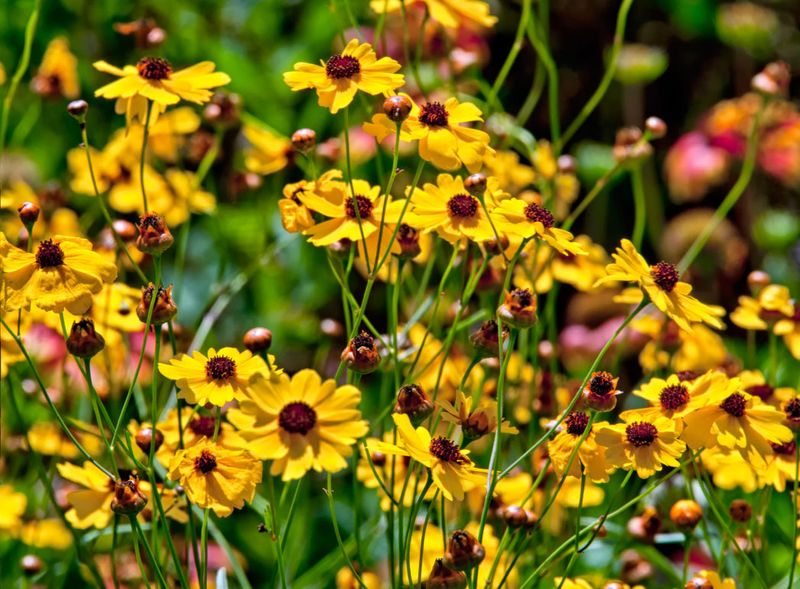
Seedheads drying on the stalk in late spring are doing something important, and the gardener who understands that will be rewarded.
Leavenworth’s tickseed, Coreopsis leavenworthii, belongs to Coreopsis, Florida’s state wildflower genus, and is one of the best native examples of an annual to short-lived perennial that can return from seed.
Bright yellow blooms with slightly notched petals cover the plant from late winter through spring, attracting bees, butterflies, and other pollinators across a wide range of Florida landscapes.
Sandy, sunny sites with good drainage are where this plant really performs. It can handle moist soils as long as they are not waterlogged for long periods, making it useful along roadsides, in naturalistic borders, and in rain garden edges.
It works across North, Central, and South Florida, though local conditions like soil type and seasonal moisture patterns can affect how densely seedlings return each year.
The most common mistake gardeners make is cutting plants back too early or spreading thick mulch right over the seed zone. To encourage reseeding, let the seedheads fully mature and turn dry and papery before any cleanup.
Leave some open soil around the base of the plant so seeds make contact with the ground. Thin seedlings that come up in dense clusters so the strongest plants have room to grow.
Patience with your fall cleanup schedule is the real secret here.
2. Give Black-Eyed Susan Room To Sow Its Own Patch
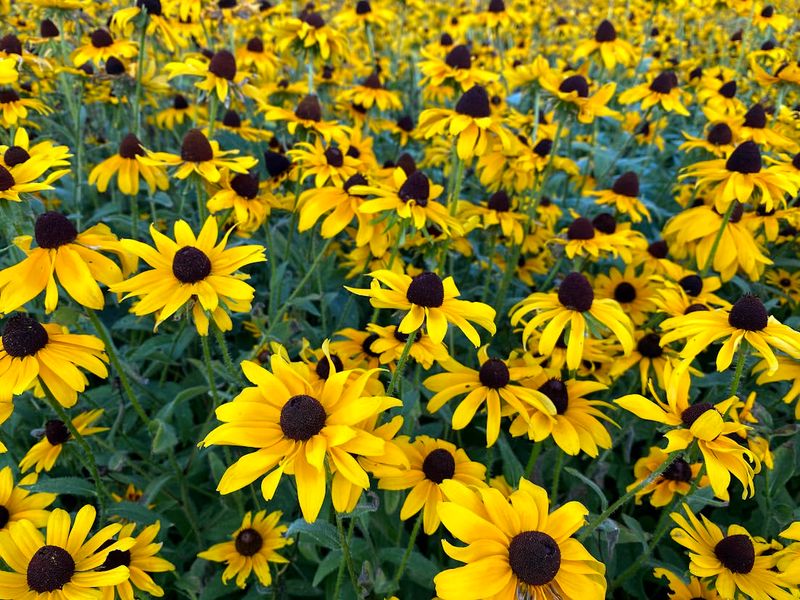
Few wildflowers are as recognizable as black-eyed Susan, with its golden yellow petals and deep chocolate-brown center.
Rudbeckia hirta is a Florida native that can behave as an annual, a biennial, or a short-lived perennial depending on conditions, and it is capable of spreading through self-sown seed when gardeners work with its natural cycle rather than against it.
Pollinators love it, birds snack on the seedheads, and it brings a cheerful, meadow-like energy to any sunny planting area.
One important note for Florida gardeners: choose seed or transplants that are confirmed Florida-native forms rather than the many ornamental hybrid varieties sold at big-box garden centers.
Your Florida Garden Changes Every Week. Your Plan Should Too.
Gardening in Florida changes quickly throughout the season. Every Friday you’ll receive a simple weekly plan showing exactly what to plant, prune, fertilize, harvest, and protect so you never miss the right timing.
Non-native cultivars may not reseed reliably, may not support local wildlife as effectively, and could introduce genetics that are not well-suited to Florida’s climate.
The Florida Wildflower Foundation and UF/IFAS are good resources for sourcing native seed.
Black-eyed Susan works well in sunny beds, wildflower patches, pollinator gardens, and naturalistic borders throughout North, Central, and South Florida, though gardeners should still choose Florida-native seed and match it to a sunny, well-drained site.
To keep reseeding going, avoid mowing or cutting back the planting too early in the season.
If seedlings come up thickly, thin them out so the patch does not become overcrowded. A little editing each season keeps the planting looking intentional rather than weedy.
3. Use Partridge Pea Where Pollinators And Seedlings Are Welcome
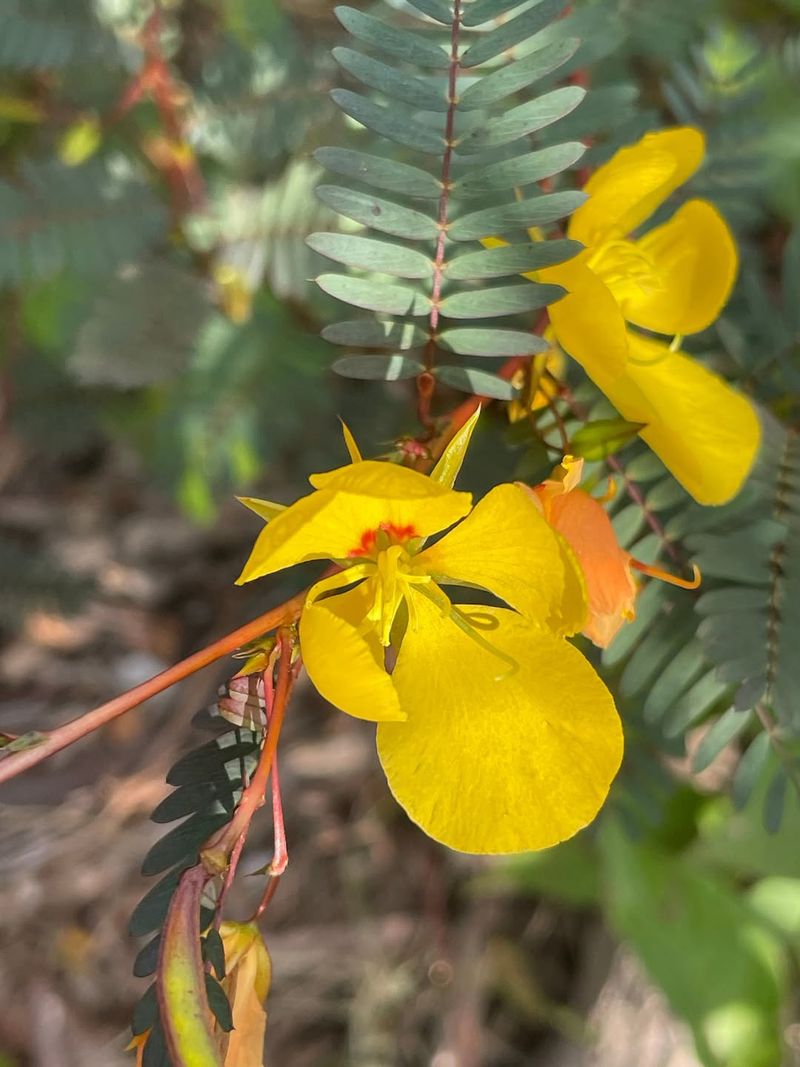
Walk past a patch of partridge pea in full bloom and you will notice the bees before you notice the flowers.
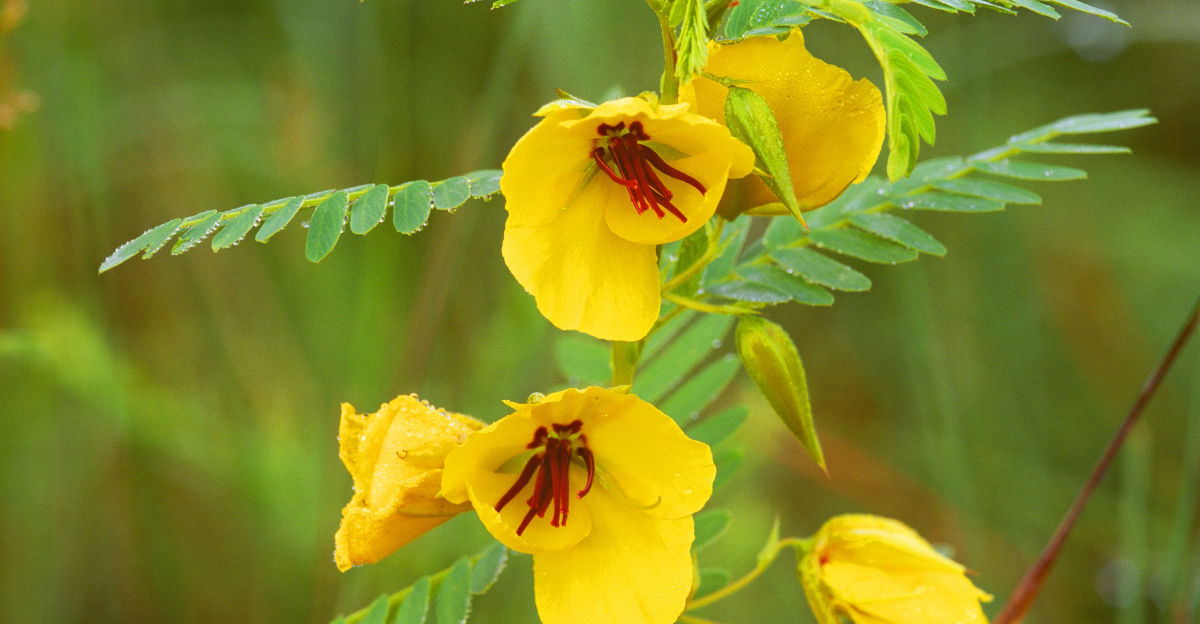
Chamaecrista fasciculata is a Florida native annual or short-lived perennial that produces cheerful yellow blooms with distinctive reddish-purple anthers, and it is a powerhouse for pollinators.
Bumblebees in particular seek it out, and several butterfly species use it as a larval host plant. Birds eat the seeds too, so a well-placed stand of partridge pea does a lot of ecological work in a small footprint.
Lean, sandy soils are no problem for this plant once it gets established. It actually tends to perform better in lower-fertility soils than in rich amended beds, which makes it ideal for the kinds of challenging spots that defeat many ornamental annuals.
It is useful across much of Florida, including some coastal sites, and it can handle the heat that would stress less resilient wildflowers.
The honest truth is that partridge pea reseeds generously, and that is a feature only if you have the right spot for it. A naturalized border, a wildflower meadow strip, or a sunny area where a relaxed look is welcome will suit it perfectly.
A tiny formal bed where every seedling placement matters is not the right home. Thin volunteers early in the season if the patch gets dense, and enjoy the pollinators that follow wherever this plant grows.
4. Plant Canadian Toadflax For A Soft Spring Reseeding Show
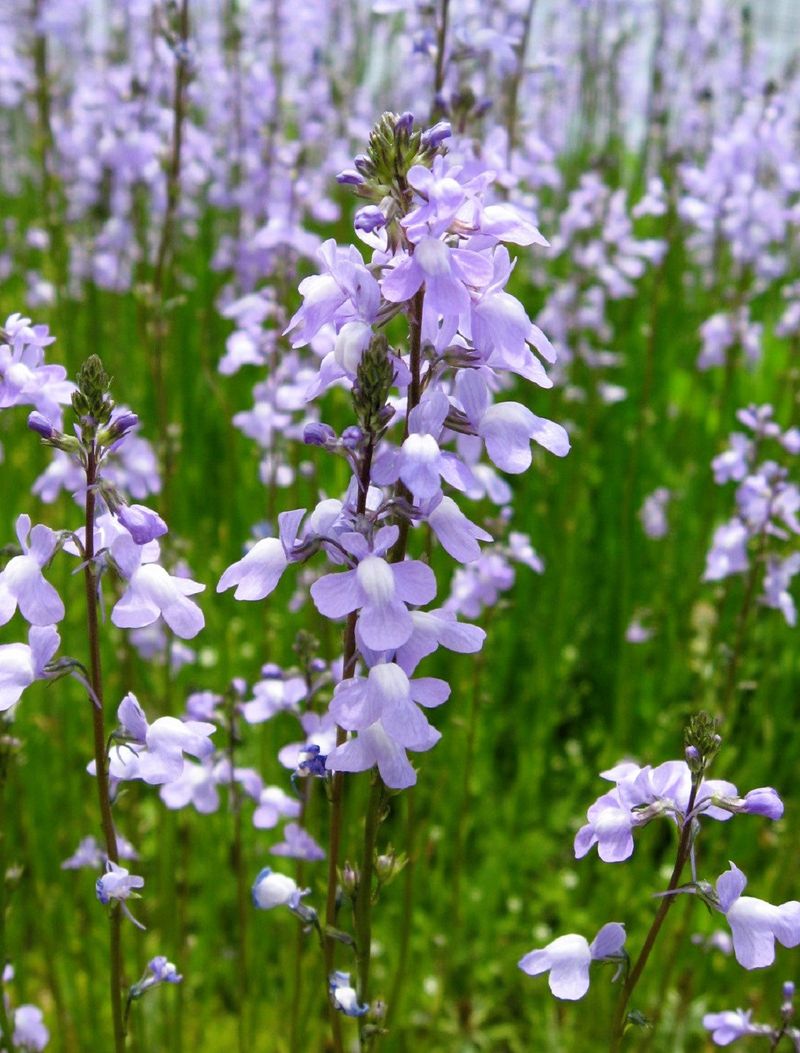
Delicate is the word that comes to mind when you see Canadian toadflax in bloom.
Nuttallanthus canadensis sends up slender stems topped with tiny snapdragon-like flowers in soft shades of pale blue to violet, creating a wispy, airy effect that feels more like a wildflower painting than a planted garden.
It is a Florida native annual that can reseed readily when conditions cooperate, and its light, natural look makes it a lovely addition to open, sunny areas where it can weave between other low plants.
This plant needs open soil to establish from seed. Thick mulch, dense groundcovers, and heavily compacted areas will prevent seedlings from getting started.
Sunny spots with sandy or well-drained soil give it the best chance, and it can be appropriate across North, Central, and South Florida when local site conditions are right.
It tends to bloom in late winter and spring, which makes it one of the earlier reseeding wildflowers to look for each year.
Letting plants complete their full seed cycle before any cleanup is the most important step for encouraging a return. If you cut or mow the planting while seed is still forming, you interrupt the whole process.
Canadian toadflax is not a bold, showy plant, but its quiet charm and pollinator value make it worth the patience. Scatter a little bare soil in the seed zone each fall and you give it the best possible start for spring.
5. Keep Southern Beeblossom In Bounds With Smart Deadheading
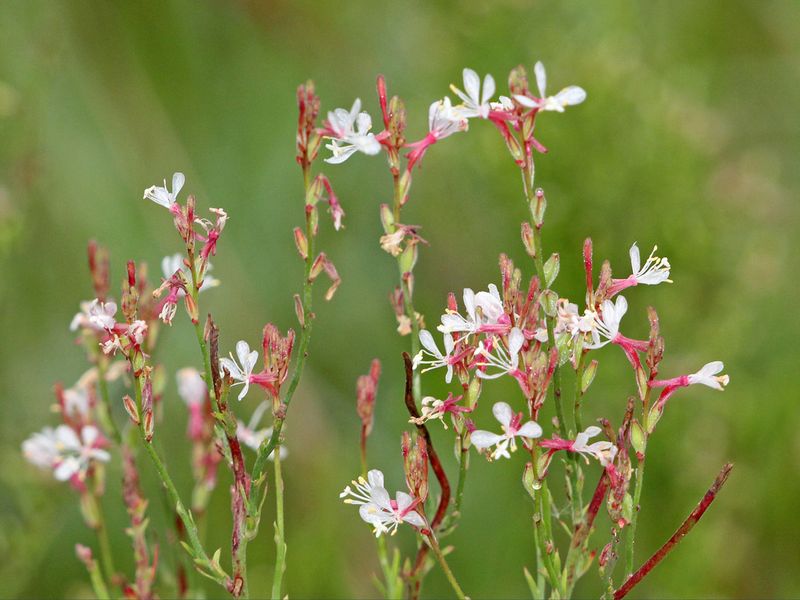
Southern beeblossom has a way of charming gardeners the first time they see bees working its small, delicate flowers in the afternoon light.
Oenothera simulans is a Florida native annual that blooms prolifically and can self-seed readily, producing clusters of four-petaled white to pale pink flowers that pollinators visit eagerly.
It brings an informal, cottage-garden quality to sunny borders and naturalistic plantings, and it earns its keep as a pollinator resource through a long season.
The flip side of that reseeding enthusiasm is that southern beeblossom can produce a lot of seedlings if every plant is allowed to set seed fully. For most gardeners, the smart approach is balance.
Leave some seedheads on plants you want to return, but deadhead part of the planting to keep the total number of volunteers manageable. Thin seedlings that come up in crowded groups so the strongest plants have space to develop properly.
Placing southern beeblossom where extra seedlings are easy to spot and pull is a practical strategy that makes the whole experience more enjoyable.
A bed you walk past regularly, a border near a path, or an area near other wildflowers where volunteers blend in naturally are all good choices.
This plant is useful in sunny sites across much of Florida, and it rewards gardeners who pay a little attention to seedhead management rather than letting the whole planting run completely unchecked every single season.
6. Let Paintedleaf Bring Color Without A Formal Flower Bed
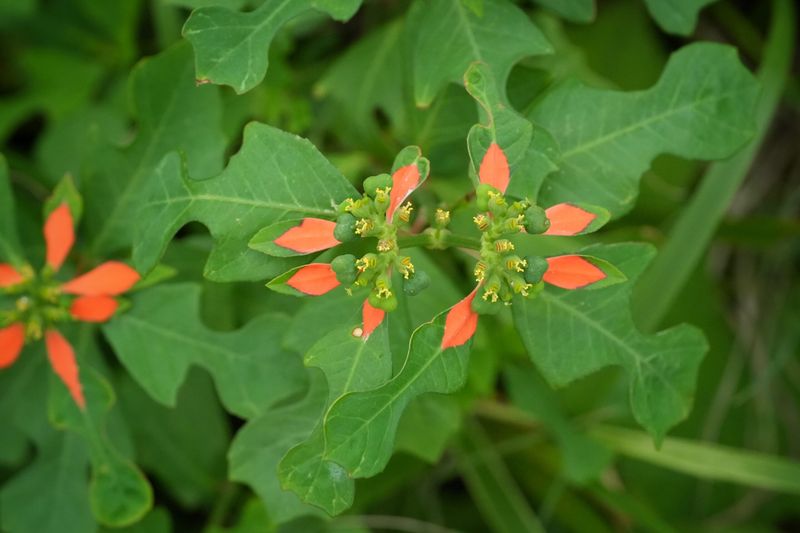
Not every plant earns attention through its flowers, and paintedleaf proves that point beautifully.
Paintedleaf, Euphorbia cyathophora, is a Florida native annual to short-lived perennial known for its colorful red-and-green bracts and ability to reseed in informal sunny plantings.
Wear gloves when handling it because its milky sap can irritate skin, and place it where a few volunteer seedlings will not be a problem.
It is a plant that surprises people who expect color to come only from petals, and once they see it working in a sunny border or wildflower area, it tends to earn a repeat place in the garden.
Sunny locations with well-drained soil suit paintedleaf well, and it can handle the heat that characterizes much of Florida’s long warm season.
It is appropriate for many Florida regions, though gardeners should verify local suitability and source plants from reputable Florida native plant nurseries.
Pollinators and wildlife benefit from it, and its naturalistic appearance fits perfectly in informal beds, pollinator corridors, and sunny borders where a relaxed style is the goal.
Reseeding depends on two things: letting seed fully mature on the plant before any cleanup, and making sure some open ground exists where seedlings can establish.
Overly manicured spaces where volunteers get removed on sight are not the right match for paintedleaf.
If the garden style leans toward tidy and controlled, this plant will frustrate more than it pleases. But in the right spot, with a little tolerance for self-sown seedlings, it returns season after season with minimal effort from the gardener.
7. Thin Forked Bluecurls Before It Takes Over The Scene
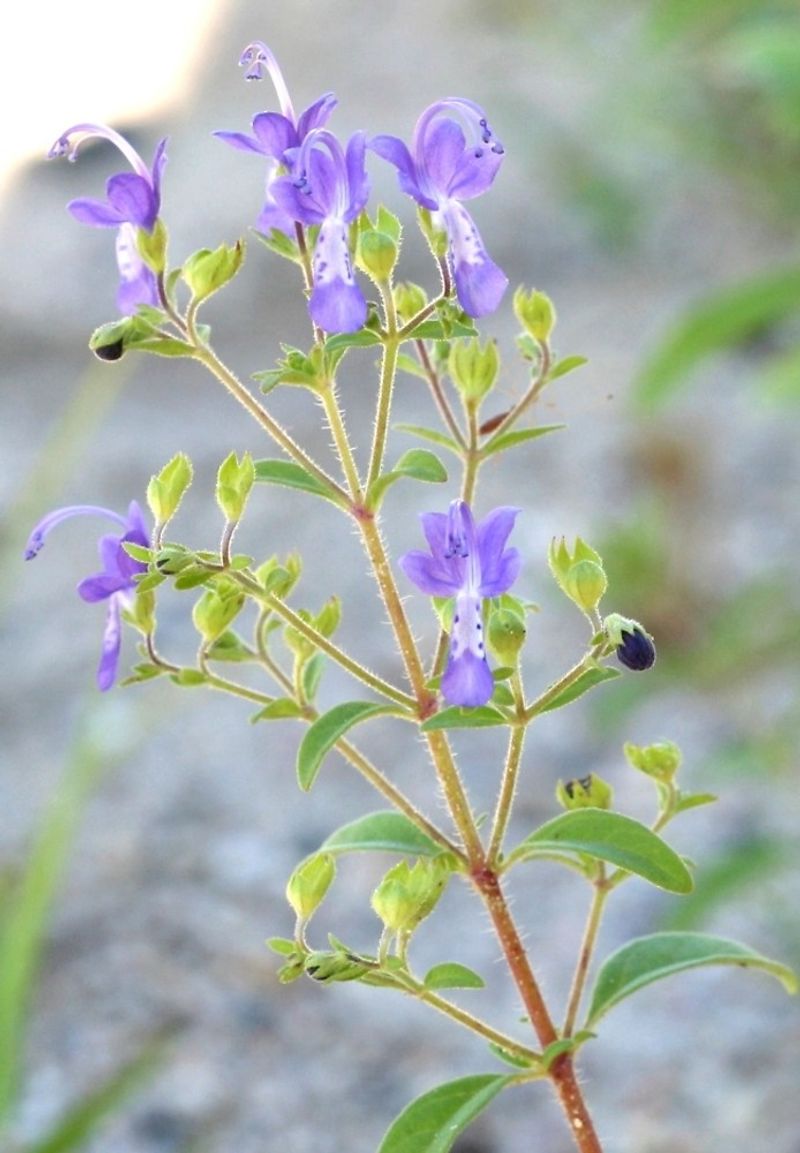
There is nothing quite like forked bluecurls blooming in late summer when most other annuals are looking tired.
Trichostema dichotomum produces unusual blue to violet flowers with dramatically arching stamens that give the blooms an almost theatrical look, and bumblebees are absolutely devoted to it.
It is a Florida native annual that thrives in dry, sunny conditions and poor sandy soils, making it genuinely useful in the kinds of spots that challenge more finicky plants.
Strong self-seeding is part of the package with forked bluecurls, and that is worth knowing before planting.
In the right setting, a naturalized sunny border or a dry wildflower patch, the volunteers that appear after a rain are a welcome sign that the planting is cycling forward on its own.
In a small, carefully managed bed where every plant placement matters, the same volunteers can quickly feel like a problem.
Managing the return is straightforward if you stay on top of it early. Thin seedlings when they are young and small rather than waiting until they are established and crowded.
If a lighter return is the goal, allow only some plants to mature seed fully and remove others before the seed ripens. Keeping forked bluecurls out of tight spaces near other plants it could outcompete is also a good habit.
For gardeners who enjoy a naturalistic, pollinator-focused style and do not mind a little volunteer editing each season, this plant delivers something genuinely special.
8. Choose Softhair Coneflower For North And Central Florida Reseeding
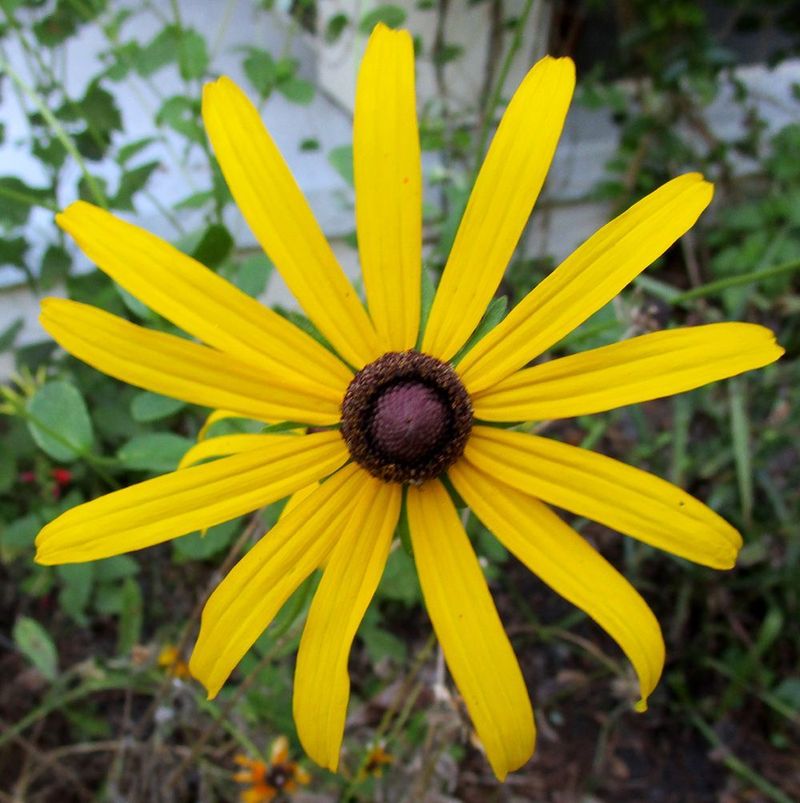
Sunny wildflower beds in North and Central Florida have a reliable friend in softhair coneflower.
Rudbeckia mollis is a Florida native annual or short-lived perennial that produces cheerful yellow blooms with dark centers, similar in spirit to black-eyed Susan but softer in texture and better adapted to Florida’s specific conditions.
It handles dry, sandy soils and full sun with ease, and it brings a warm, golden energy to naturalistic plantings and informal borders through much of the warm season.
Regional honesty matters here. Softhair coneflower is best suited to North and Central Florida, where its natural range and climate preferences align well with local conditions.
South Florida gardeners should check carefully with local native plant resources or UF/IFAS Extension before planting, and may find a more regionally appropriate wildflower is a better fit for their specific area.
Matching plants to the right region is always better than forcing a mismatch and wondering why the plant underperforms.
For reseeding to work, seedheads need to mature fully on the plant before the gardener starts any fall or end-of-season cleanup. Mowing or cutting the planting too early in the cycle removes the seed before it has a chance to reach the soil.
Leaving some open, lightly disturbed ground near the plants gives seeds the bare-soil contact they need to germinate. When seedlings appear in spring, thin any dense clusters so each plant has enough room to grow strong and bloom well.