These 7 Florida Perennials Stay Upright Without Stakes Or Cages
Anyone who has spent a Florida summer propping up plants knows how fast that gets old. Stakes that shift in the rain, cages that tip over in afternoon storms, the constant feeling that you are fighting the garden instead of enjoying it.
It adds up, and eventually most gardeners start looking for a better way. Some perennials simply do not need any of it.
Not because they are small or unremarkable, but because they are genuinely built for the conditions Florida throws at them. Wind, heavy rain, heat, humidity, none of it puts them on the ground.
Finding plants that hold their own without any help changes how a Florida garden feels to maintain, and these make a strong case for rethinking what belongs in the ground.
1. Let Muhly Grass Stand Tall Through Heat And Wind
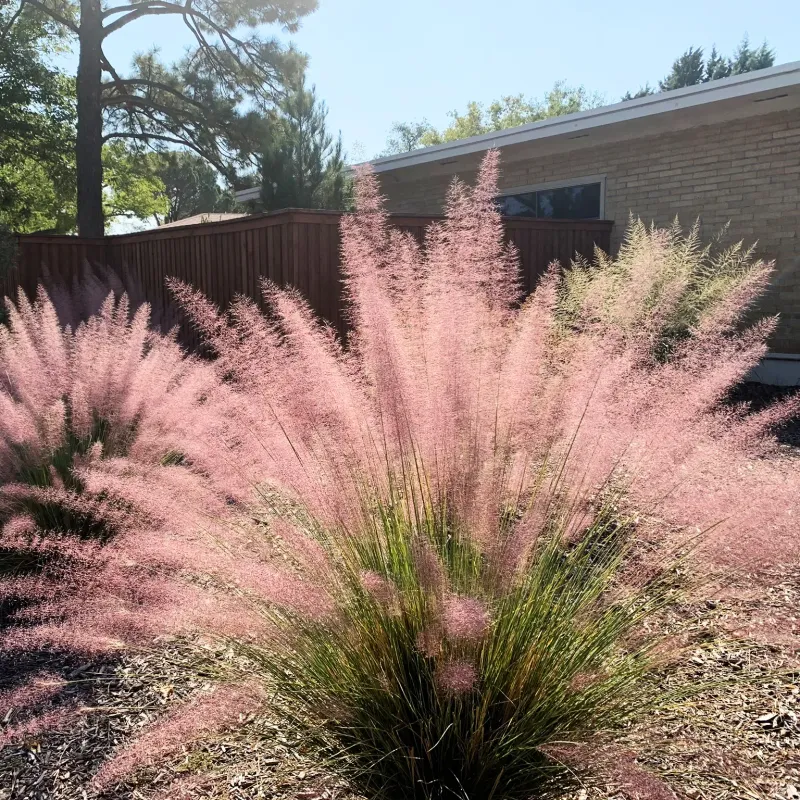
Few ornamental grasses put on a show quite like muhly grass when fall arrives in Florida. The pink, cloud-like plumes rise several feet above the base clump and catch every breeze without bending sideways or collapsing onto neighboring plants.
That natural stiffness at the base is exactly what makes it a go-to choice for gardeners who want seasonal drama without a single stake.
Muhly grass grows best in full sun with well-drained soil, and it is genuinely useful across North, Central, and South Florida when planted in the right site. Sandy, lean soils actually suit it well, making it a smart pick for coastal landscapes and dry inland beds.
Once established, it handles Florida’s summer drought cycles with ease and tolerates occasional wet periods without rotting out.
Spacing matters more than most gardeners realize. A single clump can reach two to three feet wide at maturity, so crowding it with nearby shrubs or perennials will cause the outer stems to flop outward looking for light.
Give each plant enough room to hold its natural fountain shape, and it will reward you with an upright, airy form year after year. Cutting the clump back hard once a year, usually in late winter or very early spring, keeps new growth coming up fresh and strong.
Muhly grass is not a fussy plant, but it does its best structural work when it has good sun, breathing room, and soil that does not stay soggy. For gardeners tired of propping things up, this grass practically manages itself.
2. Plant Coontie Where Structure Matters Year Round
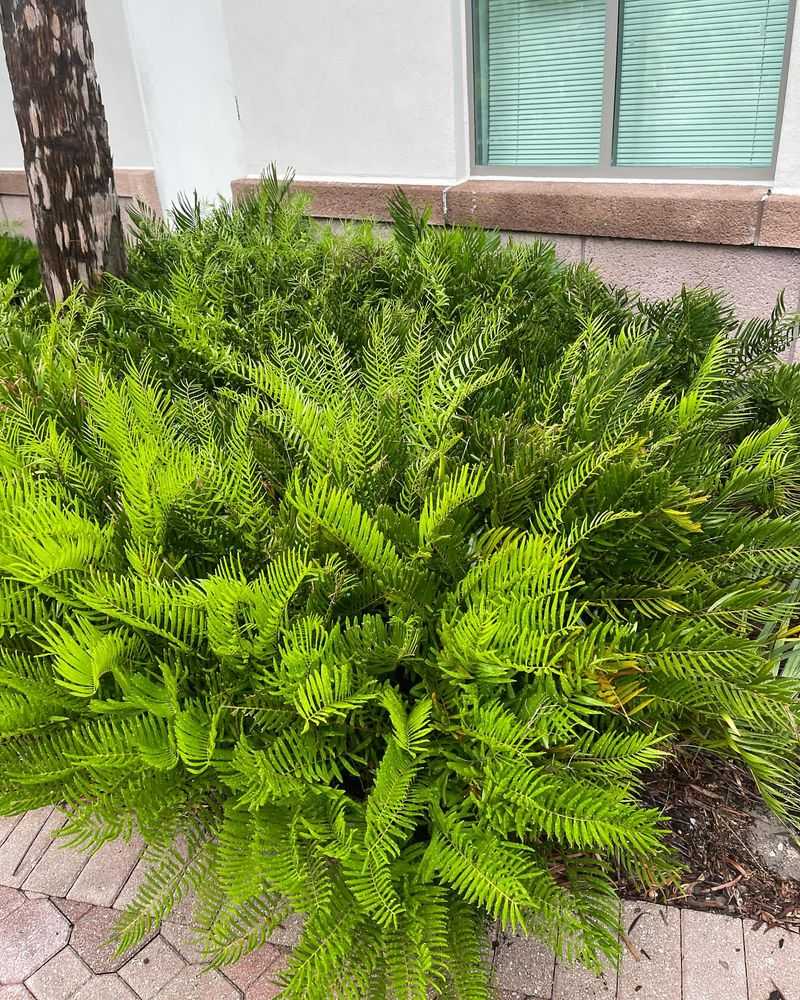
Most gardeners reach for flowering perennials when they want structure, but coontie earns its place in the landscape through sheer reliability.
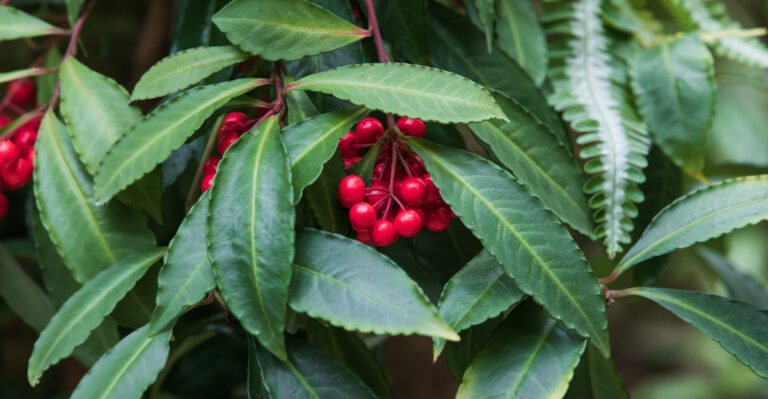
A Florida native cycad, not a true flowering perennial in the classic sense, coontie produces stiff, dark green, fern-like fronds that hold their shape in rain, wind, and heat without ever needing a stake or support frame.
That firm, compact form is the whole point.
Coontie grows in sun or shade, which already sets it apart from most plants on this list. Full sun produces a denser, slightly more compact clump, while shade encourages slightly longer fronds.
Either way, the foliage stays upright and tidy. It is also a practical choice for coastal landscapes because it handles moderate salt tolerance and is genuinely drought tolerant once established.
Your Florida Garden Changes Every Week. Your Plan Should Too.
Gardening in Florida changes quickly throughout the season. Every Friday you’ll receive a simple weekly plan showing exactly what to plant, prune, fertilize, harvest, and protect so you never miss the right timing.
Gardeners across all regions of Florida can use it successfully when planted in the right site conditions.
One thing to set expectations around is growth rate. Coontie is slow.
A newly planted specimen will not fill in a large bed overnight, so patience is part of the deal. Over time, though, a mature coontie clump becomes a low, rounded mound of texture that anchors a bed corner beautifully.
Beyond its structural value, coontie is the only larval host plant for the Atala butterfly, a striking species that was once nearly gone from Florida. Planting coontie brings both architectural interest and genuine wildlife value to the yard.
For gardeners who want year-round structure without constant intervention, few plants deliver as consistently as this tough Florida native.
3. Count On Society Garlic For Neat Upright Clumps
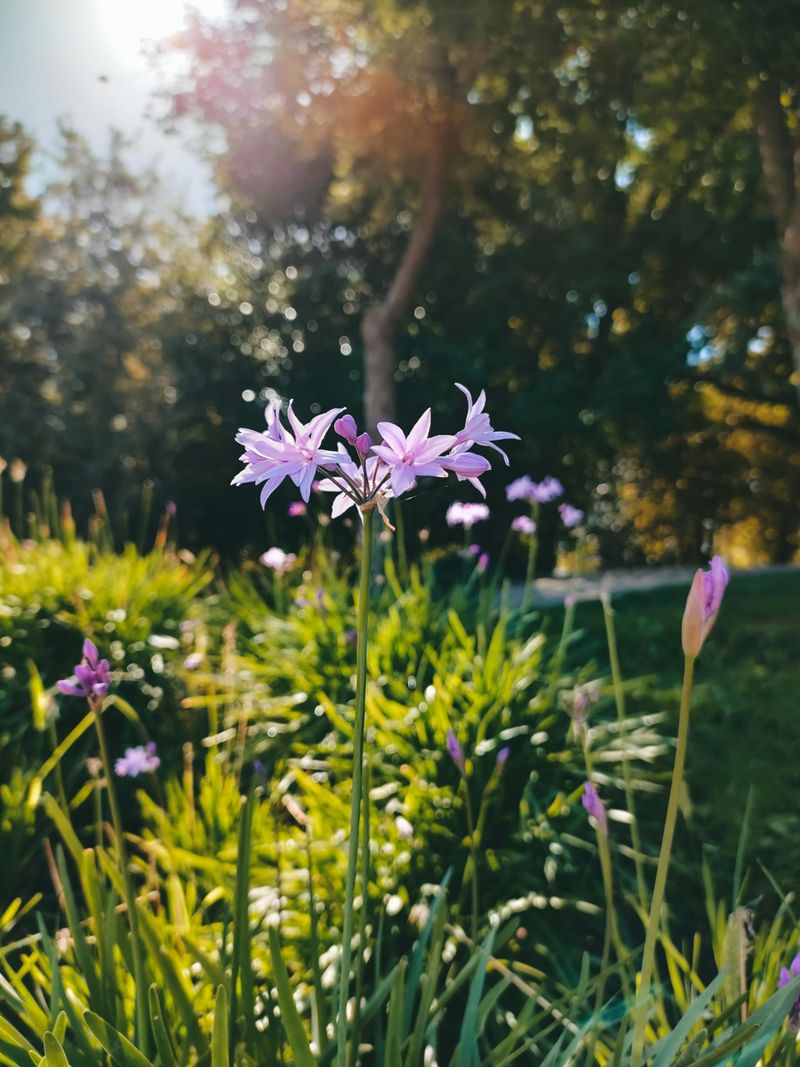
There is something quietly dependable about society garlic that experienced Florida gardeners tend to appreciate.
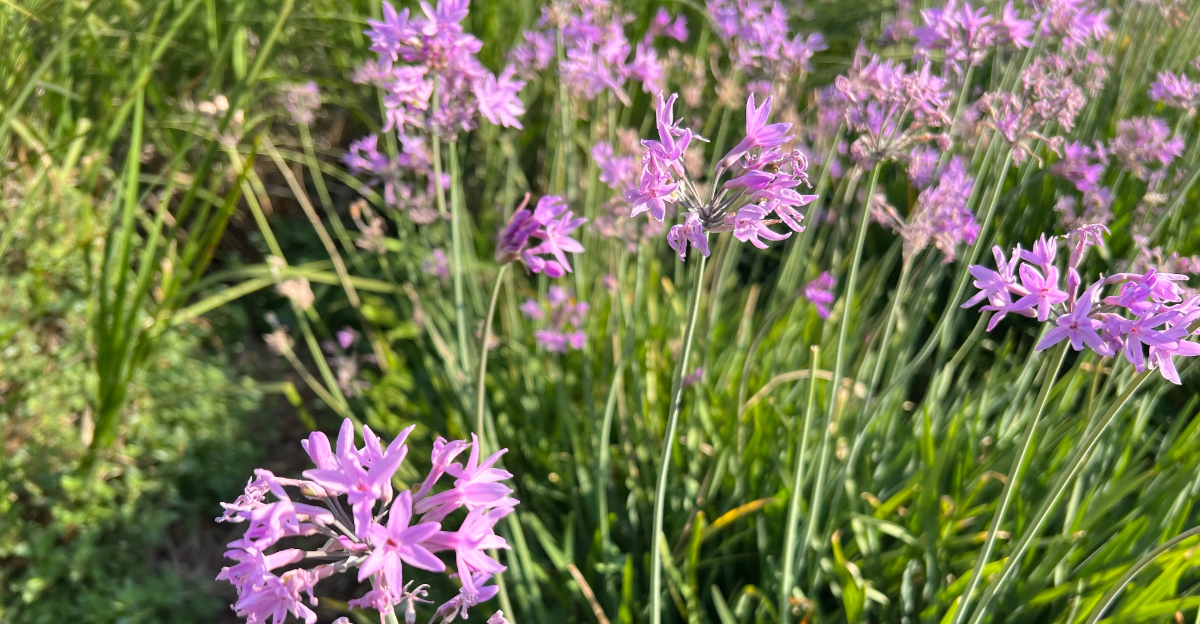
The narrow, upright, blue-green foliage grows in tidy clumps that rarely sprawl, and the slender flower stalks rise cleanly above the leaves with small lavender blooms that pollinators visit regularly.
No cages needed, no tying, no guesswork about whether it will stand up after a summer storm.
Society garlic performs well in North and Central Florida and can also be used farther south in suitable sites, though gardeners in South Florida should check with their local
Extension office for site-specific guidance. Full sun is where this plant looks its best and grows its sturdiest.
Well-drained soil is equally important because soggy roots can weaken the clump over time and cause the outer edges to splay out rather than hold their upright habit.
Moderate drought tolerance once established makes it a solid choice for beds that do not get regular irrigation. Trimming off spent flower stalks keeps the planting looking neat and encourages fresh blooms to follow.
One practical detail worth knowing before you plant is the scent. The foliage releases a noticeable onion or garlic smell when brushed or crushed, which some people enjoy and others find strong.
Placement near a busy patio edge or a frequently used walkway may not suit everyone. In a border, along a fence line, or at the front of a sunny bed, though, society garlic holds its shape, stays upright all season, and asks for very little in return.
For gardeners who want a tidy, low-fuss border plant, it consistently delivers.
4. Grow Gaillardia Where Sun Keeps Stems Sturdy
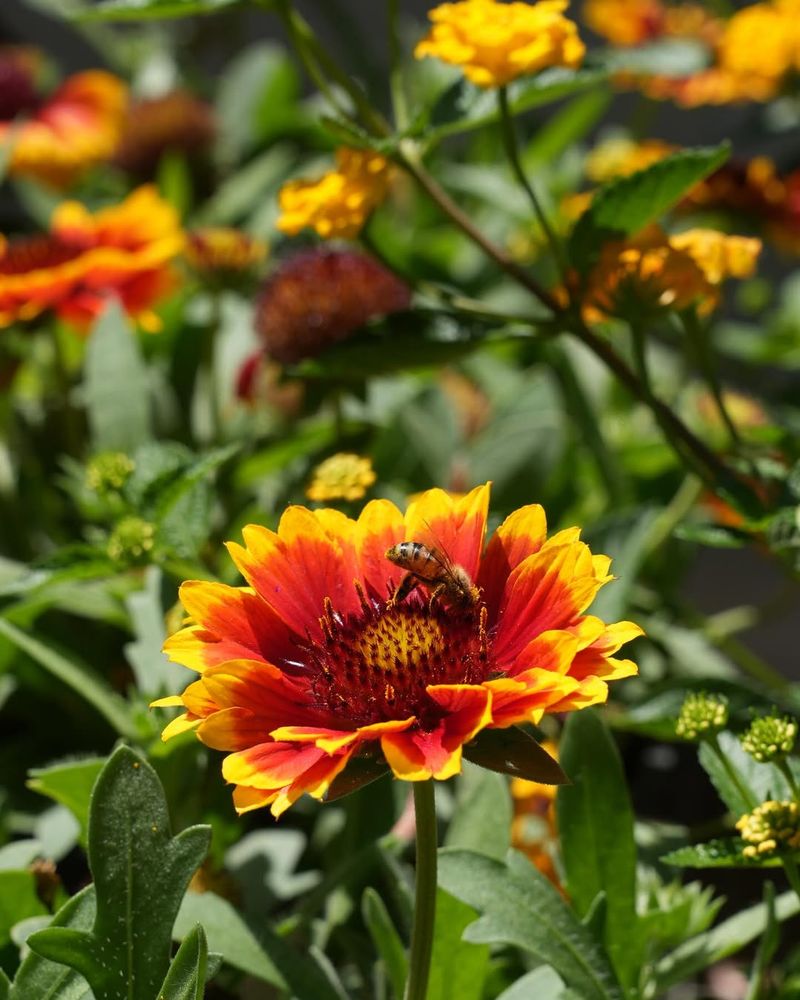
Sandy soil, blazing sun, and coastal wind sound like a tough assignment for most flowering plants, but gaillardia practically thrives on those conditions.
Also called blanket flower, this cheerful perennial produces bold red, orange, and yellow daisy-like blooms on upright stems that hold their position without any support when the plant is grown in the right spot.
The key phrase there is the right spot.
Full sun is non-negotiable if you want gaillardia to stay compact and sturdy. Move it into partial shade or give it too much water, and the stems stretch out, weaken, and flop over in a way that makes staking look tempting.
Lean, well-drained soil is equally important. Florida’s sandy coastal soils are actually ideal, which makes this a smart choice for beachside gardens, dry inland beds, and sunny front borders where the ground drains quickly after rain.
Pollinators find gaillardia extremely attractive, and the long bloom season keeps butterflies and bees coming back from spring well into fall in many Florida gardens.
Drought tolerance once established is a genuine strength, not just a marketing phrase, because this plant evolved in open, exposed habitats where water is inconsistent.
One honest note for Florida gardeners is that gaillardia often behaves as a short-lived perennial rather than a permanent fixture. Some plants rebloom and persist for several years while others fade after a season or two, especially in wetter or shadier spots.
Letting it reseed naturally can help maintain a patch over time. Treat it as a reliable workhorse in lean, sunny conditions, and the upright stems will take care of themselves.
5. Use Pentas For Upright Color In Central And South Florida
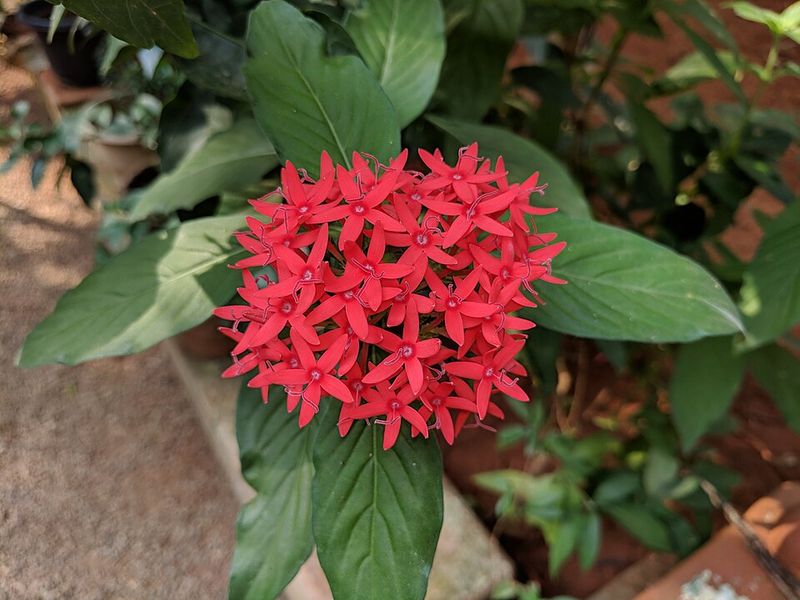
Butterflies seem to find pentas before gardeners even finish planting them.
The dense, rounded clusters of star-shaped flowers come in red, pink, white, and lavender, and they sit atop naturally upright stems that rarely need any support when the plant is given proper sun and spacing.
For Central and South Florida gardeners, pentas can be a true year-round performer in the right conditions.
The regional picture matters here, and it is worth being straightforward about it. In South Florida and much of Central Florida, pentas behave as reliable perennials that return season after season with minimal intervention.
In North Florida, cold snaps can set them back significantly, so many gardeners in that region treat them more like warm-season annuals rather than permanent landscape plants.
Checking with your county Extension office is always a smart move before committing to a large planting.
Variety selection makes a real difference in how upright the plant stays. Standard pentas varieties typically grow two to three feet tall and hold their shape well with good spacing and regular airflow around each plant.
Dwarf varieties are better choices for small beds, container plantings, or front borders where a shorter, more compact form fits the design. Full sun to part sun is the sweet spot for strong stem growth.
Regular moisture helps, but waterlogged soil weakens roots and leads to floppy growth over time. Giving plants enough room so air can move freely between them reduces disease pressure and keeps stems sturdier.
An occasional trim to remove spent flower heads also encourages fresh upright growth rather than letting old stems drag the plant down.
6. Let Firebush Hold The Back Of The Border
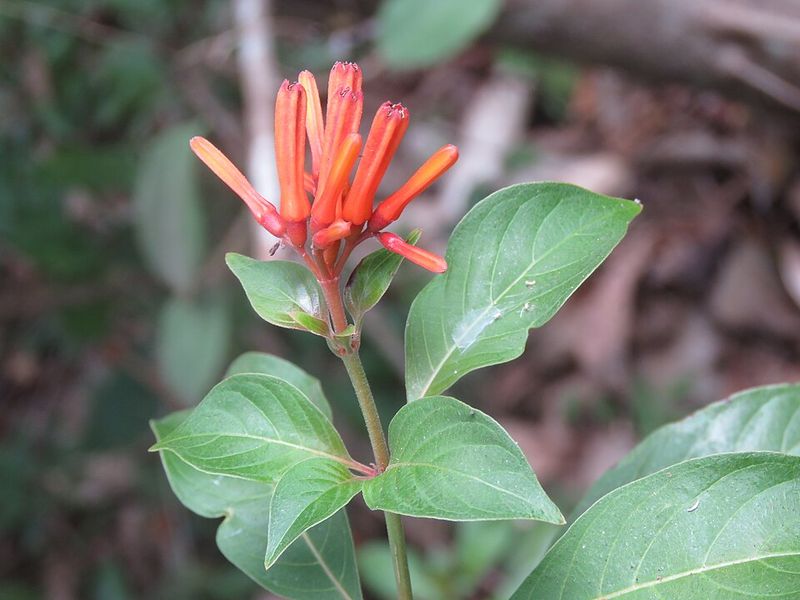
Gardeners who need real height and volume at the back of a bed without wrestling with cages have a strong ally in firebush. This large, shrubby perennial earns its spot through sheer presence.
Clusters of tubular orange-red flowers cover the plant for months, hummingbirds visit constantly, and butterflies are never far behind. The upright, branching structure holds together naturally when the plant gets the conditions it needs.
Size is the first thing to plan around. Firebush is not a small bedding plant.
In South and Central Florida, where winters are mild, it can grow into a substantial shrub reaching six to ten feet tall and wide over time.
In North Florida, hard freezes may cut it back to the ground, but the plant often returns from the roots when warmer weather arrives.
That freeze-back actually keeps North Florida specimens more compact, which can work to a gardener’s advantage in a smaller bed.
Full sun is where firebush produces the densest growth and the most flowers. Some partial shade is tolerated, but shaded plants tend to stretch toward light and develop a looser, less structured appearance than most gardeners prefer.
Spacing is equally important because firebush crowded against a fence or other shrubs will reach outward rather than growing upward in a tidy column.
Occasional pruning to shape the plant and remove old woody stems keeps the growth fresh and encourages new flowering branches.
Firebush is genuinely heat tolerant, handles Florida’s humid summers well, and once established it is fairly drought tolerant too. For bold, upright structure at the rear of a border, few shrubby perennials match its combination of wildlife value and natural form.
7. Choose Upright Salvia For Pollinators And Shape
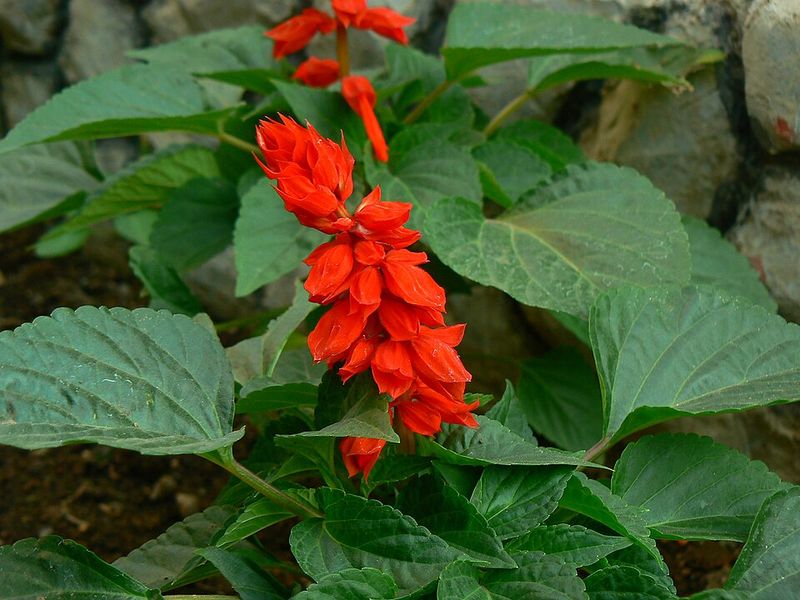
Not all salvias behave the same way in a Florida garden, and that distinction matters a lot when you are counting on a plant to stay upright without any support.
Some salvia varieties sprawl, some mound low, and some produce tall vertical flower spikes that stand firmly on their own in the right conditions.
Choosing an upright, perennial type suited to your Florida region is the starting point for getting this one right.
Scarlet sage and tropical sage are two Florida-appropriate upright salvias that UF/IFAS Extension recognizes as useful for Florida landscapes. Scarlet sage produces bold red flower spikes that attract hummingbirds and butterflies with impressive reliability.
Tropical sage, a Florida native, grows in a range of conditions and produces smaller but equally attractive red flowers on upright stems.
Both types do their best structural work in full sun with well-drained soil and enough spacing to allow air to move through the planting.
Shade is one of the fastest ways to weaken salvia stems. Plants growing in too much shade stretch toward available light, producing long, floppy growth that no amount of staking will permanently fix.
Overwatering creates a similar problem by encouraging soft, weak tissue that cannot support itself. Regular deadheading or light trimming keeps the plant producing fresh upright flower spikes rather than setting seed and slowing down.
Crowding salvias too close together also reduces airflow and can encourage fungal issues in Florida’s humid summers. Give each plant room to breathe, keep it in sun, and avoid overwatering.
An upright salvia in the right spot earns its place in any Florida pollinator garden without a single cage in sight.