The Small Native Trees That Actually Belong In Western North Carolina Mountain Front Yards
Front yards in Western North Carolina mountain communities have a character all their own, shaped by elevation, soil, and a surrounding landscape that most parts of the country simply cannot match.
Planting a tree in that setting is a long term decision, and the trees that belong there are not always the ones showing up at big box garden centers in spring.
The mountain region of Western North Carolina has its own native tree species that evolved specifically for those elevations, those soils, and those temperature swings that can feel like a completely different season in a single afternoon.
Small native trees fit especially well in front yard spaces where scale matters and where the goal is something that enhances the surroundings rather than competing with them.
They tend to offer multiple seasons of interest, support local wildlife in ways that ornamental imports simply cannot, and grow with a natural structure that looks like it belongs right where it is planted.
These are the trees worth knowing about before the next planting season begins in the mountains.
1. Serviceberry (Amelanchier arborea)
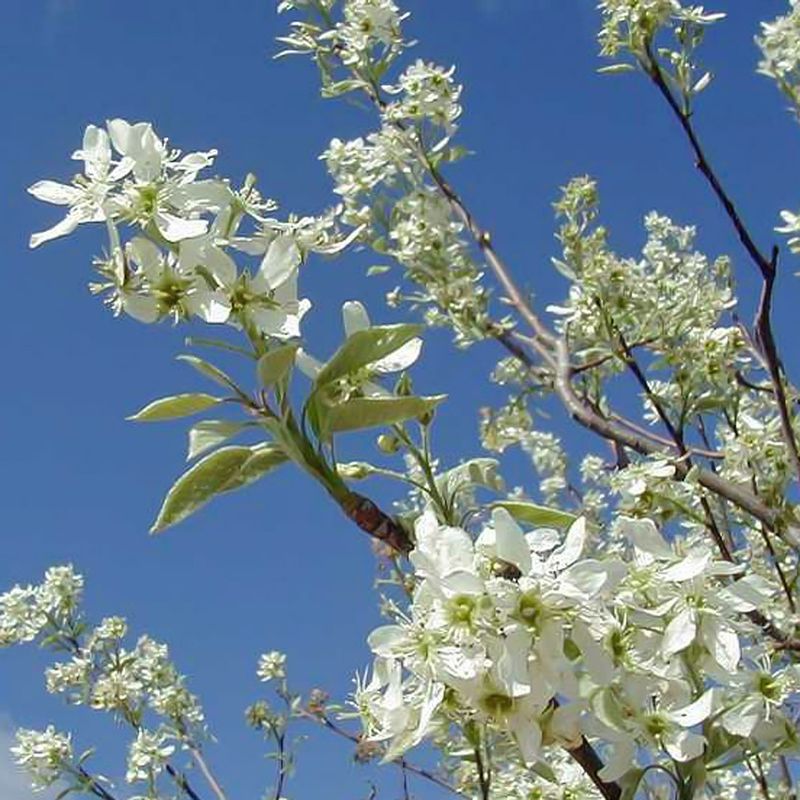
Few trees put on a show as early and as cheerfully as the Serviceberry. Long before most plants even think about waking up, this native beauty bursts into clouds of white flowers right as the last mountain chill fades.
In Western North Carolina, that early bloom is something neighbors actually stop and notice.
Serviceberry stays nicely compact, usually reaching between 15 and 25 feet tall, which makes it a natural fit for front yards where a massive oak would feel overwhelming.
The shape is graceful and airy, never blocky or awkward, so it looks polished without any complicated pruning routines.
Plant it in full sun to part shade and give it well-drained soil, and it will reward you generously. One of the best parts about growing this tree in WNC is the wildlife connection.
Birds absolutely love the small, blueberry-like fruits that ripen in early summer, and those berries are edible for people too, with a sweet, mild flavor.
Beyond the fruit, the fall foliage turns rich shades of orange and red, giving your yard another season of color.
Serviceberry is the kind of tree that earns its place in a front yard every single month of the year, and it does it all while supporting the mountain ecosystem you already love.
2. Eastern Redbud (Cercis canadensis)
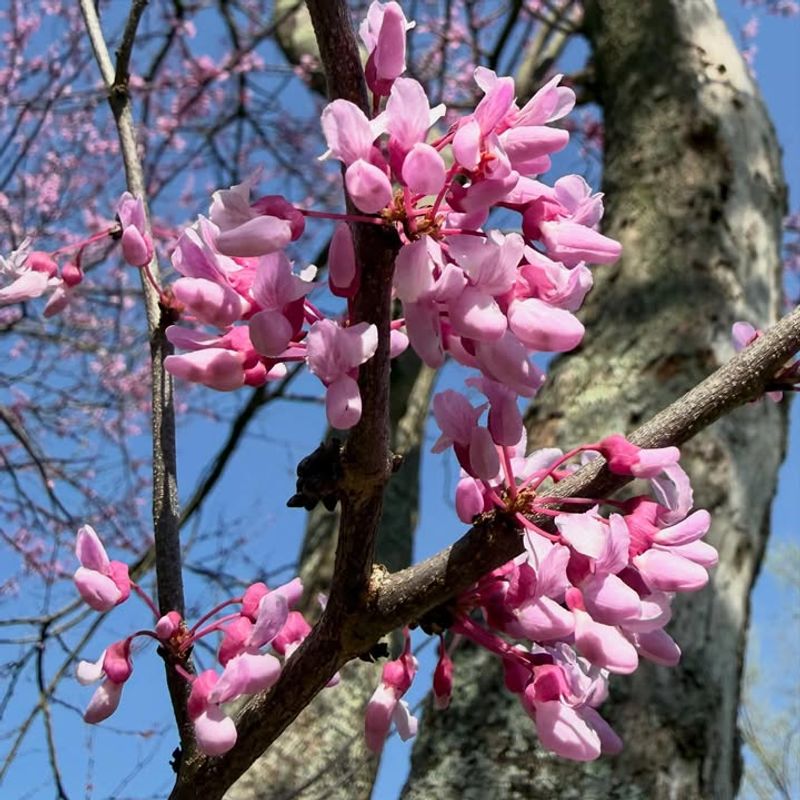
There is something almost magical about a Redbud in full bloom.
The flowers appear directly on the bare branches before a single leaf opens, creating this wild, vivid burst of rosy pink-purple color that genuinely stops traffic in mountain neighborhoods across Western North Carolina every spring.
Eastern Redbud is a native understory tree, which means it evolved growing beneath taller forest trees.
That background makes it surprisingly adaptable to front yards where buildings or other trees provide some afternoon shade.
It typically grows 20 to 30 feet tall and spreads beautifully, creating a rounded canopy that feels welcoming rather than imposing. Well-drained soil and a spot with part to full sun will keep it growing strong for decades.
Your North Carolina Garden Changes Every Week. Your Plan Should Too.
Gardening in North Carolina changes quickly throughout the season. Every Friday you’ll receive a simple weekly plan showing exactly what to plant, prune, fertilize, harvest, and protect so you never miss the right timing.
Beyond the spectacular spring show, Redbud offers heart-shaped leaves that turn soft yellow in autumn, adding a quiet charm when the bigger maples are stealing the spotlight.
The flowers are also edible and have a slightly sweet, pea-like flavor, which is a fun fact to share with curious visitors.
Native bees are huge fans of the early blooms, making this tree a real pollinator magnet during a time of year when food sources are still scarce.
For WNC homeowners who want a tree with personality, strong seasonal interest, and deep native roots, Eastern Redbud checks every single box.
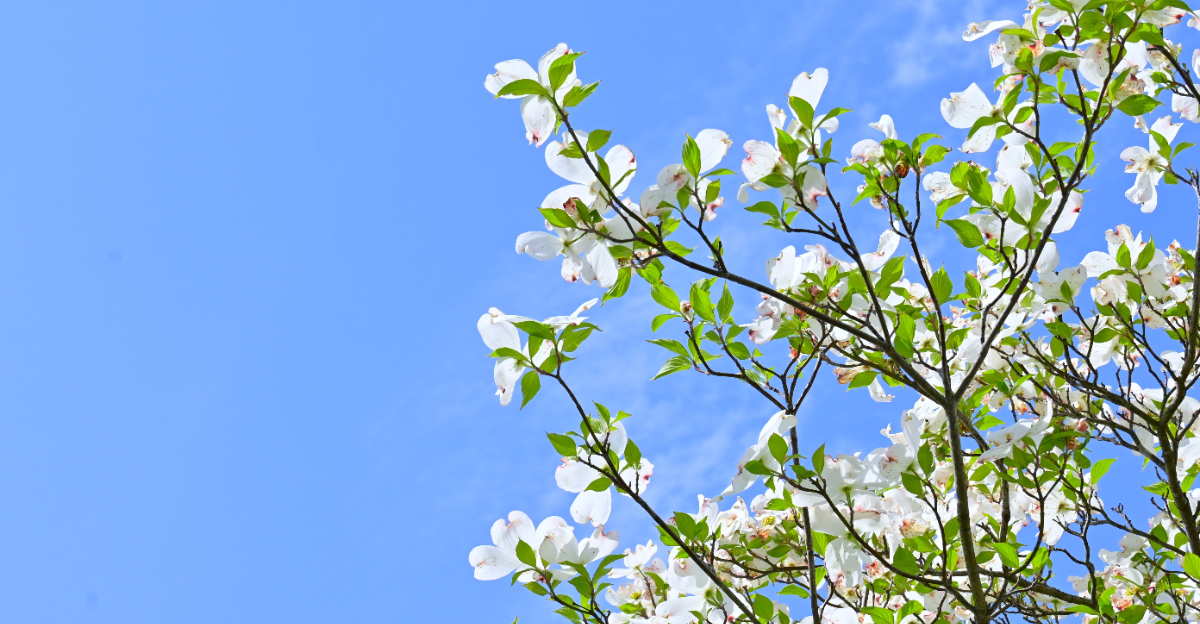
3. Flowering Dogwood (Cornus florida)
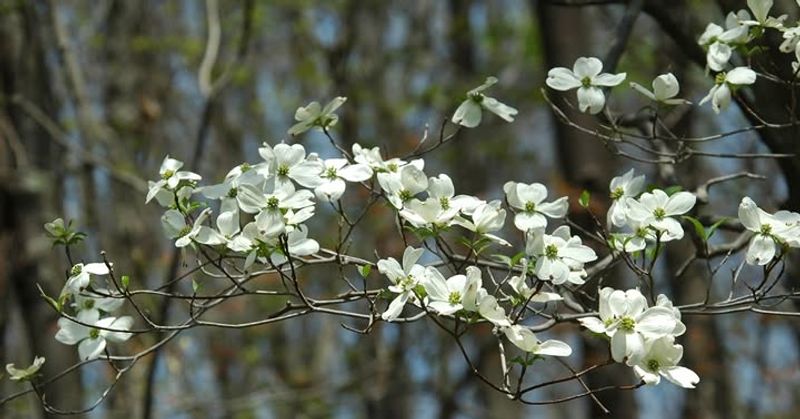
Flowering Dogwood is practically the symbol of a Southern Appalachian spring.
Drive through any neighborhood in Western North Carolina between late March and early May, and you will spot these trees glowing with large white bracts that look like elegant, four-petaled flowers catching the morning light.
This native classic grows slowly to around 15 to 30 feet, staying well-proportioned for most front yard spaces.
It has a naturally layered, horizontal branching structure that gives it an almost architectural quality, looking beautiful even in winter when the branches are bare.
Flowering Dogwood performs best with some protection from harsh afternoon sun, so a spot on the east or north side of the house often works perfectly in mountain yards.
Good drainage is genuinely important for this tree, as it does not enjoy sitting in soggy soil for extended periods.
Beyond the famous spring flowers, the glossy red berries that appear in fall are a critical food source for migrating birds, and the foliage turns deep burgundy-red before dropping. Few native trees offer this level of multi-season interest in such a tidy, manageable size.
Flowering Dogwood has been a beloved part of WNC landscapes for generations, and there is very good reason for that.
It brings beauty, wildlife value, and a strong sense of regional identity to any front yard lucky enough to have one.
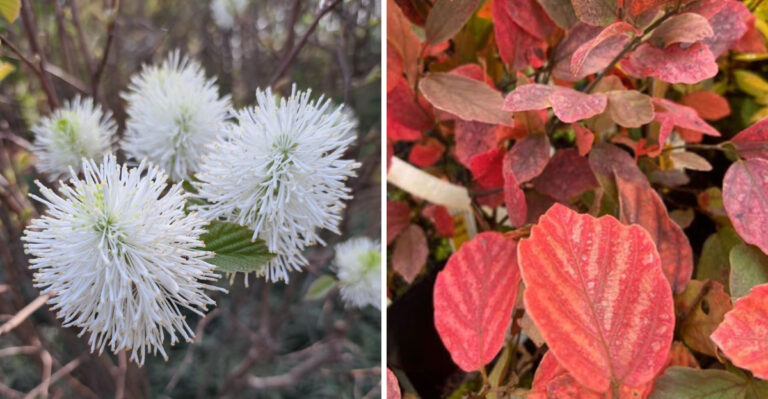
4. Fringe Tree (Chionanthus virginicus)
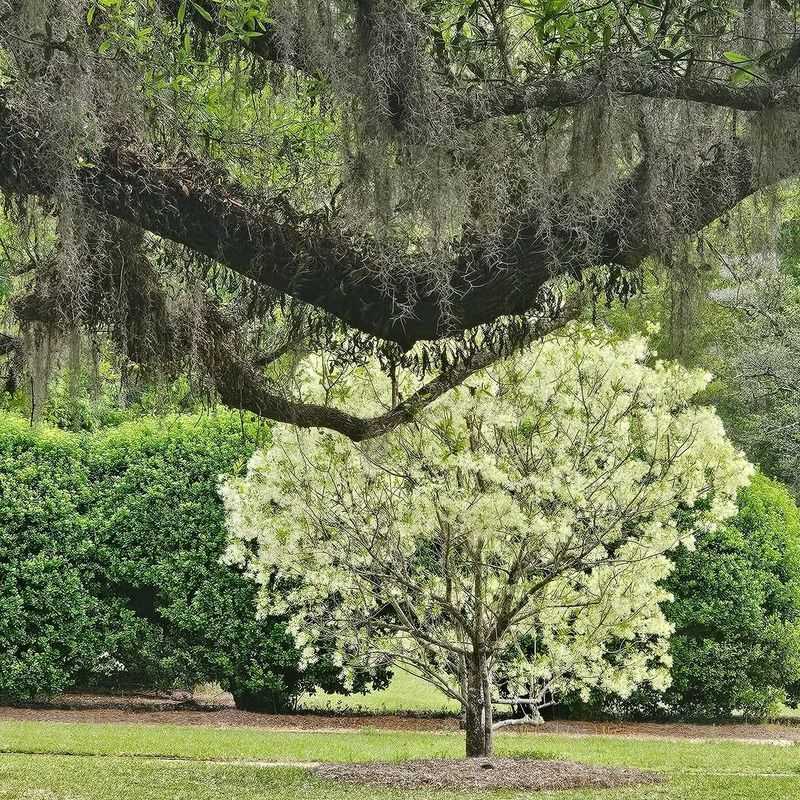
The Fringe Tree is one of those plants that makes gardeners genuinely excited once they discover it.
When it blooms in late spring, the entire tree gets covered in long, wispy white flower clusters that look exactly like shredded white ribbons hanging from every branch, creating an effect that is soft, dreamy, and completely unforgettable.
Native to the eastern United States and right at home in Western North Carolina, this small tree typically grows between 12 and 20 feet tall with a rounded, multi-stemmed form that looks refined and intentional in a front yard setting.
It is not a fast grower, but the patience pays off in a tree that ages beautifully and never outgrows its welcome.
Plant it in full sun to part shade with average, well-drained soil and it will settle in comfortably.
Male trees tend to produce slightly showier flower clusters, while female trees follow up with small dark blue fruits that birds find irresistible in late summer.
The fall foliage turns a clean, bright yellow that adds one more layer of seasonal appeal before winter arrives.
Fringe Tree is also notably tough once established, handling the variable weather patterns that WNC mountain landscapes regularly deliver.
For homeowners looking for something a little unexpected and genuinely beautiful, this native gem offers a front yard presence that feels both refined and connected to the natural character of the Southern Appalachians.
5. Sourwood (Oxydendrum arboreum)
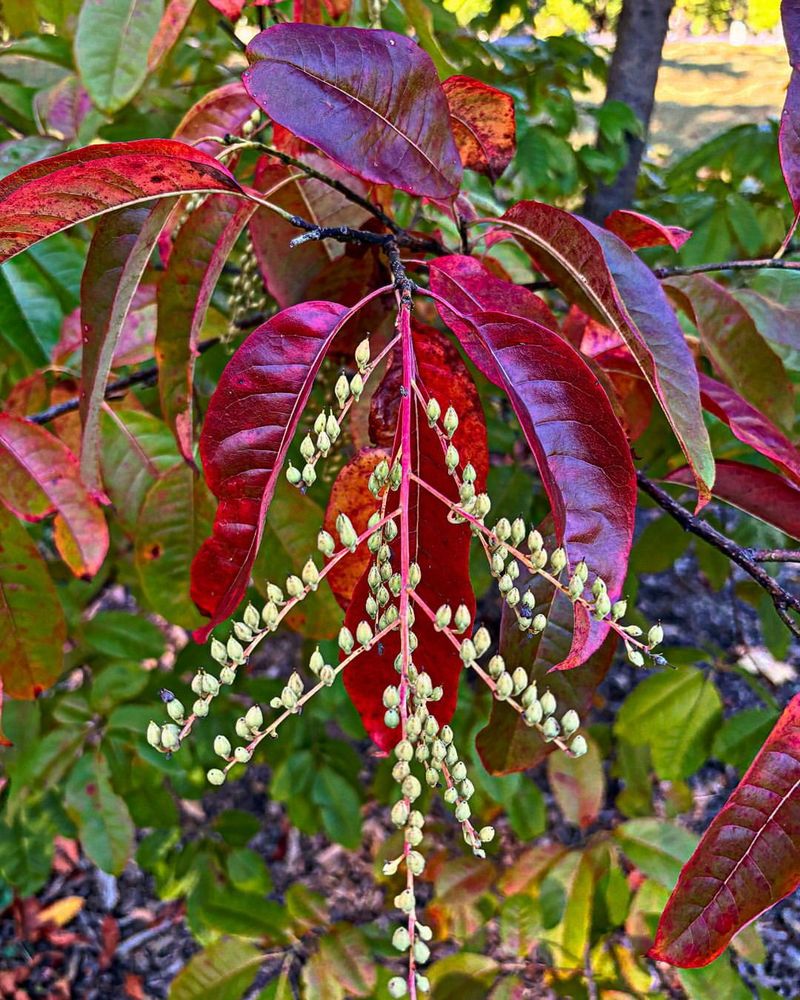
Ask any longtime WNC resident about Sourwood and their eyes light up.
This native tree is deeply woven into the culture of the North Carolina mountains, largely because of the legendary Sourwood honey that local beekeepers produce from its nectar every summer.
Having one in your front yard basically means hosting a small pollinator festival each year.
Sourwood blooms in midsummer when most other flowering trees have long finished, sending up long, arching clusters of small white flowers that look similar to lily-of-the-valley.
That late-season bloom is a genuine gift for bees and a striking visual feature that sets this tree apart from its neighbors.
It grows slowly to around 20 to 30 feet, developing a graceful, somewhat irregular shape that feels natural rather than stiff.
Acidic, well-drained soil is what this tree truly needs to thrive, and the mountain soils throughout Western North Carolina tend to check that box naturally.
Avoid planting it in compacted or poorly drained areas, as it prefers good soil structure and consistent moisture without waterlogging.
Come autumn, Sourwood delivers some of the most vivid red foliage of any native tree in the entire region, often turning brilliant scarlet before the maples even get started.
For a front yard that offers summer blooms, exceptional fall color, and a genuine connection to the heritage of the WNC mountains, Sourwood is a tree worth every bit of the wait.
6. Carolina Silverbell (Halesia carolina)
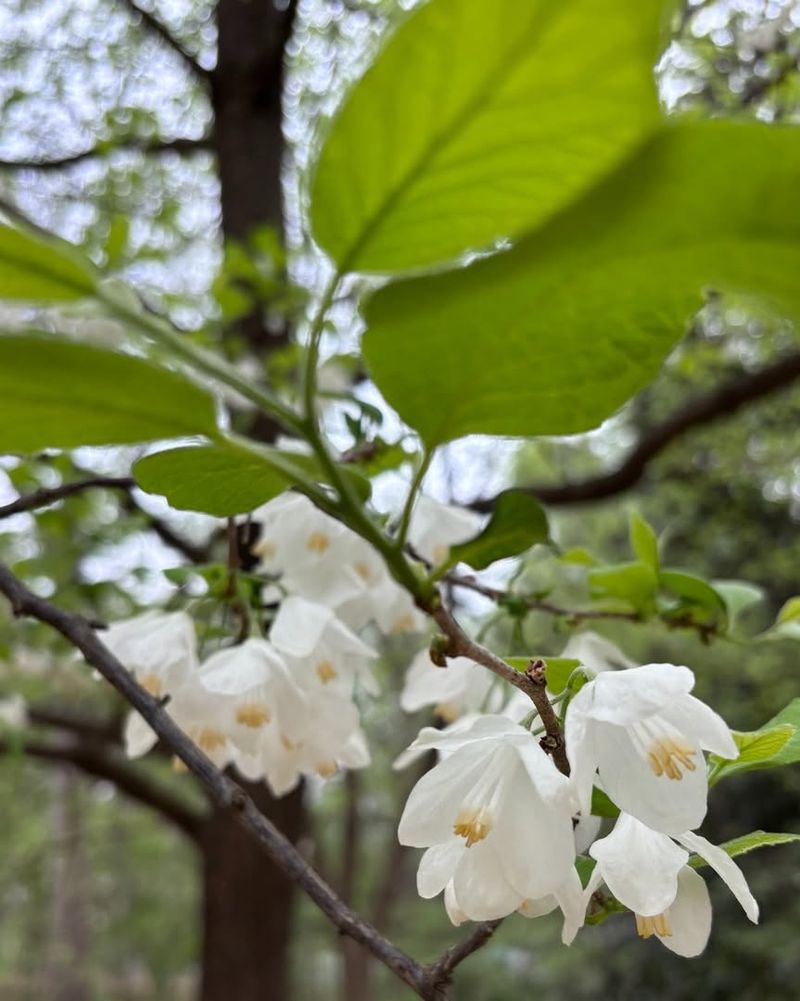
Carolina Silverbell has a quiet elegance that grows on you quickly.
In spring, the branches fill with small, perfectly formed white bell-shaped flowers that hang downward in neat clusters, swaying gently in a mountain breeze and catching the light in a way that feels almost delicate.
It is the kind of tree that makes a front yard feel like the edge of an enchanted forest.
This native tree is naturally suited to woodland edges, which makes it an excellent choice for WNC front yards that sit near tree lines, slopes, or shaded areas where other ornamentals might struggle.
It typically grows 20 to 30 feet tall and develops a broad, layered canopy over time, providing welcome dappled shade as it matures.
Moist, acidic, well-drained soil gives it the best foundation, and the mountain region delivers exactly that kind of growing environment in many locations.
After the flowers fade, four-winged seed capsules appear and hang from the branches through summer and into fall, adding a subtle textural interest that keeps the tree visually engaging between seasons.
Pollinators visit the blooms readily, and the overall low-maintenance nature of this tree makes it a practical choice for busy homeowners.
Carolina Silverbell does not demand constant attention once it is established in the right spot.
For anyone in Western North Carolina wanting a front yard tree with genuine charm, native credentials, and a woodland spirit, this one belongs at the very top of the list.
7. American Hornbeam (Carpinus caroliniana)
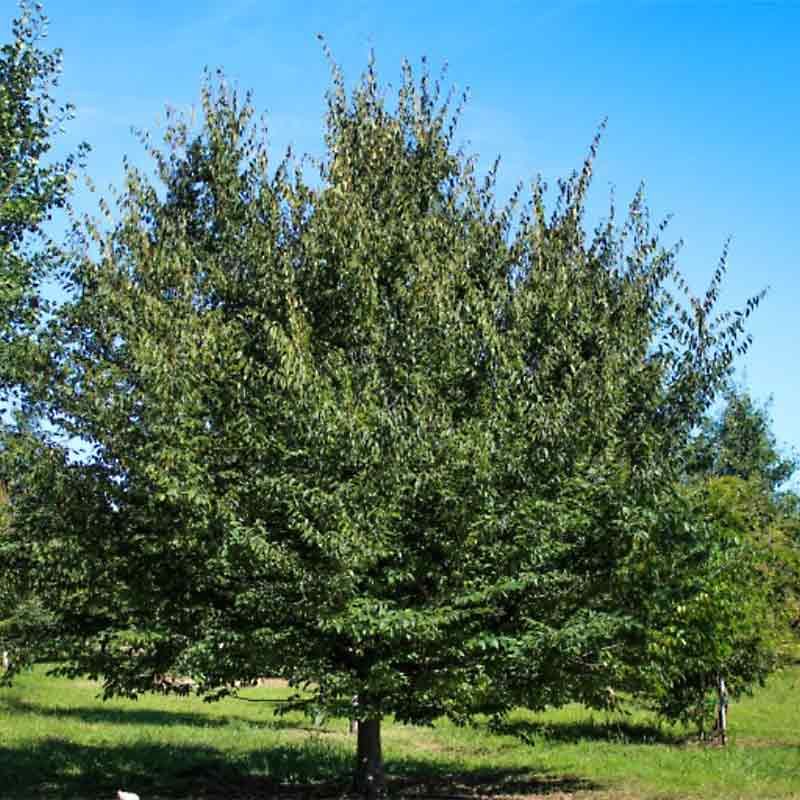
American Hornbeam is the underdog of native trees, and it absolutely deserves more credit.
Also called Musclewood because of its smooth gray bark that ripples like flexed muscle, this small native tree brings a sculptural quality to front yards that most ornamentals simply cannot match.
Up close, the trunk and branches look genuinely fascinating in every season.
Growing naturally along stream banks and in forest understories throughout the North Carolina mountains, American Hornbeam is built for shaded and partially shaded spots where other trees might struggle.
It stays small, typically reaching 20 to 30 feet, with a wide, irregular canopy that feels relaxed and natural rather than manicured.
For WNC front yards with significant shade or a protected north-facing aspect, this tree is one of the best native options available.
Moist, well-drained soil gives it the best start, and it genuinely prefers not to be planted in hot, dry, or exposed locations.
The fall foliage ranges from orange to red and sometimes deep yellow, offering a warm seasonal display even in shaded corners where color can be harder to come by.
Small nutlets clustered in leafy bracts provide food for birds and small wildlife through autumn and winter.
American Hornbeam is patient, tough, and architecturally beautiful in a way that rewards anyone who takes the time to look closely.
For the right WNC front yard, it is a truly special native choice that stands apart from anything you would find at a typical garden center.