7 Fast-Growing Flowers You Can Still Plant In May In Georgia
May in Georgia and you still haven’t planted your flowers yet? No stress, because you’re actually right on time.
This is where things get really fun. The soil is warm, the days are long, and Georgia’s heat is finally working in your favor instead of against you.
A lot of gardeners assume May means the planting window has already closed, but that couldn’t be further from the truth.
Heat-loving annuals practically come alive once temperatures climb into the 70s and 80s, and several of them grow so fast you’ll be doing a double take at your garden beds by July.
Whether your goal is packed containers on the porch, bold borders along the fence, or just some serious color in the front yard, May is genuinely one of the best times to get growing in Georgia.
1. Zinnias Bring Fast Color To Sunny Georgia Beds
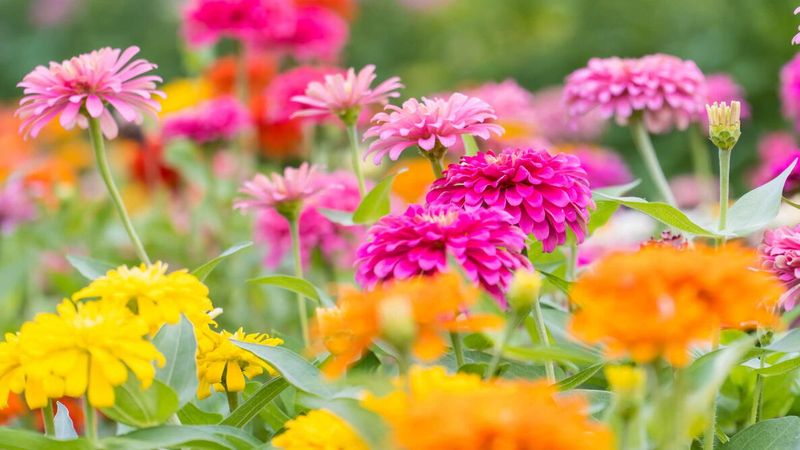
Few flowers reward Georgia gardeners quite as quickly as zinnias. From seed to first bloom, these sun-loving annuals can take as little as six to eight weeks, which means a May planting in Georgia can produce vivid color by late June or early July.
That kind of speed is hard to find in any other annual.
Zinnias come in nearly every warm color imaginable, from deep crimson and burnt orange to soft lavender and creamy white.
Their wide, flat flower heads sit on upright stems that can range from about a foot tall all the way up to three feet, depending on the variety.
Taller types work well at the back of a border, while compact varieties look great in containers on a Georgia patio or porch.
Planting zinnias directly in the ground works better than transplanting because they establish quickly in warm soil. Choose a spot that gets at least six to eight hours of direct sun each day.
Georgia summers can be intense, and zinnias genuinely thrive in that kind of heat. Sandy or loamy, well-drained soil suits them well.
Spacing matters more than many gardeners realize. Crowding zinnia plants together can slow air circulation and encourage powdery mildew, especially during Georgia’s humid summer months.
Giving each plant a little breathing room goes a long way toward keeping foliage healthy. Deadheading spent blooms regularly encourages the plant to produce more flowers, keeping beds colorful from summer well into fall.
2. Marigolds Keep Blooming Through Warm Weather
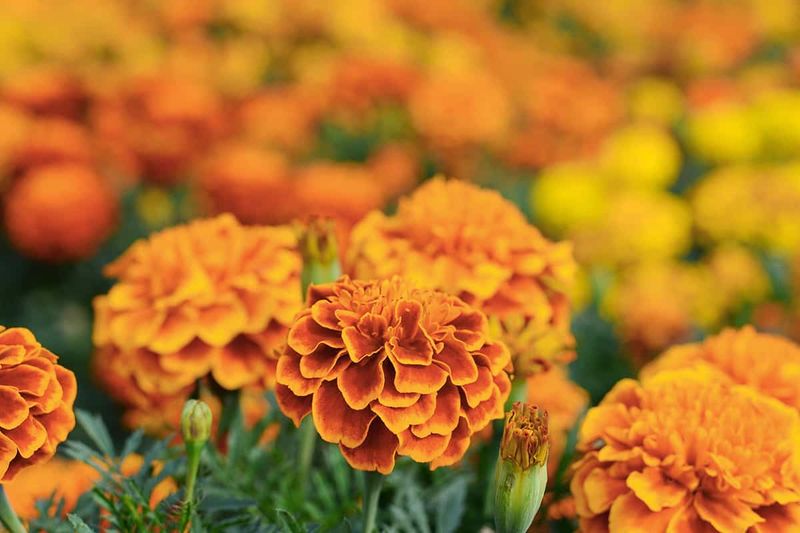
Walk through almost any Georgia neighborhood in summer and you are likely to spot marigolds lining driveways, edging vegetable beds, or brightening up front-porch containers.
These cheerful annuals have earned their reputation as one of the most reliable warm-weather flowers a home gardener can choose.
They establish quickly, bloom generously, and ask for very little in return.
Marigolds planted in May in Georgia settle into warm soil fast and typically begin flowering within about six to eight weeks. Their bold shades of orange, gold, and yellow hold up well even during the hottest stretches of a Georgia summer.
Unlike some flowers that slow down in peak heat, marigolds tend to keep going as long as they receive enough sun and occasional water.
Your Georgia Garden Changes Every Week. Your Plan Should Too.
Gardening in Georgia changes quickly throughout the season. Every Friday you’ll receive a simple weekly plan showing exactly what to plant, prune, fertilize, harvest, and protect so you never miss the right timing.
There are a few main types worth considering. French marigolds stay compact and bushy, usually reaching eight to twelve inches tall, making them a solid choice for container gardens or front-of-border planting.
African marigolds grow much taller and produce larger, rounder blooms that create a strong visual impact when grouped together in a bed. Both types perform well across Georgia.
One bonus that gardeners often appreciate is the way marigolds may help deter certain insects near vegetable gardens. While results can vary, many Georgia gardeners plant them alongside tomatoes and peppers as a companion planting strategy.
Deadheading spent blooms encourages new flower production, and keeping the soil consistently moist but well-drained helps the plants stay healthy through summer.
3. Cosmos Add Airy Flowers To Backyard Gardens
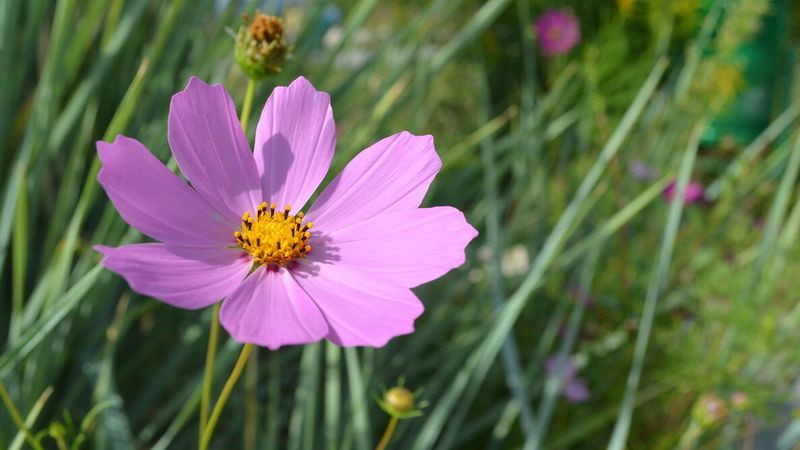
Cosmos have a light, breezy quality that sets them apart from most other summer annuals. Their feathery, fern-like foliage and daisy-style blooms create a soft, almost meadow-like look that feels natural rather than stiff or formal.
For Georgia gardeners who want something a little different from the usual bold borders, cosmos offer a refreshing change of pace.
These flowers grow surprisingly fast from seed, often reaching blooming size within seven to nine weeks of planting.
Sowing cosmos directly into a Georgia garden bed in May gives them plenty of time to establish and bloom before the hottest weeks of summer arrive.
They can grow anywhere from two to four feet tall, creating height and movement in a backyard space without requiring a lot of maintenance.
Cosmos prefer lean soil, which surprises some gardeners. Soil that is too rich in nitrogen tends to push the plant toward lush foliage growth at the expense of flowers.
Skipping heavy fertilizing and choosing a sunny, well-drained spot gives cosmos the conditions they seem to enjoy most. Georgia’s sandy soils in many regions can actually suit them quite well.
Butterflies and bees find cosmos highly attractive, making them a practical addition to any Georgia pollinator garden.
The blooms come in shades of pink, white, burgundy, and bi-color combinations that add visual interest without overwhelming other plants nearby.
Allowing a few plants to go to seed at the end of the season can result in volunteer plants returning the following year.
4. Nasturtiums Spread Bright Color In Garden Spaces
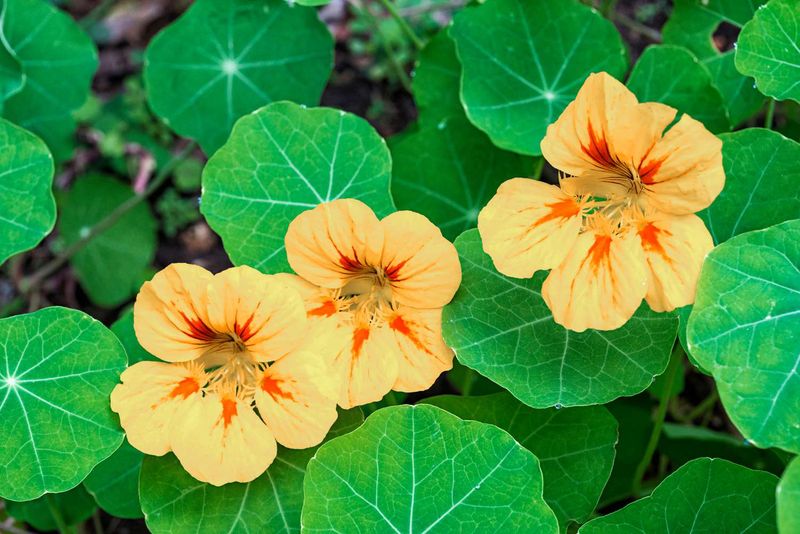
Nasturtiums have a wonderfully easygoing nature that makes them a great fit for gardeners of all experience levels.
They grow fast, ask for very little, and produce round, lily-pad-shaped leaves alongside vivid blooms in shades of orange, red, yellow, and creamy white.
Planting them in May in Georgia takes advantage of warming soil temperatures that encourage quick germination, often within seven to ten days of sowing.
One thing that catches new gardeners off guard is how well nasturtiums perform in poor soil. Rich, heavily fertilized soil tends to produce lush leaves but fewer flowers.
Choosing a spot with average to lean soil and full sun encourages the plant to channel its energy into blooming rather than foliage. Georgia’s sandy or clay-heavy soils, depending on the region, can work just fine as long as drainage is reasonable.
Nasturtiums come in both bushy, mounding varieties and trailing types that spill over container edges or spread along the ground.
Trailing nasturtiums can cover a surprising amount of ground in a short time, which makes them useful for filling gaps in a Georgia garden bed or softening the edges of a raised planter.
Their spreading habit adds a casual, cottage-garden look that pairs well with other warm-season annuals.
As a bonus, nasturtium flowers and leaves are edible, with a mild peppery flavor that works well in salads. Children especially enjoy discovering that something growing in the garden can be tasted.
Their quick growth and edible quality make nasturtiums a fun and practical addition to any Georgia summer garden.
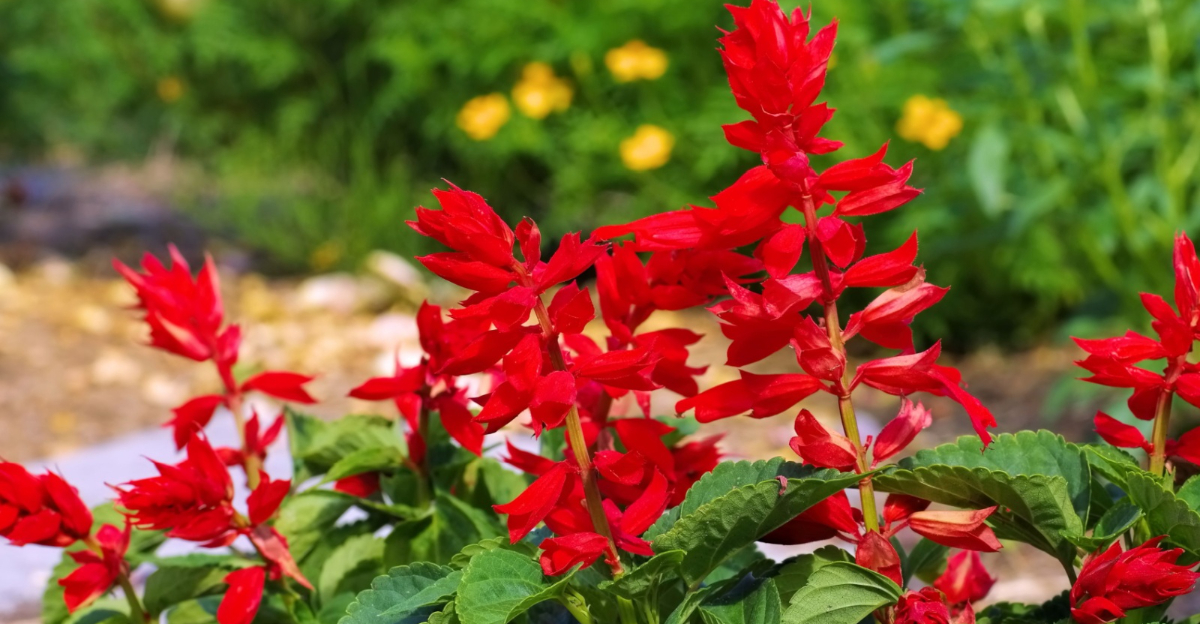
5. Annual Salvia Attracts Pollinators All Summer
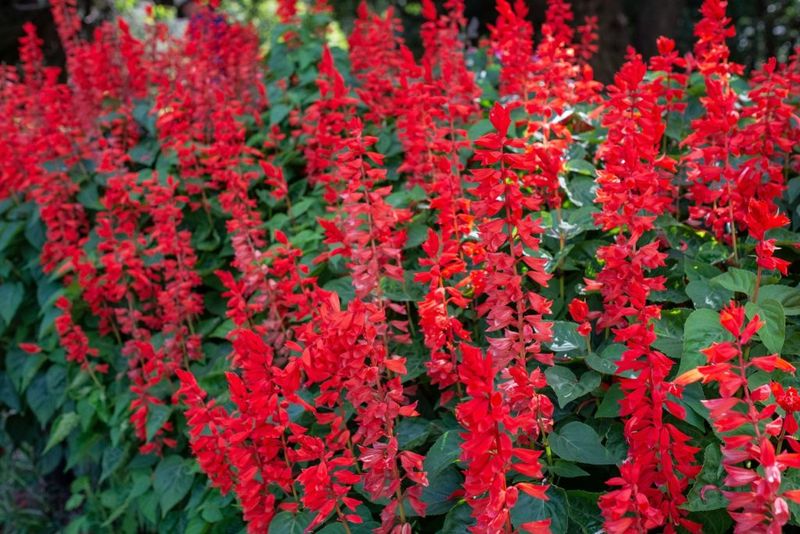
On a warm Georgia afternoon in July, a patch of annual salvia in full bloom can look like a landing strip for pollinators. Hummingbirds, bumblebees, and butterflies all seem drawn to the tall, vivid flower spikes that salvia produces from early summer well into fall.
For gardeners who want to support local pollinators while adding striking vertical color to a bed or border, annual salvia is a strong choice for a May planting.
Annual salvia, often sold as Salvia splendens or one of its many cultivars, grows quickly in Georgia’s warm conditions.
Plants typically reach blooming size within six to eight weeks after transplanting, and starting with nursery transplants in May can give gardeners a head start on summer color.
The flower spikes stand upright on sturdy stems and hold their color well even during Georgia’s most intense summer heat.
Red is the most commonly seen color, but annual salvia also comes in purple, white, coral, and salmon shades that can complement a wide range of other summer flowers.
Grouping several plants together in a mass planting tends to create a more dramatic visual effect than spacing them out individually.
Placing salvia near the middle or back of a flower border lets taller stems shine without crowding shorter plants in front.
Regular watering during dry spells helps annual salvia stay productive through the season. While it handles Georgia heat fairly well, consistent moisture encourages continuous blooming.
Removing spent flower spikes occasionally prompts the plant to push out new growth, keeping the display fresh and colorful from early summer through the first cool nights of autumn.
6. Sunflowers Add Height And Bold Summer Blooms
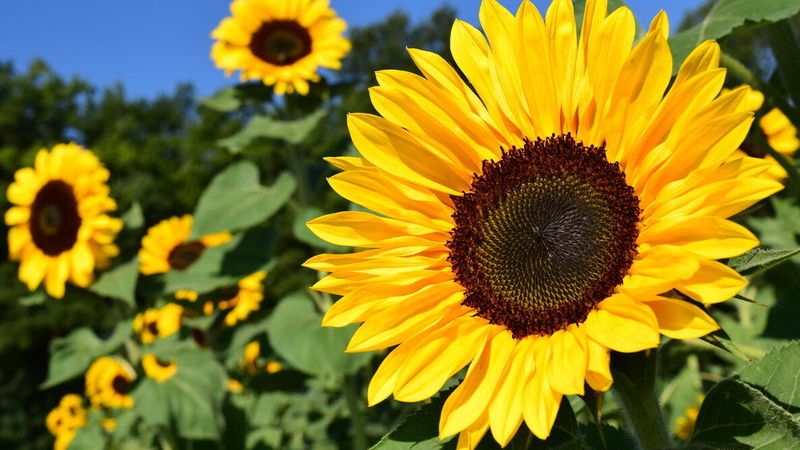
There is something undeniably cheerful about a row of sunflowers standing tall along a Georgia garden fence in the heat of summer.
Their large, golden faces turn toward the sun throughout the day, and their sheer size makes them one of the most recognizable flowers in any landscape.
Planting sunflower seeds in May in Georgia sets them up for a strong summer show, since warm soil temperatures encourage fast germination and quick growth.
Sunflowers are direct-sow flowers, meaning they establish better when seeds are planted straight into the ground rather than transplanted. In Georgia’s May soil, seeds often germinate within seven to ten days and grow rapidly from there.
Depending on the variety, sunflowers can reach anywhere from two feet tall for dwarf types up to eight feet or more for giant varieties. That range of sizes makes them versatile across different garden settings.
Choosing a spot with full sun and well-drained soil is the most important decision a Georgia gardener can make when planting sunflowers.
They are fairly drought-tolerant once established, which suits Georgia’s sometimes unpredictable summer rainfall patterns.
Deep watering during dry stretches helps roots develop well, especially during the first few weeks after germination.
Beyond their visual appeal, sunflowers attract birds and pollinators throughout the growing season. Goldfinches, in particular, are known to visit sunflower seed heads in late summer, adding another layer of life and movement to the garden.
Planting sunflowers in small clusters or staggered rows creates a layered, natural look that works well in both formal and casual Georgia garden spaces.
7. Celosia Brings Bright Texture To Hot Weather Gardens
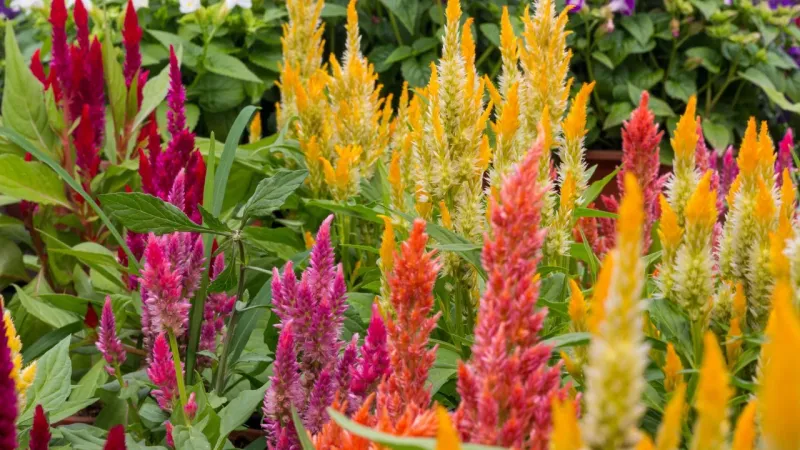
Celosia is one of those flowers that genuinely looks like it was made for Georgia summers. Its bold, textured blooms come in two main forms – feathery plumes that wave gently in a breeze and dense, ruffled crests that look almost like coral or velvet.
Either type adds a level of visual interest to a garden bed that few other annuals can match, and both perform well in Georgia’s hot, humid conditions.
Planted in May, celosia establishes quickly and typically begins producing flowers within six to eight weeks. The plants range from about eight inches tall for compact container varieties up to about two feet for larger landscape types.
That range makes celosia a flexible option whether a gardener is working with a narrow border, a raised bed, or a collection of patio containers.
Full sun and well-drained soil are the two things celosia needs most to thrive in a Georgia garden. It handles heat exceptionally well and tends to bloom more intensely as temperatures climb.
Overwatering is a more common problem than underwatering with celosia, so letting the soil dry out slightly between waterings usually produces better results than keeping it constantly moist.
Color options for celosia run from deep burgundy and magenta to bright yellow, orange, and soft pink. Mixing several colors together in a single bed creates a vibrant, market-garden look that holds up beautifully through the long Georgia summer.
Because the blooms dry well on the plant, celosia also offers a natural way to transition the garden display from summer into early fall without replanting.