8 Common May Mistakes Texas Gardeners Often Make
Ever look back at the end of a Texas gardening season and wonder where things went sideways? More often than not, the answer traces straight back to May.
It’s the month that feels the most forgiving, the most full of potential, and the most like everything is under control – which is exactly why it’s also the month where the most damaging mistakes quietly happen without anyone noticing until it’s too late. May in Texas is deceptive.
The temperatures are still workable, the plants are responding well, and there’s enough momentum coming out of spring to make even the most casual gardener feel confident.
That confidence, combined with some very common misconceptions about what May actually requires, leads to decisions that show up as real problems in June, July, and August when fixing them is a whole lot harder.
Knowing what to avoid this month is honestly just as valuable as knowing what to plant.
1. Planting Cool-Season Crops Too Late
You planted lettuce in early spring and it looked amazing. But now it is May, and those once-lush greens are tall, bitter, and going to seed almost overnight.
That is called bolting, and it happens fast in Texas once temperatures start climbing past the mid-70s.
Cool-season crops like lettuce, spinach, arugula, and cilantro are built for cooler weather. They simply cannot handle the kind of heat that settles over Texas in May.
Once soil temperatures rise, these plants shift their energy away from producing leaves and focus entirely on making seeds before the season ends.
Many Texas gardeners hold on too long, hoping for a few more harvests. But waiting usually means tough, bitter greens that nobody wants to eat.
The better move is to pull those crops out by late April and get your warm-season plants in the ground instead.
Swap out your cool-season crops for heat-tolerant options like okra, sweet potatoes, or southern peas. These plants were practically made for Texas summers.
Planning your planting calendar around the actual Texas climate, rather than what gardening guides from other states suggest, will save you a lot of frustration. Know when to let go and move forward with what the season actually supports.
2. Underestimating The Heat
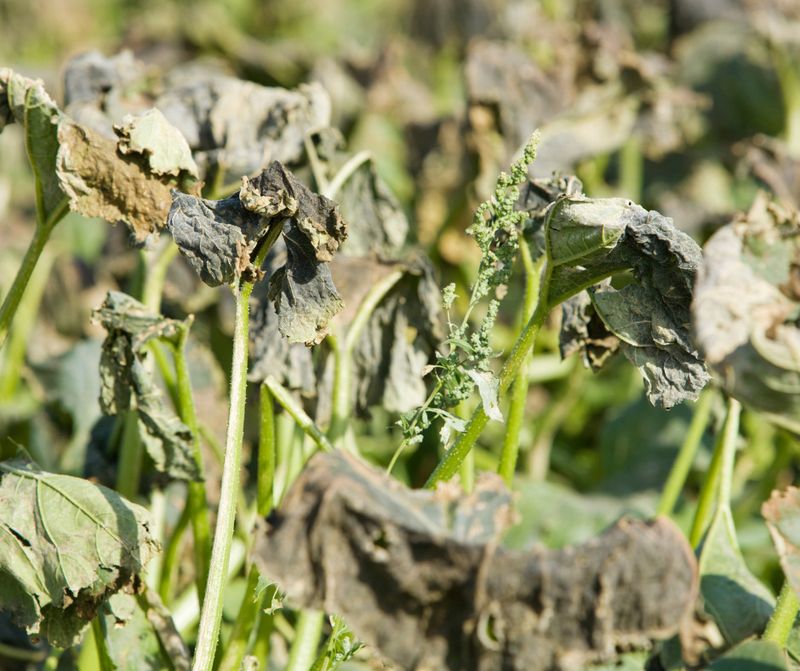
Most people know Texas gets hot. But knowing it and truly preparing for it are two very different things.
Temperatures in Texas can jump from the mid-80s to over 100 degrees in what feels like just a few days, and many gardeners are caught completely off guard.
Plants feel heat stress in ways that are not always obvious at first. Leaves may curl or droop during the hottest part of the day.
Flowers may drop before fruit can form. Tomatoes, for example, stop setting fruit when nighttime temperatures stay above 75 degrees, which is very common across Texas by mid-May.
The fix starts with adjusting your gardening schedule. Get outside early in the morning to water, plant, and tend to your garden before the sun gets intense. Afternoon gardening in Texas in May is rough on both you and your plants.
Your Texas Garden Changes Every Week. Your Plan Should Too.
Gardening in Texas changes quickly throughout the season. Every Friday you’ll receive a simple weekly plan showing exactly what to plant, prune, fertilize, harvest, and protect so you never miss the right timing.
Shade cloth is another smart tool that many Texas gardeners overlook. A 30 to 40 percent shade cloth placed over sensitive plants can lower leaf temperature by several degrees and reduce stress significantly.
Also, choose heat-tolerant plant varieties whenever possible. Look for labels that say “heat tolerant” or “performs well in southern climates.” Texas rewards the gardeners who plan ahead and respect just how powerful the May sun can truly be.
3. Watering Too Shallowly
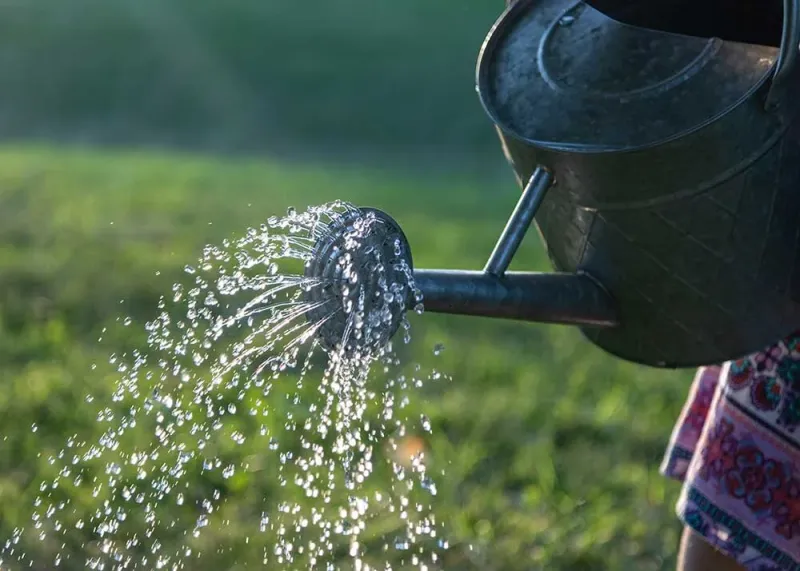
Watering every day sounds like you are doing your plants a favor, but in Texas, light daily watering can actually work against you. When you only wet the top inch or two of soil, roots have no reason to grow deeper.
They stay near the surface, where the soil dries out the fastest and heats up the most. Shallow roots make plants weak and far more vulnerable to Texas heat and drought. A plant with deep roots can reach moisture that stays cooler and lasts longer underground.
That kind of plant is much better equipped to survive a hot Texas May without wilting by noon.
The goal is deep, infrequent watering. Instead of a quick sprinkle every day, water slowly and thoroughly two or three times per week.
Let the water soak down six to eight inches into the soil. You can check this by pushing a wooden dowel or your finger into the ground after watering.
Drip irrigation systems work especially well for Texas gardens because they deliver water slowly right at the root zone. They also reduce water waste, which matters a lot during dry spells.
Soaker hoses are a budget-friendly option that works just as well. Training your plants to grow deep roots now means they will handle the intense Texas summer heat with much more strength and resilience later on.
4. Skipping Mulch
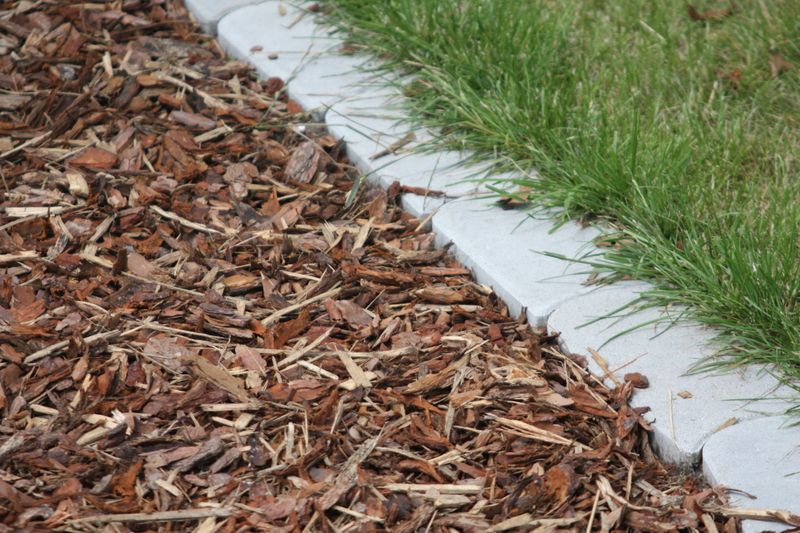
Walk barefoot on dark Texas soil on a May afternoon and you will understand instantly why mulch matters so much. Bare soil absorbs heat like a sponge, and that heat transfers directly to plant roots.
Root systems that overheat cannot absorb water or nutrients properly, no matter how much you water.
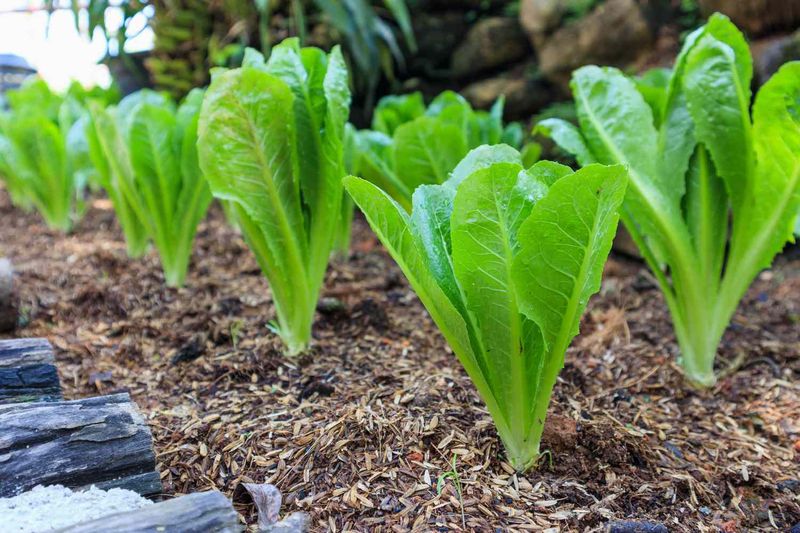
Mulch acts like a protective blanket for your soil. A layer of two to four inches of organic mulch, like wood chips, straw, or shredded leaves, can keep soil temperatures several degrees cooler.
It also holds moisture in the ground, which means you water less often and your plants stay hydrated longer between waterings.
In Texas, where May temperatures can make soil feel almost baked, mulch is not optional. It is one of the most valuable things you can add to your garden.
Many experienced Texas gardeners say mulching is the single biggest improvement they ever made to their gardens.
Beyond temperature and moisture control, mulch also suppresses weeds, which compete with your plants for water and nutrients. As organic mulch breaks down over time, it adds nutrients back into the soil naturally.
Apply mulch around your plants now if you have not already. Keep it a few inches away from plant stems to prevent rot. Your plants, and your water bill, will thank you all season long.
5. Fertilizing At The Wrong Time
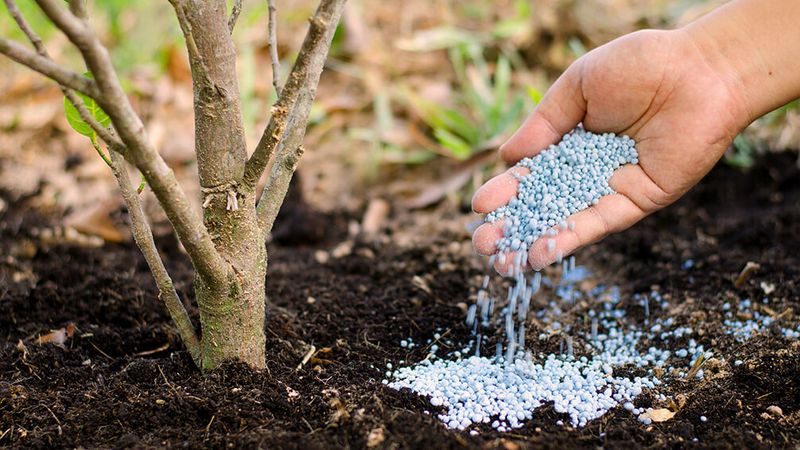
Fertilizer is supposed to help plants grow, right? Well, yes, but timing is everything. Feeding a plant that is already stressed from Texas heat is a bit like asking someone to run a race when they are exhausted. It does not help.
It can actually make things worse. When plants are heat-stressed, their roots slow down. They are not actively growing or absorbing nutrients at full capacity.
Dumping fertilizer on them at that point can burn roots, cause salt buildup in the soil, and push weak growth that the plant cannot support in the heat.
The best time to fertilize in Texas is early in the morning on a day when temperatures are expected to stay moderate.
Water your plants before and after applying fertilizer to help it absorb properly and reduce the risk of root burn. Avoid fertilizing during heat waves or drought periods entirely.
Slow-release fertilizers are a great choice for Texas gardens because they feed plants gradually over several weeks rather than all at once. Organic options like compost, worm castings, or fish emulsion are also gentler on stressed plants.
Pay attention to what your plants actually look like before you reach for the fertilizer bag. Healthy, actively growing plants in the early morning cool of a Texas May morning are the best candidates for a good feeding.
6. Ignoring Pest Surges
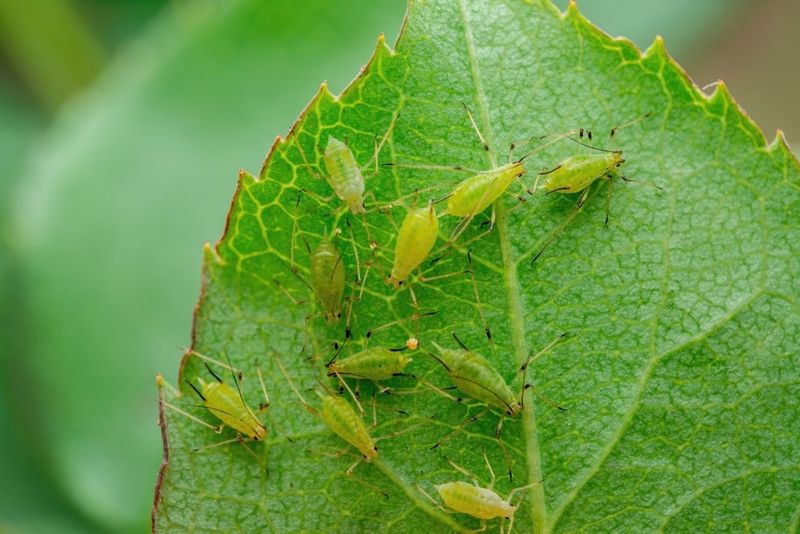
May in Texas is like a welcome party for garden pests. Aphids, spider mites, whiteflies, and squash bugs seem to appear out of nowhere, and they multiply fast once the warm weather settles in.
Ignoring them even for a week can turn a small problem into a full-blown infestation. Spider mites love hot, dry conditions, which is exactly what Texas offers in May. They are tiny and hard to spot until the damage is already done.
Look for fine webbing on the undersides of leaves and a dusty, stippled look on the leaf surface. Aphids cluster on new growth and can weaken plants quickly by sucking out their sap.
Catching pest problems early makes them much easier to manage. Walk through your Texas garden every two to three days and inspect plants closely, especially on the undersides of leaves.
A strong spray of water from a garden hose can knock off aphids and mites without any chemicals at all.
For more stubborn infestations, neem oil and insecticidal soap are effective and relatively gentle options that work well in Texas gardens. Introduce beneficial insects like ladybugs or lacewings if you can, since they feed on common pests naturally.
Keeping your plants healthy and well-watered also makes them more resistant to pest damage throughout the season.
7. Planting Without Checking Sun Exposure
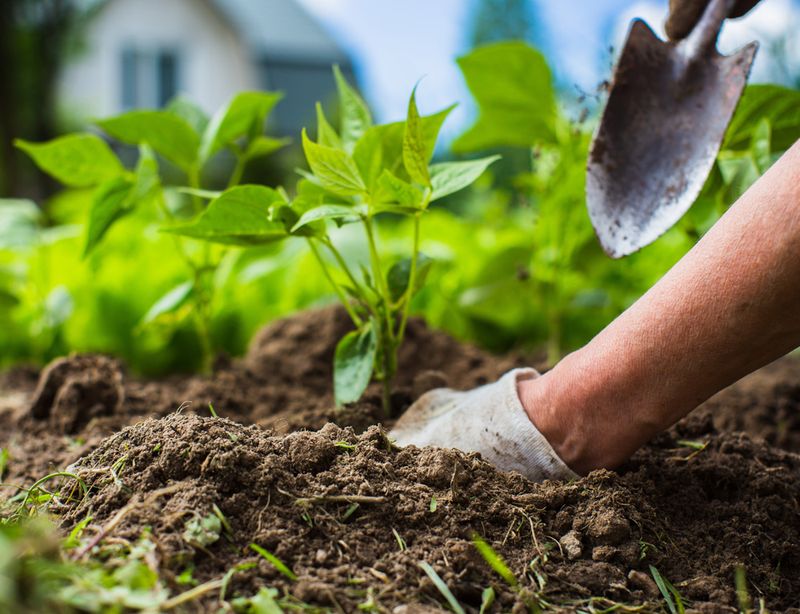
Back in March, that sunny corner of your Texas yard seemed like the perfect spot for a garden bed. The light was warm but not overwhelming, and everything looked promising.
Fast forward to May, and that same spot might be getting six to eight hours of direct, blazing afternoon sun that scorches everything in its path.
The sun angle changes significantly between early spring and late spring. Areas that felt mild and bright in February or March can become extremely hot and intense by May.
Afternoon sun in Texas is especially powerful, and plants that cannot handle it will show signs of stress quickly through scorched leaf edges and wilting.
Before you plant anything new this May, spend a day observing how the sun moves across your yard at different times. Note where the shade falls in the morning versus the afternoon.
Most vegetables prefer morning sun and some afternoon shade, especially in Texas where the afternoon heat is relentless.
If you already have plants in a spot that has become too sunny, consider adding shade cloth or temporarily moving container plants to a more protected area. Tall sunflowers or trellised vines can also create natural shade for more sensitive plants nearby.
Understanding your yard’s sun patterns in May, not just in early spring, is one of the smartest moves any Texas gardener can make.
8. Not Preparing For Drought Conditions
Texas drought conditions are not something that sneaks up slowly. One week you have decent soil moisture, and the next week the ground is cracked and your plants are struggling.
May is often when the dry season begins to take hold across much of Texas, and gardeners who wait to prepare often find themselves scrambling too late.
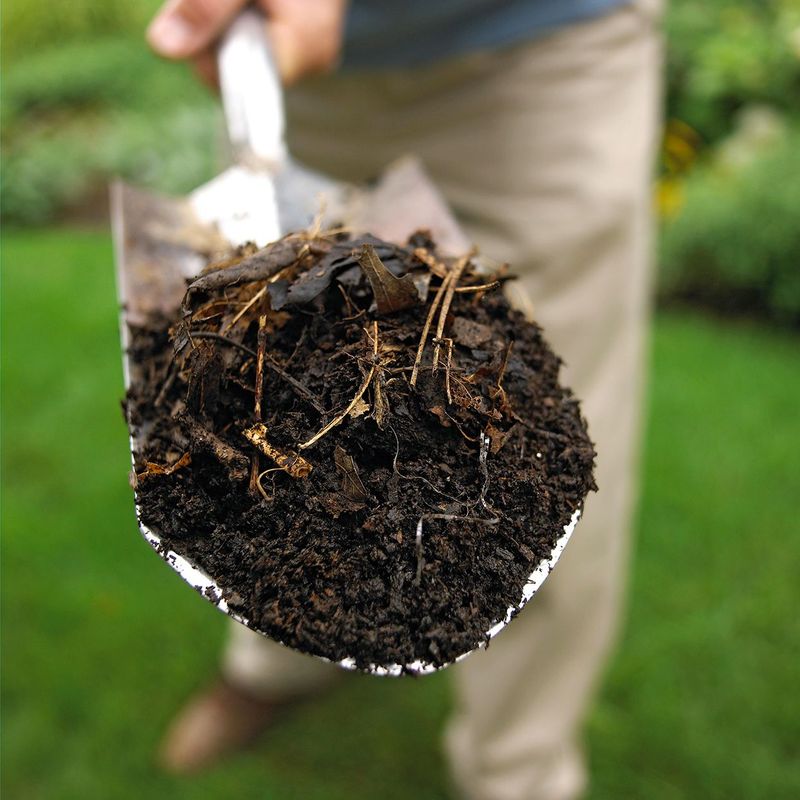
Getting your soil ready for drought starts well before the dry spells hit. Work compost into your garden beds to improve the soil’s ability to hold water.
Healthy soil with plenty of organic matter acts like a sponge, holding onto moisture much longer than sandy or compacted soil.
Water-wise planting choices matter a lot too. Native Texas plants and drought-tolerant varieties are built to handle low-water conditions without losing their strength.
Mixing these into your garden can reduce how much supplemental watering you need to do during the driest weeks of the season.
Consider installing a rain barrel or simple drip irrigation system before the heat peaks. These tools help you use water more efficiently and give your plants a consistent supply even when rainfall is scarce.
Grouping plants with similar water needs together also makes irrigation much easier and more effective. Preparing for drought in Texas is not about expecting the worst.
It is about being smart, proactive, and giving your garden the best possible chance to stay strong all season long.