9 Veggies You Can Grow In 5-Gallon Buckets In Georgia This May
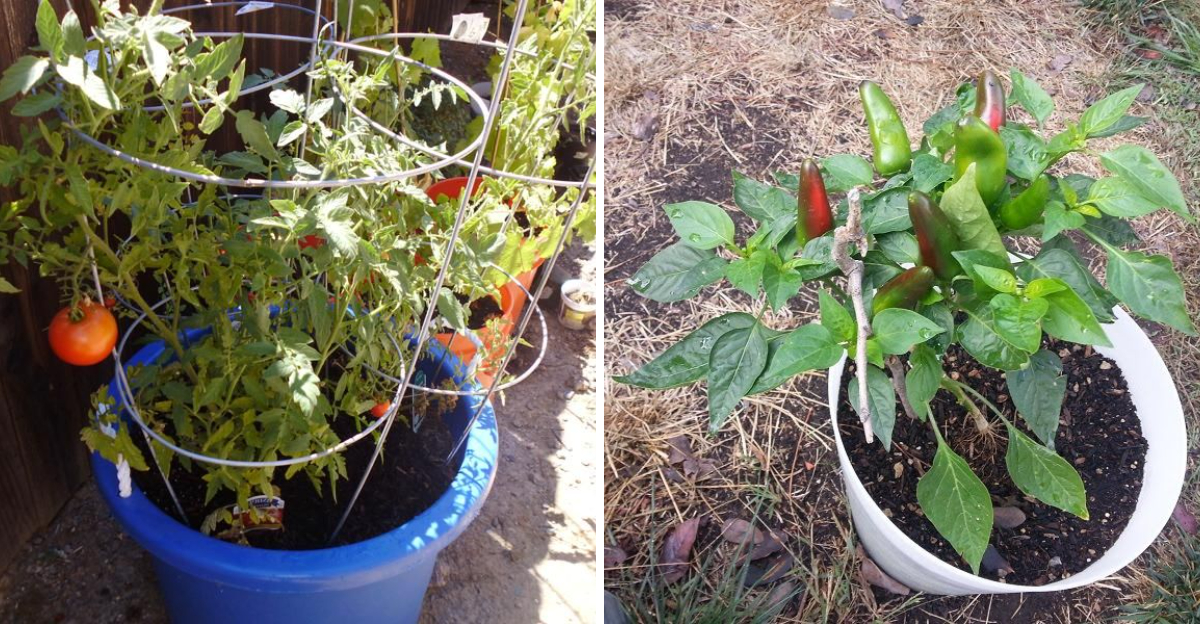
May in Georgia is when warm weather finally settles in, and that is the moment many gardeners start looking for quick, reliable ways to plant.
Buckets become a simple option that fits almost anywhere, whether it is a patio, driveway, or small backyard setup.
A 5 gallon bucket gives just enough space for roots to grow while still being easy to manage. With the right veggies, that limited space turns into steady growth and early harvests without needing raised beds or large garden areas.
What matters most is choosing crops that handle heat well and establish quickly before summer really kicks in.
Once that part is right, bucket growing becomes one of the easiest ways to keep things productive through May and beyond in Georgia.
1. Bush Tomatoes Grow Well In Buckets And Produce Fast
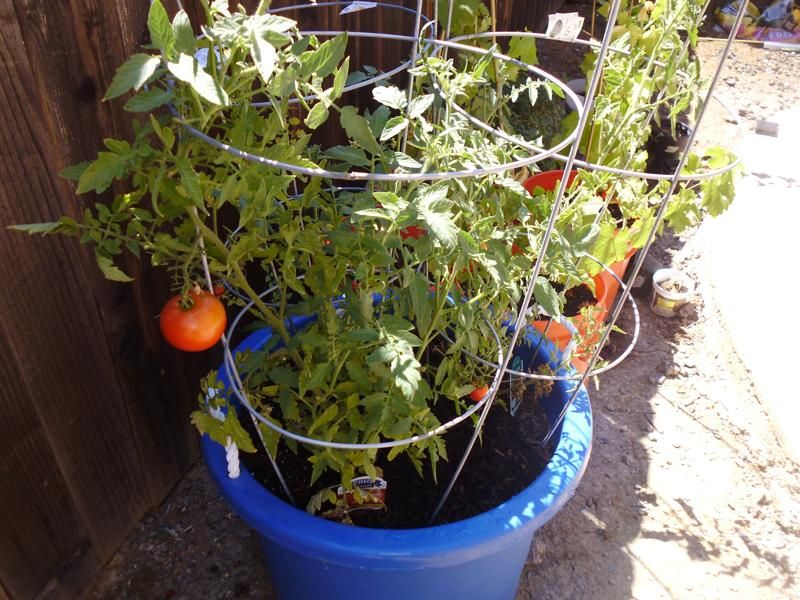
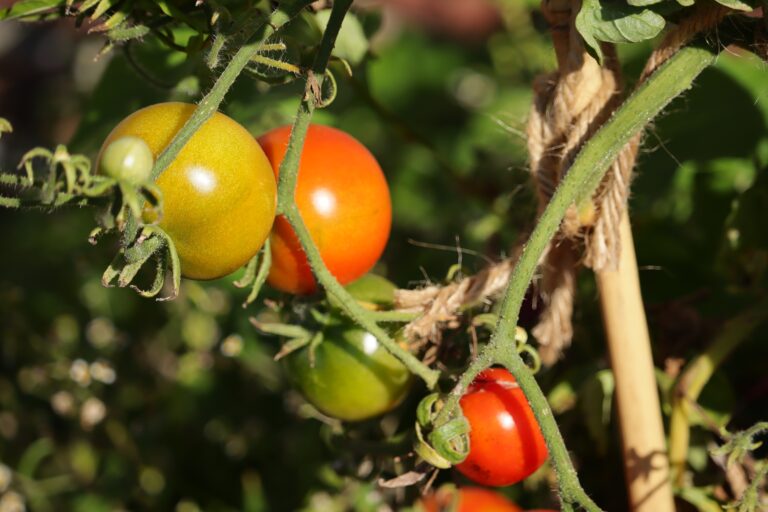
Few things beat pulling a ripe tomato off a plant you grew yourself, especially when that plant is sitting right outside your back door in Georgia. Bush tomatoes, also called determinate tomatoes, stay compact and do not sprawl out like vining varieties, which makes them a natural fit for containers.
Varieties like Patio, Celebrity, and Bush Early Girl are solid choices for 5-gallon buckets. Fill your bucket with a quality potting mix, not garden soil, because garden soil compacts too much in containers and can slow root growth significantly.
Drainage matters a lot, so make sure your bucket has holes at the bottom before planting. In Georgia’s May heat, tomatoes in buckets can dry out fast, so plan to water daily or even twice a day during heat spikes.
A small cage or stake helps keep the plant upright as fruit develops. With enough sun and consistent watering, you can expect ripe tomatoes in roughly 60 to 70 days from transplant, which means you could be harvesting by late July or early August right here in Georgia.
Keep feeding with a balanced liquid fertilizer every couple of weeks to support steady fruit production in containers.
Placing buckets where they get at least six to eight hours of direct sun helps plants stay productive through Georgia’s long summer.
2. Peppers Thrive In Warm Weather And Fit Easily In Containers
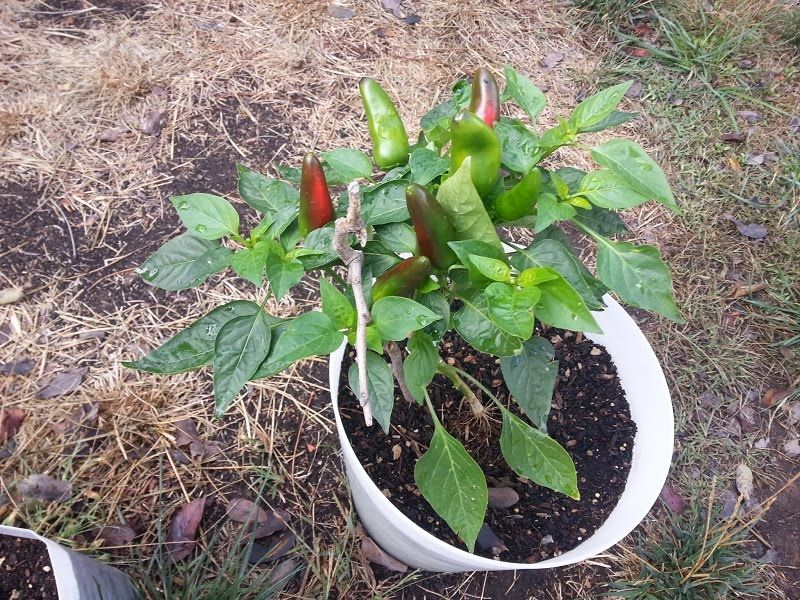
Peppers and Georgia summers were practically made for each other.
Whether you go for sweet bell peppers, banana peppers, or something spicy like jalapenos, all of them handle heat well and grow comfortably in a single 5-gallon bucket per plant.
One thing a lot of new gardeners miss is that peppers need really warm soil to take off. Planting in May here in Georgia is ideal because nighttime temps have usually climbed above 55 degrees, which is right around the threshold where pepper roots start growing aggressively.
Use a well-draining potting mix and place your bucket somewhere that gets at least six to eight hours of direct sun. Peppers are not heavy feeders, but a slow-release fertilizer mixed into the soil at planting gives them a solid start.
Water consistently but avoid soaking the soil every single day since peppers prefer to dry out slightly between waterings. Overwatering is one of the most common mistakes with container peppers.
Your Georgia Garden Changes Every Week. Your Plan Should Too.
Gardening in Georgia changes quickly throughout the season. Every Friday you’ll receive a simple weekly plan showing exactly what to plant, prune, fertilize, harvest, and protect so you never miss the right timing.
Stick with one plant per bucket and you will be rewarded with a steady harvest from summer well into fall across Georgia.
Adding a layer of mulch on top of the soil helps hold moisture and keeps roots cooler during Georgia heat.
Placing containers near a reflective surface like a wall or patio can boost warmth early in the season and speed up growth.
3. Eggplant Handles Heat And Grows Strong In Buckets
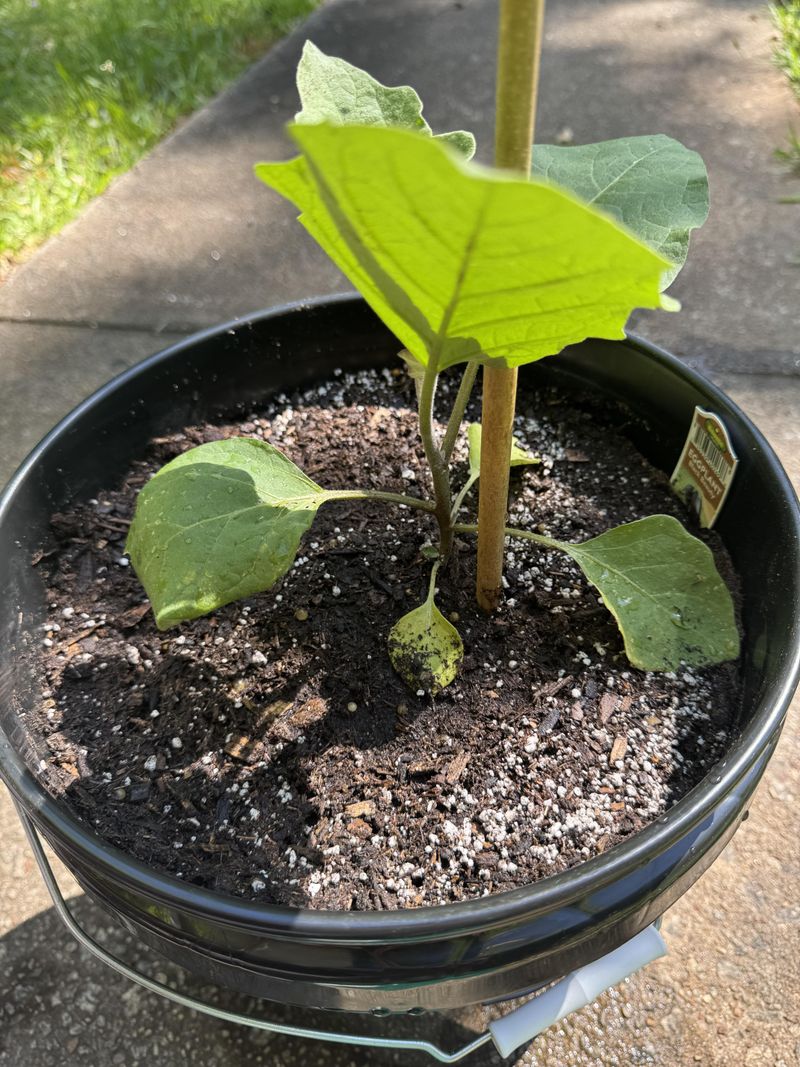
Eggplant might be the most underrated container vegetable for Georgia gardeners. It is a heat-lover through and through, and once temperatures climb into the 80s and 90s, eggplant really takes off in ways that cooler-season crops simply cannot match.
Compact varieties like Patio Baby, Hansel, or Ichiban work especially well in 5-gallon buckets. These plants stay manageable in size while still producing a solid number of fruits per season.
Place the bucket in your sunniest spot because eggplant needs full sun, ideally eight or more hours per day, to produce well.
Eggplant is also surprisingly drought-tolerant once established, though consistent moisture produces better fruit quality. In Georgia’s humid summer climate, watch for flea beetles early in the season since they love young eggplant leaves.
A light row cover in the first few weeks can help protect seedlings without blocking too much light.
Eggplant takes a bit longer to produce than tomatoes or peppers, usually around 70 to 80 days, but the wait is absolutely worth it when those glossy purple fruits start appearing on your porch bucket.
Pick fruits while they are still glossy and firm, since waiting too long can lead to bitter taste and tougher skin.
Using a stake or small cage keeps branches supported as fruits develop and prevents them from bending or breaking under weight.
4. Bush Beans Produce Quickly And Do Not Need Much Space
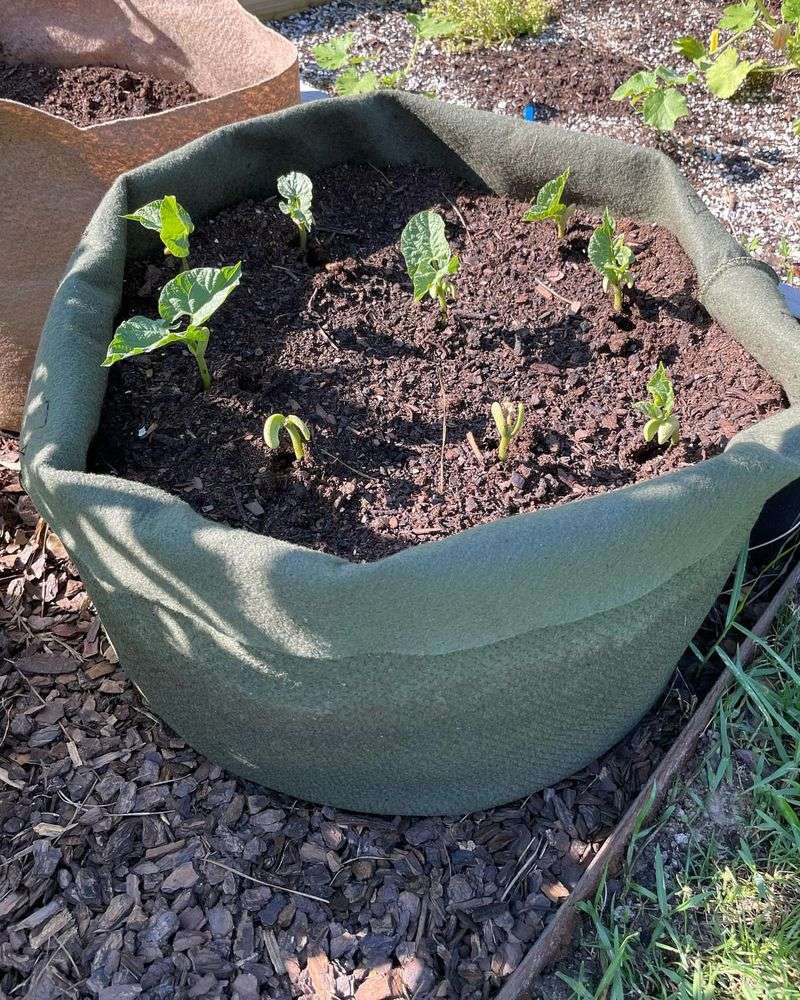
Speed is where bush beans really shine.
You can go from planting a dry seed to picking fresh green beans in as little as 50 to 55 days, which makes them one of the fastest-producing vegetables you can grow in a bucket in Georgia this May.
Unlike pole beans, bush beans do not need a trellis or any kind of climbing support. They stay low and bushy, and a single 5-gallon bucket can hold about six to eight seeds planted an inch or two apart.
Provider and Contender are two varieties that perform reliably in Georgia’s warm spring conditions.
Direct sow the seeds about an inch deep and water them in well. Bush beans prefer not to be transplanted, so start them right in the bucket where they will grow.
Keep the soil consistently moist during germination, which usually takes five to ten days in warm Georgia soil. Once plants are established, they are fairly low-maintenance.
Beans also fix nitrogen in the soil, which can slightly improve the soil quality in your bucket over the season.
Expect a concentrated harvest window of about two to three weeks before production slows down.
5. Cucumbers Grow Well In Buckets With Simple Support
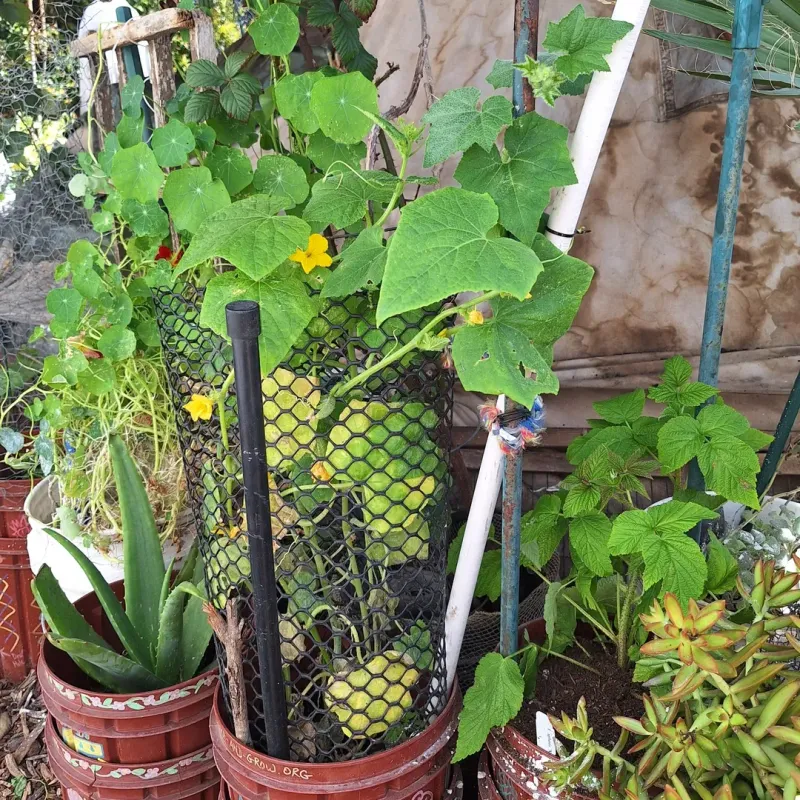
Growing cucumbers in a bucket sounds tricky, but it is actually one of the easier setups once you get the support structure right.
Bush cucumber varieties like Spacemaster or Bush Pickle were specifically bred for small spaces, making them well-suited to container growing in Georgia.
Plant one cucumber per 5-gallon bucket and add a simple stake or small trellis right at planting time. Cucumbers grow fast and the vines will need something to grab onto within a couple of weeks.
Training the vine upward keeps it off the ground, improves airflow, and makes harvesting a lot easier.
Cucumbers are thirsty plants, especially in Georgia’s warm May weather. Check the soil daily and water whenever the top inch feels dry.
Consistent moisture is key because uneven watering can lead to bitter-tasting fruit, which is frustrating after all that effort. Cucumbers also benefit from a balanced fertilizer every couple of weeks once they start flowering.
Watch for powdery mildew, a common issue in humid Georgia summers.
Picking cucumbers regularly when they reach full size encourages the plant to keep producing instead of putting all its energy into maturing seeds.
6. Zucchini Can Grow In Containers If Given Enough Room
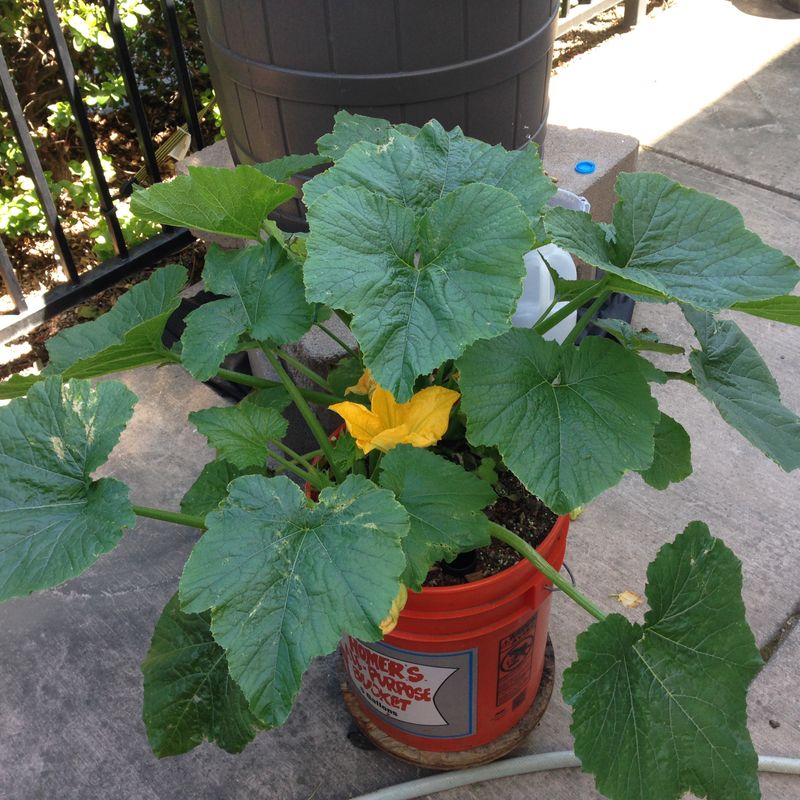
Zucchini has a reputation for taking over gardens, but a 5-gallon bucket keeps it in check while still producing real harvests.
You have to be realistic though: one plant per bucket, and you need to pick a compact variety like Bush Baby or Patio Star to make it work properly.
Zucchini plants are big feeders, so mix a slow-release granular fertilizer into your potting mix before planting. In Georgia, May warmth pushes zucchini growth quickly, and you may see flowers within three to four weeks of transplanting a healthy seedling.
Both male and female flowers appear on the same plant, and you need bees or hand pollination for fruit to form.
If you notice flowers dropping without producing fruit, try gently transferring pollen from a male flower to a female using a small paintbrush or cotton swab. Zucchini plants in containers need watering almost daily during Georgia’s warm summer months.
The large leaves lose moisture fast. Harvest zucchini when fruits are six to eight inches long because letting them grow too large causes the plant to slow down fruit production significantly.
Small, frequent harvests keep the plant productive all season.
7. Green Onions Grow Fast And Fit Easily In Small Spaces
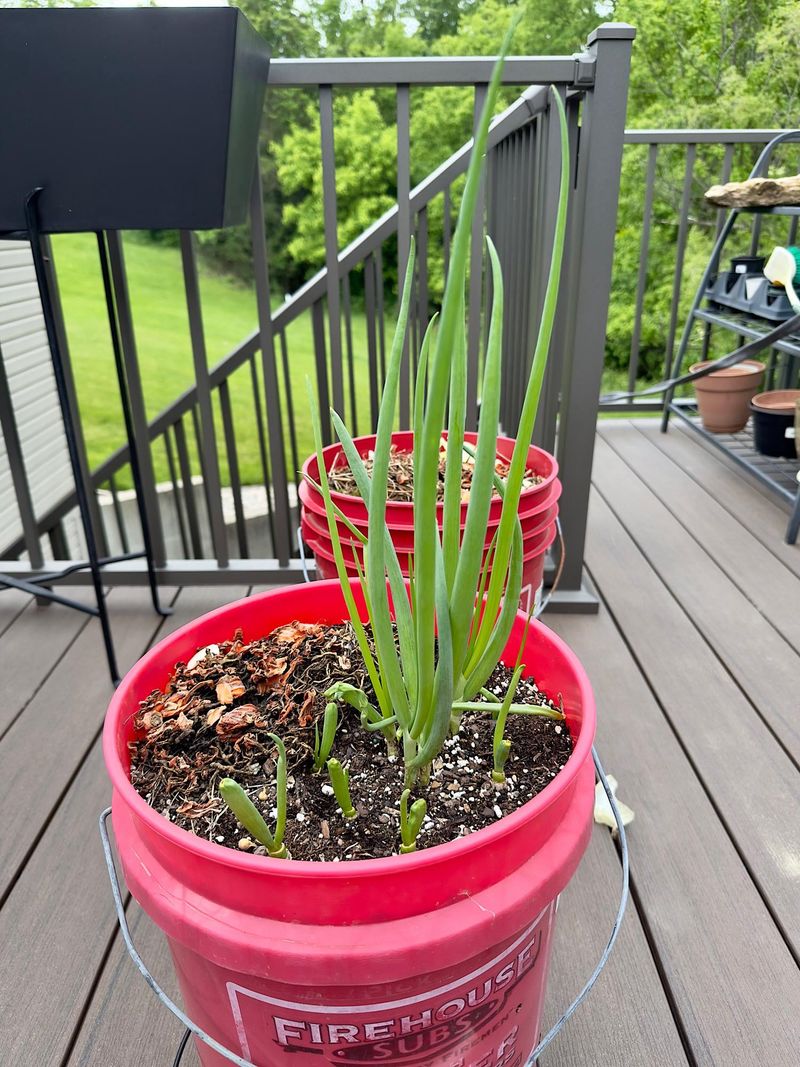
Green onions might be the most beginner-friendly vegetable on this entire list. You can plant them, mostly ignore them, and harvest within 20 to 30 days.
That kind of quick turnaround is genuinely satisfying, especially if you are new to container gardening in Georgia.
You can start green onions from seed, but an even faster method is regrowing them from store-bought bunches. Just place the white root ends in your potting mix about an inch deep and water them in.
New green tops sprout within days and you can snip them as needed without pulling up the whole plant.
A single 5-gallon bucket can hold quite a few green onion plants since they have shallow roots and do not compete aggressively with each other for space. Plant them about two inches apart and you can fit a solid crop in one container.
Keep the soil evenly moist but not waterlogged. Green onions prefer cooler soil, so in Georgia’s warming May temperatures, placing the bucket somewhere with afternoon shade can extend your harvest window before the heat pushes them toward bolting.
Snip from the top, leave the roots, and they will regrow multiple times before the season ends.
8. Basil Thrives In Warm May Weather And Grows Easily In Buckets
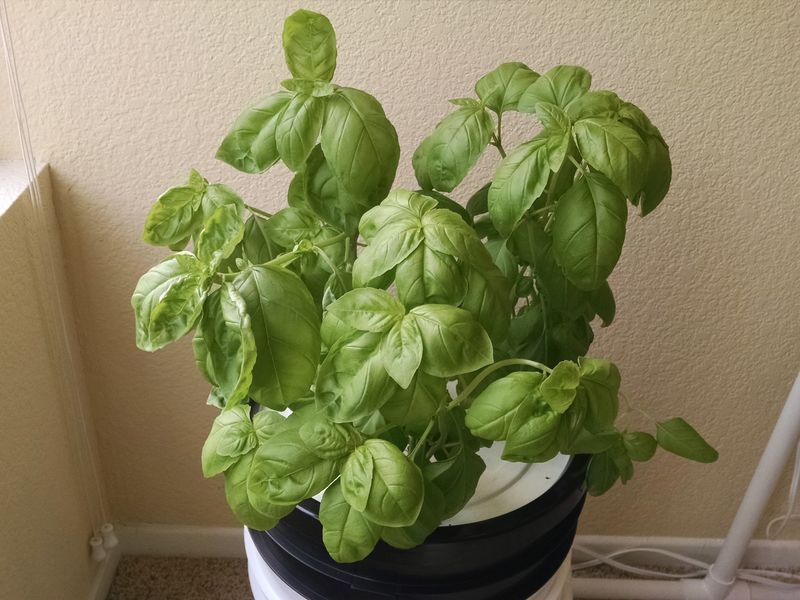
Basil and Georgia’s May weather are a perfect match. Warm temperatures, long days, and plenty of sunshine are exactly what basil craves, and a 5-gallon bucket gives its roots more than enough room to establish and push out big, fragrant leaves all season long.
Genovese basil is the classic choice, but Thai basil, lemon basil, and purple basil also grow well in containers here in Georgia. Start with a healthy transplant from a local nursery rather than seeds if you want faster results.
Basil grows quickly once the soil warms up, and you can start harvesting leaves within a few weeks of planting.
Pinch off flower buds as soon as you see them forming at the top of the plant. Allowing basil to flower causes the leaves to turn bitter and the plant to slow down leaf production, which defeats the whole purpose.
Basil needs at least six hours of sun per day and consistently moist but well-drained soil. In Georgia’s summer heat, morning watering works best because it gives leaves time to dry before evening, reducing the chance of fungal issues.
Harvest regularly and the plant will reward you with fresh leaves for months.
9. Swiss Chard Handles Heat Better Than Most Leafy Greens
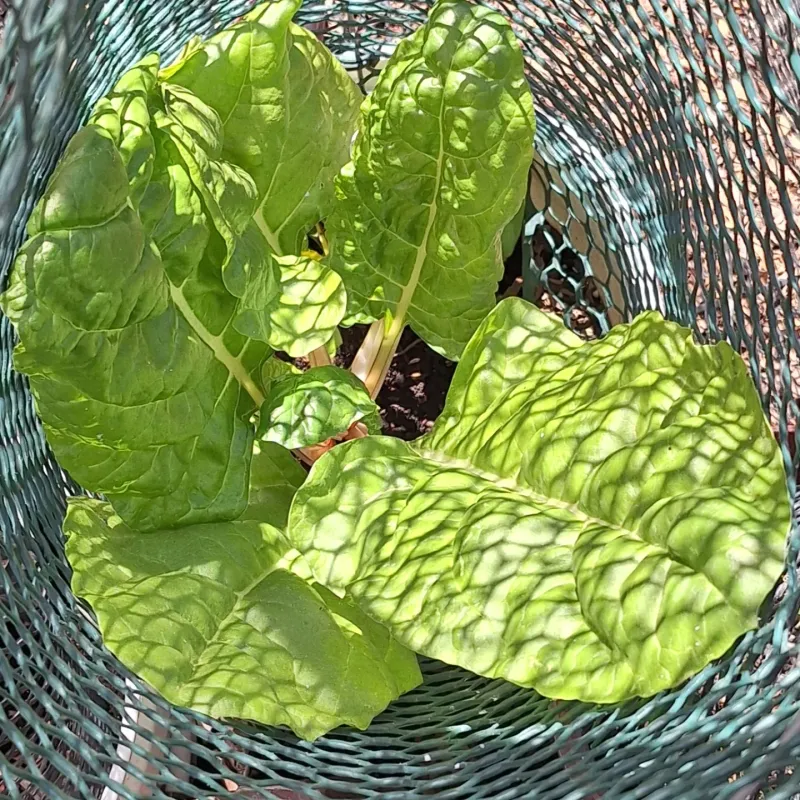
Most leafy greens bolt and turn bitter the moment Georgia temperatures climb past 80 degrees, but Swiss chard is built differently. It tolerates heat far better than spinach or lettuce, making it one of the smartest leafy greens to grow in a container here in Georgia during May.
Rainbow chard varieties like Bright Lights are especially popular because they are both productive and visually striking with their vivid red, orange, and yellow stems.
Plant two to three chard transplants per 5-gallon bucket, spacing them about six inches apart to give each plant enough room to spread its leaves without crowding.
Swiss chard prefers consistent moisture and a nutrient-rich potting mix. Work in a balanced slow-release fertilizer at planting and follow up with a liquid feed every three to four weeks throughout the season.
Harvest outer leaves when they reach six to eight inches in length and leave the center growth point intact so the plant continues producing. Chard can handle light shade in the afternoon, which actually helps extend its productivity during Georgia’s hottest summer months.
With proper care, a single planting in May can keep producing usable leaves well into September or even October in Georgia.