Plants That Bloom Through Florida’s May Heat Without Fading
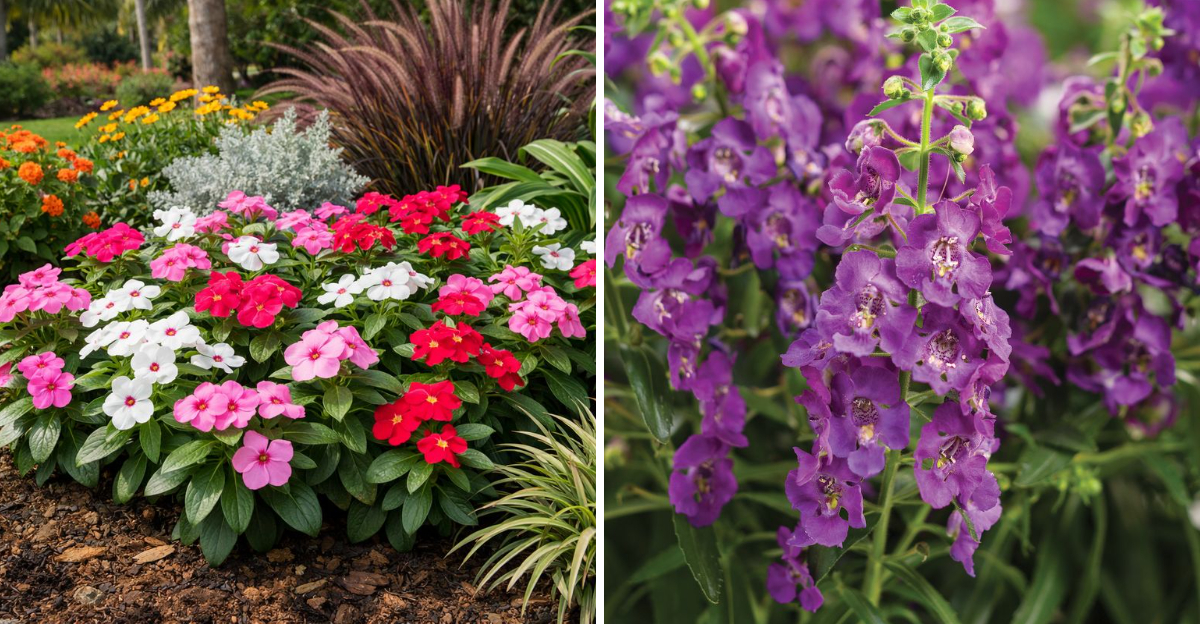
Florida’s May heat does not tap politely on the garden gate. It barges in wearing sunglasses, cranks up the humidity, and asks your flowers what they are made of.
Stronger sun, warm soil, sandy beds, and steamy afternoons can make some blooms look tired before summer even gets comfortable. The fun part?
Certain plants seem to enjoy the challenge. They keep color coming in beds, borders, containers, and pollinator spots while the weather turns hotter and stickier.
Choosing flowers that actually suit Florida’s late spring mood can save you a lot of disappointment and a few dramatic sighs in the yard.
With the right picks, your garden can still look bright, busy, and full of summer energy.
1. Pentas For Heat-Loving Pollinator Color
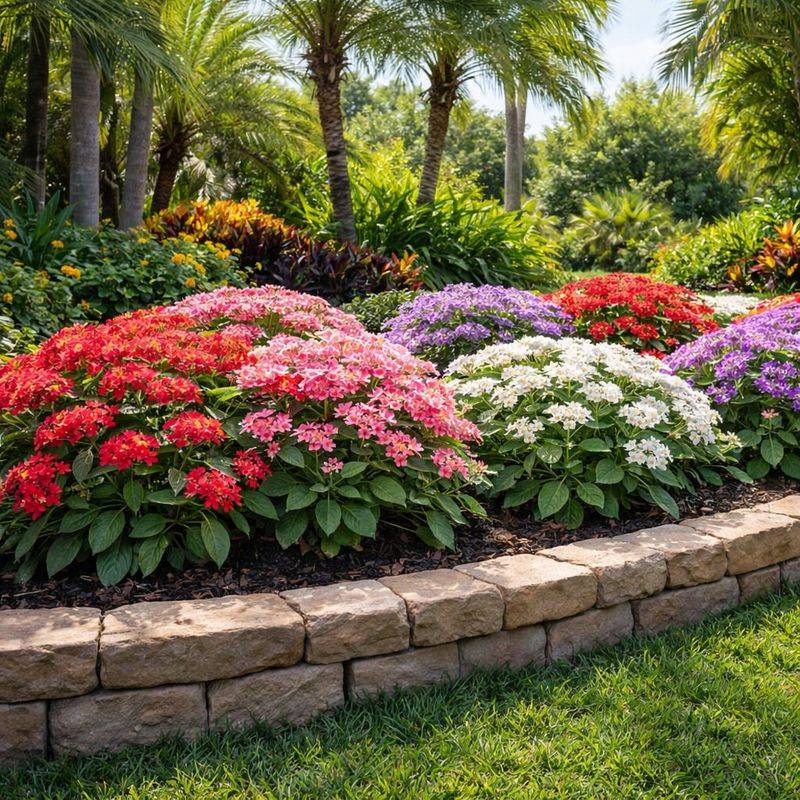
Star-shaped flower clusters and a steady stream of butterflies make pentas one of the most rewarding plants you can grow in a Florida garden during late spring.
This tropical perennial handles full sun and high humidity without skipping a beat, which is a big deal when May temperatures start pushing into the upper 80s and beyond.
Pentas grows well in garden beds, raised borders, and containers on sunny patios. It prefers well-drained soil and does best with regular watering during the first few weeks after planting.
Once established, it becomes more tolerant of short dry spells between rain events.
In Florida, pentas blooms in shades of red, pink, white, and lavender, giving gardeners plenty of options for mixing colors.
Butterflies, hummingbirds, and other pollinators are drawn to the nectar-rich flowers, making it a smart addition to any pollinator planting.
Removing spent flower heads can encourage fresh blooms to develop. Pentas tends to perform better in full sun than in shaded spots, so placement matters when trying to get steady color through the heat of late spring and early summer.
2. Vinca For Bright Summer Beds
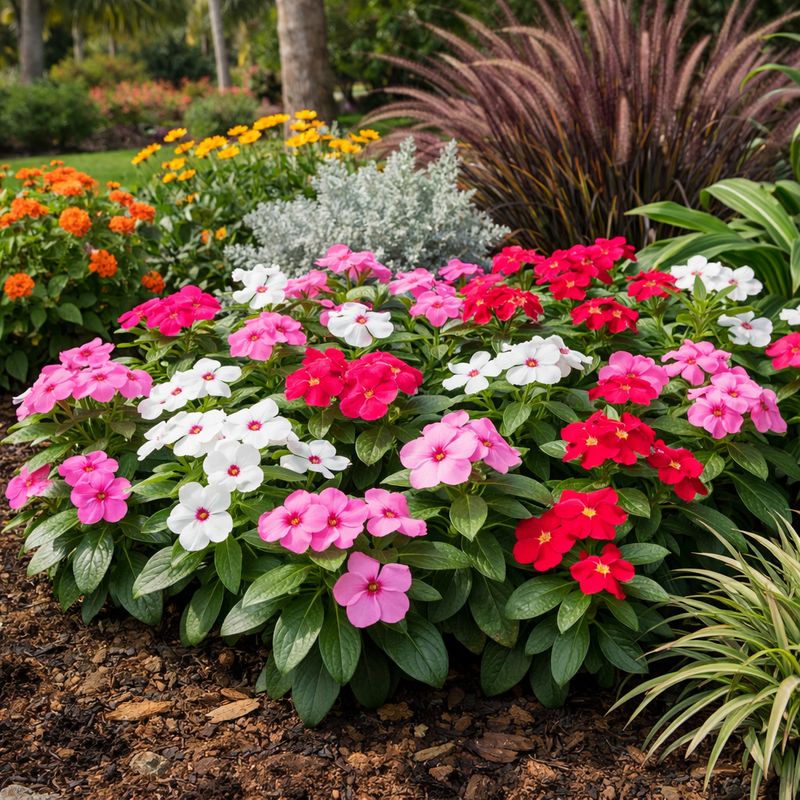
Few flowering plants put on a show quite like vinca during Florida’s warmer months.
Also called catharanthus or Madagascar periwinkle, this tough annual thrives under the kind of strong sun and humid heat that causes many other flowers to wilt and fade before the end of May.
Vinca does exceptionally well in sandy Florida soil, especially when given good drainage and a full-sun location.
It handles warm, dry conditions between rain events with surprising resilience, though young plants benefit from consistent moisture while getting established.
Overwatering or soggy soil can cause root problems, so it is worth letting the soil dry a bit between waterings once plants are settled in.
The blooms come in shades of red, pink, white, coral, and bi-color combinations, making vinca a flexible choice for borders, mass plantings, and mixed container arrangements.
Compact varieties work well in smaller beds and pots, while taller selections fill out larger garden spaces nicely.
One thing Florida gardeners appreciate about vinca is that it keeps flowering steadily without much deadheading. Consistent sun exposure and good air circulation around the plants can help reduce disease issues as humidity builds through the season.
Your Florida Garden Changes Every Week. Your Plan Should Too.
Gardening in Florida changes quickly throughout the season. Every Friday you’ll receive a simple weekly plan showing exactly what to plant, prune, fertilize, harvest, and protect so you never miss the right timing.
3. Lantana For Sunny Florida Heat
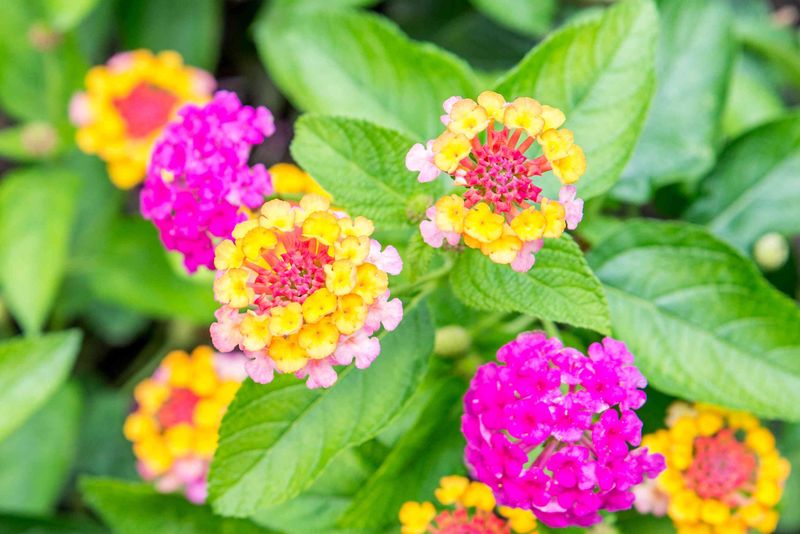
Walk through almost any Florida neighborhood in late spring and you are likely to spot lantana growing along fences, filling sunny borders, or spilling out of containers.
This tough, heat-loving shrub thrives in the kind of intense sun and warm soil that defines Florida’s May weather, and it keeps producing colorful flower clusters with very little fuss.
Lantana works well in full-sun beds with good drainage. Sandy Florida soil suits it nicely, and once established, it handles drought conditions between rain events with ease.
It is worth noting that young plants still need regular watering to get their root systems established before the hottest part of summer arrives.
The flowers appear in cheerful combinations of yellow, orange, red, pink, and white, often shifting color as they age on the plant. Butterflies and other pollinators visit lantana frequently, making it a popular choice for pollinator-focused landscapes.
Trailing varieties cascade beautifully over container edges and retaining walls, while upright selections fill in larger sunny spots. Trimming back leggy stems from time to time encourages fresh growth and more flowers.
In Florida, lantana can grow quite vigorously, so choosing sterile varieties helps prevent unwanted spread into natural areas nearby.
4. Gaillardia For Tough Coastal Color
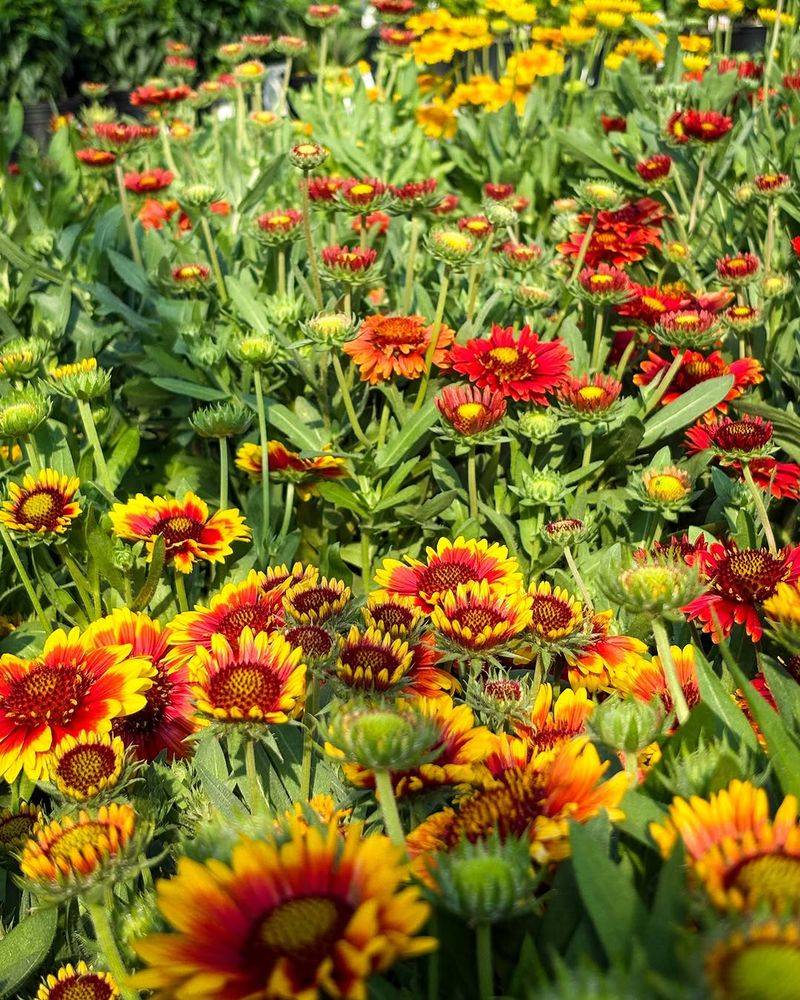
Sandy soil, salt air, and relentless coastal sun would challenge most flowering plants, but gaillardia seems to take all of it in stride.
Known as blanket flower, this cheerful native bloomer is a natural fit for Florida’s coastal landscapes, where conditions can be especially demanding during late spring and early summer.
Gaillardia thrives in full sun and well-drained soil, and it actually tends to struggle in overly rich or consistently wet ground. Sandy coastal Florida soil suits it well, which is one reason it shows up in beachside landscapes and seaside gardens across the state.
Once established, it handles periods of low rainfall without losing its blooming momentum.
The daisy-like flowers feature bold combinations of red, orange, and yellow with contrasting centers, giving garden beds and borders a warm, energetic look that holds up well even as May heat intensifies.
Gaillardia attracts bees and butterflies, adding pollinator value to coastal plantings.
Deadheading spent blooms can encourage additional flowers to form, though some gardeners leave seed heads in place to attract birds.
In Florida, gaillardia tends to bloom most reliably in spots with excellent drainage and plenty of direct sunlight throughout the day.
Container growing is also an option for patios and decks near the water.
5. Melampodium For Cheerful Yellow Blooms
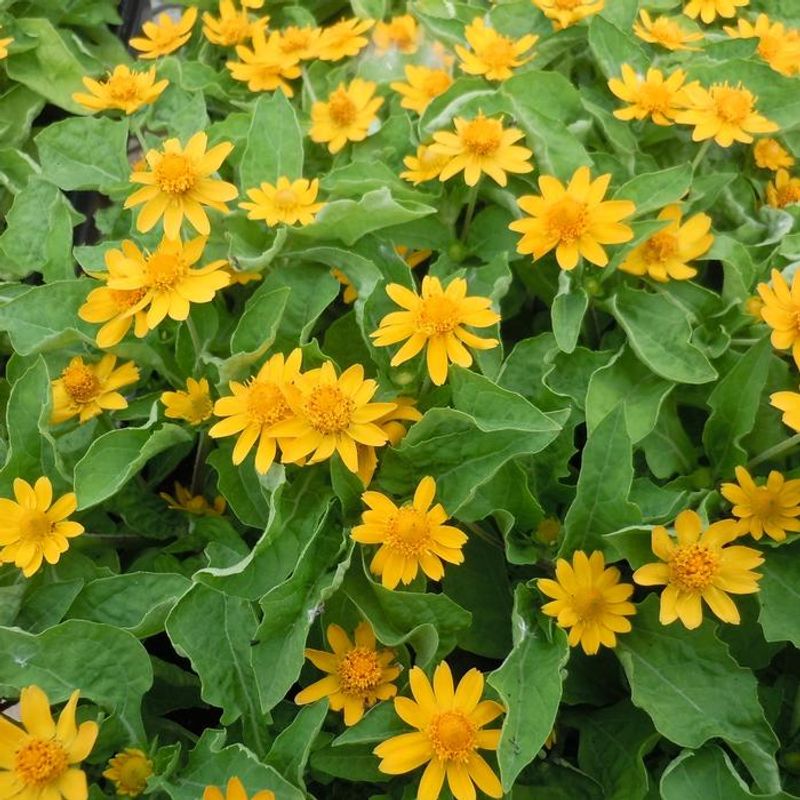
Sunny yellow flowers covering a low, mounding plant from spring through fall – melampodium is the kind of reliable bloomer that earns a permanent spot in a Florida garden.
It handles Florida’s heat and humidity with genuine ease, keeping its cheerful color through some of the most intense weather the state has to offer in May and beyond.
Melampodium grows best in full sun with well-drained soil. Sandy Florida soil works well for this plant, and it develops stronger heat tolerance once its root system is fully established.
Watering needs are moderate, and the plant tends to handle short dry spells reasonably well after it matures in the garden bed or container.
One of the standout qualities of melampodium is its self-cleaning habit. Spent flowers fall away on their own without deadheading, which means less maintenance for gardeners who want color without constant upkeep.
The dense, mounding form makes it a good choice for edging beds, filling containers, or creating a low border along a sunny walkway.
Melampodium also shows some resistance to common foliar pests, which is a helpful quality in Florida’s humid late-spring conditions.
Pollinators, including bees and small butterflies, visit the bright flowers regularly throughout the growing season.
6. Salvia For Hummingbirds And Butterflies
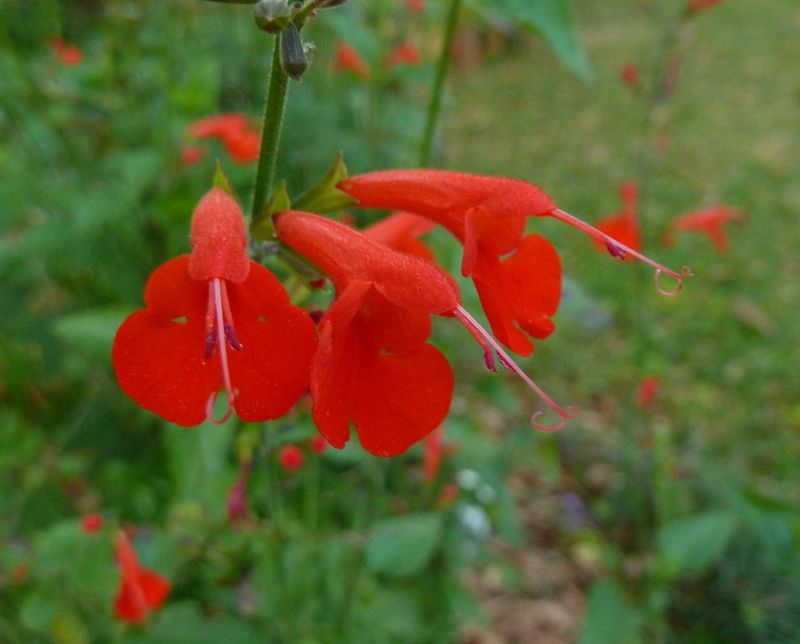
Hummingbirds have a way of making any garden feel magical, and planting salvia in a sunny Florida bed is one of the most reliable ways to bring them in.
Salvia species suited to Florida’s climate produce tall flower spikes packed with tubular blooms that hummingbirds and butterflies find irresistible, especially as May warmth encourages more frequent pollinator activity.
Several salvia types perform well in Florida, including tropical sage and blue salvia. These plants prefer full sun to light shade and do well in well-drained garden soil.
Regular moisture during establishment helps them develop a strong root system, and consistent watering through dry stretches keeps the flower spikes coming reliably.
Red-flowering salvias tend to attract hummingbirds most strongly, while blue and purple varieties bring in an impressive variety of butterflies and native bees.
Cutting back flower spikes after a flush of blooms encourages fresh growth and more flowers in the weeks that follow.
In Florida, salvia can grow quite vigorously during warm weather, so occasional trimming keeps plants tidy and productive.
Containers work well for smaller salvia varieties on sunny patios, while larger selections fill out pollinator beds and mixed borders with bold vertical color that stands out through the heat of late spring.
7. Angelonia For Upright Summer Flowers
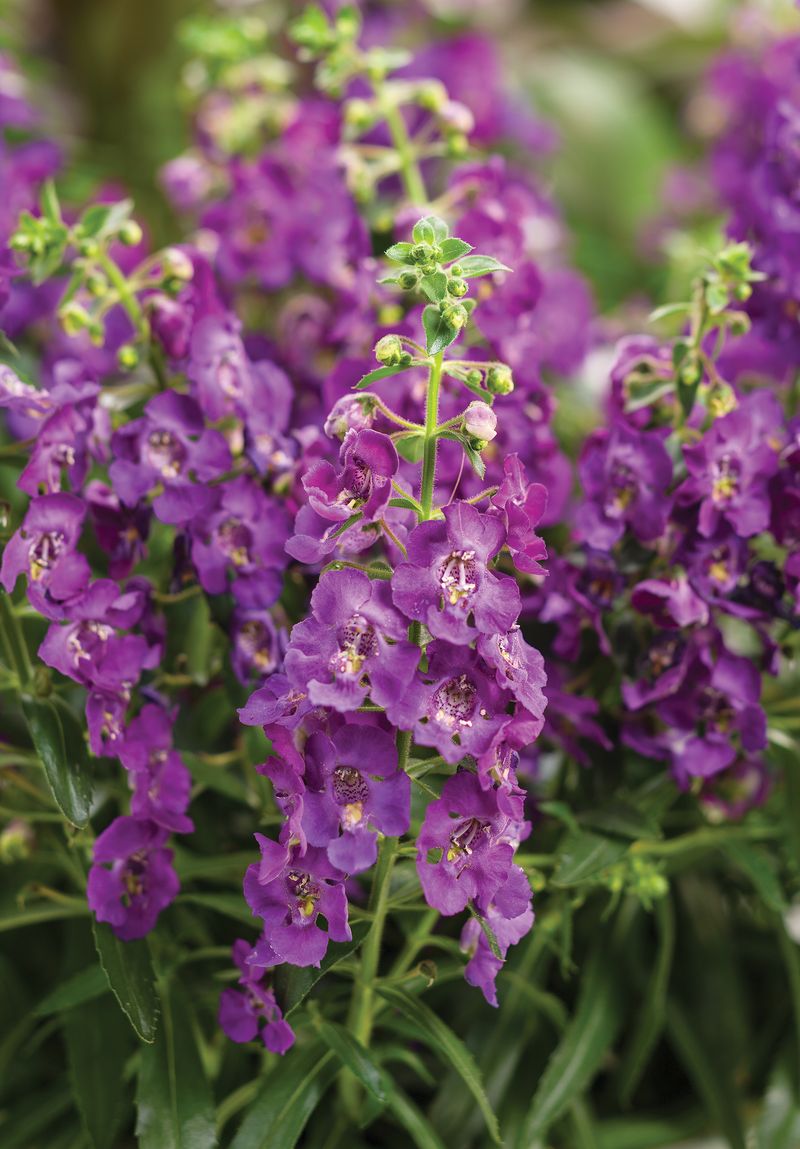
Sometimes called summer snapdragon, angelonia brings a refined, upright look to Florida garden beds without demanding the kind of extra care that makes some flowering plants frustrating in hot weather.
The slender flower spikes carry small, orchid-like blooms in shades of purple, pink, lavender, and white, and they keep producing even when temperatures climb through May.
Angelonia performs best in full sun and well-drained soil. It tolerates Florida’s heat and humidity well, and established plants handle moderate dry spells without losing their flowers.
Consistent moisture during the first few weeks after planting helps angelonia settle in and develop the root system it needs to stay productive through the long Florida warm season.
The upright growth habit makes angelonia useful for adding vertical interest to flat garden beds and mixed container arrangements.
It pairs well with lower-growing plants like melampodium or vinca, creating layered combinations that stay colorful through late spring and into summer.
Deadheading is generally not required, as spent flowers drop away on their own. A light application of slow-release fertilizer at planting time can support steady growth and flowering.
Butterflies and bees visit angelonia flowers, adding pollinator activity to beds and borders where this plant is used. The light, pleasant fragrance is a bonus that many Florida gardeners appreciate.
8. Wax Begonia For Easy Warm-Season Color
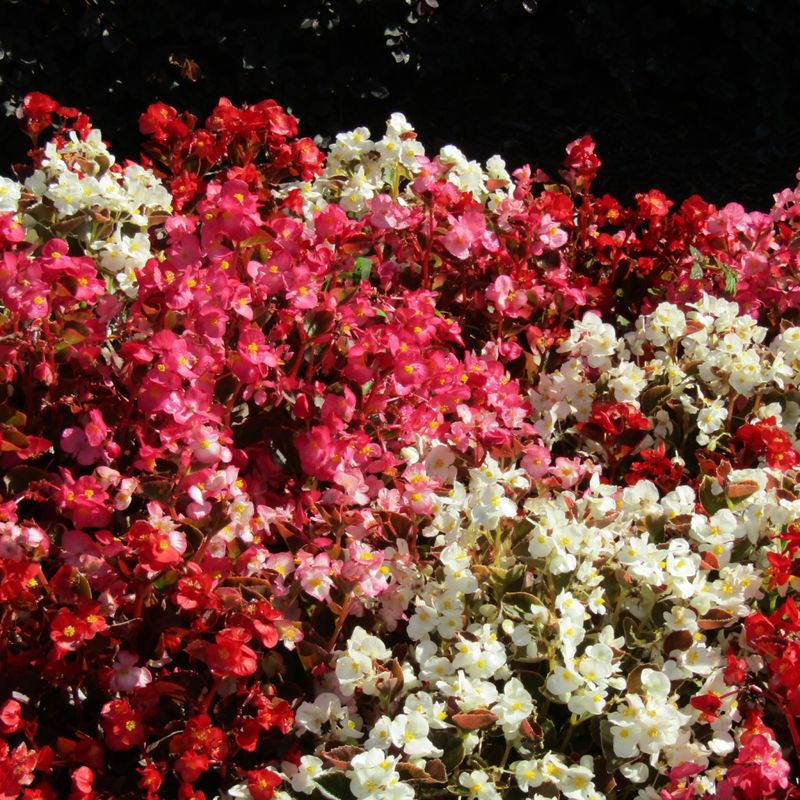
Glossy leaves and neat, rounded mounds of flowers make wax begonias one of the most dependable warm-season plants in a Florida gardener’s lineup.
Unlike some flowering annuals that struggle when May humidity rises, wax begonias keep their compact form and steady bloom cycle through the kind of warm, moist conditions that Florida brings each late spring.
Wax begonias grow well in both full sun and partial shade, which gives gardeners flexibility when placing them in beds, borders, and containers.
Sun-tolerant varieties with bronze or dark-tinted foliage tend to handle Florida’s direct afternoon sun better than varieties with lighter green leaves.
Well-drained soil and consistent moisture help these plants stay healthy and productive through the season.
The flowers appear in shades of red, pink, coral, and white, with single and double-flowering forms available depending on the variety selected.
Wax begonias are relatively low maintenance, requiring little deadheading since spent flowers tend to fall away cleanly.
They work well as edging plants along walkways, in mass plantings under filtered-light trees, and in mixed container arrangements on shaded or partially sunny patios.
In Florida, keeping the soil consistently moist without allowing waterlogging gives wax begonias the best chance of staying full and colorful as summer approaches.
9. Beach Sunflower For Hot Coastal Spots
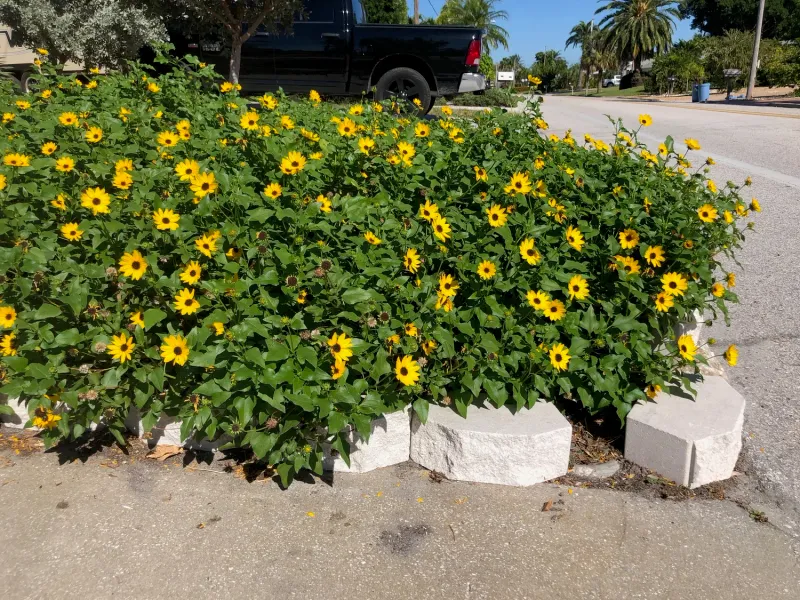
Growing along sandy roadsides, dune edges, and coastal yards across Florida, beach sunflower is a native plant that genuinely belongs in the landscape rather than just surviving in it.
The cheerful yellow daisy-like flowers appear steadily through warm weather, and the plant handles the combination of strong coastal sun, salt air, and sandy soil that would challenge most ornamentals.
Beach sunflower spreads as a low groundcover, filling in sunny open spaces with trailing stems and bright flowers that attract bees and butterflies. It thrives in full sun and well-drained sandy soil, requiring very little supplemental water once established.
This makes it a practical choice for Florida coastal landscapes where irrigation may be limited or where water-wise planting is a priority.
In May, beach sunflower is often in full bloom, bringing strong color to spots where other plants may struggle to hold on.
It works well along slopes, in open sunny areas, and along the edges of coastal properties where foot traffic is low.
Container growing is less common for this spreading plant, but it can work in larger pots with good drainage. Gardeners in inland Florida also use beach sunflower successfully in sunny, dry beds.
Occasional trimming keeps the spreading stems tidy and encourages fresh flowering growth throughout the warm season.
10. Portulaca For Sunny Dry Areas
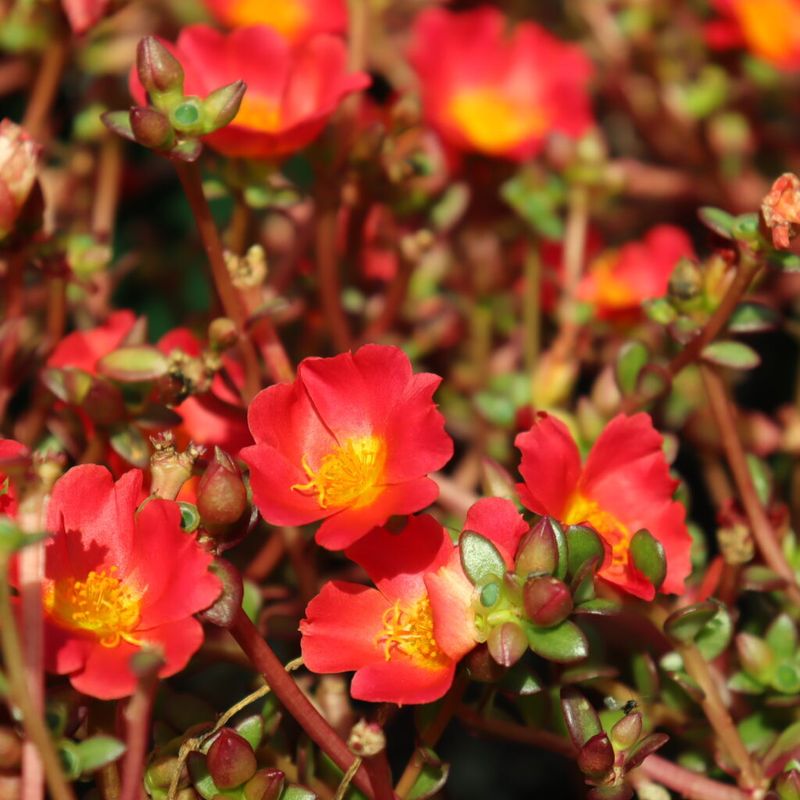
Dry, sandy soil under blazing Florida sun is not the easiest environment for most flowers, but portulaca seems to treat those conditions as an invitation to bloom.
This low-growing annual, sometimes called moss rose, produces silky, jewel-toned flowers in shades of red, orange, yellow, pink, and white that open wide in direct sunlight and add vivid color to some of the toughest spots in a Florida yard.
Portulaca thrives in full sun and poor, well-drained soil, including the sandy ground common across much of Florida. It stores moisture in its succulent stems and leaves, which helps it handle stretches of dry weather without losing its flowers.
Overwatering or planting in heavy, wet soil tends to cause more problems for portulaca than dry conditions do.
In May, when Florida sun is strong and certain areas of the yard may dry out quickly between rain events, portulaca fills those spots with reliable color.
It works well in rock gardens, along sunny walkways, in window boxes, and in containers on hot patios where reflected heat can be intense.
The flowers close in the evening and on cloudy days, but they reopen each sunny morning. Portulaca typically needs very little fertilizer, and it often reseeds lightly in garden beds, returning in following seasons without any extra effort from the gardener.