10 Common Tomato Problems California Gardeners Can Fix Fast
Tomatoes are the most rewarding vegetable you can grow in a California garden, and also the most dramatic. One day everything looks perfect.
The next, you’re outside squinting at spotted leaves, cracked fruit, or wilting stems trying to figure out what went sideways. It happens to every tomato gardener eventually, even the experienced ones.
The good news is that most tomato problems have a pretty straightforward fix once you know what you’re actually looking at. A lot of the issues that send gardeners into a panic are more manageable than they look.
Blossom drop, blossom end rot, yellowing leaves, stunted growth, these are not gardening disasters. They’re signals.
Your plant is telling you exactly what it needs, and once you learn to read those signs, you can course-correct fast and get back to the harvest you were counting on. California’s long growing season means there’s almost always time to turn things around.
1. Blossom End Rot
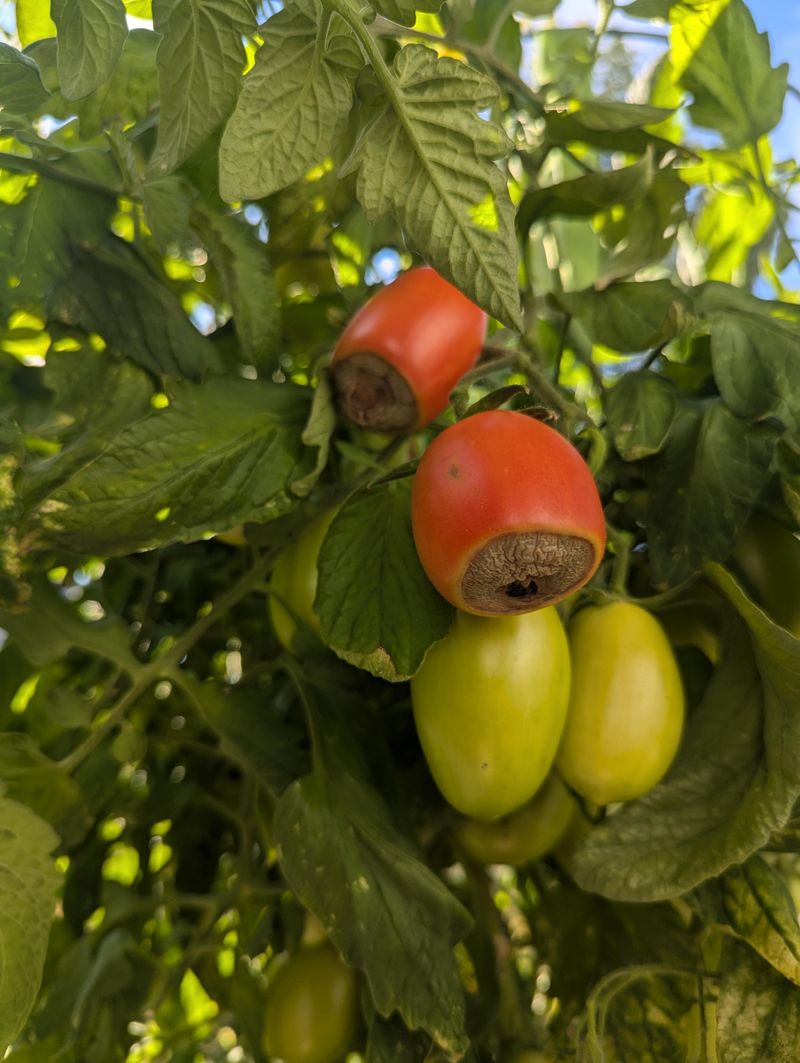
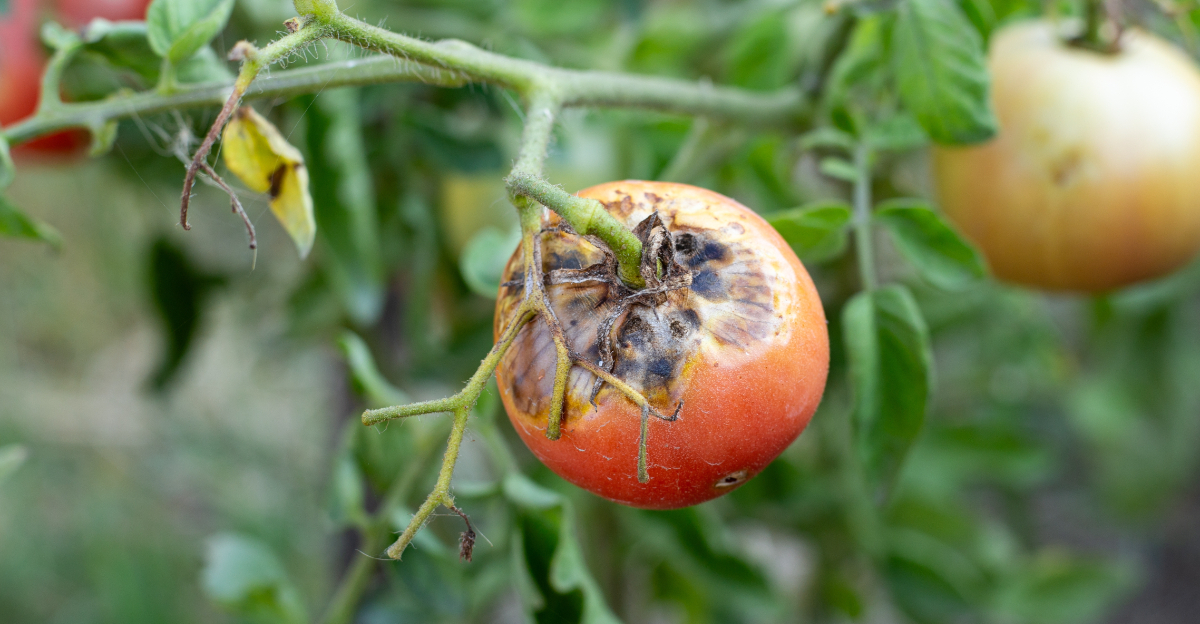
You pick a tomato, flip it over, and find a dark, sunken, leathery patch on the bottom. That is blossom end rot, and it is one of the most common frustrations for California tomato growers.
Despite what it looks like, blossom end rot is not caused by a disease or bug. It happens when the tomato plant cannot get enough calcium to the developing fruit.
This usually comes down to inconsistent watering. When the soil goes from dry to soaking wet and back again, the plant struggles to move calcium through its system properly.
In California, especially during hot inland summers, soil can dry out fast. Watering deeply and consistently is the best fix.
Aim for slow, deep watering a few times a week rather than light daily sprinkles. Mulching around your plants also helps hold moisture in the soil longer.
You can also try a calcium spray available at most garden centers. Spray it directly on the developing fruit to give the plant a quick boost.
Remove any affected tomatoes so the plant can put its energy into healthy new fruit. With steady watering habits, blossom end rot usually clears up on its own.
2. Sunscald
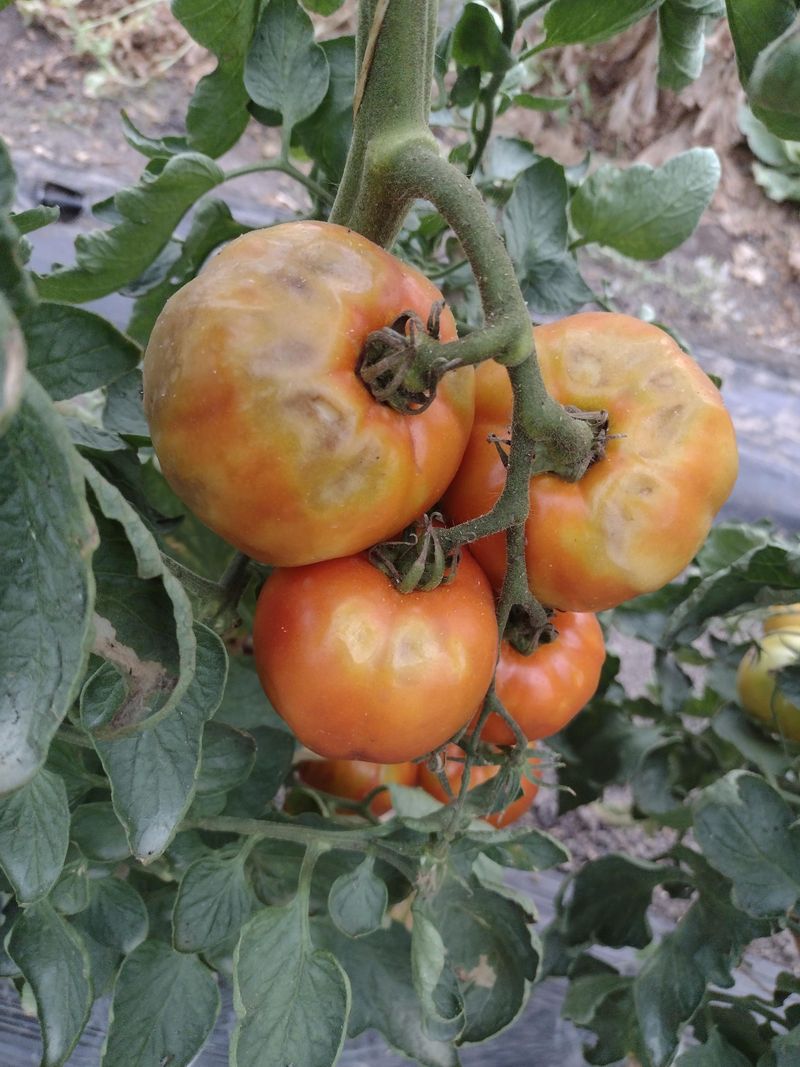
California sunshine is wonderful for growing tomatoes, but too much direct sun on the fruit itself can actually cause damage. Sunscald shows up as white, pale yellow, or papery patches on the side of the tomato that faces the sun directly.
It happens most often when leaves are removed too aggressively or when plants are pruned heavily, leaving the fruit exposed. It can also occur during heat waves when temperatures climb above 95 degrees Fahrenheit, which is common in places like the Central Valley and Inland Empire.
The fix is simpler than you might think. Keep enough foliage on your plants to provide natural shade for the fruit.
If a heat wave is coming, you can drape a light shade cloth over your plants to reduce the intensity of the sun hitting the tomatoes directly.
Avoid heavy pruning during the hottest months of summer. If you notice sunscald already forming, do not remove the affected tomatoes right away.
Your California Garden Changes Every Week. Your Plan Should Too.
Gardening in California changes quickly throughout the season. Every Friday you’ll receive a simple weekly plan showing exactly what to plant, prune, fertilize, harvest, and protect so you never miss the right timing.
The damaged skin still protects the fruit underneath from further harm. Once the weather cools a bit, the plant often continues producing healthy fruit.
Prevention through smart pruning and shade management goes a long way in California gardens.
3. Tomato Hornworms
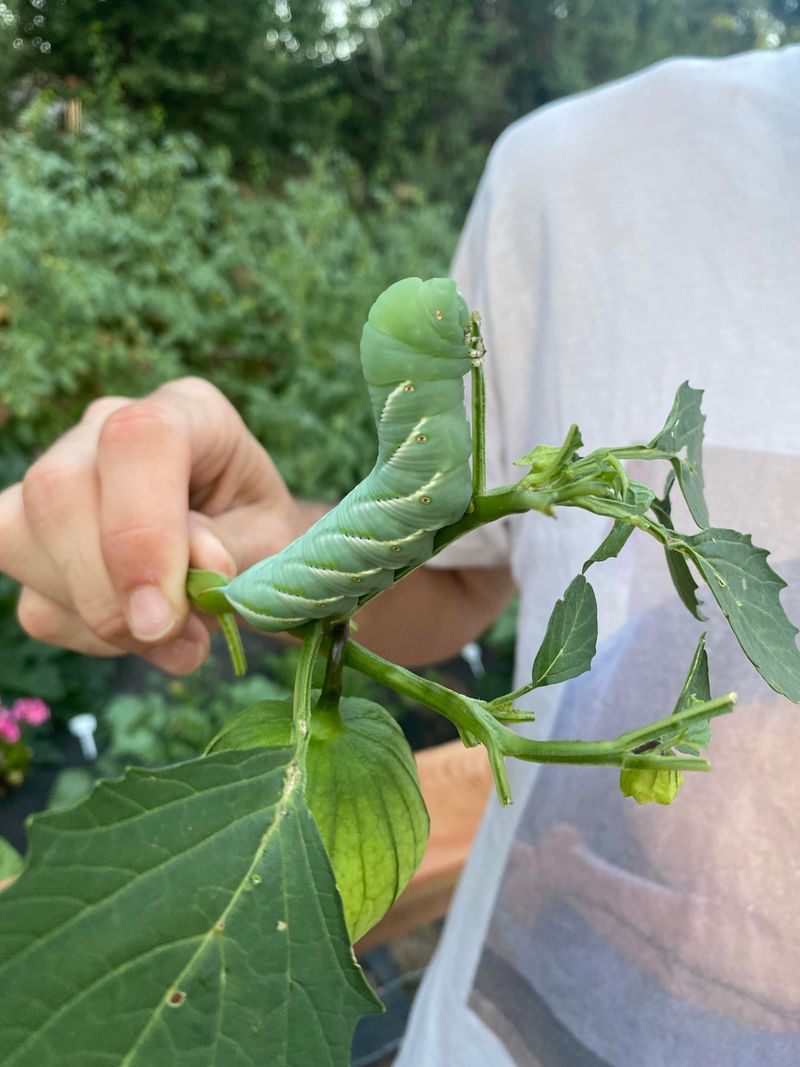
Few garden surprises are as startling as spotting a tomato hornworm for the first time. These caterpillars are massive, bright green, and surprisingly hard to see because they blend in so well with the plant.
Hornworms can strip a tomato plant of its leaves almost overnight. They munch through foliage fast, and if you are not checking your plants regularly, you might not notice until serious damage has already been done.
Look for dark green droppings on leaves or the soil below as a telltale sign they are around.
In California gardens, hornworms tend to show up in mid to late summer when temperatures peak. The best way to deal with them is simple: pick them off by hand.
Yes, it sounds unpleasant, but it works. Drop them into a bucket of soapy water to remove them from your garden.
If the infestation is heavy, a spray product containing Bacillus thuringiensis, often called Bt, is a safe and effective option. It is available at most California garden centers and is harmless to people, pets, and beneficial insects.
Check your plants every few days during the summer months to stay on top of any new arrivals before they cause too much trouble.
4. Aphid Infestations
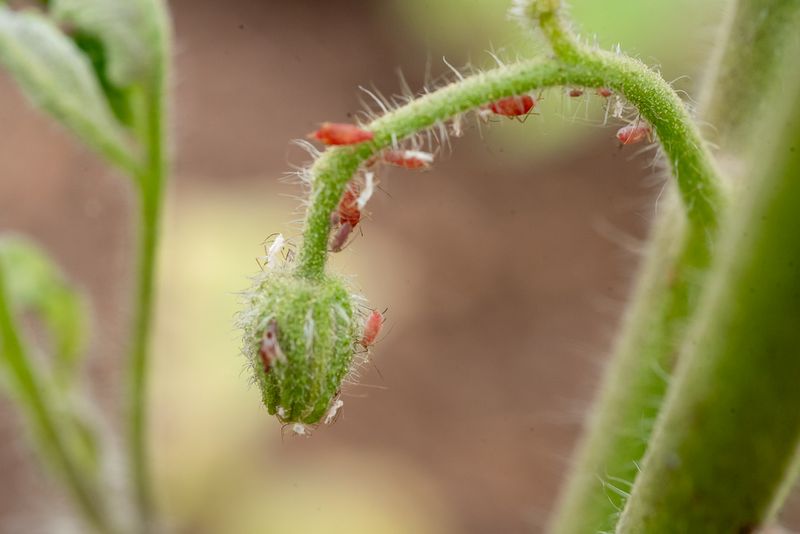
Aphids are tiny, but they can cause big problems. These small, soft-bodied insects cluster on the undersides of leaves and along stems, sucking out the plant’s sap and leaving behind sticky residue called honeydew.
Over time, this weakens the plant and can lead to curled, yellowing leaves.
California’s mild climate and warm springs create perfect conditions for aphid populations to explode quickly. A small group of aphids can multiply into thousands within just a few days, so catching them early really matters.
Start with the easiest fix: a strong blast of water from your garden hose. Spray the undersides of leaves where aphids like to hide.
This knocks them off the plant and usually reduces numbers significantly. Repeat this every couple of days for best results.
Ladybugs are natural aphid predators and are actually native to many parts of California. Attracting them to your garden by planting flowers like marigolds or fennel nearby can help keep aphid numbers in check naturally.
If things get out of hand, insecticidal soap spray is a gentle and effective option. Apply it in the early morning or evening to avoid harming beneficial insects that might be visiting your garden during the day.
5. Whiteflies
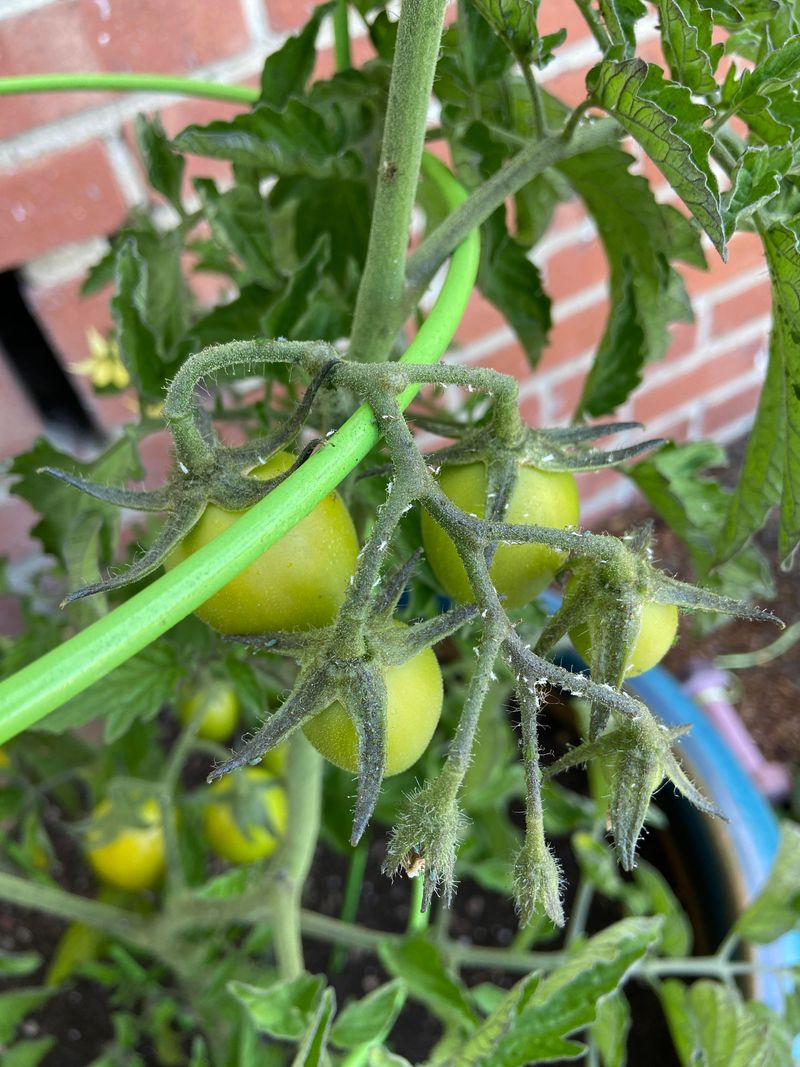
Walk past your tomato plants and suddenly a cloud of tiny white insects rises up into the air. That is whiteflies, and they are a very familiar problem for California gardeners, especially in warmer regions like the San Joaquin Valley and Southern California.
Whiteflies feed on plant sap just like aphids do. They also leave behind sticky honeydew that can encourage a black sooty mold to grow on leaves.
Over time, a heavy infestation can slow down fruit production and weaken the overall health of your tomato plants.
Yellow sticky traps hung near your plants are a great first step. Whiteflies are attracted to the color yellow and will get stuck on the trap, helping you monitor and reduce their numbers.
These traps are inexpensive and available at any California garden supply store.
Reflective mulch on the soil surface can also confuse and deter whiteflies from landing on your plants in the first place. If the problem persists, neem oil spray is a popular and effective organic solution.
Spray it on the undersides of leaves where whiteflies gather. Apply early in the morning before the heat of the California sun sets in, and repeat every five to seven days until the infestation is under control.
6. Leaf Curl
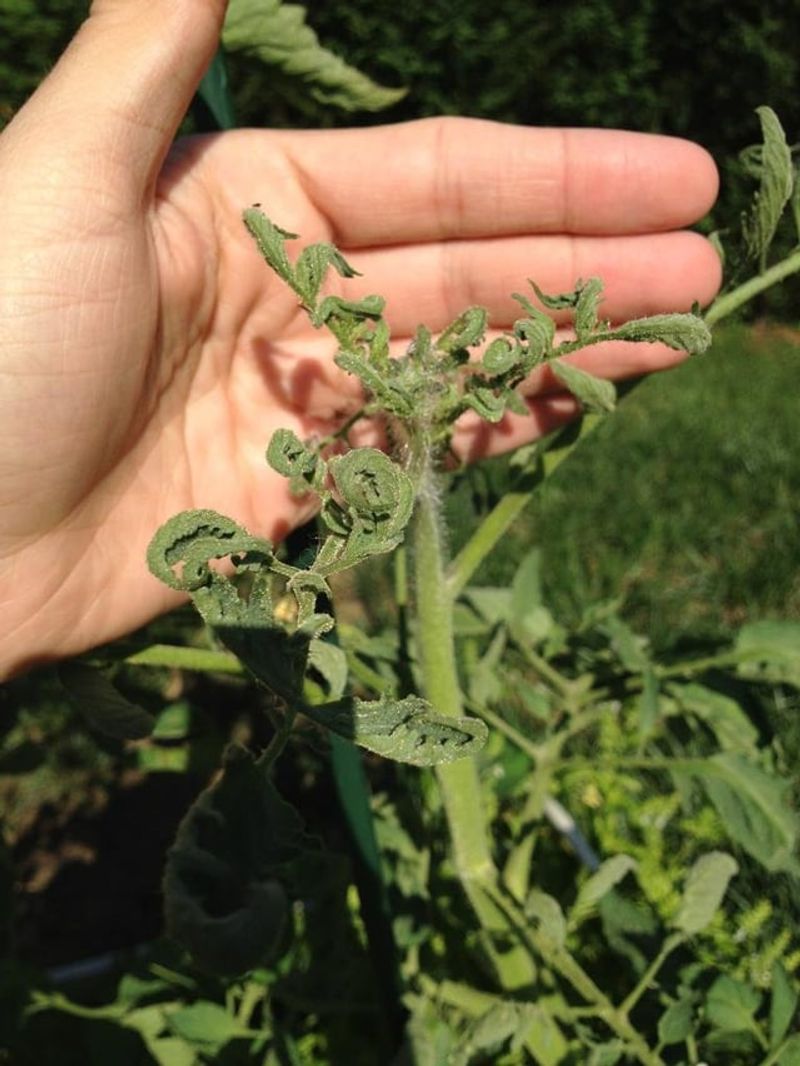
Seeing your tomato leaves curl can feel alarming, but it does not always mean something is seriously wrong. Leaf curl is one of those tomato problems that has several possible causes, and figuring out which one is affecting your plant makes all the difference.
The most common reason tomato leaves curl in California is heat stress. When temperatures soar, especially in inland areas, the plant curls its leaves inward to reduce water loss.
This is actually the plant protecting itself. If the curling happens during a hot spell and the leaves look otherwise healthy and green, heat stress is likely the culprit.
Overwatering is another common cause. When roots sit in soggy soil for too long, they struggle to function properly, and the leaves may curl as a result.
Make sure your soil drains well and that you are not watering too frequently.
Inconsistent watering can also trigger leaf curl, especially when plants go from very dry to suddenly very wet. Sticking to a regular watering schedule helps prevent this pattern.
If your leaves are curling along with yellowing or spotting, it could point to a viral issue, and removing the affected plant is the safest move to protect the rest of your garden.
7. Powdery Mildew
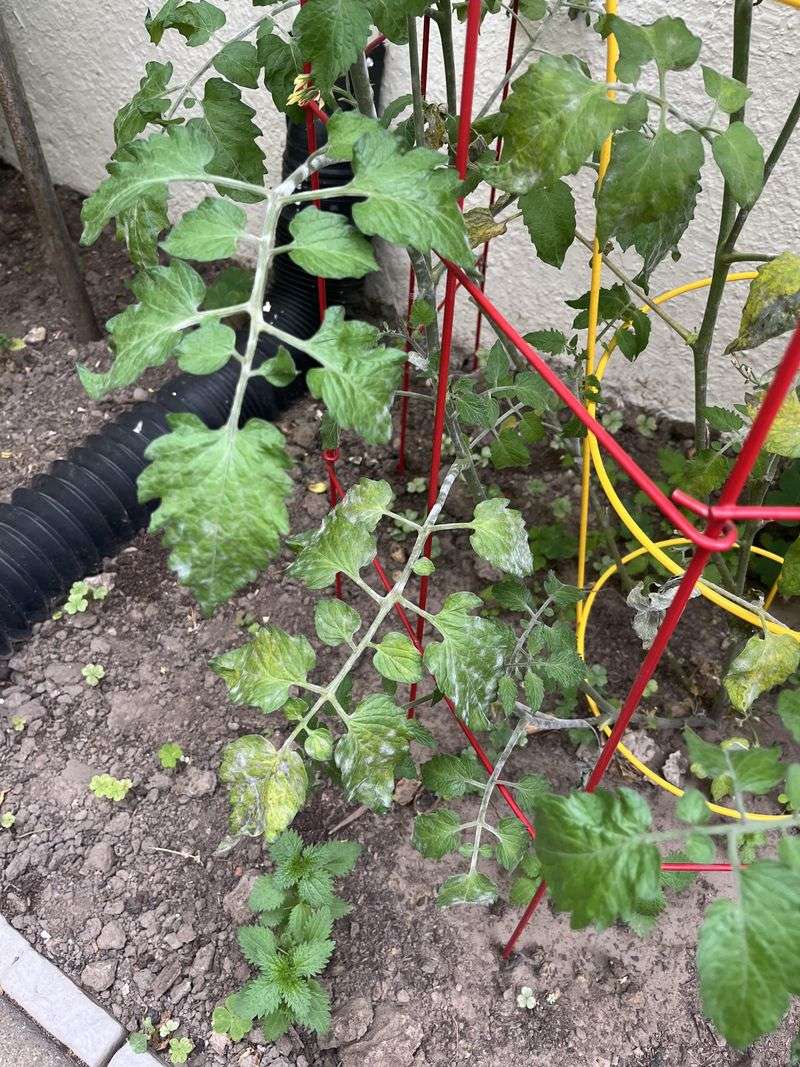
That white, dusty coating on your tomato leaves is not dirt. Powdery mildew is a fungal problem that shows up as a white or grayish powder spreading across the surface of leaves, and it can spread quickly if left alone.
Interestingly, powdery mildew does not need wet conditions to thrive. It actually prefers warm days and cool nights, which makes it a common visitor in California coastal gardens and inland areas during the fall growing season.
Poor air circulation around crowded plants also encourages it to spread.
Start by removing heavily affected leaves and disposing of them away from your garden. Do not compost them, as the spores can survive and spread later.
Pruning your plants to improve airflow is a smart preventive step that pays off over time.
A simple homemade spray can help treat mild cases. Mix one tablespoon of baking soda with a few drops of dish soap in a gallon of water and spray it on affected leaves.
Neem oil is another effective organic treatment. Apply either option in the early morning so it has time to work before the afternoon California heat sets in.
With consistent treatment and better airflow, powdery mildew is very manageable and rarely causes lasting harm to your plants.
8. Early Blight
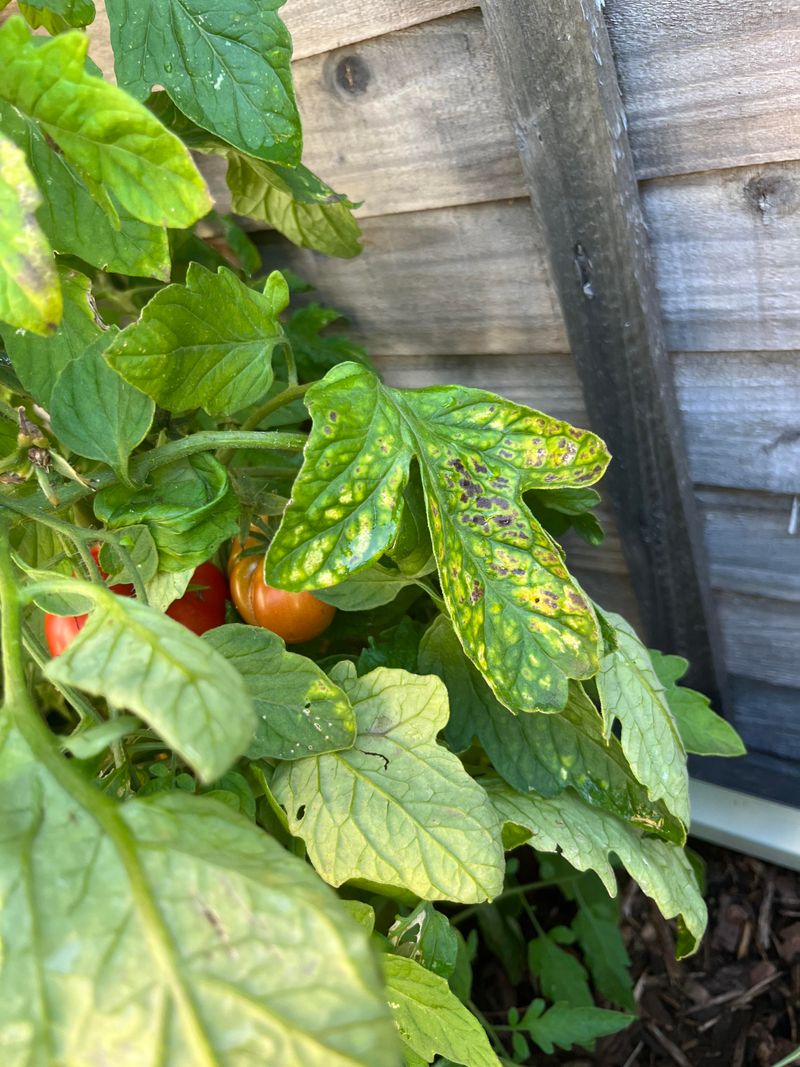
Early blight is one of those problems that sneaks up on California tomato gardeners, especially during warm and humid stretches of weather. It starts as small, dark brown spots on the lower leaves of the plant.
Each spot is usually surrounded by a yellow ring, giving it a target-like appearance that makes it easier to identify.
Left unchecked, early blight spreads upward through the plant, causing leaves to turn yellow and drop off. This reduces the plant’s ability to produce energy through photosynthesis, which eventually slows fruit production.
It is caused by a fungus that lives in the soil and splashes up onto lower leaves during watering or rain.
One of the easiest ways to prevent early blight is to water at the base of the plant rather than overhead. Drip irrigation works great for this and is widely used by California home gardeners.
Mulching around the base of your plants also helps prevent soil splash.
Remove affected leaves as soon as you spot them and wash your hands before touching other plants. Copper-based fungicide sprays are effective at slowing the spread and are approved for organic gardening.
Rotate your tomato crops each year to different garden beds so the fungus does not build up in the same soil season after season.
9. Cracked Tomatoes
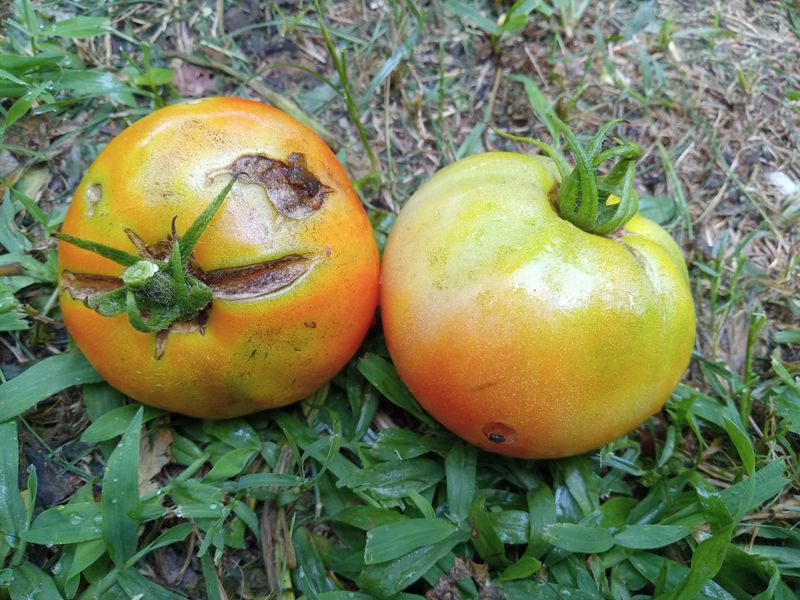
Reaching into your garden and pulling out a beautifully ripe tomato, only to find it split open at the top, is one of the more disappointing moments a California gardener can have. Cracked tomatoes are super common, and the good news is they are almost always caused by something you can control.
Cracking happens when a tomato absorbs water too quickly after a dry period. The inside of the fruit swells faster than the skin can stretch, causing it to split.
In California, this often occurs after a summer heat wave followed by sudden deep watering or after the first fall rains arrive.
The key fix is keeping your watering consistent. Avoid letting the soil dry out completely between waterings, then flooding it with a heavy soak.
Slow and steady wins the race when it comes to tomato watering. A drip system on a timer is one of the best investments a California gardener can make for this reason.
Choosing crack-resistant tomato varieties also helps. Many seed catalogs and California nurseries carry varieties specifically bred to handle fluctuating moisture levels.
Harvest tomatoes as soon as they reach full color rather than leaving them on the vine too long, since fruit that stays on the vine through watering cycles is more likely to crack.
10. Poor Fruit Set
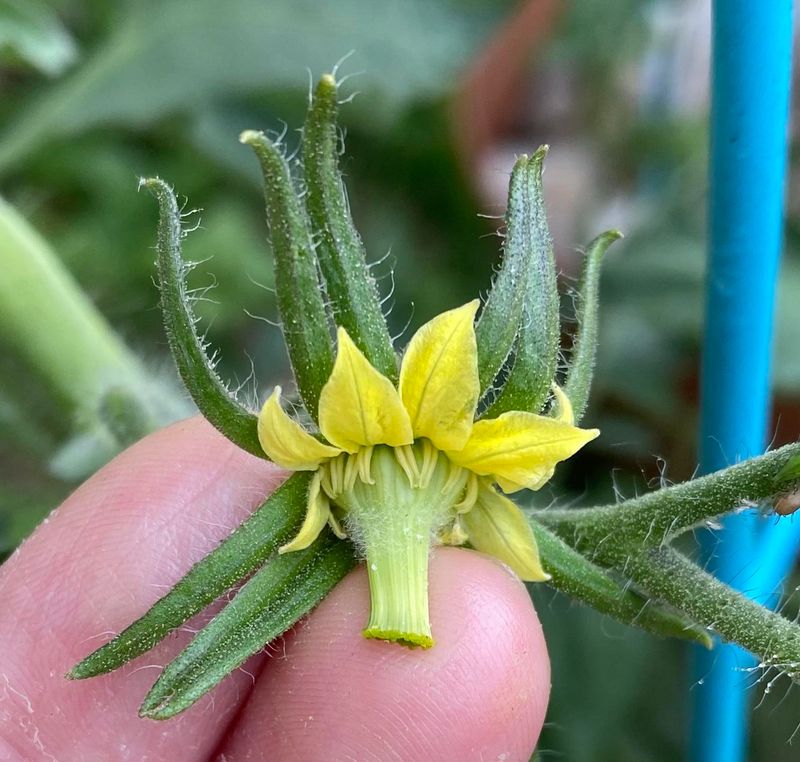
Your tomato plant looks lush, green, and full of flowers, but no fruit is forming. Poor fruit set is a common and confusing problem for California gardeners, and it usually comes down to temperature or pollination issues.
Tomato flowers need temperatures between 55 and 85 degrees Fahrenheit to set fruit properly. When temps climb above 95 degrees, which happens regularly in California’s Central Valley and desert regions during summer, the pollen becomes less viable and fruit simply does not form.
The same thing can happen on the other end when nights get too cool during early spring planting.
Tomatoes are self-pollinating, but they still benefit from a little movement to shake the pollen loose. In a natural setting, wind and bees do this job.
In a sheltered garden with little breeze or low bee activity, you can gently shake the flowering branches by hand or use an electric toothbrush held near the flowers to mimic the vibration bees create.
Planting pollinator-friendly flowers nearby, like lavender or zinnias, invites bees into your California garden and naturally improves pollination rates. During heat waves, misting your plants lightly in the morning can cool things down just enough to help flowers set fruit.
Timing your planting so fruit sets before peak summer heat also makes a real difference.