What To Plant With Tomatoes In Arizona For Stronger And Healthier Growth
Tomatoes can look fine early in Arizona, then suddenly slow down once heat and dry soil start working against them. What gets planted nearby can shift how they handle that change, even if it does not seem obvious at first.
Some pairings help keep growth steady, while others compete for what tomatoes need most.
Choosing the right plants to go alongside them is not just about saving space. Layout, timing, and plant type all shape how strong and balanced everything looks as the season moves forward.
A well planned mix can make the whole setup feel easier to manage without adding extra work.
Getting those combinations right from the start can change how tomatoes perform later on, especially during the toughest stretch of Arizona heat.
1. Basil Grows Well Alongside Tomatoes In Warm Conditions
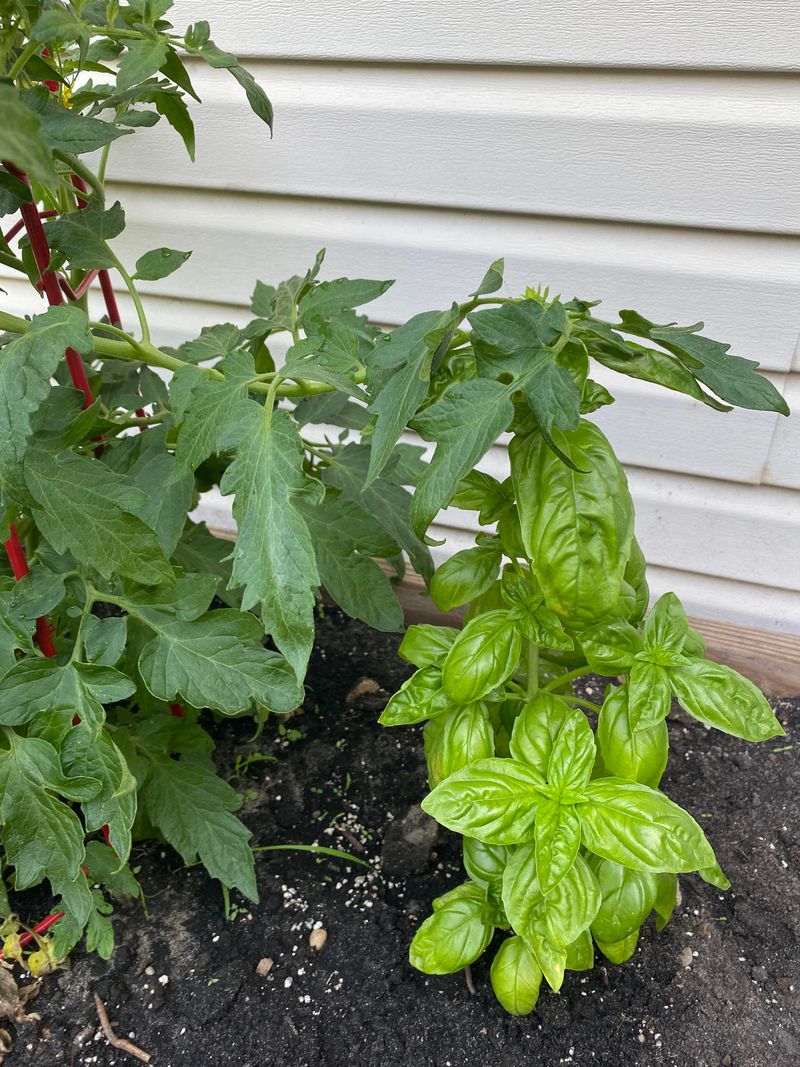
Basil and tomatoes have been planted together for generations, and there’s a reason that tradition stuck around. In Arizona’s scorching summers, basil genuinely thrives right next to tomato plants.
Both crops love warmth, need consistent watering, and do well in well-draining soil, making them naturally compatible in desert garden beds.
Basil produces aromatic oils that some gardeners believe help confuse or deter certain insects, including aphids and whiteflies.
Planting basil on the east or north side of tomato plants can give it a bit of afternoon shade during the hottest months, which actually helps the basil last longer before bolting. Tucson and Phoenix gardeners often find basil bolts quickly in peak summer, so that shade trick buys more time.
Keep basil well-watered and pinch off flower heads as they appear to extend the harvest. Letting basil flower near your tomatoes is not harmful, and the blooms do attract pollinators.
Either way, this pairing works well in Arizona gardens and gives you a useful culinary herb right beside your tomatoes.
Basil’s dense growth can also help shade the soil slightly, which reduces water evaporation during Arizona’s intense heat.
Harvesting basil regularly also encourages fresh growth, which keeps the plant fuller and more productive through the heat.
Spacing basil a little apart from tomato stems improves airflow, which helps reduce humidity buildup around the plants.
2. Marigolds Are Commonly Used To Help With Soil Nematodes
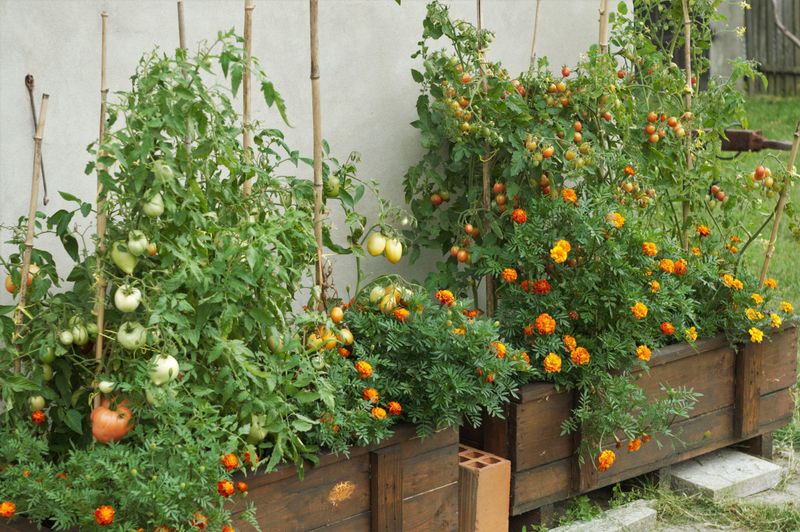
Few plants earn their spot in an Arizona garden quite like marigolds do.
Arizona’s warm soil temperatures keep nematodes active for much of the year, which means tomato roots can take damage before you even notice symptoms above ground.
Planting marigolds as a border or interplanted between tomato rows gives the soil a fighting chance against these microscopic pests.
Marigolds also attract hoverflies and other beneficial insects that feed on aphids. In a state where pest pressure stays high through spring and fall growing seasons, that kind of natural support matters.
You’re essentially inviting pest predators to hang around your garden without any extra effort.
One thing worth knowing is that marigolds need to be planted thickly and allowed to mature fully for the nematode-suppressing effect to kick in. A single row of sparse plants won’t do much.
Your Arizona Garden Changes Every Week. Your Plan Should Too.
Gardening in Arizona changes quickly throughout the season. Every Friday you’ll receive a simple weekly plan showing exactly what to plant, prune, fertilize, harvest, and protect so you never miss the right timing.
Plan for at least a solid border of French marigolds, water them regularly, and let them do their job through the entire growing season in your Arizona tomato garden.
They stay reliable through intense heat, so they won’t struggle or drop off when temperatures climb.
Dense planting also helps release more of the natural compounds into the soil, which strengthens their overall effect against nematodes over time.
3. Nasturtiums Can Act As A Trap Crop For Aphids
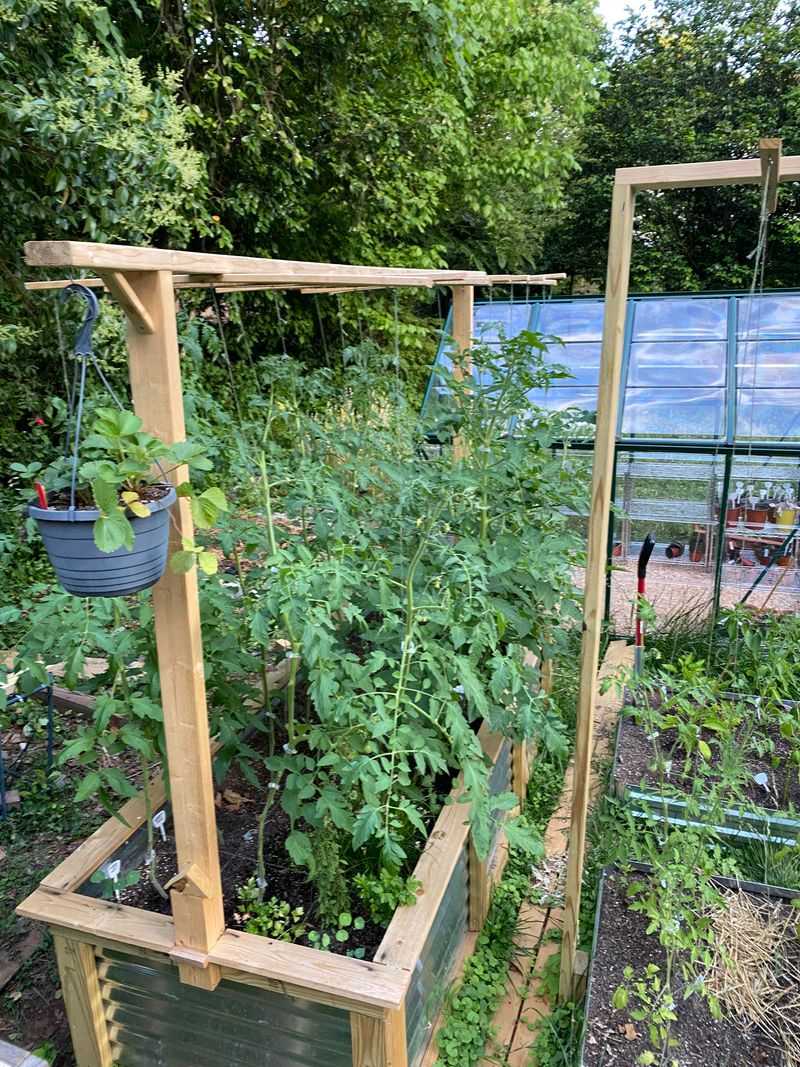
Nasturtiums are one of those plants that actually work harder than they look. Bright, cheerful flowers aside, they serve a practical role as a trap crop, meaning aphids are strongly attracted to them and tend to cluster on nasturtiums rather than spreading across your tomato plants.
In Arizona, aphid pressure picks up during the cooler spring and fall growing windows when temperatures drop below the brutal summer peak.
Planting nasturtiums at the edges of your tomato beds during those periods gives aphids an easy target that isn’t your tomatoes.
You can then remove or treat the nasturtiums without stressing the main crop.
Nasturtiums are also edible, which is a bonus many gardeners appreciate. Both the leaves and flowers have a peppery flavor and work well in salads.
So even if they take some pest damage, they’re still pulling double duty in your Arizona garden.
Growing nasturtiums in Arizona is straightforward. Sow seeds directly in the ground after the last frost risk passes, give them decent drainage, and water moderately.
They don’t need much fertilizer and actually prefer leaner soil. Full sun works, though in Phoenix or Tucson summers they may appreciate a little afternoon shade to stay productive longer into the season.
Once established, they spread outward and create a living ground cover that helps fill empty space around tomatoes, making it harder for weeds to take hold while keeping the bed looking full and active.
4. Chives May Help Deter Some Insects Around Plants
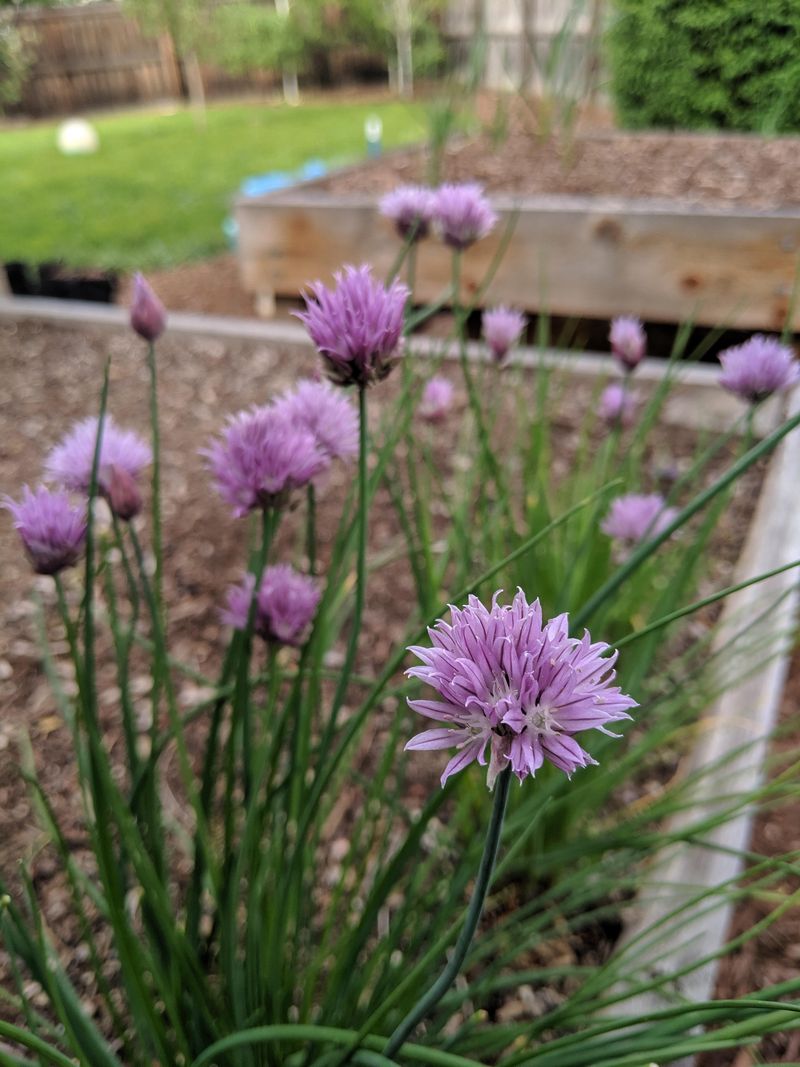
Chives bring a quiet but reliable kind of support to a tomato garden. Belonging to the allium family, chives produce sulfur compounds that some insects find off-putting.
While chives aren’t a guaranteed pest barrier, gardeners across Arizona have noticed fewer aphid problems near beds where chives are consistently grown.
What makes chives especially practical in Arizona is how tough they are. Once established, they handle heat reasonably well and come back season after season if you don’t pull the bulbs.
That perennial quality means less replanting work, which is always appreciated when managing a desert garden through multiple growing cycles.
Chive flowers are small, purple, and genuinely attractive to pollinators. Bees visit them regularly, which helps with overall pollination in your tomato garden.
Better pollination often means better fruit set, especially during the tricky temperature swings Arizona gardeners experience in spring and early fall.
Planting chives around the base of tomato plants or as a border along your garden beds is a simple approach. Keep them watered consistently, especially during the hottest months, and trim them back occasionally to encourage fresh growth.
Chives also work well in containers, so if you’re gardening on a patio in Scottsdale or Tempe, they’re an easy addition that takes up minimal space while still offering some pest-deterring benefit.
Their upright growth habit keeps them from competing heavily with tomato plants for space, so they fit in easily without crowding the bed or blocking airflow.
5. Garlic Produces Compounds That Repel Certain Pests
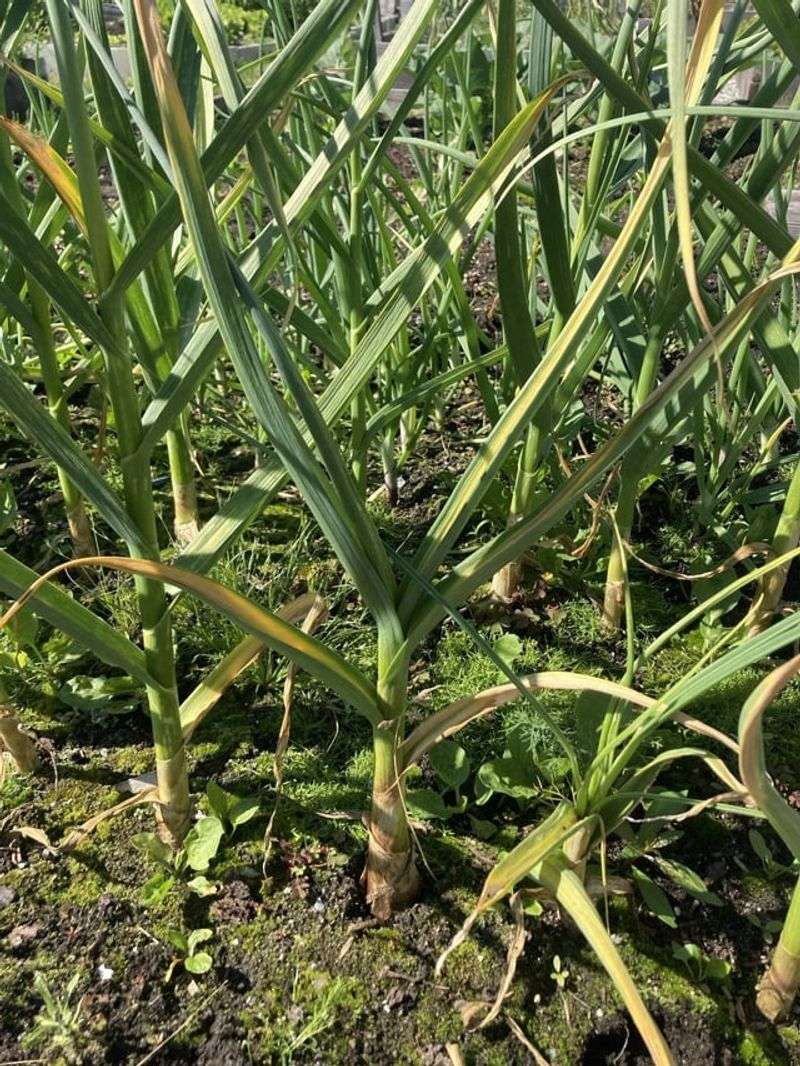
Garlic has a reputation for keeping pests at a distance, and that reputation is at least partially backed by evidence. Allicin and other sulfur-based compounds released by garlic plants have shown some repellent effects on spider mites, aphids, and certain beetles in garden settings.
Spider mites are a serious issue for Arizona tomato growers, especially during the hot, dry months when populations explode fast.
Planting garlic between or around tomato plants adds a layer of chemical deterrence that works passively without any spraying or maintenance beyond normal watering.
It won’t eliminate pest problems on its own, but combined with other companion plants, it contributes to a less pest-friendly environment overall.
Timing matters for garlic in Arizona. Garlic is typically planted in fall and harvested in spring, which lines up with the early tomato growing season in lower-elevation parts of the state.
In areas like the Phoenix metro, you can have garlic in the ground through winter and pull it just as tomato season gets going, giving you months of potential pest protection beforehand.
After harvest, garlic cloves left in the soil or replanted immediately can continue providing some benefit. Even garlic sprays made from crushed cloves and water are used by some Arizona gardeners as a topical deterrent.
Fresh garlic in the ground, though, offers the most consistent long-term support for your tomato plants.
6. Onions Share Similar Growing Needs Without Competing Heavily
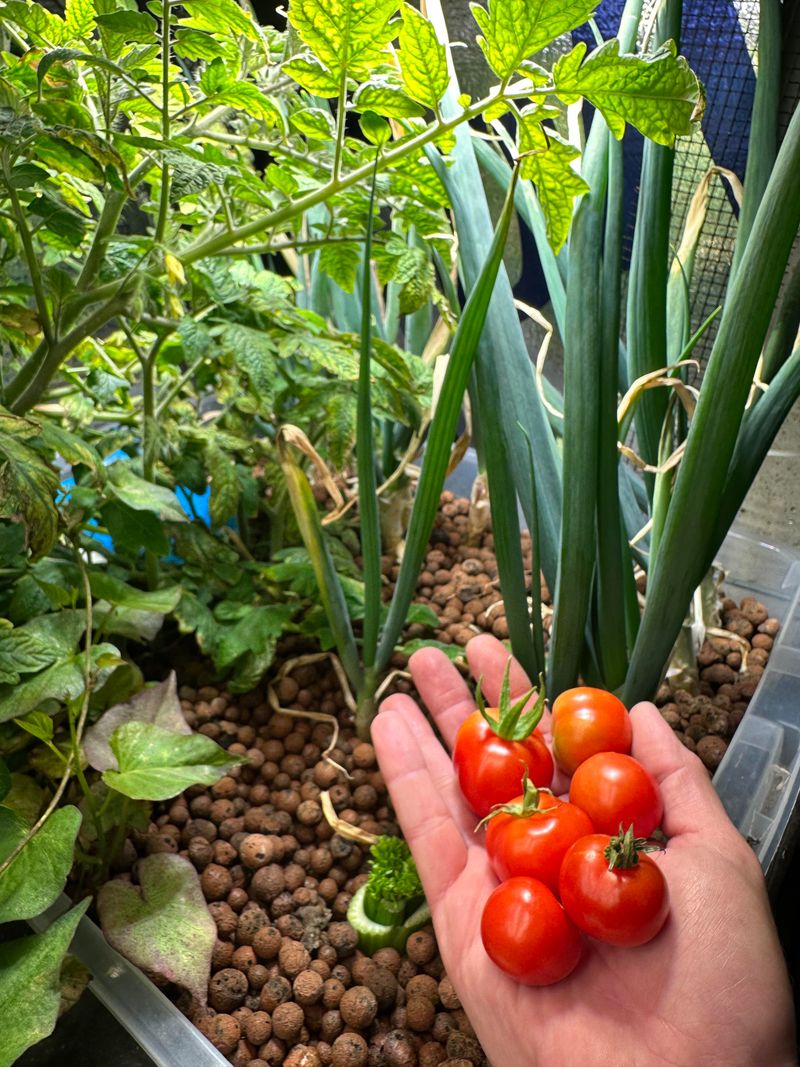
Onions are low-drama garden companions. They don’t sprawl, they don’t shade neighboring plants aggressively, and they don’t pull excessive nutrients from the soil in a way that would stress nearby tomatoes.
For Arizona gardeners looking for a practical space-filler that also offers pest-deterring benefits, onions are worth serious consideration.
Like garlic, onions release sulfur compounds that certain pests find unpleasant. Thrips are actually attracted to onions, which can be a downside, but most other common tomato pests tend to avoid areas where onions are growing.
Keep an eye on thrip populations if you go this route, especially during Arizona’s dry spring months when thrip activity tends to spike.
Onions grow well in Arizona during the cooler months, from fall through early spring depending on elevation. Short-day onion varieties do especially well in the lower desert regions around Phoenix and Yuma.
Planting them around tomatoes that are getting established in early spring makes solid timing sense for those zones.
Water requirements for onions and tomatoes are reasonably compatible, which simplifies irrigation scheduling. Both prefer consistent moisture without waterlogging.
Drip irrigation works well for this combination in Arizona, delivering water directly to root zones and reducing evaporation in the dry desert air.
Onions also don’t need much vertical space, so they tuck neatly between tomato cages without causing crowding issues.
7. Parsley Flowers Attract Beneficial Insects
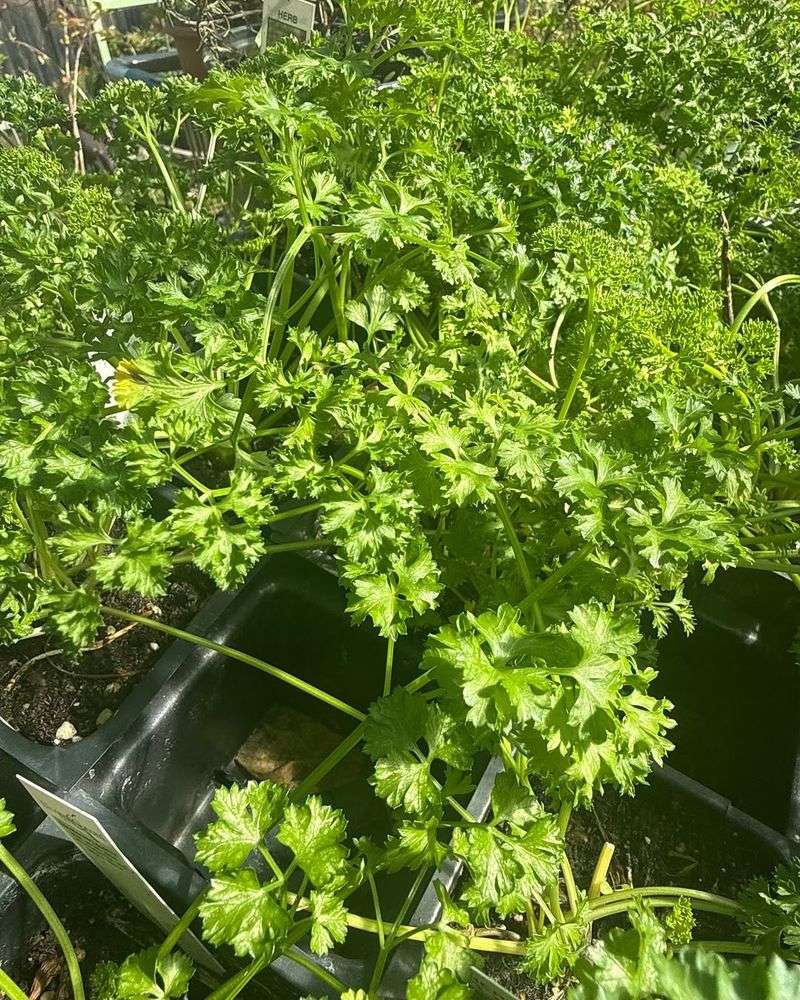
Most gardeners harvest parsley before it ever gets a chance to flower, but letting it bolt is actually one of the smartest things you can do for your Arizona tomato garden.
Parsley flowers belong to the carrot family, and those tiny white umbrella-shaped blooms are magnets for parasitic wasps, hoverflies, and lacewings, all of which prey on common tomato pests.
Parasitic wasps target hornworms, whiteflies, and aphids. If you’ve ever dealt with a tomato hornworm infestation in Arizona, you know how fast those caterpillars can strip a plant.
Having natural predators already present in your garden before pest populations build up gives your tomatoes a genuine defensive advantage.
Letting a few parsley plants go to flower while keeping others trimmed for kitchen use is a practical balance. You get fresh herbs for cooking and natural pest control working at the same time.
In Arizona’s extended spring season, parsley can hold on for quite a while before the summer heat forces it out.
Parsley grows best in Arizona during fall and winter, then bolts as temperatures warm in spring. That timing lines up well with early tomato planting in the low desert, so the flowering parsley and the young tomato plants are often in the garden at the same time.
Plant parsley in partial shade during warmer months to extend its productive window and keep those beneficial insects coming back regularly.
8. Cilantro Bolts Fast But Supports Beneficial Bugs When Flowering
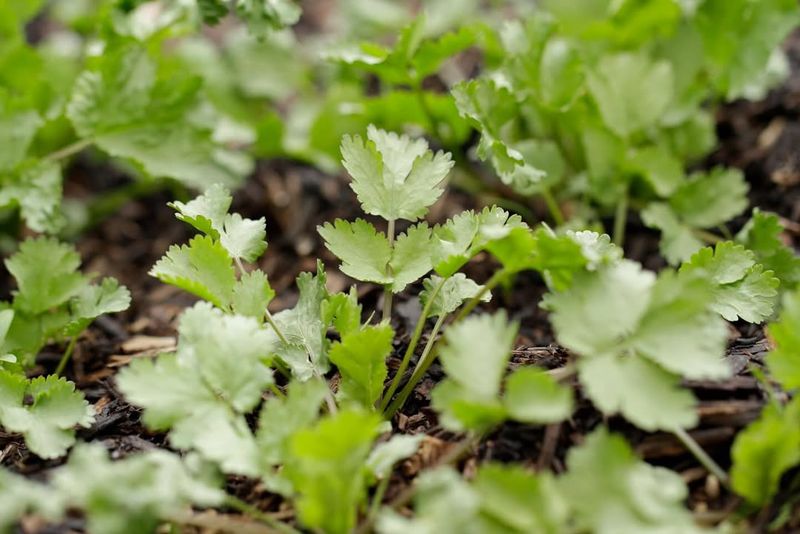
Cilantro is famously impatient in warm weather, and Arizona gives it plenty of reasons to bolt quickly. Rather than fighting that tendency, smart gardeners in the region use it to their advantage.
Once cilantro flowers, it becomes a powerful attractor for beneficial insects, including parasitic wasps and predatory beetles that help keep pest populations under control around tomatoes.
The flowers are small and white, similar to parsley, and they bloom in clusters that insects absolutely flock to. Hoverflies, which look like tiny bees but are actually flies, visit cilantro blooms regularly.
Their larvae feed on aphids, making them valuable allies in any Arizona tomato patch where aphid pressure is a seasonal concern.
Staggering your cilantro plantings every two to three weeks extends the window of available blooms. When one batch bolts, another is just getting started.
In Tucson and other parts of southern Arizona, fall and early spring are the most productive times to grow cilantro before summer heat shuts it down fast.
Cilantro also self-seeds readily, which means a patch you plant once can keep coming back on its own in subsequent seasons. That self-seeding habit creates a semi-permanent presence in your garden without much effort on your part.
Leave a few spent plants in place and let nature handle the replanting while you focus on keeping your Arizona tomatoes healthy and productive through the season.