7 Fast-Spreading Perennials That Won’t Take Over Your Texas Garden
Spreading perennials have a reputation problem in Texas, and a lot of it is deserved. Gardeners who have spent a season battling an aggressive spreader that jumped its borders, crowded out everything nearby, and turned removal into a multi-weekend project have every right to approach anything described as “fast spreading” with serious caution.
The label alone is enough to make experienced Texas gardeners take a step back. But fast spreading and invasive are not the same thing, and that distinction matters a lot when you’re trying to fill a garden bed efficiently without babysitting every square foot of it.
There are perennials that spread with real purpose and genuine speed, covering ground beautifully and filling in gaps that would otherwise invite weeds, without crossing the line into the kind of aggressive behavior that creates bigger problems than it solves.
In Texas, where establishing ground cover quickly has real practical value against the heat and drought, these perennials hit exactly the right balance.
1. Gregg’s Mistflower
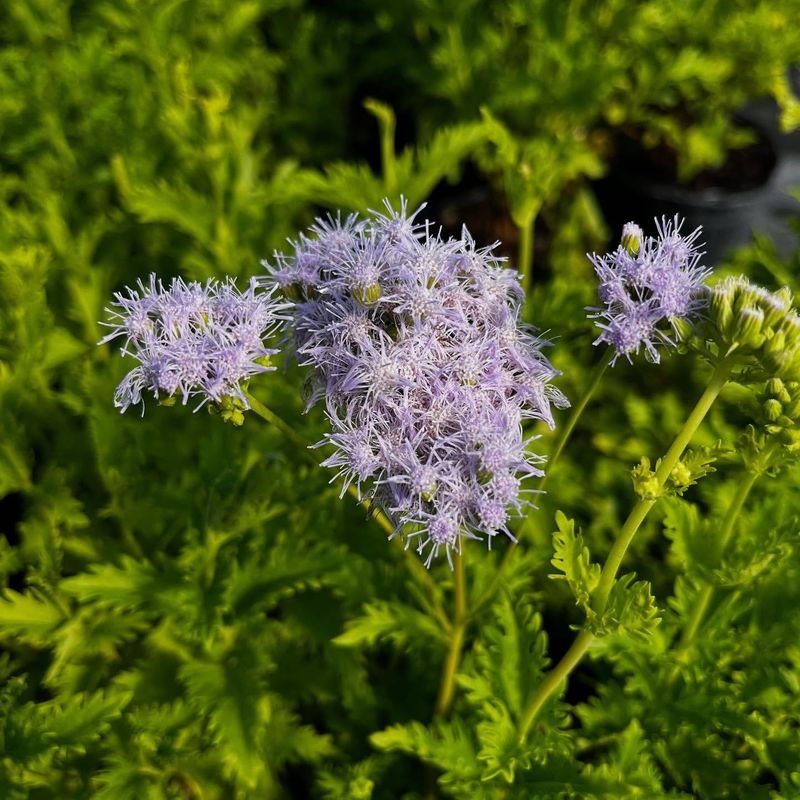
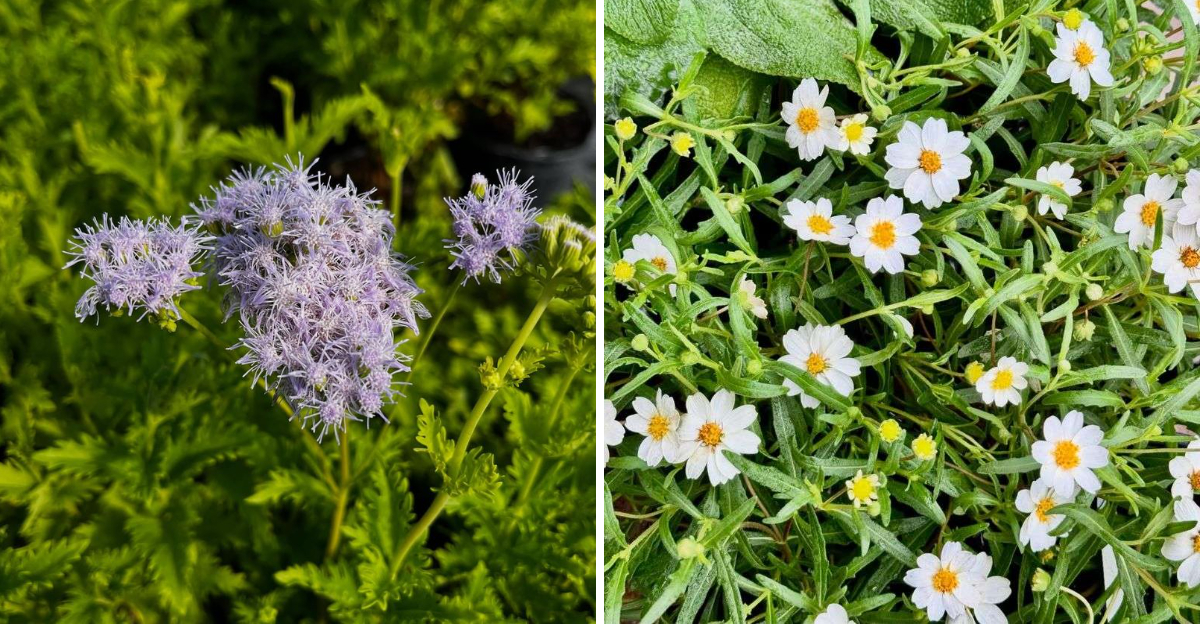
Walk past a patch of Gregg’s Mistflower on a warm Texas afternoon, and you’ll stop in your tracks. The fuzzy, lavender-blue blooms practically vibrate with butterfly activity. Monarchs, Queens, and Skippers all flock to it like it’s the best restaurant in town.
Native to Texas and northern Mexico, this perennial grows about two to three feet tall and spreads through underground rhizomes. It fills garden beds steadily over a few seasons, but it doesn’t sprint out of control.
You can easily pull up extra stems if it creeps where you don’t want it. Gregg’s Mistflower blooms in fall, which makes it extra special. Most plants are winding down by October, but this one is just getting started.
In Central and South Texas, it puts on a show right when migrating butterflies need fuel the most.
It loves full sun and handles dry spells well once it’s settled in. Plant it along a fence, at the back of a border, or anywhere you want a natural, flowing look. Pair it with Autumn Sage or Blackfoot Daisy for a pollinator-packed Texas garden corner.
One thing to keep in mind: Gregg’s Mistflower can spread more aggressively in moist, rich soil. In average or slightly dry conditions, it stays much more well-behaved.
Giving it a trim after blooming also helps keep the clump tidy and encourages fresh growth the following year.
2. Winecup
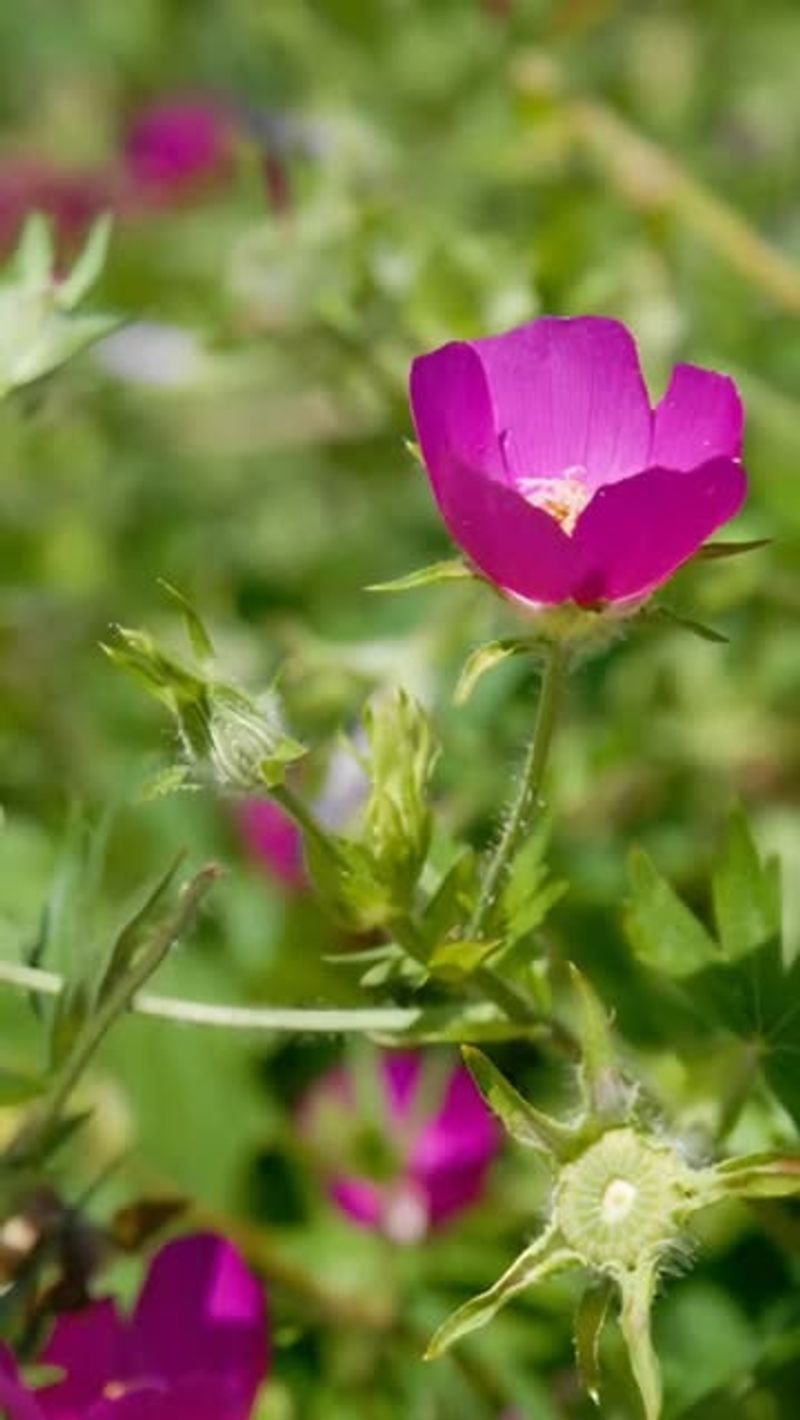
There’s something almost magical about Winecup. Those deep, jewel-toned magenta blooms open wide toward the sun like tiny goblets, and they keep coming back spring after spring without much fuss.
It’s one of those plants that makes your garden look like you really know what you’re doing. Winecup, also called Callirhoe involucrata, is a native Texas wildflower that stays low to the ground. Its trailing stems spread outward, covering sunny patches in a loose, relaxed way.
It rarely grows taller than a foot, so it works beautifully as a groundcover between taller plants or along pathways.
Your Texas Garden Changes Every Week. Your Plan Should Too.
Gardening in Texas changes quickly throughout the season. Every Friday you’ll receive a simple weekly plan showing exactly what to plant, prune, fertilize, harvest, and protect so you never miss the right timing.
Because it spreads by trailing stems rather than aggressive underground runners, it’s easy to guide and manage. If a stem wanders somewhere unwanted, just redirect it or snip it off. The plant won’t throw a fit, and your garden stays looking intentional.
Across Texas, Winecup thrives in well-drained, rocky, or sandy soil. It’s extremely drought-tolerant once established, which is a huge bonus during hot Texas summers.
Too much water or heavy clay soil can actually cause problems, so lean toward drier conditions.
Winecup goes dormant in summer heat and comes roaring back in fall and spring. That cycle might surprise new gardeners, but it’s completely normal.
Plant it where summer annuals can fill the gap, and you’ll enjoy a seamless, colorful display across multiple seasons without worrying about it smothering neighboring plants.
3. Blackfoot Daisy
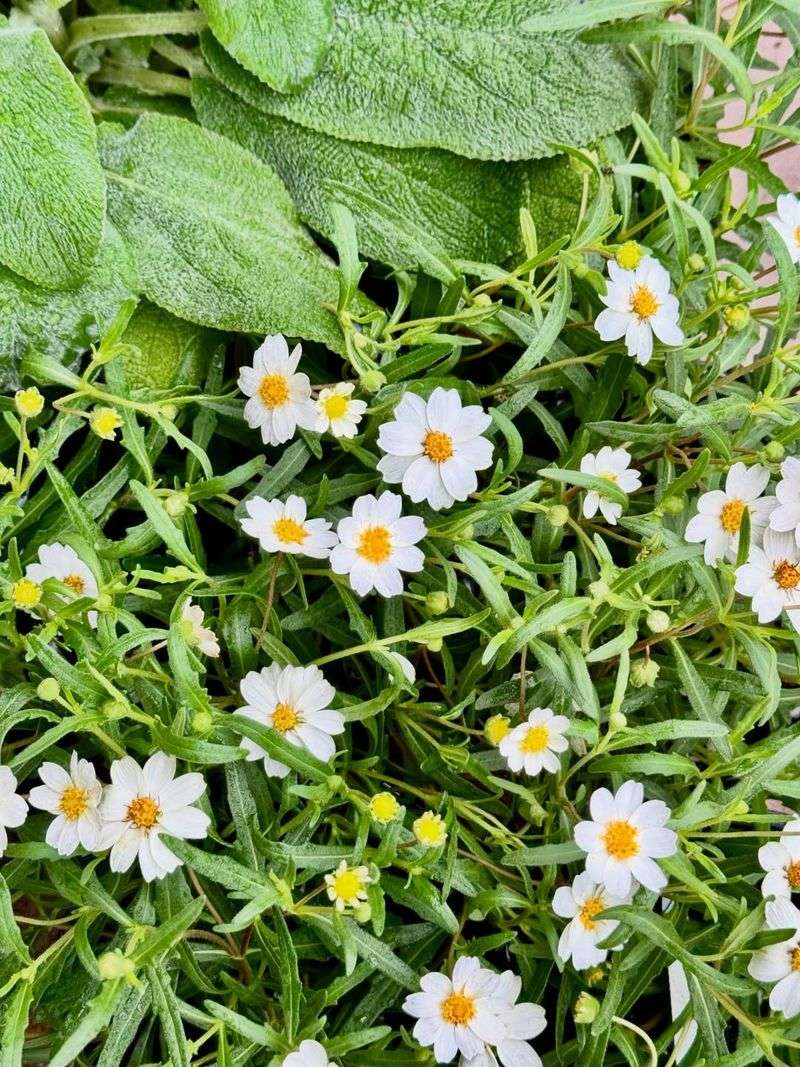
If you’ve ever driven along a Texas highway in spring and spotted clusters of bright white daisies dotting the rocky roadside, you’ve probably already met Blackfoot Daisy. It’s one of those plants that looks like it belongs exactly where it’s growing, because it does.
Blackfoot Daisy forms tidy, rounded mounds about one foot tall and one to two feet wide. It spreads slowly by reseeding itself nearby, filling gaps in a garden bed with cheerful white blooms that have sunny yellow centers.
The spreading is gradual and polite, never pushy. What makes this plant such a great fit for Texas gardens is its toughness. It thrives in poor, rocky, or sandy soils and demands very little water once established.
Overwatering is actually one of the few ways to stress this plant out, so less is definitely more.
Blooms appear from early spring all the way into fall, especially if you give the plant a light shearing after each big flush of flowers. That little bit of maintenance keeps the mounds looking fresh and encourages more blooms to follow. It’s a small effort for a big reward.
Blackfoot Daisy pairs wonderfully with other Texas natives like Autumn Sage and Damianita. Together, they create a low-water, low-maintenance planting that looks intentional and polished.
Whether you garden in El Paso, Midland, or the Hill Country, this daisy adapts beautifully to the dry, sunny conditions that define so much of the Texas landscape.
4. Autumn Sage
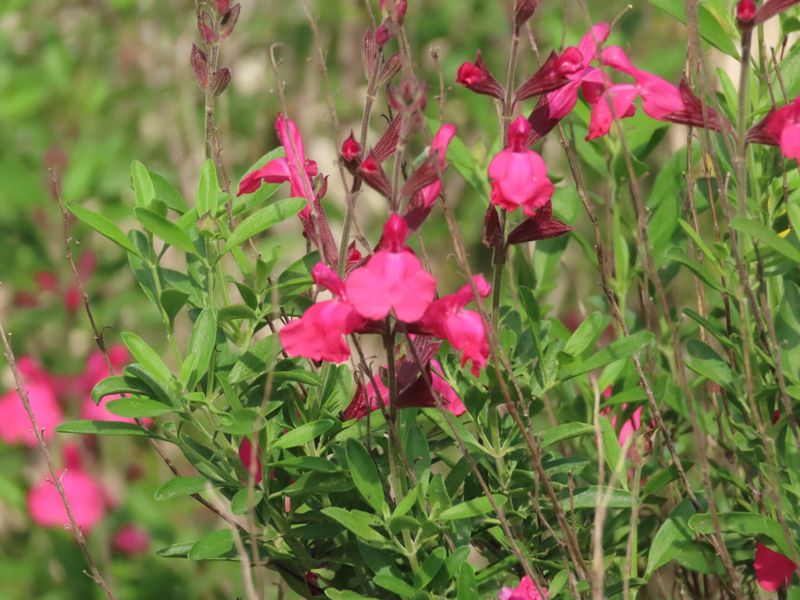
Hummingbirds go absolutely wild for Autumn Sage. Those small, tubular red flowers are like a flashing neon sign that says “free nectar here,” and the birds respond accordingly.
If attracting wildlife to your Texas garden is on your wish list, this plant belongs at the top of yours.
Autumn Sage, or Salvia greggii, is a compact, woody perennial that gradually expands into fuller clumps over time. It typically reaches two to three feet in height and width, spreading at a relaxed pace that’s easy to manage.
A pair of pruning shears once or twice a year keeps it looking its best. One of the most impressive things about this plant is its blooming season.
In Texas, Autumn Sage can flower from spring all the way through the first frost, with the heaviest displays happening in fall. That long season of color makes it incredibly valuable in any perennial garden design.
It handles the heat and drought that come with Texas summers without much complaint. Plant it in full sun and well-drained soil, and it will reward you with years of reliable color. Wet feet in heavy clay soil are about the only thing it really struggles with.
Autumn Sage comes in red, pink, coral, and white varieties, so there’s a shade to match almost any garden palette.
Mix different colors together for a bold, layered look, or keep it classic with the traditional red. Either way, your garden and your local hummingbirds will both be thrilled.
5. Damianita
Not every garden plant needs to be bold and dramatic. Sometimes the most satisfying additions are the ones that quietly do their job, look great year after year, and never cause a single headache. Damianita is exactly that kind of plant.
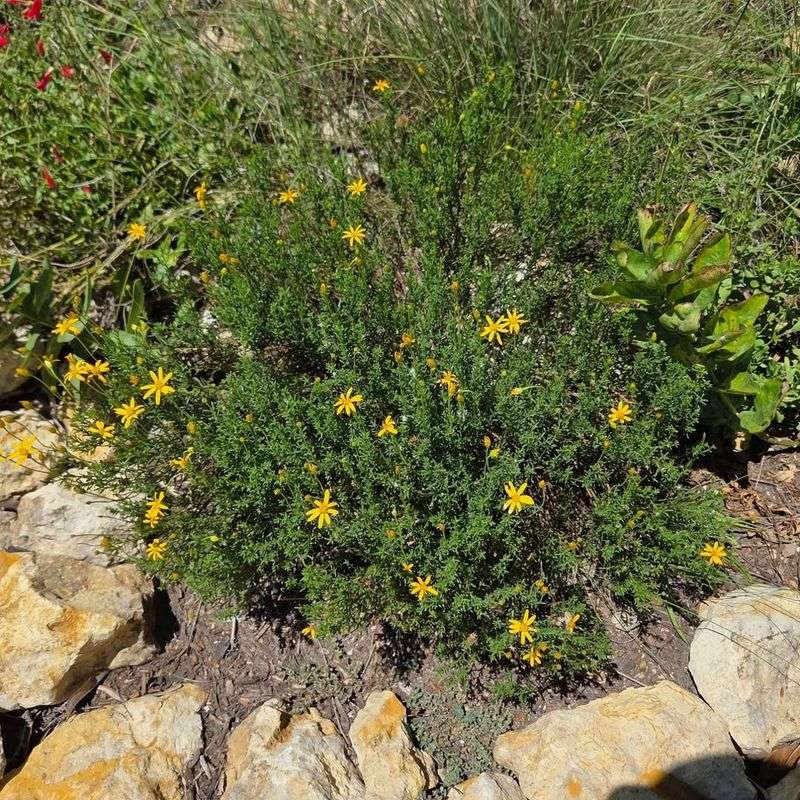
Native to West Texas and the Chihuahuan Desert, Damianita is a compact, evergreen shrub that reaches about one to two feet tall and wide. It spreads very slowly, forming dense, rounded mounds of fine, needle-like foliage.
Bright yellow, daisy-like flowers cover the plant in spring and occasionally again in fall. The spreading habit of Damianita is naturally controlled. It won’t creep into neighboring plants or send runners across your garden beds.
What you plant is essentially what you get, maybe just a little fuller and rounder over the years. That predictability is a real comfort in garden planning.
Damianita is built for tough Texas conditions. It thrives in full sun, rocky or sandy soil, and long dry spells.
Once established, it needs almost no supplemental watering, making it a champion for water-wise gardens across West Texas, the Hill Country, and beyond.
The fragrant foliage is a bonus that not everyone mentions. Brush against it or crush a few leaves, and you’ll notice a pleasant herbal scent.
It’s a small sensory detail that adds another layer of enjoyment to your garden experience. Plant it along walkways or borders where people are likely to brush past and catch that subtle fragrance.
6. Frogfruit
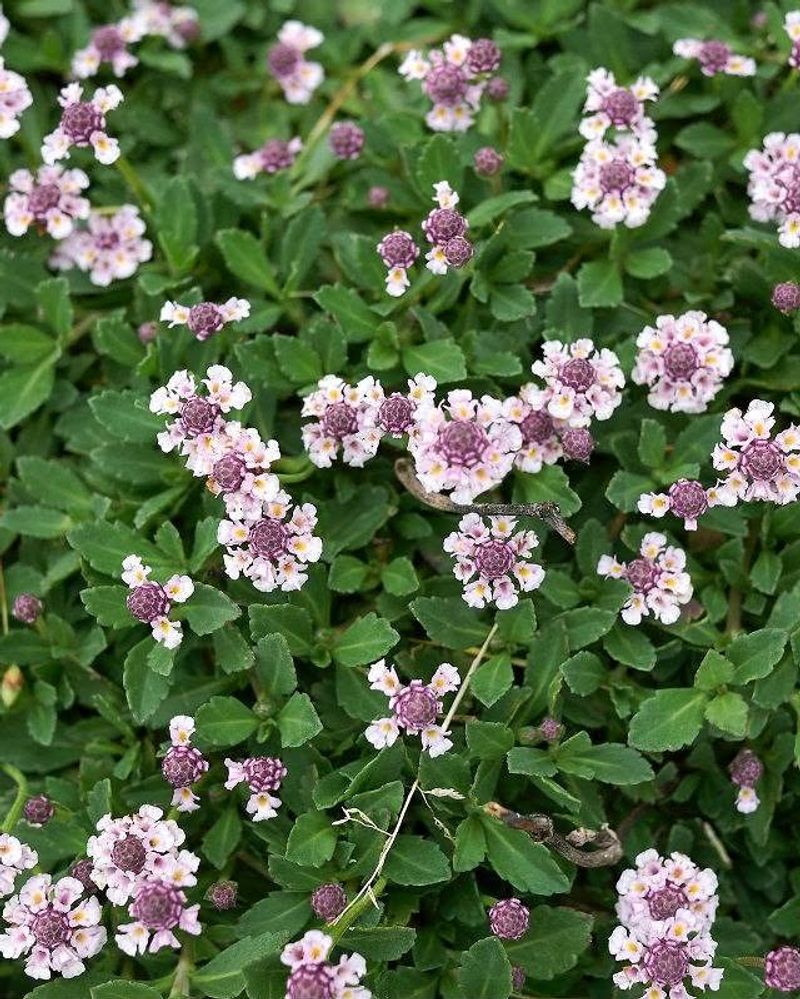
The name might make you laugh, but Frogfruit is seriously one of the hardest-working groundcovers in Texas.
It spreads quickly, stays low, and produces tiny white flowers that butterflies, especially the tiny ones, absolutely love. For bare, sunny patches that need covering fast, it’s one of the best tools in the box.
Frogfruit, or Phyla nodiflora, is a native Texas groundcover that creeps along the ground using trailing stems that root as they go. It can spread several feet in a single season, which sounds alarming, but it’s actually quite easy to manage.
A quick trim along the edges keeps it right where you want it. Unlike some aggressive spreaders, Frogfruit doesn’t send deep underground runners that are hard to remove. The surface stems lift away cleanly if you decide to edit its boundaries.
That makes it a flexible, low-stress option even for gardeners who like things neat and tidy. It handles full sun and moderate drought well, and it’s also surprisingly tolerant of light foot traffic. Some Texas gardeners use it as a lawn substitute in areas where traditional grass struggles.
It stays green through most of the year in warmer parts of the state, including South Texas and the Gulf Coast region. Frogfruit is also a larval host plant for several butterfly species, including the Phaon Crescent and White Peacock.
So while it’s covering your ground and looking tidy, it’s also quietly supporting the local butterfly population. That’s a pretty impressive resume for such an unassuming little plant.
7. Inland Sea Oats
Shady gardens in Texas can be tricky. Most sun-loving natives won’t perform well under trees, and finding plants that look graceful rather than scraggly in low light takes some searching.
Inland Sea Oats solves that problem with style and a quiet kind of elegance that’s hard to beat.
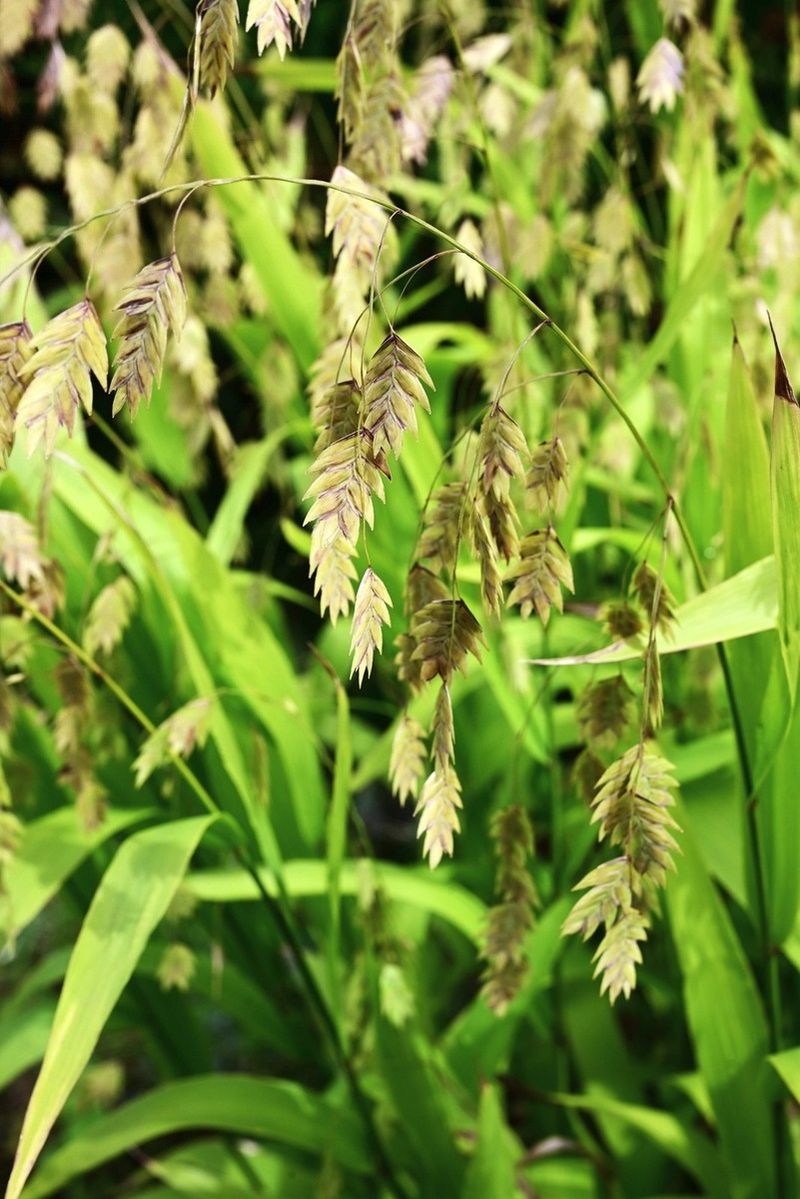
Inland Sea Oats, or Chasmanthium latifolium, is a native grass that grows two to four feet tall and spreads gently through self-seeding. Each season it fills in a little more of a shaded area, creating a lush, layered look that feels more like a woodland than a backyard.
The spreading is gradual and easy to manage with a little weeding in spring. The seed heads are the real showstopper. They hang in loose, flattened clusters that catch even the slightest breeze and sway in a hypnotic way.
In fall, they turn a warm copper-bronze color that glows beautifully in the low autumn light filtering through Texas trees.
Birds love the seeds, so leaving the stalks standing through winter is a great way to support local wildlife. Goldfinches and sparrows will visit regularly once the seeds ripen.
Come late winter, cut the clumps back to a few inches and fresh green growth will emerge right on schedule.
Inland Sea Oats works especially well under live oaks, cedar elms, and other native Texas trees. It tolerates dry shade, which is one of the most challenging conditions in Texas landscapes.
For gardeners in Houston, Austin, or the Piney Woods, it’s a reliable, beautiful solution for those tricky shaded spots.