This Is How To Top Tomato Plants The Right Way In Ohio
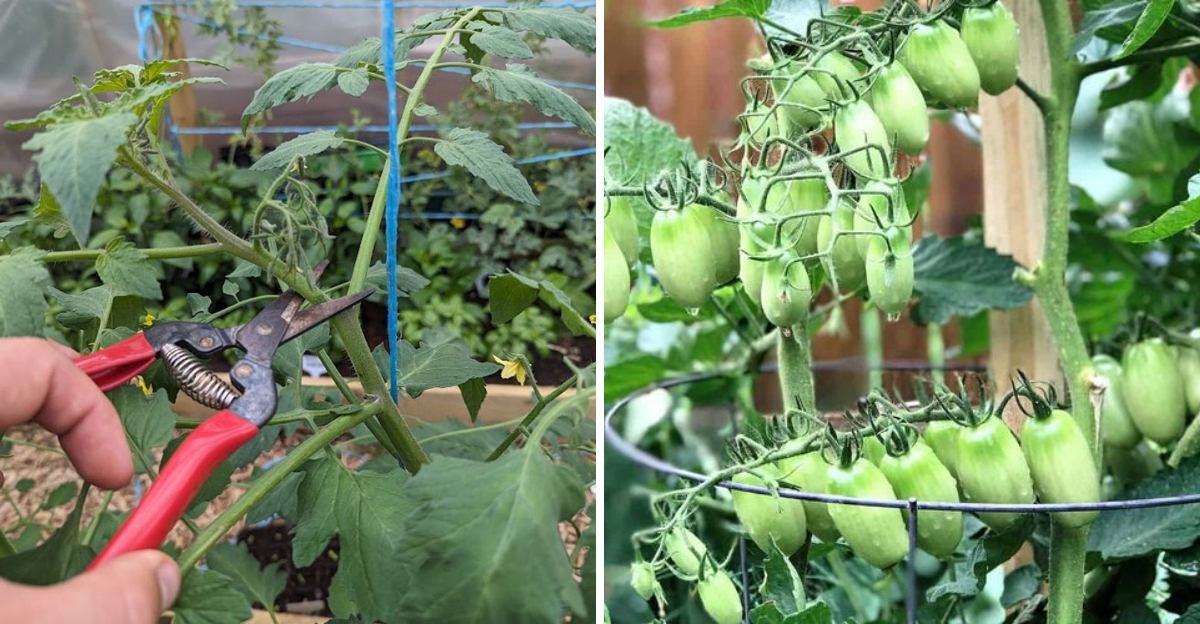
Most Ohio gardeners grow tomatoes all season long and never once put their hands on the top of the plant. That is leaving a lot of tomatoes on the table.
Topping is one of those techniques that sounds aggressive, feels wrong the first time you do it, and then completely changes the way you grow.
Ohio has a shorter window than gardeners in warmer states, and every single frost deadline is a ticking clock on how much fruit your plants can actually finish before the season shuts down.
Topping forces the plant to stop chasing height and start pouring everything it has into the fruit already on the vine.
Done right, your harvest gets heavier, your tomatoes ripen faster, and you stop watching perfectly good fruit get caught by an early frost still green on the plant.
Done wrong, you stress the plant at the worst possible moment. The difference between the two comes down to timing, technique, and knowing exactly where to make your cut.
1. Know Your Tomato Type Before You Cut
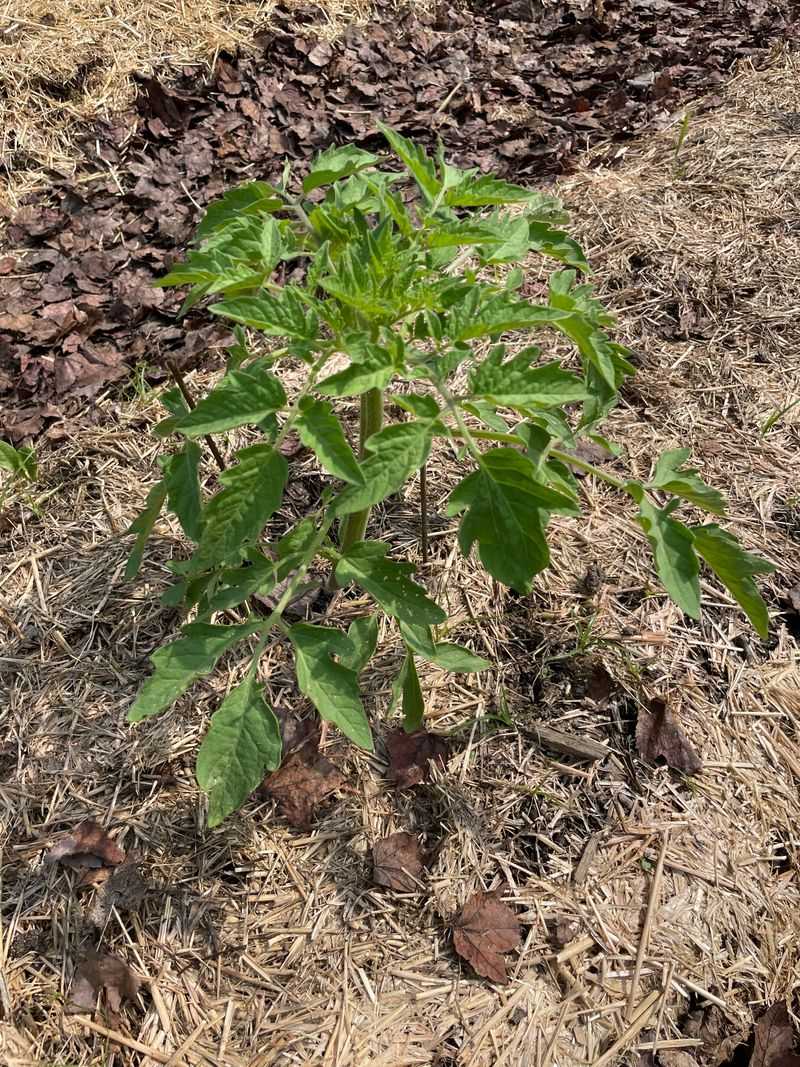
Grabbing your pruners without checking what kind of tomato you are growing is one of the most common mistakes Ohio gardeners make. Not all tomatoes are built the same, and that difference matters a lot before you make a single cut.
Determinate tomatoes, sometimes called bush tomatoes, grow to a set height and produce much of their fruit in a concentrated window.
Many Roma types are determinate, while cultivars such as Celebrity and Rutgers may be sold in forms or strains that vary, so always check the seed packet or plant tag.
These plants already have a built-in stopping point, so cutting the top off is usually unnecessary and can actually reduce your harvest by removing productive growth.
Indeterminate tomatoes are a completely different story. Varieties like Brandywine, Cherokee Purple, Big Boy, and most heirloom types keep growing and setting fruit until frost, stress, or a deliberate cut stops them.
These are the vines that outgrow cages, snap stakes, and tangle into neighboring plants by mid-July in Ohio.
Check the seed packet, plant tag, or the cultivar description on the website where you ordered seeds. Look for the words determinate or indeterminate.
If you saved seeds from last year and are not sure, pay attention to how the plant grows. Indeterminate types keep extending from the main growing tip and continue producing new leaves, flower clusters, and fruit until frost or stress stops them.
Knowing your tomato type before cutting protects your harvest and keeps your garden work focused where it actually helps.
2. Top Indeterminate Tomatoes Once They Outgrow Their Support
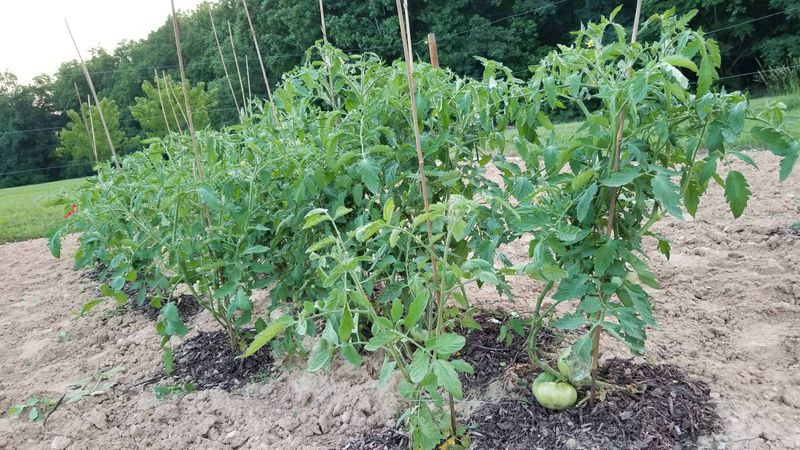
Picture a tomato vine that has climbed past the top of a six-foot stake, flopped sideways, and started pulling the whole cage off balance. That is exactly the moment topping an indeterminate tomato starts to make real sense.
Indeterminate tomatoes are vigorous growers, and Ohio summers give them plenty of warm weeks to push new growth in every direction. Once a plant has grown beyond the top of its cage, stake, trellis, or string support, that extra height becomes a liability.
Your Ohio Garden Changes Every Week. Your Plan Should Too.
Gardening in Ohio changes quickly throughout the season. Every Friday you’ll receive a simple weekly plan showing exactly what to plant, prune, fertilize, harvest, and protect so you never miss the right timing.
Tall, unsupported growth is more vulnerable to snapping in Ohio’s summer storms, which can roll through quickly and bring strong wind gusts that bend or break heavy vines.
Topping the main stem once the plant has clearly outgrown its support helps keep the vine at a manageable height and reduces the risk of the whole plant toppling over.
It can also help the plant put more attention into fruit clusters already developing lower on the vine rather than continuing to push unsupported new growth above the cage or stake.
Crowded, tangled foliage also traps moisture and reduces airflow, which is a real concern in Ohio’s humid summers when fungal diseases like early blight and Septoria leaf spot are common problems.
Keeping vines within their support structure, rather than letting them sprawl, is one of the easiest ways to improve air circulation and protect plant health through the rest of the season.
3. Leave Determinate Tomatoes To Finish Their Crop
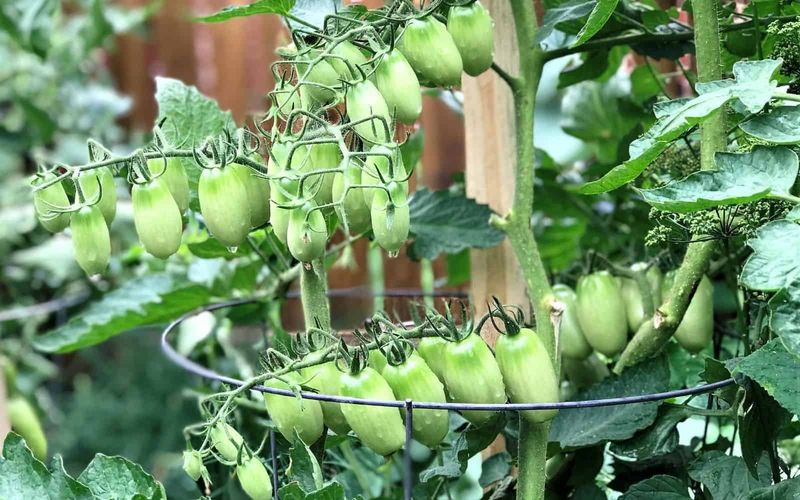
Reaching for your pruners when a determinate tomato looks a little bushy is a temptation worth resisting. These plants follow a predictable growth plan, and cutting the top off interrupts a process that was already working in your favor.
Determinate tomatoes set their flower clusters at the tips of branches, and the plant essentially coordinates a large portion of its fruit production to ripen around the same time.
That concentrated harvest is actually one of the reasons home canners and sauce makers in Ohio love varieties like Roma or Amish Paste.
Removing the top growth can strip away flower clusters that were about to become fruit, which means fewer tomatoes at the end of the season.
These plants also have a natural size limit built in, so they are not going to keep growing into an unmanageable tangle the way an indeterminate variety will.
The more useful tasks for determinate plants include removing diseased or yellowing leaves from the lower part of the plant to improve airflow, supporting heavily loaded branches with soft ties or small stakes so they do not snap under the weight of fruit, and keeping the soil consistently moist during fruiting.
Save your cutting energy for plants that actually need it. Light maintenance and good support go much further than topping when it comes to getting the most out of a determinate tomato crop in Ohio’s growing season.
4. Wait Until Late Season To Redirect Growth
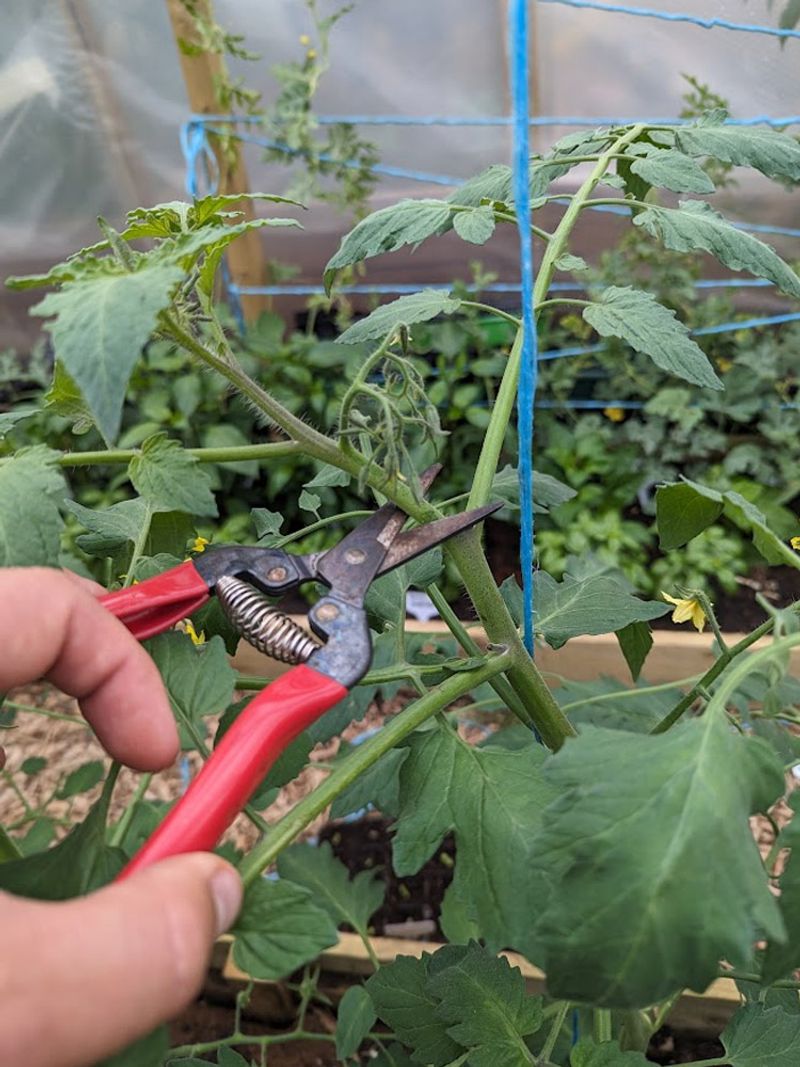
Late-season topping is one of the most practical tools an Ohio tomato gardener has, but timing it correctly makes all the difference. Cutting too early removes productive growth.
Cutting too late does not leave enough time for existing fruit to ripen before frost arrives.
Ohio’s first fall frost timing varies by region. Northern Ohio, including the Cleveland and Toledo areas, typically sees first frost in mid to late October.
Central Ohio around Columbus usually averages a first frost in mid-October. Southern Ohio near Cincinnati can sometimes stretch into late October or early November.
Checking the average first frost date for your specific county through the Ohio State University Extension or a local weather service gives you a more accurate target than relying on a single statewide date.
A tomato fruit needs roughly 45 to 65 days from flower set to reach full ripeness, depending on the variety.
When you are within that window of your expected first frost, any new flowers opening on an indeterminate tomato have very little realistic chance of becoming ripe fruit before cold weather arrives.
Topping the plant at that point stops new leafy growth and redirects the plant’s energy toward the green tomatoes already hanging on the vine, giving them a better shot at ripening.
Remove tiny flower clusters along with the top growth so the plant is not wasting resources on flowers that will never produce.
Focus on fruit that is already sizing up and showing color.
5. Cut Above A Healthy Leaf Set
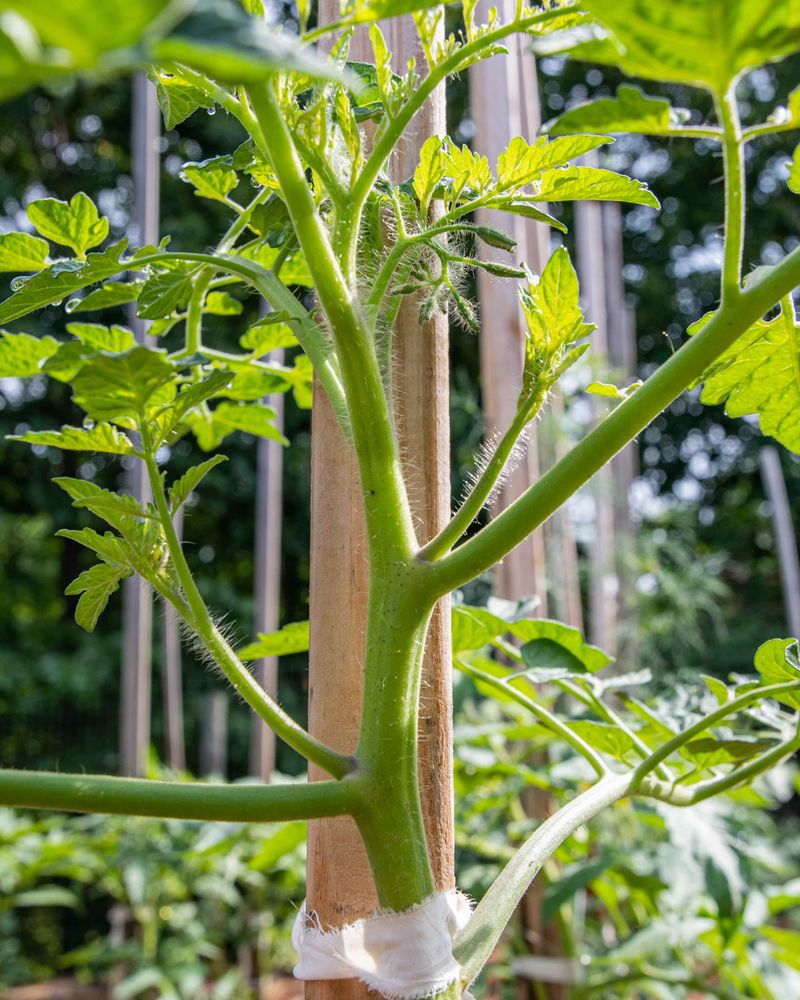
Where exactly you make the cut matters just as much as when you make it. A random chop in the middle of a stem, or a cut that leaves nothing but a bare stub, can stress the plant and slow the healing process at a time when you want the tomato focused on fruiting.
The right technique is straightforward. Find the main growing tip you want to remove, then look just below it for a healthy leaf set or a side shoot that has at least two or three leaves.
Make your cut just above that leaf node, leaving the healthy foliage below intact. That remaining leaf set keeps the plant able to photosynthesize and continue feeding the fruit clusters lower on the vine.
Use clean, sharp bypass pruners rather than scissors or a dull blade. A sharp cut leaves a cleaner wound that heals more quickly and is less likely to create a ragged entry point for pathogens.
Bypass pruners make a slicing cut rather than crushing the stem, which is gentler on the plant tissue.
Avoid cutting during the hottest part of the day when the plant is already under heat stress. Early morning, after the dew has dried, is often a good window for this kind of work.
A clean, well-placed cut above a healthy leaf node gives the plant its best chance to seal the wound and continue channeling energy into the fruit already developing below.
6. Keep Enough Foliage To Shield The Fruit
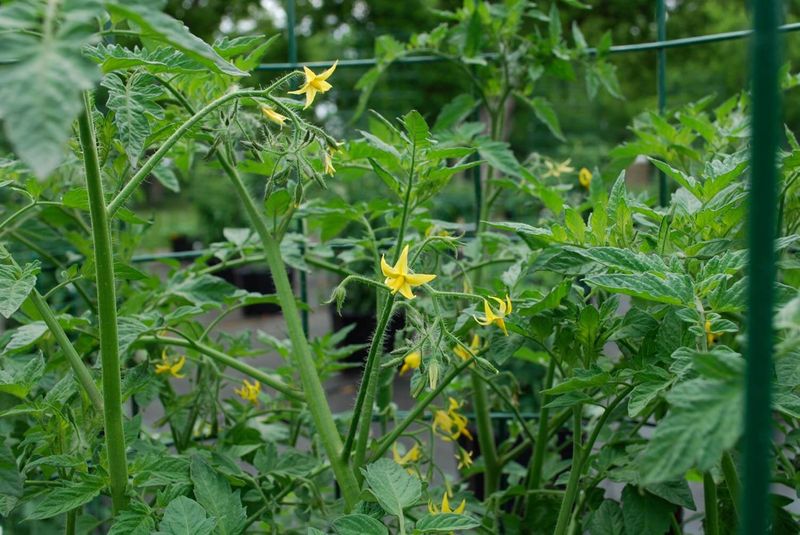
One of the easiest mistakes to make right after topping is getting carried away with leaf removal. The goal of topping is to manage height and redirect energy, not to strip the plant down to bare stems and exposed fruit clusters.
Tomato leaves do two critical jobs. First, they photosynthesize and produce the sugars the plant needs to grow and ripen fruit.
Second, they provide natural shade that protects developing and ripening tomatoes from sunscald, which is a condition where fruit exposed to intense direct sun develops pale, leathery patches on the skin. Ohio summers can still deliver stretches of intense heat and bright sunshine, especially in July and August, and suddenly removing a large portion of a plant’s foliage can leave fruit clusters vulnerable.
After topping, take a moment to look at how much leaf coverage remains around each cluster of fruit. A healthy plant should still have several layers of leaves shading the fruit from above.
If a cluster looks suddenly exposed after your cut, consider leaving a nearby side shoot with a few leaves to provide some natural cover rather than removing it entirely.
The right balance is a plant that is controlled in height, has improved airflow from reduced crowding, and still has enough healthy foliage to feed itself and protect its fruit.
Think of it as selective management rather than a dramatic overhaul, and your tomatoes will be better for it through the rest of the Ohio growing season.
7. Use Clean Tools And Skip Wet Leaves
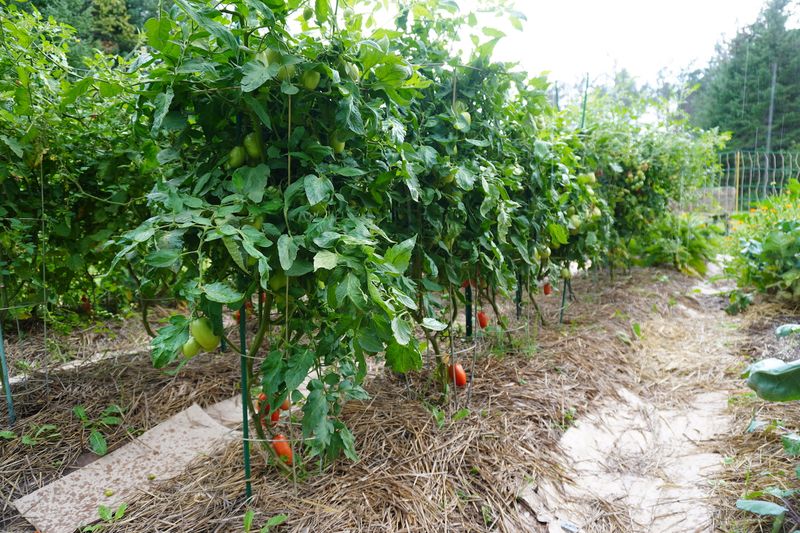
Ohio summers bring humidity, and humidity brings fungal disease pressure on tomatoes.
Early blight, Septoria leaf spot, and bacterial speck are all common problems in Ohio gardens, and every cut you make on a tomato plant is a potential entry point if your tools are carrying pathogens from one plant to the next.
Wiping pruner blades with rubbing alcohol between plants takes less than a minute and can reduce the chance of moving pathogens from one plant to another.
This step becomes especially important if you notice any yellowing, spotting, or lesions on leaves before you start cutting.
Diseased tissue on the blade does not stay on the blade.
Timing your topping work for dry conditions is equally important.
Cutting or pruning tomato plants when foliage is wet from rain, heavy morning dew, or recent overhead watering creates conditions where bacterial and fungal pathogens move easily from tool to wound to plant.
Wait until the leaves have dried completely before starting any cutting work.
When you remove leaves or stems that show signs of disease, place them directly into a trash bag rather than tossing them on the ground near the plants.
Ohio State University Extension advises against composting diseased tomato plant material unless you are confident your compost reaches temperatures high enough to break down pathogens reliably.
Keeping your tools clean and your timing dry is simple, practical disease management that every Ohio tomato gardener can use.
8. Pair Topping With Strong Stakes Or Cages
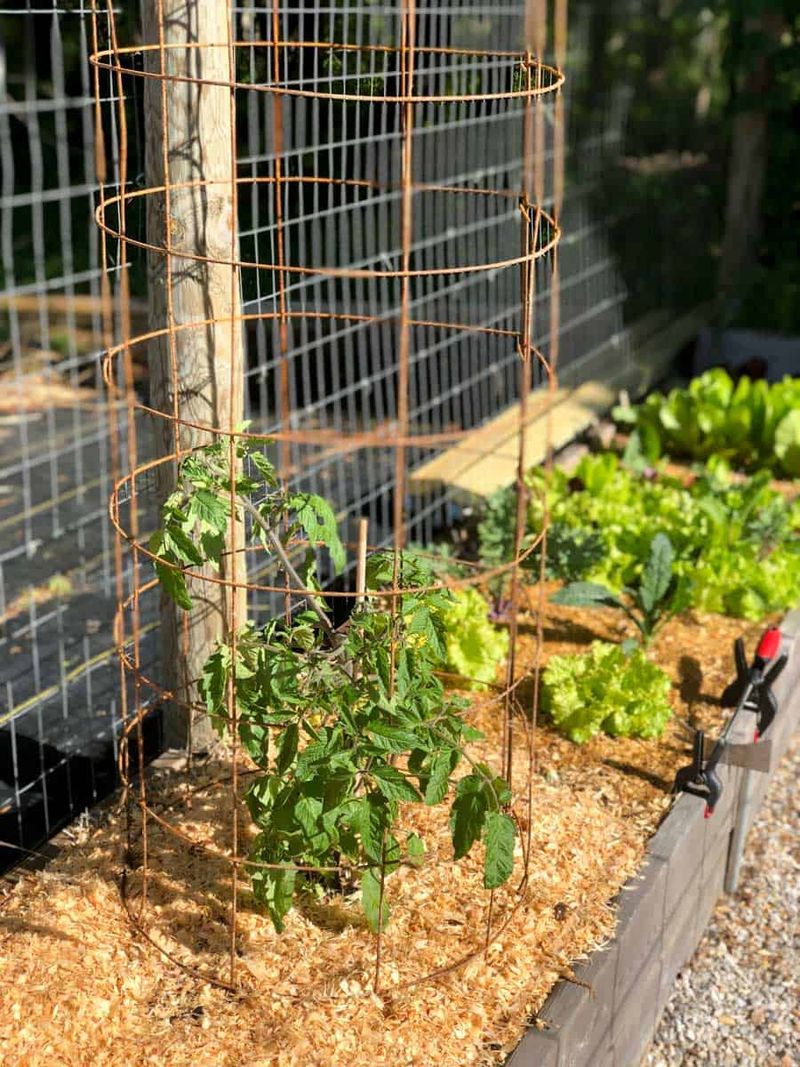
Topping a tomato plant does not replace the need for solid support. Think of topping as one piece of a larger management plan, not a standalone fix for a vine that is growing out of control because it never had enough structure underneath it.
Indeterminate tomatoes in Ohio need support that can handle the weight of a full-season vine loaded with fruit. Standard wire tomato cages sold at discount stores are often too lightweight and too short for vigorous indeterminate varieties.
Heavy-gauge wire cages, sturdy wooden or metal stakes at least five to six feet tall, or a Florida weave system using twine woven between posts are all solid options when installed firmly and maintained through the season.
After topping, check all existing ties and clips. Soft plant ties or strips of stretchy fabric work better than stiff wire or zip ties, which can cut into stems as they thicken.
Look for any branches that are carrying heavy clusters of fruit and add support before the weight causes a stem to bend or crack. A snapped stem loaded with nearly ripe tomatoes is a frustrating and avoidable loss.
Good support also improves airflow around the plant, which ties directly back to Ohio’s humidity and disease pressure. Vines that are upright and well-spaced dry out faster after rain and allow better air movement through the foliage.
Combine topping with strong, well-maintained support, and your indeterminate tomatoes will be much easier to manage from midsummer all the way through to the first frost.