7 Fruit Seeds Ohio Gardeners Can Sprout With Just Water And Patience
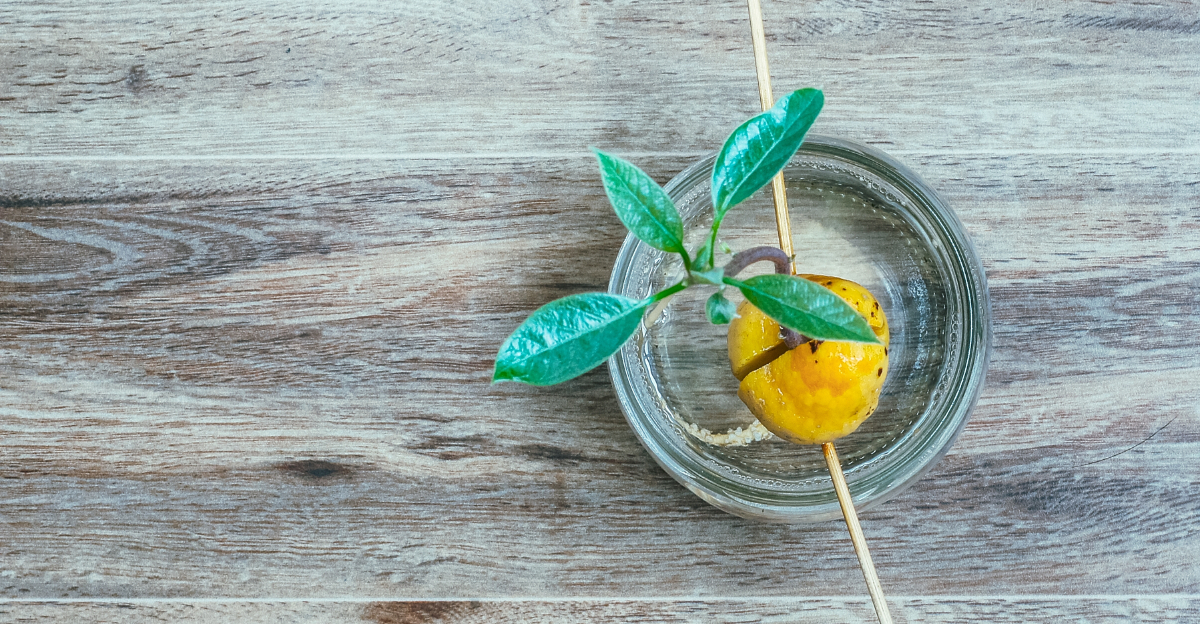
Most Ohio gardeners toss fruit seeds in the compost without a second thought, and that is a habit worth breaking.
Those seeds sitting inside your kitchen scraps right now have a real shot at becoming productive plants, and water germination is one of the most satisfying tricks in the gardening playbook.
No special equipment, no grow lights, no complicated setup, just a glass, some water, and a little patience.
Ohio’s growing season lines up perfectly for getting fruit seeds started this way, and the timing could not be better for putting a few experiments on your windowsill right now.
Certain varieties respond surprisingly well to water germination, and watching roots emerge from something you almost threw away never gets old. Backyard fruit growing does not always have to start at the nursery with a price tag attached.
Sometimes the best things growing in your Ohio garden started from something you almost pitched without a second glance.
1. Start Avocado Pits In A Sunny Glass
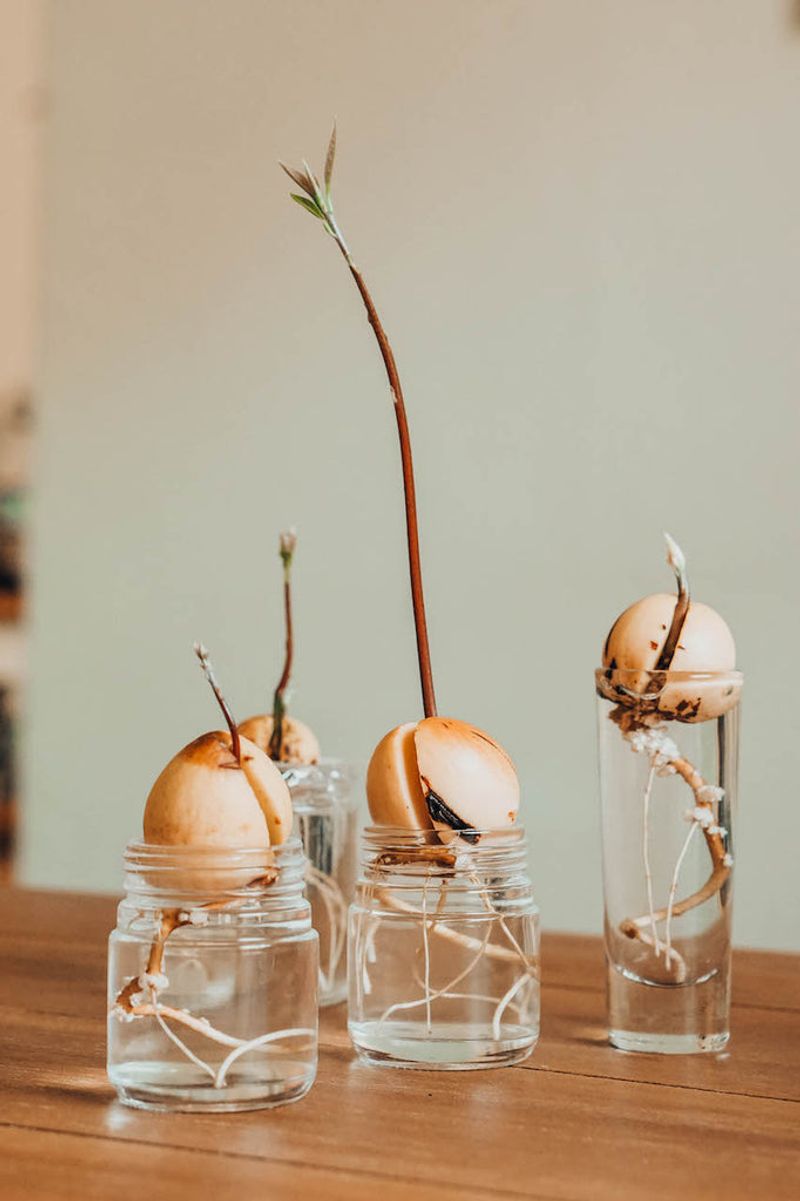
That avocado pit you almost tossed in the compost bin might be the most satisfying windowsill experiment you try this year.
The classic method involves rinsing the pit thoroughly to remove any leftover fruit, then inserting three toothpicks around its middle so the broad, flat end hangs just above the waterline in a glass or jar.
Place the glass in a warm, bright spot out of harsh direct sun and change the water every few days to keep things fresh and reduce the chance of mold or bacterial buildup.
A damp paper towel method works just as well. Wrap the rinsed pit loosely in a moist towel, seal it in a zip bag, and set it somewhere warm.
Check it every few days. Once a root appears and a shoot starts pushing upward, it is time to move the sprouted pit into a good potting mix so the roots have something to anchor into and draw nutrients from.
Ohio gardeners should know upfront that avocado trees are tropical and cannot survive Ohio winters outdoors. Temperatures below freezing will harm the plant quickly, so treat your sprouted avocado as a houseplant project from the start.
Grow it in a pot near a bright window and enjoy it as a leafy indoor plant. Do not expect homegrown avocados.
Seed-grown avocados can take ten or more years to fruit even in ideal tropical conditions, and the fruit may not resemble the grocery-store avocado the pit came from.
The real reward here is the process itself, watching roots form and a shoot reach toward the light on your Ohio windowsill.
2. Sprout Lemon Seeds On A Damp Towel

Most people do not realize that the seeds inside a grocery-store lemon can actually sprout with very little effort. Fresh seeds work best, so use a lemon you just cut open rather than seeds that have been sitting out and drying for days.
Rinse the seeds gently to remove any pulp, since leftover fruit residue can invite mold during germination. While the seeds are still slightly moist, lay them on a damp paper towel, fold the towel over them, and slide the whole thing into a sealed zip bag.
Your Ohio Garden Changes Every Week. Your Plan Should Too.
Gardening in Ohio changes quickly throughout the season. Every Friday you’ll receive a simple weekly plan showing exactly what to plant, prune, fertilize, harvest, and protect so you never miss the right timing.
Keep the bag somewhere warm, like the top of a refrigerator or near a heating vent, and check every few days. Lemon seeds do not need cold treatment before sprouting, which makes them one of the more straightforward seeds on this list.
Once you see a small root emerging, move the seedling carefully into a well-draining potting mix. Disturbing tiny roots too much can set the seedling back, so handle it gently.
Lemon trees are not cold-hardy outdoors in Ohio. Freezing temperatures can seriously harm citrus, and Ohio winters are far too cold for lemon trees outdoors.
Grow your sprouted lemon seedling as an indoor or patio plant, and plan to bring it inside well before the first fall frost. Be patient about fruit.
Seed-grown citrus trees can take anywhere from five to fifteen years to produce fruit, and the lemons may not taste or look exactly like the parent fruit. Think of this as a long-term houseplant adventure rather than a shortcut to homegrown citrus.
3. Wake Apple Seeds With A Cold Moist Start
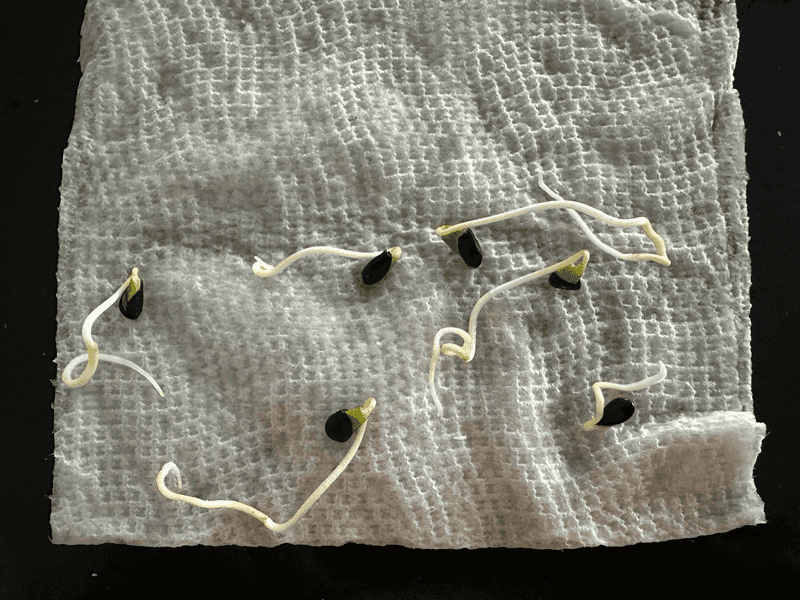
Apple seeds do not sprout the moment you plant them. Unlike tropical fruit seeds that respond to warmth alone, apple seeds need a cold, moist resting period called stratification before they will germinate.
This mimics the natural process of a seed spending winter in cold, damp soil before spring arrives.
Ohio gardeners can recreate this easily at home by placing cleaned apple seeds in a damp paper towel, sealing them in a labeled plastic bag, and putting them in the refrigerator for about six to ten weeks.
Check the bag every week or two for any signs of sprouting or mold. If mold appears, rinse the seeds, use a fresh damp towel, and return them to the fridge.
Once a small root emerges, move the seedling into a small pot with well-draining potting mix and place it in bright light while it continues growing. Apples can actually grow outdoors in Ohio, which makes this a more practical experiment than tropical fruit projects.
There is one important thing to understand before you get too attached to your seedling.
Apples do not grow true from seed, meaning the tree that sprouts from a Honeycrisp or Fuji seed will not produce Honeycrisp or Fuji apples.
The offspring are genetically unique, and the fruit quality, size, and flavor are unpredictable. Commercial orchards and home growers rely on grafted trees for consistent, reliable fruit.
That said, growing an apple seedling is a genuinely rewarding learning project, and some Ohio gardeners use seedlings as rootstock for grafting experiments. Enjoy the process with open eyes about what the results may bring.
4. Give Pear Seeds The Same Winter Pretend Treatment
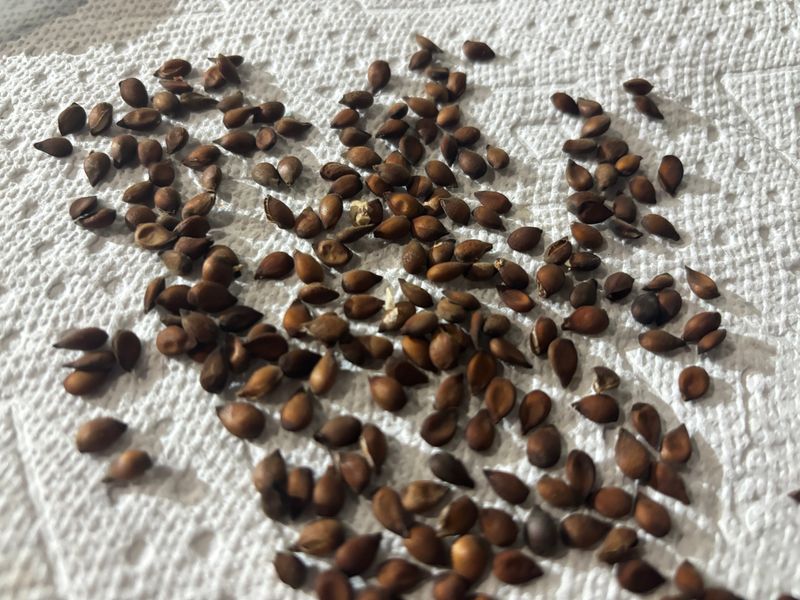
Pear seeds and apple seeds have a lot in common when it comes to germination. Both need cold moist stratification before they will sprout, which means skipping the refrigerator step is one of the most common mistakes gardeners make when trying to start pear seeds.
Place cleaned pear seeds in a damp paper towel, fold it around them, and seal everything in a plastic bag or small container.
Label it with the date so you do not lose track, and put it in the refrigerator for several weeks, following reliable seed-starting guidance for the pear type you are using.
Check on the seeds every week or so. You are looking for tiny white roots beginning to push out.
Once roots appear, plant the seedling gently into a small pot filled with a well-draining potting mix. Avoid leaving sprouted seedlings in a wet, waterlogged setup any longer than necessary, since roots need air as well as moisture to grow well.
Once potted, move the seedling to a bright location and water it consistently without overwatering.
Pears can grow outdoors in Ohio, and some varieties handle the state’s winters quite well. However, seed-grown pear trees are unlikely to produce the same fruit as the pear they came from.
Like apples, pears do not come true from seed, and fruit quality is unpredictable. It can also take many years before a seed-grown pear tree fruits at all.
Think of this project as a patient, educational experiment rather than a fast track to homegrown pears. If you eventually want fruit, look for Ohio-adapted pear varieties from a reputable nursery and choose grafted trees for reliable results.
5. Try Peach Pits After A Long Chill
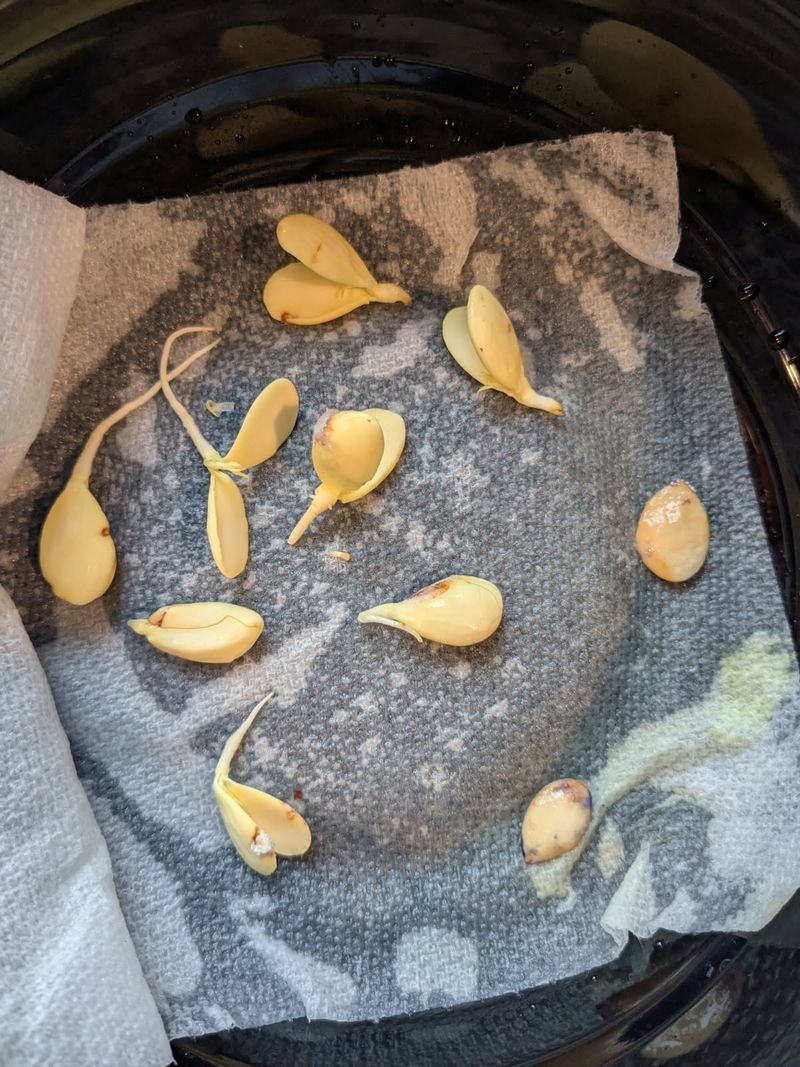
Patience is the most important tool for anyone wanting to sprout a peach pit.
Unlike lemon seeds that respond quickly to warmth and moisture, peach pits have a built-in dormancy that requires a long cold, moist period before the inner seed will even consider germinating.
Plan on giving cleaned peach pits anywhere from ten to sixteen weeks of refrigerator stratification in a damp paper towel sealed inside a plastic bag. Check monthly for any signs of activity or mold.
Some gardeners choose to carefully crack the hard outer shell of the pit to access the inner seed directly, which can speed up germination. If you try this, work slowly and gently using a nutcracker or a carefully applied knife, and avoid damaging the seed inside.
The seed itself looks a little like an almond. Once the outer shell is removed, wrap the inner seed in a damp paper towel and refrigerate it through the full chilling period.
After chilling, bring it to a warm spot and watch for root development before potting it up.
Peaches can grow in Ohio when planted in well-drained soil with good sun exposure, and Ohio State University Extension notes that peaches perform best in sites with air drainage that reduces late frost damage.
However, seed-grown peach trees are not guaranteed to match the flavor, size, or disease resistance of the parent fruit.
Peaches are generally propagated from budded or grafted trees for reliable results.
Sprouting a peach pit is a fun, hands-on experiment, but Ohio gardeners who want consistent peaches should choose proven, Ohio-adapted cultivars from a nursery rather than relying on seed-grown trees for fruit production.
6. Open Mango Seeds For A Fast Indoor Sprout
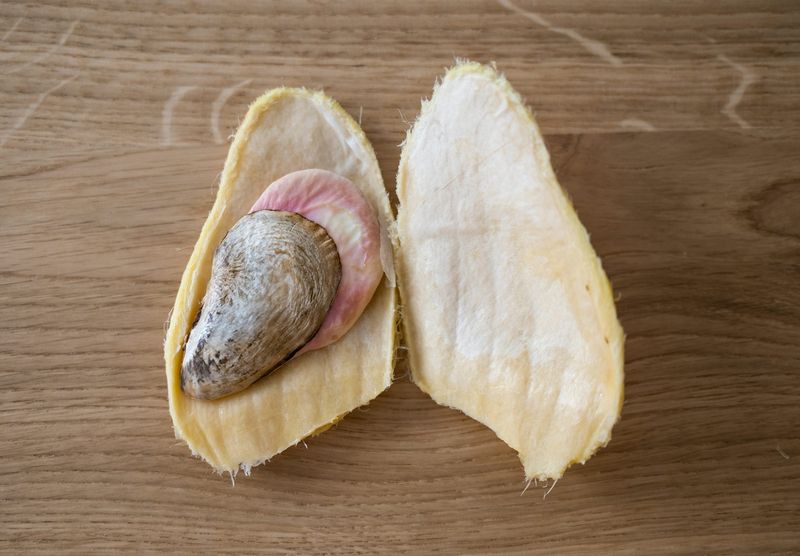
Of all the tropical fruit seeds on this list, mango is one of the most exciting to work with because it can sprout surprisingly fast once prepared correctly. The tricky part is getting to the actual seed.
A mango pit has a tough, fibrous outer husk that needs to be removed carefully. Use scissors or a careful knife cut along the edge of the husk to open it, then slide out the flat, smooth seed inside.
Handle the inner seed gently since any cuts or damage can slow germination or invite mold.
Once you have the inner seed, place it in a damp paper towel with the curved edge facing up, then seal it in a zip bag and set it somewhere warm, ideally around 70 to 80 degrees Fahrenheit. Check every few days.
Mango seeds can sprout within one to three weeks under warm conditions. As soon as a root and a shoot appear, move the seedling into a pot with well-draining tropical potting mix.
Do not let the seed sit in standing water or a waterlogged setup, as mango seeds are prone to rotting when kept too wet.
Mango trees are tropical plants from warm climates and cannot survive Ohio winters outdoors. Even a brief frost will harm a young mango plant.
Treat your sprouted mango as a tropical houseplant and keep it in a warm, bright spot indoors. Ohio gardeners should enjoy the seedling for what it is: a lush, fun indoor plant.
Fruiting from a seed-grown mango indoors in Ohio is not a realistic expectation, but the growing experience is genuinely enjoyable.
7. Test Grape Seeds In A Moist Paper Towel
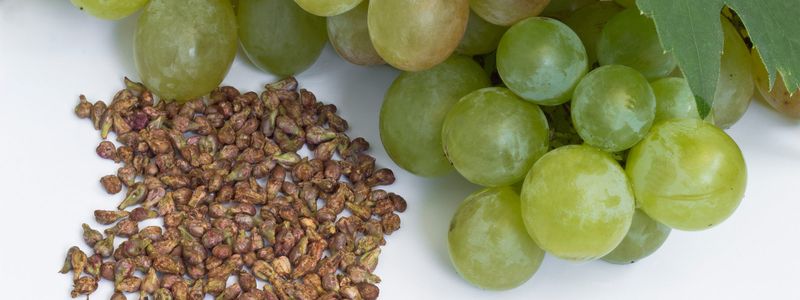
Grapes have a long history in Ohio, and the state has a real tradition of grape growing, but starting grapes from seed is a different story than planting a nursery vine. Many grape seeds need cold moist stratification before they will germinate, similar to apples and pears.
To test your grape seeds, rinse them well, let them dry slightly, then place them in a damp paper towel inside a sealed bag in the refrigerator for about eight to twelve weeks. Check periodically for any root development or signs of mold.
After the chilling period, move the bag to a warm location and watch for sprouting. Once a small root appears, plant the seedling carefully into a small pot with good potting mix and place it near a bright window.
Grape seedlings need consistent moisture but not waterlogged soil. Moving them to outdoor conditions should happen gradually, with a hardening-off period where they spend increasing time outside before being fully transitioned to a garden bed or container.
Here is the honest reality about grape seeds in Ohio. Seed-grown grapes are genetically variable and will not reliably produce the same fruit as the grape they came from.
Ohio grape growers and home gardeners who want consistent fruit, cold hardiness, and disease resistance choose known cultivars from nurseries or propagate from cuttings.
Ohio State University Extension recommends selecting disease-resistant varieties suited to Ohio’s climate for productive home vineyards.
Sprouting grape seeds is a worthwhile experiment for curious gardeners, and some seedlings may eventually produce interesting fruit. Just go in knowing the results are unpredictable and the timeline to fruiting is long.