These Common Yard Habits Can Attract Rats To Texas Homes
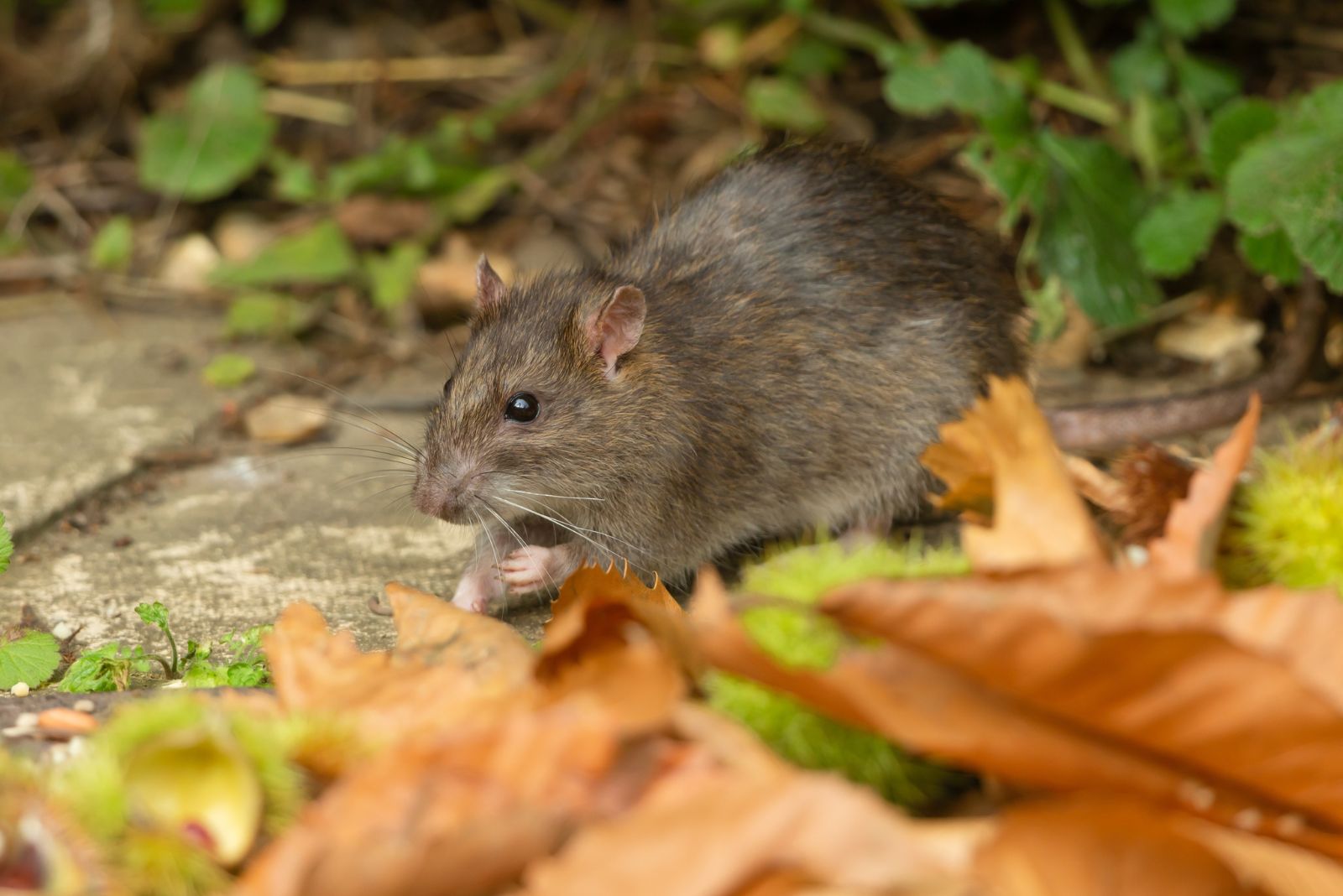
Rats in a Texas yard are not a random occurrence, and most homeowners who end up dealing with them are genuinely surprised to find out that their own habits played a significant role in attracting them.
It’s not a comfortable realization, but it’s an important one, because understanding what’s drawing rats in is the only way to actually address the problem rather than just reacting to it after the fact.
Texas provides rats with a pretty favorable environment to begin with. The climate is warm for a good portion of the year, food sources are plentiful, and suburban yards often provide more shelter and nesting opportunities than most people realize.
Add a few common yard habits to that equation and you’ve essentially created conditions that rats find genuinely difficult to resist.
The good news is that most of these habits are easy to change once you know what to look for, and making those changes can make a significant difference in how attractive your yard is to rodents.
1. Leaving Pet Food Outside Overnight
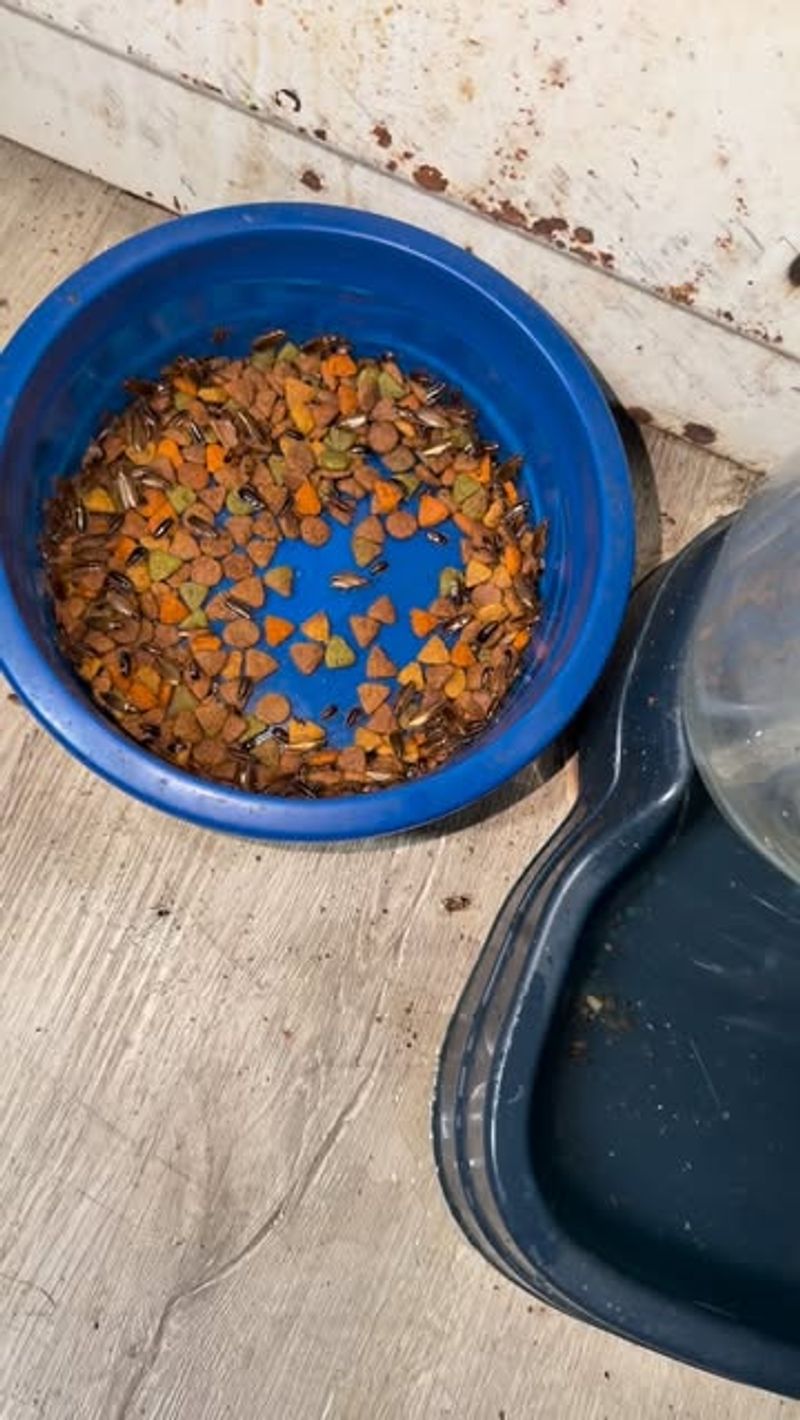
Most pet owners have done it at least once: filled the bowl after dinner and forgot to bring it in before bed. It seems harmless, but leaving pet food outside overnight is one of the fastest ways to signal rats that your yard is open for business.
Rats are naturally opportunistic feeders, and a full bowl of kibble sitting on a porch is basically a free buffet waiting for them.
In Texas, the warm climate means rats stay active all year long. Unlike colder states where rodent activity slows down in winter, Texas yards can attract rats in every season.
That makes nighttime pet food a consistent problem rather than just an occasional one. Even small amounts of leftover food can bring rodents in from nearby areas. The fix is pretty simple. Bring all pet food bowls inside once your pet has finished eating.
If your pet grazes throughout the day, consider switching to timed feedings so there is nothing left outside after dark. Wash the bowls regularly too, since the smell of food can linger even after the food is gone.
Storing pet food in sealed containers indoors is also a smart move. Bags left open in a garage or shed can attract rodents just as easily as food left on the porch.
A little routine change can make a big difference in keeping rats away from your Texas home and your pet well-fed safely.
2. Letting Bird Seed Pile Up
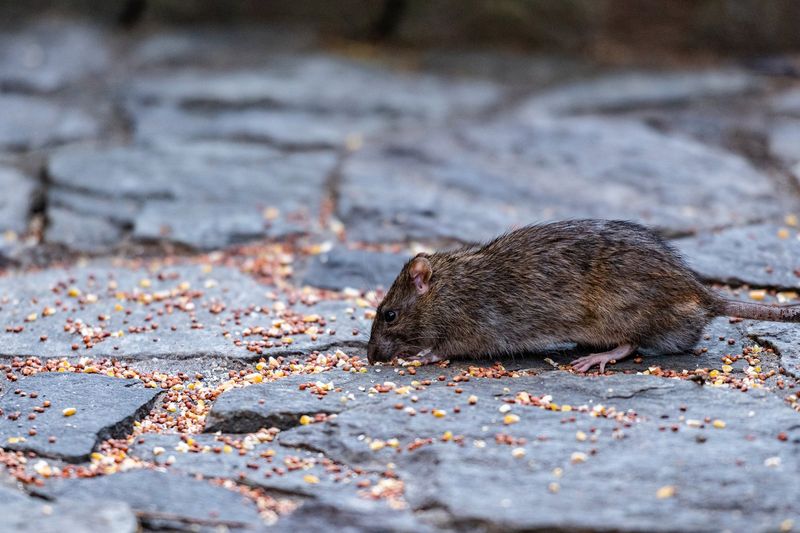
Bird feeders bring color and life to any Texas yard, and watching birds visit throughout the day is genuinely enjoyable. But there is a downside most people do not think about: the seed that falls to the ground.
Every time birds peck at a feeder, seeds drop and pile up underneath. That fallen seed becomes a steady food source for rats lurking nearby.
Rats are not picky eaters. Sunflower seeds, millet, and cracked corn are just as appealing to them as to the birds you are trying to attract.
Your Texas Garden Changes Every Week. Your Plan Should Too.
Gardening in Texas changes quickly throughout the season. Every Friday you’ll receive a simple weekly plan showing exactly what to plant, prune, fertilize, harvest, and protect so you never miss the right timing.
Once rats discover a reliable food source under your feeder, they will return every night. Over time, they may move closer to your home in search of more food and shelter.
Keeping up with seed cleanup is one of the most effective prevention steps. Rake under feeders regularly and remove any accumulated seed from the ground.
Try using feeders with trays that catch falling seed so it does not pile up below. There are also no-waste seed mixes available that birds eat more completely, leaving less mess behind.
Positioning feeders away from the house and fences can also help reduce the risk of rats using them as a pathway toward your home. Texas homeowners who love feeding birds do not have to give it up entirely.
With a few smart habits, you can enjoy the birds without accidentally rolling out the welcome mat for rodents at the same time.
3. Ignoring Overgrown Vegetation
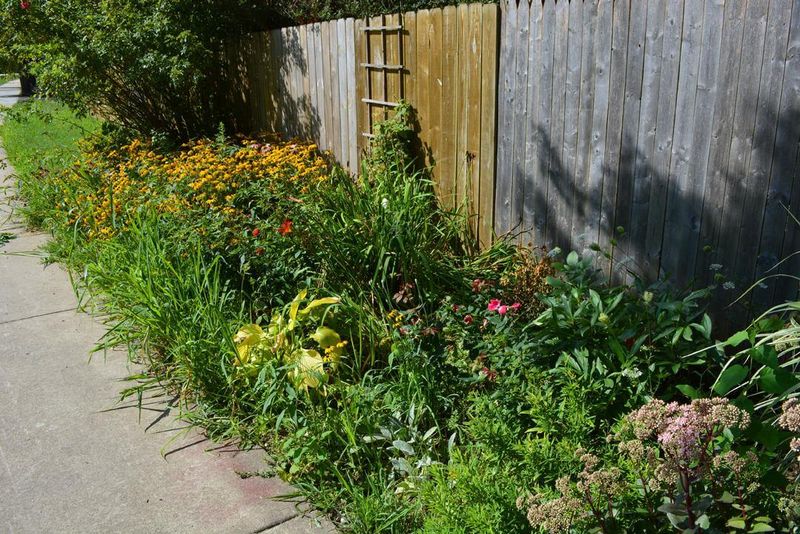
Walk through any Texas neighborhood and you will likely spot at least one yard with thick bushes, tall grass, or tangled landscaping that has gotten a little out of hand. It happens to everyone during a busy season.
But overgrown vegetation is more than just an eyesore. It creates the exact kind of environment rats love: dark, dense, and full of places to hide and nest.
Rats feel safest when they can move around without being seen. Thick shrubs close to the house, piles of leaves, and tall grass along fences all give rodents the cover they need to travel freely.
Once they feel safe in your yard, the next step for them is finding a way into your home. In Texas, where vegetation grows quickly thanks to the warm climate, it can take just a few weeks for a yard to become overgrown enough to be inviting to rodents.
Regular lawn maintenance is one of the best defenses against rats. Mow the grass consistently, trim back shrubs so they are not touching the house, and clear away any debris like leaf piles or stacked branches.
Keep a clear zone of at least a foot or two between any dense planting and your home’s foundation.
Ground cover plants that grow low and dense can also harbor rats, so consider thinning them out near the house. A tidy yard sends a clear message to rats that there is nowhere safe to hide, which usually sends them looking elsewhere for a more comfortable setup.
4. Keeping Woodpiles Too Close To The House

There is something classic and cozy about having a woodpile ready for cool Texas evenings around a fire pit. But where you store that wood matters a lot more than most people realize.
Stacking firewood directly against your home is one of the most common mistakes that can invite rats right to your doorstep, sometimes literally.
Woodpiles create the perfect shelter for rodents. The gaps between logs offer warmth, protection from predators, and a quiet place to nest.
When that woodpile is pressed against the side of your house, rats have both a cozy home and easy access to your walls, foundation, and any small openings that might lead inside.
In Texas, where temperatures stay mild for much of the year, rats can stay active in these wood stacks for many months.
Moving your woodpile is a straightforward solution. Store firewood at least 18 to 20 feet away from your home and elevate it off the ground using a rack or platform.
Keeping it off the ground removes one layer of shelter and makes it harder for rats to settle in comfortably. Cover the top of the stack to keep it dry, but leave the sides open so you can spot any signs of activity.
Check your woodpile regularly for droppings, gnaw marks, or nesting material. Rotating through your wood supply also helps, since using older logs first prevents the pile from sitting undisturbed long enough to become a permanent rodent residence.
Small changes in storage habits can go a long way in protecting your Texas home.
5. Leaving Fallen Fruit On The Ground

Texas is home to plenty of fruit trees, from backyard citrus and fig trees to peach and plum trees that thrive in the warm climate. Fresh fruit is one of the great joys of having these trees, but the fruit that drops and rots on the ground is a different story.
Fallen, overripe fruit is one of the most powerful rat attractants you can have in a yard, and many homeowners never even think about it.
Rats have a strong sense of smell, and rotting fruit sends out a signal they cannot resist. The sweet, fermenting scent carries across a yard and can draw rodents in from surrounding areas.
Once rats find a reliable source of fruit on the ground, they will visit regularly and may start exploring closer to the house in search of more food and water.
Picking up fallen fruit promptly is the most effective way to handle this problem. Make it a habit to walk the yard every day or two during peak fruiting season and collect anything that has dropped.
Compost fallen fruit away from the house or dispose of it in sealed bins so the smell does not continue to attract rodents.
If you have trees that produce more fruit than you can use, consider harvesting earlier or sharing with neighbors. Picking fruit before it drops gives rats less opportunity to find it on the ground.
Staying consistent with cleanup during Texas warm spells, which can stretch for months, keeps your yard from becoming a rat dining spot all season long.
6. Overwatering The Yard
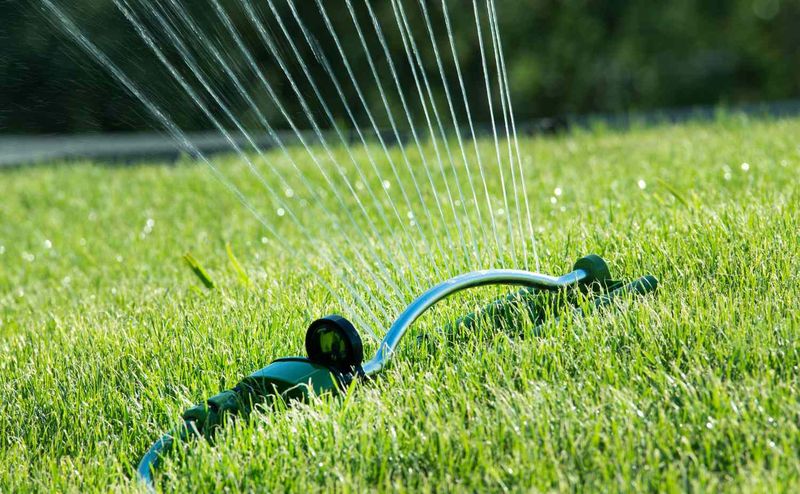
Most Texas homeowners know the struggle of keeping a lawn green during hot summers, and it is easy to go overboard with the sprinklers. But overwatering your yard does more than waste water.
It creates a consistently moist environment that rats find very attractive. Damp soil, pooling water, and soggy patches near the house can draw rodents in and keep them around.
Rats need water to survive, just like any other animal. When a yard offers a steady supply of moisture, especially in drier parts of Texas where natural water sources can be scarce, it becomes a valuable resource.
Overwatered lawns also encourage the growth of insects, earthworms, and other small creatures that rats can feed on, making your yard even more appealing as a habitat.
Finding the right watering balance is key. Water your lawn deeply but less frequently to encourage strong root growth while letting the surface dry out between sessions.
Early morning watering is best because it gives the ground time to absorb moisture before the heat of the day. Avoid watering in the evening, since wet conditions overnight are when rats are most active.
Check for leaky hoses, dripping spigots, or irrigation heads that spray more than necessary. Even a slow drip can create a wet patch that rodents return to night after night.
Fixing these small water issues around your Texas home is an easy and inexpensive step toward making your yard less inviting to rats throughout the year.
7. Allowing Trash Bins To Stay Unsealed

Few things attract rats faster than an open or overflowing garbage can. Trash bins are basically a smorgasbord for rodents, full of food scraps, packaging residue, and organic waste that rats can smell from a surprising distance.
If your bins outside a Texas home do not have tight-fitting lids or are regularly left overflowing, you are sending out a standing invitation to every rat in the area.
Rats are clever and persistent. They can tip over lightweight bins, chew through thin plastic, and squeeze through gaps that seem impossibly small.
A lid that does not latch properly is barely a challenge for a motivated rodent. Once rats find a trash bin as a food source, they tend to come back at the same time each night, and they often bring others along with them.
Upgrading to heavy-duty bins with locking or snap-on lids is one of the best investments a homeowner can make. Look for bins made from thick, durable plastic that rats cannot easily gnaw through.
If your current bins are old or cracked, it is worth replacing them. Rinsing bins regularly with water and a little dish soap also helps reduce the lingering food odors that attract rodents in the first place.
Try to bring trash bins in after collection day rather than leaving them outside all week. Avoid overfilling them, and bag all food waste securely before tossing it in.
In Texas, where warm temperatures speed up food decomposition and intensify odors, keeping trash sealed tight is one of the smartest habits you can build for rodent prevention.