These Are The Native Oregon Plants To Grow Instead Of Hostas
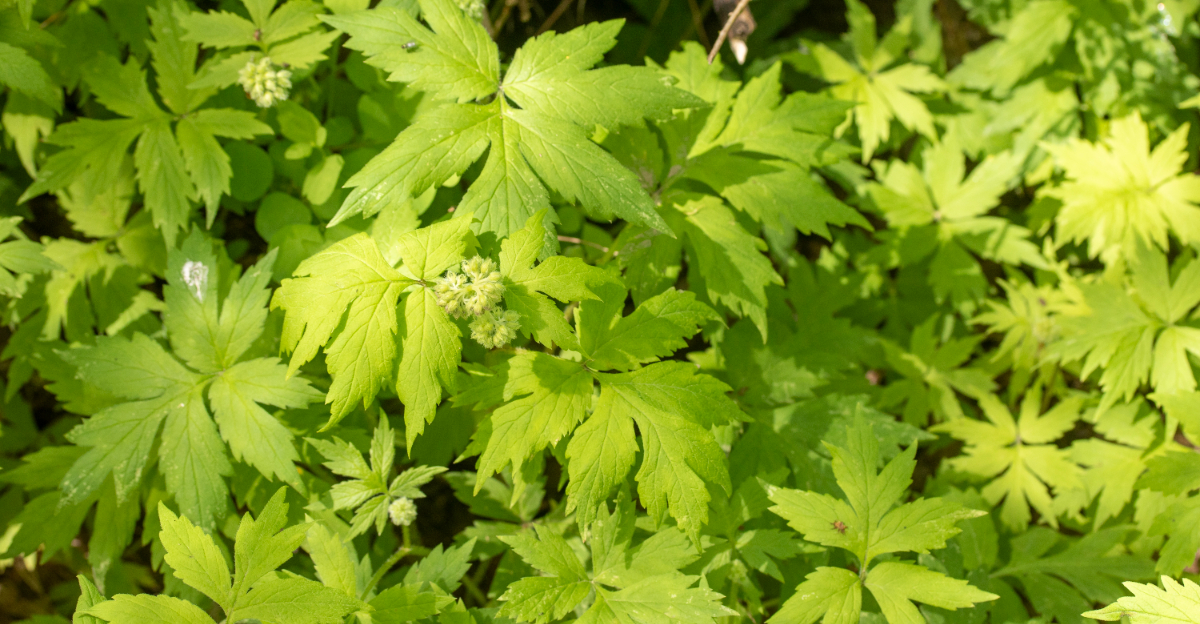
Hostas are everywhere in Oregon gardens. Reliable, leafy, and perfectly content in the shade, they’ve become the default choice for anyone dealing with a dim corner or a spot under a tree that nothing else seems to want.
They do the job. But doing the job and doing it beautifully are two different things, and Oregon happens to have a roster of native plants that can fill those same shady spaces with a lot more character.
Native plants bring something hostas simply can’t. A genuine connection to the local ecosystem, food and habitat for native insects and birds, and a kind of effortless, wild beauty that looks like it belongs here because it actually does.
Many of them handle Oregon’s wet winters and dry summers without any extra help. No dividing, no slug battles, no wondering if the deer are going to eat them overnight.
Just plants that are quietly, confidently at home in the same conditions your garden already has.
1. Western Sword Fern
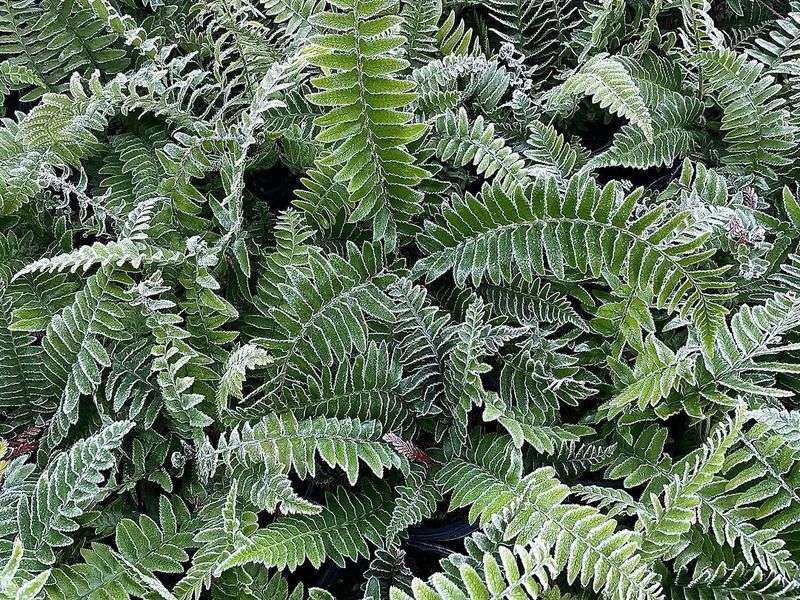
Few plants look as at home in an Oregon garden as the Western Sword Fern. Its bold, arching fronds can reach up to four feet long, creating a dramatic display of deep green in shady spots.
This plant thrives in the same conditions where hostas are usually grown, making it a natural swap.
Western Sword Fern is incredibly tough. Once established, it handles drought, deer, and poor soil with ease.
It stays evergreen all year long, so your garden never looks bare, even in the middle of a gray Oregon winter.
This fern grows naturally under Douglas firs and Western red cedars throughout the Pacific Northwest. Planting it in your yard essentially brings a piece of the Oregon forest right to your doorstep.
It pairs beautifully with other native groundcovers and shrubs.
For best results, plant it in well-draining soil with plenty of organic matter. Water it regularly during its first season, then step back and let it do its thing.
It spreads slowly over time, filling in shady corners without becoming invasive.
2. Wild Ginger
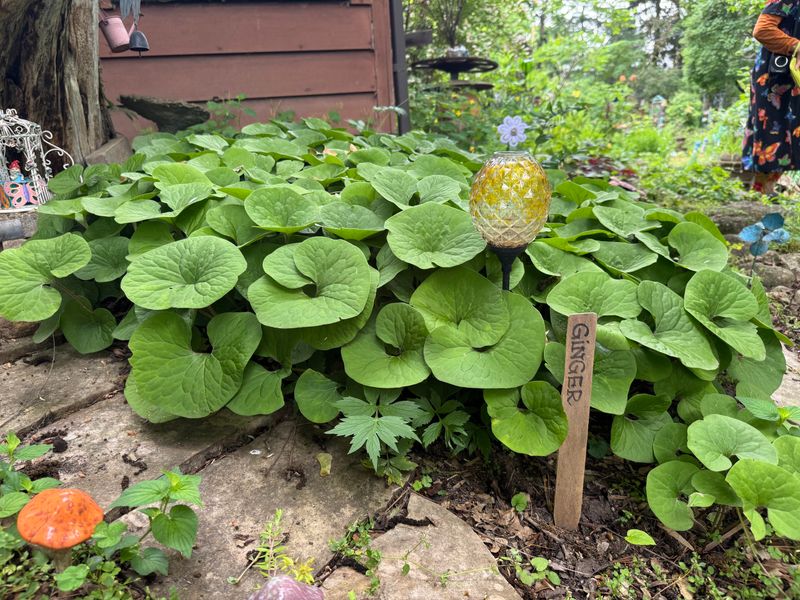
There is something almost secretive about Wild Ginger. It creeps quietly along the ground, spreading its rich, heart-shaped leaves into a dense, weed-suppressing carpet.
Hidden beneath those leaves, tiny reddish-brown flowers bloom close to the soil in early spring, often going unnoticed unless you crouch down for a closer look.
Wild Ginger is one of Oregon’s most reliable native groundcovers for deep shade. It grows naturally along stream banks and in moist forest understories across the Pacific Northwest.
The leaves smell faintly of ginger when crushed, which is a fun detail to share with visiting kids or curious neighbors.
Unlike hostas, Wild Ginger is fully native and provides real habitat value. Certain butterfly species use it as a host plant for their larvae.
That means planting it does double duty: it looks great and supports local wildlife at the same time.
Plant Wild Ginger in moist, humus-rich soil and give it some time to establish. It spreads slowly but steadily, eventually forming a lush mat that looks polished and intentional.
Your Oregon Garden Changes Every Week. Your Plan Should Too.
Gardening in Oregon changes quickly throughout the season. Every Friday you’ll receive a simple weekly plan showing exactly what to plant, prune, fertilize, harvest, and protect so you never miss the right timing.
It works especially well along shaded pathways or under large Oregon native trees.
3. Inside-Out Flower
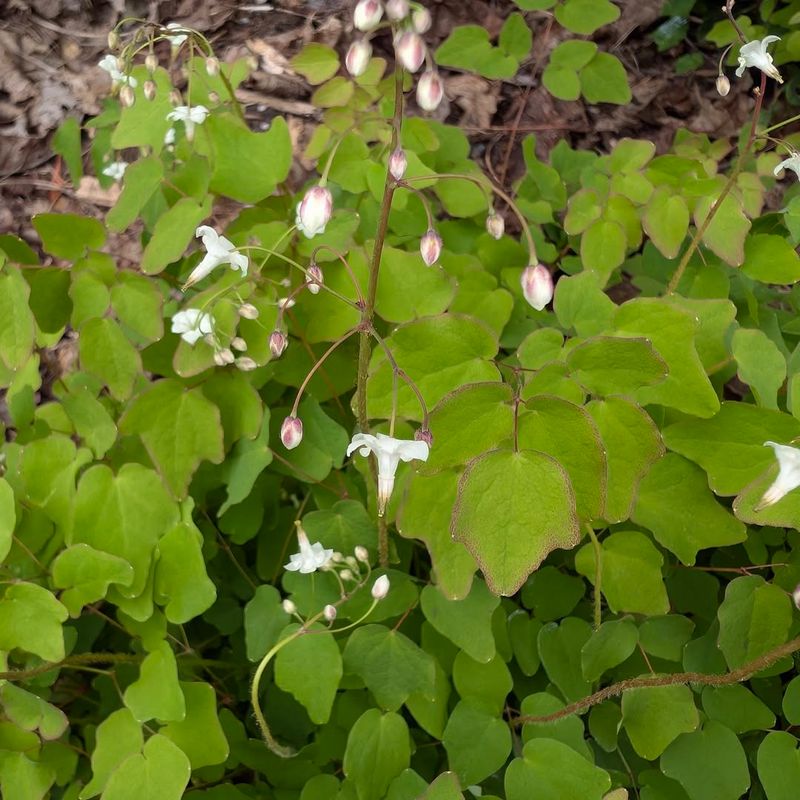
The name alone is enough to make you curious. Inside-Out Flower, also called Vancouveria hexandra, gets its quirky name from its petals, which sweep backward like tiny umbrellas caught in a strong wind.
Up close, the blooms look almost otherworldly, like something from a fairy tale garden.
This Oregon native thrives in shaded, moist conditions, making it a strong competitor for any spot where hostas might otherwise go. It forms a low, airy groundcover that looks delicate but is actually quite resilient.
The foliage stays attractive long after the flowers fade in late spring.
Inside-Out Flower is found naturally in coastal forests and the western slopes of the Cascades. It does best in well-draining but consistently moist soil.
Once established in an Oregon garden, it spreads gradually through underground rhizomes, slowly filling in bare patches without crowding out neighboring plants.
Gardeners who love a woodland aesthetic will find this plant absolutely charming. It layers beautifully with taller natives like Pacific Bleeding Heart or Western Sword Fern.
Pollinators visit the flowers regularly, adding even more life and movement to your Pacific Northwest garden space.
4. Fringecup
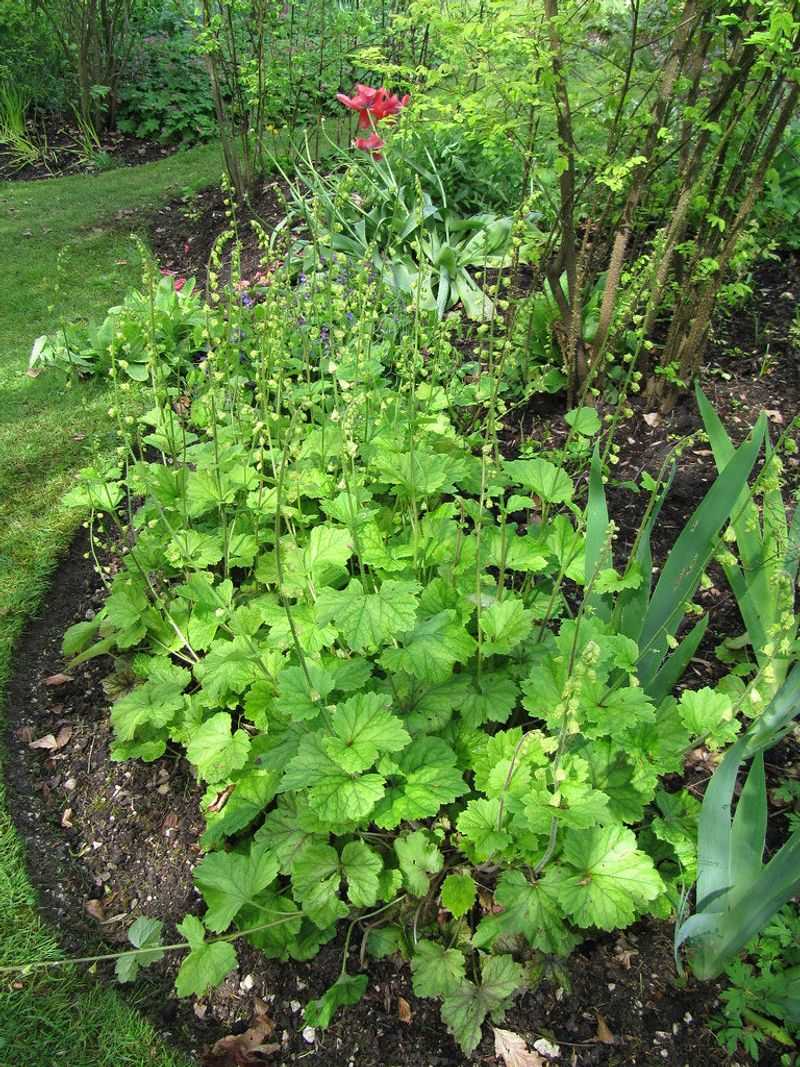
Fringecup might just be Oregon’s most underrated native plant. It produces tall, slender stalks covered in tiny, intricate flowers with fringed white petals that almost look hand-cut.
The blooms appear in spring and early summer, rising elegantly above a rosette of scalloped, hairy basal leaves.
Botanically known as Tellima grandiflora, Fringecup naturally grows in moist, shaded forests throughout the Pacific Northwest. It is a fantastic choice for Oregon gardeners who want texture and vertical interest in a shade bed without resorting to non-native species.
The foliage stays semi-evergreen in milder climates.
Hummingbirds and native bees are drawn to the flowers, which makes Fringecup a valuable addition to any pollinator-friendly garden. It self-seeds gently, meaning you may find new plants popping up in unexpected but welcome spots over the years.
This relaxed spreading habit keeps the garden feeling natural and unforced.
Plant Fringecup in organically rich, moist soil and give it regular water through dry Oregon summers. It pairs especially well with Wild Ginger and Western Sword Fern as part of a layered native planting scheme.
Over time, it builds a beautiful, low-effort display that feels genuinely rooted in the Oregon landscape.
5. Redwood Sorrel
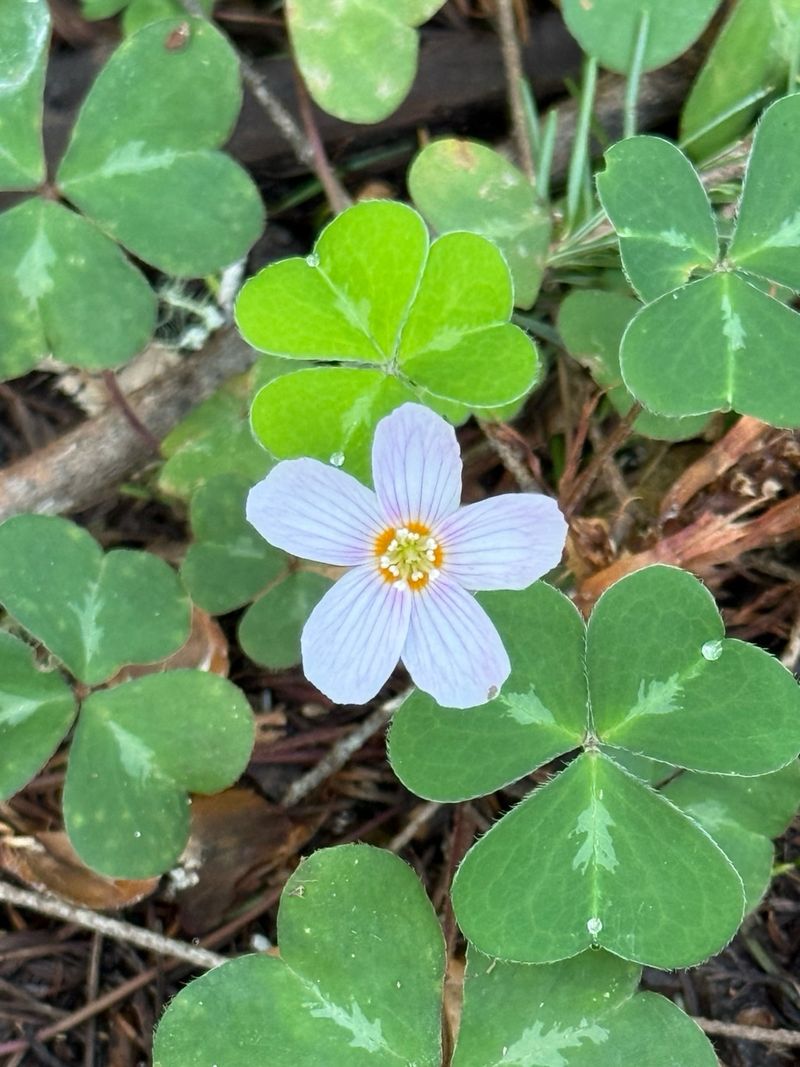
Walk through an old-growth forest in coastal Oregon and you will almost certainly step over Redwood Sorrel. Its clover-shaped leaves form a lush, low carpet across the forest floor, often mixing shades of deep green and soft purple.
The small pink or white flowers add a delicate touch in spring and early summer.
Redwood Sorrel, or Oxalis oregana, is perfectly adapted to the cool, moist, shaded conditions of the Pacific Northwest. It handles deep shade better than most plants, making it ideal for spots under dense tree canopies where little else survives.
It is also a strong competitor against weeds once established.
One fascinating trait is how the leaves fold downward when exposed to bright light or rain. It is like watching the plant react in real time, which kids especially find entertaining.
This light-sensitivity is actually a clever adaptation that protects the leaves from stress.
For Oregon gardeners, Redwood Sorrel works beautifully as a living mulch beneath shrubs or along shaded borders. It spreads by rhizomes at a moderate pace, filling in gaps without becoming aggressive.
Give it moisture and shade, and it will reward you with a lush, year-round groundcover that feels completely at home.
6. Pacific Bleeding Heart
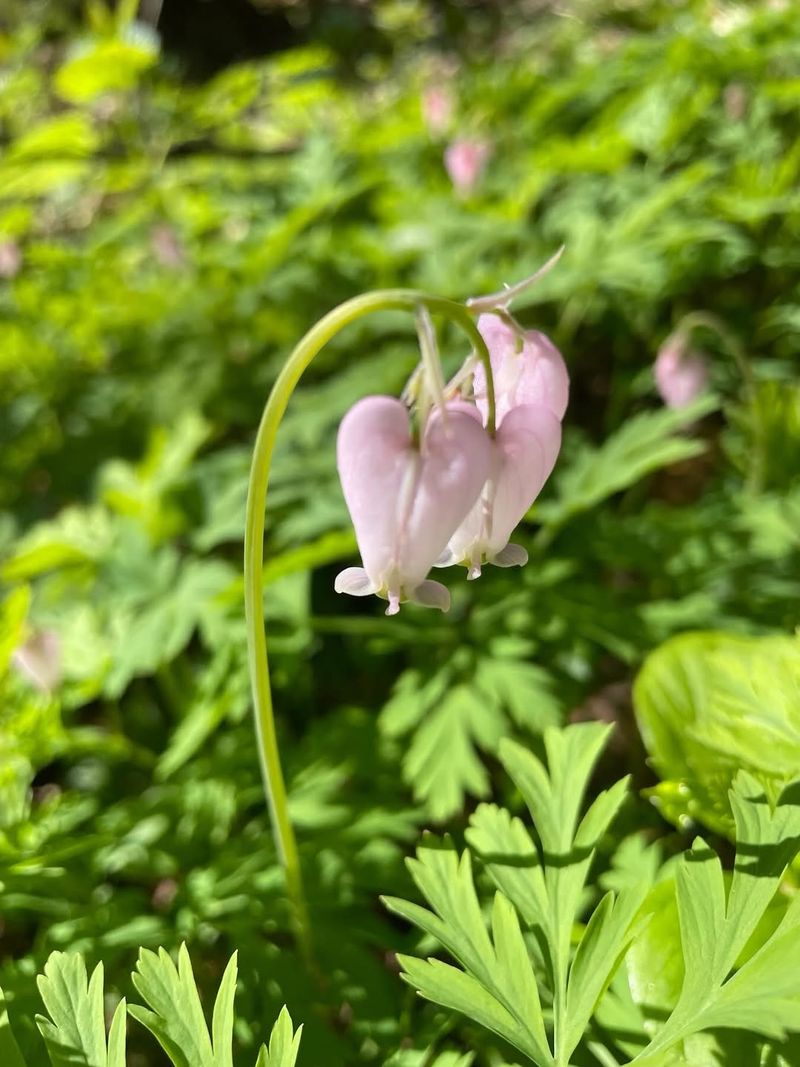
Few native plants bring as much charm to an Oregon shade garden as Pacific Bleeding Heart. The dangling, rosy-pink heart-shaped flowers hang in graceful clusters from arching stems, creating a look that is both romantic and wildly beautiful.
It blooms from early spring well into summer, offering months of color in shady spots.
Botanically called Dicentra formosa, Pacific Bleeding Heart is native to moist forests and stream edges throughout the Pacific Northwest. Its feathery, blue-green foliage is soft and fern-like, adding texture even when the plant is not in bloom.
It is one of those plants that earns its place in the garden through every season.
Hummingbirds absolutely love the tubular flowers, making this plant a living bird feeder during migration season. Bumblebees are also frequent visitors.
Planting Pacific Bleeding Heart near other nectar-rich natives creates a buzzing, fluttering garden corner that feels alive in the best possible way.
It grows best in cool, moist, humus-rich soil with good drainage. In Oregon gardens, it often naturalizes over time, spreading gently to fill in shaded areas.
Pair it with Sword Fern or Wild Ginger for a layered, forest-inspired planting that looks effortless and completely native to the region.
7. Piggyback Plant
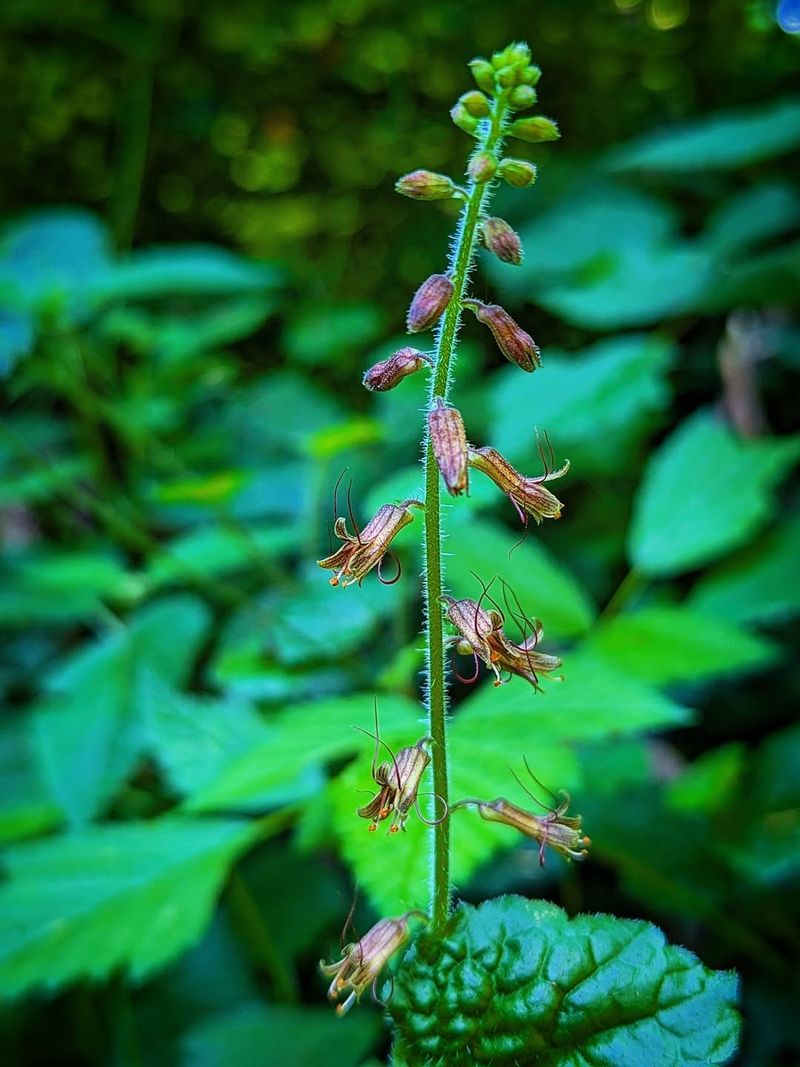
Here is a plant with a personality as fun as its name. Piggyback Plant, or Tolmiea menziesii, earns its title from a genuinely unusual quirk: tiny new plantlets grow right at the base of each mature leaf, hitching a ride like little passengers.
It is one of the most distinctive native plants in the Pacific Northwest.
In Oregon, Piggyback Plant grows naturally in moist, shaded forests and along stream banks. It forms a soft, rounded mound of fuzzy, bright green leaves that looks surprisingly lush and tidy.
The texture is rich enough to hold visual interest on its own, even without flowers.
The slender flower spikes that appear in spring are subtle but pretty, with small reddish-brown blooms that attract native insects. This plant is not showy in a flashy way, but it has a quiet, mossy charm that suits woodland-style Oregon gardens perfectly.
It works especially well in containers on shaded patios.
Piggyback Plant prefers consistently moist soil and low to medium light. It is easy to propagate by pinning a leaf with its plantlet to moist soil, where it will root quickly.
For anyone who loves sharing plants with friends and neighbors, this one is endlessly generous and completely native to Oregon.
8. Pacific Waterleaf
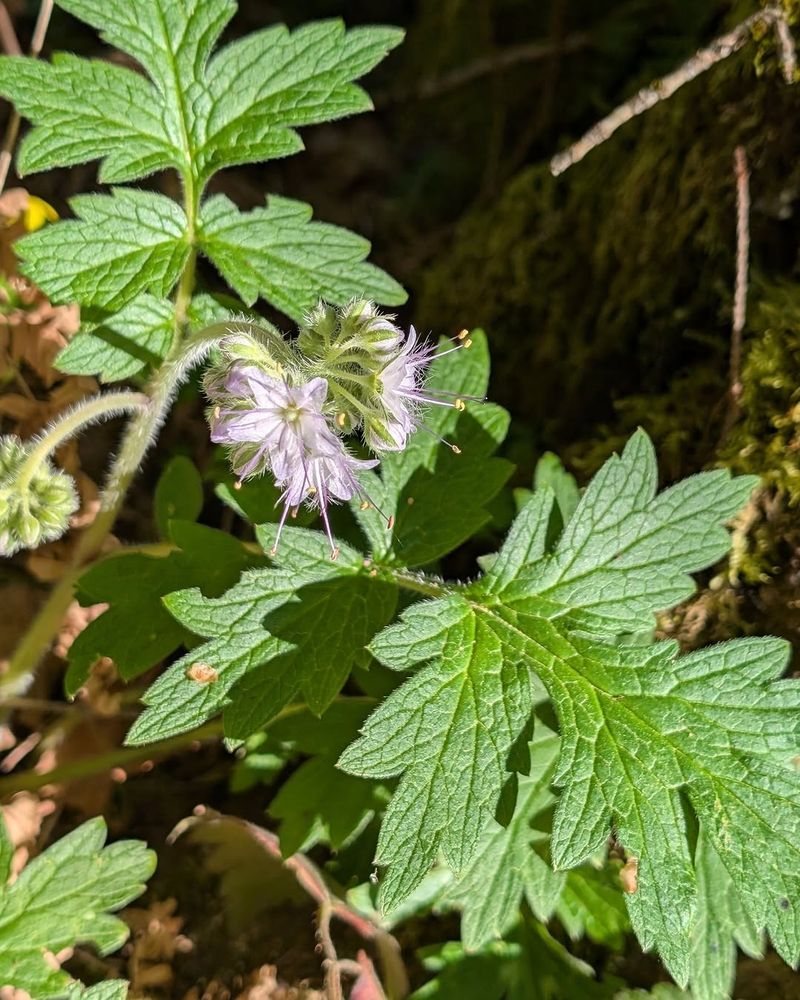
Pacific Waterleaf has a look that makes people stop and ask questions. The leaves are deeply lobed and decorated with pale, silvery patches that look almost like watercolor splashes, which is exactly how the plant got its name.
It is eye-catching in a quiet, woodland kind of way that fits Oregon gardens beautifully.
Botanically known as Hydrophyllum tenuipes, Pacific Waterleaf grows in moist, shaded forests throughout western Oregon. It produces clusters of small lavender or white flowers in spring that are rich in nectar.
Native bees, especially mason bees, are strongly attracted to the blooms, making it a valuable early-season food source.
One of its best qualities is how well it handles competition. Pacific Waterleaf grows vigorously once established, spreading to fill shaded areas that might otherwise be taken over by weeds.
It works like a natural weed barrier, which is a practical bonus for low-maintenance Oregon gardeners.
Plant it in rich, moist soil under trees or along shaded borders. It dies back in summer during dry spells but returns reliably each spring.
Pairing it with evergreen natives like Western Sword Fern ensures the garden stays full and attractive even when Pacific Waterleaf takes its seasonal rest.
9. Vanilla Leaf
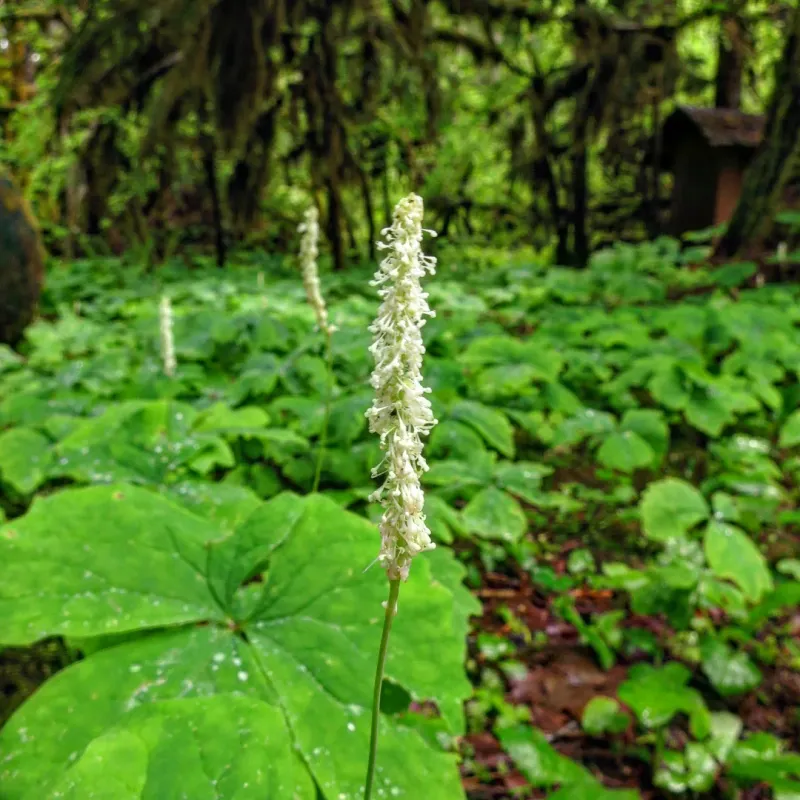
Vanilla Leaf is the kind of plant that makes a shaded garden floor look intentional and elegant. Each stem holds a single large leaf divided into three fan-shaped leaflets, creating a bold, graphic pattern across the ground.
When dried, the leaves release a sweet vanilla-like scent, which is where the charming common name comes from.
Known scientifically as Achlys triphylla, Vanilla Leaf is native to moist, shaded forests in the Pacific Northwest, including throughout much of western Oregon. It spreads by underground rhizomes to form colonies of uniform, striking foliage.
The overall effect is almost architectural, like a living mosaic laid across the forest floor.
Slender spikes of tiny white flowers appear in late spring, adding a soft, airy element above the bold foliage. The flowers are not large or flashy, but they have a quiet elegance that suits the plant perfectly.
Pollinators visit them regularly, which adds ecological value to their visual appeal.
Vanilla Leaf grows best in cool, moist, humus-rich soil with consistent shade. It is a slow spreader, so patience is required, but the payoff is a lush, low-maintenance colony that requires almost no care once established.
For Oregon gardeners seeking a truly native woodland feel, it is an outstanding and underused choice.
10. Umbrella Plant
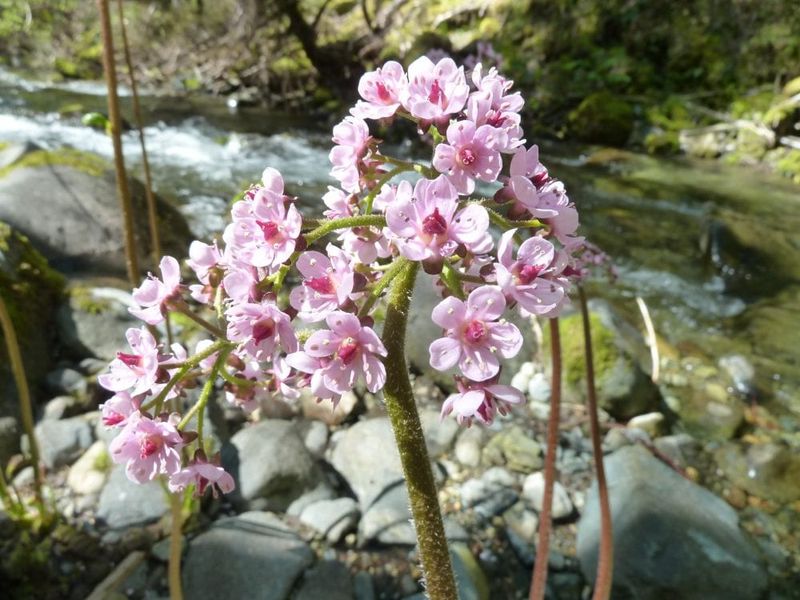
Bold, dramatic, and genuinely impressive, Umbrella Plant commands attention in any Oregon garden. Also called Indian Rhubarb or Darmera peltata, it produces enormous round leaves that can stretch up to two feet across, held up on tall stems like giant green parasols.
It is one of the most visually striking native plants in the Pacific Northwest.
What makes it even more interesting is the timing. Clusters of pink flowers appear on leafless stalks in early spring, well before the leaves emerge.
By the time the giant foliage unfurls, the blooms are already fading, creating a two-act seasonal show that keeps the garden interesting from late winter onward.
Umbrella Plant grows naturally along stream banks and in wet meadows throughout Oregon. It thrives in boggy, consistently moist soil and full to partial shade.
If you have a rain garden, a low-lying wet corner, or a spot near a water feature, this plant will absolutely flourish there.
In autumn, the leaves turn beautiful shades of orange and red before fading back. This fall color display is a genuine bonus that many gardeners do not expect.
For anyone in Oregon looking to replace hostas with something native, bold, and unforgettable, Umbrella Plant is the ultimate statement choice for moist, shaded spaces.