How Cardboard Can Help Oregon Gardeners Stop Weeds Before Summer
Spring in Oregon gives weeds a wildly unfair advantage. The rain keeps coming, the soil stays cozy, and suddenly every open patch of ground seems to sprout something you did not invite.
Very generous of nature, really. By the time June rolls around, many gardeners are already staring down grasses, bittercress, and other eager troublemakers that got moving long before summer plans did.
That is a big reason cardboard has become such a popular tool in Oregon gardens. It is simple, inexpensive, and surprisingly helpful when you want to get ahead of weeds without turning the whole yard into a major excavation project.
Used the right way, cardboard can block light, slow down a lot of young weed growth, and help set up new planting areas with less digging and less hassle. For Oregon gardeners, that is a pretty satisfying trick to keep in the toolbox.
1. Cardboard Smothers Many Young Weeds
Wet spring soil in Oregon is basically an open invitation for weeds. Annual weeds like bittercress, chickweed, and annual bluegrass sprout fast when temperatures rise and moisture is plentiful, and once they get going, they spread quickly across bare garden beds.
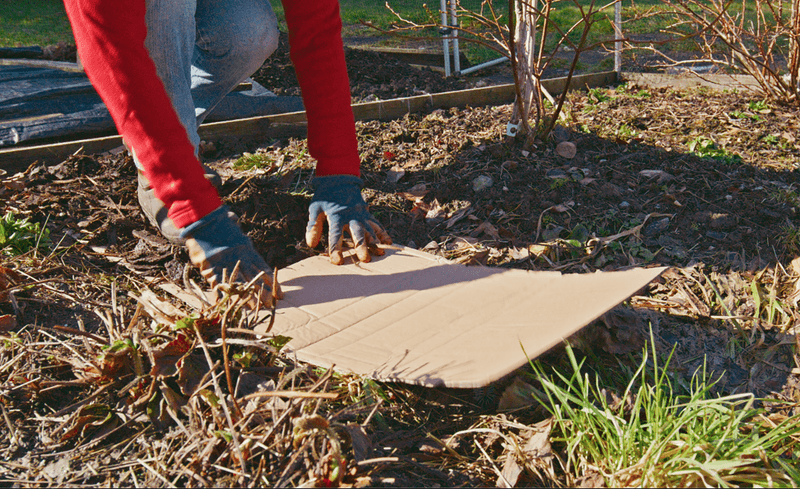
Cardboard works by cutting off the light those young weeds need to grow. When you lay it flat over the soil surface, it creates a physical barrier that blocks sunlight from reaching the seedbed below.
Without light, most young annual weeds cannot establish themselves or push through to the surface.
The cardboard also traps moisture underneath, which keeps the soil from drying out too quickly during Oregon’s unpredictable spring weather. That moisture helps break down the cardboard over time, slowly adding organic material back into the soil.
For gardeners dealing with weedy beds that have not been planted yet, cardboard can buy several weeks of weed suppression during that tricky window between late winter cleanup and spring planting.
Laying it down before weed seeds germinate gives you a real advantage.
The method works best on young, shallow-rooted weeds rather than established ones with deep root systems, so timing matters.
Getting cardboard down early in Oregon’s spring, before the big flush of weed growth, is what makes this simple technique worth trying.
2. Sheet Mulching Works Best Before Summer
Timing is everything when it comes to sheet mulching, and Oregon’s spring calendar gives gardeners a useful window to work with.
The stretch from late February through May is when most home gardens see the heaviest flush of new weed growth, and getting cardboard down before that wave hits can save a lot of frustration later.
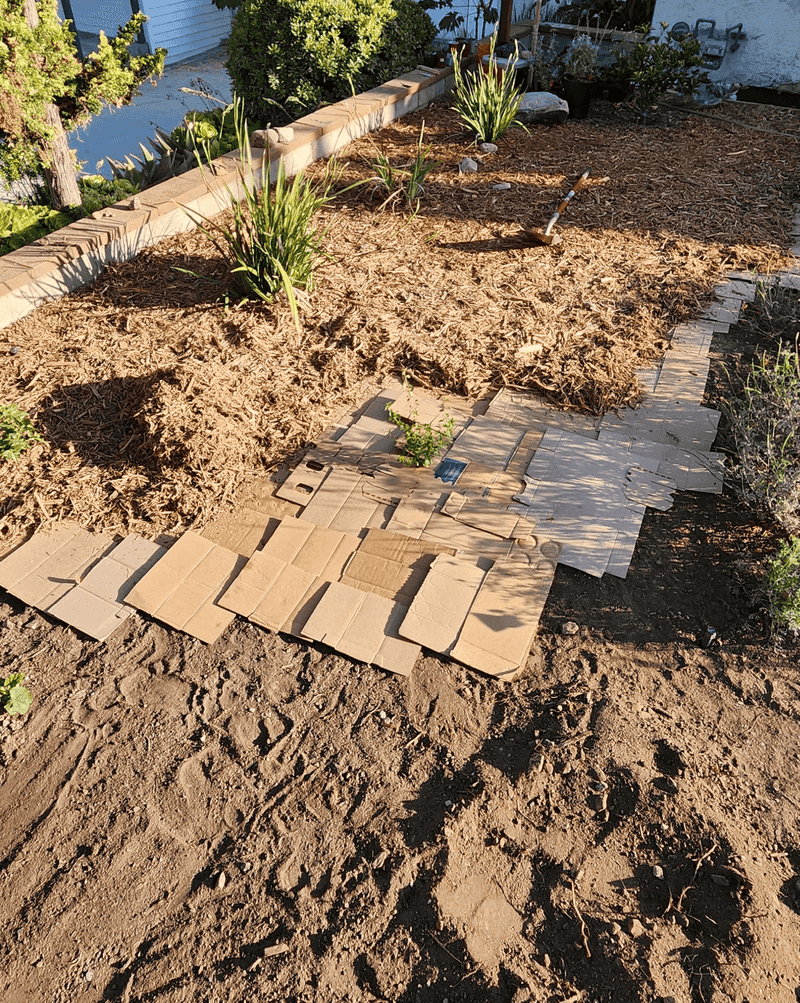
Sheet mulching works by layering cardboard directly over the soil or existing vegetation, then covering it with several inches of wood chips, compost, or other organic mulch.
The combination blocks light, holds moisture, and slowly breaks down into usable organic matter over the growing season.
One reason this approach suits Oregon so well is that the region’s rainy spring weather helps keep cardboard moist and in contact with the soil, which speeds up breakdown and improves weed suppression.
Your Oregon Garden Changes Every Week. Your Plan Should Too.
Gardening in Oregon changes quickly throughout the season. Every Friday you’ll receive a simple weekly plan showing exactly what to plant, prune, fertilize, harvest, and protect so you never miss the right timing.
Dry cardboard can curl up and leave gaps where weeds can sneak through, so Oregon’s natural rainfall actually works in the gardener’s favor here.
Starting the process in March or April gives the cardboard several weeks to settle before summer planting begins.
By the time warmer, drier weather arrives in June or July, the cardboard layer is often partially decomposed and the soil underneath is softer, more workable, and far less weedy than it would have been without any treatment.
3. Overlap Cardboard To Block Light
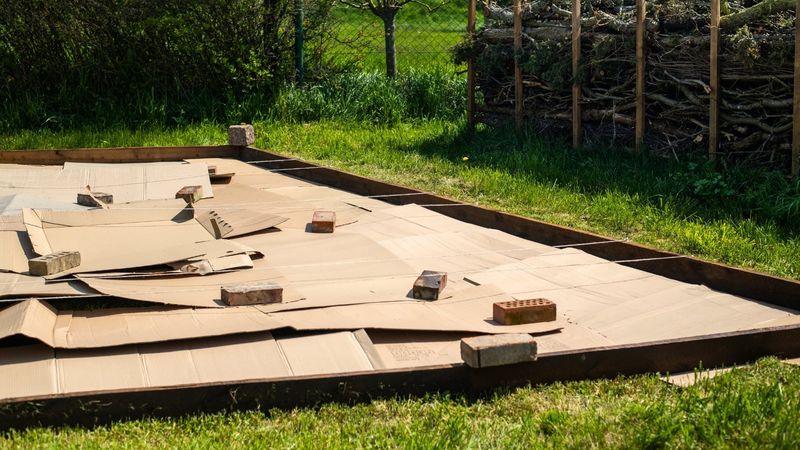
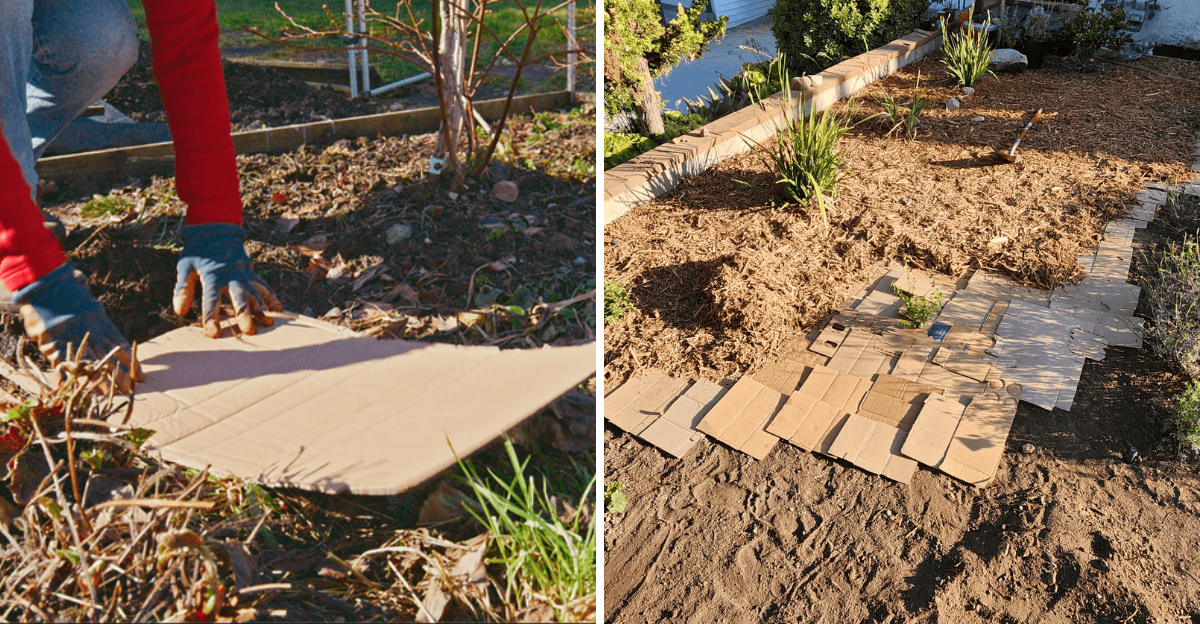
Gaps are the enemy of good cardboard mulching. Even a small opening between two pieces of cardboard is enough for light to reach the soil below, and where there is light, weeds will find a way to grow.
Overlapping your cardboard sheets by at least six inches at every seam is one of the most important steps you can take to make sheet mulching actually work.
Think of it like laying shingles on a roof. Each piece needs to cover the edge of the one before it so there are no exposed joints.
If you are working with smaller boxes, you may need to use more pieces and pay extra attention to corners and edges where gaps tend to form most easily.
In Oregon gardens where spring weeds are aggressive, even a brief window of exposed soil can lead to a fresh flush of germination. Bittercress especially can push up through surprisingly small gaps in a matter of days when conditions are right.
Before you lay the cardboard, remove any large clumps of weeds that have already established themselves, since mature weeds with strong root systems may still push through even covered cardboard.
Flattening the soil surface slightly before you start also helps the cardboard lie flat and make better contact with the ground, which improves light-blocking and overall effectiveness.
4. Soak Cardboard Before You Lay It Down
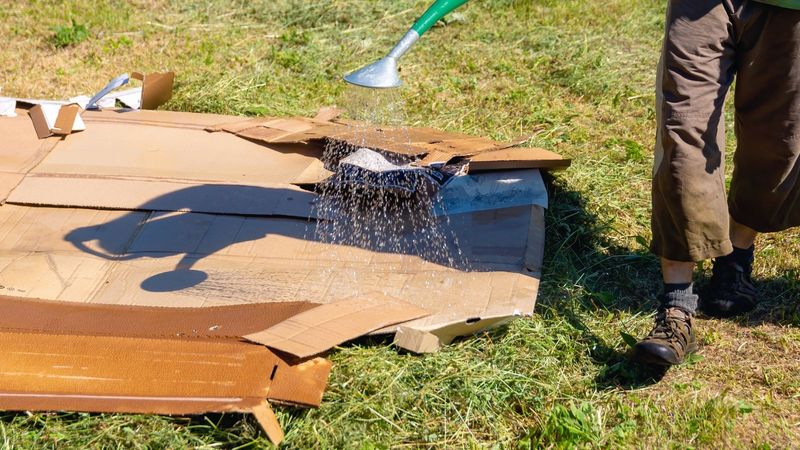
Dry cardboard has a frustrating habit of curling up at the edges and lifting off the soil surface, especially when the weather shifts between wet and dry, which happens often during Oregon springs.
Soaking your cardboard before laying it down solves this problem and gets the sheet mulching process off to a much better start.
Wet cardboard is heavier, more flexible, and far more likely to stay flat and make solid contact with the soil underneath. That contact matters because it limits the air pockets where light can sneak through and reach dormant weed seeds.
A saturated sheet molds itself to uneven ground much better than a stiff, dry one.
You can soak cardboard by running a garden hose over it for several minutes before placing it, or you can lay it down and then water it thoroughly once it is in position.
Either method works, though pre-soaking tends to make the cardboard easier to handle and shape around garden edges, raised beds, and borders.
Removing staples, tape, and plastic packaging before soaking is important since those materials do not break down in the soil and can create problems later.
Plain corrugated cardboard without heavy ink coatings breaks down fastest and is the safest option for vegetable gardens and edible planting areas where soil health is a priority.
5. Top Cardboard With Mulch
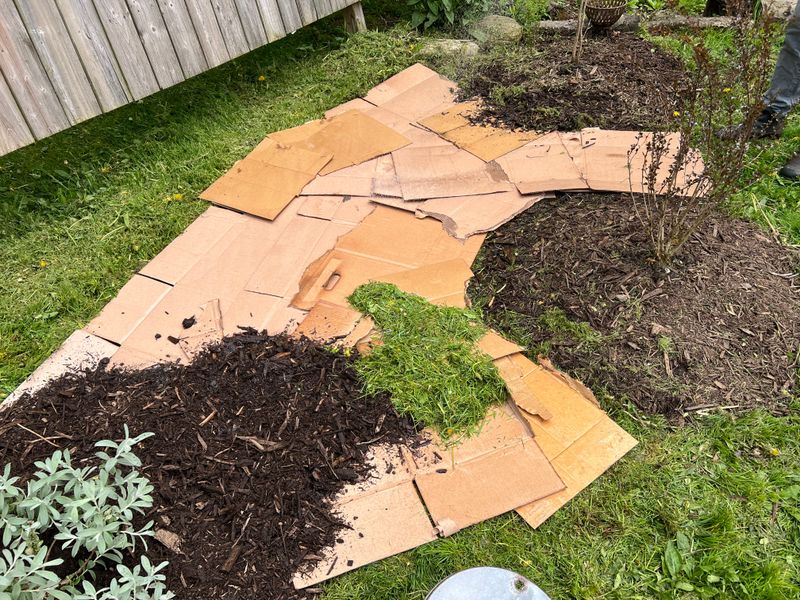
Cardboard on its own can suppress weeds for a few weeks, but adding a thick layer of mulch on top is what turns a temporary fix into a season-long solution.
Mulch holds the cardboard in place, keeps it from drying out and curling, and adds another layer of weed suppression that works even after the cardboard starts to break down.
Wood chips are one of the most popular choices for topping cardboard in Oregon gardens because they are widely available, often free from local tree trimming services, and break down slowly enough to provide long-lasting coverage.
A layer of three to four inches is usually enough to keep most weeds from emerging through the cardboard layer beneath.
Compost can also be used as a topping, especially in vegetable beds where you plan to plant soon. It breaks down faster than wood chips but adds nutrients to the soil at the same time, which benefits plants that will be going in later in the season.
One thing to watch for is mulch that gets too thin in spots over time. Oregon’s rain can wash light mulch around, and wind can shift it as well.
Checking the mulch layer a few weeks after application and topping it up where needed keeps the cardboard underneath working longer and gives weeds less opportunity to find their way through.
6. Cardboard Helps Turn Lawn Into Beds
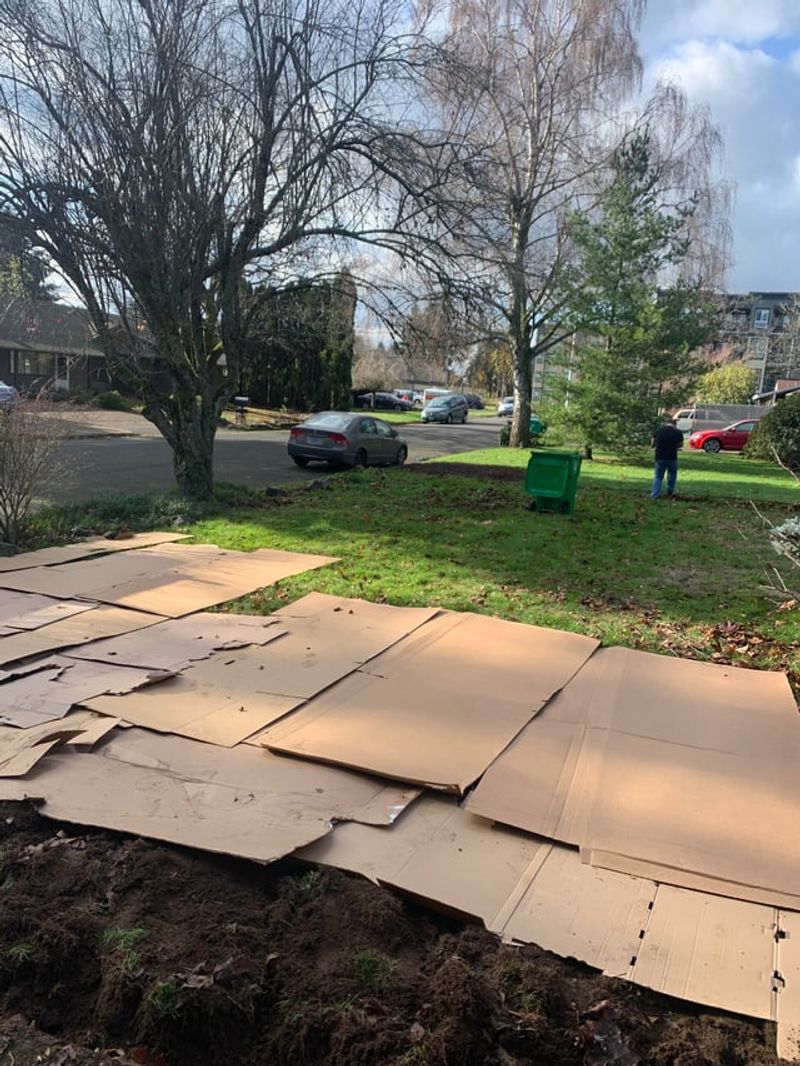
One of the most popular uses for cardboard in Oregon gardens is converting sections of lawn into new planting beds without having to dig up all the grass first. Sod removal is hard work, and renting equipment or hiring help adds up quickly.
Cardboard offers a low-effort alternative that most home gardeners can manage on their own over a weekend.
Laying cardboard directly over existing grass smothers the turf by blocking sunlight and trapping moisture in a way that eventually breaks down the grass and roots below.
It is not an instant process, but over the course of a full Oregon spring, the combination of rain, warmth, and biological activity in the soil does most of the work for you.
For best results, mow the lawn as short as possible before laying the cardboard, and then water the area well if rain is not expected soon. Top the cardboard with four to six inches of compost or wood chips to hold it in place and add growing medium for future plants.
By early summer, the grass layer beneath is usually soft, decomposed, and much easier to work with than fresh sod.
Many Oregon gardeners find they can plant directly into the compost layer on top while the cardboard and grass continue breaking down underneath, making this a practical approach for expanding garden space without a lot of digging.
7. Some Weeds Can Push Through Cardboard
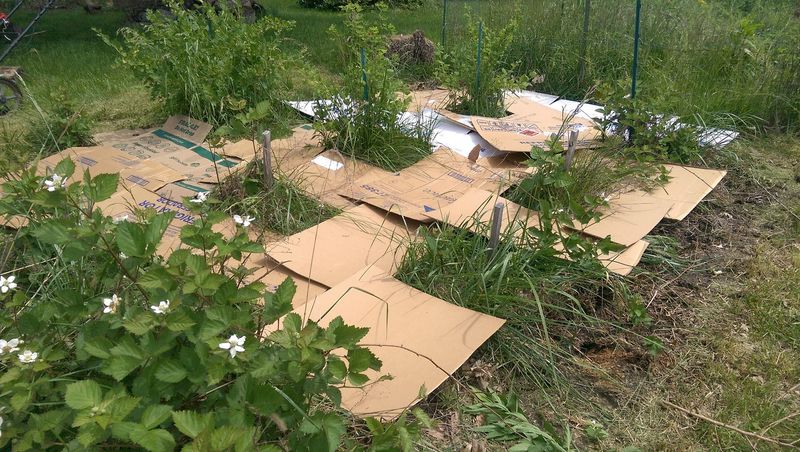
Cardboard is a helpful tool, but it is not a solution for every weed problem you might face in an Oregon garden.
Established perennial weeds with deep, spreading root systems can be surprisingly resilient, and some of them push right through cardboard layers even when the sheets are overlapped and topped with mulch.
Bindweed, creeping buttercup, and English ivy are examples of plants that tend to survive under cardboard because their roots store enough energy to keep growing even without light reaching the surface.
These are not plants that a single season of cardboard will reliably manage, and it is worth being realistic about what this method can and cannot accomplish.
For weeds that are already well established before the cardboard goes down, the results may be mixed. Young seedlings and shallow-rooted annuals respond much better to sheet mulching than mature perennials with established root systems.
If your garden has a serious infestation of a tough perennial weed, cardboard alone may slow things down but is unlikely to resolve the problem entirely in one season.
Checking under the cardboard layer after a few months can tell you a lot about how well suppression is working.
If persistent weeds are still actively growing beneath the sheets, combining cardboard with other management strategies may be necessary to get the results you are hoping for before summer fully arrives.
8. Horsetail Makes Cardboard A Poor Choice
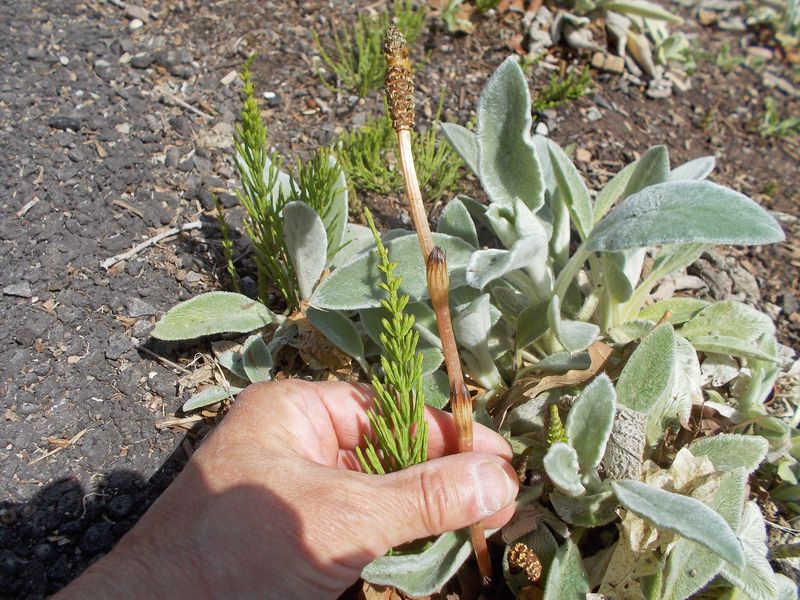
Among all the stubborn plants that Oregon gardeners deal with in spring, horsetail stands out as one of the most difficult to manage with cardboard or any surface-applied method.
This ancient plant has deep, extensive underground rhizomes that can reach far below the surface, making it nearly immune to light-blocking techniques that work well on shallow-rooted weeds.
Horsetail, also known as Equisetum, thrives in the moist, heavy soils that are common across much of western Oregon, particularly in areas with poor drainage or compacted ground near streams and low spots.
Its root system can extend several feet down, and the plant stores enough energy underground to keep sending up new growth even when the surface is fully covered.
Gardeners who have tried sheet mulching over horsetail patches often find that the plant simply finds the edges of the cardboard and emerges from the sides, or pushes up through seams with surprising force.
Relying on cardboard as a primary strategy where horsetail is present is likely to lead to disappointment.
Managing horsetail typically requires a longer-term approach that focuses on improving soil drainage, reducing compaction, and being consistent about removing new growth over multiple seasons.
Cardboard can still be useful in other parts of an Oregon garden where horsetail is not present, but it is worth identifying problem areas first before investing time in sheet mulching.