9 Smart Ways To Grow Lavender In Pots Despite Ohio’s Tricky Weather
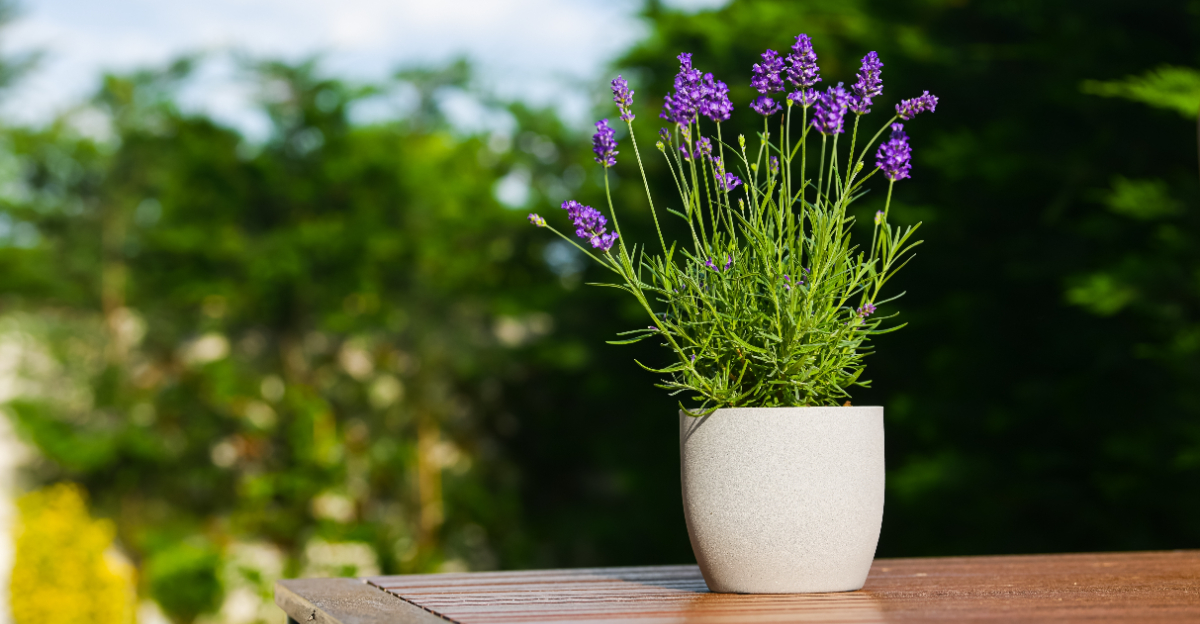
Lavender and Ohio have a complicated relationship. The plant looks like it belongs here.
The gray-green foliage, the purple flower spikes, the whole aesthetic fits an Ohio garden beautifully.
But anyone who has tried growing it in the ground knows that Ohio’s combination of cold wet winters, clay-heavy soil, and unpredictable spring moisture can turn a thriving lavender plant into a rotted disappointment faster than almost any other herb.
Pots change the equation completely. Container growing hands Ohio gardeners the control that lavender actually needs to perform well.
Drainage, soil composition, winter positioning, all the factors that make in-ground lavender such a gamble become manageable decisions rather than weather-dependent guesses. The plant stops fighting the conditions and starts thriving in spite of them.
That said, growing lavender in pots comes with its own set of considerations, and getting them right is what separates lavender that survives an Ohio season from lavender that genuinely flourishes across several of them.
These approaches make a real difference from the first repot to the last frost.
1. Pick English Lavender For Better Ohio Cold Tolerance
Not all lavender handles Ohio winters the same way, and choosing the wrong type from the start is one of the most common mistakes container growers make.
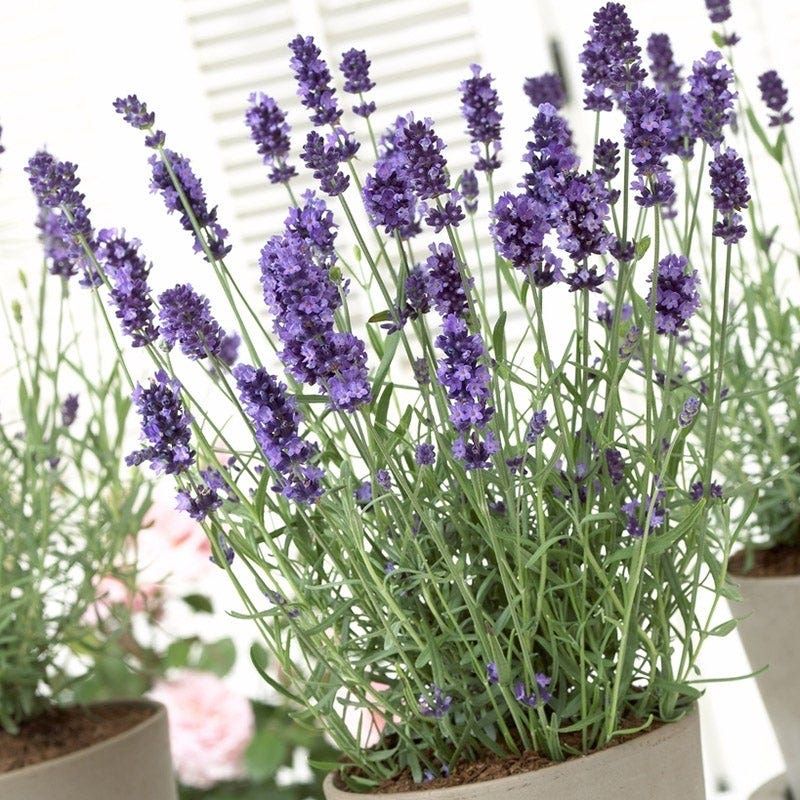
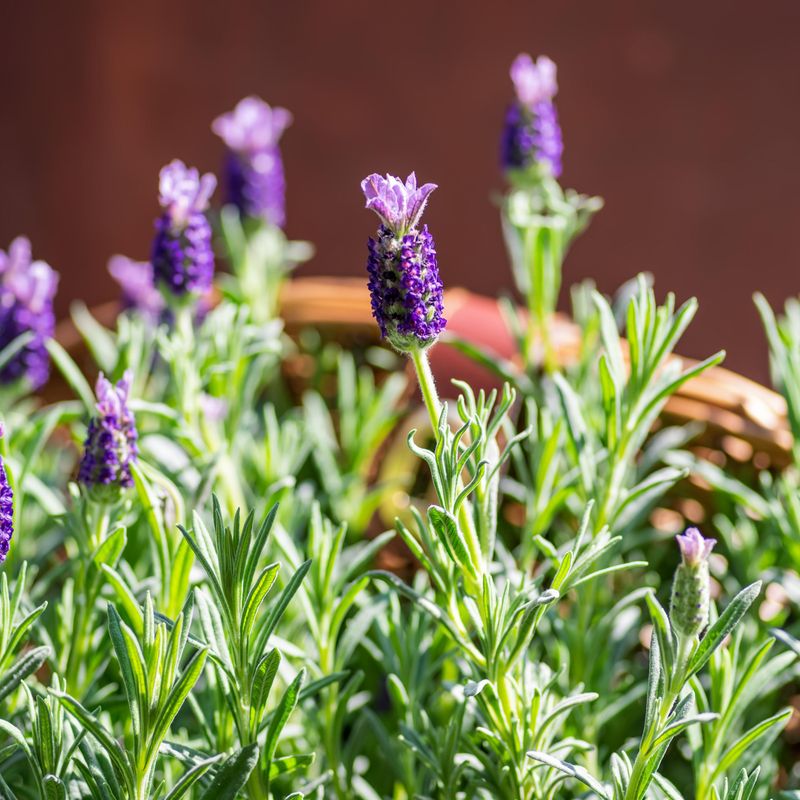
English lavender, known botanically as Lavandula angustifolia, is generally the better-adapted choice for Ohio compared to French or Spanish types, which tend to be more cold-sensitive and less suited to the region’s climate swings.
Cultivars like ‘Hidcote,’ ‘Munstead,’ and ‘Vera’ have earned solid reputations among Midwest growers for their relative cold hardiness.
Ohio State University Extension notes that English lavender varieties typically fall in the hardiness range of zones 5 to 8, which covers much of Ohio, though northern Ohio and lake-influenced areas can push those limits in a tough winter.
Keep in mind that hardiness ratings are based on in-ground plants with root insulation from surrounding soil. Potted lavender roots are far more exposed to temperature swings, so even a zone-appropriate cultivar needs extra care to survive Ohio winters in a container.
Choosing the right type is a strong first step, but it works best when paired with good drainage, the sunniest possible location, and a solid overwintering plan before cold weather arrives.
2. Choose A Pot That Drains Fast After Summer Rain
Ohio summer storms can drop a surprising amount of rain in a short time, and a pot that holds water even for a few hours can cause serious root problems for lavender. Drainage holes are non-negotiable.
A single small hole at the bottom is rarely enough; look for pots with multiple holes or wide openings that allow water to move through freely.
Terracotta and unglazed clay pots tend to work well for lavender because the porous walls allow some moisture to evaporate through the sides, which helps the root zone dry faster between waterings.
Glazed ceramic, plastic, and metal containers hold moisture longer, so if you use those materials, drainage becomes even more critical.
Avoid setting any pot directly on a flat surface where water can pool beneath it.
Your Ohio Garden Changes Every Week. Your Plan Should Too.
Gardening in Ohio changes quickly throughout the season. Every Friday you’ll receive a simple weekly plan showing exactly what to plant, prune, fertilize, harvest, and protect so you never miss the right timing.
Raising the container on pot feet, bricks, or a slatted plant stand keeps the drainage holes clear and lets air circulate under the pot. Saucers can catch overflow on wooden decks or indoor surfaces, but empty them promptly after rain or watering.
A pot size of around 12 to 16 inches in diameter gives roots enough room without holding excessive soil moisture that takes too long to dry out.
3. Use Gritty Soil That Does Not Hold Too Much Water
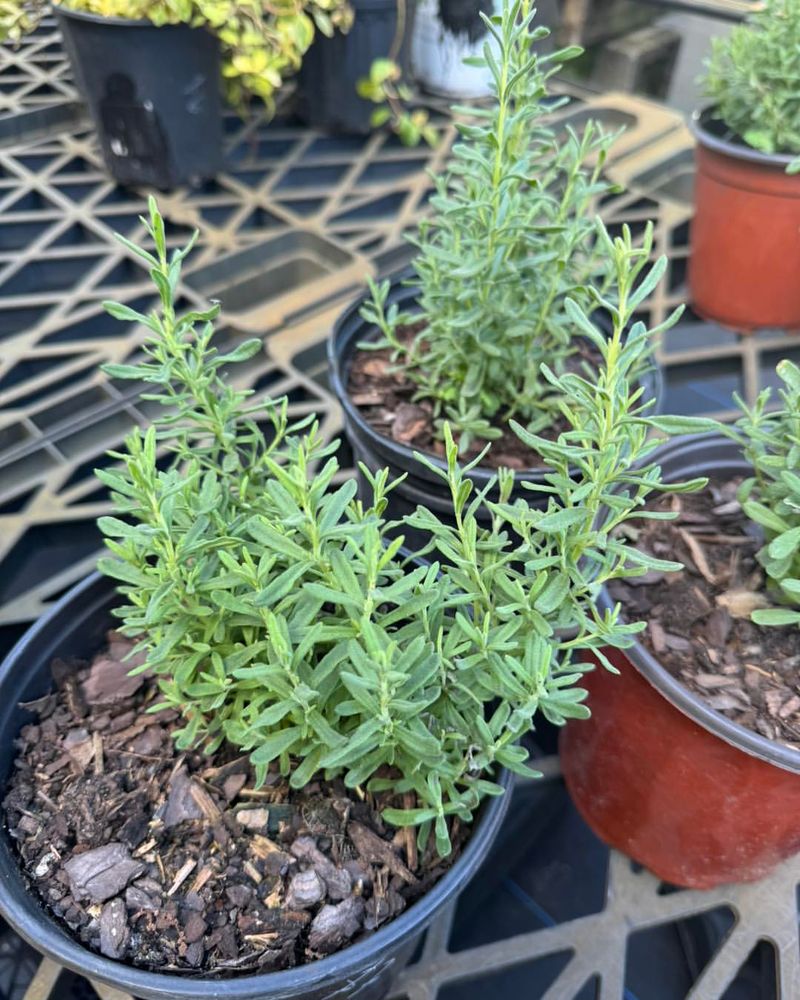
Standard potting mixes sold at garden centers are often designed to hold moisture, which works well for vegetables and flowering annuals but creates real problems for lavender.
A soil mix that stays wet for days after rain is one of the fastest ways to stress a lavender plant.
Lavender roots want to breathe, and they do best in a leaner, grittier mix that drains sharply and dries relatively quickly.
A practical approach is to start with a quality, lightweight potting mix and amend it with coarse materials to improve drainage. Perlite is widely available and easy to work with.
Coarse horticultural sand, pumice, or fine gravel can also be mixed in at roughly 25 to 30 percent of the total volume, though exact ratios can vary depending on your base mix and local humidity levels.
Avoid using Ohio garden soil directly in containers. That heavy, often clay-based soil compacts easily in a pot and drains poorly even after amendment.
Compost-heavy mixes can also retain too much moisture and encourage overly lush, soft growth that lavender does not need.
A lean mix combined with a well-draining pot gives lavender the environment it naturally thrives in, closer to the rocky Mediterranean hillsides where the plant originated.
4. Give Lavender The Sunniest Spot You Have
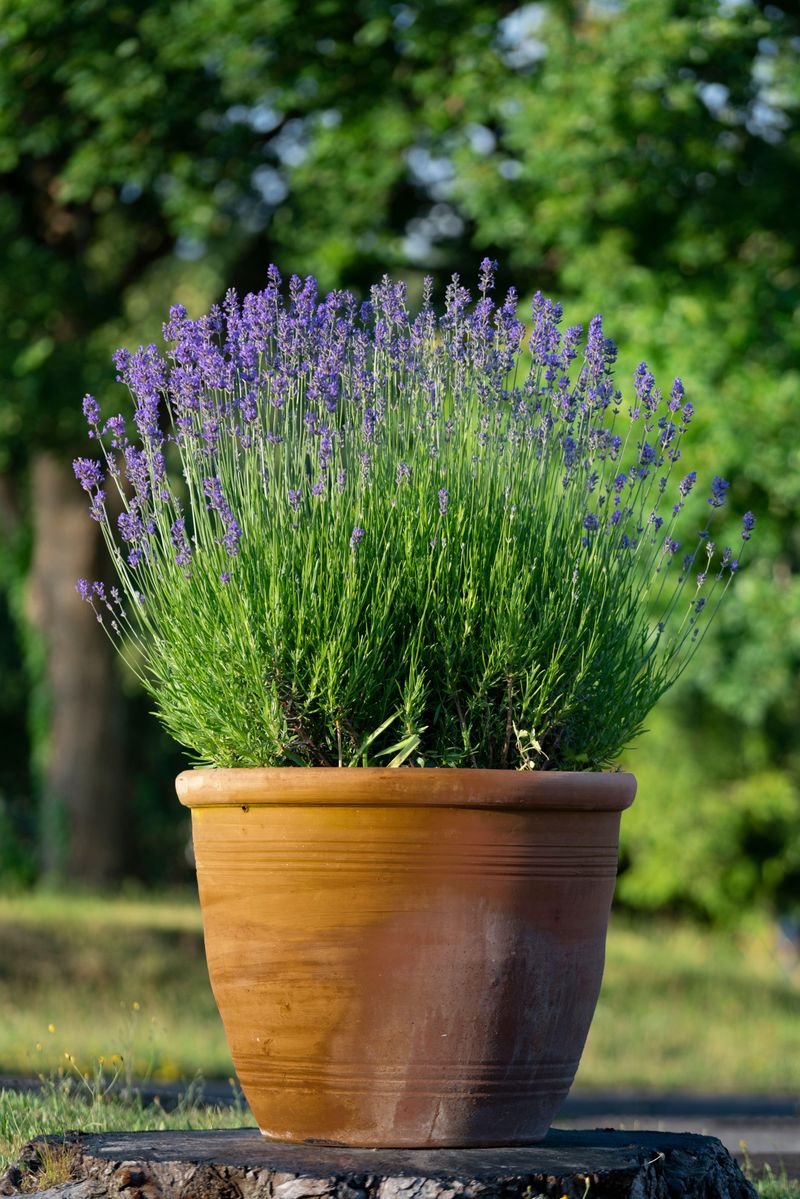
Lavender is not a plant that tolerates compromise on light. At minimum, six hours of direct sun per day is needed for decent growth, but eight hours or more is where lavender truly performs.
On a south-facing patio or an open sunny deck, potted lavender can produce strong stems, vibrant color, and the kind of rich fragrance that makes the whole effort worthwhile.
In Ohio, finding the right spot takes a little observation. Many backyards have areas that seem sunny in spring but become partially shaded by mid-summer as trees leaf out fully.
A spot that looks bright in April can turn into half-day shade by July, which is exactly when lavender needs sun the most. Walk around your yard on a clear afternoon and notice where the light actually falls between 10 a.m. and 4 p.m.
Avoid placing lavender pots near north-facing walls, in corners between structures, or under deck overhangs where air circulation is also limited. Humid, shaded spots in Ohio summers create the kind of environment where lavender foliage can develop problems.
An open, sunny edge of a deck, a south-facing stoop, or a raised garden wall that catches full sun are all solid placement choices for potted lavender.
5. Water Less Often Than Your Other Potted Plants
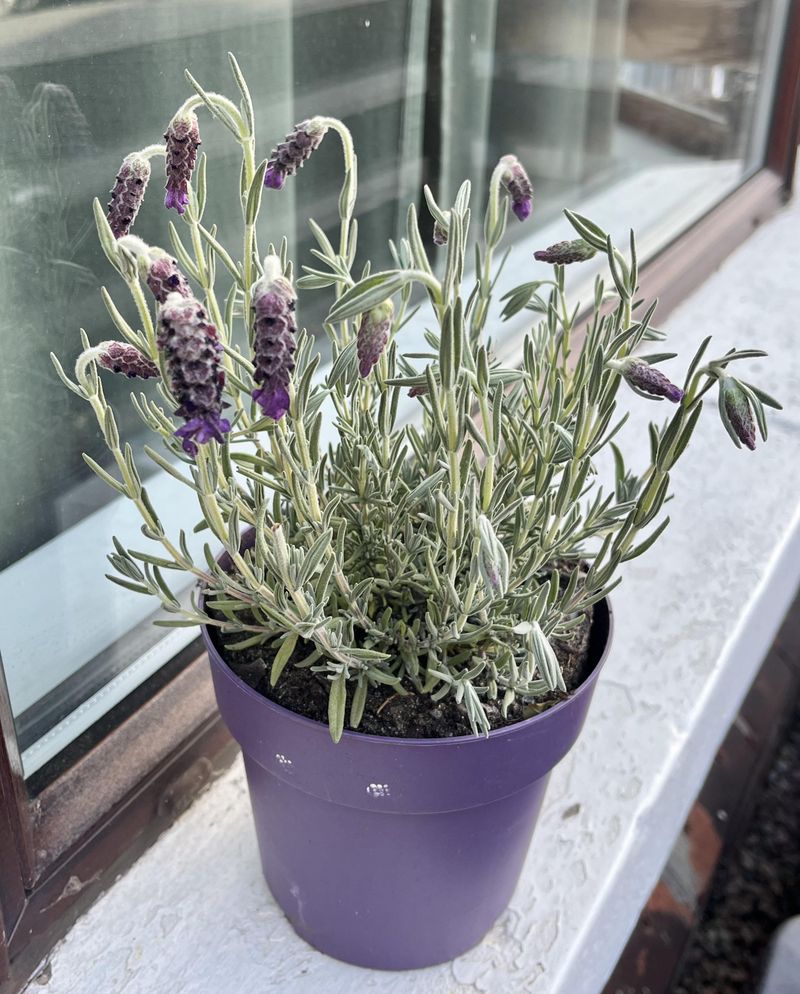
Overwatering is probably the single most common reason potted lavender struggles in Ohio gardens.
Lavender roots sitting in constantly moist soil can develop root rot, and the plant often shows stress through yellowing foliage, soft stems, or a general lack of vigor before things get worse.
The instinct to water container plants daily, especially during hot Ohio summers, does not serve lavender well.
A better approach is to check the soil before reaching for the watering can. Push a finger an inch or two into the potting mix.
If it still feels damp or cool, wait another day. If the soil feels dry at that depth and the pot feels noticeably lighter when lifted, that is a good signal to water.
Water thoroughly when you do water, until it runs freely from the drainage holes, then leave the plant alone until the mix dries again.
Hot, windy days on an exposed Ohio deck can dry out pots faster than expected, so checks should happen more often during heat spells. However, even during dry stretches, let the soil guide you rather than a fixed schedule.
In cooler, cloudy Ohio weather or after heavy rain, lavender in a well-draining pot may need no supplemental water at all for several days.
6. Leave Space Around The Plant To Fight Humidity
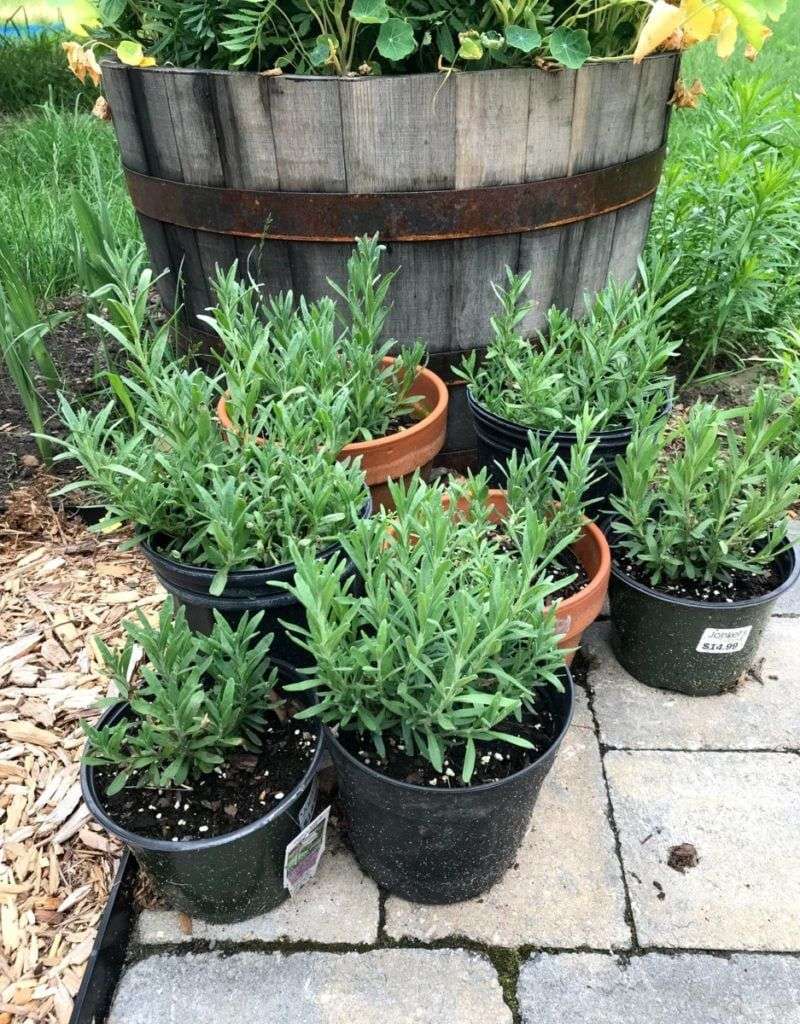
Ohio summers bring a kind of sticky, close humidity that lavender simply was not built for. In the Mediterranean, lavender grows on open hillsides swept by dry breezes.
Pack it into a crowded corner of an Ohio patio with pots touching on all sides and a wall trapping moisture behind it, and the plant will feel that difference quickly.
Spacing pots so that air can move freely around the foliage makes a real difference. A gap of at least 12 to 18 inches between lavender and neighboring containers or structures is a reasonable starting point.
Avoid pushing the pot against a fence, wall, or group of dense, leafy plants that block airflow and hold humidity close to the stems and leaves.
Overhead watering adds extra moisture to the foliage and should be avoided when possible. Water at the base of the plant, directing flow toward the soil rather than the leaves and stems.
After heavy Ohio rains, check that the pot is not sitting in a low spot where water collects and humidity lingers. If nearby plants have grown thick enough to crowd the lavender, trim them back or reposition the pot.
Good airflow is one of the quieter but more effective tools for keeping potted lavender healthy through a humid Ohio summer.
7. Skip Rich Fertilizer And Keep Growth Lean
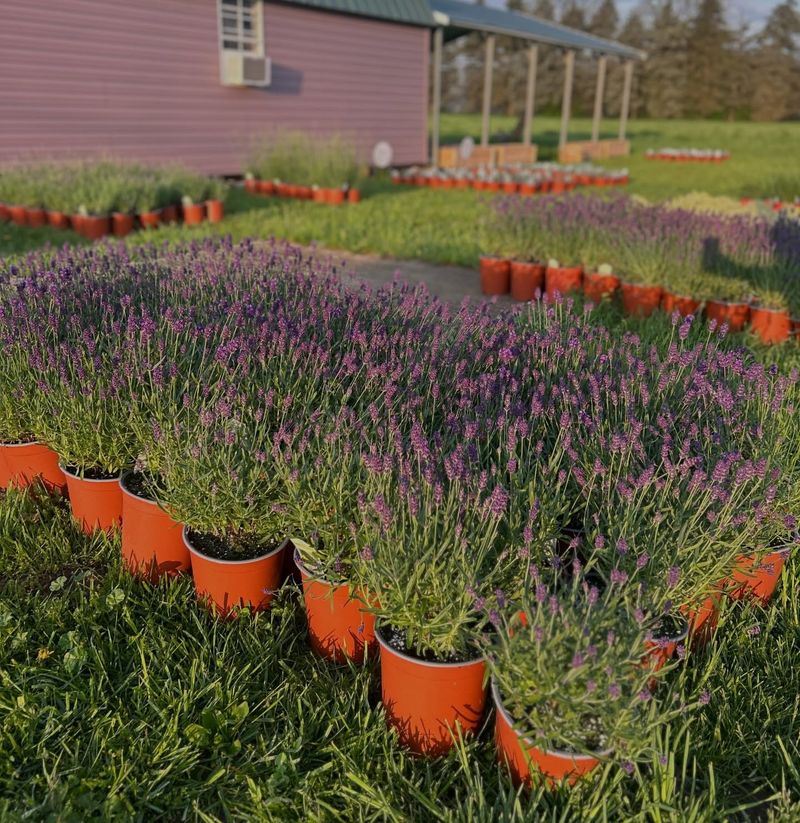
Lavender has a reputation as a low-maintenance plant partly because it thrives without much feeding. In its native habitat, lavender grows in poor, rocky soils where nutrients are scarce.
That lean background shaped the plant into something that actually performs worse when given too much fertilizer, especially nitrogen-heavy products designed for lush flowering annuals or vegetables.
Heavy feeding encourages soft, leafy growth that looks vigorous at first but tends to be less fragrant, less sturdy, and more vulnerable to humidity-related problems.
A plant pushing out lots of floppy green growth in Ohio’s humid summer air is also more prone to crown and stem issues than a compact, tougher plant grown lean.
If the potting mix is fresh and of reasonable quality, lavender in a container often needs no supplemental fertilizer in its first season. In subsequent years, a very light application of a balanced, slow-release fertilizer in early spring is enough for most plants.
Some growers skip fertilizer entirely and rely on refreshing the potting mix every year or two instead. Focus energy on getting the drainage, sun, and watering right before worrying about feeding.
Those three factors matter far more than fertilizer for potted lavender in Ohio.
8. Prune Lightly To Keep The Plant Compact
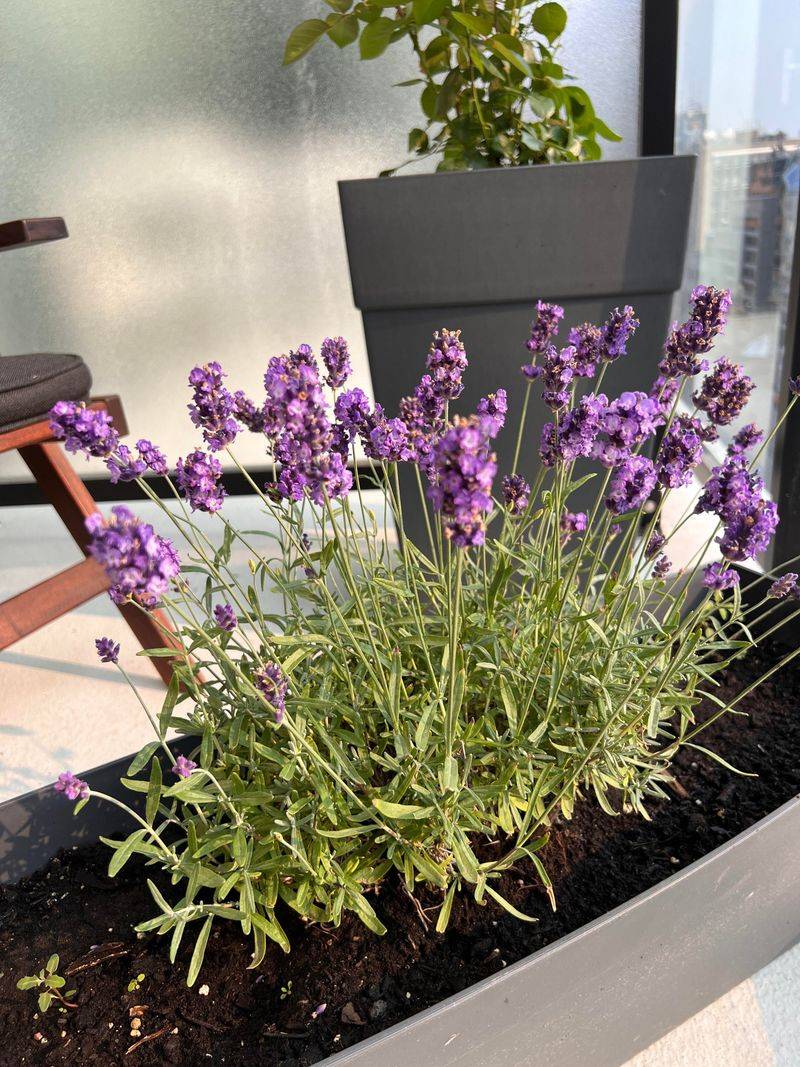
Left unpruned for a few seasons, lavender tends to get woody and open at the center, with long bare stems and a sprawling shape that looks less appealing and blooms less reliably.
Light pruning helps keep the plant tighter, more attractive, and more productive over time.
The good news is that pruning lavender in a pot does not require special tools or expertise, just a light touch and good timing.
After the first flush of blooms fades, usually in midsummer for English lavender in Ohio, trim the spent flower stems back down into the leafy green growth just above where the foliage begins.
A light shaping of the plant at the same time, removing maybe a third of the green growth, helps maintain a compact mound shape.
Avoid cutting back into the older, woody brown stems at the base. Lavender does not reliably sprout new growth from old wood the way some shrubs do.
A second light cleanup in early fall, before cold weather settles in, can tidy up the plant and remove any withered or damaged stems. Hold off on heavy pruning in late fall or winter in Ohio, as fresh cuts going into a cold season can leave the plant more vulnerable.
Spring is the time to assess winter damage and make any larger corrections once new growth appears.
9. Protect The Pot Before Ohio Winter Hits
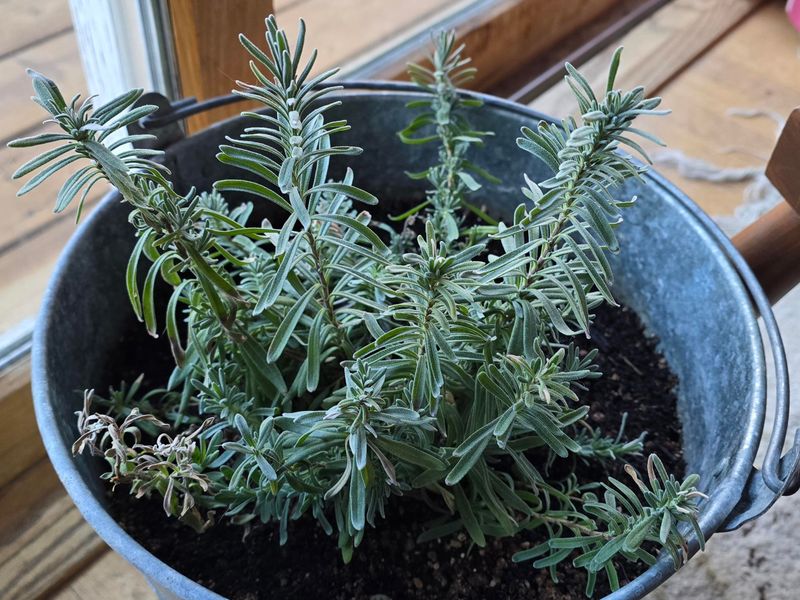
Winter is where many Ohio container gardeners lose their lavender, not because the plant is impossibly tender, but because a pot sitting exposed on a deck or patio offers almost no insulation for the roots.
In-ground plants benefit from the earth’s thermal mass, which buffers them from rapid temperature swings.
A pot in January can freeze solid in hours during a polar vortex event and then thaw out just as fast when temperatures swing back up, which is hard on roots.
Before the first hard freeze, move lavender containers to a location that offers some shelter. A south-facing wall, an unheated but protected garage with a window, a covered porch, or a grouping of pots tucked against the house can all reduce exposure significantly.
The goal is not warmth but protection from the most extreme cold and from repeated freeze-thaw cycles that heave roots and crack pots.
Keep the soil on the drier side through winter, since wet soil freezing solid causes more root damage than cold alone. Mulching around the outside of the pot with straw or shredded leaves adds a small but useful layer of insulation.
In northern Ohio especially, where winters are longer and lake-effect cold can linger, bringing pots into a sheltered, cool space before December is a smart precaution.
Winter survival is never guaranteed for any potted plant, but preparation improves the odds considerably.