What Your Pennsylvania Roses Need In May Before Brutal Heat

May is the most important month in the Pennsylvania rose calendar, and most gardeners treat it like just another round of general maintenance without realizing how much is actually at stake.
What happens to your roses in May doesn’t just affect how they look right now – it directly determines how well they hold up through the heat and humidity of a Pennsylvania summer and how strong their performance is all the way through fall.
Roses are demanding enough under ideal conditions, and Pennsylvania summers are far from ideal for a plant that prefers things a little more moderate.
The combination of July humidity, August heat, and the fungal pressure that comes with both creates a gauntlet that roses either sail through or struggle through depending almost entirely on the foundation you build for them in May.
Get May right with your Pennsylvania roses and the rest of the season takes care of itself in a way that makes all the difference.
1. A Fresh Layer Of Mulch
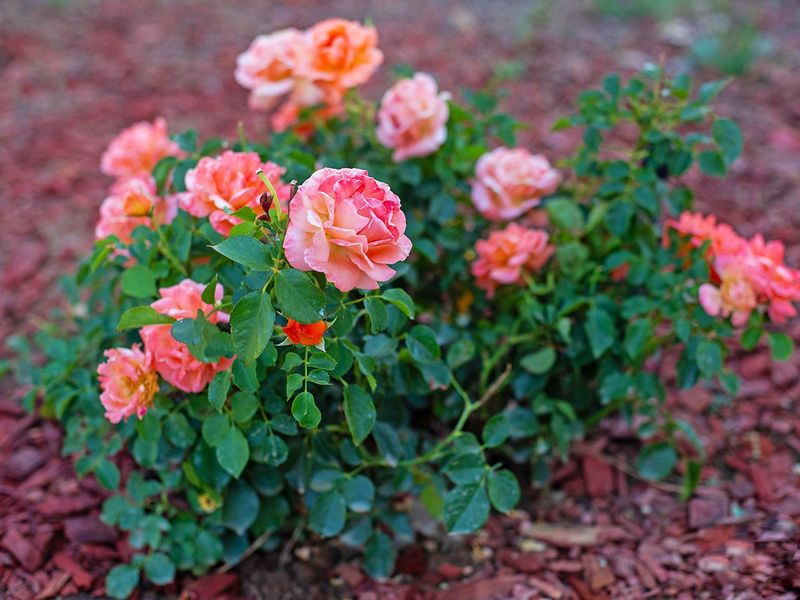
Mulch might just be the most underrated tool in any Pennsylvania rose gardener’s toolkit. A fresh layer spread around your rose bushes in May can make a huge difference once summer temperatures start climbing.
It acts like a protective blanket for the soil beneath your plants. When you mulch your roses, you help the soil hold onto moisture much longer. That means you water less often, and your roses stay hydrated even during dry spells.
In Pennsylvania, summer can bring stretches of hot, dry days that stress plants quickly, so every bit of moisture counts.
Mulch also keeps the soil temperature more stable. Roots do not like sudden heat, and a thick layer of mulch buffers that shock.
Aim for about two to three inches of organic mulch like shredded bark, wood chips, or composted leaves around the base of each plant.
Make sure to keep the mulch a few inches away from the main stem. Piling it right up against the cane can trap moisture and lead to rot or fungal problems. Leave a small gap so the base of the plant can breathe properly.
Weeds are another problem mulch helps control. Fewer weeds mean your roses are not competing for nutrients and water.
In a busy Pennsylvania garden, that is a practical win. Refresh your mulch every spring to keep the layer effective and looking neat throughout the growing season.
2. Deep, Consistent Watering
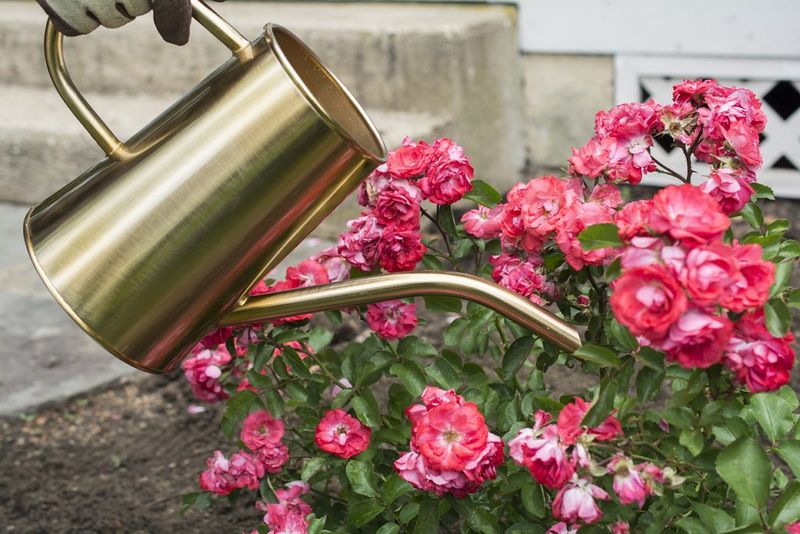
Watering roses sounds simple, but the way you water matters just as much as how often you do it. Shallow, frequent watering encourages roots to stay close to the surface.
Surface roots are more vulnerable to heat and drought, which is bad news when Pennsylvania summer arrives.
Deep watering is the better approach. Slow, thorough watering allows moisture to soak down several inches into the soil.
Roots follow the water downward, growing deeper and stronger. Deep roots help roses survive hot spells much more effectively than shallow ones.
A soaker hose or drip irrigation system works really well for roses. These methods deliver water slowly right at the base of the plant.
Your Pennsylvania Garden Changes Every Week. Your Plan Should Too.
Gardening in Pennsylvania changes quickly throughout the season. Every Friday you’ll receive a simple weekly plan showing exactly what to plant, prune, fertilize, harvest, and protect so you never miss the right timing.
The foliage stays dry, which reduces the risk of fungal diseases that love wet leaves in Pennsylvania’s humid conditions.
Water your roses in the morning whenever possible. Morning watering allows any splashed moisture on leaves to dry out before nightfall.
Wet foliage overnight creates the perfect environment for mildew and other problems to develop.
During May in Pennsylvania, aim for about one inch of water per week from rain or irrigation combined. If rainfall is low, supplement with deep hand watering.
Push a finger two inches into the soil near the base of the plant. If it feels dry, it is time to water.
Staying consistent with deep watering now builds the kind of root system that will carry your roses through even the hottest Pennsylvania summer days ahead.
3. Spring Fertilizer
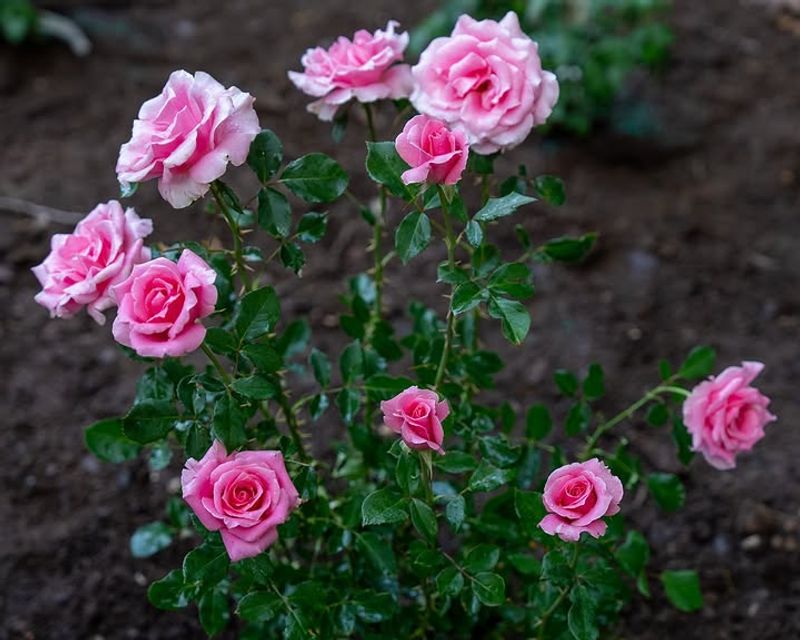
Feeding your roses in May is one of the smartest things you can do before summer arrives. Roses are heavy feeders, which means they need a steady supply of nutrients to produce strong stems, lush green leaves, and vibrant blooms.
Without proper fertilizing, growth slows and flowers lose their punch. Look for a fertilizer specifically made for roses. These products are balanced to provide the right mix of nitrogen, phosphorus, and potassium.
Nitrogen supports leafy green growth, phosphorus encourages strong roots and blooms, and potassium helps the overall health of the plant. Together, they set your roses up for success.
Granular fertilizers are popular because they are easy to apply and release nutrients slowly over time. Sprinkle the recommended amount around the base of each plant and water it in well.
Liquid fertilizers work faster and are great if your roses need a quick boost early in the season.
In Pennsylvania, May is the sweet spot for fertilizing because the soil is warm enough for roots to absorb nutrients efficiently. Fertilizing too early when the ground is still cold means the nutrients sit unused and may wash away before the plant can benefit.
Avoid over-fertilizing because too much nitrogen can push lots of leafy growth at the expense of flowers. Always follow the label directions.
A well-fed rose in May will reward you with stronger blooms and better resistance to the stress that comes with Pennsylvania’s hot and humid summer months ahead.
4. Proper Air Circulation

Crowded rose bushes are an open invitation for fungal diseases. When canes and leaves are packed tightly together, air cannot move through the plant freely.
Trapped moisture and heat create the perfect conditions for problems like black spot and powdery mildew to develop fast.
Pennsylvania summers are notoriously humid. That humidity makes air circulation even more critical for rose growers in the state.
Taking time in May to thin out crowded growth can save your roses from a frustrating battle with disease later in the season.
Use clean, sharp pruning shears to remove any canes that are crossing over each other, growing inward toward the center of the plant, or simply crowding out healthy stems.
The goal is to open up the center of the bush so air and light can reach all parts of the plant easily.
Removing weak or spindly canes is also a good idea. These thinner stems rarely produce quality blooms and often become entry points for pests and disease. Cutting them away directs the plant’s energy toward stronger, more productive canes.
After pruning, step back and look at the overall shape of your rose bush. A well-shaped plant with good spacing between canes looks healthier and performs better.
Clean up any clippings from the ground around the plant right away. Leaving old plant material on the soil can harbor disease spores that splash back onto the plant during watering or rain.
Good airflow is a simple but powerful form of preventive care for Pennsylvania rose gardens.
5. Early Pest Checks
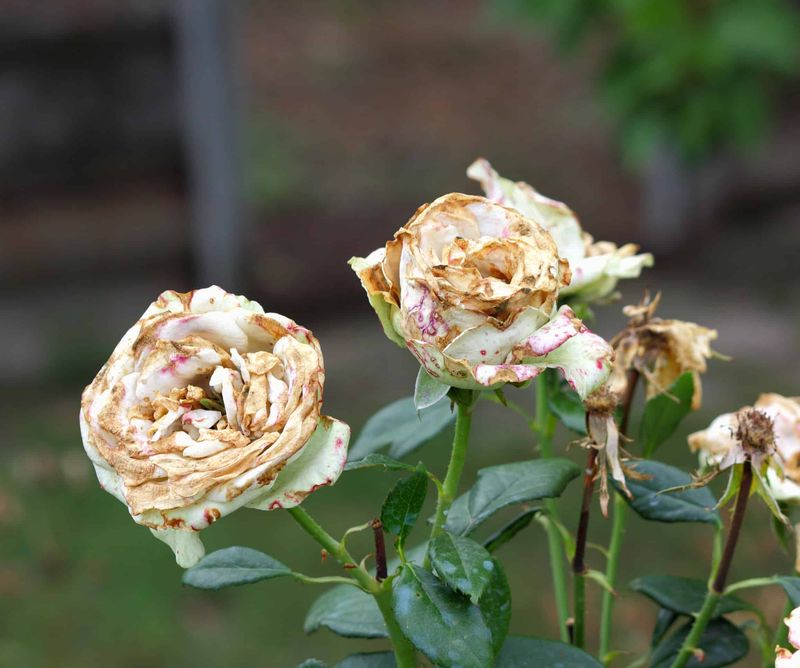
Pests do not announce themselves. They show up quietly, usually on the undersides of leaves, and by the time you notice serious damage, they have already been feeding for a while.
Starting your pest checks early in May gives you the advantage of catching problems before they spiral out of control.
Aphids are one of the most common rose pests in Pennsylvania. These tiny, soft-bodied insects cluster on new growth and flower buds, sucking out plant juices.
They reproduce quickly, so a small group can become a large infestation within days. Look for clusters of small green, yellow, or black insects on tender new shoots.
Spider mites become more of a problem as temperatures rise. They are extremely small, but you can spot the fine webbing they leave behind on leaves.
Leaves that look dusty, pale, or stippled with tiny dots may be hosting mites. Check the undersides of leaves regularly throughout May.
A strong spray of water from a hose can knock aphids and mites off plants without using any chemicals. For heavier infestations, insecticidal soap or neem oil are effective and relatively gentle options that work well for home gardeners across Pennsylvania.
Check your roses at least once a week during May. Early morning is a great time because the light is good and insects are less active.
Keeping a close eye on your plants now means you spend far less time dealing with pest damage during the hotter months ahead in your Pennsylvania garden.
6. Removal Of Diseased Leaves
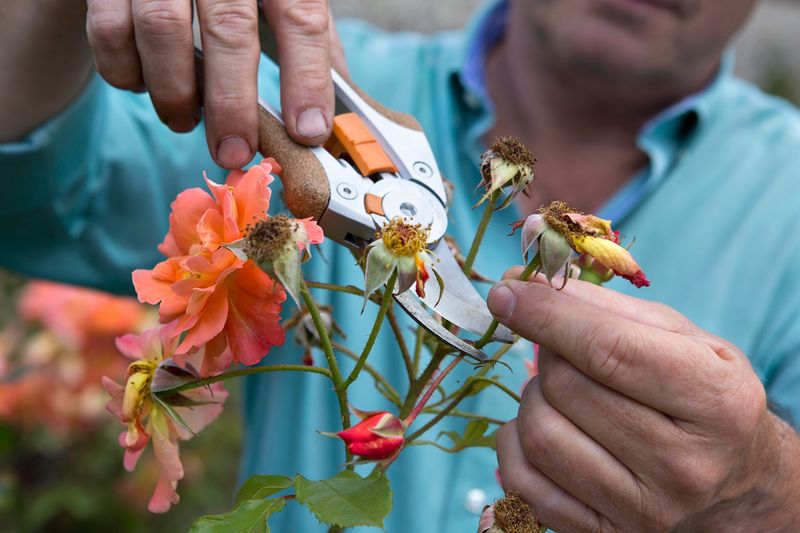
Spotted, yellowing, or discolored leaves on a rose bush are warning signs that should never be ignored. Black spot is one of the most widespread fungal diseases affecting roses in Pennsylvania, and it spreads fast once it gets a foothold.
The good news is that removing affected leaves early can slow its progress significantly. Black spot shows up as circular black or dark brown spots on the upper surface of leaves. Surrounding tissue often turns yellow, and eventually the leaf drops off.
The spores from infected leaves spread to healthy tissue through water splash, which is why removing them quickly matters so much.
Do not compost diseased leaves. Throw them in the trash or seal them in a bag to prevent spreading spores back into your garden.
Even fallen leaves on the ground around your rose bushes should be picked up and discarded properly.
Powdery mildew is another common issue in Pennsylvania gardens, especially in areas with fluctuating temperatures in spring. It looks like a white, powdery coating on leaves and new growth.
Removing affected tissue and improving air circulation helps reduce its spread. After handling diseased plant material, clean your pruning shears with a disinfectant solution before moving on to another plant.
This simple step prevents spreading disease from one bush to another. Staying on top of diseased leaf removal throughout May sets your roses up for a much healthier growing season, even when Pennsylvania’s summer heat and humidity arrive and create prime conditions for fungal problems to flare up.
7. Morning Sun Exposure

Sunlight is one of the most basic needs of any rose, but the timing of that sunlight matters more than most gardeners realize. Roses thrive with at least six hours of direct sun each day, and morning sun is especially valuable.
It warms the plant gradually and dries the foliage quickly after overnight dew or early watering.
When foliage dries fast in the morning, it stays dry longer throughout the day. Wet leaves that sit in shade for hours are far more likely to develop fungal issues.
In Pennsylvania, where spring mornings can be cool and dewy, morning sun is a natural defense against mildew and black spot.
If you are planning to add new roses to your Pennsylvania garden, think carefully about placement. Choose a spot that gets strong morning light and is not blocked by fences, large shrubs, or buildings on the east side.
Afternoon shade is actually acceptable for roses in hot climates because it reduces heat stress later in the day.
Roses that are already planted in low-light areas may show signs of weak growth, fewer blooms, and more disease. Consider trimming back nearby shrubs or small trees that might be casting shade over your roses as they leaf out in May.
Good sun exposure also supports stronger photosynthesis, which means more energy for root development, stem strength, and flower production.
Giving your Pennsylvania roses the best possible light conditions in May is one of the simplest and most effective ways to help them handle the intense summer heat that is sure to come.