When A Praying Mantis Appears In Your Florida Garden, It’s No Coincidence (Here’s What It Means)
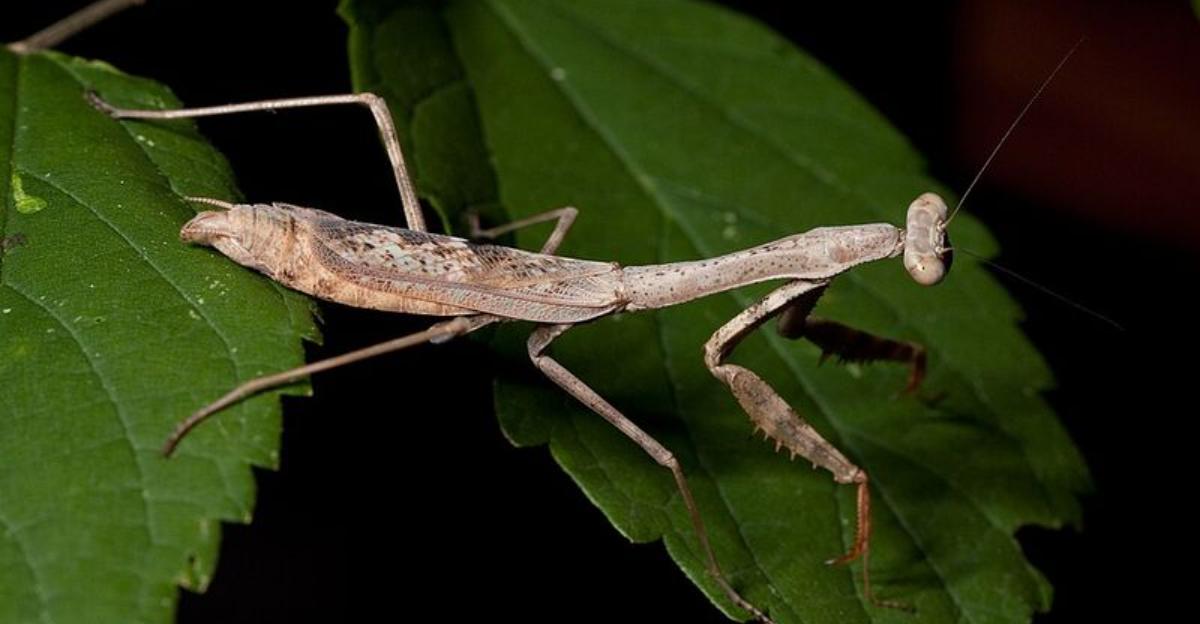
Spot a praying mantis in your Florida garden and you might think it wandered in by chance. Sometimes it did – but if it stays, your garden is probably offering something it can use.
That slow, deliberate creature perched on your pepper plant or hibiscus stem is likely responding to useful conditions nearby, and the reason says something useful about the habitat your garden provides. Florida gardens are busy, complicated ecosystems.
The warm climate runs the food chain hot year-round, with more insect activity, more predator pressure, and more biological interaction happening in a single square foot of garden bed than most people realize.
In that kind of environment, a praying mantis often shows up where prey, cover, and suitable hunting perches are available.
People have been fascinated by the praying mantis for centuries. Ancient cultures treated them like little prophets.
Many Florida gardeners are glad to see them, though mantises are more complicated than simple garden heroes.
What looks like a random garden visitor is actually one of nature’s most sophisticated hunters, and its presence in a Florida garden tells a story about your outdoor space that no soil test or spray schedule ever could.
Your garden may be offering the kind of habitat and prey that can support an ambush predator. So what does it actually mean?
The answer covers pest balance, garden health, and a few mantis behaviors that will genuinely change how you see your outdoor space.
1. Read A Praying Mantis As A Sign Of Prey And Habitat
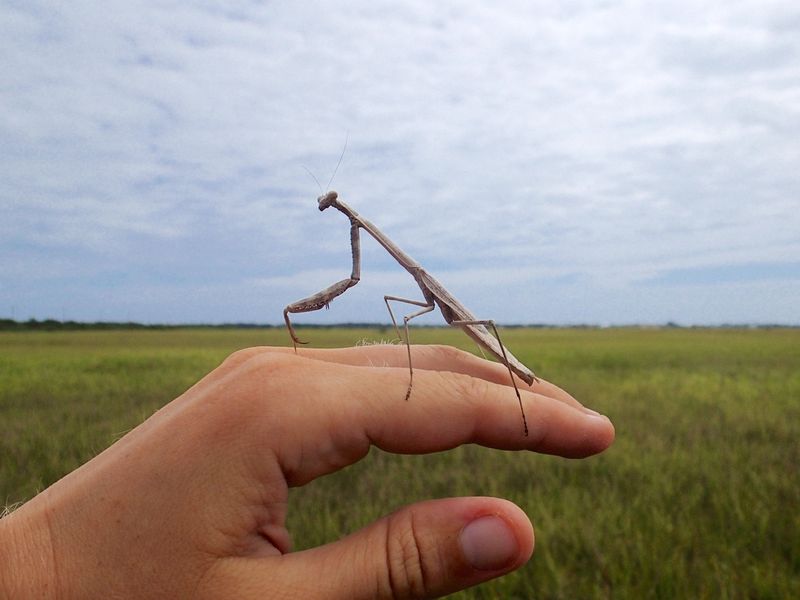
Seeing a praying mantis in your Florida garden is often less about luck and more about available habitat. These insects are ambush predators, which means they often remain in places where prey is likely to come within striking distance.
If one remains in your garden, it likely found something worth staying for: dense vegetation, plenty of insects moving through the area, and spots where it can blend in and wait.
Mantises rely heavily on camouflage. They tend to position themselves on stems, leaves, or bark where their coloring helps them disappear into the background.
Florida gardens with layered plantings, shrubs, flowering perennials, or vegetable beds give mantises exactly the kind of hunting terrain they prefer. An open, sparse lawn with little insect activity would not attract one for long.
According to UF/IFAS resources on beneficial garden insects, the presence of predatory insects in a garden generally reflects the presence of prey insects. A mantis can be a clue that your garden has enough insect activity to support at least one predator.
That is useful information. It suggests your yard has developed some level of a functioning food web, even if you have not noticed all the small insects flying and crawling through it each day.
Rather than seeing the mantis as a mysterious visitor, think of it as an observational clue. Your garden is providing food, cover, and hunting opportunities.
That does not guarantee a balanced or healthy ecosystem, but it does suggest your space is more ecologically active than a bare or heavily treated yard would be.
Your Florida Garden Changes Every Week. Your Plan Should Too.
Gardening in Florida changes quickly throughout the season. Every Friday you’ll receive a simple weekly plan showing exactly what to plant, prune, fertilize, harvest, and protect so you never miss the right timing.
2. Let Mantises Work As Generalist Predators In The Garden
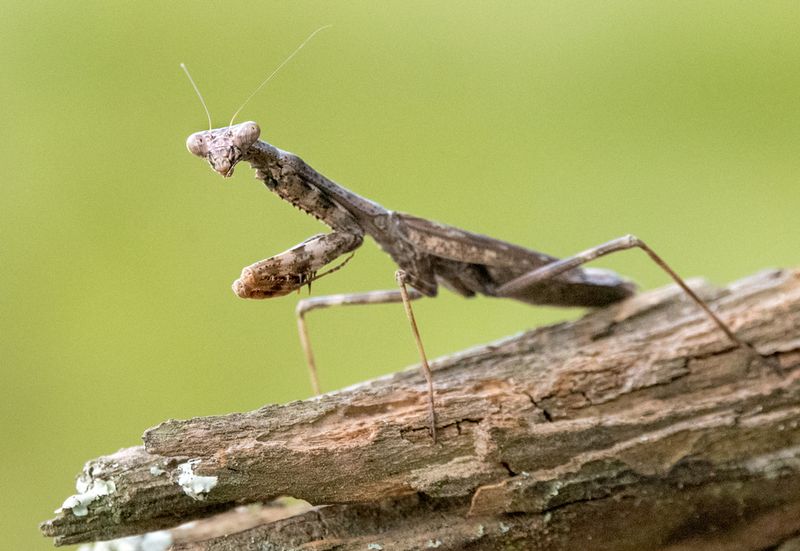
Few garden insects look quite as deliberate as a mantis on the hunt. Those long, spiny front legs are not just for show.
They fold and strike with speed that most insects cannot escape, and the mantis uses them to grip prey firmly while feeding. Watching one hunt is a good reminder that mantises are highly specialized for catching live prey.
Mantises are what entomologists call generalist predators. That means they do not specialize in one type of prey.
They eat what is available and what they can physically handle. Smaller mantises, especially young nymphs, often go after tiny insects and other small arthropods they can overpower.
Larger adult mantises can take on caterpillars, grasshoppers, roaches, and other medium-sized insects. Large mantises have even been documented capturing small vertebrates such as frogs, lizards, and, very rarely, hummingbirds, though garden prey is usually much smaller.
Their hunting method is all about patience. A mantis may sit completely still for hours on a plant, waiting for something to wander close enough to strike.
This sit-and-wait strategy works well in gardens with regular insect traffic. The mantis does not go searching for a particular pest.
It simply takes what comes near.
For Florida gardeners, this means a mantis may help reduce some unwanted insects over time, but it is not a targeted solution. You cannot point a mantis at a specific pest problem and expect results.
Think of it as one piece of a larger ecological puzzle rather than a standalone fix for garden insect pressure.
3. Expect Them To Eat Pests And Beneficial Insects Alike
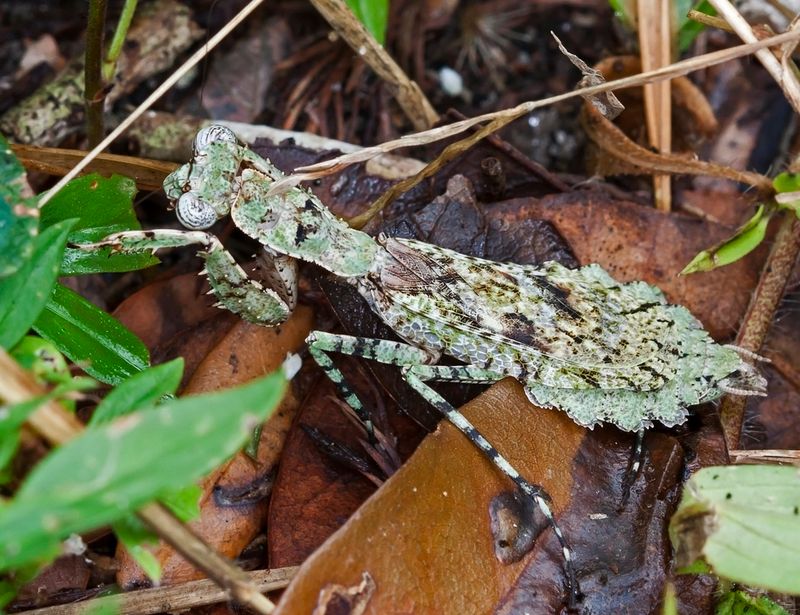
Honesty matters here, because this is the part of the mantis story that gardeners sometimes overlook. Mantises do not sort insects into good and bad before striking.
They hunt by movement, proximity, and opportunity. A butterfly resting on a flower may be just as vulnerable as a caterpillar chewing on your basil.
A bee visiting a bloom can be within reach just as easily as a grasshopper on a stem.
Documented observations and entomology research confirm that mantises regularly prey on pollinators, including bees and butterflies, as well as other predatory insects like lacewings and lady beetles.
In Florida, where pollinator conservation is an active concern tied to both agriculture and native plant communities, this matters.
Gardeners who actively work to support bees, native bees, and butterflies should understand that a mantis in a pollinator garden is not necessarily helping those conservation efforts.
Mantises have also been observed preying on each other, particularly during mating season or when food is scarce. Larger mantises will eat smaller ones without hesitation.
This is not unusual predator behavior, but it is worth knowing if you ever find multiple mantises in the same area of your yard.
None of this means mantises are bad for gardens. It simply means they are predators, and predators do not follow rules that benefit human gardening goals.
Accepting that complexity leads to better gardening decisions. Encouraging a garden that supports a range of insects is smarter than relying on any single predator to manage the ones you do not want.
Balance, not one-sided pest removal, is the realistic goal.
4. Learn Which Florida Mantises Are Native And Nonnative
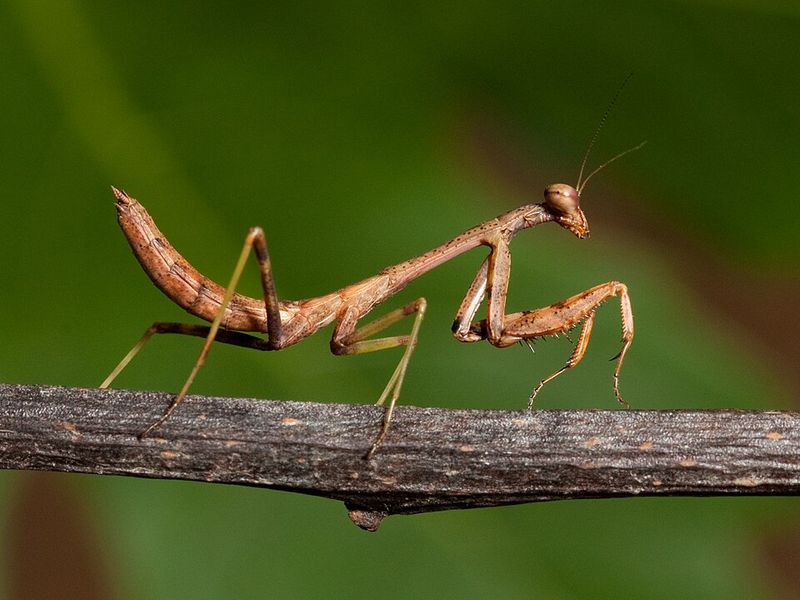
Not every praying mantis in a Florida garden belongs there in the same way.
Florida is home to multiple mantis species, including native and nonnative species that arrived through the nursery trade, accidental transport, or intentional release elsewhere in the country.
Treating all mantises as identical ignores meaningful biological and ecological differences between them.
The Carolina mantis, Stagmomantis carolina, is one commonly cited native mantis species in Florida and across the southeastern United States. It is smaller and more slender than some of the larger mantises many people picture when they think of this insect.
The Carolina mantis is native to Florida and occurs naturally within the state’s insect communities.
The Chinese mantis, Tenodera sinensis, is a much larger nonnative species that was introduced to North America in the late 1800s and later promoted by some sources as a biological control insect.
It is now established across parts of the United States and may appear in some Florida gardens.
The European mantis, Mantis religiosa, is another nonnative species found in parts of the country, though gardeners should confirm Florida records locally before assuming it is established in their area.
Identification matters because it shapes how you respond to a mantis in your yard. A native mantis is part of Florida’s existing food web in ways a nonnative species may not be.
Before deciding to protect, relocate, or otherwise interact with a mantis, knowing which species you are looking at is a genuinely useful first step. Your local UF/IFAS Extension office can often help with identification.
5. Never Release Store-Bought Mantis Egg Cases In Florida
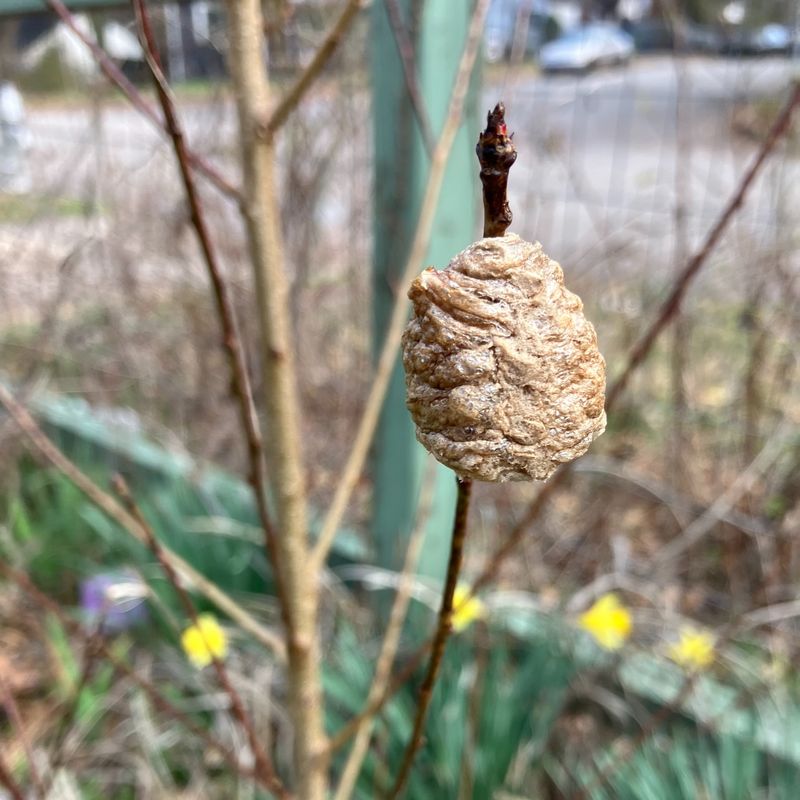
Garden centers, online retailers, and seed catalogs sometimes sell praying mantis egg cases, called oothecae, as a natural pest-control option. The idea sounds appealing: buy a package, hang it in your garden, and let hundreds of baby mantises hatch and go to work.
The reality is more complicated, and in Florida, this practice carries real risks that most product listings do not explain.
Many commercially sold mantis egg cases are nonnative species, often Chinese mantises, so buyers may not be supporting local mantis populations. Releasing nonnative insects into a Florida garden introduces a predator that did not evolve alongside local prey, plants, or the broader food web.
Because mantises are generalist predators, releasing nonnative mantises could put pressure on native beneficial insects, including native bees, butterflies, and other predators that Florida’s natural areas depend on.
Beyond the ecological concerns, releasing purchased mantis egg cases in Florida may also raise legal and regulatory problems.
Florida has some of the strictest rules in the country regarding the introduction of nonnative species, given the serious ecological damage caused by invasive plants and animals across the state.
Florida regulates the introduction and release of arthropods and other organisms that may affect plant life as pests, parasites, or predators, so gardeners should not release purchased mantis egg cases unless they have verified that the species and release are legally permitted.
Supporting local mantis populations through habitat rather than purchases is the safer and more ecologically sound approach.
If native mantises are already present in your area, improving plant diversity, reducing pesticide use, and maintaining vegetation layers will encourage them far more effectively than any store-bought egg case ever could.
Your garden, not a catalog, is the right starting point.
6. Account For North Central And South Florida Garden Differences
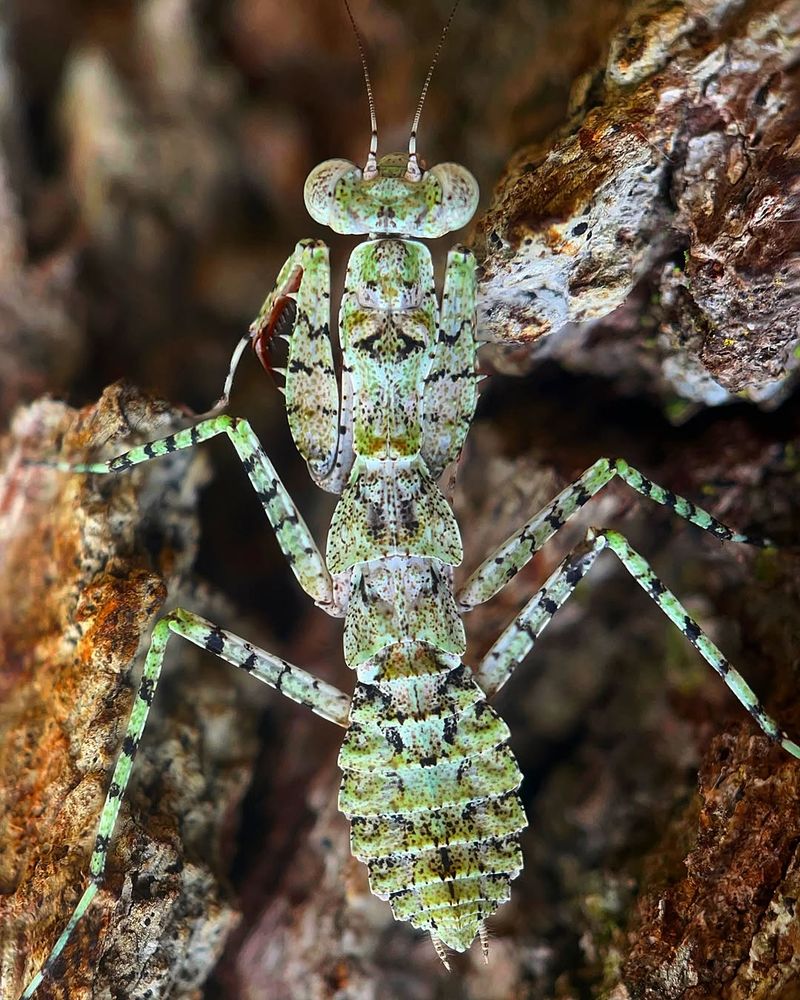
Florida is one state, but it contains several distinct gardening regions with very different conditions. What a praying mantis sighting means in Pensacola in November is not the same as what it means in Miami in the same month.
Gardeners in the Panhandle experience real winters with freezing temperatures, while South Florida gardeners near Miami and the Keys deal with a subtropical climate that barely slows down between December and February.
In North Florida, mantis activity typically peaks during warm months, roughly spring through early fall, and slows as temperatures drop. Many adult mantises do not survive hard freezes, so the population cycle in northern regions is more seasonal.
Egg cases, or oothecae, overwinter and hatch when temperatures warm again in spring.
This means a mantis sighting in a North Florida garden in September is a different ecological moment than one in February.
Central Florida sits in a transition zone. Winters are mild enough that some insect activity continues year-round, but cold snaps can still affect mantis populations.
Gardeners in the Orlando area or along the I-4 corridor may see mantises across a longer portion of the year than those in Tallahassee, but not as consistently as gardeners further south.
South Florida, including the Miami metro area and the Keys, supports more year-round insect activity and warmer conditions that may allow mantises to remain active for longer periods.
UF/IFAS Extension offices throughout the state publish region-specific gardening guidance that can help you understand what to expect from insect populations in your particular area.
Knowing your region helps you read your garden more accurately.
7. Build A Florida Friendly Yard That Supports Natural Predators
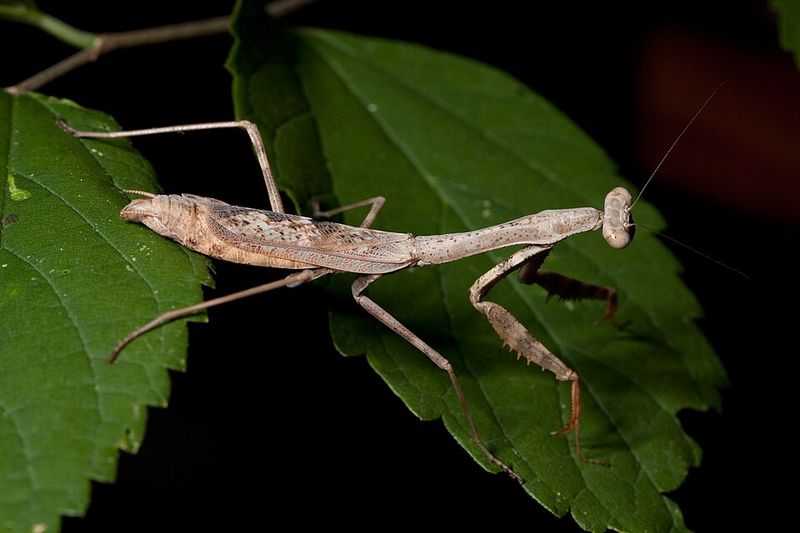
The most practical takeaway from a mantis sighting in your yard is not to go buy more mantises. It is to look at what your garden is already doing right and figure out how to build on it.
Mantises are more likely to remain where conditions support them. Creating more of those conditions is the goal, and Florida-Friendly Landscaping principles give you a solid framework for doing exactly that.
Plant diversity is one of the most effective tools available. Gardens with a variety of Florida-appropriate plants, including native flowering species, shrubs, groundcovers, and grasses, attract a wider range of insects at different times of year.
That insect diversity supports a more stable food web, which in turn supports predators like mantises, spiders, and native wasps.
A garden planted with only a few species, or one that is mostly turf, simply does not provide the habitat complexity that predatory insects need.
Reducing broad-spectrum pesticide use is especially important. Many common garden pesticides do not distinguish between pest insects and the beneficial ones that naturally manage them.
Regular broad-spectrum pesticide applications can reduce both beneficial insects and the prey base that mantises and other predators depend on, sometimes making pest problems harder to manage over time.
Spot treatments and targeted approaches are far less disruptive to the overall insect community.
Leaf litter, mulched beds, and structural variety in the garden also matter. These features provide shelter, moisture, and overwintering habitat for a range of insects throughout the year.
Florida-Friendly Landscaping guidance from UF/IFAS Extension recommends these practices not just for water conservation, but for overall yard health and ecological function.
A garden built for habitat is more likely to support natural predators without purchased insects or outside releases.