The Florida-Friendly Plant That Thrives In Full Sun And Still Looks Fresh All Summer
Full sun in a Florida summer is not a selling point for most plants. It’s a stress test.
The kind of relentless, overhead heat that sends shade-lovers into full retreat and turns even some sun-tolerant plants into something sad and leggy by August.
Finding something that not only survives that exposure but actually looks better as the season rolls on is a genuinely short list in Florida gardening.
Most Florida gardeners spend at least one summer chasing the wrong options before they land on something that truly delivers in full sun from June straight through to fall.
The trial and error gets expensive, the empty spots in the bed get discouraging, and the question of what actually works in that punishing southern exposure starts to feel harder than it should.
The answer, for a lot of experienced Florida gardeners, turned out to be something they had either overlooked completely or written off as too simple.
Not an exotic tropical, not an expensive specimen plant, not something that requires a specialist or a trip to a boutique nursery.
Zinnias. Tough, colorful, ridiculously productive in Florida heat, and one of the most rewarding full-sun plants a Florida gardener can put in the ground right now.
1. Choose Zinnias For Full Sun Color That Handles Florida Heat
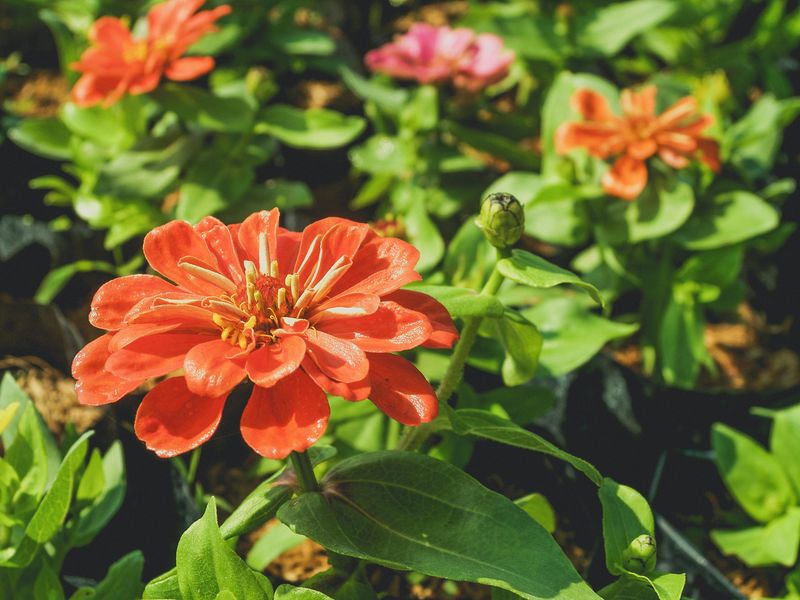
Florida summers have a way of exposing which plants truly belong here and which ones are just visitors who fade fast. Zinnias belong here.
Warm-season annuals by nature, they thrive in the kind of relentless full sun that sends other flowers into decline by late June.
UF/IFAS identifies zinnias as suitable warm-season flowering plants for these landscapes, and their heat tolerance is a big part of why they keep showing up in our gardens year after year.
For the best results, zinnias need at least six to eight hours of direct sun daily. Shaded spots or partially blocked beds produce stretched, weak plants that are more likely to struggle with disease.
A south-facing or west-facing bed with open sky overhead is often ideal. Sunny borders, cutting gardens, front-yard beds, and pollinator-friendly spaces are all strong candidates for zinnias.
That said, full sun in Florida is not the same as full sun in Georgia or the Carolinas. Reflected heat from concrete driveways, white walls, or pool decks can push container temperatures into stressful ranges, especially in South and Central Florida.
In-ground plantings with well-amended soil tend to handle that heat more steadily than pots sitting on a sun-baked patio. Zinnias reward the right site with consistent blooms, but they are not effortless.
Spacing, airflow, and attentive care all contribute to how fresh they look come August.
2. Pick The Right Zinnia Type Before You Plant
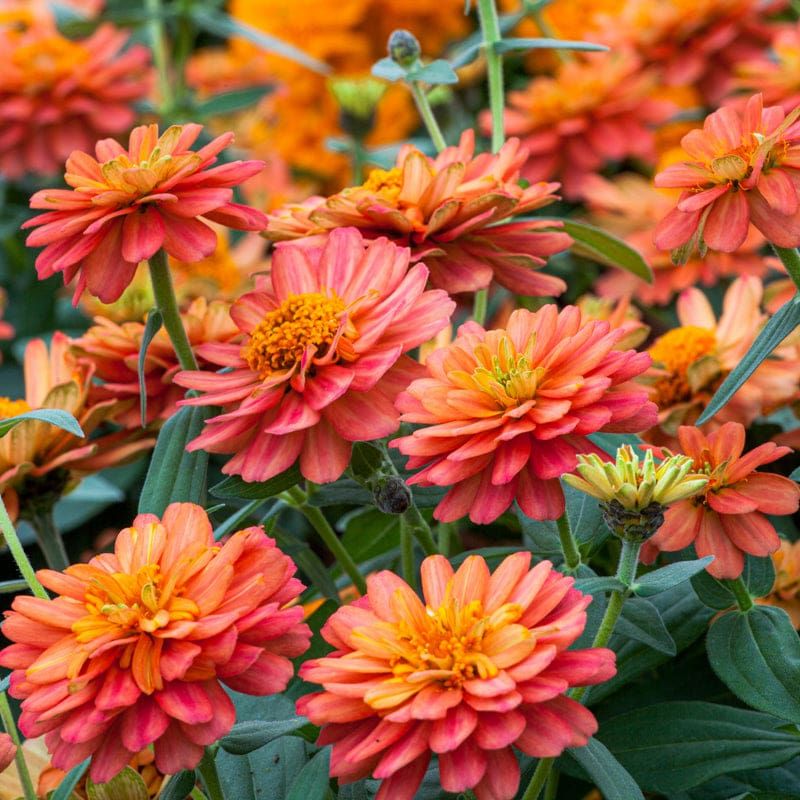
Not every zinnia at the garden center is the same plant in a different color. The differences in size, form, and disease tolerance can matter a great deal in humid, rainy summers.
Compact bedding types stay low and tidy, making them useful for small beds and containers where airflow can be limited.
Your Florida Garden Changes Every Week. Your Plan Should Too.
Gardening in Florida changes quickly throughout the season. Every Friday you’ll receive a simple weekly plan showing exactly what to plant, prune, fertilize, harvest, and protect so you never miss the right timing.
Taller cutting types can grow two to three feet high and produce long-stemmed blooms worth harvesting, but they often need more spacing and benefit from a sheltered spot with good air movement.
Among the options worth considering for our gardens, the Profusion series and the Zahara series have been noted for their compact growth and improved disease tolerance compared to older tall varieties.
Narrowleaf zinnias, sometimes called Zinnia linearis or Zinnia angustifolia, are also considered a strong performer in hot, humid climates and are frequently mentioned in Florida gardening resources for their toughness and adaptability.
None of these varieties are disease-proof, but their compact form and better air circulation around the foliage can reduce problems in humid conditions.
Older, taller zinnia types can still be beautiful in our gardens, but they often need more attention to spacing and airflow.
If you are unsure which type suits your specific area, your local UF/IFAS Extension office can point you toward varieties that have performed well in your county’s conditions.
Choosing the right type from the start saves a lot of frustration later in the season.
3. Give Them Airflow Before Humidity Causes Trouble
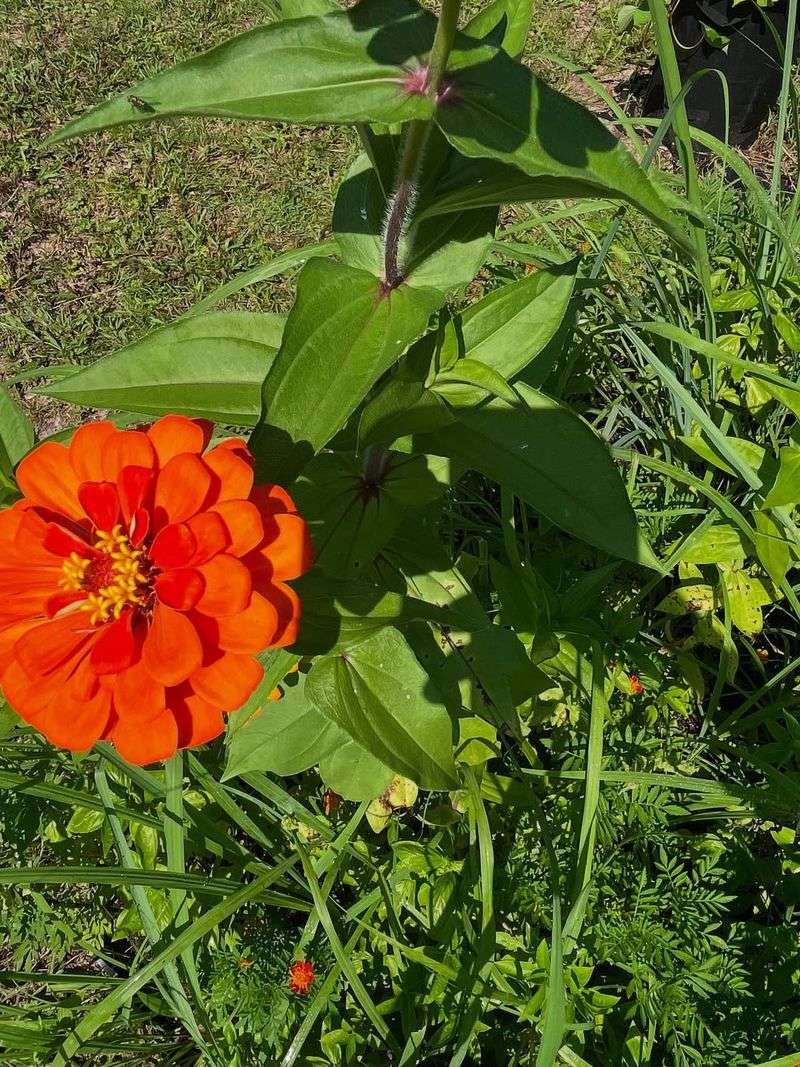
Our humidity is relentless from late spring through early fall, and zinnias planted too close together often pay the price. When foliage stays damp and air cannot circulate freely through a bed, leaf diseases get a foothold quickly.
Powdery mildew and various leaf spot issues are among the problems that can appear on zinnias in crowded, poorly ventilated spots. These are not reasons to avoid zinnias, but they are reasons to plant thoughtfully.
Spacing guidelines vary by variety, but giving each plant room to breathe is one of the most effective things you can do before a problem ever starts.
Compact types generally need around twelve inches between plants, while taller cutting types benefit from even more room.
Avoid tucking zinnias into corners between fences, walls, or dense shrubs where air tends to stagnate. Open beds with good exposure to natural breezes are much friendlier environments for zinnias during sticky summer months.
If leaf spots or powdery mildew do appear, removing badly affected lower leaves can help slow the spread and keep the plant looking reasonable. Avoid overhead watering, which adds unnecessary moisture to foliage that is already dealing with high humidity.
Mulching around the base of plants can also reduce soil splash during frequent afternoon downpours, which helps keep the lower leaves a little cleaner and healthier throughout the season. Airflow is not glamorous advice, but it works.
4. Water At The Soil Level To Keep Leaves Cleaner
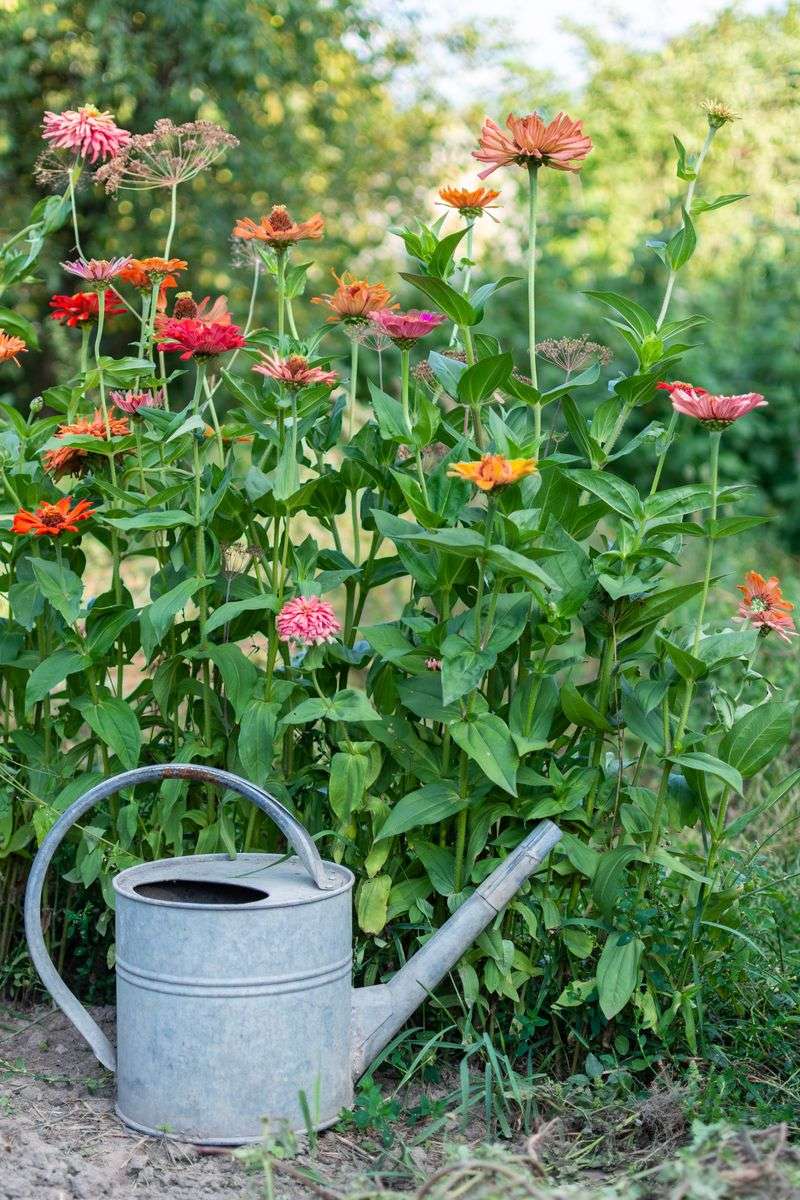
Sandy soil is one of the defining challenges of Florida gardening. It drains quickly, which zinnias actually appreciate since they do not like sitting in soggy conditions.
However, that fast drainage also means the soil can dry out faster than gardeners expect, especially during stretches between afternoon storms. Consistent moisture at the root zone helps zinnias stay healthy and keep producing blooms through the long warm season.
The best approach is to water at the base of the plant rather than overhead. A drip irrigation system or a watering wand held low to the ground delivers moisture where the roots need it without soaking the foliage.
Wet leaves in humid weather create favorable conditions for the leaf diseases that zinnias are already somewhat prone to. Watering early in the morning is also helpful because any moisture that does reach the foliage has time to dry before nightfall.
Containers require extra attention. Pots dry out faster than in-ground beds, particularly when sitting in full sun.
Check container soil regularly and water when the top inch or two feels dry. Make sure containers have drainage holes so excess water from summer storms does not pool around the roots.
Adding compost to sandy in-ground beds before planting helps retain just enough moisture between waterings without creating the waterlogged conditions that stress zinnia roots.
Good watering habits from the beginning make a real difference in how plants hold up by late summer.
5. Deadhead Spent Blooms For A Fresher Summer Display
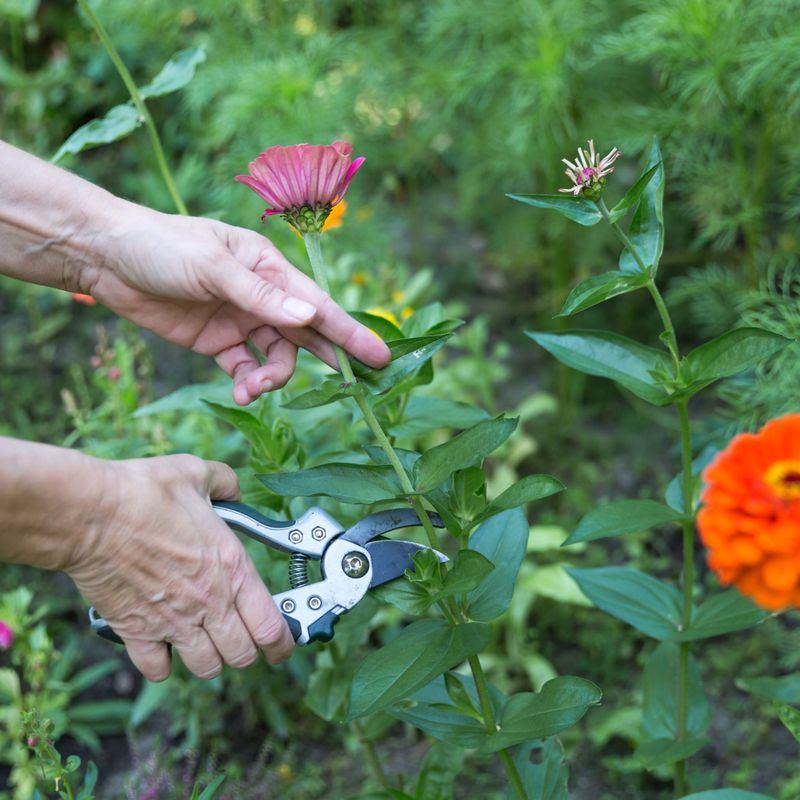
One of the simplest ways to keep zinnias looking their best through a long summer is also one that many gardeners skip once the season gets hot and busy.
Removing spent blooms, a practice called deadheading, signals the plant to put energy toward producing new flowers rather than forming seeds.
The result is a bed that stays colorful and tidy instead of looking ragged by midsummer.
Deadheading does not have to be a chore. Zinnias make excellent cut flowers, so harvesting blooms for a vase counts as maintenance.
Cutting stems just above a leaf node encourages branching and more flower production over time.
Even if you are not putting flowers in a vase, snipping off faded blooms every week or two makes a noticeable difference in how the bed looks and how long it continues to perform.
Some newer compact and landscape zinnia series are bred to be more self-cleaning, meaning old flowers drop more readily on their own. Even these types, however, look better with occasional cleanup when blooms fade and start to look papery or brown.
Do not expect deadheading to solve every issue a plant might face, but combined with good spacing, proper watering, and the right variety choice, it is a reliable part of keeping zinnias fresh.
A few minutes of attention each week goes a long way in a summer garden that can turn rough quickly without basic upkeep.
6. Match Zinnias To North Central And South Florida Timing
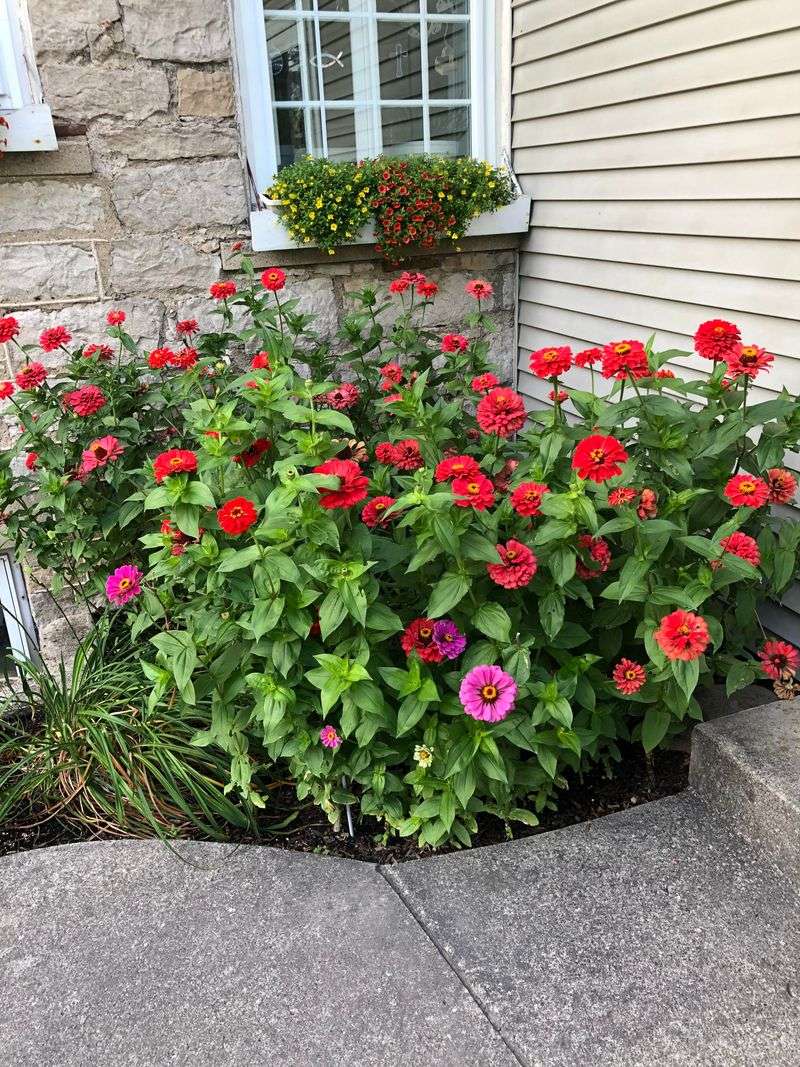
Florida stretches across nearly 500 miles from north to south, and that distance means very different growing conditions depending on where you live.
Treating the state as one uniform planting zone leads to timing mistakes that can shorten a zinnia’s productive season before it even gets started.
Understanding your region makes a real difference in how well your plants perform.
In North Florida, which includes the Panhandle and areas around Tallahassee and Jacksonville, the last frost risk typically passes between mid-February and mid-March.
Spring planting after cold risk has passed allows zinnias to establish before summer heat peaks.
Gardeners in this region often see strong performance through June and July before heat and humidity intensify. A second planting in late summer may extend color into fall as temperatures ease slightly.
Central Florida gardeners, including those in the Orlando and Tampa areas, can often plant earlier in spring and enjoy a longer warm season, though the combination of summer heat and frequent afternoon storms can challenge plants by midsummer if variety selection and care are not on point.
South Florida, including the Miami area and the Keys, has a warm season that stretches much longer, but summer conditions there can be especially intense.
Timing plantings to avoid the most punishing heat windows, and choosing compact or narrowleaf types suited to high humidity, helps South Florida gardeners get the most from their zinnias.
Your local UF/IFAS Extension office is the best resource for county-specific planting calendars.
7. Use Zinnias Where Pollinators And Cut Flowers Matter
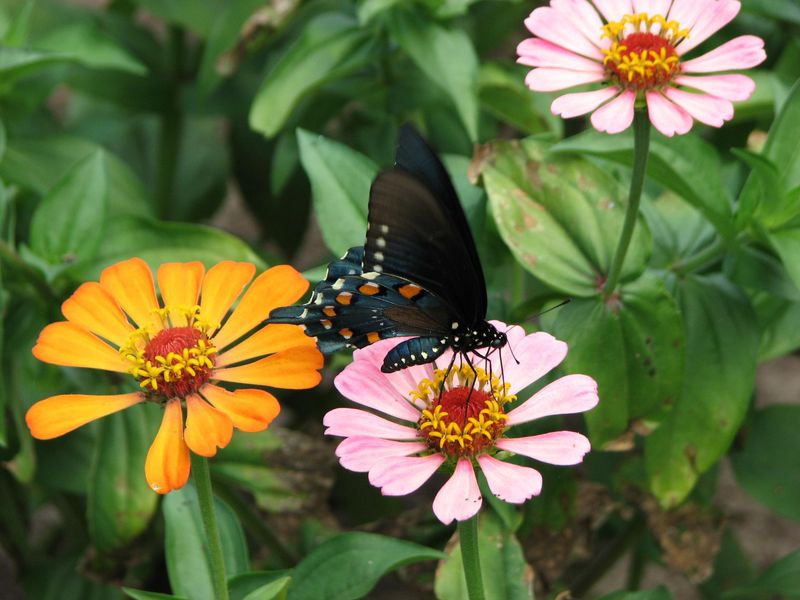
Beyond their summer color, zinnias offer something that many ornamental flowers do not: genuine garden utility. Few warm-season annuals attract as many butterflies to a garden as zinnias do when they are in full bloom.
Painted ladies, Gulf fritillaries, swallowtails, and skippers are among the visitors that regularly work zinnia flowers for nectar. Bees and other beneficial insects also visit, making zinnias a practical choice for anyone building a pollinator-friendly space.
Flower form matters when pollinators are the goal. Single-flowered or more open-centered zinnia types tend to give pollinators easier access to nectar than very dense, fully double blooms where the flower structure is more closed off.
If attracting butterflies and bees is a priority alongside color, look for varieties with more accessible flower centers rather than the most heavily doubled types.
That said, even double-flowered zinnias attract some pollinator activity, so this is a preference rather than a strict rule.
For cut flower use, zinnias are hard to beat in a summer garden. Stems hold well in a vase, and harvesting blooms at the right stage, when the stem is firm and the flower has just fully opened, produces longer-lasting arrangements.
Avoid using broad-spectrum pesticides on or near zinnias if pollinators are part of your goal.
Targeted, careful pest management keeps the garden healthier for both the plants and the visitors that make a summer garden feel genuinely alive and connected to the natural world around it.
8. Avoid The Mistakes That Make Zinnias Look Tired
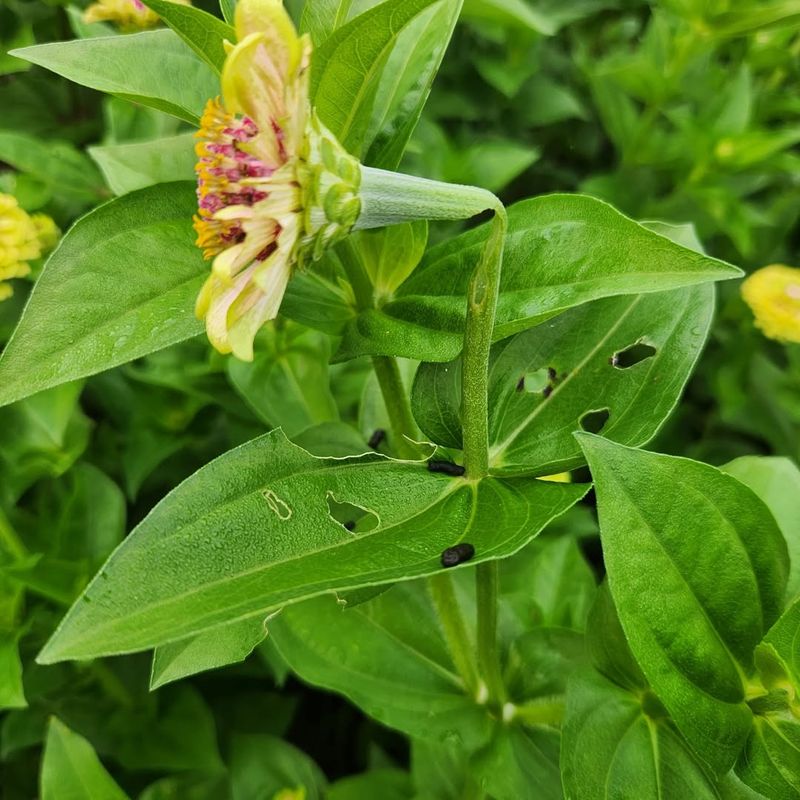
Crowding is probably the single most common mistake gardeners make with zinnias.
Planting too close together feels fine in April when seedlings are small, but by July those same plants are touching, trapping moisture, and creating exactly the kind of stagnant, humid microclimate that invites leaf problems.
Give plants the spacing the variety label recommends, and resist the urge to fill gaps just because the bed looks sparse at the start.
Overhead watering is another habit that causes trouble. Sprinklers that spray across the tops of plants add moisture to foliage that is already dealing with high ambient humidity.
Combine that with afternoon storm splash and you have a recipe for spotted, declining leaves well before the season ends.
Watering at the base of the plant, using mulch to reduce soil splash, and watering in the morning rather than evening all help reduce that risk without requiring expensive equipment.
Shade, soggy soil, and ignoring variety selection round out the list of common problems.
Zinnias planted under a tree canopy or beside a structure that blocks afternoon sun will stretch, produce fewer blooms, and look thin.
Containers without drainage holes hold excess water from summer storms and stress roots. Skipping deadheading lets the plant shift energy toward seed production rather than new blooms.
The good news is that none of these mistakes are hard to avoid. Pair the right plant with the right site, keep up with basic care, and zinnias can look genuinely fresh from planting day all the way through a long, hot summer.