9 Texas Flowers To Grow Instead Of Geraniums For Longer Blooms
Have you ever noticed how geraniums look absolutely perfect at the nursery in spring and then spend the rest of the Texas summer looking like they deeply regret being planted outside?
It’s one of the most consistent disappointments in container and bed gardening, and yet geraniums keep flying off the shelves every April because they’re familiar, they’re colorful, and nobody at the nursery is going out of their way to mention what July is going to do to them.
The truth is that Texas has better options. Flowers that bloom longer, handle the heat without drama, and keep producing color through the months when geraniums have long since given up.
Some of them are just as easy to find, some require a little more hunting, but all of them deliver a better return on your time and money in a Texas climate than geraniums reliably do. Your garden beds and containers deserve plants that actually finish the season.
1. Lantana
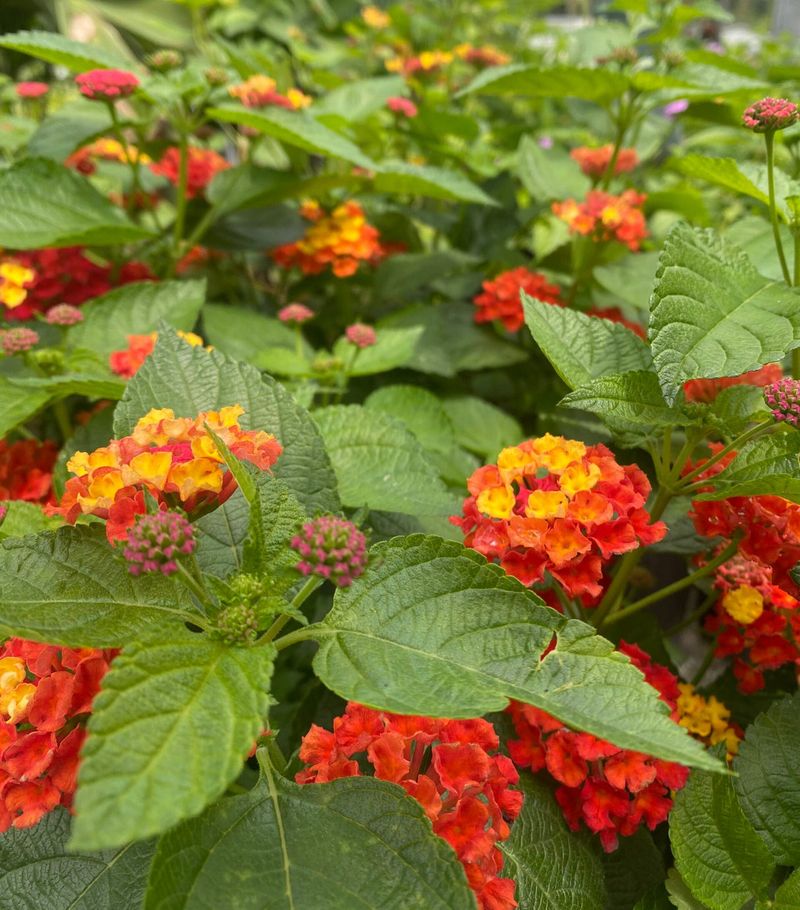
Few flowers can match lantana when it comes to surviving a Texas summer. This tough, colorful plant blooms nonstop from late spring all the way through fall, even when the temperatures soar past 100 degrees.
Butterflies absolutely love it, so your garden turns into a lively, beautiful scene every single day.
Lantana grows well in almost any well-drained soil and needs very little water once it gets established. You can plant it in garden beds, large containers, or along sunny borders.
It spreads nicely and fills in empty spaces with clusters of tiny flowers in shades of orange, yellow, pink, red, and purple.
One fun fact about lantana is that each flower cluster often contains multiple colors at once, making it look like a tiny bouquet all on its own. In Texas, it is considered one of the most reliable summer bloomers available.
Just give it full sun, a little fertilizer in spring, and trim it back occasionally to keep it looking full and fresh throughout the whole growing season.
2. Zinnia
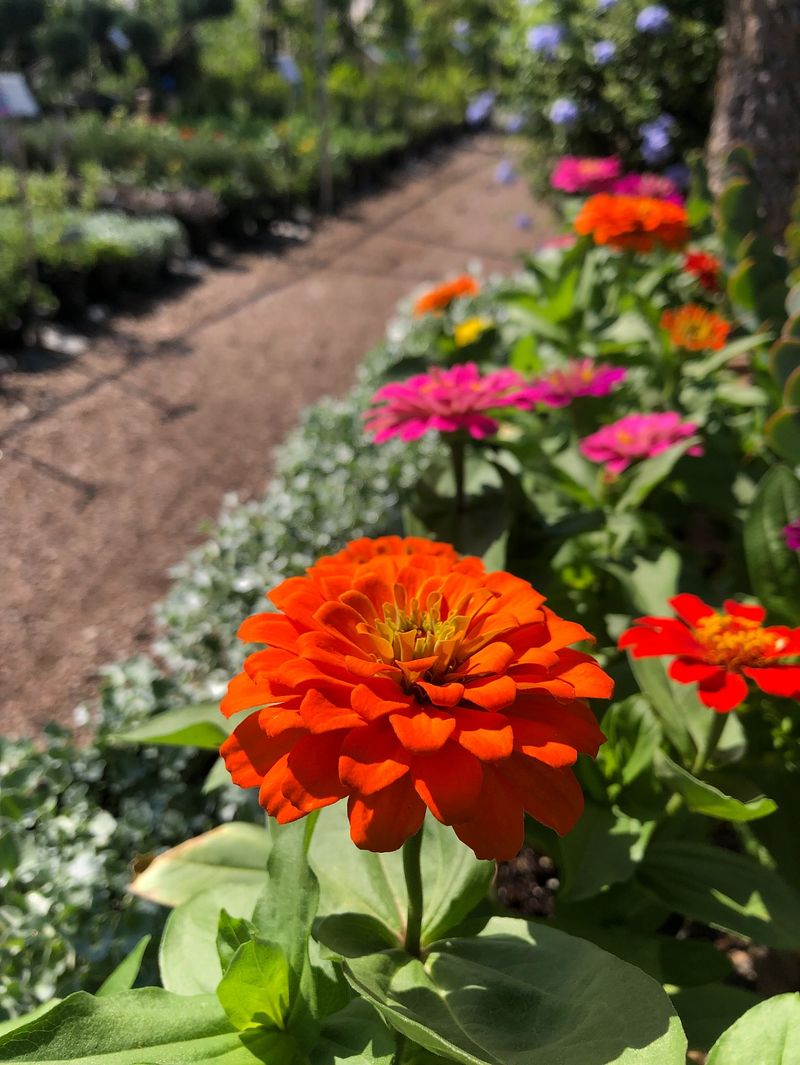
Zinnias are like the life of the party in any Texas garden. They come in almost every color you can imagine, and they just keep producing new blooms week after week through the hottest months of summer.
Gardeners across Texas have counted on zinnias for generations, and it is easy to see why. Starting zinnias is simple. You can direct sow seeds right into the ground after the last frost, and they sprout quickly in warm soil.
Within about eight weeks, you will have full, showy blooms that attract butterflies and even hummingbirds to your yard.
One of the best things about zinnias is that the more you cut them, the more they bloom. Snipping flowers for bouquets actually encourages the plant to push out even more blossoms.
They do best in full sun with good air circulation, so space them properly to avoid powdery mildew during humid weather. Choose heat-tolerant varieties like Profusion or Zahara for the longest blooming season.
With just basic care, zinnias will reward you with months of cheerful, nonstop color from early summer straight through the first cool days of fall.
Your Texas Garden Changes Every Week. Your Plan Should Too.
Gardening in Texas changes quickly throughout the season. Every Friday you’ll receive a simple weekly plan showing exactly what to plant, prune, fertilize, harvest, and protect so you never miss the right timing.
3. Pentas
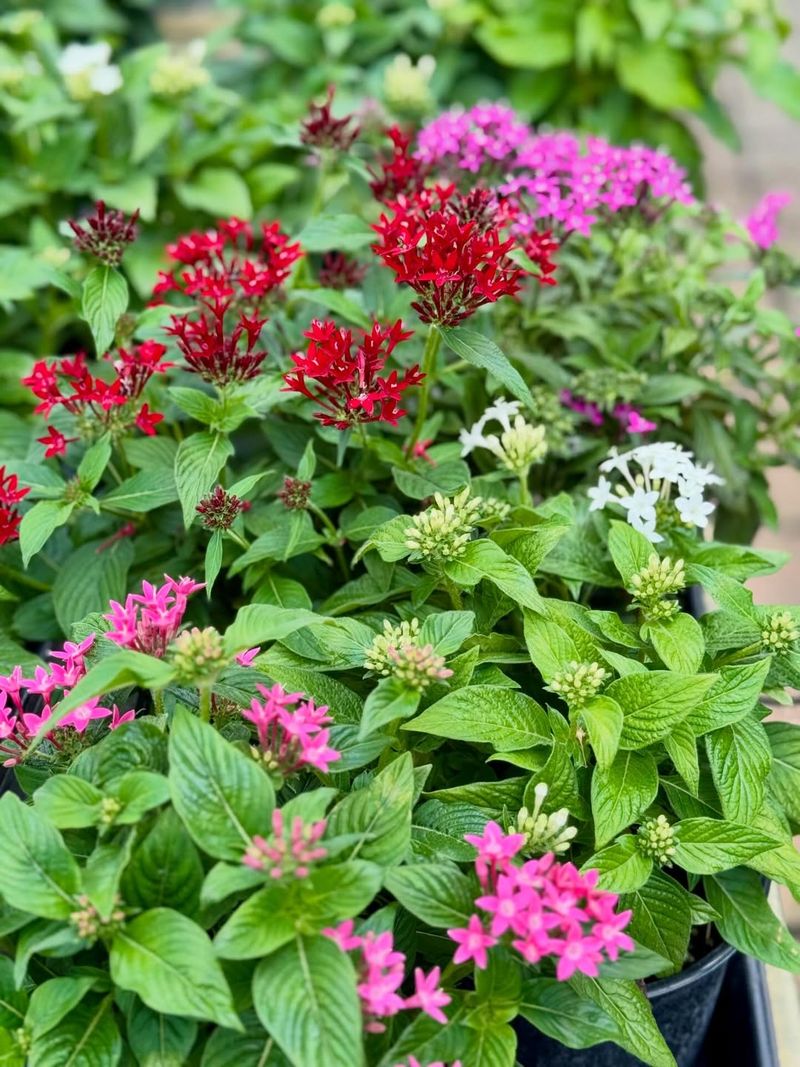
Walk past a pot of pentas on a warm Texas afternoon, and you will notice butterflies and hummingbirds circling it like it is the best restaurant in town. Pentas produce dense clusters of small, star-shaped flowers in shades of red, pink, white, and lavender.
They bloom reliably from spring all the way into fall without much fuss. Pentas handle the heat really well. Unlike some flowers that shut down blooming when temperatures climb, pentas actually seem to thrive when things get hot.
They grow well in containers on patios, in raised beds, and in traditional garden borders throughout the state.
For best results, plant pentas in a spot that gets at least six hours of direct sunlight each day. Water them regularly, especially during dry spells, but make sure the soil drains well so roots stay healthy.
A light feeding of balanced fertilizer every few weeks keeps the blooms coming strong. Deadheading spent flowers is not always necessary, but removing old blooms can tidy up the plant and encourage even more new flowers.
Pentas are a smart, low-maintenance choice for any gardener who wants steady, season-long color without constant attention.
4. Esperanza
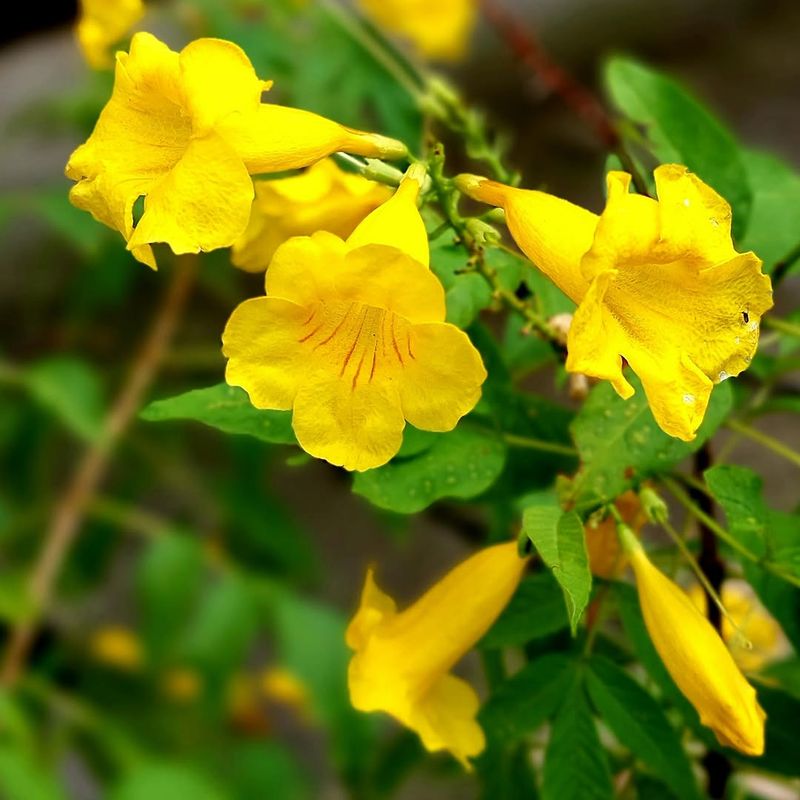
If Texas had an official summer flower, esperanza would be a strong contender. Its name means hope in Spanish, and this plant delivers on that promise every single year.
Clusters of bright, golden-yellow trumpet-shaped blooms appear steadily from late spring through the hottest months, even when other plants are struggling to survive the heat.
Esperanza, also called yellow bells or Tecoma stans, is a fast-growing shrub that can reach four to six feet tall in a single season. It loves full sun and well-drained soil, and once established, it handles drought conditions like a champion.
Hummingbirds are especially drawn to its tubular flowers, so planting one near a window gives you a great show from inside the house too.
In South and Central Texas, esperanza often behaves like a perennial, coming back year after year from established roots. In North Texas, it may need replanting each spring, but the fast growth rate makes that easy and worth the effort.
Trim it back lightly in early spring to encourage bushy, full growth. With minimal watering and a sunny spot, esperanza will fill your garden with bold yellow color all season long without any drama.
5. Salvia
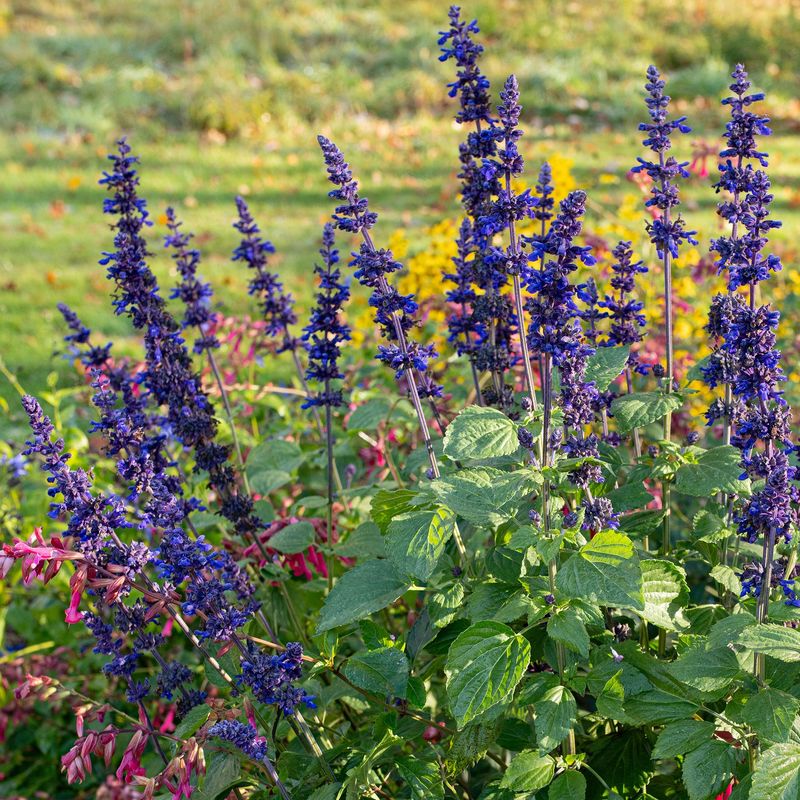
Salvia is one of those plants that makes experienced gardeners smile and nod knowingly. There are dozens of salvia varieties, and many of them are perfectly suited for the Texas climate.
They produce tall, colorful flower spikes in shades of red, purple, blue, pink, and white, and they attract hummingbirds and bees like nothing else in the garden.
Most salvias bloom heavily during the warm months of spring and fall, with some varieties staying in bloom straight through summer if given a little afternoon shade during the most brutal heat.
Texas sage, autumn sage, and mealy blue sage are all popular choices that perform beautifully across different regions of the state.
Salvia grows best in well-drained soil with full sun to light shade. It is fairly drought-tolerant once established, making it a great fit for water-conscious Texas gardeners.
Cutting the plants back by about one-third after a heavy bloom cycle encourages fresh new growth and another round of flowers. Some varieties even rebloom multiple times throughout the season.
Whether you plant them in borders, containers, or wildflower-style beds, salvias bring reliable, long-lasting color and serious wildlife activity to any garden all season long.
6. Moss Rose
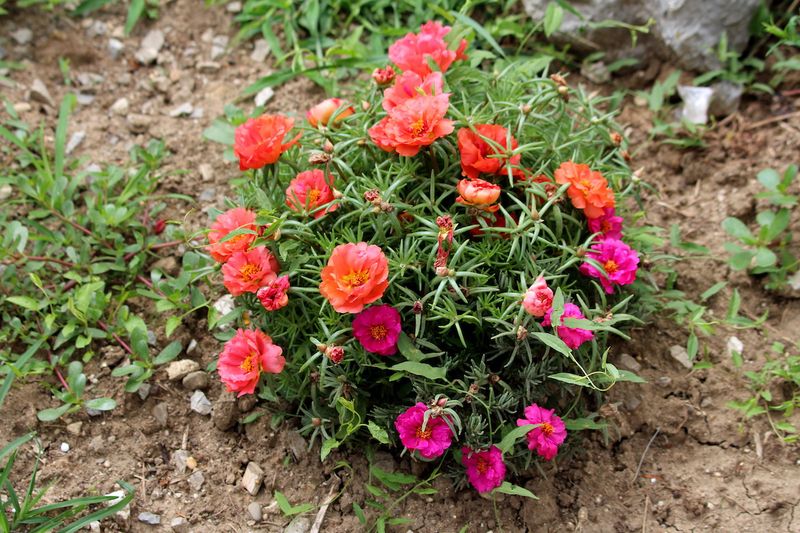
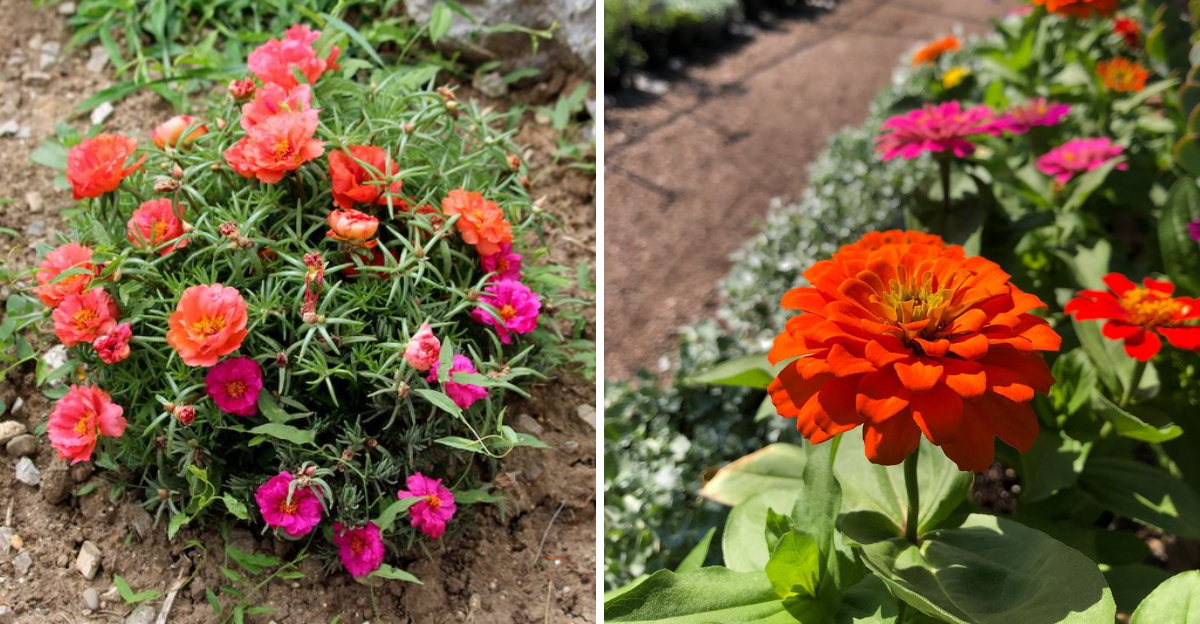
Moss rose is the kind of flower that seems almost too cheerful for how little it asks of you. Also known as portulaca, this low-growing plant spreads along the ground and covers itself in silky, jewel-toned blooms in shades of pink, orange, yellow, red, and white.
It thrives in dry, sunny Texas conditions where many other flowers simply give up. One of the most impressive things about moss rose is its ability to handle poor soil and intense heat without complaint.
It actually prefers sandy or gravelly soil that drains quickly, making it ideal for spots in the yard where water tends to run off fast. Once planted, it needs very little watering and almost no fertilizer to keep performing.
Moss rose is a great choice for rock gardens, garden borders, and sunny slopes where keeping plants watered can be a challenge. It self-seeds readily, so you may find it popping up in the same spot next year without any effort on your part.
The flowers open in full sunlight and close at night or on cloudy days, which adds a fun, dynamic quality to the garden. For Texas gardeners who want beauty with almost zero maintenance, moss rose is an excellent pick all summer long.
7. Angelonia
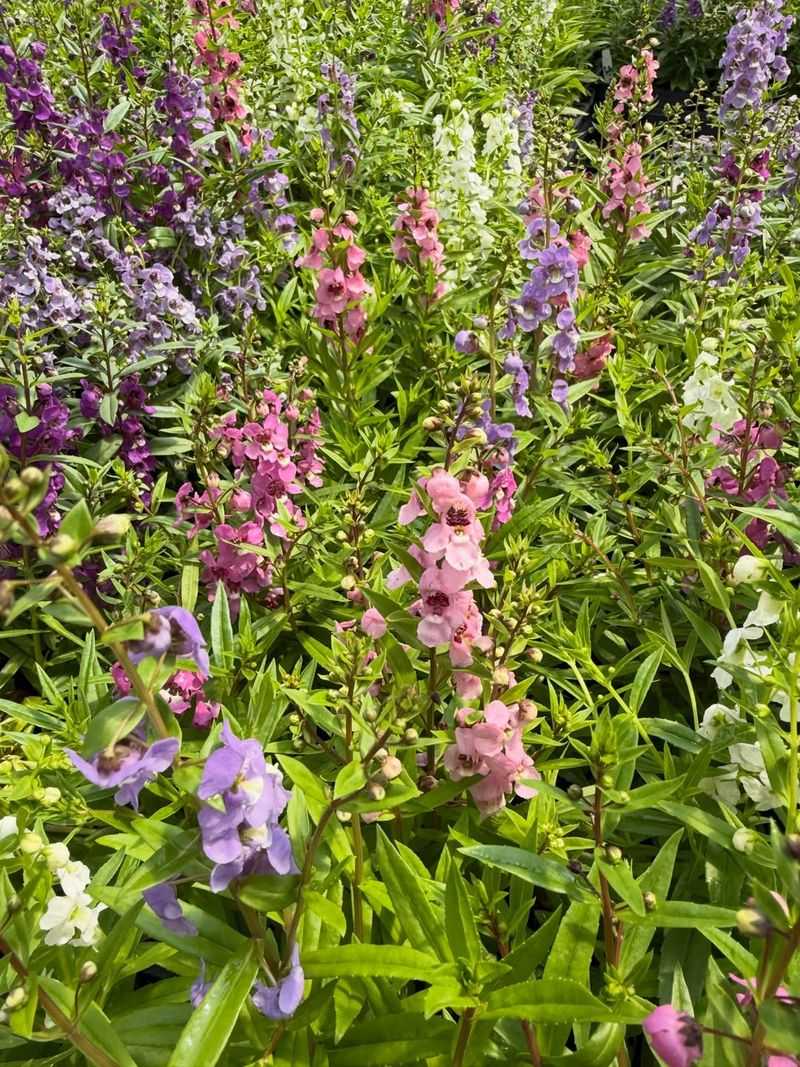
Angelonia has earned the nickname summer snapdragon, and once you grow it in Texas, you will understand exactly why. It produces tall, elegant spikes covered in small orchid-like blooms in shades of purple, pink, white, and bicolor combinations.
Unlike traditional snapdragons that fade fast in heat, angelonia stays in bloom through the hottest, most humid parts of summer.
Humidity is something Texas gardeners deal with regularly, especially in the eastern and coastal parts of the state. Angelonia handles that moisture-heavy air without developing the fungal problems that plague many other flowers.
It grows upright and tidy, reaching about one to two feet tall, making it a clean, attractive addition to borders and containers alike.
Plant angelonia in full sun for the best blooming results. It is somewhat drought-tolerant once established, though regular watering during dry stretches keeps it looking its absolute best.
Deadheading is not required since the plant drops old blooms on its own and keeps pushing out new ones continuously. A light application of slow-release fertilizer at planting time gives it a strong start.
For Texas gardeners who want a flower that handles both blazing heat and sticky humidity with grace, angelonia is a wonderful long-season choice.
8. Vinca
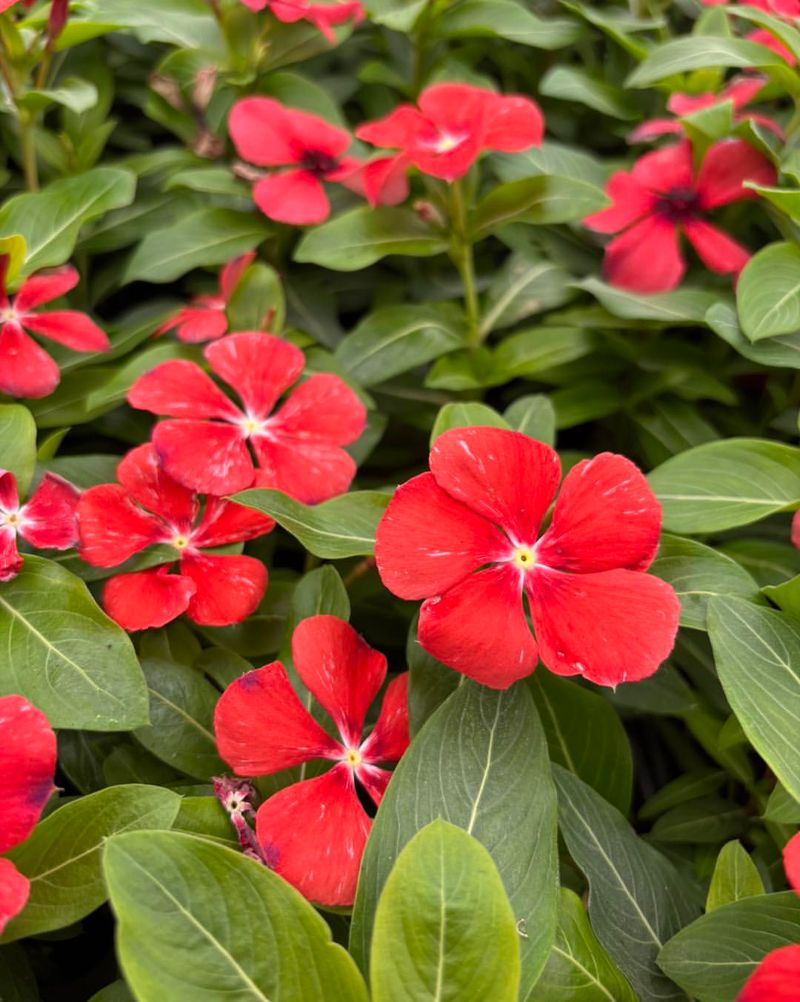
Vinca, sometimes called periwinkle, is one of the most heat-tolerant flowering plants you can grow in Texas. Gardeners who have struggled to keep color in their beds during July and August often turn to vinca as their secret weapon.
It just keeps blooming steadily no matter how hot and dry things get, asking for very little in return.
The flowers are simple and elegant, usually five-petaled in shades of pink, red, white, coral, and lavender, often with a contrasting center eye. Vinca forms a neat, mounding shape that works beautifully in garden beds, containers, and window boxes.
It grows well across all regions of Texas, from the humid Gulf Coast to the dry Hill Country. Full sun is where vinca truly shines. It actually struggles in shady spots, so save it for your hottest, sunniest garden areas.
Water it at the base rather than overhead to help prevent fungal issues, and make sure the soil drains well. Vinca does not need deadheading since it is self-cleaning, which makes it an easy choice for busy gardeners.
With just basic care and a sunny spot, vinca delivers consistent, reliable blooms from late spring all the way through the first cool nights of autumn across Texas.
9. Coreopsis
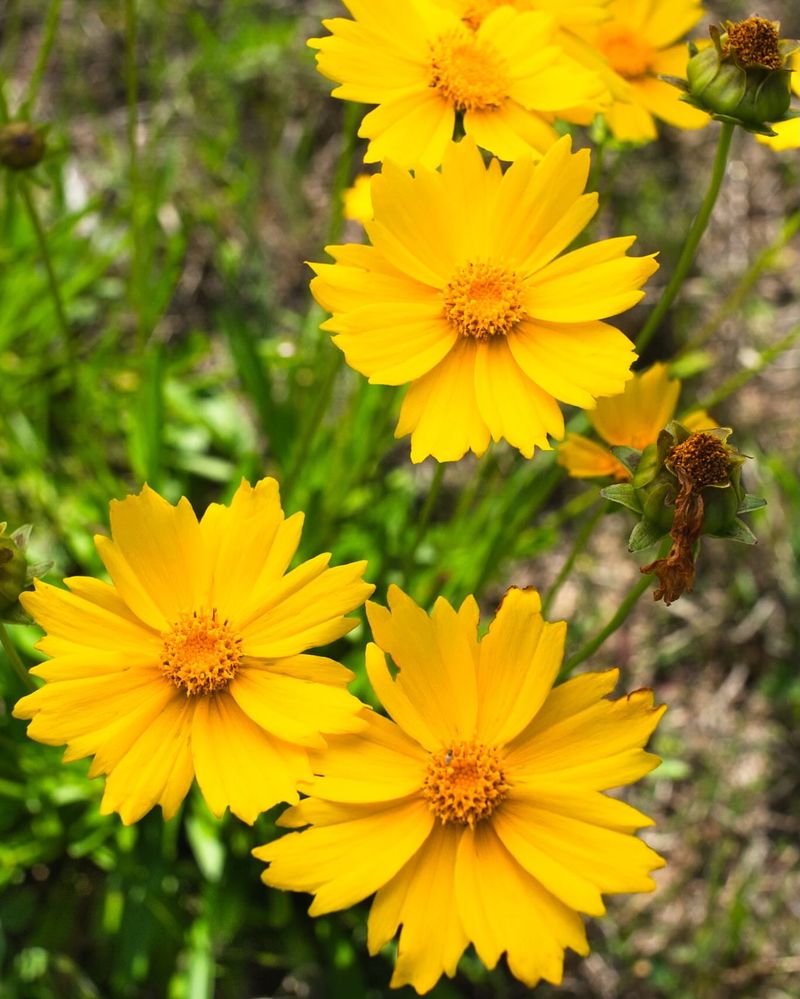
Bright, cheerful, and tougher than it looks, coreopsis is one of Texas’s most beloved native wildflowers. Also called tickseed, it produces waves of golden-yellow daisy-like blooms that seem to glow in the summer sun.
Once it gets established in your garden, it handles drought conditions with impressive ease and keeps rewarding you with color season after season.
Coreopsis is actually native to Texas and much of the southeastern United States, which means it is already perfectly adapted to the local climate and soil conditions.
It grows best in full sun and well-drained soil, and it spreads gradually to fill in garden spaces beautifully over time. Pollinators like bees and butterflies are frequent visitors to its cheerful blooms.
For the longest bloom season, cut coreopsis back by about one-third after the first big flush of flowers fades. This encourages a second and sometimes even a third round of blooming before the season ends.
It pairs wonderfully with other Texas natives and drought-tolerant plants in naturalistic garden designs. Coreopsis is also available in a range of colors beyond yellow, including orange, red, and pink, offering plenty of variety.
For a low-effort, high-reward flower that thrives in the Texas landscape, coreopsis is hard to beat.