7 Garden Habits That Attract Ticks To Pennsylvania Yards
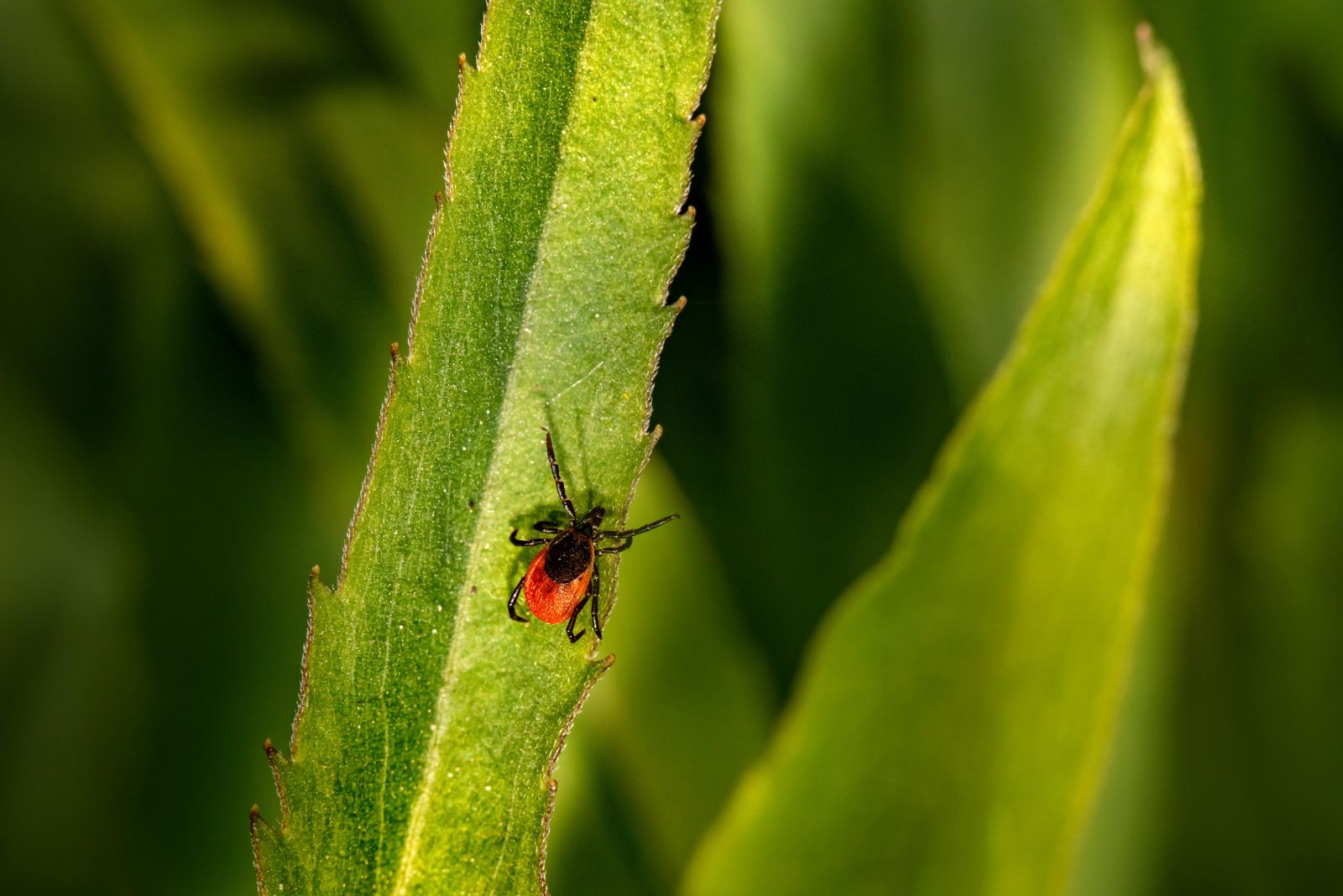
Most Pennsylvania homeowners dealing with a tick problem in their yard are focused entirely on getting rid of the ticks already there, without stopping to consider why the ticks chose their yard in the first place.
It’s a completely understandable reaction, but it’s also the reason why so many tick management efforts feel like they’re running on a treadmill – treating the symptom repeatedly without ever addressing what’s causing it.
Ticks don’t end up in a yard randomly. They need specific conditions to survive, and specific features that make a property worth staying in rather than passing through.
When a yard is accidentally providing all of those things through ordinary gardening and maintenance habits that seem completely harmless on the surface, the tick population reflects that whether the homeowner realizes it or not.
Identifying the habits that are actively making your Pennsylvania yard more attractive to ticks is the most practical first step toward actually changing the situation.
1. Letting Grass Grow Too Tall
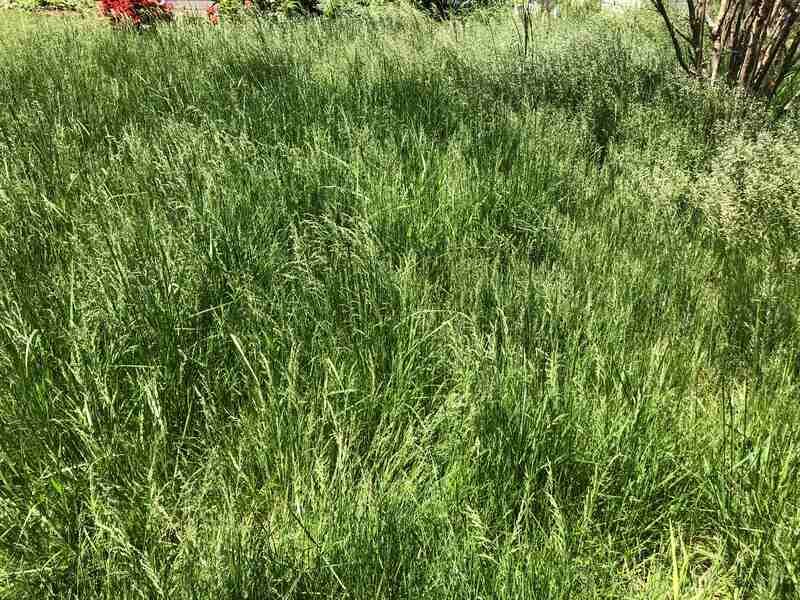
Picture stepping into your backyard and wading through grass that reaches your knees. That tall, thick lawn might seem harmless, but it is one of the biggest reasons ticks show up in Pennsylvania yards every year.
Ticks cannot survive well in hot, dry conditions. They need moisture and shade to stay active and healthy.
When grass grows too tall, it traps humidity close to the ground. The blades block sunlight and prevent airflow, which keeps the soil underneath cool and damp.
Ticks absolutely love these conditions. They wait in tall grass with their front legs stretched out, ready to grab onto any passing animal or person. This behavior is called questing, and tall grass makes it much easier for ticks to find a host.
Pennsylvania summers can get warm and dry, which would naturally reduce tick activity. But overgrown lawns create their own mini climate that helps ticks stay comfortable even when the weather outside is not ideal.
Keeping your grass mowed to about three inches or shorter removes this advantage. Regular mowing is one of the simplest and most effective habits you can build.
Make it part of your weekly routine during spring, summer, and early fall. Short, well-maintained grass lets sunlight reach the soil and allows air to move freely, making your yard far less appealing to ticks looking for a shady place to wait for their next meal.
2. Ignoring Leaf Piles And Yard Debris
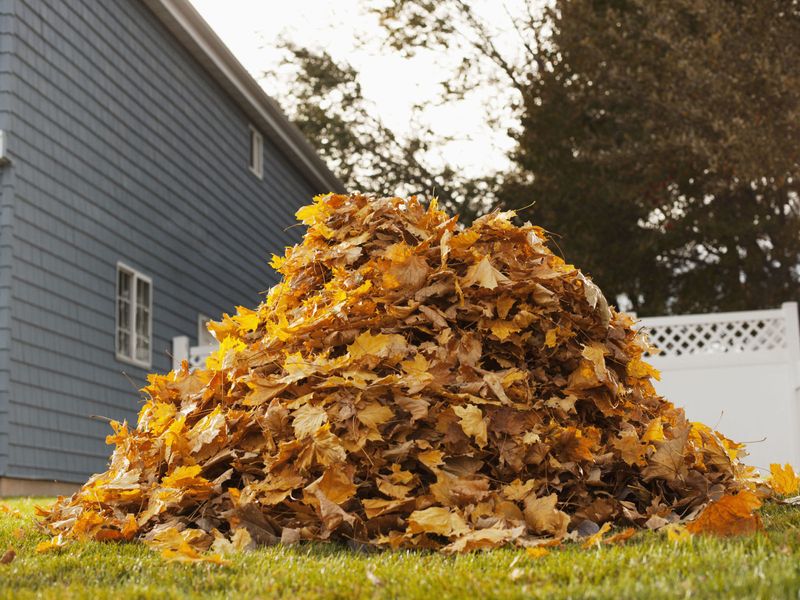
Autumn in Pennsylvania is beautiful, but all those falling leaves can quietly create a serious tick problem in your yard. Leaf piles might look harmless, but they are one of the most welcoming environments a tick could ever ask for.
Damp, decomposing leaves hold moisture and create warmth underneath, giving ticks a cozy place to hide through cooler temperatures.
It is not just about the ticks themselves. Leaf piles and yard debris also attract the small animals that carry ticks in the first place.
Mice, voles, and other rodents love to nest in cluttered, leaf-covered areas. When these animals move through your yard, they bring ticks with them.
Your Pennsylvania Garden Changes Every Week. Your Plan Should Too.
Gardening in Pennsylvania changes quickly throughout the season. Every Friday you’ll receive a simple weekly plan showing exactly what to plant, prune, fertilize, harvest, and protect so you never miss the right timing.
The more debris you let pile up, the more you are essentially rolling out a welcome mat for both the animals and the ticks they carry.
Yard debris like fallen branches, old wood piles, and garden clippings create the same problem. Any material that holds moisture and provides cover becomes a potential tick hotspot.
Pennsylvania homeowners should make a habit of raking and bagging leaves as they fall rather than letting them accumulate. Clear out debris from garden beds and around fences regularly.
Keeping your yard clean and tidy removes the sheltered, damp conditions that ticks depend on. A clean yard is not just more attractive to look at.
It is also a much less inviting space for ticks to settle into and multiply throughout the season.
3. Planting Dense Shrubs Too Close Together
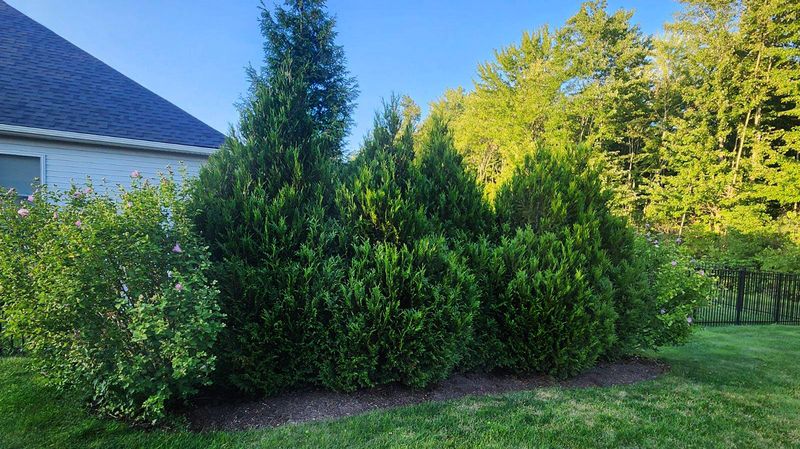
Gardening is one of the most rewarding hobbies a Pennsylvania homeowner can have. But when shrubs and bushes are planted too close together, that lush garden can accidentally become a tick magnet.
Dense plantings block sunlight and trap moisture between the branches. The ground underneath stays dark, damp, and cool, which is exactly the kind of environment ticks prefer.
Ticks do not just live in forests and wooded edges. They can thrive right in the middle of a well-loved garden if the conditions are right.
When shrubs overlap and grow into each other, airflow drops significantly. The humidity between those plants can stay high even on warm, breezy days.
This creates a protected microclimate where ticks can survive longer and move around more freely. Small animals like mice and chipmunks also love to travel through dense shrubs, and they often bring ticks along for the ride.
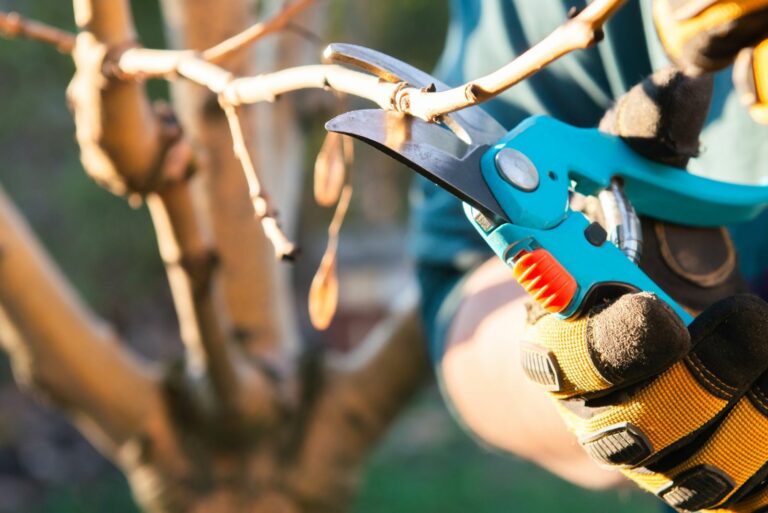
Spacing your plants properly makes a noticeable difference. Follow the recommended spacing guidelines when planting new shrubs, and prune existing ones regularly to open up the canopy and let air and sunlight in.
Trim branches that touch the ground, since ground contact gives ticks an easy path from the soil onto the plant. Pennsylvania gardeners should also consider the layout of their garden borders.
Keeping shrubs a bit further from walking paths, play areas, and outdoor seating reduces the chance of ticks making their way onto people during outdoor activities.
4. Skipping Mulch Borders Around Wooded Areas
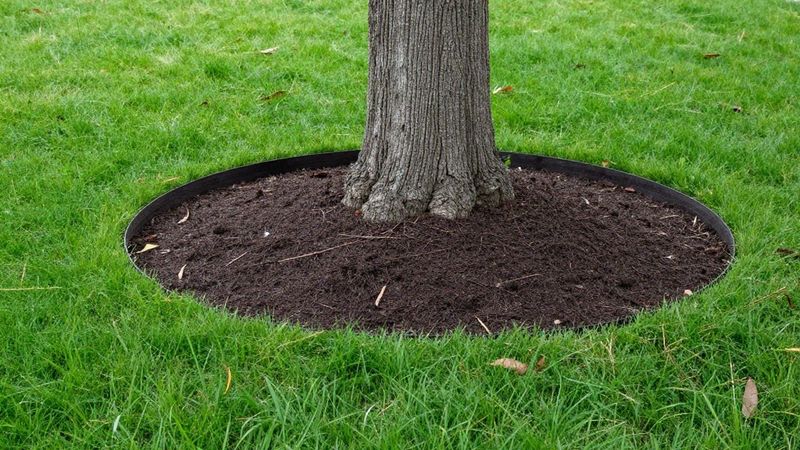
Many Pennsylvania homes back up to wooded areas, hiking trails, or natural green spaces. That connection to nature is one of the best parts of living in this state.
But without a proper buffer zone between the woods and your lawn, ticks have an easy path right into your yard. Skipping the mulch border is a common mistake that many homeowners do not even realize they are making.
Ticks tend to stay close to the edges of wooded areas because that is where they find the most shade and moisture. When your grass grows right up to the tree line with nothing in between, ticks can wander from the woods into your lawn without any obstacles.
A dry mulch border changes that. Wood chip mulch, gravel, or stone creates a barrier that ticks are reluctant to cross because it is too dry and too exposed for them to move through comfortably.
Experts generally suggest creating a border that is at least three feet wide between your lawn and any wooded or brushy area. This simple step can significantly reduce how many ticks make it from the tree line into your yard and garden.
In Pennsylvania, where wooded landscapes are common in both suburban and rural neighborhoods, this is especially useful advice. Refresh your mulch at least once a year to keep it dry and effective.
Pair it with regular lawn maintenance and you will have a solid first line of defense against ticks entering your outdoor space from surrounding natural areas.
5. Overwatering The Landscape
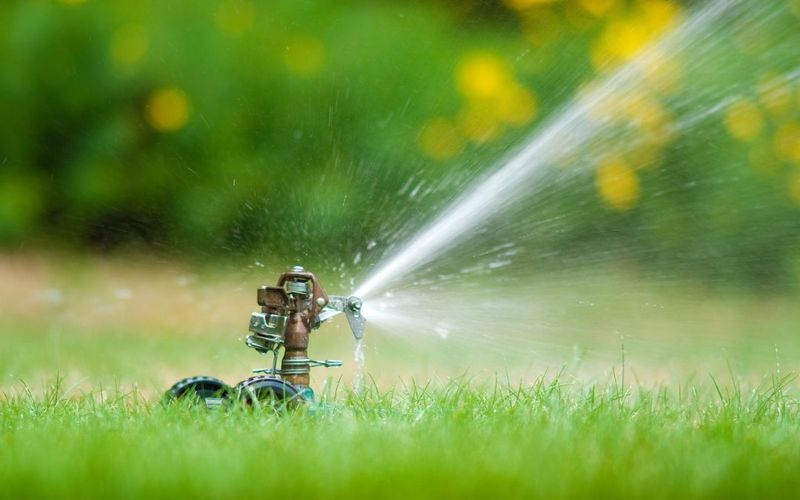
Watering your garden feels like responsible plant care, and it absolutely is. But there is such a thing as too much of a good thing.
Overwatering your Pennsylvania landscape creates persistently damp conditions that ticks love. When soil stays wet for long periods, it raises the humidity in and around your garden beds. That moisture is exactly what ticks need to survive and stay active.
Ticks are surprisingly sensitive to dryness. Research has shown that many tick species lose moisture through their bodies and must stay in humid environments to keep from drying out.
When your yard is constantly wet from overwatering, you are essentially creating a year-round refuge for them. Thick, well-watered vegetation also grows denser and taller faster, which adds to the shade and humidity problem.
The combination of wet soil and heavy plant growth makes your garden feel like a five-star resort for ticks.
Smart watering habits go a long way toward reducing tick-friendly conditions. Water your garden in the morning so the sun has time to dry out the soil and foliage before evening.
Avoid watering more than your plants actually need, and consider using drip irrigation to target roots directly rather than soaking the entire ground surface.
In Pennsylvania, rainfall is fairly consistent throughout the growing season, so check soil moisture before turning on the sprinklers.
Letting your landscape dry out between watering sessions is better for your plants and much worse for any ticks hoping to make your yard their home.
6. Allowing Wildlife To Roam Freely Through The Yard
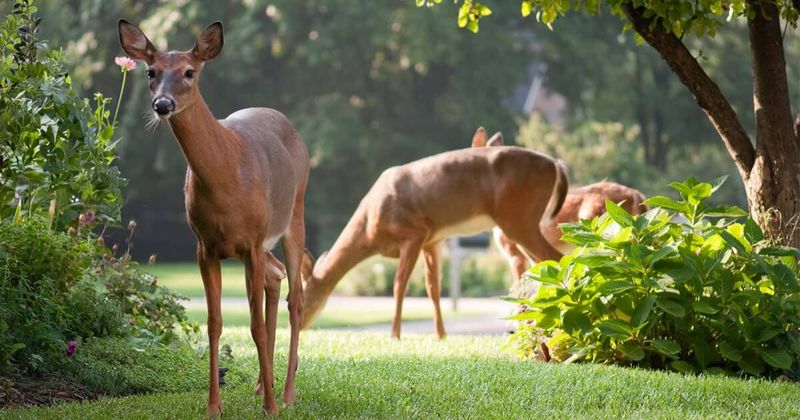
White-tailed deer are a familiar sight across Pennsylvania, and many homeowners enjoy watching them wander through the yard. But deer are one of the most significant carriers of ticks, particularly the black-legged tick, which is also known as the deer tick.
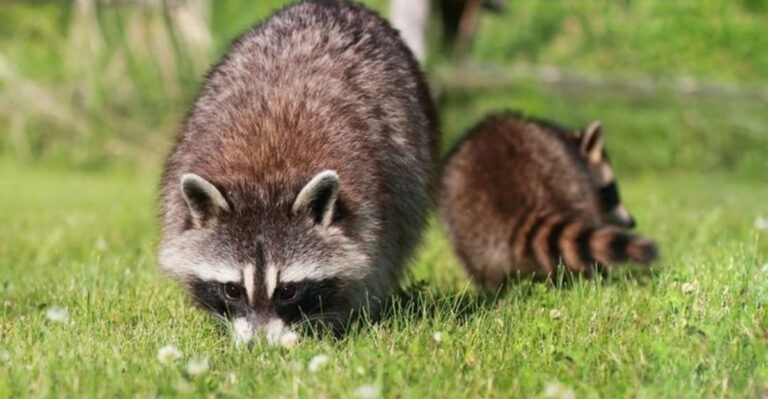
Every time a deer passes through your garden, it can drop dozens of ticks along the way. Mice, raccoons, and squirrels also carry ticks and move through residential yards all the time.
Bird feeders, open compost bins, and accessible garden beds all attract wildlife. When you make your yard inviting to animals, you are also making it more likely that ticks will hitch a ride in on those animals and then drop off in your grass and garden beds.
This is one of the sneakiest ways ticks end up in Pennsylvania yards because the connection between wildlife visits and tick populations is not always obvious to homeowners.
There are several practical steps you can take to reduce wildlife traffic without completely eliminating the natural beauty of your outdoor space. Deer-resistant fencing around garden beds can discourage browsing.
Removing bird feeders during peak tick season reduces the number of small animals visiting regularly. Secure your compost bin with a lid to stop attracting rodents.
Planting deer-resistant shrubs and flowers along your property edges also helps. Pennsylvania homeowners who take wildlife management seriously often notice a real drop in tick activity over time, making these efforts well worth the investment of time and energy.
7. Neglecting Regular Garden Cleanup
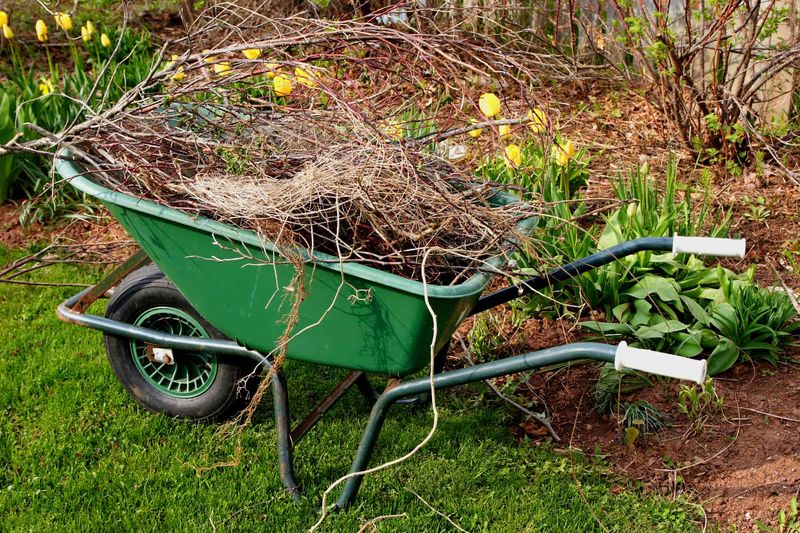
A garden that does not get regular attention has a way of turning into the perfect hideout for ticks and the animals that carry them. Weeds grow tall and thick.
Old brush piles up in corners. Garden clippings sit in heaps that slowly decompose and hold moisture.
Every one of these situations creates shelter and humidity, which ticks rely on to survive in Pennsylvania yards throughout the warmer months.
Neglected gardens also attract rodents. Mice in particular are major tick carriers, and they love to nest in cluttered, undisturbed areas.
A pile of old wood near the fence, a forgotten stack of flower pots, or a weedy corner behind the shed can all become rodent nesting spots. Once mice move in, ticks are not far behind.
The more untended areas you have in your yard, the more opportunities ticks have to establish themselves close to your home and family.
Building a simple cleanup routine throughout the growing season makes a big difference. Pull weeds before they get out of control.
Bag or compost garden trimmings promptly instead of leaving them in piles. Clear out cluttered corners and remove any unnecessary objects that create shaded hiding spots.
Stack firewood neatly and store it away from the house and garden beds. Pennsylvania residents who spend a little time each week maintaining their outdoor spaces often find they have far fewer problems with ticks than neighbors who let things go.
Consistent effort is the real secret to a tick-resistant yard.