Here’s Why Oregon Gardeners Are Growing Lavender Along Their Driveway
Driveways are usually all business: cars, gravel, concrete, and maybe a few weeds trying to look important. Lavender changes the whole mood.
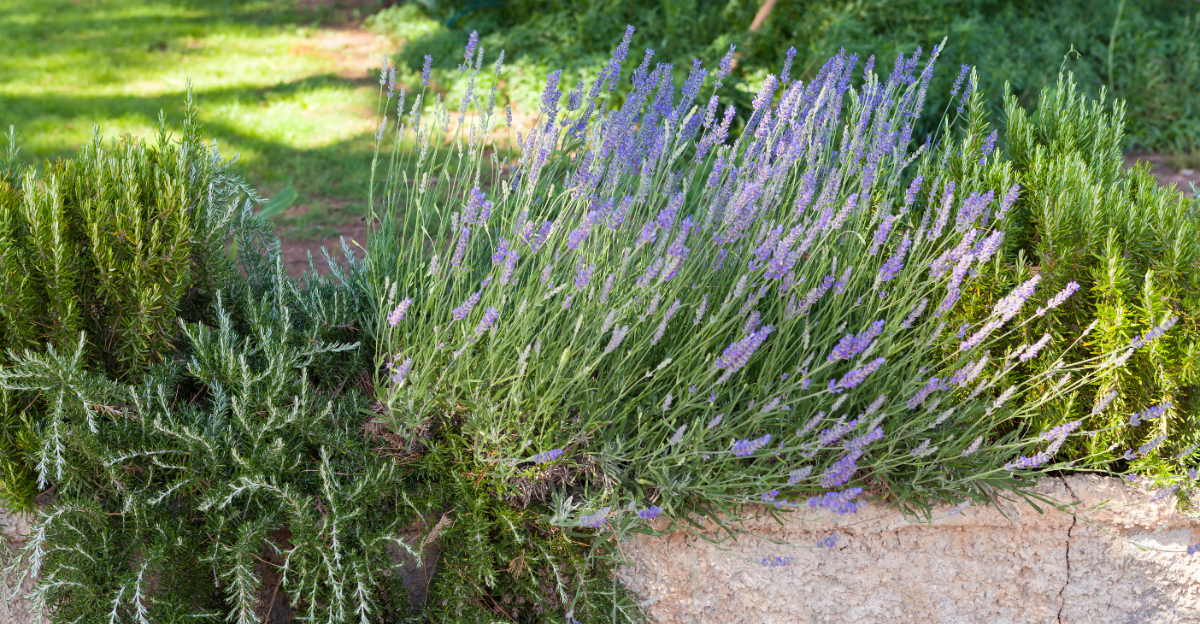
In Oregon gardens, a row of lavender along the driveway can turn a plain entrance into a fragrant, pollinator-friendly welcome strip that looks polished without acting needy.
It loves sunny, well-drained spots, handles dry spells once established, and brings that relaxed cottage-meets-Mediterranean charm every time you pull in.
The silvery foliage stays attractive even when the flowers are not in full showoff mode, while summer blooms bring bees, butterflies, and a soft scent that makes parking feel oddly luxurious.
For gardeners who want curb appeal with benefits, lavender is a smart little upgrade that makes the driveway feel less like a driveway and more like an arrival.
1. Your Driveway Strip Is The Perfect Home For Lavender
Driveways are some of the hottest spots in any yard. Pavement and gravel absorb sunlight all day and radiate heat back out, creating a tough environment for most plants.
Lavender, however, was practically built for exactly this kind of challenge.
Originally from the Mediterranean region, lavender evolved in rocky, sun-baked hillsides where temperatures soar and rain is scarce. That background makes it perfectly suited for the hot microclimate that forms along Oregon driveways during summer.
In places like Medford and Ashland, where summer temperatures regularly climb into the 90s, lavender keeps right on blooming without skipping a beat.
The plant’s silver-gray leaves are coated in tiny hairs that reflect sunlight and reduce water loss. This built-in sun protection means the plant does not struggle or wilt when the driveway heats up.
Most flowering plants would show stress in these conditions, but lavender actually seems to enjoy it.
Oregon gardeners have noticed that lavender planted near driveways often blooms more vigorously than plants in shadier garden beds. The extra warmth encourages stronger flower production and a more intense fragrance.
If your driveway gets full sun for most of the day, that is actually ideal lavender-growing territory. Give it a spot with at least six to eight hours of direct sunlight and watch it reward you with wave after wave of purple blooms all season long.
2. Nothing Softens A Hard Edge Quite Like Lavender Does
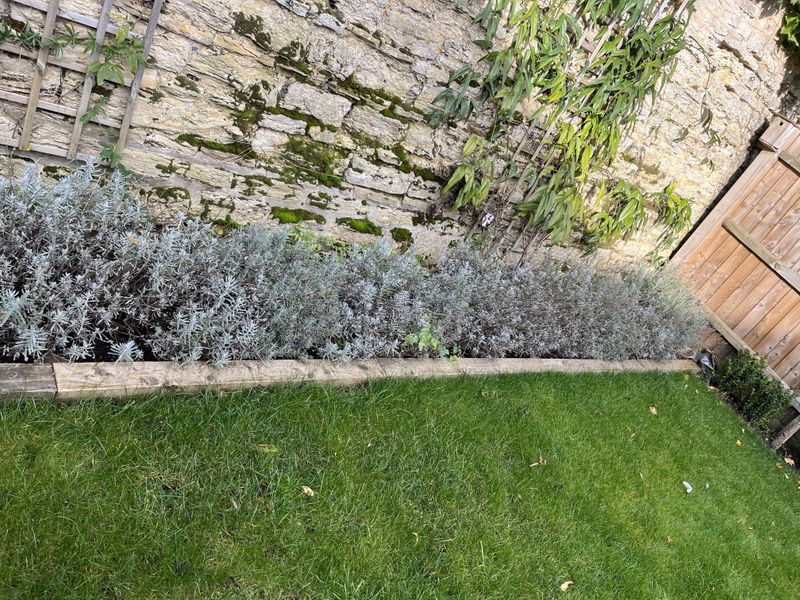
A plain driveway edge can look harsh and uninviting. Concrete curbs, asphalt borders, and gravel margins all have a stiff, industrial feel that is hard to soften with most plants.
Lavender changes that quickly and naturally.
Within one growing season, lavender forms a rounded, mounding shape that gently spills over hard edges. The soft texture of its feathery stems and long flower spikes creates a beautiful contrast against rigid pavement.
Oregon homeowners often describe the effect as turning a plain driveway into something that looks like a French country lane.
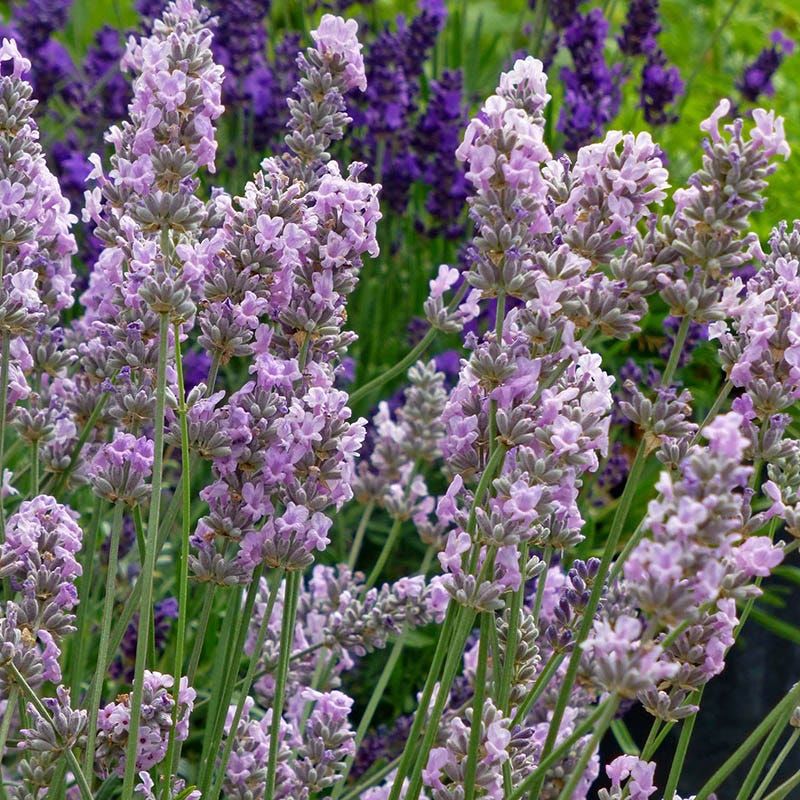
Varieties like ‘Hidcote’ and ‘Munstead’ are especially popular along Oregon driveways because they stay compact and tidy. They grow about 18 to 24 inches wide, which is just enough to soften an edge without taking over the walkway.
Your Oregon Garden Changes Every Week. Your Plan Should Too.
Gardening in Oregon changes quickly throughout the season. Every Friday you’ll receive a simple weekly plan showing exactly what to plant, prune, fertilize, harvest, and protect so you never miss the right timing.
Larger varieties like ‘Phenomenal’ can spread wider and create a more dramatic border effect.
The visual transformation happens faster than most people expect. By the second year, a row of lavender plants spaced 18 inches apart will have filled in enough to form a nearly continuous hedge along the driveway.
The purple blooms in early summer create a stunning ribbon of color that makes the whole property look more polished and welcoming. Even during winter, the silvery evergreen foliage keeps the edge looking defined and structured.
3. Bees Cannot Get Enough Of Those Purple Blooms
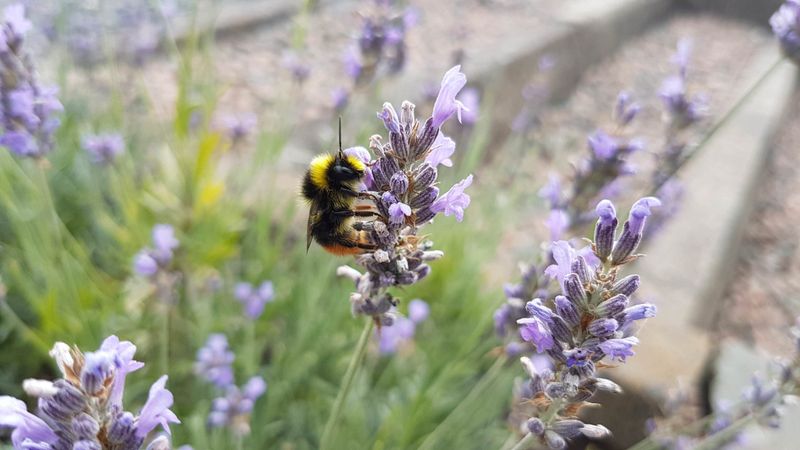
Walk past a row of blooming lavender on a warm Oregon afternoon and you will hear it before you see it. The soft buzzing of dozens of bees working through the flower spikes is one of the most satisfying sounds in any garden.
Lavender is one of the top pollinator plants you can grow in the Pacific Northwest.
Both honeybees and native bumblebees are strongly attracted to lavender’s nectar-rich blooms. Oregon is home to over 500 native bee species, and many of them depend on flowering plants like lavender during the summer months.
Planting lavender along your driveway essentially creates a pollinator corridor that supports local bee populations throughout the blooming season.
Gardeners in the Willamette Valley have reported seeing up to 20 or more bees on a single lavender plant at peak bloom. That kind of pollinator activity also benefits nearby vegetable gardens and fruit trees.
More bees visiting your property means better pollination for everything else you are growing.
Despite the heavy bee traffic, lavender plantings are safe to walk past. Bees focused on foraging are rarely aggressive and almost never sting unless disturbed.
Children and adults can enjoy the driveway without worry. The combination of beautiful blooms, pleasant fragrance, and constant pollinator activity makes a lavender-lined driveway feel alive and vibrant in a way that few other plantings can match.
4. That Lavender Scent Hits You Before Anything Else Does
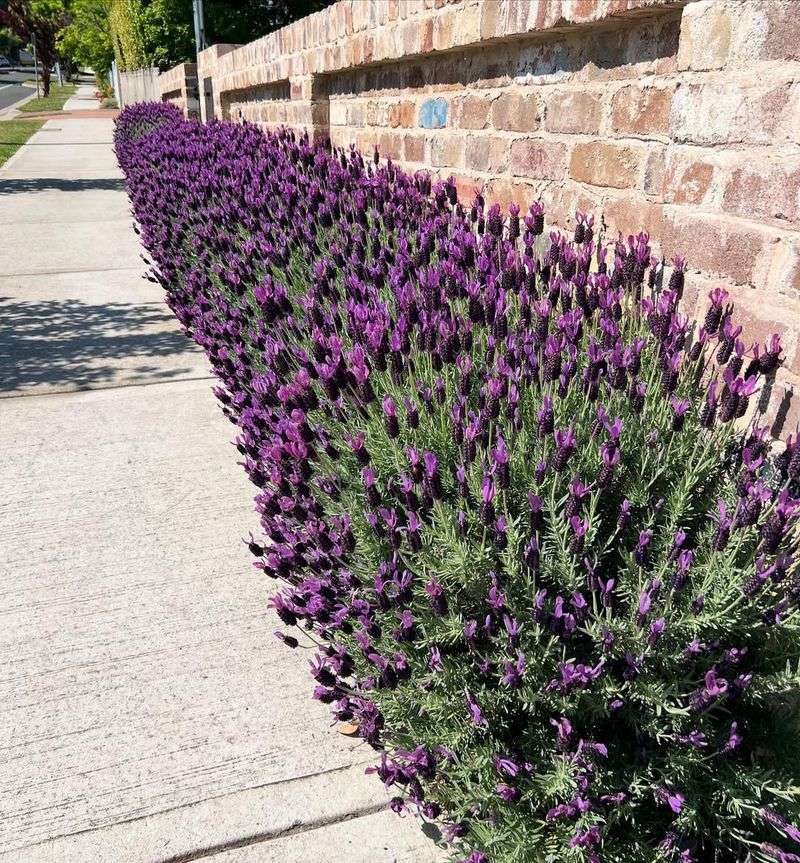
Before you even reach your front door, lavender makes its presence known. The fragrance hits you the moment you step out of the car.
On a warm Oregon evening, when the heat of the day has built up around the driveway, the scent can be almost overwhelmingly beautiful.
Lavender’s fragrance comes from essential oils stored in tiny glands on its leaves and flowers. Brushing against the plant releases even more of this scent, which is why driveways are such a perfect location.
Every time a car passes or a person walks by, a little more fragrance is released into the air.
The calming effect of lavender scent is well-documented. Studies have shown that lavender aromatherapy can reduce feelings of stress and anxiety.
Oregon homeowners who have planted lavender along their driveways often say that arriving home feels more relaxing than it used to. After a long commute, that first breath of lavender-scented air is a genuinely pleasant way to transition from work mode to home mode.
Different lavender varieties offer slightly different scent profiles. English lavender, like ‘Vera’ or ‘Hidcote,’ has the classic sweet, clean fragrance most people recognize.
Lavandin hybrids like ‘Grosso’ have a stronger, slightly more camphor-like scent that carries farther on the breeze. Either way, your driveway will smell incredible from late spring through midsummer, and dried flower spikes continue releasing fragrance well into fall.
5. Your Lawn Is Thirsty, Lavender Is Not
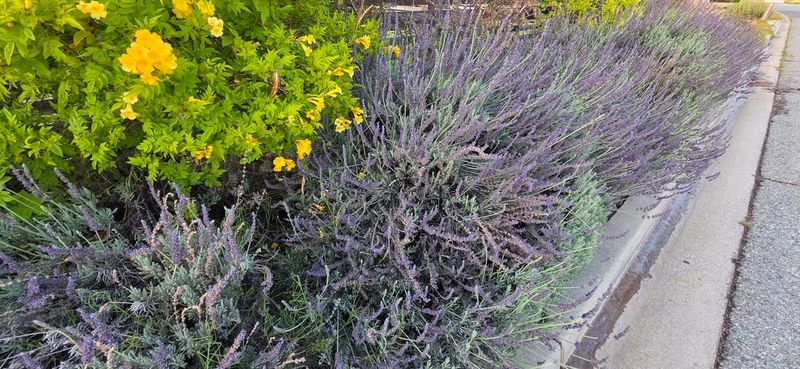
Oregon summers can be surprisingly dry, especially west of the Cascades where rain nearly disappears from July through September. Keeping a lawn green during those months takes a significant amount of water.
Lavender, on the other hand, barely needs any irrigation once it has established its root system.
Established lavender plants can survive on Oregon’s natural rainfall alone in most parts of the state. During the first year, some supplemental watering helps the roots get established.
After that, most gardeners in the Willamette Valley water their lavender only during extended heat waves or unusually dry stretches. In Southern Oregon, a deep watering every two to three weeks during summer is usually enough.
This low water requirement is a huge advantage for Oregon homeowners who want to reduce their water bills or live in areas with irrigation restrictions. Replacing a strip of lawn along the driveway with lavender can cut water use in that zone by 50 to 70 percent.
That adds up to real savings over the course of a dry Oregon summer.
Beyond saving water, lavender also avoids the muddy mess that lawns create along driveways during Oregon’s wet winters. The plant’s woody base and well-drained soil requirements mean you will not have soggy, churned-up edges after heavy rain.
It stays neat and tidy year-round with almost no effort on your part.
6. Good Drainage Is The One Thing Lavender Cannot Live Without
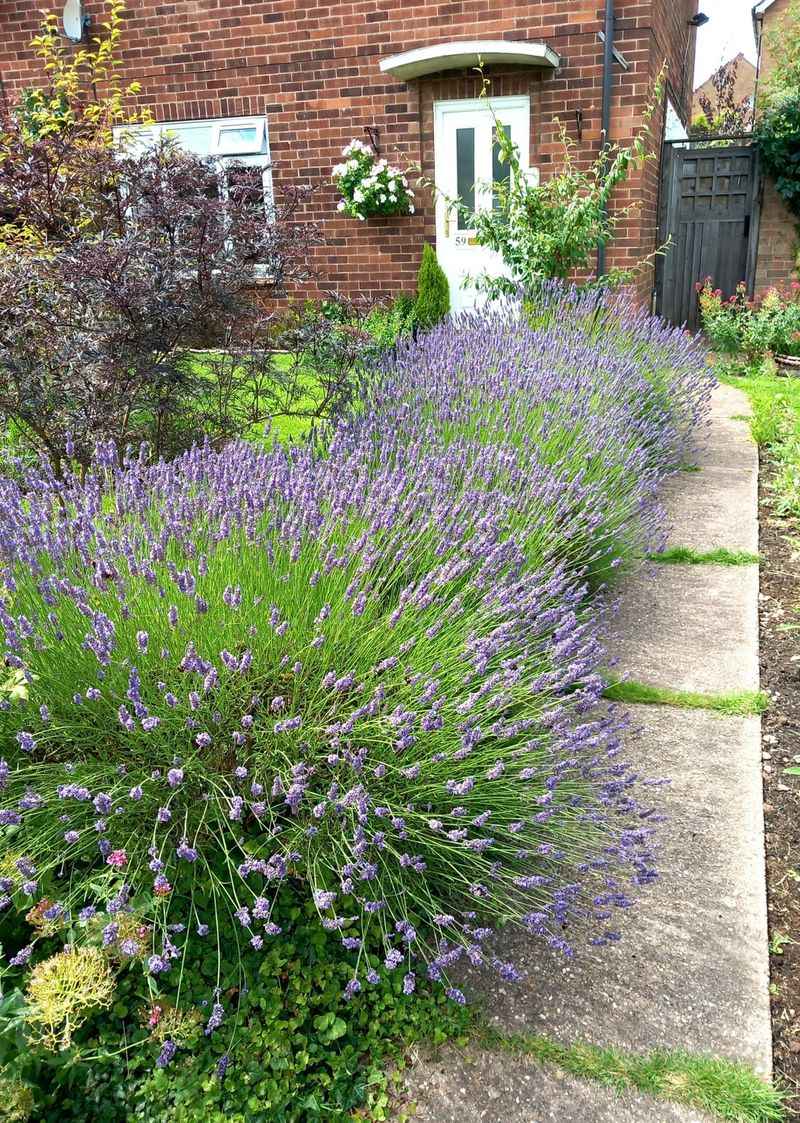
Here is something Oregon gardeners learn quickly about lavender: it absolutely cannot tolerate wet feet. Standing water around the roots is the fastest way to cause problems for this plant.
But the good news is that driveway edges often have naturally better drainage than the rest of the yard.
Driveways are typically built on compacted gravel bases that shed water quickly. The soil along the edges of driveways tends to be sandier or more gravelly than garden beds further from the house.
This accidental drainage advantage makes driveway borders one of the best spots in an Oregon yard to grow lavender successfully.
In areas with heavier clay soil, which is common in the Willamette Valley, gardeners often amend the planting area before adding lavender. Mixing in coarse sand, pumice, or pea gravel improves drainage significantly.
Raising the planting bed by even four to six inches above the surrounding grade can make a dramatic difference in how well lavender performs through Oregon’s rainy season.
Choosing the right spot within your driveway border also matters. Avoid low spots where water pools after rain.
Look for the slightly elevated sections where water naturally runs off. Planting lavender on a gentle slope or raised berm along the driveway is a strategy many experienced Oregon gardeners swear by.
Get the drainage right and lavender will reward you with years of healthy, vigorous growth.
7. Gravel Mulch Is What Lavender Actually Wants Around Its Roots
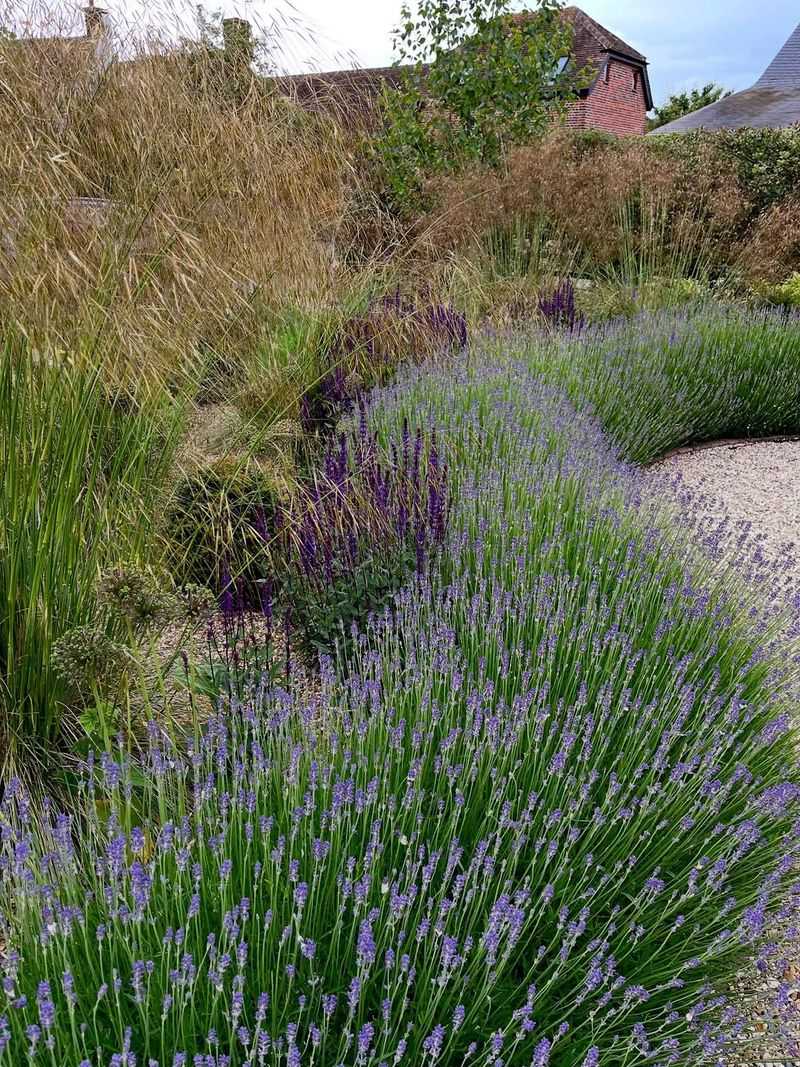
Most gardeners reach for wood chip mulch without a second thought. It works great for most plants, but lavender is a notable exception.
Organic mulches like wood chips hold moisture against the plant’s base, which can cause the crown to rot over time. Gravel mulch is a much smarter choice for lavender along Oregon driveways.
A two to three inch layer of pea gravel or crushed rock around lavender plants does several helpful things at once. It reflects heat back up toward the plant, which lavender loves.
It also keeps the soil surface dry, prevents moisture from sitting against the woody stems, and suppresses weeds effectively.
Light-colored gravel, like white or tan crushed limestone, reflects even more sunlight and warmth than darker stone. Oregon gardeners who use light gravel mulch around their driveway lavender often notice that the plants bloom earlier and more abundantly than those mulched with dark organic material.
The visual effect is also striking. Purple blooms against white gravel is a classic Mediterranean look that photographs beautifully.
Another bonus of gravel mulch is that it lasts for years without breaking down or needing replacement. Wood chips need to be refreshed annually, but a good gravel mulch installation along your driveway can stay effective for a decade or more with only minimal top-ups.
It is a one-time effort that pays off season after season in both plant health and curb appeal.
8. Prune It Early And Your Lavender Will Never Get That Woody Look
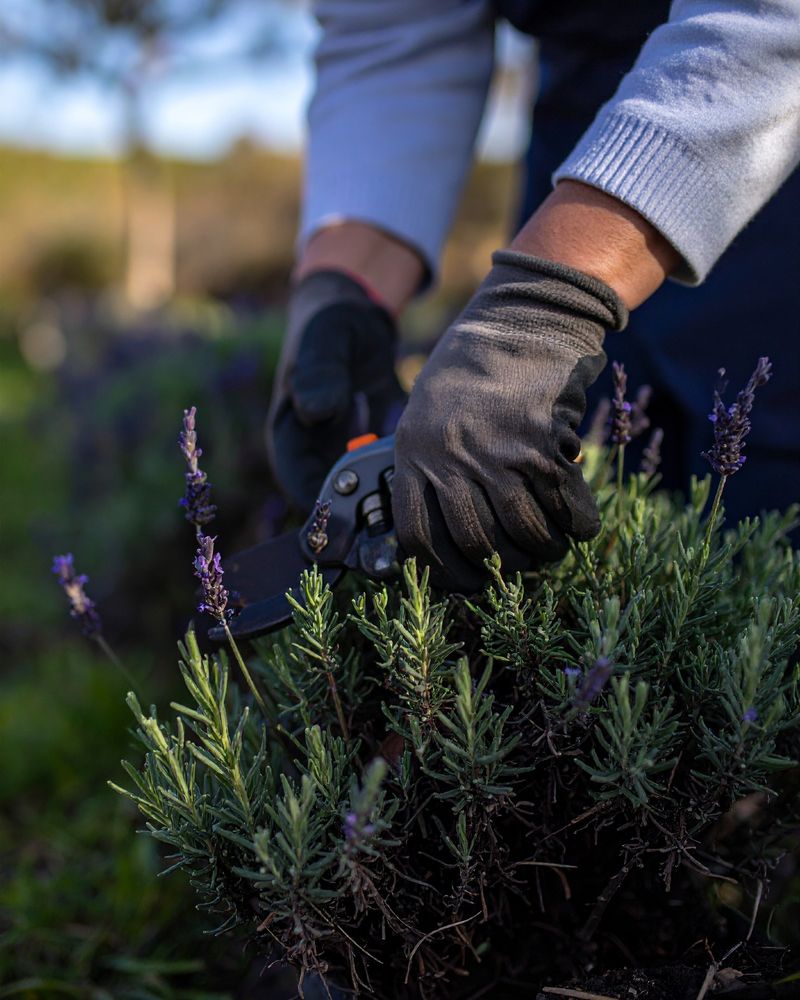
Lavender is a long-lived plant, but only if you give it a proper haircut every year. Skip the pruning and lavender will gradually turn into a woody, sprawling mess that blooms less and looks ragged.
Oregon gardeners who keep their driveway lavender looking sharp have one thing in common: they prune consistently and at the right time.
The best time to prune lavender in Oregon is late summer, right after the main bloom has finished, usually in August. A second light shaping in early spring, just as new growth begins, helps tighten up the plant before the growing season kicks in.
Both prunings together keep the plant compact, encourage fresh growth, and extend its productive life by many years.
When pruning, cut back about one-third of the green growth but never cut into the old woody base. Lavender cannot regenerate from truly old wood the way some shrubs can.
Cutting too deep can leave you with a plant that struggles to push out new shoots. Aim to leave a rounded, dome-shaped mound of green foliage after each pruning session.
Sharp, clean pruning shears make the job easier and reduce stress on the plant. Wipe the blades with rubbing alcohol between plants to prevent spreading any disease.
Oregon gardeners who follow a regular pruning schedule find that their driveway lavender stays full, fragrant, and beautiful for a decade or longer without needing replacement.