How To Water Tomato Plants In Pennsylvania In May For Bigger Healthier Harvests
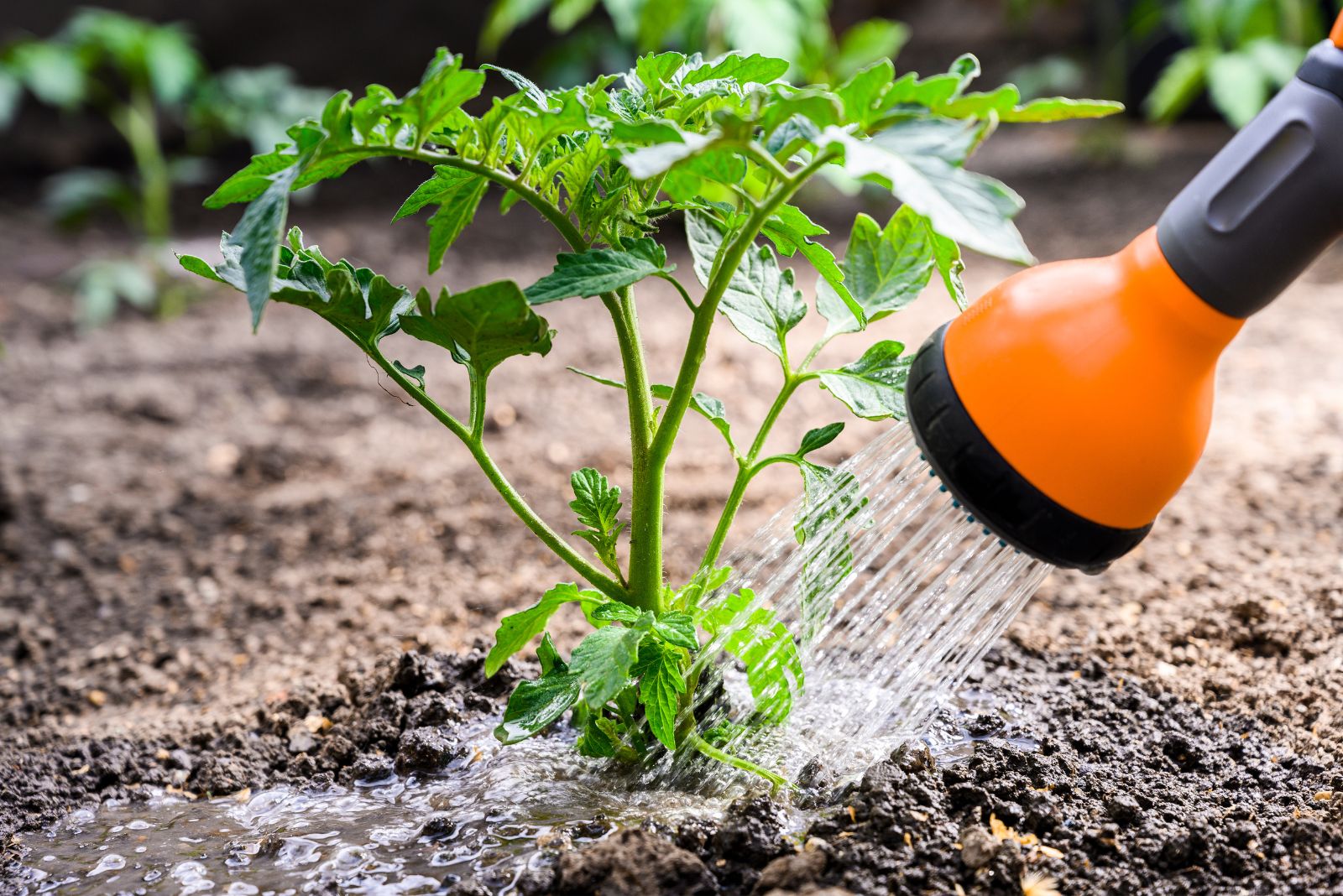
Tomatoes in Pennsylvania live by how they’re watered in May, and most gardeners don’t realize how much that early-season watering routine shapes the entire harvest until something goes wrong later in the summer.
Blossom end rot showing up in July, cracked fruit in August, a surprising number of these mid-season problems trace directly back to watering habits that were established in May when the plants were still getting started.
May in Pennsylvania is the month when tomato root systems are actively developing the structure they’ll rely on for the rest of the season.
How you water during this window influences how deep those roots go and how well it handles the heat and dry stretches that inevitably show up later in the growing season.
Getting May watering right for Pennsylvania tomatoes isn’t complicated, but it does require understanding what these plants actually need at this specific stage of their growth.
1. Water Deeply Instead Of Lightly
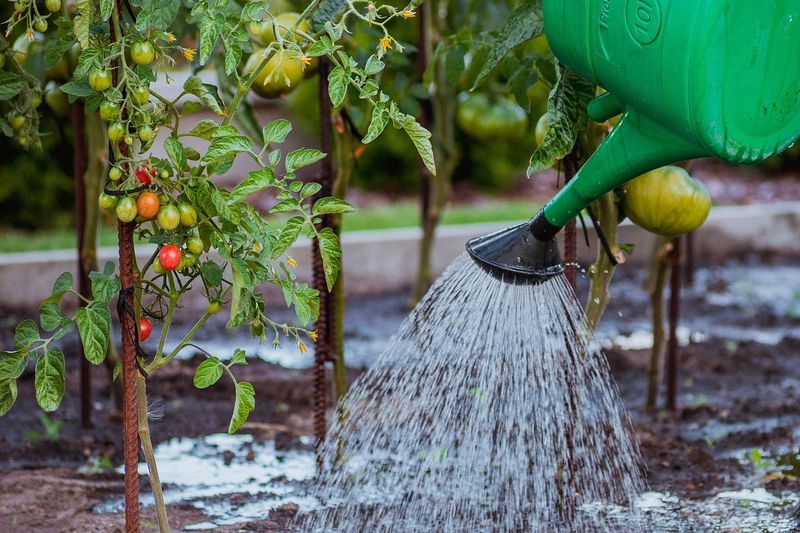
Most new gardeners make the same mistake: they water a little bit every day and think that is enough. Shallow watering only wets the top inch or two of soil.The roots stay near the surface because that is where the moisture is.
Deep watering changes everything. When you water deeply, moisture soaks down six to eight inches into the soil.
The roots follow the water downward and grow stronger and longer over time. A deep root system helps your tomato plants handle the summer heat that hits Pennsylvania hard by July and August.
In May, aim to water your Pennsylvania tomato plants slowly and thoroughly. Use a garden hose with a gentle flow or a soaker hose to let water sink in without running off.
Water until the soil around each plant is moist at least six inches down. You can check this by poking your finger or a small stick into the soil after watering.
Deep watering also reduces how often you need to water. Instead of watering every single day, you may only need to water every two to three days depending on rainfall and temperature.
This saves you time and keeps your plants from being stressed by inconsistent moisture. Try to water each plant slowly for at least thirty to sixty seconds in one spot. Move the hose around the base of the plant to spread the moisture evenly.
Doing this consistently in May sets up your tomato plants for strong, healthy growth throughout the entire Pennsylvania growing season ahead.
2. Water Early In The Morning
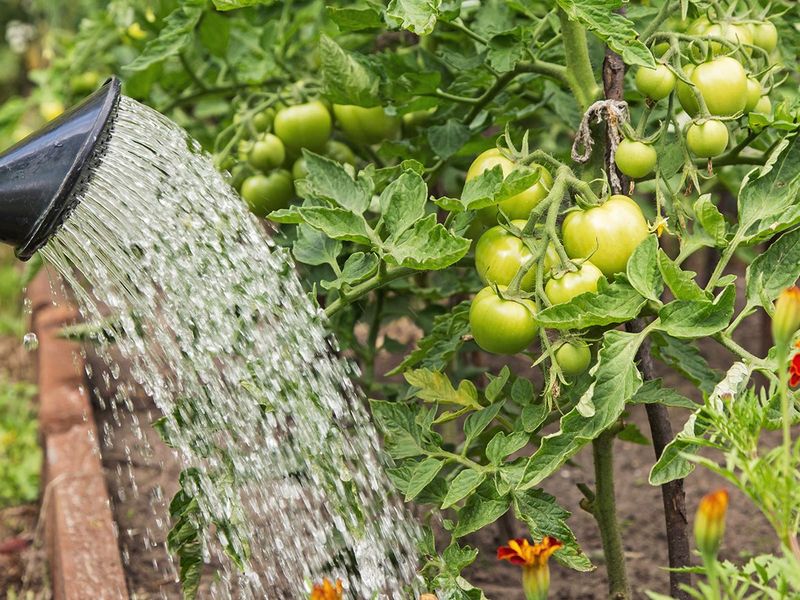
There is something peaceful about being in the garden before the rest of the world wakes up. But watering in the morning is not just a pleasant habit.
It is actually one of the smartest things you can do for your tomato plants in Pennsylvania during May.
When you water early in the morning, the soil absorbs moisture before the heat of the day kicks in. Less water evaporates, which means more of it actually reaches the roots where it is needed. Your plants get a full drink right when they need it most as they begin a new day of growing.
Your Pennsylvania Garden Changes Every Week. Your Plan Should Too.
Gardening in Pennsylvania changes quickly throughout the season. Every Friday you’ll receive a simple weekly plan showing exactly what to plant, prune, fertilize, harvest, and protect so you never miss the right timing.
Morning watering also gives the leaves time to dry out completely during the day. Wet leaves at night create the perfect environment for fungal diseases like early blight and late blight, which are very common problems for Pennsylvania tomato growers.
Keeping foliage dry is a simple but powerful way to protect your plants. Try to water between six and nine in the morning if possible. This window gives your plants the full benefit of morning moisture while the sun is still low and temperatures are cool.
If you miss the morning window, early afternoon is your next best option, but avoid watering in the late evening whenever you can.
Setting a simple reminder on your phone or building watering into your morning routine makes it easy to stay consistent. Pennsylvania May mornings can be cool and refreshing, so getting outside early is not as hard as it sounds.
Your tomatoes will thank you for the effort with stronger growth and fewer disease problems all season long.
3. Keep Soil Consistently Moist
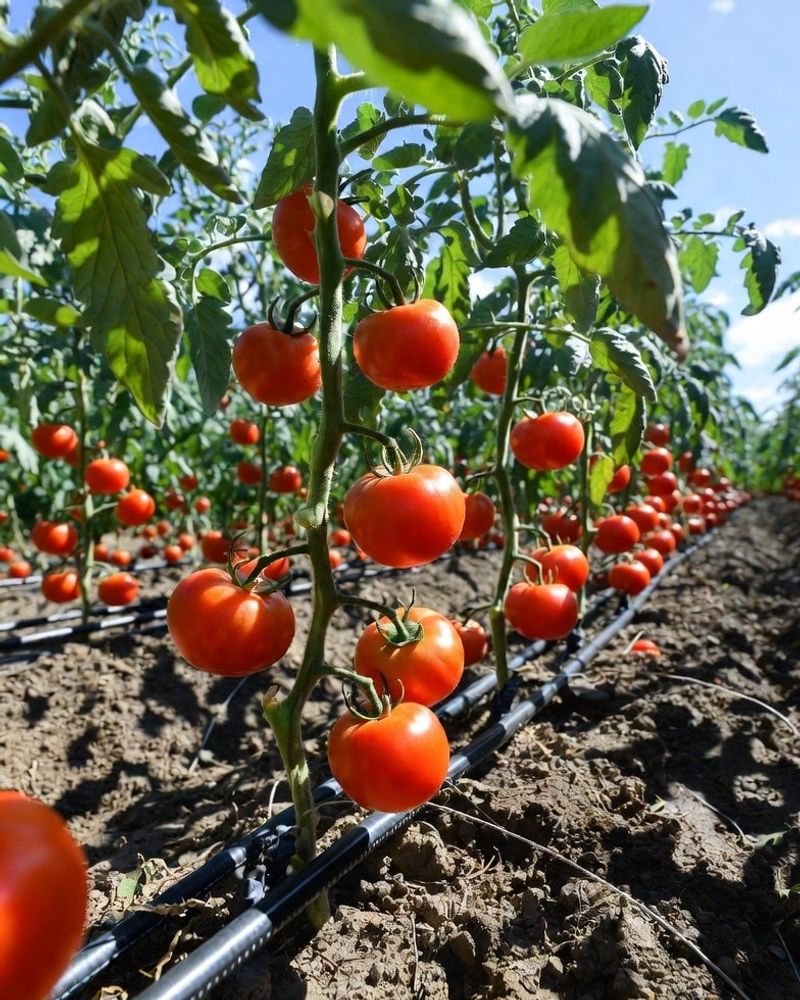
Tomatoes are a bit fussy when it comes to water. They do not like too much, and they do not like too little. What they really love is steady, consistent soil moisture from one day to the next.
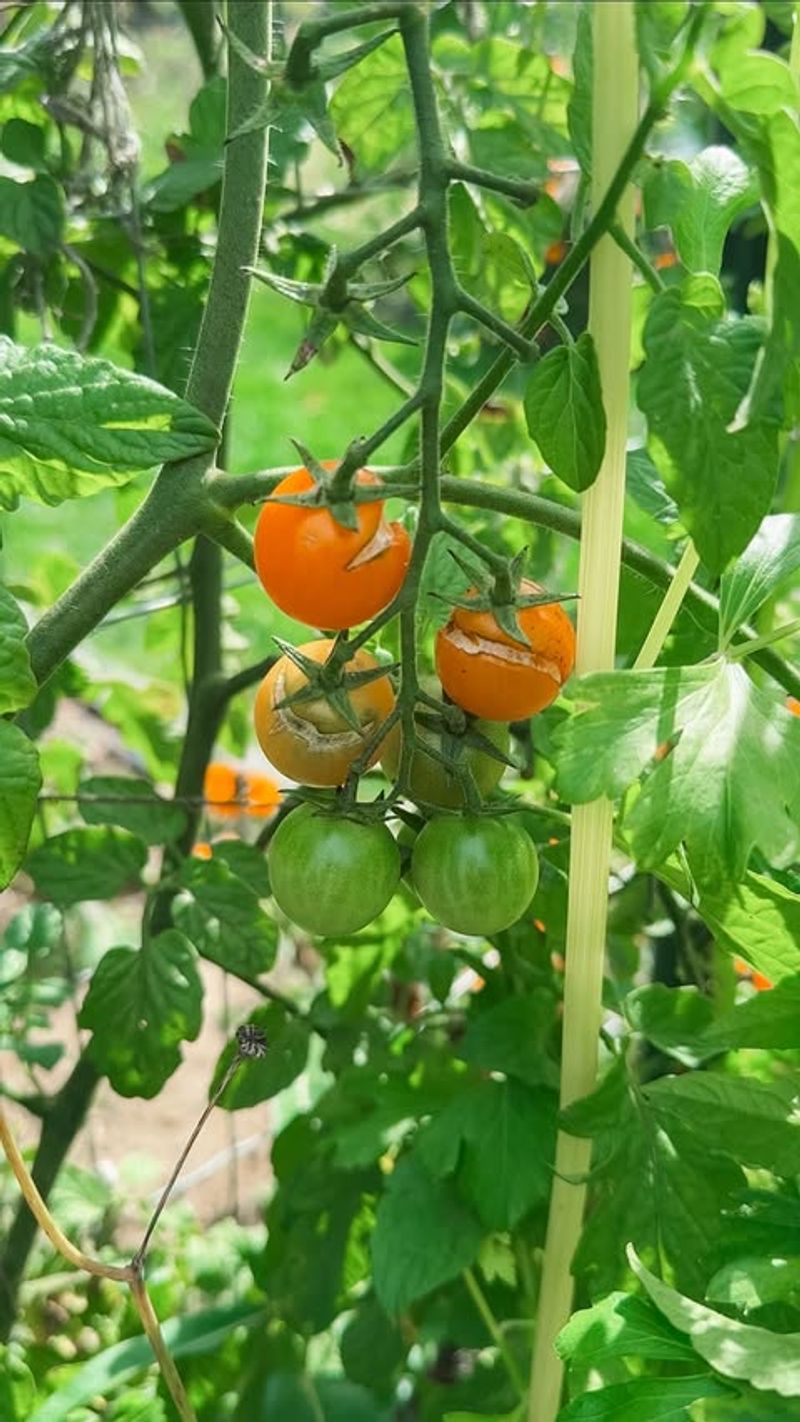
When soil dries out completely and then gets soaked again, tomato plants go through a stressful cycle. This uneven watering is one of the leading causes of blossom end rot, a condition where the bottom of the tomato turns dark and mushy.
It also causes fruit to crack open just as it starts to ripen, which is incredibly frustrating after weeks of patient growing.
In Pennsylvania, May temperatures can range from cool mornings in the forties to warm afternoons in the seventies. This range affects how quickly soil dries out.
Check your soil moisture every day by pressing your finger about two inches into the ground near the plant base. If it feels dry, it is time to water. A good goal is to keep the soil feeling like a wrung-out sponge. Moist but not dripping.
Firm but not cracked or crusty on top. Once you get familiar with what that feels like, checking your garden becomes quick and easy.
Raised garden beds in Pennsylvania tend to dry out faster than in-ground plots because they have better drainage and more air exposure. If you are growing in raised beds, you may need to water more frequently during warm spells in May.
Staying consistent with your watering schedule is the single best habit you can build for a strong and productive tomato harvest this summer.
4. Avoid Wetting The Leaves
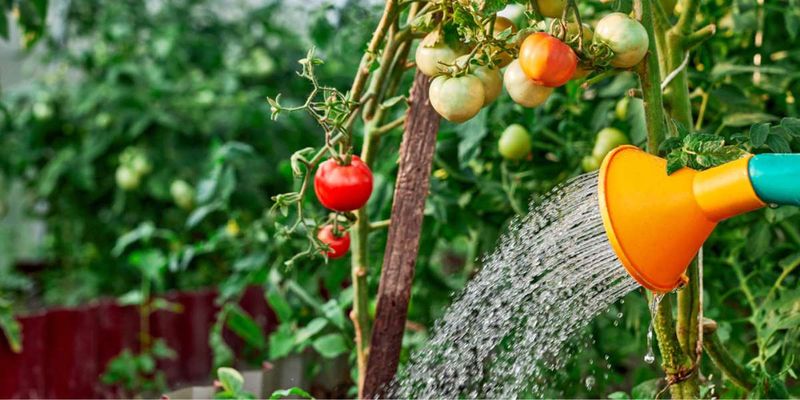
Here is something that surprises a lot of beginner gardeners: water on tomato leaves can actually cause serious problems. It sounds strange since rain hits leaves all the time, but the way and timing of how water touches leaves matters a lot.
Pennsylvania is known for humid summers, and that humidity already creates ideal conditions for fungal diseases. When you add extra moisture to the leaves by watering from above with a sprinkler or hose, you make things even worse.
Diseases like early blight, Septoria leaf spot, and late blight spread rapidly in wet, warm conditions and can wipe out an entire tomato crop.
The fix is simple: always water at the base of the plant. Direct the water toward the soil around the stem, not at the leaves or fruit.
A drip irrigation system, soaker hose, or a watering wand with a curved neck makes this much easier to do consistently every single day.
If you do accidentally wet the leaves while watering, try to do it early enough in the morning so the sun dries them off quickly. Leaves that stay wet overnight are far more vulnerable to fungal infections than leaves that dry out within a few hours.
Pennsylvania gardeners who switch from overhead watering to base watering often notice a dramatic improvement in plant health within just a few weeks. Fewer yellowing leaves, less spotting, and stronger overall growth are all common results.
It is one of those small changes that makes a surprisingly big difference when you are aiming for a bigger and healthier tomato harvest this season.
5. Use Mulch Around Tomato Plants
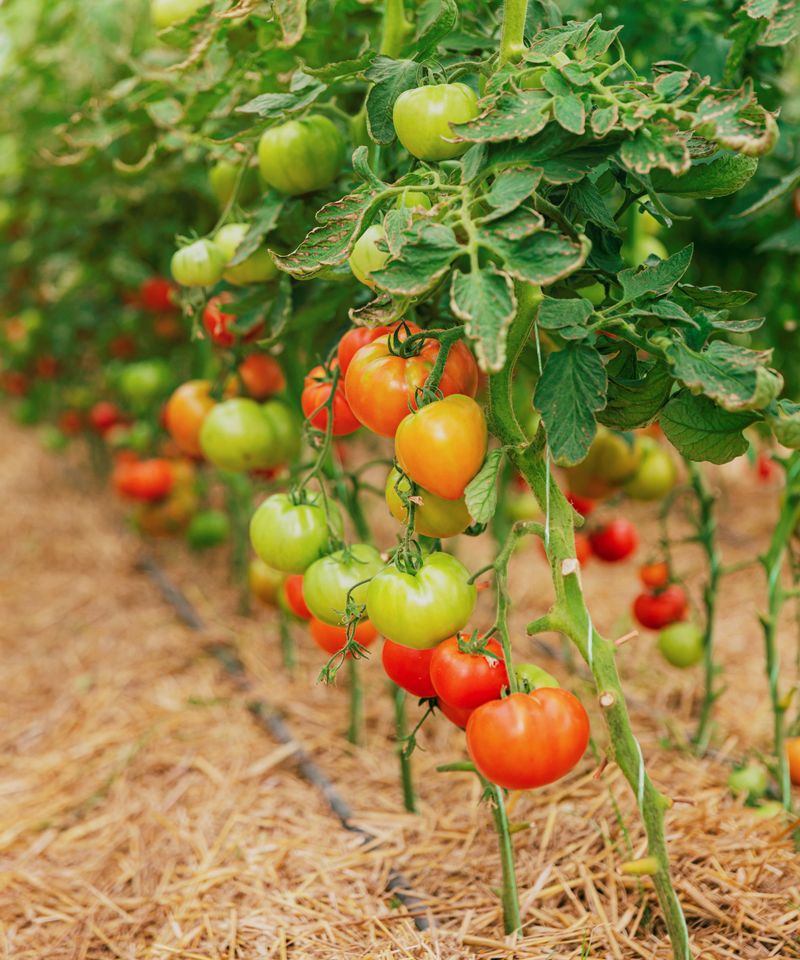
Mulch might be the most underrated tool in a Pennsylvania tomato gardener’s toolkit. A thick layer of mulch around your tomato plants does several important jobs at once, and it keeps working for you all season long without much extra effort.
First, mulch holds soil moisture in place. After you water deeply, the moisture can evaporate quickly on warm sunny May days.
A two to three inch layer of straw, shredded leaves, or wood chips acts like a blanket over the soil, slowing evaporation and keeping roots cooler and more hydrated between watering sessions.
Second, mulch helps prevent soil splash. When rain or water hits bare soil, it splashes up onto the lower leaves of the plant.
That splash can carry fungal spores and bacteria from the ground directly onto your tomato plant. Mulch absorbs the impact and keeps those pathogens where they belong: on the ground and away from your plants.
Third, mulch suppresses weeds. Fewer weeds mean less competition for the water and nutrients your tomato plants need to produce big fruit.
In Pennsylvania, weeds grow fast in May, so getting mulch down early in the season saves a lot of weeding time later.
Straw is one of the most popular mulch options for Pennsylvania tomato growers because it is inexpensive, easy to spread, and breaks down slowly. Apply mulch after your first deep watering of the season, and add more as needed throughout the summer.
Your tomato plants will stay healthier, and your soil will stay more consistently moist right through harvest time in late summer.
6. Adjust Watering After Heavy Rain
Pennsylvania spring weather is famously unpredictable. One week you might be hand-watering every day because the sun is blazing, and the next week a string of rainy days rolls through and soaks everything thoroughly.
Knowing how to adjust your watering schedule around rainfall is a skill that pays off big time.
After a heavy rain, the soil around your tomato plants is likely already saturated. Watering on top of that can lead to root problems caused by waterlogged soil.
Roots need both water and oxygen, and when the soil stays soggy for too long, roots suffer and the plant weakens.
A simple way to check after rain is to push your finger two inches into the soil near the plant base. If it still feels wet and cool, skip watering for that day and check again tomorrow.
You might be surprised how many times in May your Pennsylvania garden gets enough natural moisture without any help from you.
Keep a small rain gauge in your garden to track how much rainfall your plants are actually receiving.
Tomato plants generally need about one to one and a half inches of water per week in May. If rain provides that amount, you may not need to water at all for several days.
Overwatering is just as harmful as underwatering, and it is a mistake many well-meaning gardeners make during wet Pennsylvania springs. Yellowing lower leaves, soggy soil, and slow growth are all signs that your plants may be getting too much water.
Staying aware of both rain and sunshine helps you keep that perfect moisture balance your tomatoes need to thrive.