Divide Your Hostas This Spring In Michigan And Watch Them Double In Size By Fall
Hostas have a quiet kind of ambition. Left alone long enough, a single plant spreads into an impressive clump, filling shade and adding structure to spots where little else wants to grow.
Most Michigan gardeners appreciate that about them and leave them undisturbed for years. But there’s a point where a clump that hasn’t been touched in a while starts working against itself.
The center weakens, growth slows, and the plant that used to look full and lush begins to look a little worn around the edges. Dividing it changes that almost immediately.
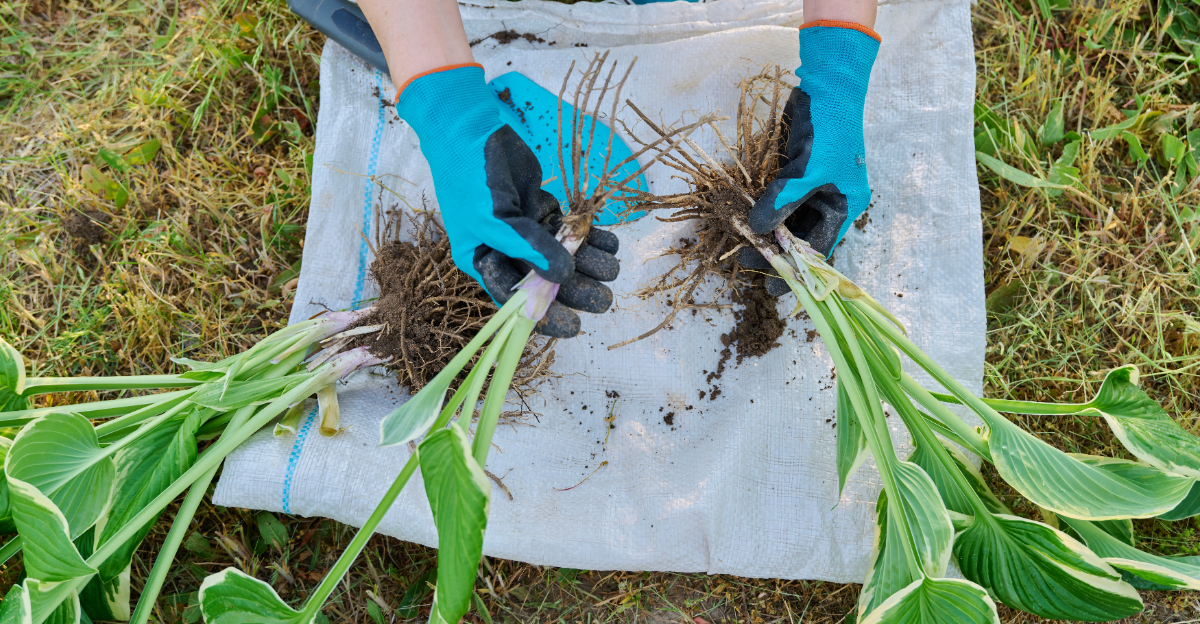
Each section pulled apart and replanted has its own root system, its own space, its own fresh start. By fall, what used to be one tired clump has become several vigorous plants, each one noticeably larger and healthier than the original.
Spring is the ideal window for this in Michigan, and the effort involved is smaller than most gardeners expect.
1. Spring Is The Best Time To Divide Hostas In Michigan
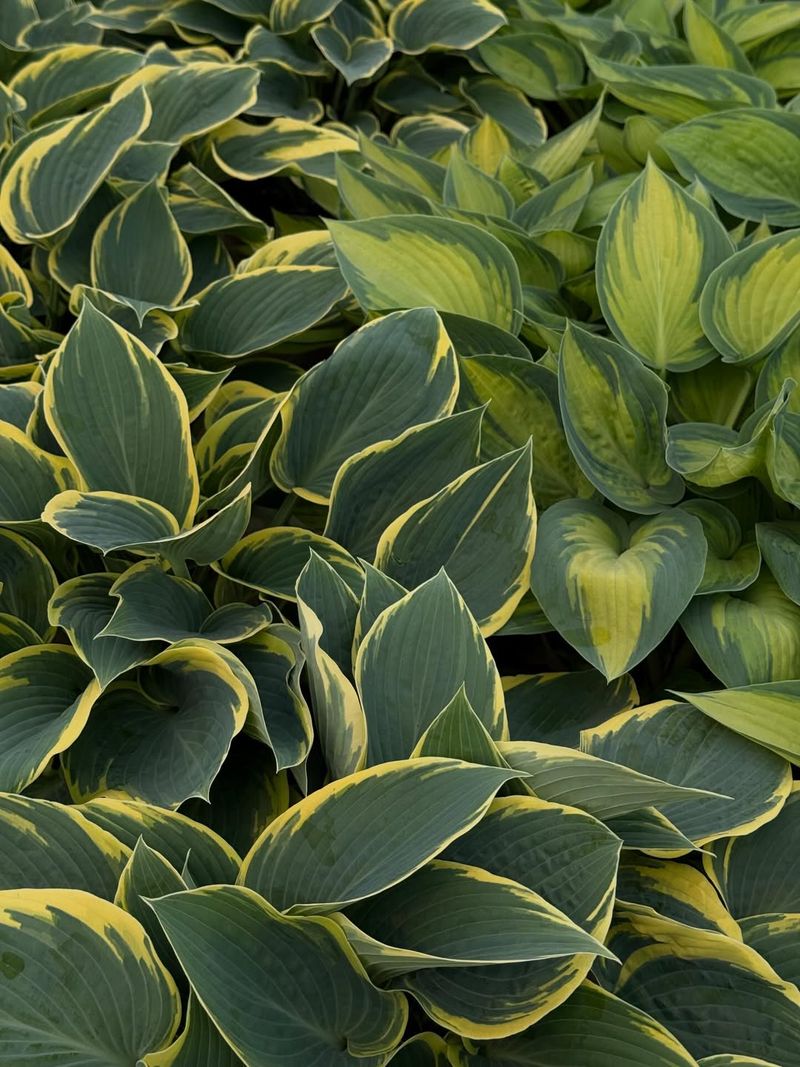
Cool spring mornings in Michigan are practically made for hosta dividing. When soil temperatures stay mild and spring rains arrive regularly, freshly divided hostas can push new roots into the ground without the stress of summer heat bearing down on them.
That combination of cool air and steady moisture is what gives Michigan gardeners such a strong advantage when they act early.
Timing matters a lot depending on where you live in the state. Gardeners in southern Michigan near cities like Kalamazoo or Ann Arbor can often start dividing hostas in late April.
Those in central Michigan around Lansing typically aim for early May, while gardeners in northern Michigan near Traverse City or Petoskey may want to wait until mid-May when soil warms more consistently.
Waiting too long into summer creates real problems for hostas trying to recover. Once July heat settles in across Michigan, divided plants struggle to rebuild root systems fast enough before fall arrives.
Roots need time to spread and anchor properly before cooler temperatures return in September and October. Dividing in spring gives each new clump the longest possible growing season to establish itself and truly thrive before the ground freezes again.
2. Smaller Hosta Clumps Usually Recover Faster After Dividing
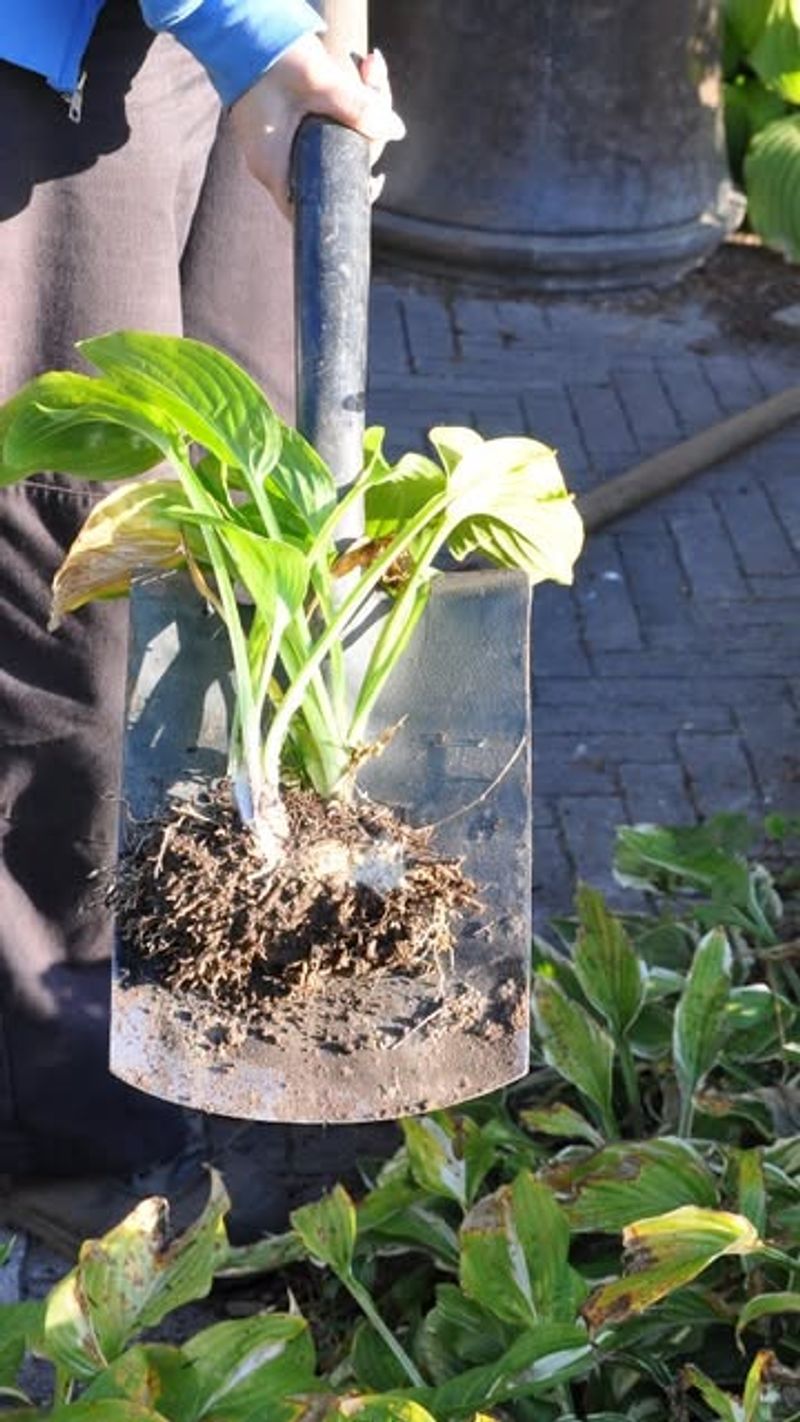
Bigger is not always better when it comes to hosta divisions. A smaller clump with three to five healthy shoots and a solid set of white roots will almost always settle into its new spot faster than an oversized chunk pulled straight from a crowded bed.
Smaller divisions have less plant tissue demanding water and nutrients while the root system is still rebuilding itself underground.
Crowded hosta clumps that have gone years without dividing often develop weak centers where airflow is poor and moisture competition is fierce.
Leaves in the middle of those thick clumps sometimes look pale or smaller than the outer leaves, which is a clear sign the plant is struggling to share resources across too large a mass.
Separating those clumps gives every section room to breathe and grow properly.
Your Michigan Garden Changes Every Week. Your Plan Should Too.
Gardening in Michigan changes quickly throughout the season. Every Friday you’ll receive a simple weekly plan showing exactly what to plant, prune, fertilize, harvest, and protect so you never miss the right timing.
When separating hostas, always try to keep the crown intact on each division. The crown is the central growing point where shoots emerge, and damaging it can slow recovery significantly.
Use a sharp spade or garden fork to gently pry sections apart rather than hacking through the plant roughly.
Michigan gardeners who take a careful, patient approach during dividing almost always see better results by fall, with fuller and more vigorous plants filling in their garden beds beautifully.
3. Michigan Clay Soil Can Slow Newly Divided Hostas
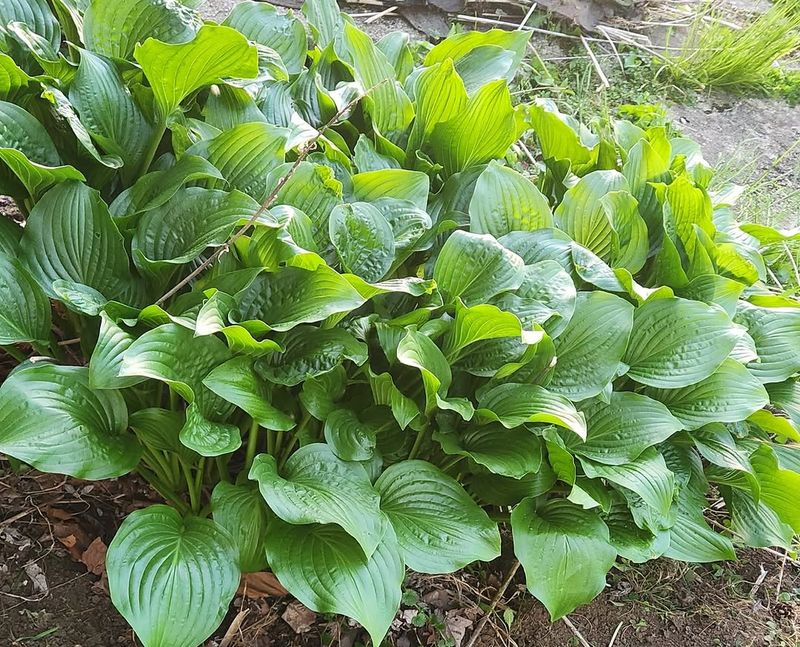
Heavy clay soil is one of the most common challenges Michigan gardeners face, especially in areas like Grand Rapids, Flint, and the Thumb region. Clay holds water for a long time, which sounds helpful, but it can actually suffocate hosta roots when drainage is poor.
Compacted clay also makes it hard for new roots to push outward and expand, which slows the whole recovery process after dividing.
Adding compost is the single best thing you can do to improve clay soil before replanting your hosta divisions. Work two to three inches of finished compost into the top eight to ten inches of soil in your garden bed.
Compost loosens clay particles, improves drainage, and still holds just enough moisture to keep shallow hosta roots from drying out between rain events.
Shaded Michigan garden beds under large trees often have especially compacted soil because tree roots compete aggressively for nutrients and moisture.
If your hosta bed is under a mature maple or oak, add extra compost and consider a light layer of aged leaf mulch on top after planting.
Avoid planting divisions in low spots where water pools after rain, since standing water around the crown can cause serious problems. A little soil prep work in spring pays off hugely when your hostas push out wide, lush leaves by late summer.
4. Hostas Need Consistent Moisture After Spring Division
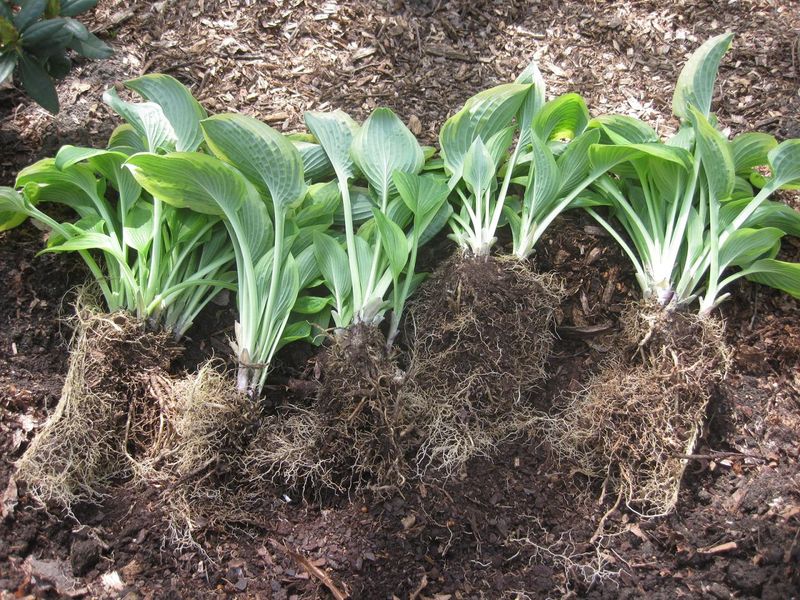
Newly divided hostas are a little like transplanted seedlings. Their root systems are small and shallow right after dividing, which means they depend heavily on steady soil moisture to survive and grow.
Michigan springs can be unpredictable, with dry stretches interrupted by heavy rain, and that inconsistency can really stress plants that are still trying to establish new roots.
Sandy soils in western Michigan near the lakeshore drain quickly after rain, so gardeners in that region may need to water divided hostas more frequently than those gardening on heavier soils further inland.
Clay soils hold moisture longer but can dry into a hard crust on the surface during windy spring days, tricking gardeners into thinking the soil is still moist when it is actually dry several inches down.
Checking soil moisture with a finger test an inch or two below the surface is always the most reliable method. Mulch plays a huge role in keeping soil moisture stable after transplanting.
A two to three inch layer of shredded bark or leaf mulch around newly divided hostas slows evaporation dramatically, especially during the warm, breezy days that are common across Michigan in May and June.
Water deeply two to three times per week during dry spells rather than giving light daily sprinkles, since deep watering encourages roots to grow downward and anchor more securely into the soil over time.
5. Crowded Hostas Often Produce Smaller Leaves In Michigan Gardens
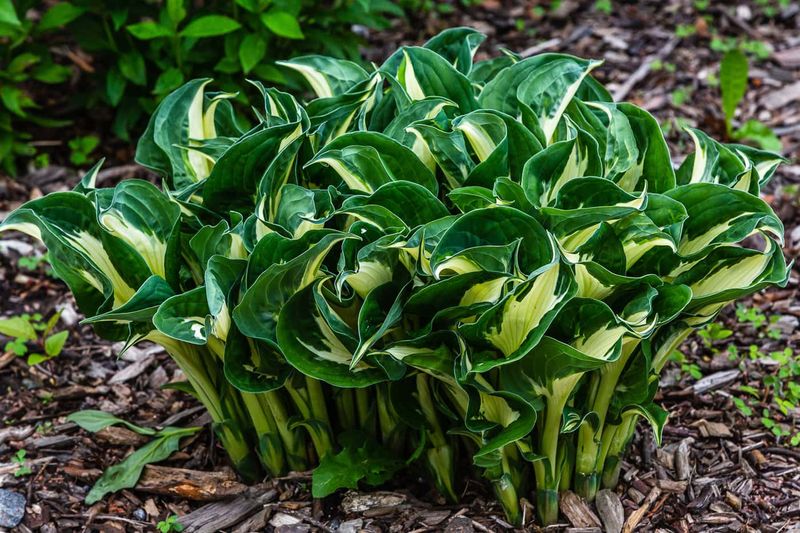
Walk through any established Michigan garden and you will spot the signs of overcrowded hostas immediately.
The leaves in the center of the clump look smaller than they should, the plant seems to be pushing outward in all directions, and the overall shape looks messy rather than full and rounded.
Overcrowding is one of the most common reasons hostas underperform in Michigan landscape beds year after year.
When too many shoots compete for the same patch of soil, the available water, nutrients, and airflow get divided too thin. Plants under that kind of stress redirect energy away from producing large, impressive leaves and instead focus on survival.
Dividing those crowded clumps releases all that stored energy and gives each new section the space and resources it needs to genuinely flourish through summer.
Spacing matters a lot when replanting your divisions. Small hosta varieties generally do well with 12 to 18 inches between plants, while medium varieties benefit from 18 to 24 inches of space.
Large and giant varieties like Sum and Substance or Empress Wu need at least 36 inches or more to reach their full potential.
Michigan gardeners who give their hostas proper spacing after dividing are often amazed at how dramatically leaf size increases by late August and September, turning an ordinary shade bed into a bold, eye-catching garden feature.
6. Too Much Sun Can Stress Newly Divided Hostas
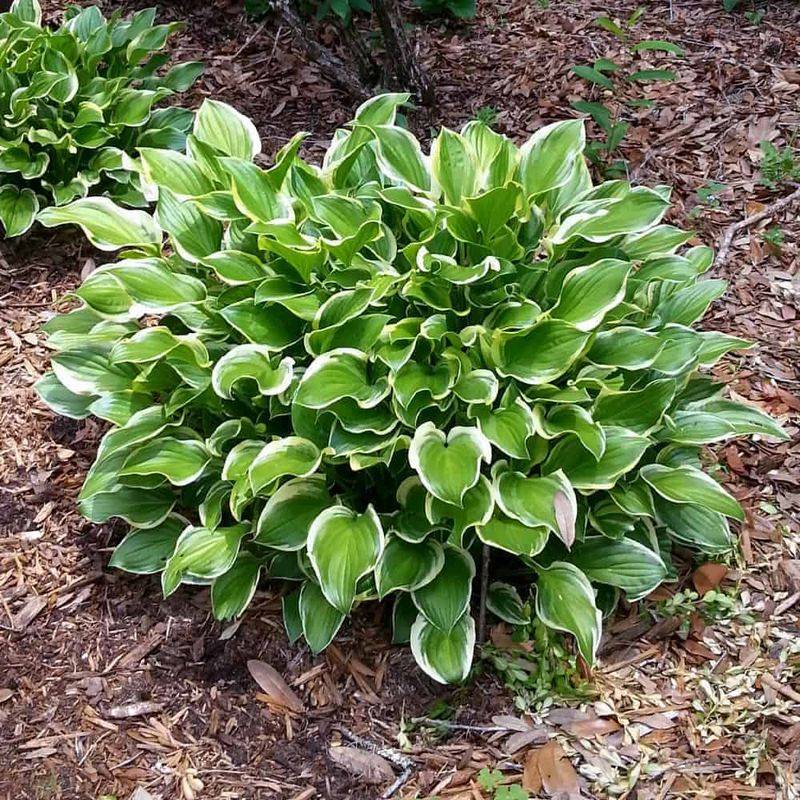
Hostas are shade-loving plants by nature, and that preference becomes even more important right after dividing.
Fresh divisions have reduced root capacity, which means they cannot pull up water fast enough to keep up with moisture lost through leaves during hot or sunny conditions.
Placing new divisions in a spot with too much afternoon sun is one of the fastest ways to slow their recovery during Michigan summers.
Partial shade with morning sun and afternoon protection is the sweet spot for newly divided hostas across Michigan.
Woodland garden settings under deciduous trees work beautifully, since the canopy filters intense light while still allowing enough brightness for healthy growth.
North-facing and east-facing beds along house foundations are also excellent choices, especially in southern Michigan where summer afternoons can get surprisingly warm and sunny.
Leaf color is one of the first things affected by too much sun exposure. Blue-toned hostas like Halcyon or Blue Angel can fade to a dull greenish color when they receive excessive direct sunlight, and that color change is very hard to reverse mid-season.
Gold and yellow varieties are generally more sun-tolerant, but even those benefit from afternoon shade when they are freshly divided and still establishing roots.
Choosing the right placement in your Michigan landscape before replanting your divisions saves a lot of frustration and keeps your plants looking their absolute best through the growing season.
7. Mulching Helps Divided Hostas Handle Michigan Weather Swings
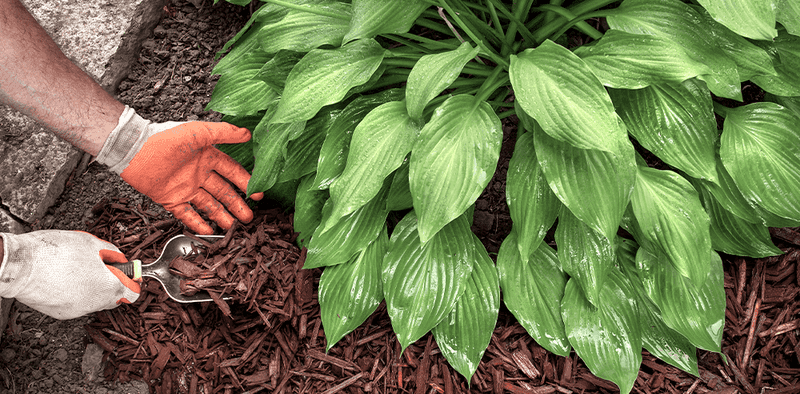
Michigan weather in spring is famously unpredictable. Temperatures can swing from a warm 70-degree afternoon down to a chilly 38-degree night within the same week, and those swings put real stress on shallow-rooted plants that are still trying to get established.
Mulch acts like a blanket for the soil, keeping temperatures steadier and protecting tender roots from those rapid changes that are so common across the state in April and May.
Shredded bark mulch and leaf mulch are two of the best options for hosta beds in Michigan. Both materials break down gradually, adding organic matter to the soil over time while providing excellent insulation and moisture retention.
Avoid using thick layers of whole wood chips directly against hosta crowns, since that can trap excess moisture and create problems for the base of the plant during cool, wet spring weather.
Mulch also does an impressive job of suppressing weeds around newly divided hostas.
Weeds compete directly with your plants for water and nutrients, and keeping them under control is especially important during the first few weeks after dividing when hostas are most vulnerable.
Apply two to three inches of mulch evenly around each division, keeping it pulled back slightly from the crown itself.
Michigan gardeners who mulch consistently after dividing report healthier, faster-growing plants that look noticeably fuller and more vigorous by the time fall color arrives in the landscape.
8. Healthy Hosta Roots Expand Quickly During Michigan Springs
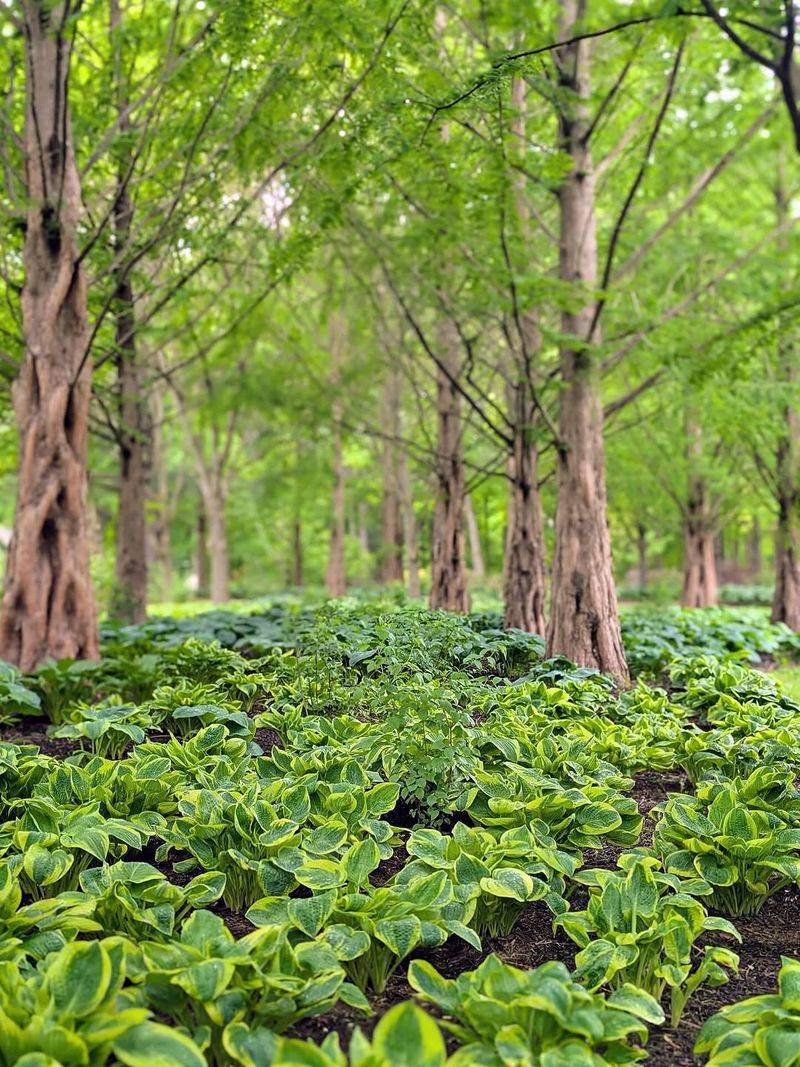
Michigan springs offer something truly special for hostas trying to rebuild after dividing. Soil temperatures in the 45 to 60 degree range are ideal for root development, and that is exactly what most of the state experiences from late April through early June.
Cool, moist soil encourages roots to spread outward steadily without the heat stress that slows growth during July and August.
When roots establish strongly in spring, the above-ground growth that follows in summer and early fall is noticeably more impressive.
Plants that anchored well underground produce larger leaves, fuller clumps, and overall more vigorous growth compared to divisions that struggled through a dry or poorly timed transplant.
Michigan gardeners who divide in spring and give their hostas good soil, steady moisture, and proper shade often see plants that look nearly twice as full by September compared to how they looked at planting time.
Fertilizing lightly after division can give roots an extra boost, but moderation is key. A slow-release balanced fertilizer applied once in early spring is usually enough to support steady growth without pushing too much leafy top growth before the roots are ready to support it.
Excess fertilizer encourages weak, floppy leaves instead of the strong, sturdy root system that makes hostas thrive long-term. Keep it light, keep the soil moist, and Michigan’s naturally cool spring climate will do most of the hard work for you.