5 Plants To Avoid Near Lavender And 5 That Thrive With It In Michigan
Lavender is one of the more rewarding plants a Michigan gardener can grow, but it comes with genuine preferences about its neighbors that affect how well it performs over time.
Plant it next to the wrong things and you create a slow accumulation of stress, too much shade, excess moisture around the roots, competing growth habits, or chemical interference that shortens the plant’s life without an obvious single cause.
The right companions do something completely different, complementing lavender’s needs rather than working against them and often benefiting from the dry, well drained conditions lavender prefers.
Michigan’s shorter season makes this pairing question more pointed than it would be in a warmer climate, because lavender already has a compressed window to establish, bloom, and prepare for winter.
Giving it the right garden neighborhood from the start protects that investment through multiple seasons.
1. Mint (Mentha spp.) Quickly Overpowers Lavender In Gardens
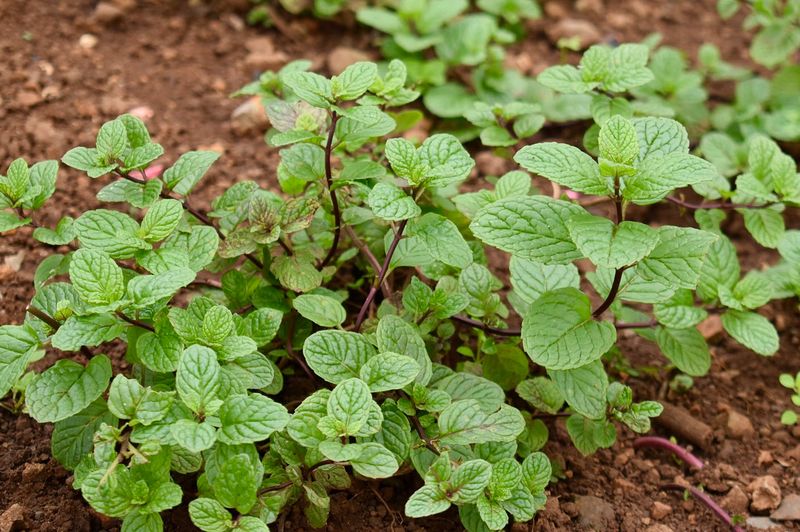
Mint looks innocent enough in a garden center pot, but once it hits the soil, it turns into a serious spreader. Underground runners shoot out in every direction, and before long, mint is crowding everything nearby.
Lavender simply cannot compete with that kind of aggressive growth.
Lavender thrives in dry, well-drained soil with plenty of airflow around its stems. Mint, on the other hand, wants consistent moisture and grows best when the soil stays reliably damp.
Planting these two together creates a constant conflict over water, and lavender almost always loses that battle.
In Michigan, where summers can bring stretches of humidity, crowded planting conditions only add more stress to lavender. Poor airflow around lavender leads to stem rot and other fungal issues that can weaken the plant fast.
Mint’s dense, sprawling habit makes that problem much worse. The smartest move for gardeners is to grow mint in containers placed well away from lavender beds.
A buried container trick, where you sink a pot into the ground to contain the roots, works really well for keeping mint in check.
Keep mint near the kitchen door where you can harvest it easily, and let your lavender breathe freely in its own sunny, dry corner of the garden.
2. Astilbe (Astilbe spp.) Needs Much More Moisture Than Lavender
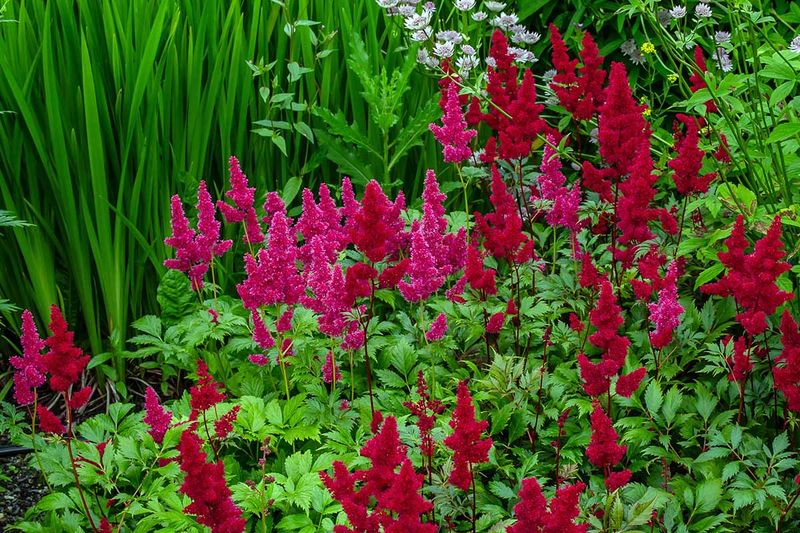
Astilbe is one of the most beautiful shade plants you can grow in Michigan, with its feathery plumes and rich, lush foliage. The problem is that beauty comes with some very specific needs, and those needs clash hard with what lavender requires to stay healthy.
Astilbe performs best in rich, consistently moist soil and prefers partial to full shade. Lavender, by contrast, wants full sun, sharp drainage, and soil that dries out between waterings.
Trying to satisfy both plants in the same bed means someone always loses, and in Michigan’s already humid summers, lavender is usually the one that suffers.
Michigan gardeners sometimes underestimate how much the state’s humidity already challenges lavender. Adding a moisture-loving plant like Astilbe right next door raises the moisture level around lavender’s crown even further, encouraging rot and fungal problems.
Your Michigan Garden Changes Every Week. Your Plan Should Too.
Gardening in Michigan changes quickly throughout the season. Every Friday you’ll receive a simple weekly plan showing exactly what to plant, prune, fertilize, harvest, and protect so you never miss the right timing.
That combination can seriously weaken lavender over a single growing season.
A smarter approach is to give each plant its own dedicated zone in the landscape. Astilbe works beautifully in shaded rain garden areas or along woodland edges where moisture is naturally higher.
Lavender belongs in a raised bed or a sunny slope with gritty, fast-draining soil. Keeping these two plants in their own ideal environments means both will look their absolute best all season long.
3. Cardinal Flower (Lobelia cardinalis) Struggles In Lavender’s Preferred Soil
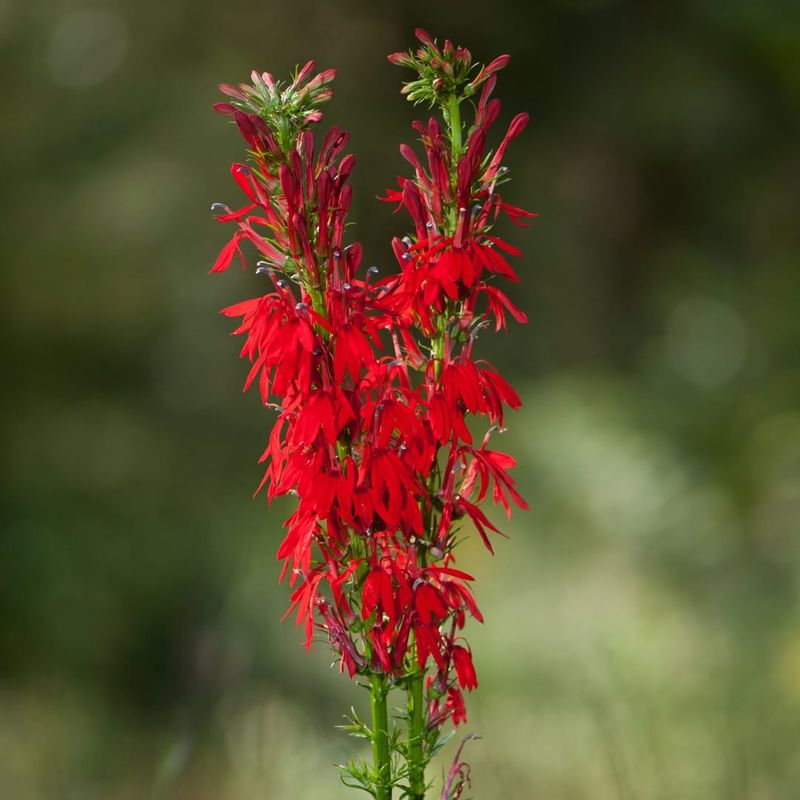
Few plants grab attention in a garden quite like Cardinal Flower, with its tall spikes of vivid red blooms that hummingbirds absolutely cannot resist. It is a stunning native plant with real wildlife value, but it belongs nowhere near a lavender bed.
Cardinal Flower naturally grows along stream banks, pond edges, and rain gardens across Michigan where soil stays consistently moist. It actually struggles when soil dries out, making it the opposite of lavender in almost every way.
Lavender needs sharp drainage and dry spells between watering to stay strong and fragrant.
When these two plants end up next to each other, watering becomes a real headache. Giving Cardinal Flower the moisture it needs means overwatering lavender, which leads to root problems and weak growth.
Cutting back on water to protect lavender leaves Cardinal Flower looking stressed and wilted within days during a dry summer stretch.
The good news is that both plants are genuinely worth growing, just in completely separate spots. Place Cardinal Flower near a rain garden, a low-lying area, or alongside a water feature where rainfall naturally collects.
Tuck lavender into a raised bed or a south-facing slope where drainage is excellent and sun is plentiful. Each plant will flourish in its own preferred environment without fighting for the wrong conditions.
4. Bee Balm (Monarda didyma) Can Create Airflow Problems Around Lavender
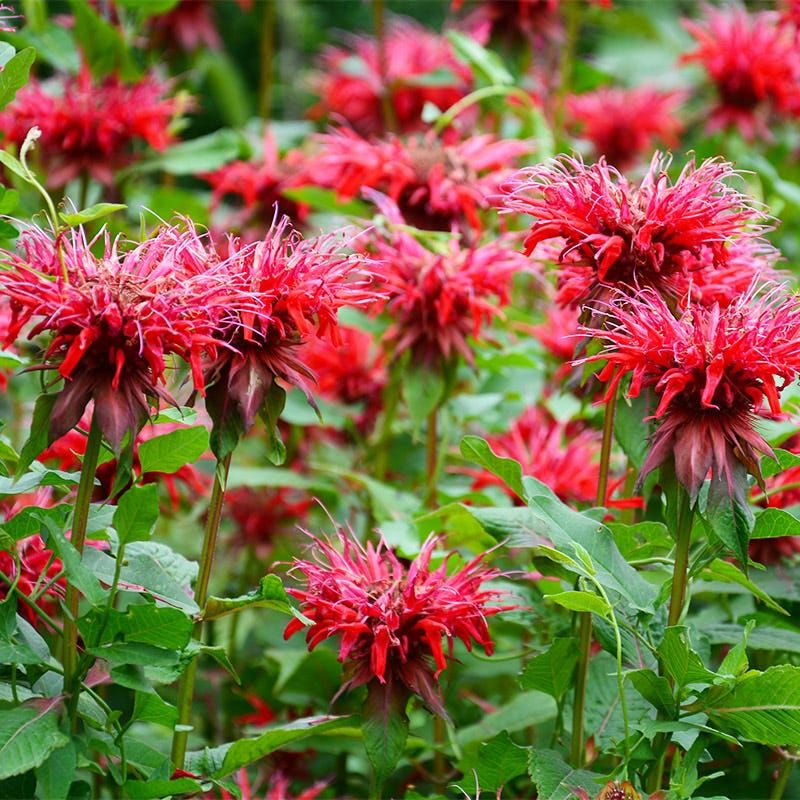
Bee Balm is a Michigan garden favorite, and for good reason. Its shaggy, colorful blooms attract bees, butterflies, and hummingbirds all summer long, and it spreads steadily to fill in a garden bed with lush green growth.
That same spreading habit, though, makes it a poor match for lavender.
Bee Balm prefers richer, consistently moist soil and grows in dense clumps that expand year after year. When planted close to lavender, those thick stems and broad leaves block airflow around lavender’s base.
In Michigan summers, where humidity can linger for days at a time, poor air circulation creates exactly the conditions that encourage powdery mildew and stem rot on lavender.
Interestingly, Bee Balm itself is already prone to powdery mildew in our humid climate. Putting a mildew-prone plant right next to moisture-sensitive lavender is asking for trouble in both directions.
The combination raises fungal pressure for the whole planting area, not just one plant.
Spacing is everything when working with both of these plants in a garden. Bee Balm works best in a moist, partly sunny border where it has room to spread without crowding neighbors.
Give lavender its own open, sunny spot with at least 18 to 24 inches of breathing room on all sides. Keeping them well apart lets both plants perform beautifully through Michigan’s warm, sometimes sticky summers.
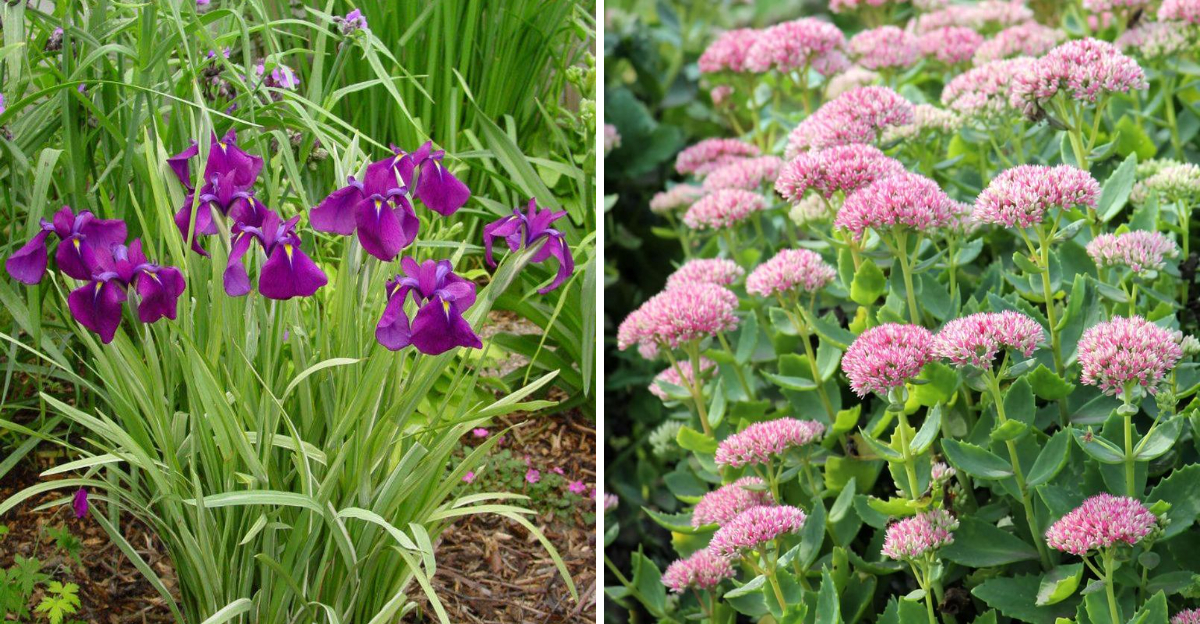
5. Japanese Iris (Iris ensata) Prefers Conditions Lavender Dislikes
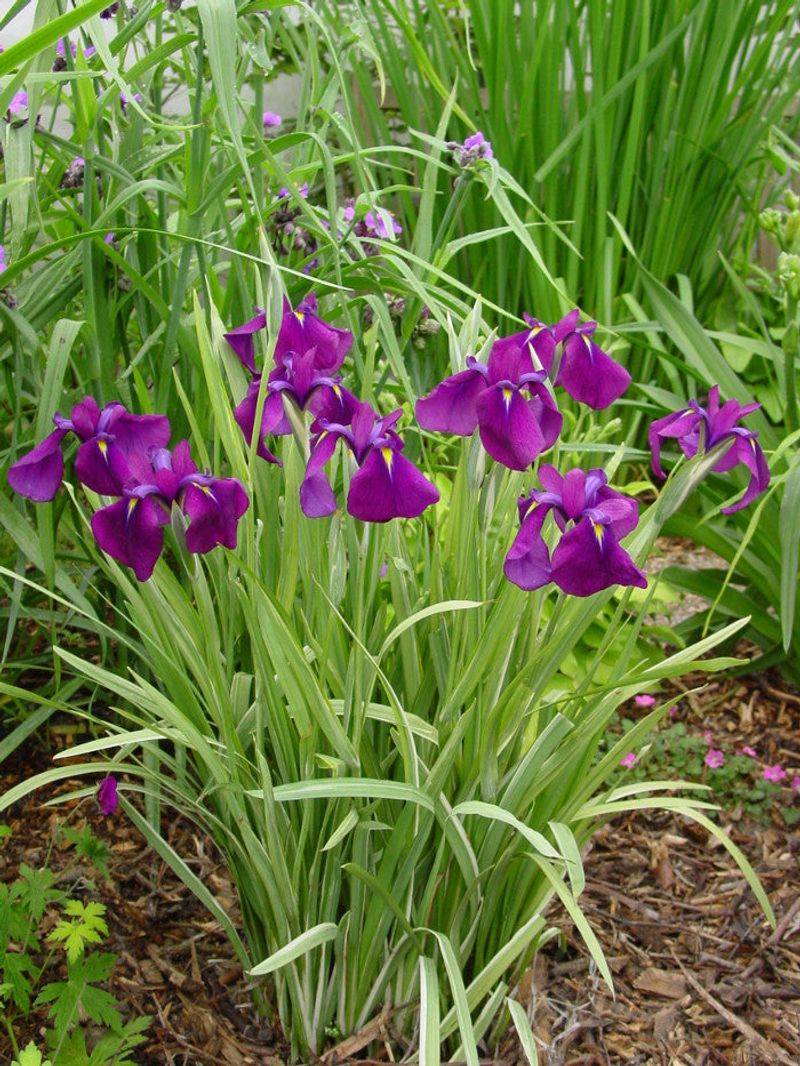
Japanese Iris is one of the most dramatic flowers you can grow, with huge, ruffled blooms in deep purples, blues, and whites that make a real statement in mid-summer.
However, this plant has very particular needs, and those needs are almost the exact opposite of what lavender requires.
Japanese Iris thrives in consistently moist, even boggy soil and often performs best near ponds, rain gardens, or low areas where water collects naturally.
Lavender, meanwhile, is a Mediterranean herb that demands excellent drainage and hates sitting in wet soil for any length of time.
Watering enough to keep Japanese Iris happy would quickly cause lavender roots to rot.
In Michigan, where spring rain can be heavy and extended, pairing these two plants creates a situation where lavender is almost always sitting in more moisture than it can handle.
The drainage needs of lavender and the moisture needs of Japanese Iris simply cannot be met in the same garden bed without sacrificing one plant.
Smart garden design means placing Japanese Iris near water features, retention areas, or rain gardens where moisture is naturally abundant. Lavender belongs on higher ground, in raised beds, or along slopes where water drains away quickly after rain.
Both plants are worth growing, and both will reward you with stunning seasonal color when they are placed in the right spot for their individual needs.
6. Russian Sage (Salvia yangii) Thrives In The Same Dry Conditions As Lavender
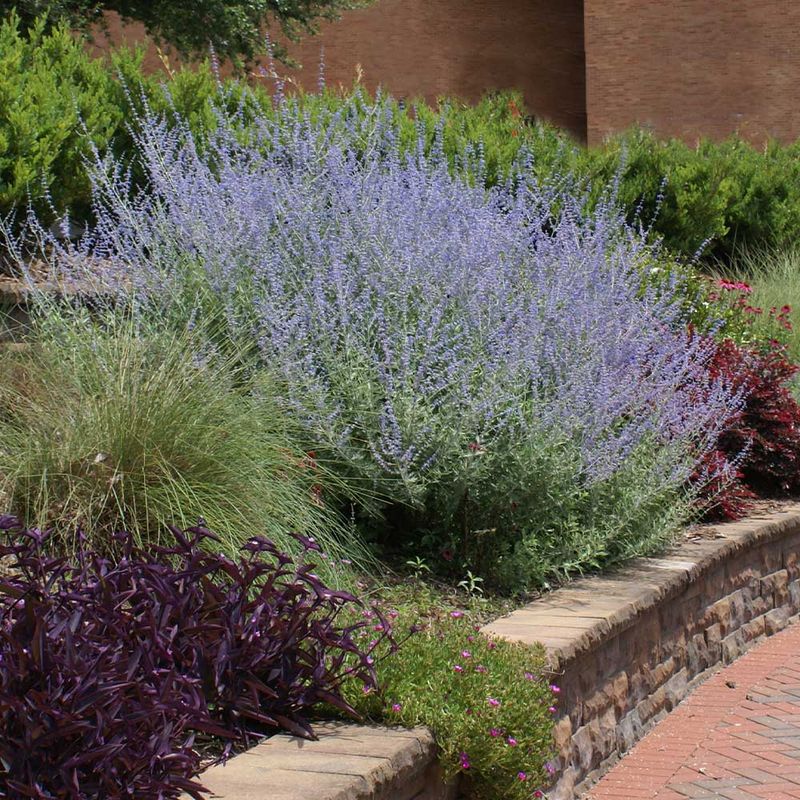
If there is one plant that feels like it was made to grow alongside lavender, Russian Sage might be it. Both plants share almost identical preferences, making them one of the most reliable pairings you can create in a perennial garden.
Russian Sage loves full sun, excellent drainage, and low moisture conditions, which is exactly what lavender needs to thrive. Both plants also develop beautiful silvery, aromatic foliage that reflects heat and resists drought.
In our summers, when rain can be inconsistent, these two plants hold up without complaint while other plants wilt.
From a design standpoint, the combination is stunning. Russian Sage sends up tall, airy spikes of violet-blue flowers that bloom from midsummer well into fall, extending the garden’s color season long after lavender’s peak has passed.
The two plants together create a soft, billowing border that pollinators absolutely love, attracting bees and butterflies in impressive numbers.
For Michigan gardeners, spacing Russian Sage about 24 to 36 inches from lavender gives both plants enough room for good airflow.
Prune Russian Sage back hard in early spring before new growth appears, just as you would with lavender, to keep plants compact and productive.
Both tolerate Michigan winters well when planted in well-drained soil, making this pairing as practical as it is beautiful for any sunny landscape.
7. Coneflower (Echinacea purpurea) Handles Heat And Pairs Beautifully With Lavender
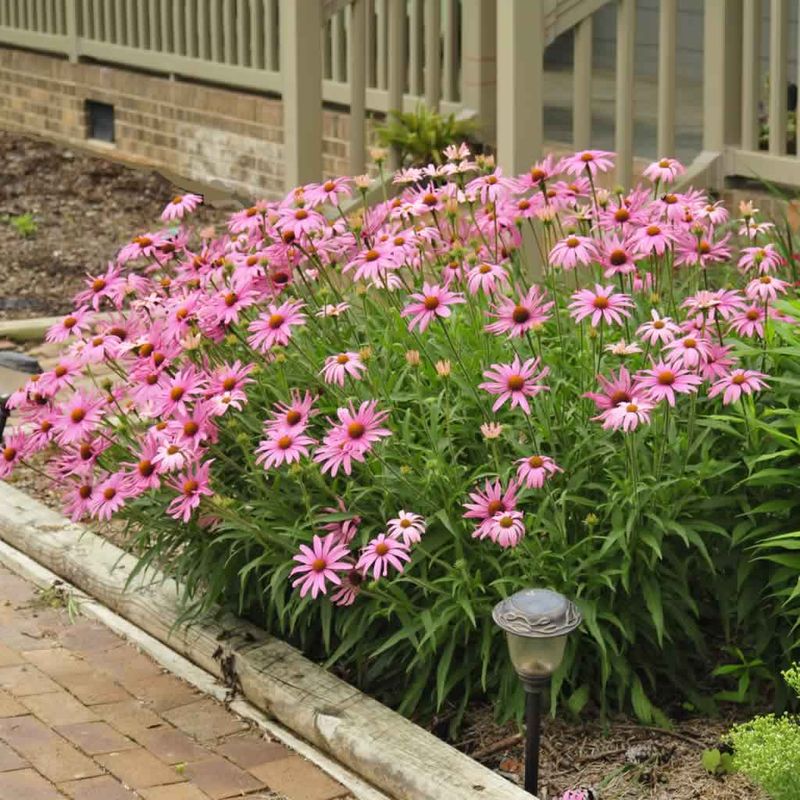
Purple Coneflower is a Michigan native that practically takes care of itself once it gets established. It handles summer heat, tolerates dry spells, and attracts a parade of pollinators from midsummer through early fall.
Pairing it with lavender creates a pollinator magnet that is also incredibly easy to maintain.
Both Coneflower and lavender perform best in full sun with well-drained soil, and neither plant demands a lot of extra watering once roots are settled in. That shared tolerance for drier conditions makes them natural partners in a Michigan perennial border.
While lavender typically blooms in late spring and early summer, Coneflower picks up the bloom season right as lavender begins to wind down, keeping the garden colorful for months.
Pollinators notice this combination in a big way. Bees that visit lavender early in the season transition naturally to Coneflower as summer deepens, creating continuous forage in your garden.
Goldfinches also love Coneflower seed heads in late summer and fall, adding even more wildlife interest to the planting.
For Michigan gardens, space Coneflower plants about 18 to 24 inches from lavender to maintain good airflow during the state’s humid summer stretches. Avoid heavy mulching right at the base of lavender, and let both plants enjoy the open, sunny conditions they love.
Deadhead spent Coneflower blooms to encourage reblooming, or leave seed heads standing through winter for birds to enjoy.
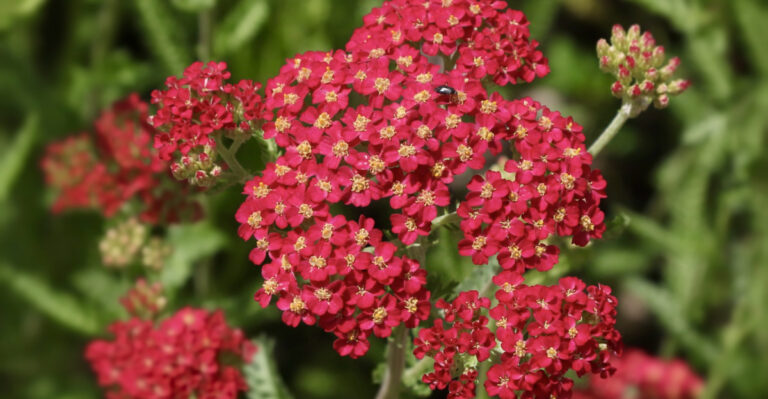
8. Yarrow (Achillea millefolium) Loves The Same Conditions Lavender Needs
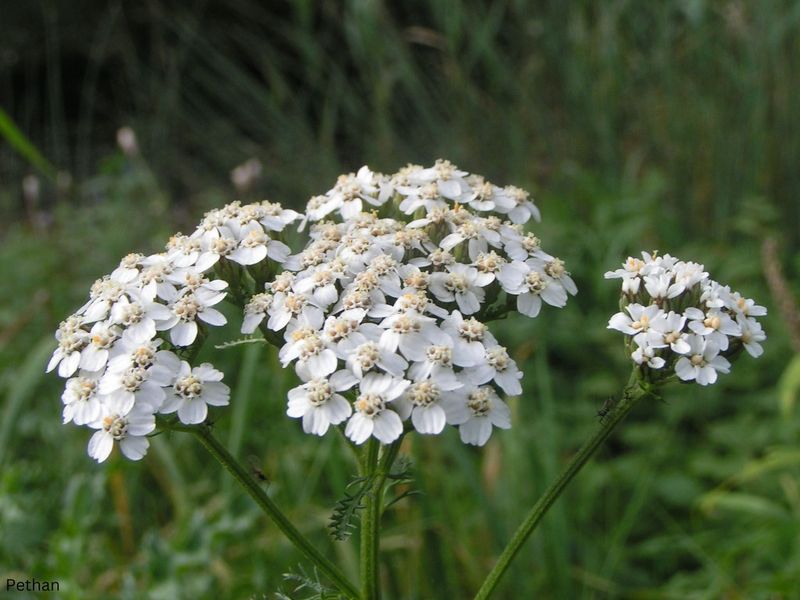
Yarrow has been growing in Michigan landscapes for generations, and gardeners keep coming back to it for good reason. It is tough, cheerful, drought-tolerant, and absolutely stunning when planted alongside lavender in a sunny, well-drained border.
Both Yarrow and lavender thrive in full sun with lean, well-drained soil and modest watering. Yarrow actually performs better in poorer soils, just like lavender, since rich, overly fertilized conditions cause both plants to grow floppy and weak.
In Michigan, where summer heat and occasional drought are common, this shared resilience makes them reliable long-term companions.
Yarrow blooms in a wide range of colors, from bright yellow and warm red to soft pink and creamy white, giving gardeners plenty of design flexibility.
The flat-topped flower clusters bloom from early summer into fall when deadheaded regularly, complementing lavender’s vertical purple spikes with a completely different flower form.
That contrast in shape and color creates a visually interesting border that holds attention all season.
Pollinators love Yarrow’s open, flat flowers, and pairing it with lavender doubles the forage available for bees and butterflies in your garden. Space Yarrow about 18 inches from lavender to allow airflow between plants during humid periods.
Cut both plants back in early spring to encourage fresh, compact growth and prevent the legginess that can develop when either plant is left unpruned for too long.
9. Sedum (Hylotelephium spectabile) Handles Dry Michigan Summers With Lavender
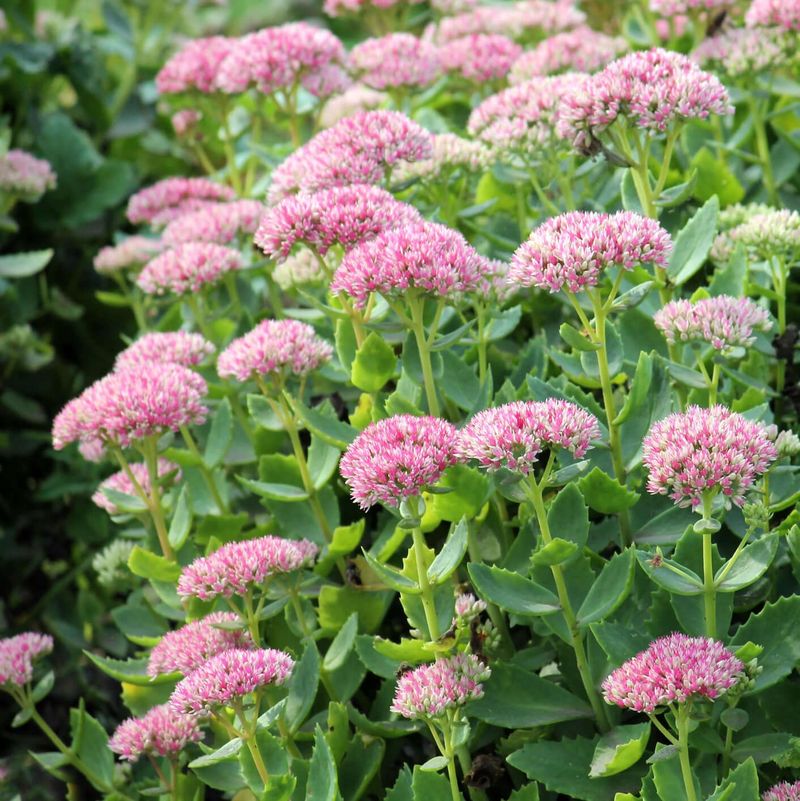
Sedum, sometimes called Stonecrop, brings a completely different texture and structure to the garden than most perennials, and that contrast looks absolutely fantastic next to lavender.
Its thick, succulent leaves store water efficiently, making it one of the most drought-tolerant perennials you can grow in Michigan.
Upright Sedum varieties like Autumn Joy or Brilliant thrive in the same full-sun, well-drained conditions that lavender needs.
Both plants handle Michigan’s dry summer stretches without missing a beat, and neither one appreciates heavy watering or overly rich soil.
That shared preference for lean, dry conditions makes them genuinely low-maintenance companions in any landscape.
Sedum’s bloom timing adds real seasonal value to a lavender pairing. While lavender peaks in early to midsummer, Sedum’s flower clusters open in late summer and fall, shifting from pale green to rich dusty pink as temperatures drop.
That extended color keeps the garden looking interesting well into Michigan’s autumn season, long after most other perennials have finished.
Pollinators, especially late-season bees and butterflies, visit Sedum heavily as it blooms, adding wildlife activity to the garden at a time when other nectar sources are winding down. Space upright Sedum varieties about 18 to 24 inches from lavender for good airflow.
Leave Sedum seed heads standing through winter since they add structure to the garden and provide a small food source for overwintering birds.
10. Butterfly Weed (Asclepias tuberosa) Thrives In Similar Dry Conditions As Lavender
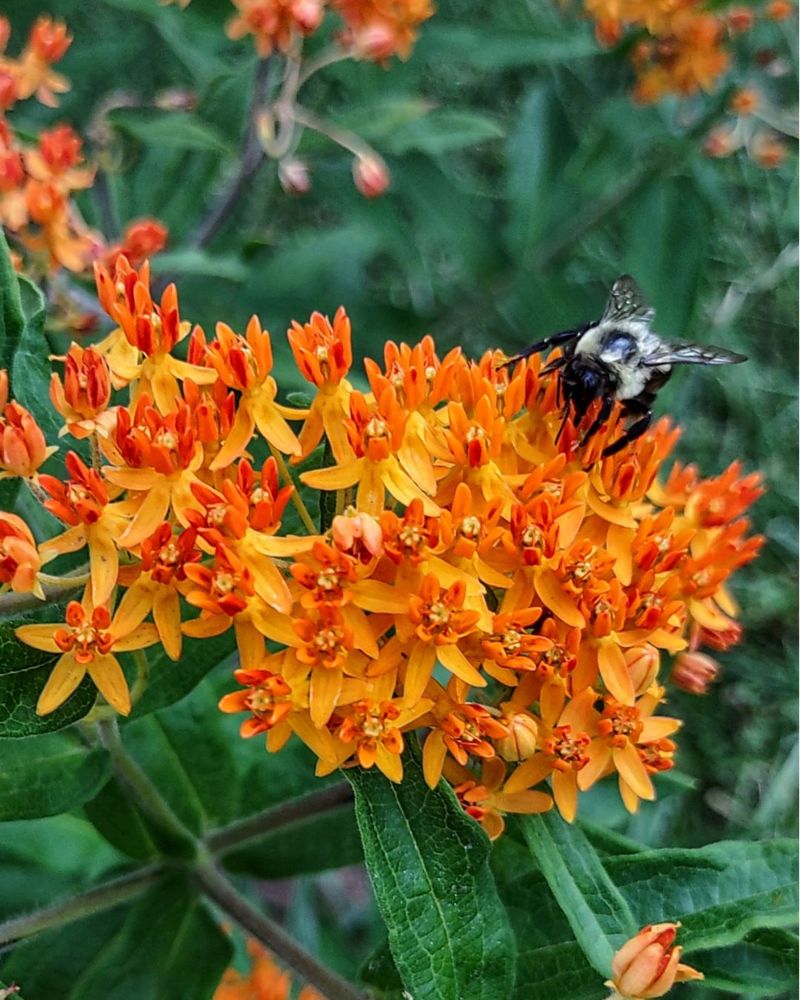
Butterfly Weed earns its name every single summer in Michigan. When those clusters of vivid orange blooms open up in full sun, monarch butterflies find them almost immediately, and the garden comes alive with wings.
Pairing this native wildflower with lavender creates one of the most pollinator-rich combinations possible in a Michigan yard.
Both plants share a strong preference for full sun and dry, well-drained soil. Butterfly Weed actually dislikes being overwatered and performs best in lean, sandy, or gravelly soil that drains quickly after rain.
Lavender has identical preferences, which makes these two plants genuinely compatible neighbors without any watering conflicts or soil compromises.
One thing gardeners should know is that Butterfly Weed is a deep-rooted perennial that takes a season or two to fully establish. Once it settles in, though, it is remarkably tough and drought-tolerant, often outperforming flashier plants during dry summers.
Mark its location carefully in early spring because it emerges later than most perennials and can be accidentally disturbed.
Bloom timing works out nicely with lavender, too. Lavender flowers peak in early to midsummer, and Butterfly Weed follows close behind with its bright orange clusters, keeping the color going through the hottest part of the growing season.
Space plants about 18 inches apart to maintain airflow, and avoid transplanting Butterfly Weed once it is established since it strongly prefers to stay put.