Why North Carolina Blueberries Drop Fruit In May And How To Save Your Crop Before It’s Too Late
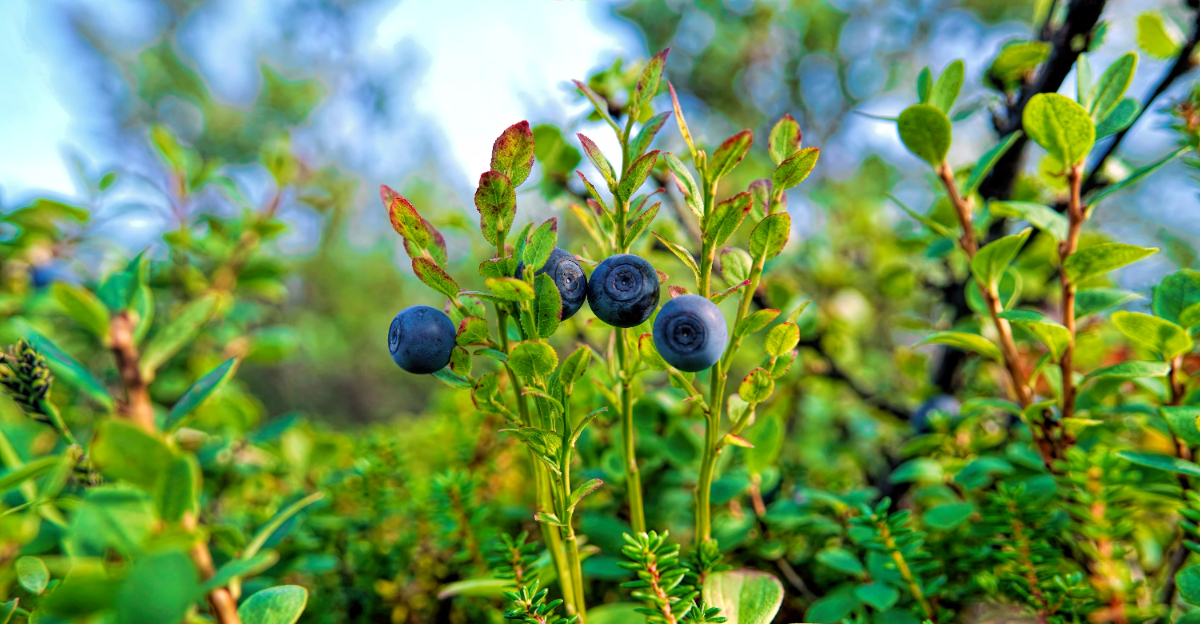
Finding small green blueberries scattered on the ground beneath your bushes in May is a genuinely alarming sight, especially after a winter of anticipation and a spring that looked so promising just weeks before.
Fruit drop at this stage feels like the season is slipping away, but the cause is almost always identifiable and in many cases still correctable if you act before the window closes.
North Carolina blueberries face a specific set of pressures in May that combine to create conditions where the plant sheds developing fruit rather than continuing to support it.
Pollination gaps, soil pH that shifted over winter, inconsistent moisture during a critical development period, and early pest activity are all common triggers, and several of them can be happening at the same time without obvious signs until the berries start falling.
Understanding which factor is driving the drop in your specific situation points you toward the right response, and for many North Carolina growers there is still enough of the season left to protect what remains on the bush and set the crop up for a worthwhile harvest.
1. Sudden Heat Swings In May Can Stress Developing Blueberry Fruit
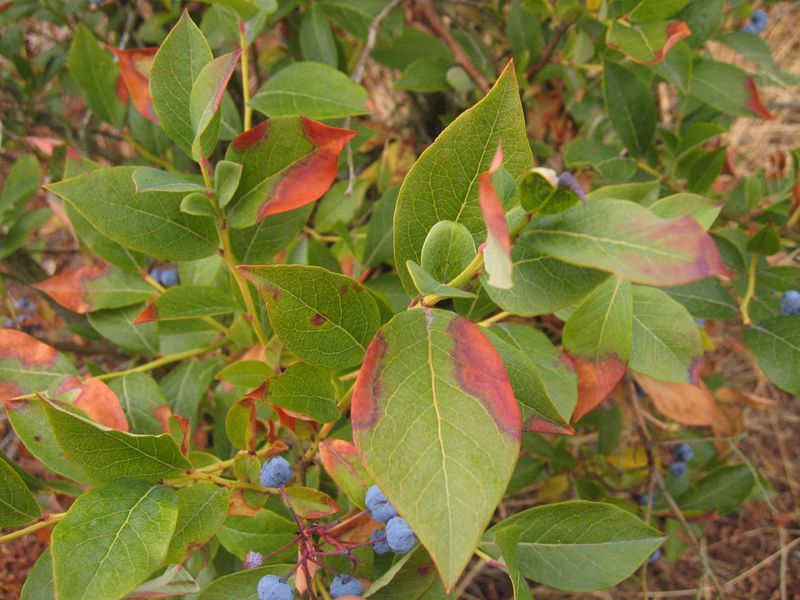
One day it is cool and cloudy, and the next the temperature shoots past 85 degrees. That kind of rapid swing is very common across North Carolina in May, and blueberry plants feel every single degree of it.
When heat arrives suddenly after a mild spring, developing fruit clusters struggle to hold on, and small berries begin falling to the ground before they ever get a chance to grow.
Along the coast near Wilmington, warm Gulf air can push temperatures up fast within just a few days. In the Piedmont around Raleigh and Greensboro, afternoon heat spikes are frequent through mid-May.
Even mountain growers near Asheville see unexpected warm stretches that surprise plants still in early fruit development.
The best way to protect your crop is to apply a thick layer of pine bark mulch or pine straw around the base of each plant. Mulch keeps soil temperatures stable and holds moisture during hot afternoons, giving roots a more comfortable environment.
Watering in the early morning also helps plants stay hydrated before heat peaks. Drip irrigation works especially well for managing consistent moisture without wetting leaves, which can create other problems.
Keeping your plants well-watered and well-mulched during temperature swings dramatically improves fruit retention throughout May across all regions of North Carolina.
2. Inconsistent Watering Causes Blueberries To Drop Young Fruit
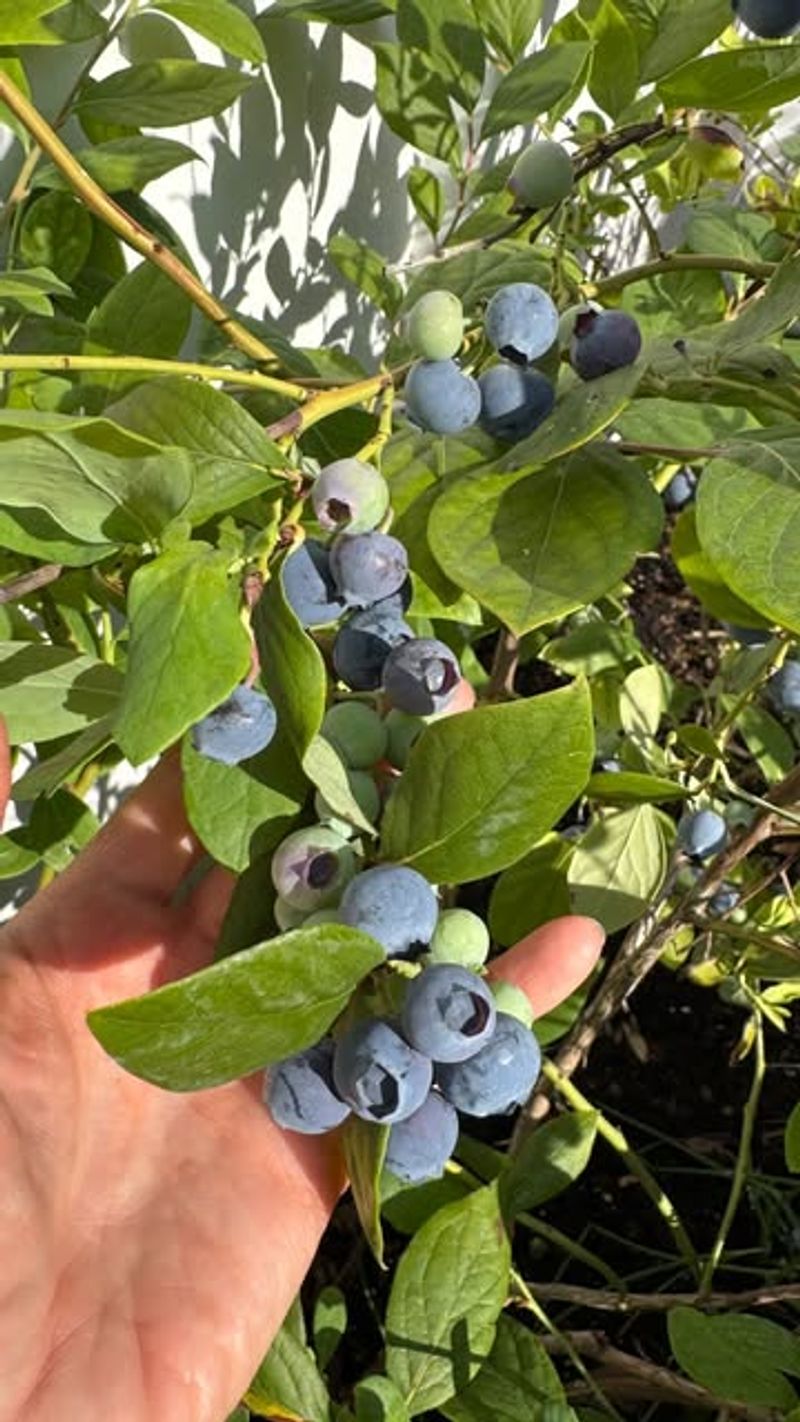
Blueberries have some of the shallowest roots of any fruiting shrub in the home garden. Their fine root system sits just a few inches below the soil surface, which means they dry out faster than most people expect.
When watering is irregular, even for just a few days, young developing berries sense the stress and begin dropping off the plant before they fully form.
Soil type makes a big difference in how quickly moisture disappears. Sandy coastal soils near the Outer Banks and Wilmington drain extremely fast, sometimes losing moisture within hours of watering.
Your North Carolina Garden Changes Every Week. Your Plan Should Too.
Gardening in North Carolina changes quickly throughout the season. Every Friday you’ll receive a simple weekly plan showing exactly what to plant, prune, fertilize, harvest, and protect so you never miss the right timing.
Clay-heavy soils in the Piedmont hold water longer but can become compacted and waterlogged, which also stresses roots. Container and raised bed growers across North Carolina face the added challenge of faster drying in warm weather.
Aim to give blueberry plants about one to two inches of water per week during May, adjusting based on rainfall and soil conditions. A simple rain gauge near your plants helps track how much natural moisture they are actually receiving.
Drip irrigation or soaker hoses deliver water directly to the root zone without wasting moisture on leaves. Covering the soil with two to four inches of pine straw mulch slows evaporation significantly and keeps roots cool.
Steady, consistent moisture through the entire month of May is one of the most powerful ways to protect your blueberry harvest.
3. Poor Pollination Reduces Fruit Development In Blueberries
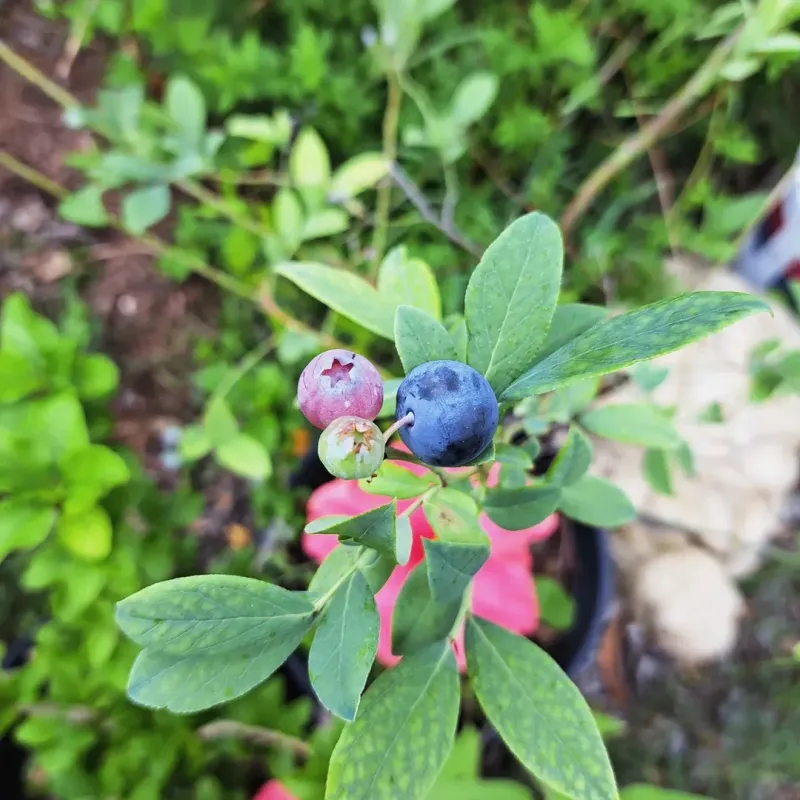
Blueberries need pollinators to carry pollen between flowers, and without that transfer, fruit simply does not develop properly.
When flowers go unpollinated or only partially pollinated, the resulting berries are weak and often fall from the plant well before May is over.
Rainy, cold, or windy spring weather keeps bees and other pollinators sheltered, which means fewer visits to your blueberry blossoms during their short window of bloom.
Across North Carolina, cool April temperatures sometimes linger into early May, reducing bee activity right when blueberries need it most.
Bumblebees are especially valuable pollinators for blueberries because they use a technique called buzz pollination, vibrating their bodies to release pollen more effectively.
Without enough of these visits, fruit set suffers noticeably. Planting at least two or three different blueberry varieties that bloom at similar times is one of the most effective ways to boost pollination success.
Cross-pollination between varieties like Tifblue, Powder Blue, and Premier significantly improves berry development compared to single-variety plantings.
Attracting pollinators naturally by growing flowering herbs like borage, lavender, and basil nearby gives bees more reasons to visit your garden regularly. Avoid spraying any pesticides during bloom time, since even organic options can harm visiting bees.
Creating a pollinator-friendly yard in North Carolina does not require much extra effort, and the reward shows up clearly in fuller, heavier berry clusters that hold on through May and into harvest season.
4. Excess Fertilizer Often Weakens Blueberry Production
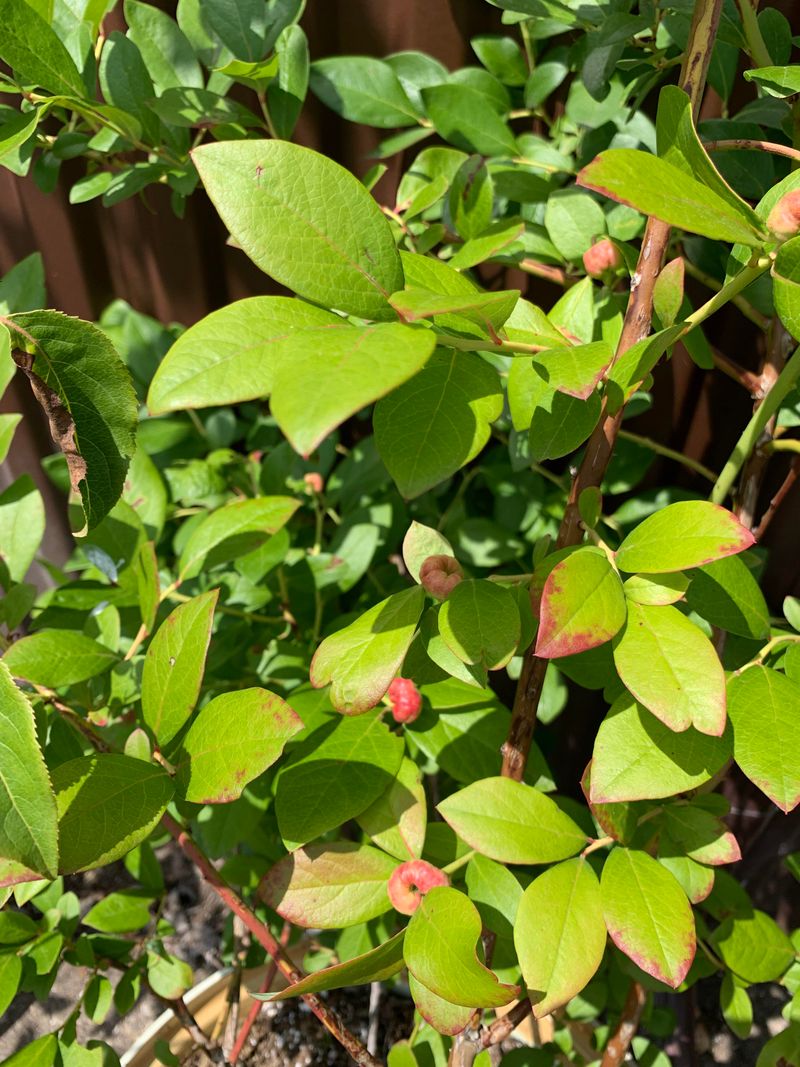
More fertilizer does not always mean more fruit, and blueberries prove that point better than almost any other plant in the garden. Applying too much nitrogen in spring pushes plants into a burst of leafy, green growth that looks impressive at first.
But all that energy going into leaves and stems means less energy available for holding and developing fruit, which often leads to increased berry drop through May.
North Carolina gardeners sometimes make the mistake of fertilizing blueberries on the same schedule as vegetables or lawn grass. Blueberries are acid-loving plants that prefer slow, steady nutrition rather than heavy doses.
Fertilizers designed for azaleas, camellias, or rhododendrons work well for blueberries because they are formulated for acid-loving plants and release nutrients gradually.
The right timing matters just as much as the right product. Apply a small amount of fertilizer in early spring just as new growth begins, then hold off entirely once flowers open and fruit starts forming.
A second light application after harvest helps plants recover and prepare for next year. Always follow the label rate and resist the urge to add extra, especially during active fruiting.
Soil testing through the North Carolina Department of Agriculture gives you accurate information about what your soil actually needs before you apply anything.
Smart, restrained fertilizing keeps your blueberry plants strong, balanced, and far more productive across every growing season.
5. Blueberries Struggle When Soil pH Is Too High
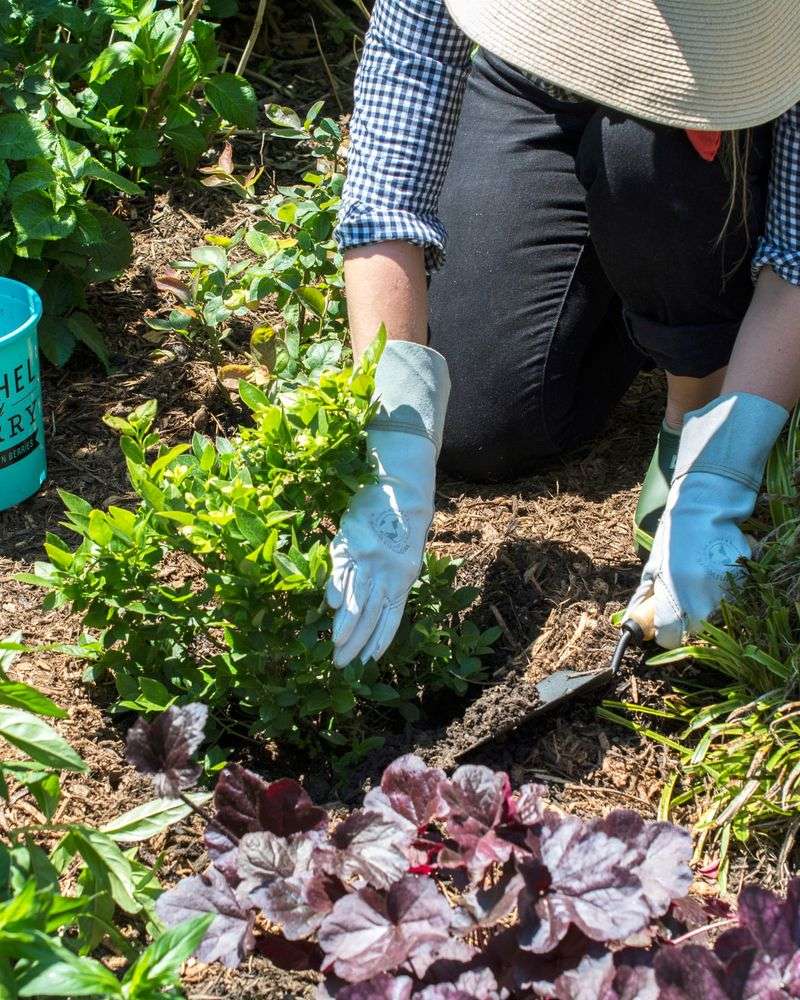
Blueberries are fussy about soil chemistry in a way that surprises many new gardeners. They thrive in acidic soil with a pH between 4.5 and 5.5, and when pH rises above that range, plants start struggling even if everything else looks fine.
Nutrients like iron and manganese become locked in the soil at higher pH levels, which means plants cannot absorb them no matter how rich the soil looks.
Across North Carolina, native soils vary widely. Coastal plain soils near Wilmington and the Outer Banks tend to be naturally sandy and sometimes acidic, but they can shift over time.
Piedmont clay soils around Raleigh, Durham, and Charlotte often run higher in pH and need adjustment before blueberries will truly perform. Mountain soils near Asheville can be naturally more acidic but still benefit from regular testing.
Pale yellow leaves, weak new growth, and persistent fruit drop are all signs that pH may be too high for your plants. Getting a soil test through your local North Carolina Cooperative Extension office costs very little and gives you exact numbers to work with.
Sulfur is the most common amendment used to lower pH safely over time, though it works gradually over several months. Peat moss mixed into the planting hole also helps create a more acidic environment from the start.
Checking and correcting soil pH before May arrives sets your blueberries up for stronger growth and better fruit retention all season long.
6. Late Spring Dry Winds Can Stress Blueberry Plants
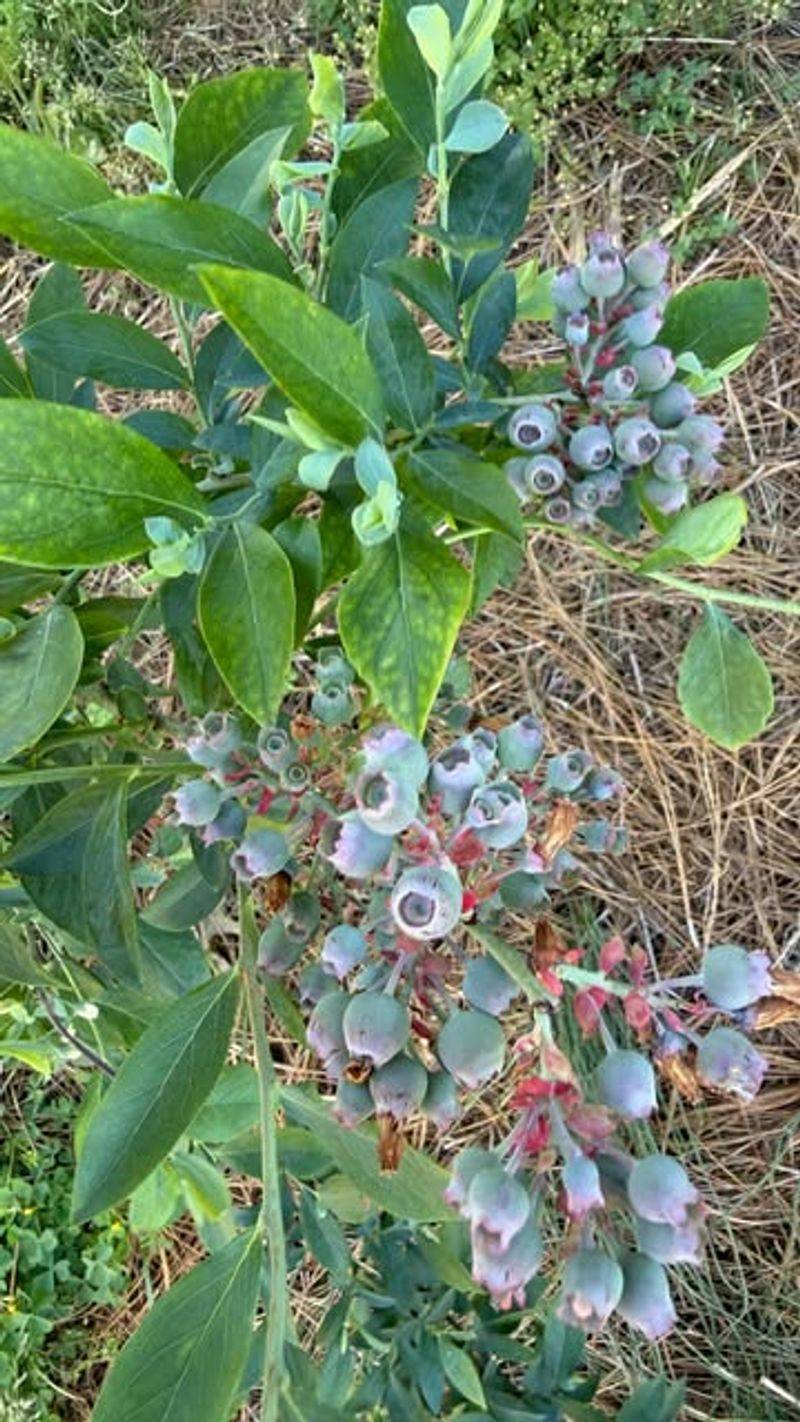
Wind might seem harmless compared to extreme heat or drought, but dry spring winds can quietly pull enormous amounts of moisture out of blueberry plants.
Because blueberries have shallow roots, they cannot quickly replace water lost through their leaves during windy conditions.
When warm, dry winds blow through in May, plants can go from well-watered to moisture-stressed within just a few hours, and fruit drop follows quickly after.
The Piedmont region of North Carolina sees its share of warm southwest winds in late spring that arrive fast and dry out gardens surprisingly quickly.
Coastal areas near the Outer Banks and Brunswick County face salt-tinged breezes that add an extra layer of stress to developing fruit.
Even mountain growers around Boone and Asheville deal with ridge-top winds that pull moisture from exposed plantings.
Placing blueberry plants near a fence, hedge, or garden wall provides natural wind protection without blocking sunlight.
A two-inch layer of pine straw mulch helps the soil hold moisture longer between watering sessions, giving roots a buffer during windy stretches.
Watering more frequently during windy May weather compensates for the extra moisture loss plants experience. Grouping multiple blueberry bushes together also creates a microclimate where plants partially shield each other from direct wind exposure.
Simple adjustments like these make a real difference in how well your blueberries hold their fruit through the windiest weeks of spring.
7. Heavy Fruit Loads Sometimes Cause Natural Berry Drop
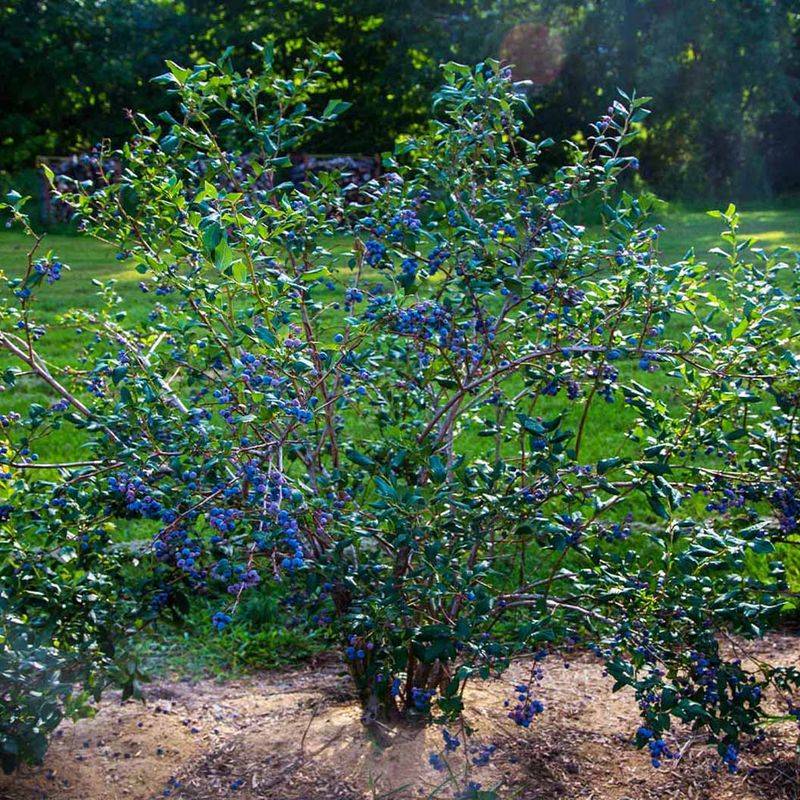
Sometimes blueberry plants drop fruit not because something is wrong, but because they are being smart about their own survival.
When a plant sets more fruit than it can realistically support given its current water and nutrient supply, it naturally sheds some berries to protect the ones that remain.
This process is called natural thinning, and it happens on blueberry bushes across North Carolina every May when plants are especially productive.
A young blueberry bush that has not fully matured yet is especially prone to dropping excess fruit. Plants under three or four years old simply do not have the root system or stored energy to carry a full crop to ripeness.
Allowing young plants to carry fewer berries in their early years actually builds stronger plants that produce far better in the long run.
Consistent watering is the single most important thing you can do to help plants carry heavier fruit loads successfully. When moisture is steady and reliable, plants feel less pressure to shed developing berries.
Mulching generously around the base of each plant keeps soil moisture stable between watering sessions and reduces the stress that triggers natural drop.
Light pruning in late winter or early spring, removing some older canes to open up the plant, also helps distribute energy more evenly across the remaining fruit clusters.
Managing your blueberry plants with patience and good care means more of those berries stay right where they belong, on the bush.
8. Fungal Problems Increase During Humid North Carolina Springs
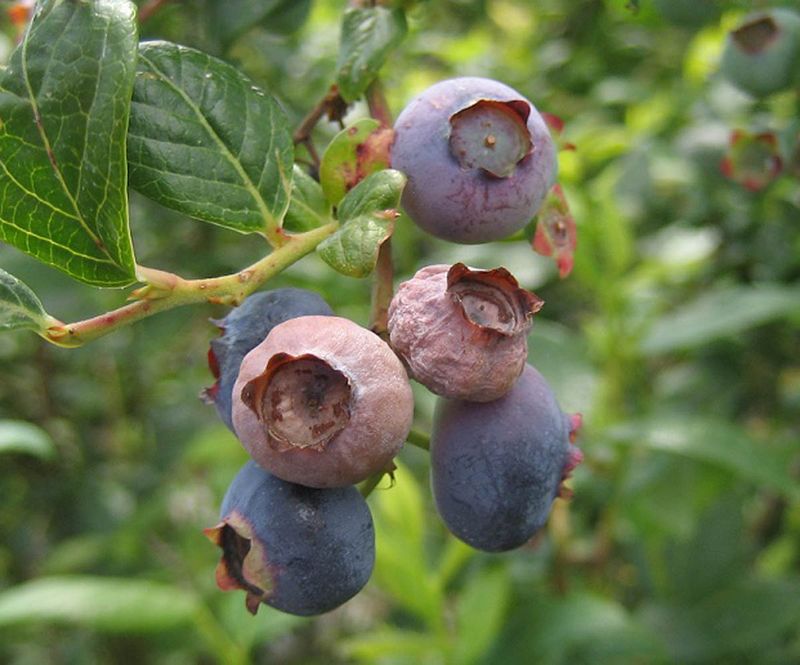
North Carolina springs can be genuinely beautiful, but all that warm, humid air creates ideal conditions for fungal diseases on blueberry plants.
Mummy berry and Botrytis fruit rot are two of the most common fungal issues that affect developing berries during wet May weather.
Both spread quickly when air circulation around plants is poor and moisture sits on leaves and fruit clusters for extended periods.
Coastal areas near Wilmington and the Crystal Coast tend to experience the highest humidity levels, making fungal pressure especially strong there.
Piedmont gardens around Raleigh and Chapel Hill also see enough spring rain and warm nights to make disease management important.
Even mountain growers near Asheville face late spring fog and moisture that encourages fungal growth on blueberry clusters.
Spacing plants properly at planting time is one of the best defenses against fungal problems. Most blueberry varieties need at least five to six feet between plants to allow air to move freely through the canopy.
Pruning out crowded interior branches each late winter opens up airflow and reduces the damp, shaded pockets where fungal spores thrive. Watering at the base of plants rather than overhead keeps foliage dry and less vulnerable to infection.
Avoid working around wet plants, since handling wet foliage can spread spores from one plant to another.
Taking these straightforward steps consistently through spring keeps fungal pressure low and gives your blueberry harvest the best possible chance of reaching full, healthy ripeness.