Western Oregon Vs Eastern Oregon Gardening Differences Every Grower Should Know
Many gardeners often make this mistake. They tend to follow generic planting tips they find online, purchase the same types of seeds, and then wonder why their gardens don’t succeed.
The reason is simple: Oregon isn’t just one state when it comes to gardening. The Cascade Mountains divide the state into two entirely different regions.
On the western side, you experience mild, wet winters and long, cool springs. But if you cross those mountains to the east, you enter a high desert area with harsh frosts, scorching summers, and soil that is completely different.
The gardening advice that works in Portland can ruin your garden in Bend. What grows easily in the Willamette Valley may struggle in Pendleton.
To avoid these common errors, here’s a clear explanation of what distinguishes gardening in western and eastern Oregon, so you can stop guessing and start growing food that truly thrives in your local climate.
1. The Cascades Split Oregon Into Two Gardening Worlds
Few geographic features in the United States draw such a sharp gardening line as the Cascade Mountains running through the heart of Oregon. On one side, you get lush, rain-soaked valleys.
On the other, you get wide open desert land baked by summer sun and frozen by winter cold. The Cascades act like a giant wall that blocks Pacific moisture from reaching the east, creating two completely different growing environments within the same state.
Western Oregon sits in a maritime climate zone, influenced heavily by the Pacific Ocean. Temperatures stay relatively mild year-round, and rainfall is generous from October through May.
Eastern Oregon, by contrast, belongs to a semi-arid high desert zone where annual rainfall can drop below 12 inches in some areas.
For gardeners, this divide means that advice meant for one side of the state may not work at all on the other. A planting calendar built for Eugene will fail a grower in Bend.
Knowing which side of the Cascades you garden on is the single most important piece of information you can have before you ever put a seed in the ground. Start there, and everything else begins to make sense.
2. Respect Eastern Oregon’s Short Growing Window
Gardening in eastern Oregon is like a race when you compare it to the long, easy growing season that people in the west have. The high desert doesn’t slowly transition into summer or fall.
Seasons come quickly and leave just as fast, giving gardeners a short time, sometimes only 90 to 120 days without frost, to plant, grow, and harvest everything.
This short time frame requires careful planning even before the season starts. It’s almost essential to start seeds indoors four to six weeks before the last frost date for warm-season crops like tomatoes, peppers, and squash.
If you wait to plant these crops directly outside, you might find that the first frost in fall comes before you can harvest anything.
Gardeners also have to handle the intense summer sun, which can make afternoon temperatures soar above 100 degrees Fahrenheit in July and August. Using shade cloth that provides 30 to 40 percent coverage can help protect leafy greens and cool-season crops from bolting or getting scorched during heat waves.
Your Oregon Garden Changes Every Week. Your Plan Should Too.
Gardening in Oregon changes quickly throughout the season. Every Friday you’ll receive a simple weekly plan showing exactly what to plant, prune, fertilize, harvest, and protect so you never miss the right timing.
Applying a thick layer of mulch, at least 3 to 4 inches deep, helps keep the soil moist and the roots cooler during those really hot midday hours. Work with the season it gives you rather than wishing for a longer one, and you will be surprised how much you can grow.
3. Western Oregon Gets Rain; Eastern Oregon Gets Extremes
Trying to garden the same way across all of Oregon is a bit like wearing a winter coat in July. It just does not fit.
Western Oregon falls mostly within USDA Hardiness Zones 7b to 9a, where mild temperatures allow a long growing season with very few extreme cold events. East side dips into Zones 4 to 6, meaning winters can bring temperatures well below zero in some valleys and high elevation areas.
Beyond temperature zones, the two climates very much differ in humidity, cloud cover, and wind patterns. Western Oregon gardeners often deal with fungal issues like powdery mildew and root rot because of persistent moisture.
On the other hand, Eastern Oregon growers face wind, rapid soil moisture loss, and wide temperature swings between day and night that stress plants in a completely different way.
Picking plants that are suitable for your area, knowing when the last frost usually happens, and being aware of how much rain you typically get will help you avoid wasting time, money, and getting frustrated each season. The State University Extension Service provides planting guides that are tailored to different regions, making it easy to understand for both sides of the state.
4. Plant Earlier In The West And Watch Frost Closely In The East
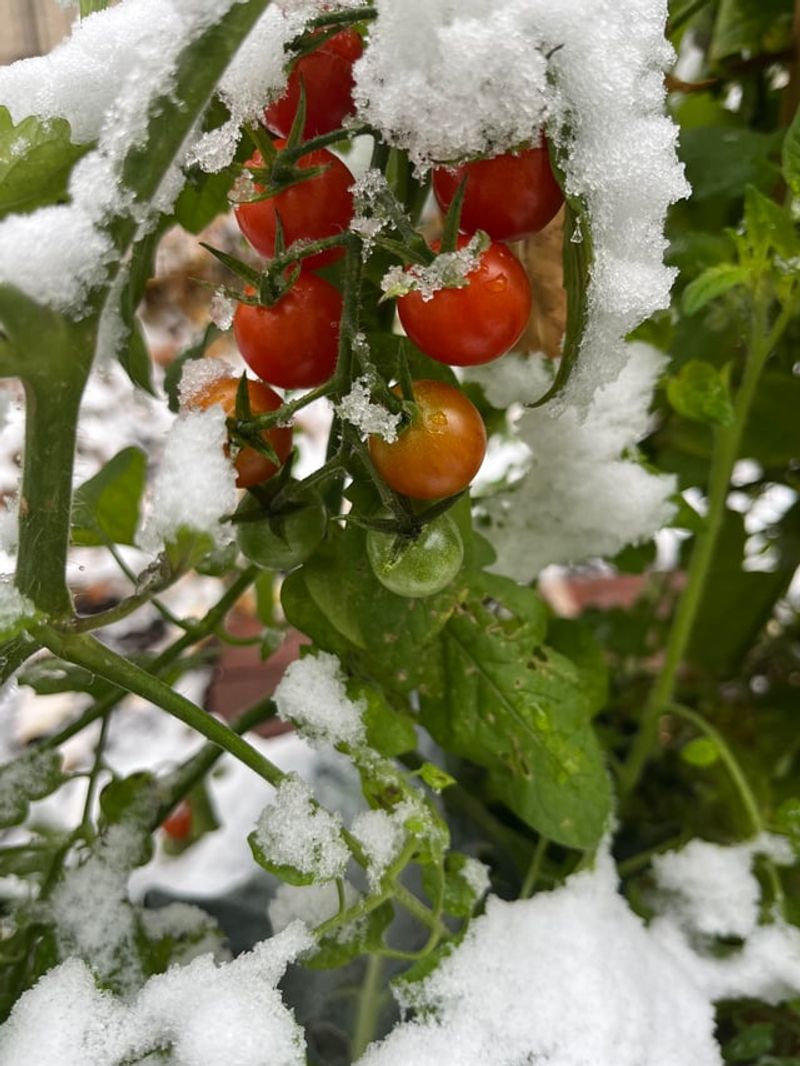
Frost in eastern Oregon isn’t just something to worry about in late spring or early fall. It can appear in June and come back as soon as mid-August in higher areas.
Towns like Burns, Lakeview, and John Day often have their last frost dates in late May and see the first fall frosts in early September. This creates a short planting window that surprises unprepared gardeners every year.
The best way to plan your planting calendar is by checking local frost date information from the National Weather Service. While averages can be useful, the weather in the east is known for being unpredictable.
That’s why experienced growers always keep frost cloth or row covers handy, even in the middle of summer. Using cold frames and low tunnels made from wire hoops and clear plastic sheeting can help extend the growing season by several weeks.
These simple tools trap heat during the day and slowly release it at night, protecting delicate plants when temperatures drop unexpectedly. It’s also really important to harden off transplants before taking them outside.
Seedlings that were grown indoors need about 7 to 10 days of gradual outdoor exposure to get used to the temperature changes that happen at night in eastern Oregon.
5. In The West, Drainage Matters More Than Drought
From November to March, the Willamette Valley and coastal regions can get 40 to 60 inches of rain each year, with most of it falling in the colder months. For gardeners, this means dealing with soggy soil, slugs, and not enough sunlight, which are real problems that need real solutions.
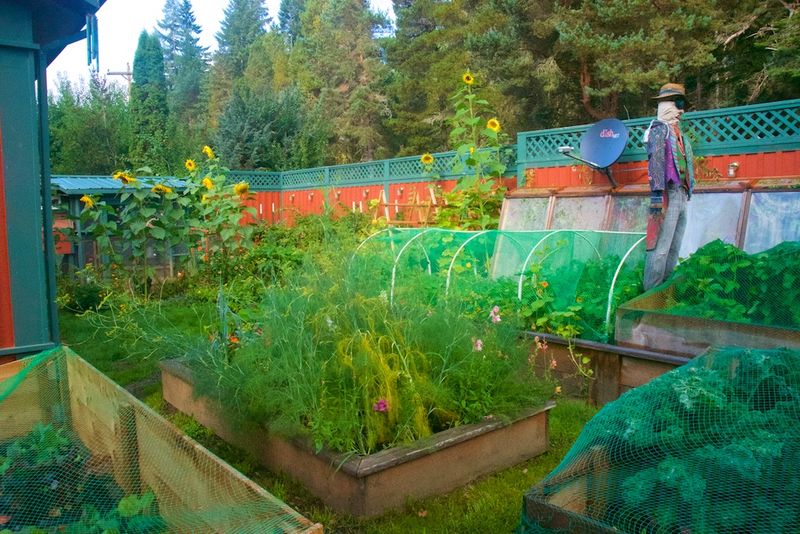
One of the best things that gardeners in the west do is build raised beds. By raising your garden area just 8 to 12 inches above the ground, you can really improve drainage and stop roots from sitting in wet soil for too long.
Adding organic materials like compost also helps the soil drain better while still keeping the nutrients that your plants need. Cover crops like crimson clover, winter rye, and fava beans are popular in western Oregon because they protect bare soil from being washed away by heavy rain and keep weeds down.
Managing slugs is another important task in winter since these pests can multiply quickly in wet conditions and can destroy seedlings overnight. Preparing for wet winters is not about fighting the rain but finding smart and practical ways to work with it.
6. Test Soil Before Treating West Side Acidity And East Side Alkalinity
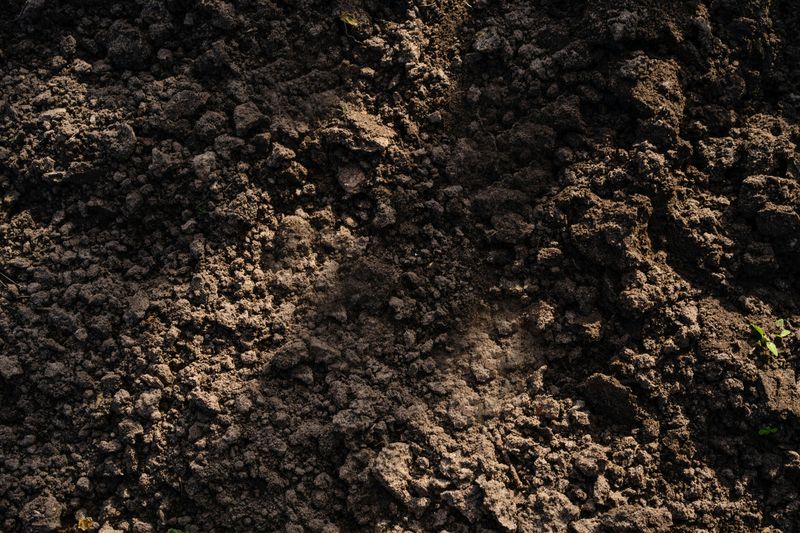
Oregon’s soil may seem perfectly fine at first, but once your plants start to struggle, you realize you’ve already wasted weeks of the growing season. The issue goes deeper than many gardeners think, and it varies greatly depending on your location.
In the west, the heavy rainfall is stunning for the scenery but harsh on soil chemistry. This constant rain gradually washes away calcium and magnesium from the soil, causing the pH to drop to between 5.0 and 6.0.
Blueberries thrive in this environment, but your beans, brassicas, and root crops definitely do not. The heavy clay soil typical in the Willamette Valley makes things worse by holding onto moisture and compacting under foot traffic.
To raise the pH, you can use agricultural or dolomitic lime, while compost, aged wood chips, and perlite can help break up that dense clay over time.
Once you cross the Cascades, the soil changes dramatically. In Eastern Oregon, the low rainfall and high evaporation create alkaline conditions, with pH levels often ranging from 7.5 to 8.5.
In this range, essential nutrients like iron, zinc, and manganese become chemically locked and unavailable to plants, no matter how rich the soil appears. That strange yellowing on otherwise healthy plants?
That’s chlorosis, a sign that your soil is indicating something is wrong.
A single soil test can change everything. Make sure to run it before you start treating anything.
7. Water Smarter In Central And Eastern Oregon
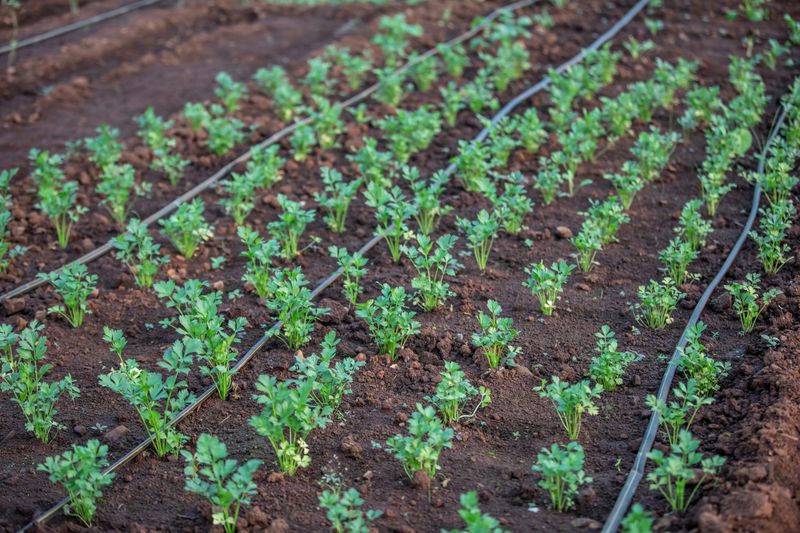
Water is the most important resource in a garden in east, and wasting it is not an option. In central and eastern Oregon, the yearly rainfall is between 8 to 14 inches, while the Willamette Valley gets 35 to 50 inches.
This difference means that farmers rely a lot on irrigation, and how they water their plants can make a big difference in whether their garden does well or struggles during the hot summer months.
Drip irrigation is often seen as the best way to use water efficiently in dry areas. It sends water straight to the roots instead of spraying it all over the ground, which can cut down evaporation losses by as much as 50 percent compared to regular sprinklers.
Soaker hoses are a cheaper option that works similarly and is easy to use in home gardens.
Watering deeply but less often helps plant roots grow deeper into the soil, where they can find cooler and more stable moisture. If you water too often but not deeply, the roots will stay near the surface and can get too hot.
Adding 3 to 4 inches of mulch, like straw, wood chips, or shredded leaves, can really help slow down evaporation and keep the soil temperature steady.
8. Stretch Cool Season Crops Longer In The West Than The East
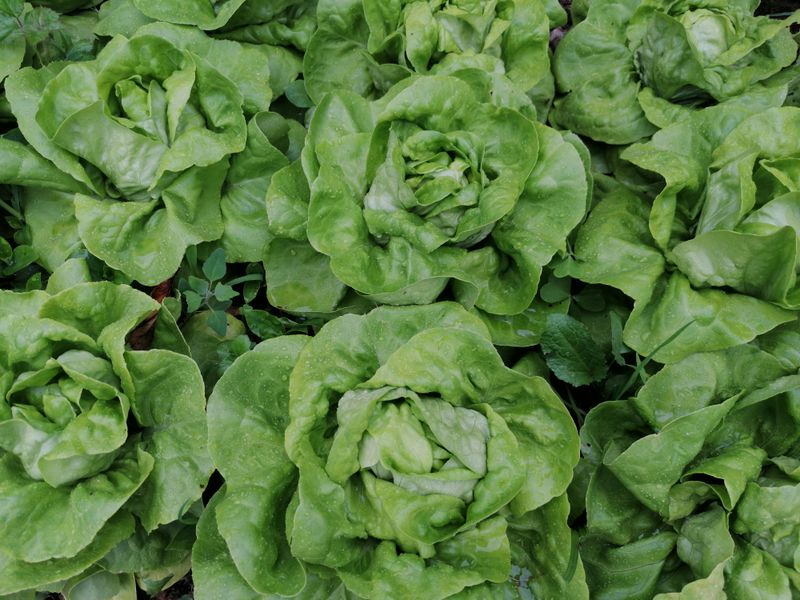
One of the real joys of gardening in western Oregon is the long cool season that lasts from early fall all the way to late spring.
While gardeners in the east are stuck waiting through a frozen April, those in the west are already picking kale, spinach, arugula, and chard from their beds that never really went dormant.
The mild and wet climate is just perfect for vegetables that can handle the cold.
Crops like broccoli, cabbage, Brussels sprouts, and leeks really thrive in the winters of western Oregon.
You can plant them in late summer for fall and winter harvests, or start them in early spring for another round before the summer heat comes.
Lettuce and spinach can often survive light frosts without any protection, making them reliable producers for many months of the year.
However, the tricky part in the west is moving into summer. Cool-season crops can bolt quickly when temperatures rise into the 70s and higher, which makes them taste bitter or causes them to go to seed.
If you time your last cool-season plantings to finish before the summer heat hits, you can keep your harvest window open as long as possible.
Planting every two to three weeks also helps ensure you have a steady supply instead of one big harvest followed by nothing.
For gardeners who enjoy salad greens, root vegetables, and brassicas, western Oregon provides one of the best cool-season growing times anywhere in the Pacific Northwest.