Things You Should Never Add To Your Texas Vegetable Garden No Matter What You Read Online
Texas gardening advice is everywhere online, and not all of it is good. In fact, some of it can seriously damage your garden if you follow it without thinking twice.
The Texas climate is unique, the soil is tough, and the heat is no joke. What works beautifully in a Vermont backyard can completely backfire in a vegetable garden.
Some products, plants, and practices seem harmless or even helpful on the surface, but they can ruin your soil, attract pests, or choke out the vegetables you worked so hard to grow.
Before you take advice from a random blog or a viral video, it helps to know what you should absolutely keep out of your garden. Some of these might surprise you, especially if you have been gardening for years.
1. Fresh Manure
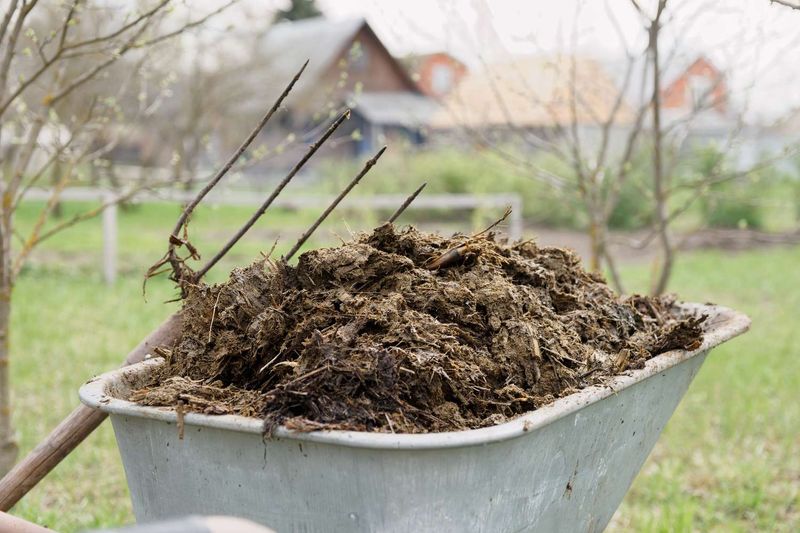
Walk into almost any feed store in Texas and someone will tell you that manure is liquid gold for your garden. And they are not entirely wrong.
But there is a huge difference between aged, composted manure and the fresh stuff straight from the barn or pasture. Fresh manure is one of the most damaging things you can add to a vegetable garden, and gardeners need to be especially careful.
Fresh manure contains extremely high levels of nitrogen. Too much nitrogen in a concentrated form will literally scorch your plant roots, causing what gardeners call “nitrogen burn.”
Your plants will wilt, turn yellow, and struggle even in Texas’s already tough growing conditions.
The heat in Texas makes this even worse because it speeds up the chemical reactions happening in the soil. Beyond the root-burning problem, fresh manure can carry harmful bacteria like E. coli and Salmonella.
These pathogens can survive in the soil and even make their way into your vegetables. When you are growing food for your family, that is a serious concern you cannot ignore.
The safe and smart move is to use only fully composted manure that has been properly aged for at least 90 to 120 days. Well-composted manure smells earthy, not like a barnyard.
It breaks down slowly in the soil and feeds your plants gently without the dangerous side effects. Look for bagged, composted manure at your local garden center and always check the label to confirm it has been properly processed before adding it to your vegetable beds.
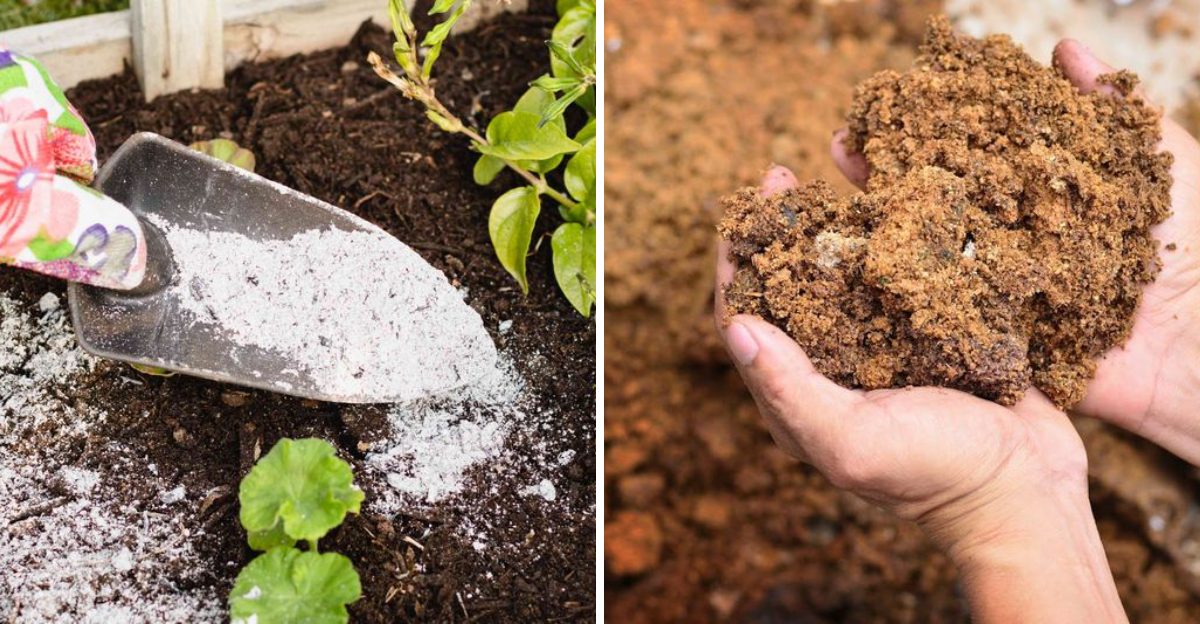
2. Too Much Wood Ash
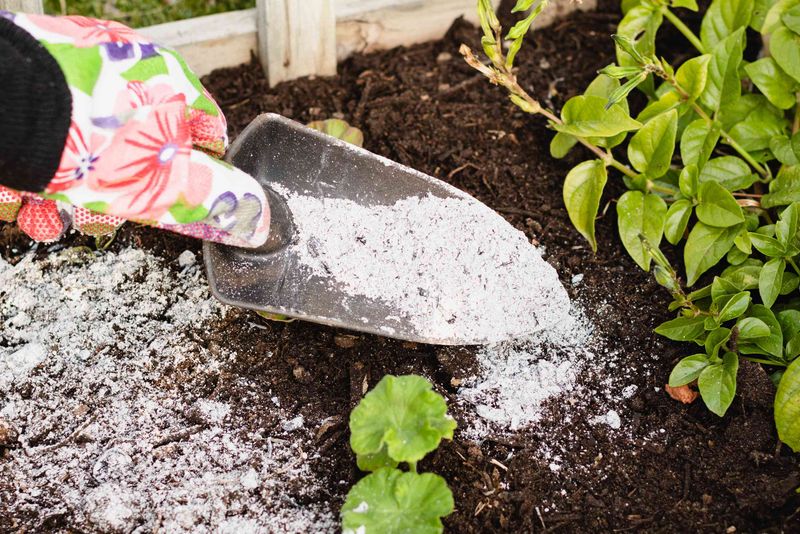
Wood ash sounds like a perfectly natural and harmless garden amendment. After all, it comes from burning wood, which is about as natural as it gets.
But here in Texas, adding too much wood ash to your vegetable garden can seriously mess up your soil chemistry in ways that are hard to fix.
Texas soil is already naturally alkaline in most regions. The pH of average Texas garden soil often sits between 7.5 and 8.5.
Vegetables generally grow best in soil with a pH between 6.0 and 7.0. Wood ash is highly alkaline, and even a small amount can push your soil pH even higher.
When the pH gets too high, your plants cannot absorb nutrients properly, even if those nutrients are present in the soil.
Your Texas Garden Changes Every Week. Your Plan Should Too.
Gardening in Texas changes quickly throughout the season. Every Friday you’ll receive a simple weekly plan showing exactly what to plant, prune, fertilize, harvest, and protect so you never miss the right timing.
Gardeners sometimes read that wood ash adds potassium and calcium to the soil, which is true. But the trade-off in Texas is not worth it.
When your soil becomes too alkaline, you will start seeing yellowing leaves, stunted growth, and poor fruit production across your vegetable beds. Tomatoes, peppers, squash, and beans are all especially sensitive to high pH levels.
If you want to improve your Texas soil, focus on adding sulfur or acidic organic matter like pine bark mulch or peat moss to bring the pH down rather than pushing it further up. Always test your soil with an inexpensive pH kit before adding any amendments.
Your local Texas A&M AgriLife Extension office can also test your soil and give you specific recommendations tailored to your county and growing conditions.
3. Dog Or Cat Waste
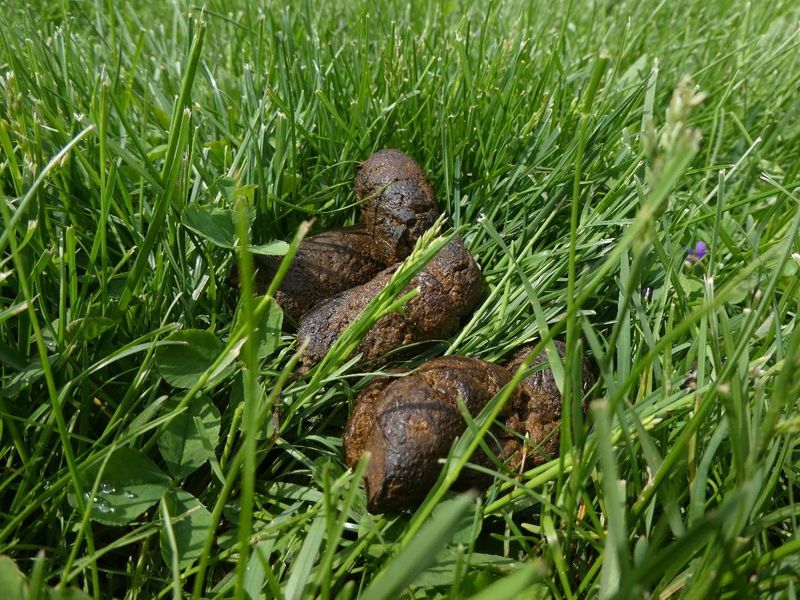
Pet waste in the garden is one of those things that might seem harmless on the surface. Some people even think it works the same way as manure from farm animals.
But dog and cat waste are completely different from cow or chicken manure, and using them near your vegetable garden is genuinely dangerous for your family’s health.
Dogs and cats are carnivores. Their digestive systems process meat, and their waste carries a very different set of microorganisms than herbivore manure does.
Dog waste can contain roundworms, hookworms, parvovirus, and harmful strains of bacteria.
Cat waste is especially concerning because it can carry Toxoplasma gondii, a parasite that can cause serious illness in pregnant women and people with weakened immune systems.
These parasites and pathogens can survive in garden soil for weeks or even months. Texas heat does not reliably destroy them quickly enough to make the soil safe.
If those pathogens get onto your vegetables, especially root vegetables or low-growing crops like lettuce and strawberries, the risk of contamination is very real.
There is no composting process that makes dog or cat waste safe for food gardens. Unlike farm animal manure, pet waste should never be composted for edible beds under any circumstances.
The safest option is to keep pets out of your vegetable garden entirely and dispose of their waste properly in the trash.
If you want to compost pet waste, use a dedicated system only for ornamental plants, never for anything you plan to eat. Your family’s health is simply not worth the risk.
4. Non-Composted Black Walnut Material
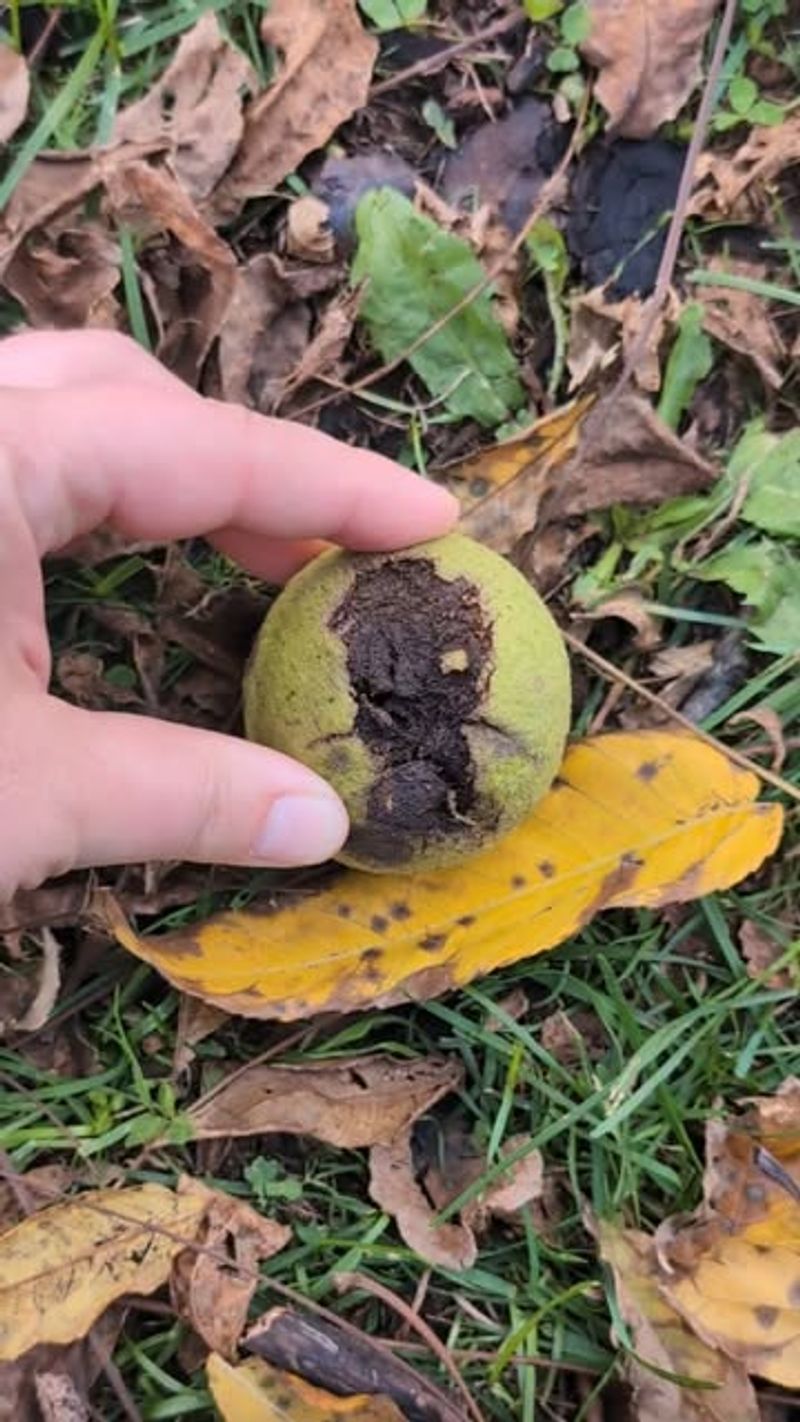
Here is something that catches a lot of gardeners off guard. Black walnut trees are common across central and north Texas, and many homeowners have them growing in their yards.
They seem like a great source of free mulch or organic material. But using any part of a black walnut tree in or around your vegetable garden can cause serious harm to your plants.
Black walnut trees produce a natural chemical called juglone. It is found in the roots, leaves, hulls, bark, and even the wood of the tree.
Juglone is essentially a natural herbicide that the tree releases into the soil to reduce competition from other plants. It is a survival strategy the tree has developed over thousands of years, and it works extremely well.
Tomatoes are particularly sensitive to juglone and will show signs of distress quickly when exposed to it. Peppers, eggplant, potatoes, and many other common vegetables are also affected.
Symptoms include wilting, yellowing leaves, and stunted growth even when the plant is getting plenty of water and nutrients.
Juglone can persist in soil for years after black walnut material has been added. Even composting black walnut leaves or hulls does not always break down the juglone completely enough to make it safe for sensitive vegetables.
If you have a black walnut tree on your property, keep all garden beds well away from its root zone, which can extend far beyond the tree’s canopy.
Never use its wood chips, leaves, or hulls as mulch in any vegetable bed. Use cedar or pine mulch instead for a safe and effective alternative in Texas gardens.
5. Chemically Treated Grass Clippings
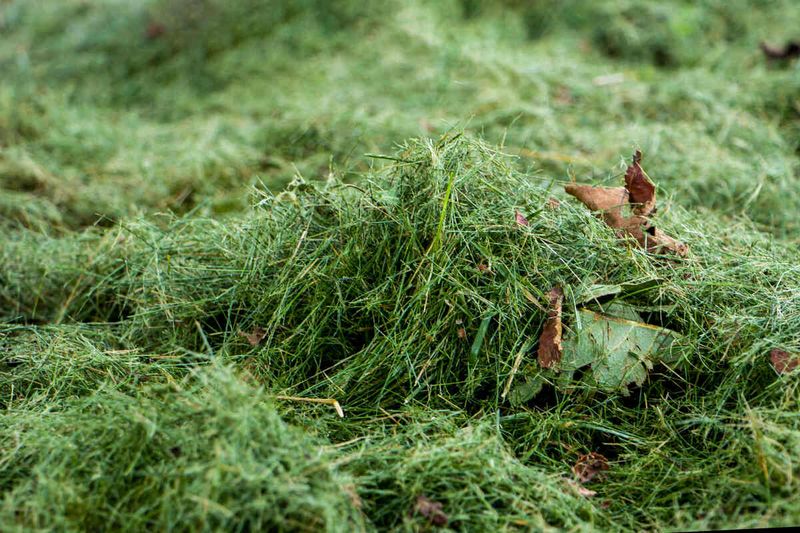
Grass clippings make excellent mulch for vegetable gardens under the right conditions. They break down quickly, add nitrogen to the soil, help retain moisture, and keep weeds under control.
In theory, they sound like the perfect free resource for any gardener. The problem shows up when those clippings come from a lawn that has been treated with herbicides.
Many Texas homeowners use broadleaf herbicides to keep their lawns weed-free. Products containing clopyralid, picloram, or aminopyralid are especially problematic.
These chemicals are designed to target broadleaf plants, which unfortunately includes most of the vegetables you are trying to grow. The scary part is that these herbicides can survive the composting process and remain active in the soil for a long time.
Gardeners who have used treated grass clippings report seeing curled, twisted, or cupped leaves on their tomatoes, peppers, and beans. Growth slows dramatically, and in some cases the plants never fully recover.
The contaminated soil can remain problematic for an entire growing season or longer, meaning one mistake can cost you multiple harvests.
Always ask before using grass clippings from a neighbor’s lawn or any other source you do not control. If you use herbicides on your own lawn, wait at least three to four mowings after the last application before using those clippings in your vegetable garden.
Better yet, keep your lawn care and garden care completely separate to avoid any crossover risk. Organic straw, shredded leaves, or untreated wood chips are much safer mulch choices for vegetable beds.
6. Large Amounts Of Sand In Clay Soil
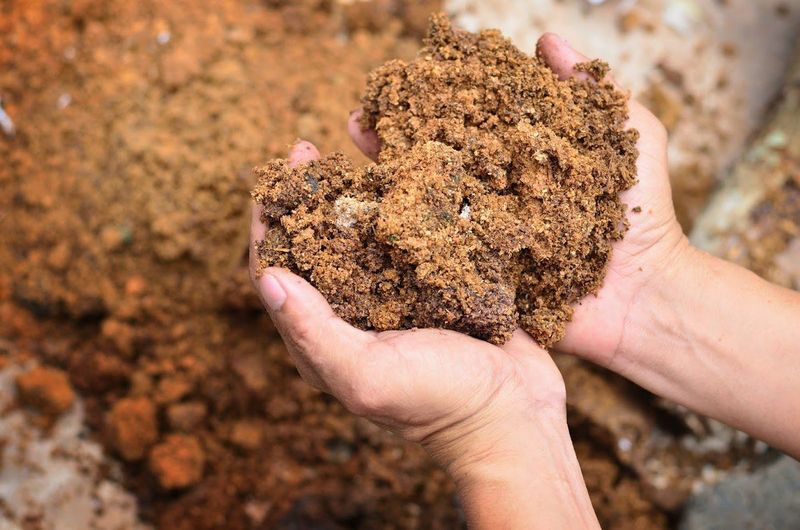
Ask almost any Texan who has tried to garden in heavy clay soil and they will tell you it is a real struggle. Clay holds water too long, drains poorly, and becomes rock hard when it dries out in the summer heat.
So when someone reads online that adding sand will loosen up clay soil and improve drainage, it sounds like a perfectly logical fix. Unfortunately, that advice can backfire in a dramatic way.
When you mix a small amount of sand into clay soil, you do not get loose and fluffy garden soil. What you actually get is something closer to concrete.
The tiny clay particles fill in the spaces between the larger sand particles, and when the mixture dries out under the Texas sun, it becomes extremely dense and hard. Roots cannot push through it, water cannot drain through it, and your vegetables will suffer greatly.
To actually improve clay soil with sand, you would need to add enough sand to completely change the soil structure, which means adding a huge volume. Most gardeners do not add nearly enough, which is why this approach almost always makes things worse rather than better.
The smarter solution for Texas clay soil is to add organic matter consistently over time. Compost is your best friend here.
Working several inches of finished compost into your clay soil each season gradually improves its structure, drainage, and nutrient content. Raised beds filled with quality garden mix are another excellent option for Texas gardeners dealing with stubborn clay.
Building your soil up rather than trying to drastically change it is always the winning strategy in Texas vegetable gardening.