These Are The Herbs North Carolina Gardeners Harvest All Summer With Almost No Effort
Some herbs make you work for every leaf. Others just grow.
North Carolina’s long warm season suits a specific group of herbs so well that they stay productive from late spring straight through fall with very little input from the gardener.
No constant watering, no complicated feeding schedules, no fighting pests every other week. These herbs establish quickly, handle heat without bolting, and keep pushing out fresh growth through the kind of summers that stress out most garden plants.
North Carolina gardeners who grow them spend more time cooking with fresh herbs than managing them, which is exactly how it should be.
Whether you have a dedicated herb bed, a few containers on a patio, or spare space in a vegetable garden, these are the varieties worth filling it with this season. Consistent harvests, minimal effort, and flavor that store bought herbs never quite match.
1. Basil Grows Fast Once Nights Warm Up
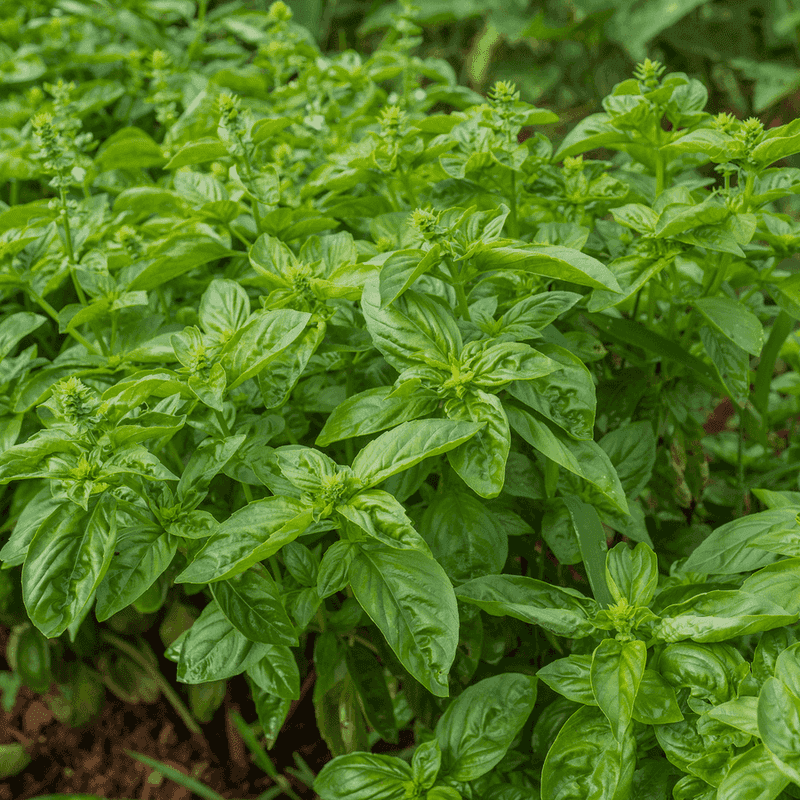
Nothing signals a true North Carolina summer quite like the sweet, unmistakable scent of fresh basil warming in the afternoon sun.
Once nighttime temperatures stay consistently above 60 degrees, basil shifts into overdrive and produces leaves faster than most gardeners can use them.
That combination of humid air and warm soil is exactly what this Mediterranean herb craves.
Timing your planting right makes all the difference. Wait until after the last frost, which typically falls between late March and mid-April depending on your region, then transplant seedlings into a sunny spot with rich, well-draining soil.
Basil needs at least six hours of direct sunlight daily and consistent moisture, so water at the base of the plant and mulch around it to hold that moisture in during dry spells.
The single most important habit to build is pinching off flower buds the moment you see them. Once basil flowers and goes to seed, leaf production slows significantly and flavor weakens.
Pinch the top two sets of leaves regularly, and the plant responds by branching out into a fuller, bushier shape. Containers work beautifully on sunny patios, especially if you choose a large pot with good drainage holes.
Growing two or three plants together gives you more than enough basil to cook with, share, and even freeze for winter use.
2. Lemon Balm Keeps Growing Even During Hot Summers
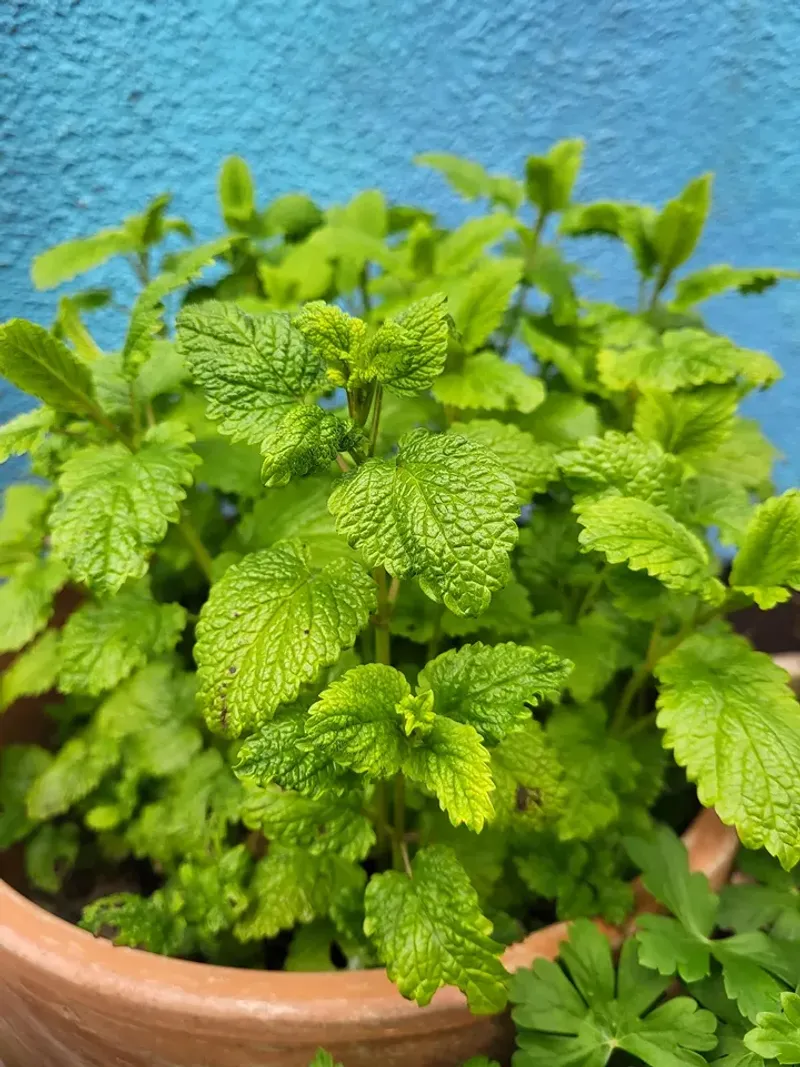
Lemon balm is one of those herbs that genuinely surprises first-time growers. You plant it once, give it a little water, and suddenly you have more lemon-scented leaves than you know what to do with.
Unlike many culinary herbs that struggle when summer heat peaks, lemon balm handles North Carolina warmth with remarkable ease, especially when given a bit of afternoon shade.
The foliage smells like fresh lemon with a hint of mint, and bees absolutely love the tiny white flowers that appear mid-summer. For pollinators in your garden, few herbs are as valuable.
That said, once it starts spreading, lemon balm can really take over a bed if you are not paying attention. Growing it inside a buried container or a dedicated pot is the smartest way to enjoy it without letting it crowd out neighboring plants.
Your North Carolina Garden Changes Every Week. Your Plan Should Too.
Gardening in North Carolina changes quickly throughout the season. Every Friday you’ll receive a simple weekly plan showing exactly what to plant, prune, fertilize, harvest, and protect so you never miss the right timing.
Harvesting is refreshingly simple. Snip stems back by about one-third whenever the plant looks full and leafy, which encourages fresh new growth within days.
Regular pruning also keeps the plant from flowering too early, preserving the bright lemon flavor in the leaves. Lemon balm tolerates partial shade better than most herbs, making it a great choice for spots under trees or near fences where other plants struggle.
Use the fresh leaves for tea, lemonade, salads, or even homemade herbal sachets throughout the summer season.
3. Oregano Thrives In Heat And Dry Soil
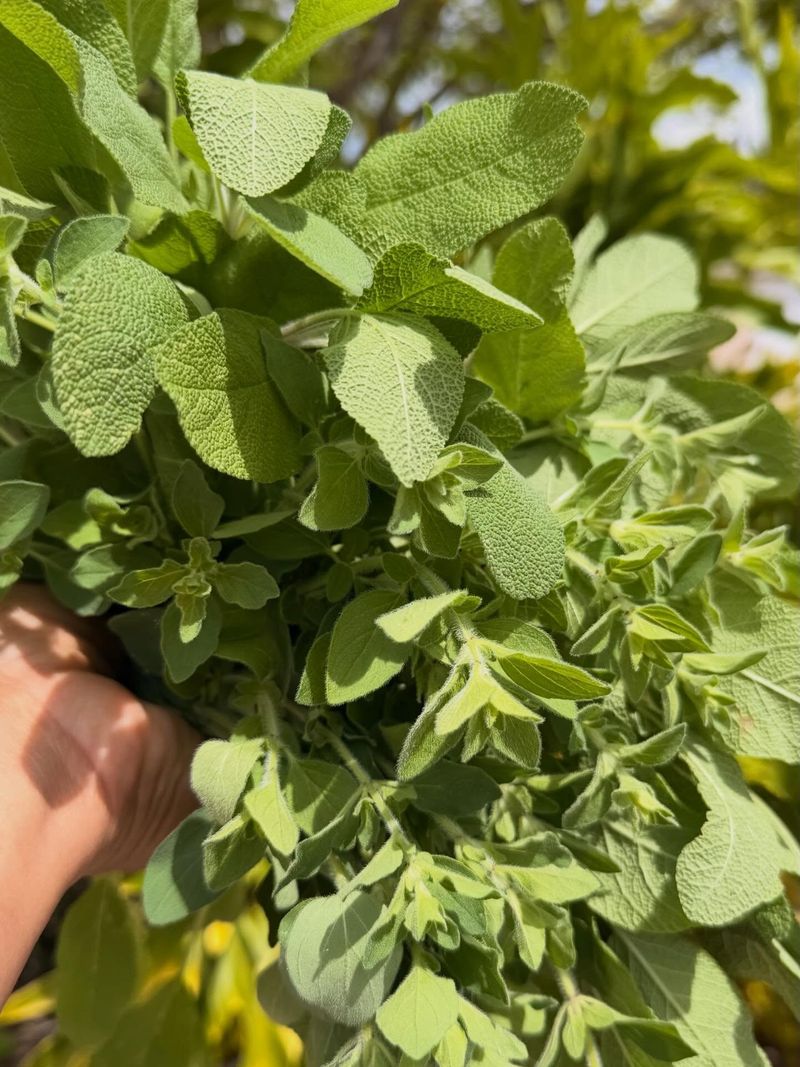
Oregano is the herb that practically begs to be ignored. Give it full sun, decent drainage, and minimal water, and it rewards you with a steady, fragrant harvest from late spring through early fall.
For North Carolina gardeners dealing with Piedmont clay, amending the bed with compost and coarse sand before planting makes a noticeable difference in how well roots establish and how healthy the plant stays through humid months.
Humidity is actually oregano’s biggest challenge in the South. When plants are crowded, airflow decreases and fungal issues can develop at the base of the stems.
Spacing plants at least twelve inches apart allows air to move freely, keeping the foliage dry and healthy even during muggy August evenings. Sandy coastal soils in eastern North Carolina are naturally ideal since they drain quickly and warm up fast in spring.
Harvest oregano just before the flowers open, which is when the essential oils in the leaves are most concentrated and the flavor is strongest. Cut stems back by about half, and new growth fills in quickly.
Oregano grown in containers on a sunny patio or deck tends to have even more intense flavor than ground-planted varieties because container soil dries faster between waterings, stressing the plant slightly in a way that boosts its aromatic oils.
Greek oregano varieties offer the boldest flavor and are especially well-suited to southern garden conditions.
4. Rosemary Loves Hot Sunny Patios
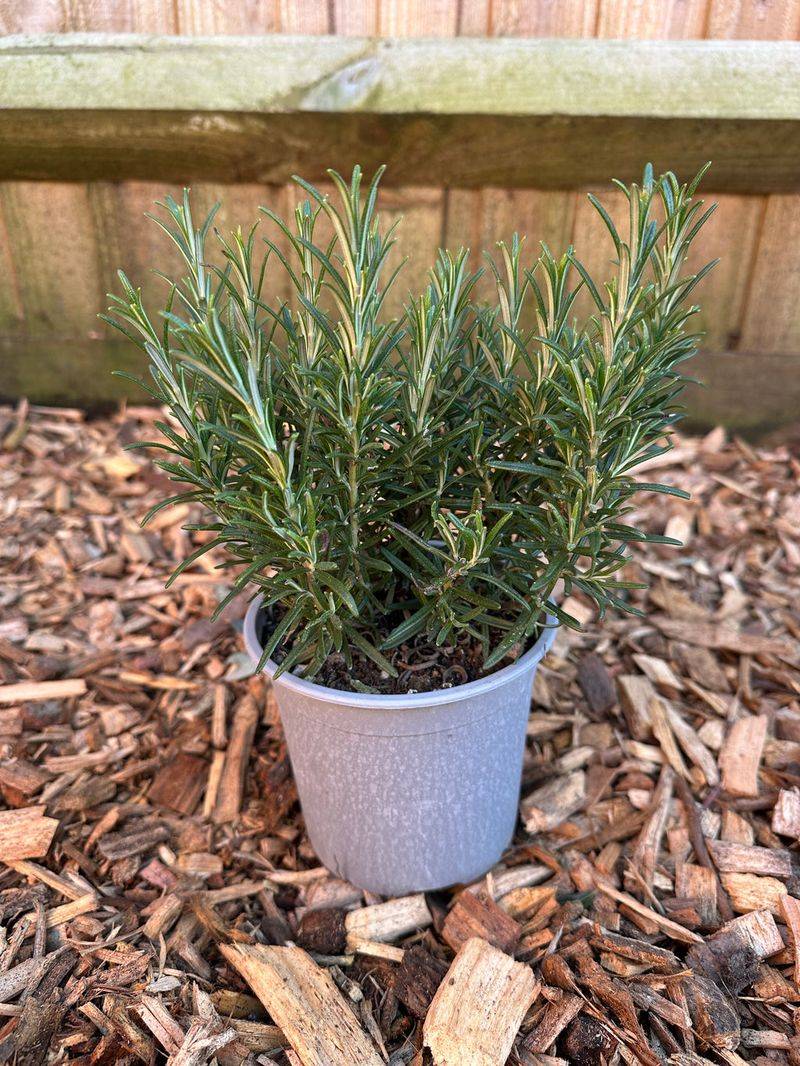
Rosemary and North Carolina summers were practically made for each other. This woody, fragrant shrub thrives in intense heat and full sun, asking for very little in return beyond excellent drainage and the occasional deep watering.
On a south-facing patio or along a sunny garden border, rosemary can grow into an impressive, productive plant that supplies fresh sprigs all summer without much fuss at all.
Drainage truly is the key to success with rosemary. Roots sitting in soggy soil will struggle quickly, so raised beds, sloped garden areas, or containers with drainage holes are all smart choices. Water deeply but infrequently, allowing the soil to dry out between sessions.
Upright varieties like Arp are particularly well-suited to North Carolina because they handle colder Piedmont and Mountain winters better than more tender trailing types, giving gardeners in those regions a better chance at year-round plants.
Pruning rosemary regularly through summer keeps it compact and productive. After each harvest, trim lightly rather than cutting deep into old woody stems, which can slow recovery.
Rosemary pairs beautifully with grilled meats, roasted vegetables, and even bread, so having a healthy plant within arm’s reach of your kitchen door is genuinely useful.
Container growing also gives you the flexibility to bring the plant indoors before hard freezes arrive in November, protecting your investment and giving you fresh rosemary well into the cooler months.
5. Chives Return Year After Year
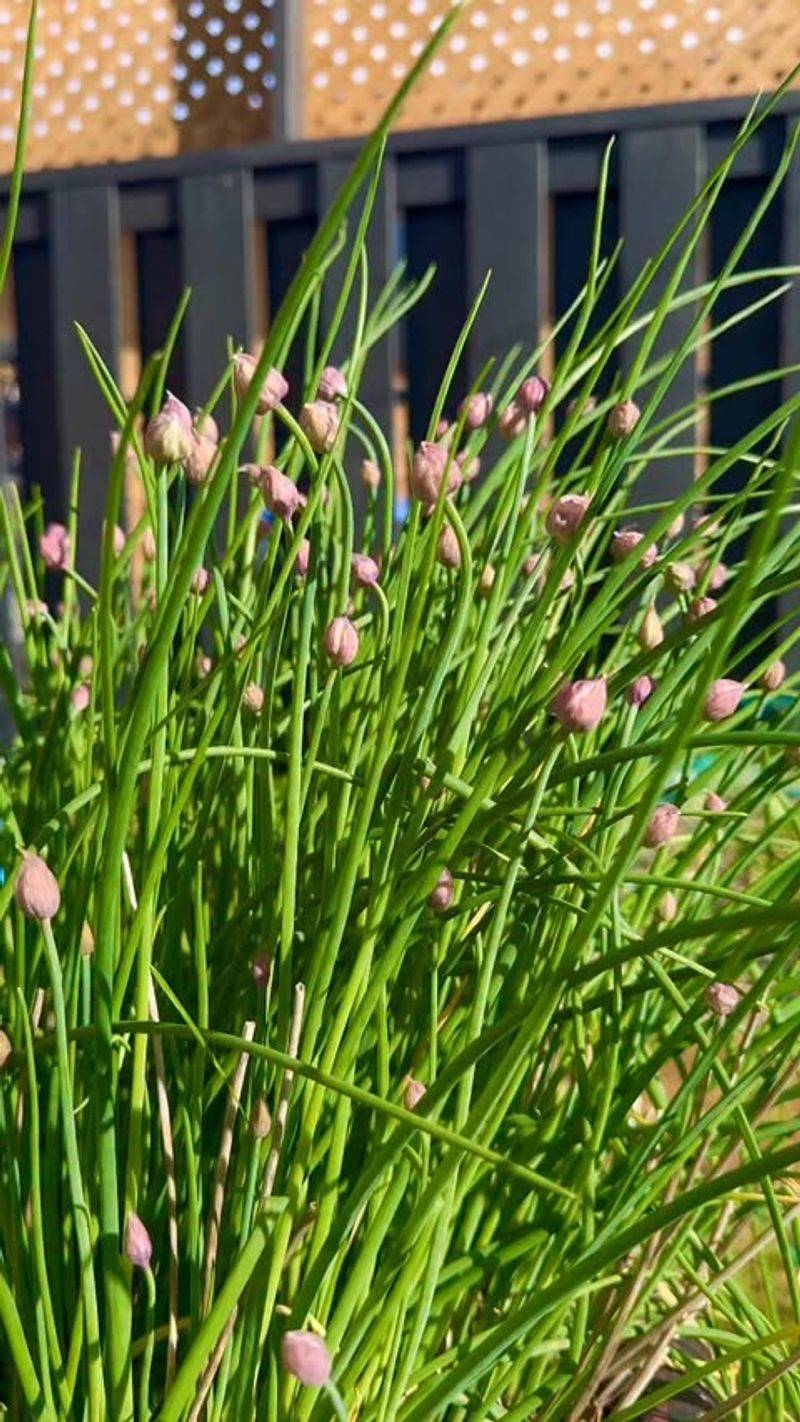
Few herbs earn the title of true garden workhorse quite like chives. Plant them once in a sunny or partially shaded spot, and they come back reliably every spring without any prompting from you.
Across North Carolina, from the mountains to the coast, chives establish quickly and begin producing fresh green stems early in the season, often before most other herbs have even woken up from winter dormancy.
Those cheerful purple blooms that appear in late spring are not just pretty. They are entirely edible and carry a mild onion flavor that makes them a beautiful garnish for salads, soups, and cream cheese.
Pollinators flock to chive flowers, making them a genuinely helpful addition to any vegetable or herb garden. After flowering, cut the stems back to a few inches above the soil to encourage a fresh flush of new growth that continues producing through summer.
Chives prefer consistent moisture but tolerate brief dry spells surprisingly well for a perennial herb.
Dividing clumps every two to three years keeps plants vigorous and prevents overcrowding, which can reduce airflow and lead to fungal issues during humid summers.
Divided sections transplant easily into new garden spots or containers. Growing chives in pots on a sunny deck is especially convenient since you can snip exactly what you need for cooking without ever heading out to the main garden bed.
They are genuinely one of the most low-effort herbs available to southern gardeners.
6. Mint Produces More Than Most Gardeners Expect
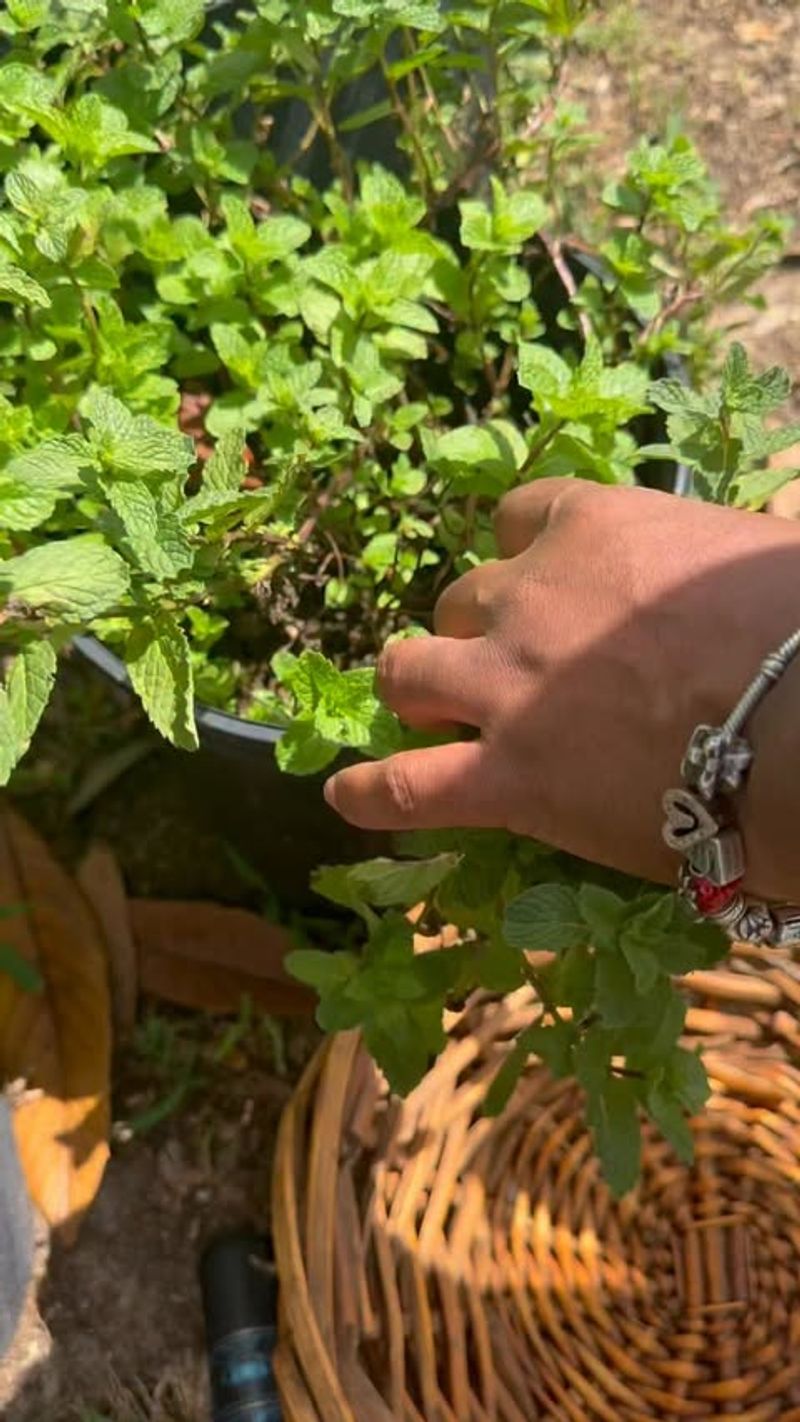
Mint is ambitious. Left to its own devices in an open garden bed, it will spread enthusiastically in every direction until it has claimed far more territory than you intended to give it.
North Carolina’s warm temperatures and regular summer rainfall create ideal conditions for mint to grow vigorously, which is exactly why the smartest approach is to grow it in containers from the very start rather than directly in the ground.
A large pot or a buried bottomless bucket acts as a natural barrier, keeping the roots contained while still giving the plant plenty of room to thrive.
Set the container in a spot with morning sun and afternoon shade, and mint grows happily without much extra attention.
Water regularly since mint prefers consistently moist soil, but make sure the container has drainage holes so roots never sit in standing water during heavy summer rains.
Harvesting mint is one of gardening’s most satisfying quick tasks. Snip stems just above a leaf node and the plant responds by branching out and producing even more leaves within days.
Spearmint and peppermint are the most popular varieties for culinary use, but chocolate mint, apple mint, and lemon mint all grow well in North Carolina’s climate and offer interesting flavor variations.
Fresh mint is perfect for iced tea, cocktails, desserts, and even homemade herbal remedies. With minimal effort and smart containment, mint delivers an almost endless summer harvest.
7. Vietnamese Coriander Handles North Carolina Heat Better Than Cilantro
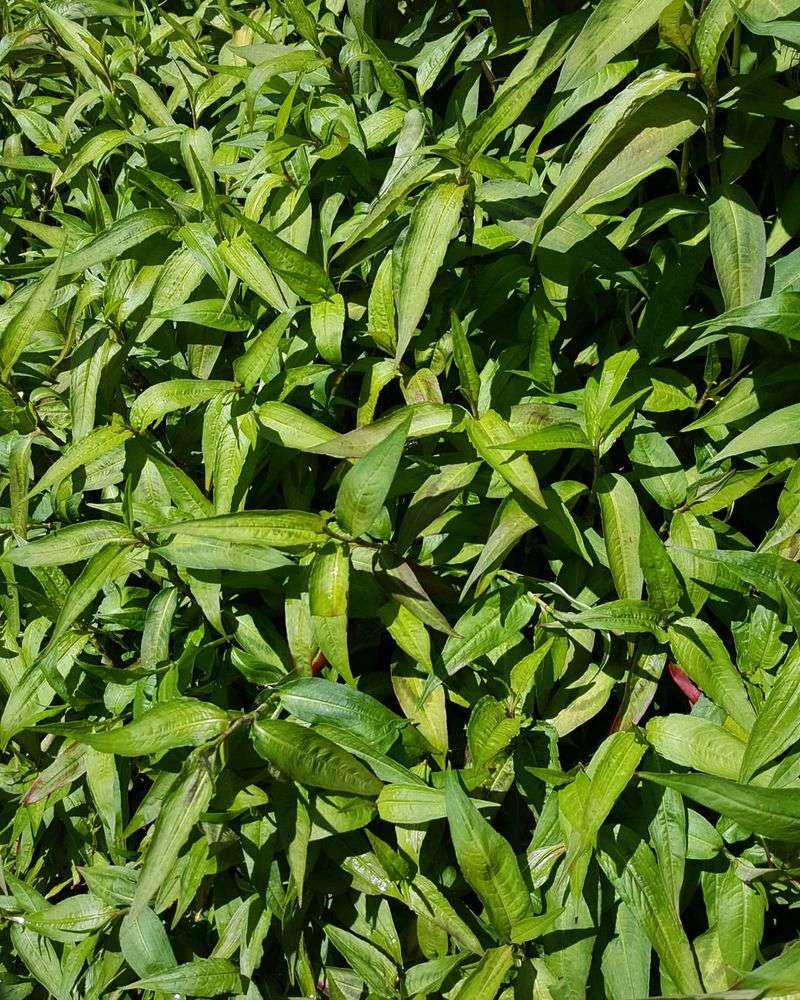
Cilantro lovers in North Carolina know the frustration all too well. You plant it in spring, enjoy it briefly, and then watch it bolt and go to seed the moment summer heat arrives. Vietnamese coriander solves that problem completely.
This tropical herb delivers that same bright, citrusy, slightly peppery flavor that cilantro fans love, but it actually thrives when temperatures climb into the upper 80s and 90s that define a typical North Carolina summer.
Unlike cilantro, Vietnamese coriander actively prefers heat and humidity, making it a natural fit for gardens from the Sandhills to the Outer Banks.
It grows best with consistent moisture and rich soil, so water regularly and add a layer of mulch to keep roots cool and the ground from drying out too fast between rainfalls.
Give it a spot with morning sun and some afternoon shade for the most productive results through the hottest months.
Harvesting is easy and frequent. Simply snip young leaves and stem tips as needed, and the plant fills back in quickly.
The more you harvest, the more compact and productive the plant becomes over time. Vietnamese coriander works beautifully in fresh spring rolls, pho, salads, and any dish that would traditionally call for cilantro.
Plants are typically started from cuttings rather than seeds, so look for starter plants at local nurseries or farmers markets in late May for the best results.
8. Sage Produces Best In Dry Sunny Gardens
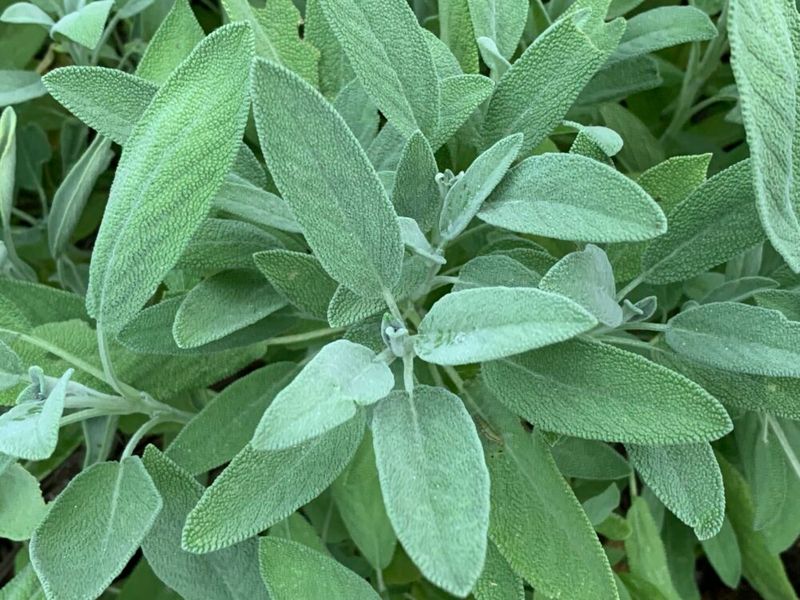
Sage has a reputation for being fussy, but that reputation is mostly undeserved when you plant it in the right spot.
Give it full sun, excellent drainage, and good airflow, and sage settles in as a reliable, productive perennial that asks for very little through the heat of summer.
Its Mediterranean roots mean it is naturally built for warm, dry conditions, which North Carolina’s sunnier garden spots deliver beautifully during the growing season.
Humidity is the one variable that challenges sage in the South. When air circulation is poor and moisture lingers around the base of the plant, powdery mildew and root issues can develop.
Spacing plants generously, at least eighteen inches apart, and avoiding overhead watering keeps the foliage dry and the plant healthy.
Raised beds with amended, fast-draining soil are particularly effective for sage in heavier Piedmont clay regions where drainage is naturally slower.
Pruning sage early in the season and again after the first big summer harvest encourages fresh, tender growth and prevents the plant from becoming too leggy and woody.
Harvest before the plant flowers for the strongest flavor, cutting stems back by about one-third at a time.
Fresh sage is exceptional with poultry, pasta, and roasted root vegetables, and it also dries beautifully if you end up with more than you can use fresh. A well-established sage plant in a sunny garden can produce harvests for many years with minimal intervention.
9. Cuban Oregano Thrives In Our Summer Heat
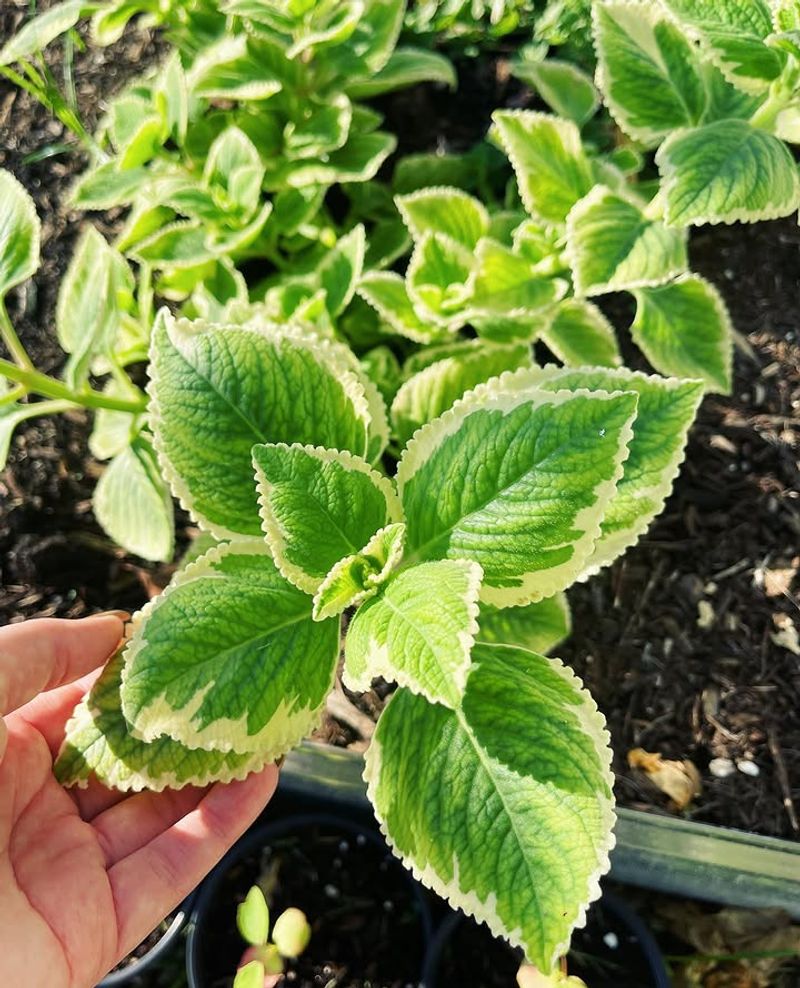
Cuban oregano is the herb that makes every gardener look like they know exactly what they are doing. Its thick, succulent-like leaves store moisture efficiently, which means it shrugs off summer heat that would wilt most other herbs without complaint.
During North Carolina’s long, steamy summers, Cuban oregano grows rapidly and fills out into a lush, full plant that is both beautiful and incredibly productive for the kitchen.
One of its most appealing qualities is its flexibility with sunlight. While it performs well in full sun, Cuban oregano also grows happily in partial shade, making it useful for spots in the garden where direct light is limited.
Water it moderately, allowing the top inch of soil to dry between sessions. Overwatering is the one real mistake to avoid since the thick leaves already hold moisture well and soggy roots can cause problems quickly.
Pest pressure on Cuban oregano is nearly nonexistent, which makes it one of the most stress-free herbs you can grow in the South. The strong aromatic oils in the leaves seem to deter most insects naturally.
Harvest by snipping stem tips regularly to keep the plant compact and encourage continuous new growth. Since Cuban oregano is frost-sensitive, gardeners outside of the warmest coastal zones should bring potted plants indoors before the first fall frost arrives.
Kept near a sunny window, it grows happily as a houseplant through winter and comes back outdoors the following spring.
10. Garlic Chives The Toughest Herb For Southern Heat
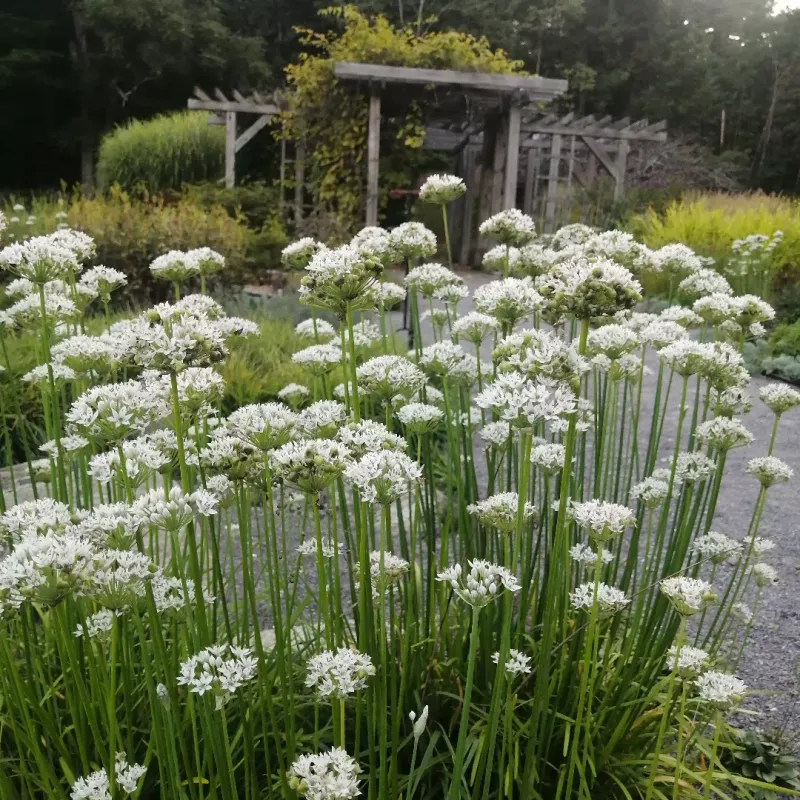
When the summer heat reaches its absolute peak in late July and August, most herbs slow down or struggle. Garlic chives do the opposite.
While standard chives often look tired and faded by midsummer, garlic chives stay green, productive, and full of flavor through the hottest and most humid weeks North Carolina can deliver.
That resilience alone makes them worth growing for any southern gardener who wants a reliable harvest all season long.
The flavor profile is its own selling point. Flat, broad leaves carry a pleasant garlic-meets-onion taste that works in stir-fries, dumplings, egg dishes, and anywhere you would normally reach for garlic or green onions.
In late summer, the plant sends up clusters of small white star-shaped flowers that are edible, attractive, and highly appealing to bees and butterflies. The blooms add a decorative element to the garden at a time of year when many plants are looking worn out.
One important habit to develop with garlic chives is deadheading spent flowers before they go to seed. These plants reseed prolifically, and a single season of unchecked seed production can result in dozens of volunteer seedlings the following year.
Snip flower heads as they fade to keep spreading manageable. Harvest leaves throughout the season by cutting them about an inch above the soil, and new growth returns within a week or two.
Garlic chives perform well in containers, raised beds, and traditional garden borders with equal enthusiasm.