These Plants Struggle In Texas Without Constant Attention
Texas gardeners are some of the most determined people out there, and that determination sometimes leads to spending way too much time, water, and money trying to keep the wrong plants alive.
Not every plant belongs in Texas, and no amount of effort can fully make up for that mismatch.
Some plants fight the climate from the moment they go in the ground, demanding more water than a Texas summer allows, wilting in heat that never lets up, or rotting out the moment humidity spikes.
The problem is that these plants are often sold right alongside the ones that thrive here, with no warning label in sight.
If you have ever felt like you were doing everything right but still losing plants season after season, the issue might not be your gardening skills at all. It might just be the plants you chose and what Texas actually puts them through.
1. Hydrangeas
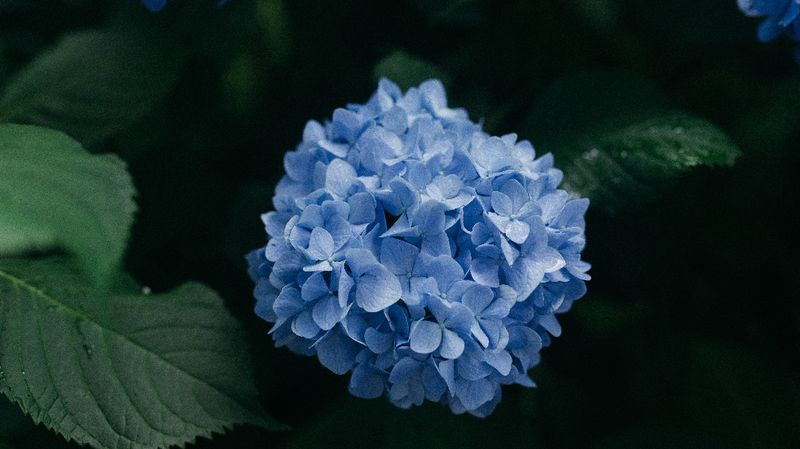
Few flowering shrubs turn heads quite like hydrangeas, with their big, fluffy blooms in shades of pink, blue, and white. But growing them in Texas is a real challenge that takes steady effort and smart planning.
Without the right care, these beauties can look droopy and burned by midsummer. Hydrangeas need consistent moisture to survive heat. The soil dries out fast here, especially during the brutal summer months.
Skipping even a couple of days of watering can leave the plant looking completely wilted and stressed.
Afternoon sun is one of the biggest problems for hydrangeas in Texas. The intense heat from the west-facing sun scorches their delicate leaves and blooms.
Planting them where they get morning sun and afternoon shade is one of the best moves you can make.
Mulching around the base of the plant helps hold moisture in the soil longer. A thick layer of wood chip mulch can reduce how often you need to water.
It also keeps the soil temperature cooler, which hydrangeas really appreciate during hot summers.
Choosing the right variety matters a lot in Texas. Oakleaf hydrangeas tend to handle heat and drought better than other types.
Still, even these tougher varieties need regular watering and some shade to look their best in the Texas climate.
2. Gardenias
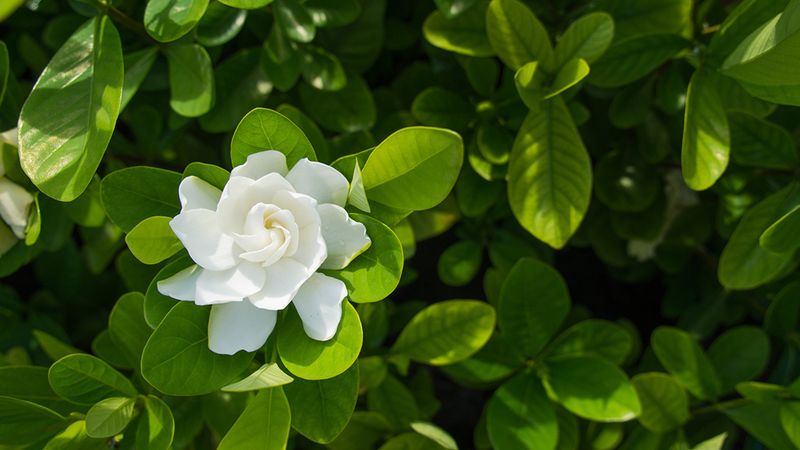
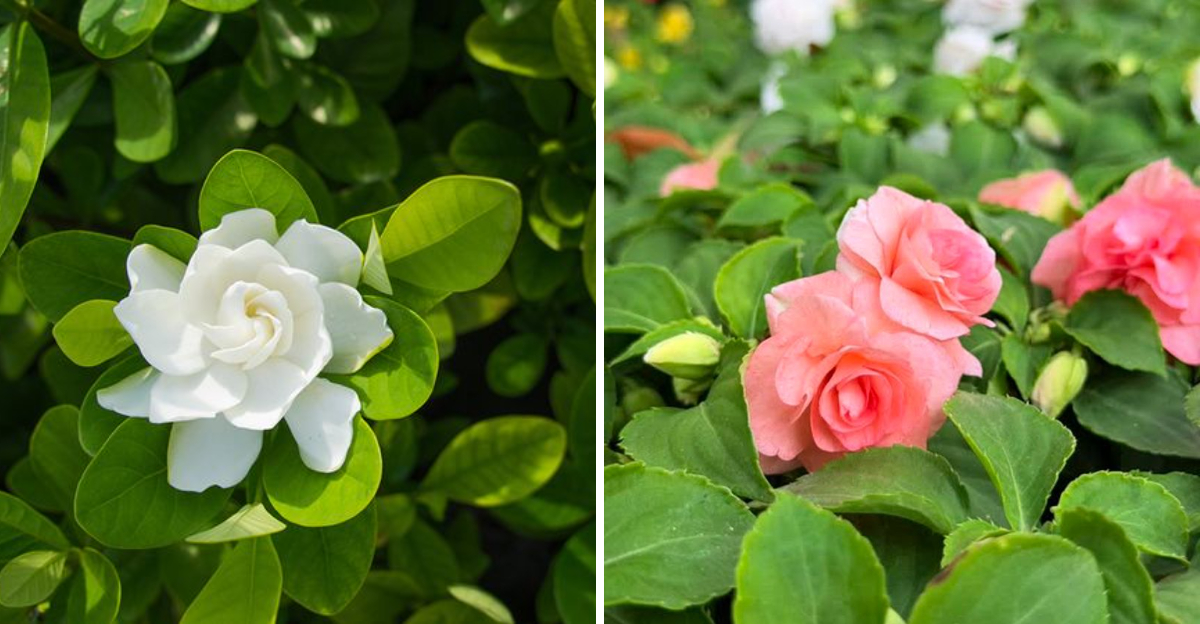
Gardenias are known for their creamy white flowers and intoxicating fragrance, but they are notoriously fussy plants.
Growing them in Texas takes real commitment because the state’s conditions work against them in almost every way. Heat, alkaline soil, and humidity swings all cause serious problems.
One of the most common issues gardenia growers face in Texas is yellowing leaves, also called chlorosis. This happens when the soil is too alkaline and the plant cannot absorb iron properly.
Texas soils are often naturally high in pH, making this problem very common across the state.
To help gardenias stay green and healthy, many gardeners add sulfur or acidifying fertilizers to the soil. Testing your soil before planting is a smart first step.
Knowing your soil’s pH level helps you figure out exactly what amendments you need to add.
Your Texas Garden Changes Every Week. Your Plan Should Too.
Gardening in Texas changes quickly throughout the season. Every Friday you’ll receive a simple weekly plan showing exactly what to plant, prune, fertilize, harvest, and protect so you never miss the right timing.
Gardenias also need consistent watering throughout the growing season. Letting the soil dry out completely causes bud drop, which means those gorgeous flowers never even get a chance to open.
Keeping the soil evenly moist, but not soggy, is the sweet spot gardenias love. Placing gardenias in a sheltered spot with morning sun and afternoon shade helps reduce heat stress in Texas.
Container gardening is another popular option because you have more control over soil conditions.
With the right setup and regular attention, gardenias can still reward gardeners with stunning blooms.
3. Hostas
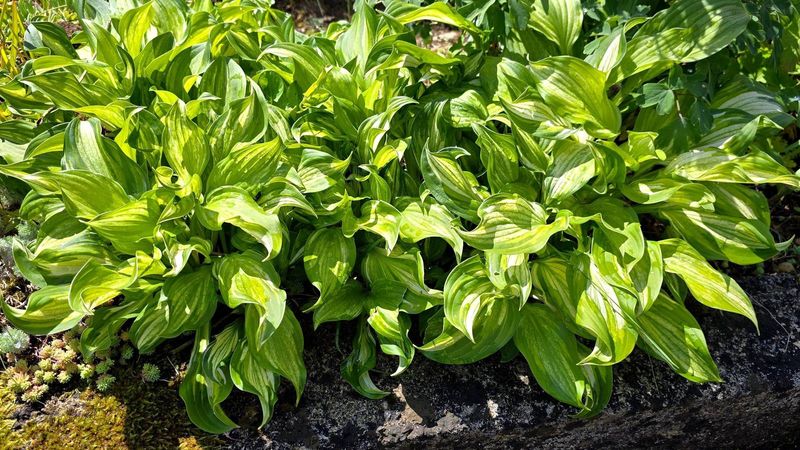
Hostas are a beloved shade garden staple across much of the United States, but Texas is not exactly their happy place.
These leafy perennials are built for cool, moist climates, and the hot, dry air of Texas makes them work hard just to stay alive. Without extra care, they tend to look tattered and burned by late summer.
The biggest enemy of hostas in Texas is the heat, especially when combined with low humidity and dry soil. Their large leaves lose moisture quickly, and without regular watering, the edges start to turn brown and crispy.
Once that happens, the plant loses most of its visual appeal for the rest of the season. Deep shade is an absolute must for hostas in Texas. Even a little bit of direct afternoon sun can cause serious leaf scorch in a very short time.
Planting them under large trees or along north-facing walls gives them the best shot at looking good.
Watering deeply and consistently is key to keeping hostas healthy in Texas. Shallow watering encourages weak roots that cannot handle heat stress.
Deep, thorough watering two to three times a week during summer helps the roots stay strong and the leaves stay lush.
Adding a thick layer of mulch around hostas helps keep the soil cool and moist between waterings. Organic mulch like shredded bark works especially well.
With the right location and steady care, hostas can still bring beautiful texture and color to shaded garden spots.
4. Impatiens
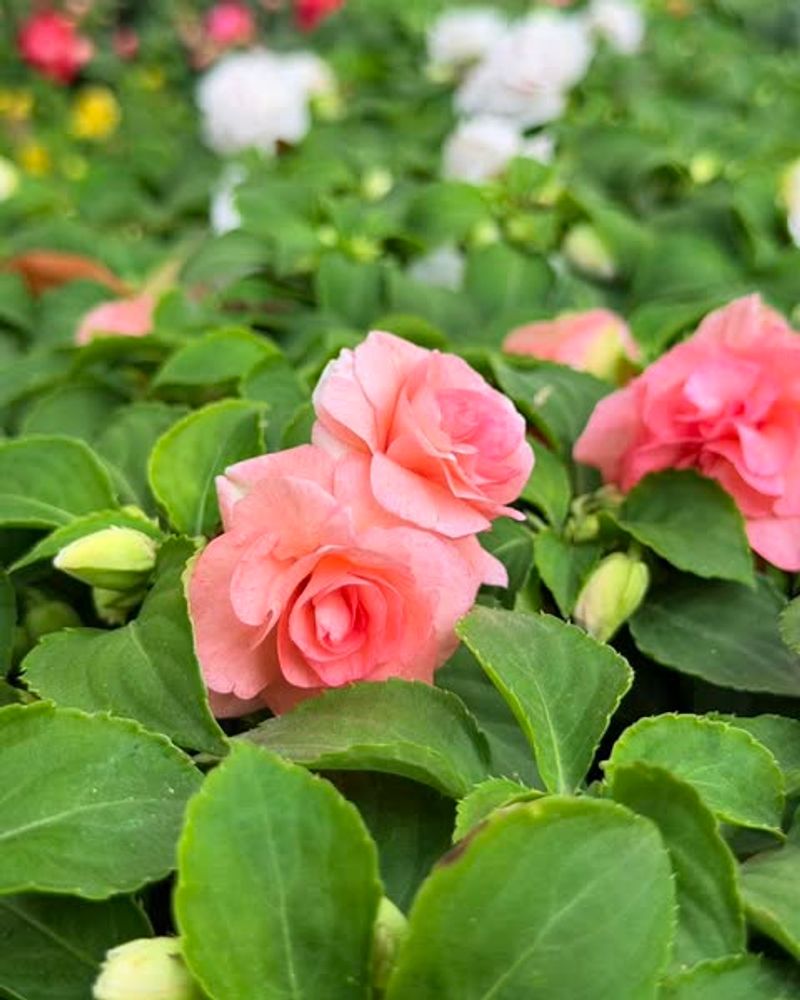
Walk through any garden center in spring and you will find impatiens everywhere, bursting with color in every shade imaginable.
They look cheerful and easy to grow, but traditional impatiens have a serious weakness: they absolutely hate heat. In Texas, that weakness gets tested every single summer.
Traditional impatiens start to struggle once temperatures climb above 90 degrees Fahrenheit. They wilt quickly, drop their flowers, and can look completely spent within just a few weeks of a Texas heat wave.
Without shade and consistent watering, they fade fast and rarely bounce back. Shade is non-negotiable for impatiens in Texas. Planting them in spots that get no direct afternoon sun gives them the best chance of surviving and blooming through summer.
Even with shade, they still need to be watered regularly because they are shallow-rooted plants that dry out fast.
New Guinea impatiens are a slightly tougher option for gardeners. They handle more sun than traditional varieties and tend to hold up better in warm conditions.
However, even these tougher types need consistent moisture and some protection from the harshest afternoon heat Texas throws at them.
Fertilizing impatiens every few weeks during the growing season keeps them blooming and looking full. A balanced, water-soluble fertilizer works well for this purpose.
With the right location, plenty of water, and regular feeding, impatiens can still bring cheerful color to shaded garden beds and containers all season long.
5. Bigleaf Hydrangeas
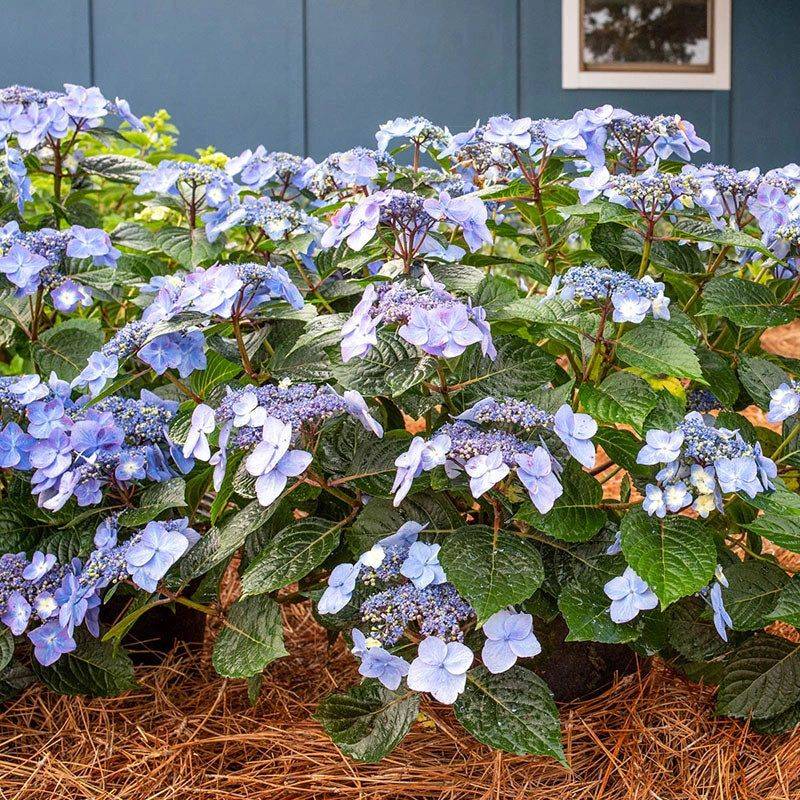
If regular hydrangeas are demanding in Texas, bigleaf hydrangeas take that challenge to a whole new level.
Known for their spectacular mophead and lacecap blooms, these plants are among the most heat-sensitive shrubs you can try to grow in the Lone Star State. They wilt fast and scorch easily when conditions get tough.
Bigleaf hydrangeas need more water than almost any other flowering shrub commonly grown in Texas gardens. During peak summer heat, they may need watering every single day to avoid wilting.
Missing even one hot afternoon can leave the entire plant looking completely collapsed by evening.
Leaf scorch is a constant battle with bigleaf hydrangeas in Texas. The large, thin leaves cannot handle intense sun exposure and begin to turn brown and crispy at the edges very quickly.
Planting them in a spot with morning sun only and heavy afternoon shade is absolutely essential for their survival here.
Bloom performance is another frustration with bigleaf hydrangeas in Texas. The flower buds set in late summer and fall, and a sudden cold snap or late freeze can wipe them out before they ever open.
This means that even with perfect summer care, you might not get many flowers the following season.
Reblooming varieties like Endless Summer offer a little more hope for gardeners because they can bloom on new growth as well as old. Still, even these improved types need serious attention and protection throughout the year to perform well in the Texas climate.
6. Astilbe
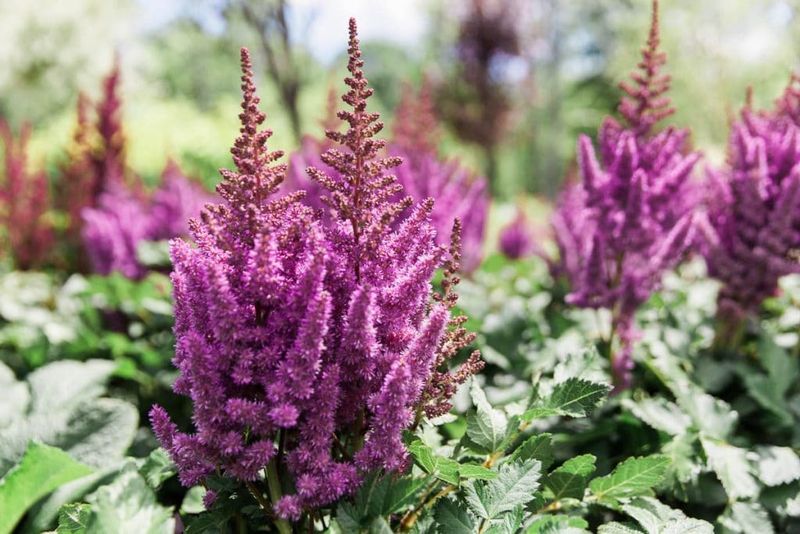
Astilbe is one of those plants that looks absolutely magical in the right setting, with its feathery plumes of pink, red, white, or purple rising above lush green foliage. The problem is that the right setting for astilbe looks almost nothing like a typical Texas summer.
This plant craves cool temperatures and steady moisture, two things Texas rarely offers for long.
Heat is astilbe’s biggest enemy in Texas. Once temperatures stay consistently above 85 to 90 degrees, astilbe begins to decline rapidly.
The foliage browns at the tips, the plumes fade quickly, and the plant can look completely exhausted by midsummer in most parts of the state.
Moisture is just as critical as shade for astilbe in Texas. The soil needs to stay consistently moist, almost like the conditions near a stream or pond.
Letting the soil dry out even briefly during a hot summer can cause serious damage to the root system and overall plant health.
Planting astilbe in deep shade and amending the soil with plenty of organic matter helps hold moisture longer. Compost mixed into the planting bed improves water retention significantly.
Adding a thick layer of mulch on top helps slow evaporation and keeps the soil cooler during the hottest parts of the day.
Some gardeners in Texas have success treating astilbe as an annual rather than a perennial. Planting fresh starts each spring and giving them heavy care through the season can produce beautiful results.
It takes effort, but the stunning blooms make many gardeners feel the work is absolutely worth it.
7. Delphiniums
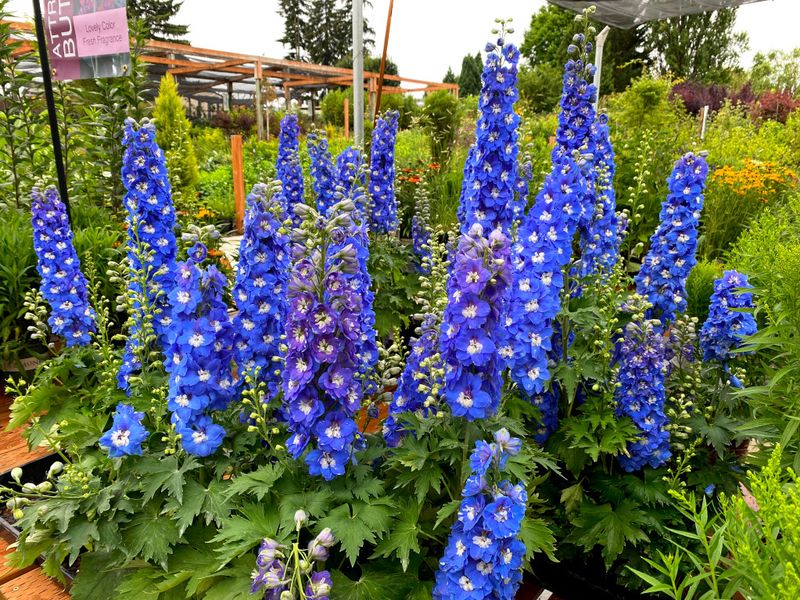
Tall, dramatic, and loaded with spikes of vivid blue, purple, or white flowers, delphiniums are the showstoppers of the perennial world. Gardeners everywhere dream of growing them, but in Texas, that dream comes with a serious reality check.
These plants are built for cool summers and mild conditions, which Texas simply does not offer for very long.
Delphiniums struggle most during summers because they need cool nights to thrive and set buds properly. When nighttime temperatures stay warm, the plant gets stressed and weakens over time.
That stress opens the door to a whole range of fungal diseases and pest problems that can take over quickly in the humid Texas climate.
Powdery mildew is one of the most common diseases that attacks delphiniums in Texas. The combination of warm temperatures and inconsistent moisture creates perfect conditions for this fungal problem to spread across the leaves and stems.
Once established, powdery mildew is hard to control and greatly reduces the plant’s overall health and appearance.
Some gardeners treat delphiniums as cool-season annuals, planting them in fall or very early spring to catch the brief window of mild weather. This approach can produce beautiful blooms before the intense heat sets in.
However, it requires replanting every year, which adds both cost and effort to your gardening routine.
Providing afternoon shade, excellent drainage, and regular fertilization gives delphiniums the best possible chance in Texas. Air circulation around the plants also helps reduce disease pressure.
With careful planning and consistent attention, you can enjoy their stunning color even in the challenging climate.