7 Unique Cactus Plants To Grow In Pennsylvania Gardens
Pennsylvania and cactus plants might not seem like an obvious pairing, but that assumption leaves out a surprisingly interesting group of cacti that can handle everything a Pennsylvania winter throws at them.
Most people picture cactus in the desert Southwest, not sitting in a mid-Atlantic garden under a few inches of snow.
The truth is that certain species are far tougher and more cold hardy than their reputation suggests, and they can add a texture and visual interest to Pennsylvania gardens that almost nothing else can match.
The dry summers, rocky soil, and sunny slopes that give Pennsylvania gardeners headaches are exactly the conditions these plants love.
Growing them is not a gimmick or a gardening experiment. It is actually one of the smarter low maintenance moves you can make, and the results tend to stop people in their tracks.
1. Eastern Prickly Pear (Opuntia Humifusa)
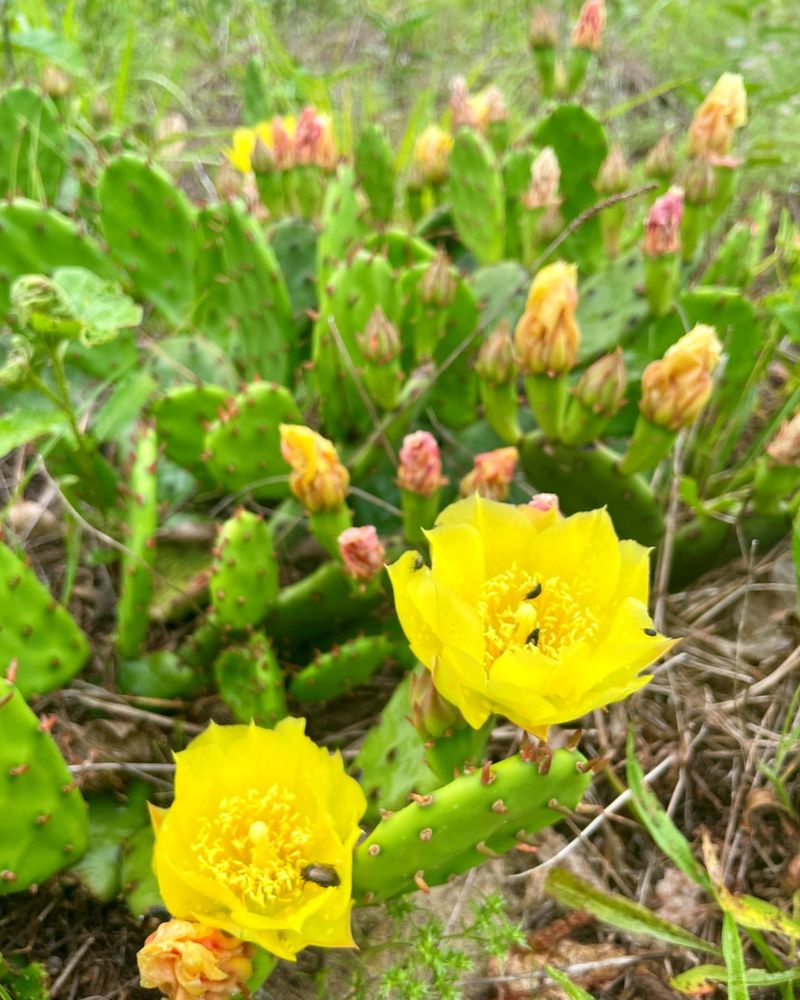
Native to the eastern United States, the Eastern Prickly Pear is the number one most reliable cactus you can grow in Pennsylvania.
It has been growing wild in this region for thousands of years, which means it already knows how to handle the cold, wet winters that scare off most other cacti. You will find it popping up naturally along roadsides and rocky hillsides across the state.
The flat, paddle-shaped pads are green and dotted with small clusters of spines. Every summer, the plant bursts into bloom with cheerful yellow flowers that can measure up to three inches wide.
After the flowers fade, the plant produces small red or purple fruits that are actually edible and can be used to make jelly or juice.
Planting this cactus is straightforward. Choose a spot in your Pennsylvania garden that gets at least six hours of full sun each day.
The soil must drain well, so avoid low spots where water tends to pool after rain. Sandy or gravelly soil works best, and you can mix perlite into regular garden soil to improve drainage.
Once established, Eastern Prickly Pear needs very little care. Water it occasionally during dry summer stretches, but do not overdo it.
Too much moisture is the main thing that causes problems for this plant. Hardy in USDA zones 4 through 9, it handles Pennsylvania winters without any special protection, making it a perfect starting point for first-time cactus growers.
2. Fragile Prickly Pear (Opuntia Fragilis)
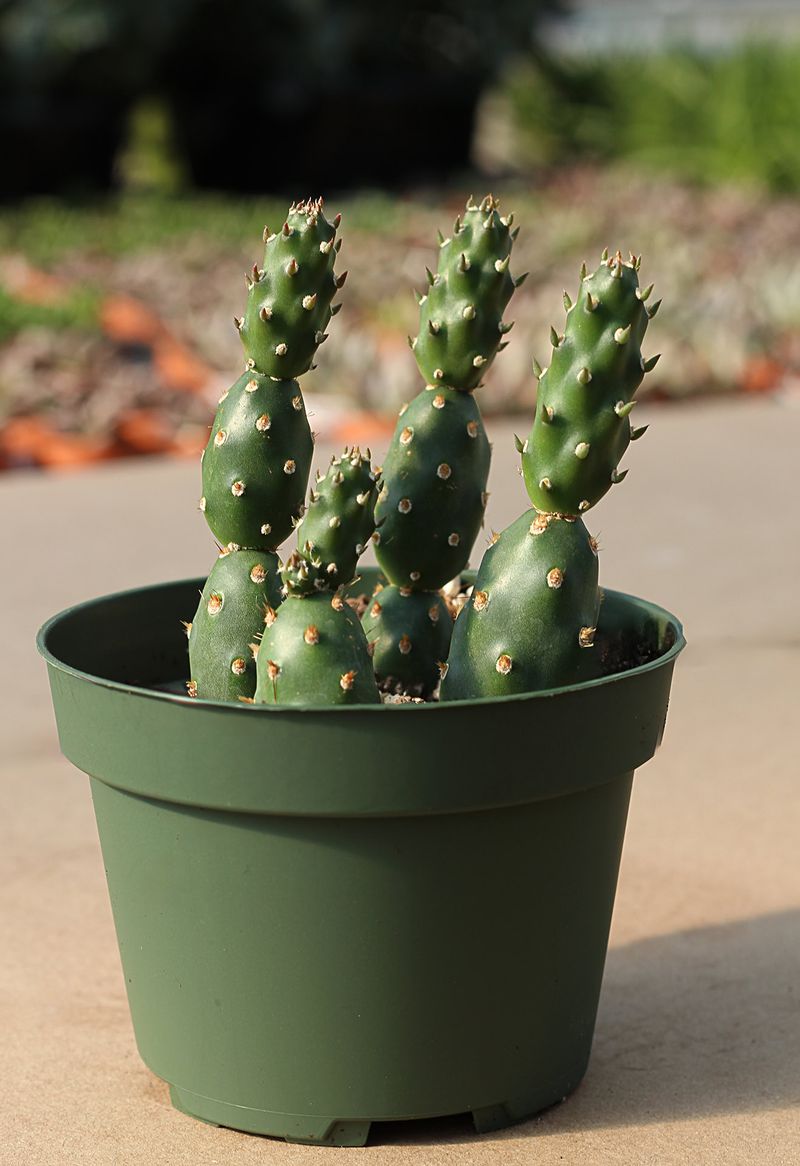
Do not let the name fool you. The Fragile Prickly Pear is one of the toughest little cacti you can find for a Pennsylvania garden.
It gets its name from its small pads, which detach easily when brushed against. That is actually a clever survival trick, because those pads stick to animals and get carried to new spots, helping the plant spread naturally.
Unlike many cacti, this species is incredibly cold-hardy. It can survive temperatures as low as minus 20 degrees Fahrenheit, which is far colder than anything Pennsylvania winters typically bring.
That kind of toughness makes it a fantastic choice for gardeners who worry about losing their plants during a brutal January cold snap.
Your Pennsylvania Garden Changes Every Week. Your Plan Should Too.
Gardening in Pennsylvania changes quickly throughout the season. Every Friday you’ll receive a simple weekly plan showing exactly what to plant, prune, fertilize, harvest, and protect so you never miss the right timing.
The Fragile Prickly Pear stays small and low to the ground, usually reaching only about four to six inches in height. Its compact size makes it ideal for rock gardens, alpine-style beds, or tucked between stepping stones in a sunny corner of your yard.
The yellow flowers that appear in late spring are small but bright and cheerful.
For best results in Pennsylvania, plant it in fast-draining, gravelly soil and give it a spot with full sun all day. Avoid planting it where it might sit in standing water during winter, since excess moisture combined with freezing temperatures is the main challenge for this plant.
Once settled in, it spreads slowly and quietly, filling in gaps in your garden with a rugged, natural charm that requires almost zero effort from you.
3. Plains Prickly Pear (Opuntia Macrorhiza)
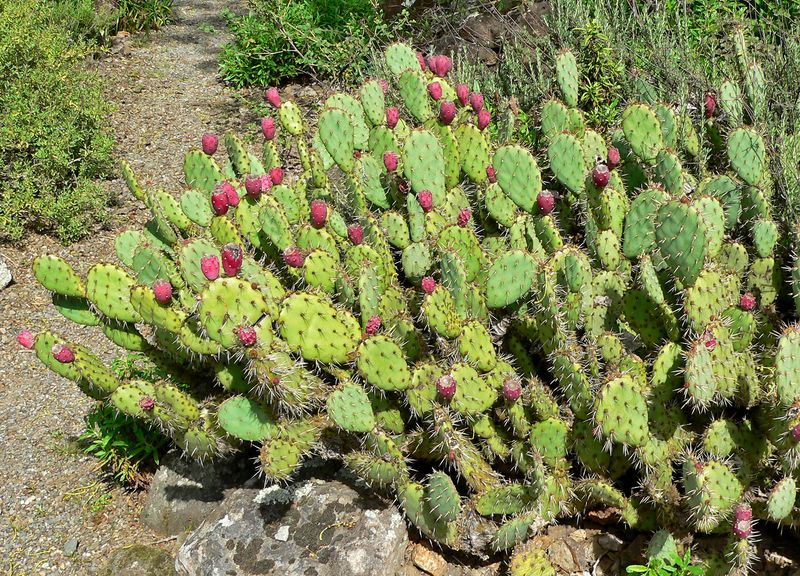
If you want a cactus that makes a bold statement in your Pennsylvania garden, the Plains Prickly Pear is calling your name.
Its pads are noticeably larger than those of other prickly pears, giving it a strong, eye-catching presence that stands out even from a distance.
When it blooms in late spring or early summer, the showy yellow flowers are simply stunning.
Originally from the Great Plains of North America, this species has adapted to handle wide swings in temperature and low rainfall. That background makes it well-suited for Pennsylvania gardens, where summers can be warm and humid while winters get genuinely cold.
It is hardy in USDA zones 3 through 9, so it can handle conditions much harsher than what most of the state experiences.
One interesting thing about this cactus is that its large root system helps it store water during dry periods. That means even if you forget to water it during a summer drought, it will likely pull through just fine.
Plant it in full sun with well-drained soil, and it will reward you season after season with minimal fuss.
In a Pennsylvania garden, the Plains Prickly Pear works beautifully in dry garden borders, raised beds, or along sunny slopes where water runs off quickly.
Pair it with ornamental grasses or native wildflowers for a low-maintenance, drought-tolerant display that looks great from spring through fall. The bold texture of its pads adds structure to the garden even when it is not in bloom.
4. Claret Cup Cactus (Echinocereus Triglochidiatus)
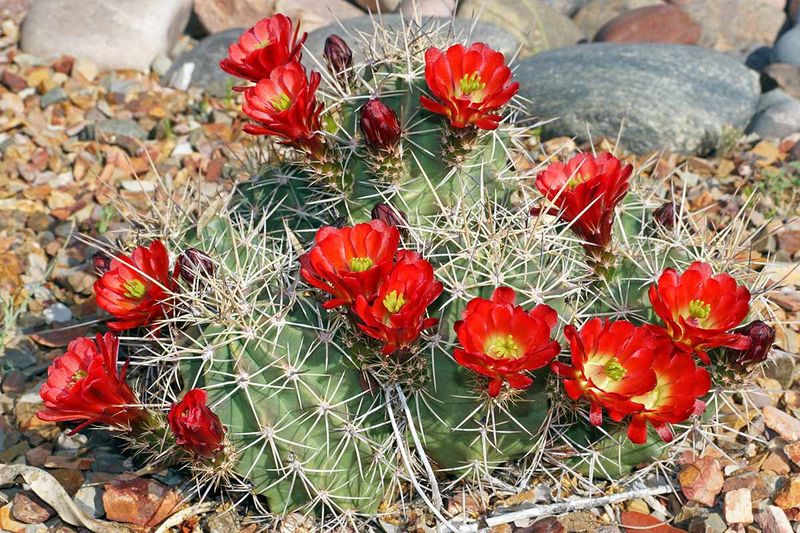
Imagine a cactus that lights up your Pennsylvania garden with the most vivid, fire-engine-red flowers you have ever seen. That is exactly what the Claret Cup Cactus delivers every spring.
The blooms are tubular and bright scarlet, and they attract hummingbirds like a magnet. If you have ever wanted to bring more wildlife into your garden, this cactus is a fantastic way to do it.
The Claret Cup grows in clumping mounds of cylindrical green stems covered in sharp spines. Over the years, a single plant can spread into an impressive cluster that becomes a real focal point in the garden.
It is a slow grower, so patience pays off, but the dramatic floral display each season makes the wait completely worthwhile.
Growing this cactus successfully in Pennsylvania requires one key thing: excellent drainage. The Claret Cup is somewhat cold-tolerant, but it struggles when its roots sit in wet soil during winter.
Raised beds, sloped areas, or gravelly mixes are your best options. Adding a layer of gravel mulch around the base of the plant helps keep excess moisture away from the crown.
Plant it in a south-facing spot that soaks up full sun all day long. Once established, it needs very little water, especially during the cooler months.
In Pennsylvania, it is a good idea to cover it lightly with a breathable frost cloth during extended periods of freezing rain or heavy snow. With the right setup, this striking cactus will thrive and reward you with those brilliant red blooms year after year.
5. Spinystar Cactus (Escobaria Vivipara)
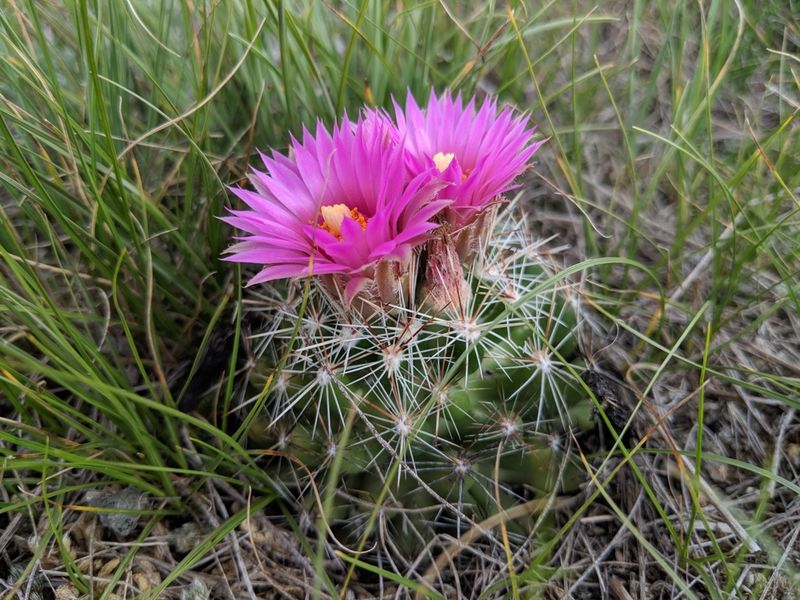
Small but mighty, the Spinystar Cactus is one of those plants that surprises everyone who grows it. At first glance, it looks almost too delicate for Pennsylvania winters.
But this little globe-shaped cactus is far more cold-hardy than its appearance suggests, handling temperatures well below freezing without missing a beat.
What really makes the Spinystar stand out is its flowers. In late spring or early summer, the plant produces a ring of soft pink to lavender blooms right at the top of the stem.
The contrast between the dense, silvery-white spines covering the body and the pastel-colored flowers is genuinely beautiful. It is a showstopper in any rock garden or alpine-style planting.
Did you know? The name “vivipara” refers to the plant’s ability to produce offsets, or small baby plants, directly from the parent.
Over time, a single Spinystar Cactus can slowly multiply into a small cluster, adding even more visual interest without any extra effort on your part.
For Pennsylvania gardeners, the key to success with this species is choosing the right planting spot. Full sun is essential, and the soil must drain quickly after rain.
Gravel beds or containers with drainage holes work extremely well. Avoid planting it anywhere that stays damp for long periods, especially in winter.
Because of its small size, it also works nicely in container gardens that can be moved to a sheltered spot during the harshest winter weather. It is a charming, low-effort addition to any Pennsylvania cactus collection.
6. Devil’s Tongue (Opuntia Compressa)
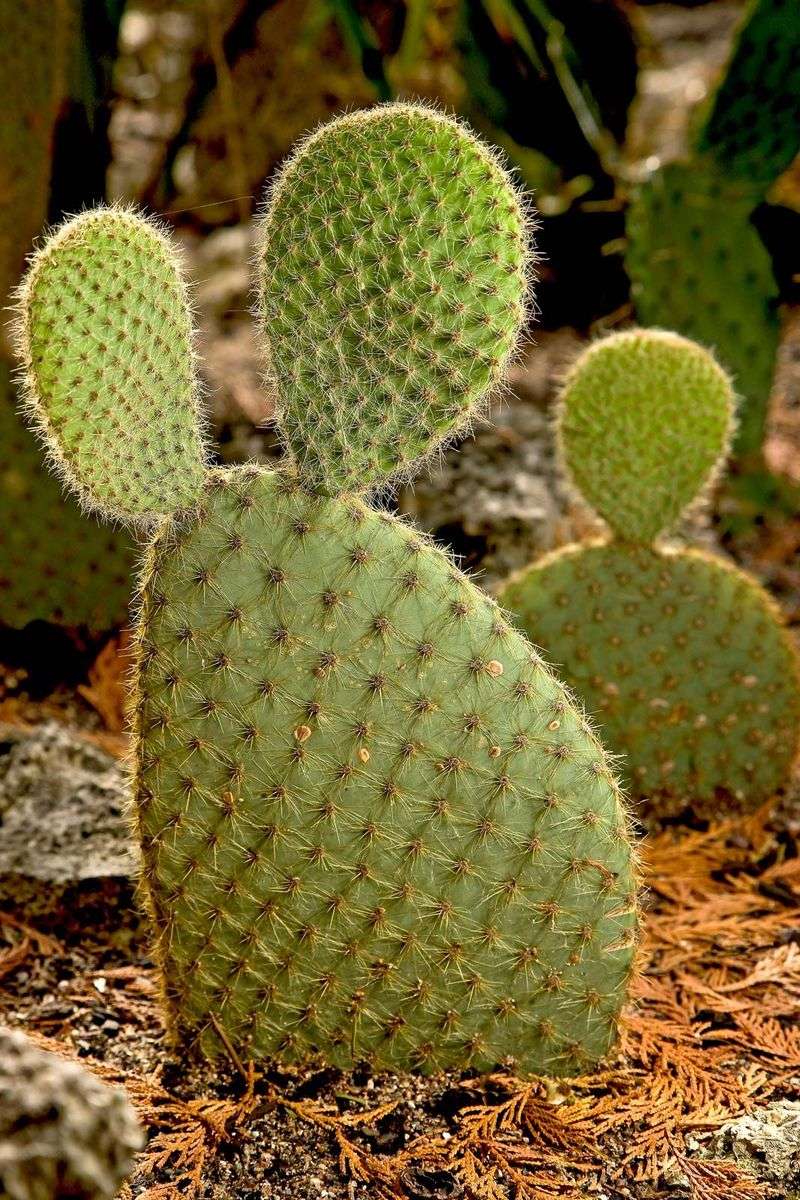
With a name like Devil’s Tongue, you might expect something dramatic and dangerous. In reality, this low-growing cactus is one of the most well-behaved and adaptable plants you can add to a Pennsylvania garden.
It hugs the ground closely, rarely growing more than a few inches tall, which makes it an excellent ground cover for sunny, dry spots where other plants struggle.
Closely related to the Eastern Prickly Pear, Devil’s Tongue shares many of the same toughness qualities that make its cousin so popular in Pennsylvania. It is native to the eastern United States and has naturally adapted to the region’s mix of hot summers and cold winters.
That native heritage means it fits right into Pennsylvania landscapes without needing much extra help from the gardener.
The pads are flatter and more compressed than other prickly pears, giving the plant a distinctive, low-profile look. In summer, bright yellow flowers appear along the edges of the pads, adding a cheerful pop of color.
The plant also produces small, club-shaped fruits that turn reddish-purple when ripe. Planting Devil’s Tongue is easy. Find a spot with full sun and well-drained soil, and you are basically done.
It thrives in sandy or rocky conditions and tolerates drought remarkably well once established. In Pennsylvania, it works beautifully along sunny garden borders, in naturalistic plantings, or cascading over the edge of a dry stone wall.
Its native look blends seamlessly with wildflowers and ornamental grasses for a relaxed, natural garden style that feels right at home in the region.
7. Whipple Cholla (Cylindropuntia Whipplei)
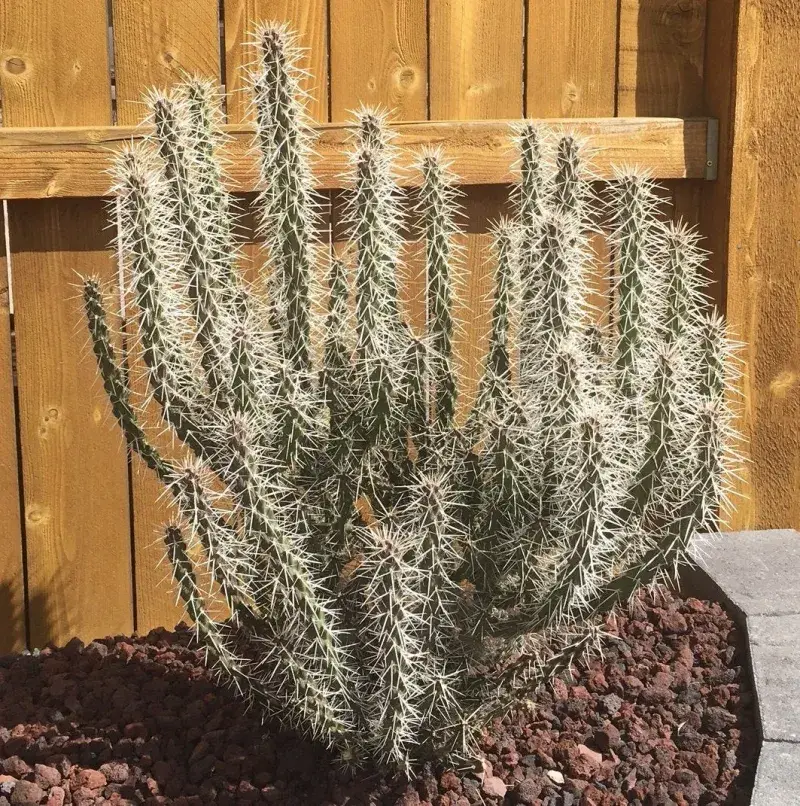
For gardeners in Pennsylvania who want something truly out of the ordinary, the Whipple Cholla is about as unique as it gets.
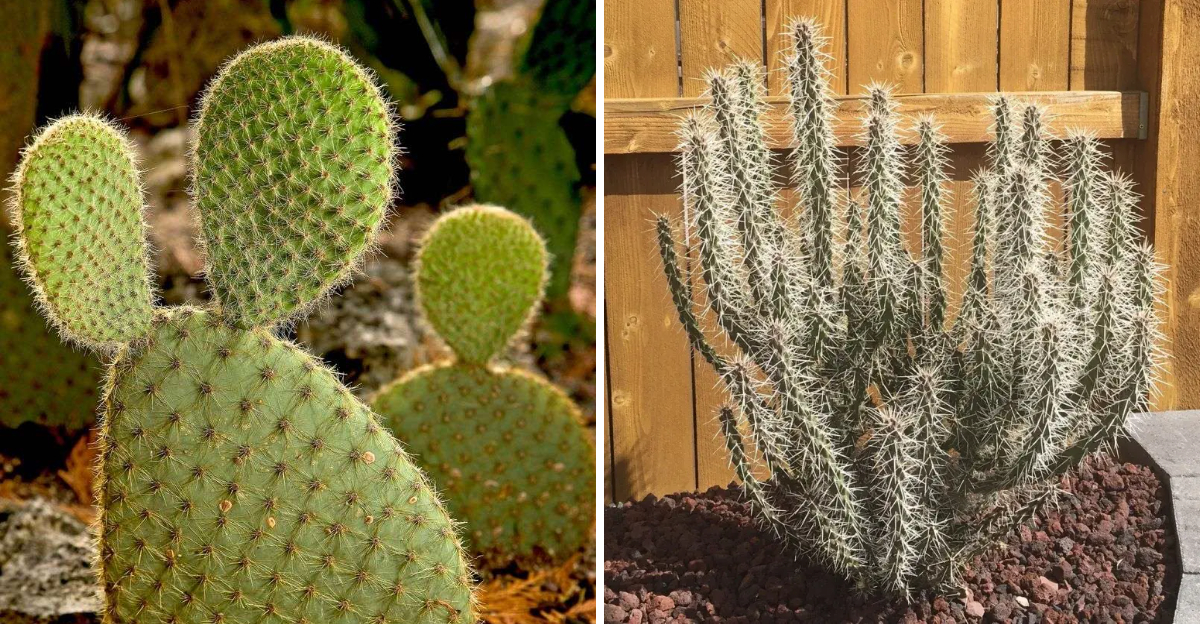
Unlike flat-padded prickly pears, this cactus grows with cylindrical, segmented stems covered in dense, interlocking spines that give it a fuzzy or silvery appearance from a distance. Up close, those spines are formidable, so handle it with thick gloves.
The Whipple Cholla is not the most common cactus you will find at a nursery, which makes it a real conversation starter in any Pennsylvania garden. It grows in an upright, branching form that adds vertical interest and architectural structure to dry garden spaces.
When it blooms, the flowers range from yellow-green to cream, creating a subtle but interesting contrast against the spiny stems.
Cold hardiness is one of this cactus’s underrated strengths. With the right conditions, it can survive in climates colder than its natural range in the American Southwest might suggest.
The most important factor in Pennsylvania is drainage. This plant absolutely cannot tolerate wet soil in winter.
Raised beds, rocky slopes, and mounded planting areas are all excellent choices for keeping its roots dry during the wet season.
Full sun is non-negotiable for the Whipple Cholla. Plant it where it will receive direct sunlight for most of the day, and keep it away from areas that collect standing water.
A gravel mulch around the base of the plant helps manage moisture levels. For Pennsylvania cactus enthusiasts looking to expand beyond the usual prickly pear options, the Whipple Cholla offers a bold, sculptural look that is hard to match with any other plant.