These Native Oregon Ground Covers Are So Dense Weeds Simply Can’t Break Through
Weeds need two things to take over a garden bed: bare soil and open light. Take both away and they have nothing to work with.
That is exactly what the right native groundcover does. Oregon has a strong selection of native low-growing plants that spread thick enough and fast enough to shut weeds out completely once they get established.
No herbicide, no constant pulling, no landscape fabric that eventually breaks down and makes things worse.
The state’s wet winters and mild summers give native groundcovers ideal conditions to root in deep and spread wide.
By the time dry season hits, they are locked in and holding the soil so tightly that weed seeds sitting underneath simply never get the light they need to sprout.
For gardeners tired of fighting the same weeds in the same spots every season, this is the kind of solution that actually sticks.
1. Evergreen Violet
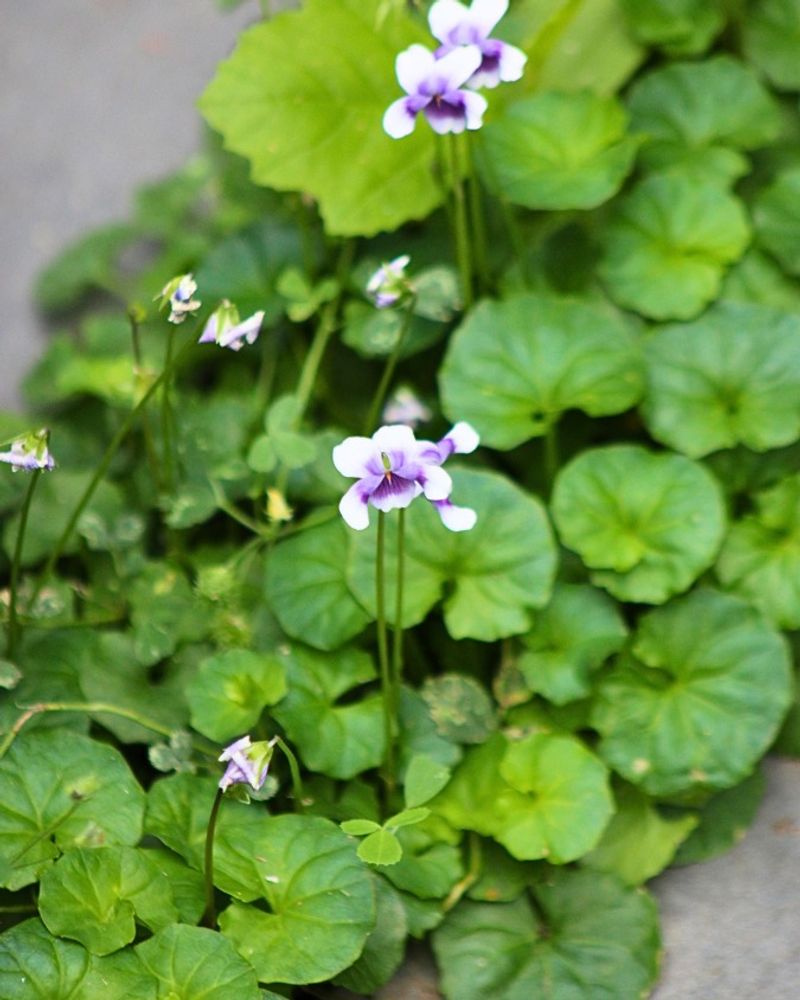
Few plants are as quietly impressive as the evergreen violet. It creeps along the ground with glossy, heart-shaped leaves that stay green through even the coldest winters.
That thick carpet of foliage is exactly what makes it such a powerful weed fighter.
Native to the Pacific Northwest, this little plant thrives in shady spots under Douglas firs, cedars, and big-leaf maples. It spreads steadily by sending out runners, slowly filling in gaps and forming a dense, low mat.
Weeds have almost no chance once it gets going because the leaves block light right at the soil level.
Planting is simple. You can start with small nursery plugs or divisions from an established patch.
Give it decent moisture while it gets settled, and it will reward you with nearly zero maintenance afterward. It does not need fertilizer or much fussing.
In spring, tiny yellow flowers appear above the leaves, adding a cheerful pop of color to shaded garden beds. Butterflies and native bees love these blooms.
The flowers are small but plentiful, and they give the plant an extra layer of charm beyond just weed control.
If you have a tricky shaded area where grass will not grow and weeds keep sneaking in, this is your answer. It is tough, reliable, and genuinely beautiful.
Gardeners who have tried it rarely go back to anything else for woodland-style plantings.
2. False Lily Of The Valley
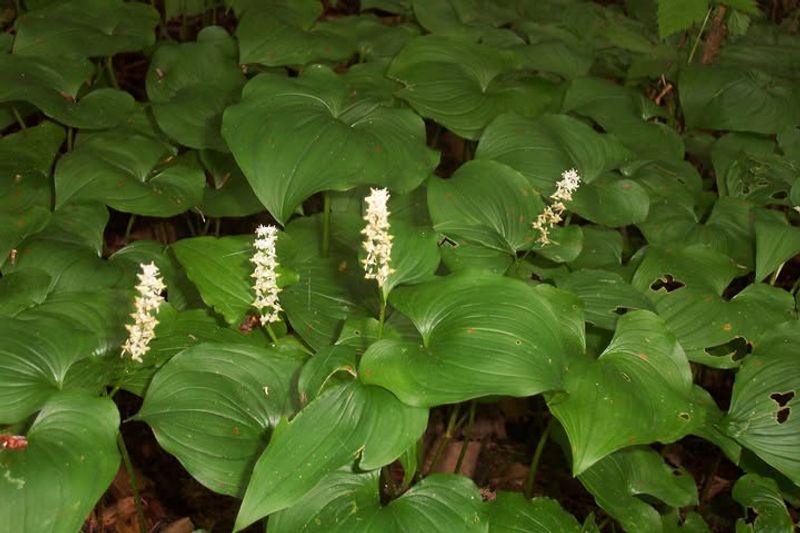
There is something almost magical about the way false lily of the valley takes over a shaded corner. Broad, glossy leaves emerge in spring and spread outward with real determination, creating a lush green carpet that feels like it belongs deep in an old-growth forest.
This native plant is scientifically known as Maianthemum dilatatum. It grows from underground rhizomes that spread steadily year after year.
Once a colony gets established, it becomes nearly impossible for weeds to muscle their way through. The leaves overlap and shade the soil so completely that weed seeds simply cannot find enough light to sprout.
It thrives in moist, shaded spots, which makes it perfect for rainy west side. Plant it under tall trees, along north-facing fences, or in any spot that stays damp and cool.
Your Oregon Garden Changes Every Week. Your Plan Should Too.
Gardening in Oregon changes quickly throughout the season. Every Friday you’ll receive a simple weekly plan showing exactly what to plant, prune, fertilize, harvest, and protect so you never miss the right timing.
It handles heavy clay soils better than most ground covers, which is a real bonus for gardeners.
In late spring, delicate white flower spikes rise above the foliage. They are fragrant and attract small pollinators.
By summer, tiny red berries appear, which birds absolutely love. So you get weed control, flowers, and wildlife habitat all in one package.
Spreading it around is easy. Divide clumps in fall or early spring and replant sections wherever you need coverage.
Within two to three seasons, you will have a thick, weed-smothering mat that practically runs itself. It is one of the most rewarding native plants you can grow.
3. Dewberry
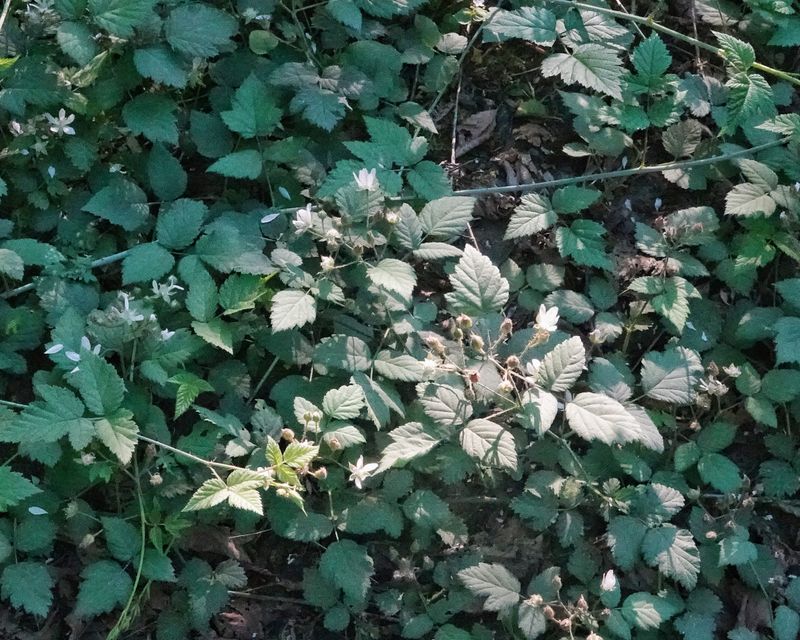
Bold, thorny, and surprisingly beautiful, Pacific dewberry is not your average ground cover. It sprawls and trails across the ground with long, arching canes that root wherever they touch the soil.
That growth habit makes it one of the most effective weed blockers on this entire list.
Rubus ursinus is Oregon’s native blackberry cousin. Unlike the invasive Himalayan blackberry that takes over roadsides, this one plays much nicer in the garden.
It stays lower to the ground and does not climb aggressively into shrubs or trees. Still, it spreads wide enough to cover large areas quickly.
The thorns are actually a benefit in some situations. They discourage foot traffic and keep animals from trampling garden edges.
The dense canes form a physical barrier that most weeds simply cannot push through. Light cannot reach the soil underneath, so weed germination is almost completely shut down.
White flowers bloom in early spring, and they are a favorite stop for native bees and butterflies. By summer, small, intensely flavorful blackberries ripen.
They are sweeter and more complex than store-bought berries. Birds, foxes, and even deer enjoy them, making this plant a wildlife magnet.
Plant it on slopes, along woodland edges, or in areas where erosion is a concern. The roots grip the soil firmly and prevent washouts during heavy rains.
Give it full sun to part shade and average soil moisture. It is drought-tolerant once established and needs almost no care to thrive long-term.
4. Licorice Fern
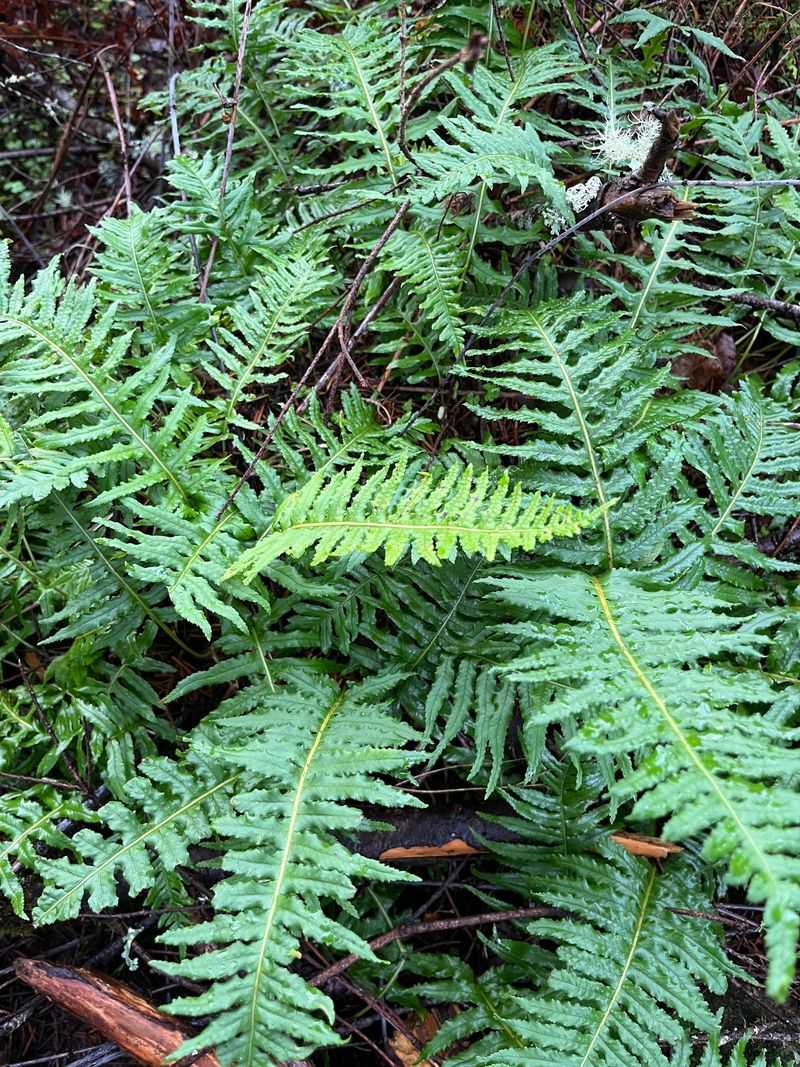
Rooted into mossy logs, rocky slopes, and the bases of big maple trees, licorice fern has one of the most distinctive personalities of any native plant. It actually goes dormant in summer when things dry out, then springs back to life with the fall rains.
That unusual rhythm makes it a real conversation starter in any garden.
The fronds are long, arching, and a vivid shade of bright green. They grow in thick clusters that overlap beautifully, forming a lush mat across the ground or across rocky surfaces.
Weeds find it almost impossible to establish in the dense shade created by those overlapping fronds.
It spreads through underground rhizomes, which have a mild licorice flavor when chewed. Indigenous peoples across the Pacific Northwest used the rhizomes for flavoring and medicine for thousands of years.
That connection to local history adds a layer of meaning to growing it in your own yard.
Licorice fern is perfect for shaded rock gardens, under large deciduous trees, or draped over mossy boulders. It prefers moisture and shade, so the west side climate suits it extremely well.
It handles poor, rocky soil with ease, which is rare among ground covers.
Getting it started is the trickiest part. Buy nursery-grown plants and keep them well-watered through their first summer.
After that, they are remarkably self-sufficient. By the second or third year, the colony will have spread enough to meaningfully suppress weeds across a good-sized area.
5. Salal
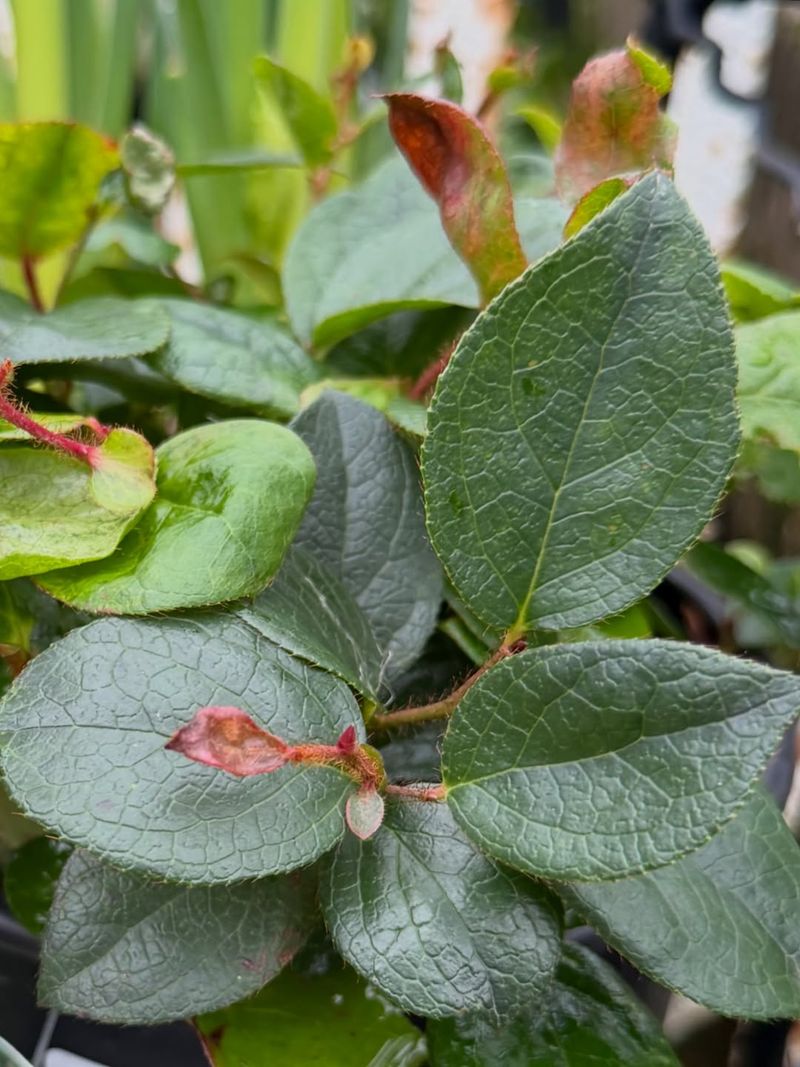
Ask any Pacific Northwest florist about salal and their eyes will light up. Those thick, waxy, deep-green leaves are used in bouquets and floral arrangements all over the world.
But in the garden, salal is so much more than a pretty leaf. It is a powerhouse ground cover that takes weed suppression seriously.
Gaultheria shallon grows anywhere from knee-high to shoulder-high depending on conditions. In dense shade, it stays lower and spreads outward in a thick, layered mat.
In more open spots, it grows taller and bushier. Either way, nothing much grows underneath it.
The dense canopy of leathery leaves simply does not allow it.
It spreads through underground stems called rhizomes, slowly expanding its territory in all directions. Once you have a healthy colony going, it becomes a self-maintaining system.
You do not need to weed it, water it much, or add fertilizer. Oregon’s natural rainfall handles most of its needs.
Pink and white bell-shaped flowers appear in spring and are adored by hummingbirds and native bees. Dark purple berries follow in late summer.
Indigenous communities across the Northwest have eaten and used these berries for centuries. Bears, grouse, and many other wildlife species rely on them too.
Plant salal in part to full shade with well-drained, acidic soil. It pairs beautifully with sword ferns, Oregon grape, and trillium in woodland garden designs.
Give it a couple of seasons to settle in and it will reward you with decades of nearly effortless weed control and genuine natural beauty.
6. Yerba Buena
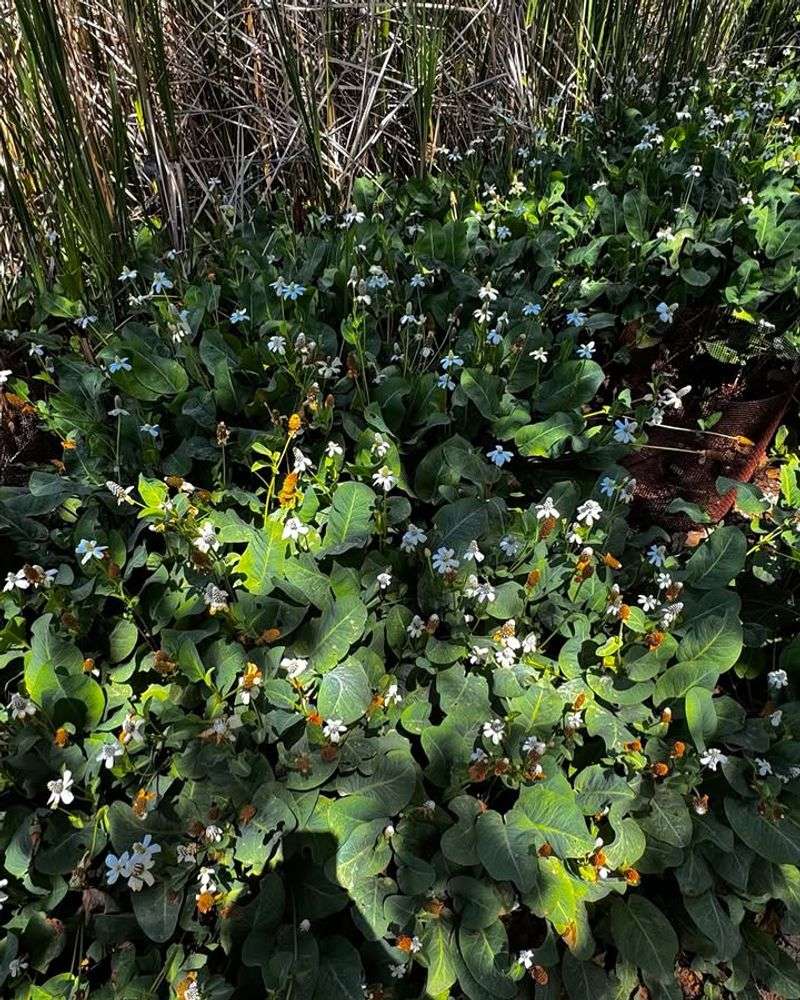
There is a reason early Spanish settlers named this plant yerba buena, which means good herb. Brush your hand across its small, rounded leaves and you get an immediate burst of minty, refreshing fragrance.
It is one of the most pleasant-smelling ground covers you will ever grow, and it happens to be a native Oregonian.
Clinopodium douglasii is a low-growing, trailing plant that hugs the ground closely. It spreads along slender stems that root at the nodes, slowly weaving a tight, fragrant mat across the soil surface.
That mat shades the ground effectively, leaving very little room or light for weeds to find their footing.
It thrives in light to moderate shade with well-drained, somewhat dry soil. Once established, it handles summer dry spells without much help.
That drought tolerance makes it especially useful in spots under large conifers where the soil stays dry even in winter.
Tiny white to pale pink flowers bloom in summer. They are small but charming, and native bees visit them regularly.
The foliage can be harvested and used to make a pleasant herbal tea with a light mint flavor. Indigenous peoples across California and the Pacific Northwest used it medicinally for centuries.
If you want a ground cover that smells wonderful, looks tidy, and actually works hard against weeds, this one checks every box. It is not aggressive or invasive.
It simply does its job quietly and reliably, season after season, without demanding much attention from you in return.
7. Oregon Oxalis
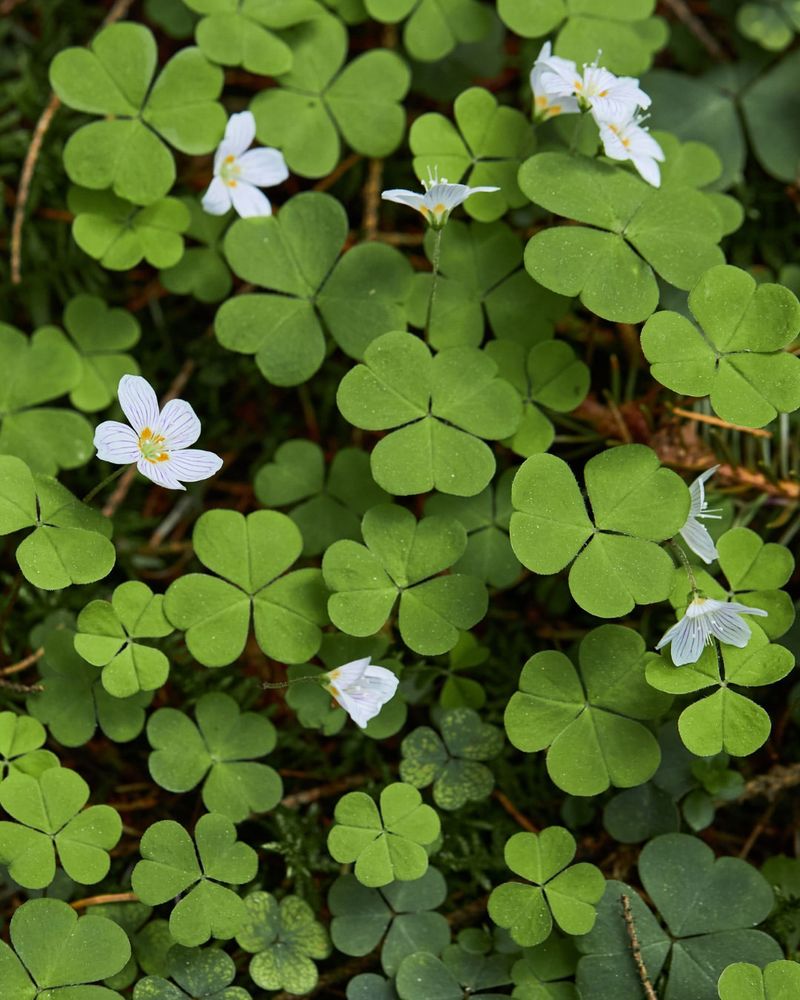
Walk through almost any shaded Oregon forest and you will likely be walking on Oregon oxalis without even realizing it. This cheerful little plant blankets the ground beneath old-growth trees in a dense, unbroken carpet of clover-shaped leaves.
It is one of nature’s most efficient weed blockers, and it looks absolutely stunning while doing the job.
Oxalis oregana spreads through a network of shallow rhizomes, quietly filling in every available inch of shaded ground. The leaves fold downward at night and in bright light, a quirky behavior that makes it fun to observe.
In deep shade, the leaves stay open wide, maximizing the light they can capture and keeping the ground covered at all times.
Pink or white flowers appear from spring through early summer, dotting the green carpet with delicate blooms. They are small and simple, but there are enough of them to make a real visual impact across a large planting.
Native pollinators visit them regularly, especially early in the season when other flowers are scarce.
It grows best in moist, shaded spots with rich, organic soil. Under big-leaf maples, Douglas firs, or along the shaded side of buildings are ideal locations.
It does not handle full sun or dry conditions well, so keep that in mind when choosing a planting site.
Establishing it is as simple as planting nursery plugs about eight inches apart and keeping them moist. Within one to two seasons, they will knit together into a solid, weed-resistant mat that needs almost zero maintenance going forward.
8. Twinflower
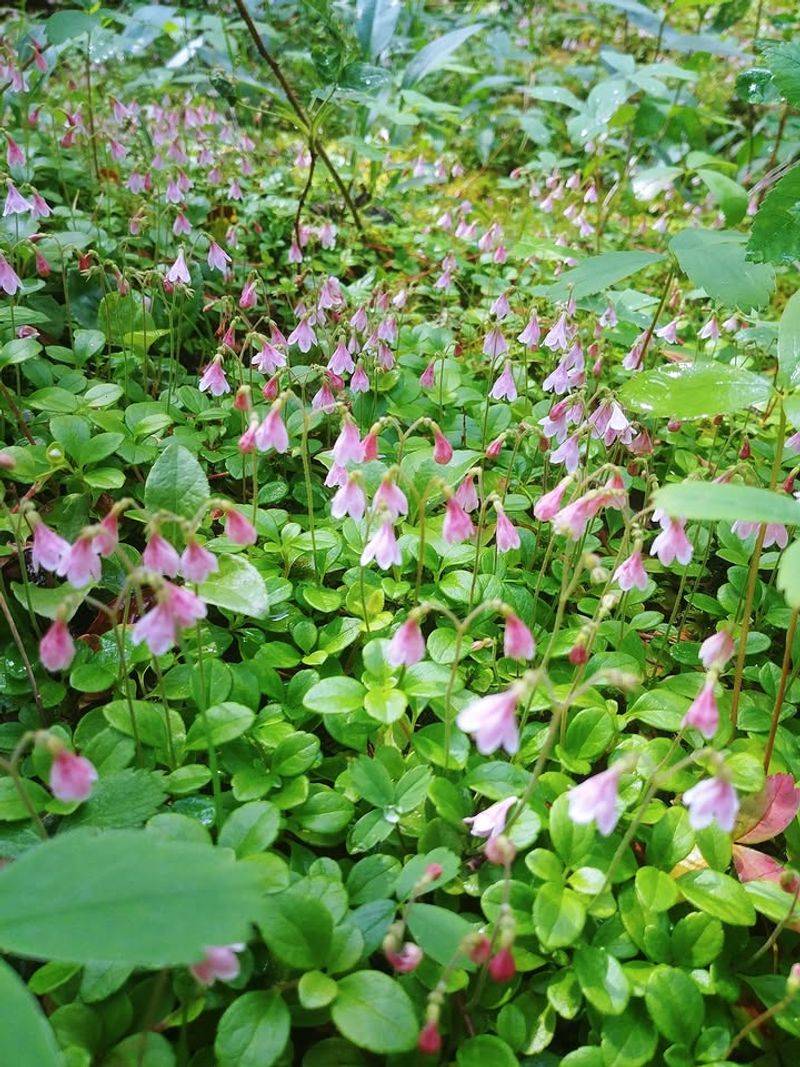
Named after the legendary botanist Carl Linnaeus, twinflower carries a touch of scientific history wherever it grows. Linnaeus reportedly loved this plant so much that it was chosen to bear his name.
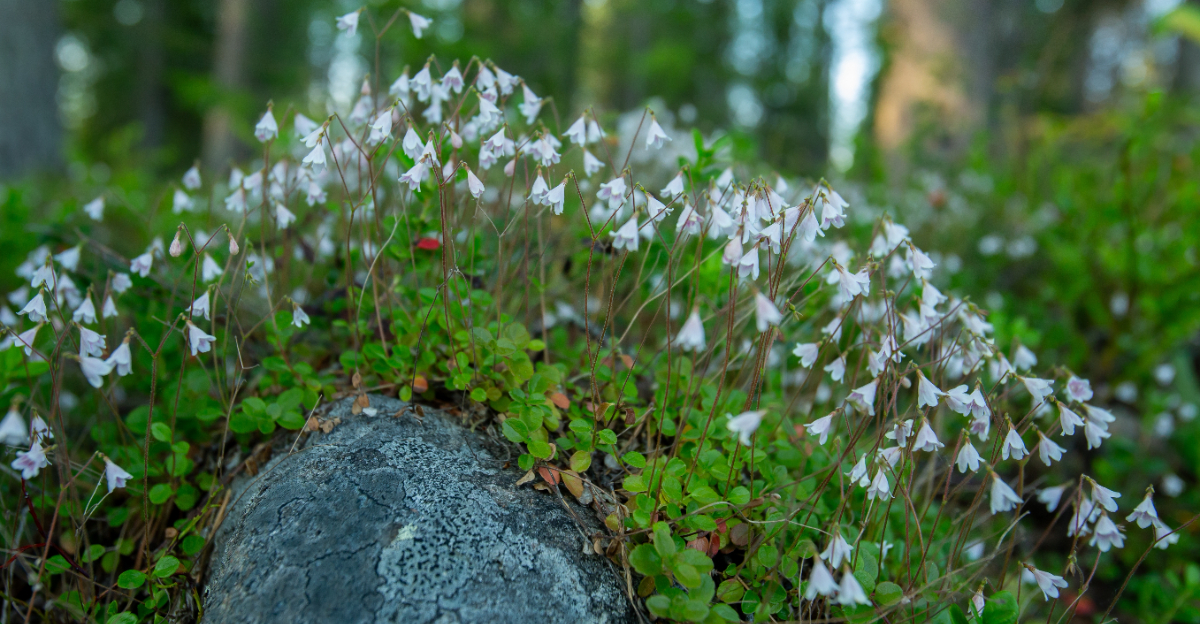
Once you see it in bloom, it is easy to understand why. Pairs of tiny pink bell-shaped flowers nod gently above a dense mat of small, rounded leaves, creating one of the most charming sights in any woodland garden.
Linnaea borealis is a slow-growing but persistent creeper. It spreads along thin, wiry stems that hug the ground and root at intervals, gradually building a tight, low mat.
That mat is dense enough to shade out most weed seedlings once it covers enough ground. Patience is required, but the payoff is worth every bit of the wait.
It thrives in cool, moist, shaded conditions, which describes a huge portion of western landscape. Acidic, well-drained soil rich in organic matter suits it best.
Planting it near conifers or under a canopy of native shrubs gives it the conditions it loves most.
The flowers are mildly fragrant and bloom in early summer. Native bees and small butterflies visit them for nectar.
After flowering, the plant simply continues spreading, adding more coverage each year with very little help from you.
Start with nursery plants and space them about six inches apart. Keep them watered through the first summer.
After that, twinflower tends to handle rainfall on its own and steadily expands into a beautiful, weed-suppressing mat year after year.
9. Kinnikinnick
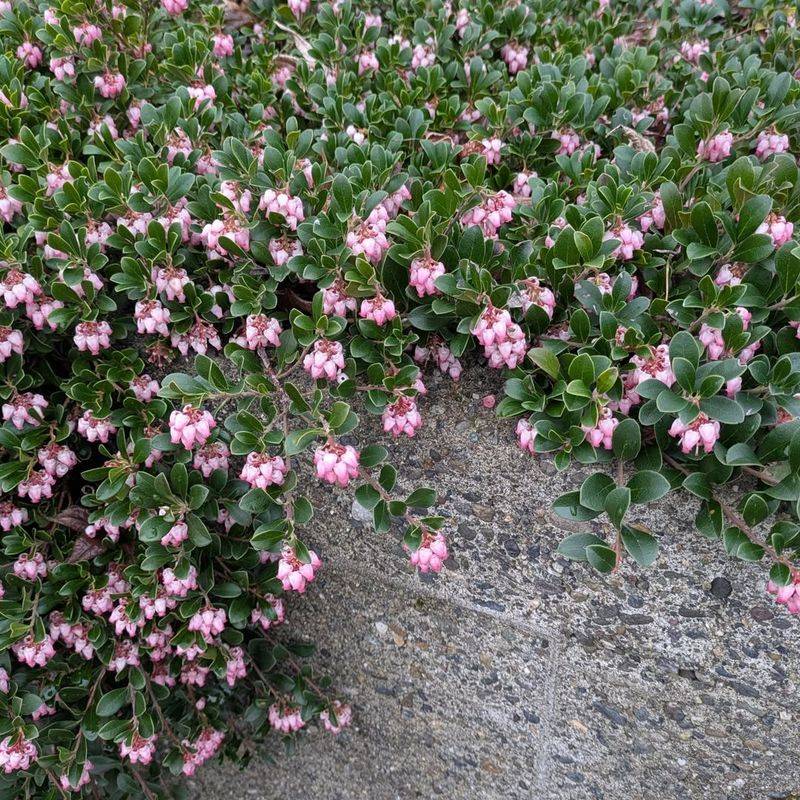
Tough as nails and stunning in every season, kinnikinnick is the ground cover that sunny slopes have been waiting for. It forms a thick, evergreen mat of small, glossy leaves that hugs the ground so tightly that weeds simply have nowhere to go.
Even in summer drought, it stays green and healthy while everything around it struggles.
Arctostaphylos uva-ursi is one of the most widely distributed native plants in North America. It grows from Alaska down through Oregon and across the Rocky Mountains.
That broad range tells you everything you need to know about its toughness. It handles cold, heat, drought, and poor soil without complaint.
Tiny pink urn-shaped flowers bloom in early spring, attracting native bees right when they need food most. By fall, bright red berries appear and persist through winter, providing a critical food source for birds including robins, waxwings, and grouse.
Few ground covers offer that kind of year-round wildlife value.
Plant it on sunny slopes, in rock gardens, along driveways, or anywhere that gets full sun and has well-drained soil. It spreads steadily through layering, with branches rooting where they touch the ground.
Over time, it builds a dense, interconnected mat that is nearly impenetrable for weeds.
Once established, it needs almost no irrigation, no fertilizer, and no pruning. It is one of the most genuinely low-maintenance native plants you can grow.
For dry, sunny problem spots where nothing else seems to work, kinnikinnick is the answer you have been looking for all along.