The Simple Things Every Floridian Can Do To Protect Our Bees
Floridians know sunshine, citrus, and backyard blooms go hand in hand, but here’s the sting: our bees need more help than most people realize. And no, you do not need a giant wildflower meadow or a beekeeper suit to make a difference.
The small choices you make in your yard, patio, balcony, or even at the garden center can give local pollinators a fighting chance. Sounds simple, right?
It can be, but a few everyday habits may be hurting bees without you even noticing.
Florida’s long growing season gives gardeners a rare chance to offer food, shelter, and safer spaces almost year-round.
So, what can you do without turning your whole life upside down? Start with the basics, skip the common traps, and let your little corner of the Sunshine State become part of the solution.
1. Plant Native Blooms That Keep Bees Fed
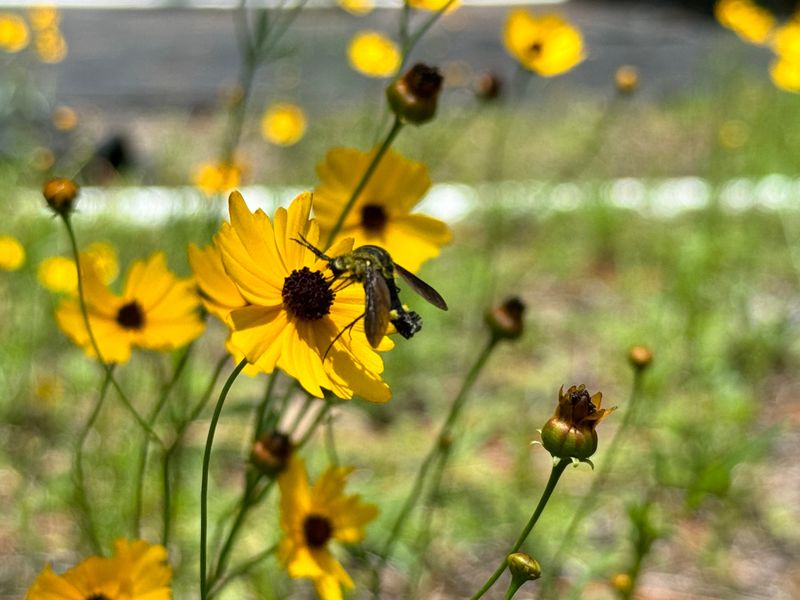
Coreopsis, often called tickseed, is the state wildflower for a reason. It blooms in cheerful yellow clusters and supports a wide range of native bees.
Goldenrod, blazing star, and dune sunflower are equally reliable, offering nectar and pollen across different seasons so bees always have something to find.
Native plants have evolved alongside local bees over thousands of years. That long relationship means the pollen from a native bloom is often a better nutritional match for native bees than the pollen from an ornamental hybrid.
Black-eyed Susan, dotted horsemint, buttonbush, and partridge pea are all excellent choices that thrive in local conditions without heavy watering or fertilizing.
Choosing the right plant for your specific spot matters. A plant that loves wet soil will struggle in dry sandy ground.
The Florida Wildflower Foundation and Florida Native Plant Society both offer searchable guides to help you match plants to your region, light level, and soil type.
Spiderwort, frogfruit, tropical sage, Stokes’ aster, sunshine mimosa, and native blue porterweed are all worth exploring based on where you garden.
Asters are especially useful in fall when other blooms fade. A thoughtful mix of natives creates a reliable food source from early spring through late autumn.
2. Trade Bare Turf For Buzzing Habitat
Most traditional lawns offer almost nothing to a bee. A thick carpet of a single grass type, kept short and tidy, gives pollinators no food, no shelter, and no reason to stop.
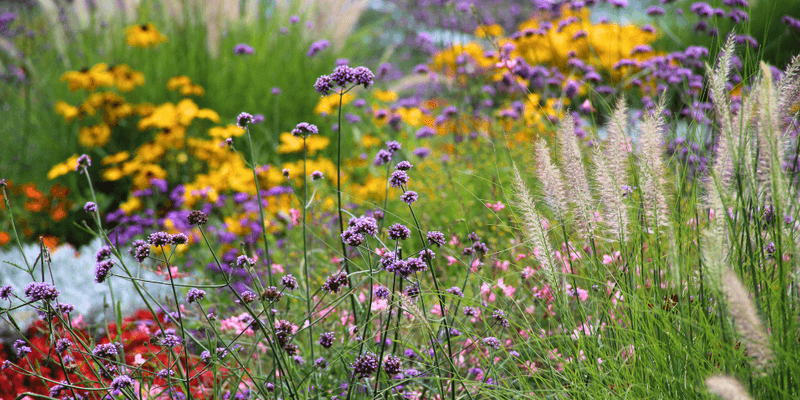
Swapping even a small section of that turf for a native planting bed can change things noticeably.
You do not need a large yard to make this work. A corner bed, a strip along a fence, or a cluster of containers on a porch or patio can serve as mini pollinator habitats.
Even renters and HOA homeowners often have options. Raised beds, container gardens, or approved border plantings can add floral diversity without breaking community rules.
Layered plantings tend to work best. Mixing low groundcovers with mid-height flowering plants and a taller shrub or two creates varied structure that benefits different bee species.
Some bees forage close to the ground while others prefer taller blooms. Flowering shrubs like native wild azalea or buttonbush can anchor a bed and provide generous seasonal bloom.
Your Florida Garden Changes Every Week. Your Plan Should Too.
Gardening in Florida changes quickly throughout the season. Every Friday you’ll receive a simple weekly plan showing exactly what to plant, prune, fertilize, harvest, and protect so you never miss the right timing.
UF/IFAS Extension recommends reducing turf in favor of diverse plantings as one of the most effective ways to support pollinators at the home landscape level. A little less lawn and a little more life can go a long way for the bees in your neighborhood.
3. Spray Less And Save More Pollinators
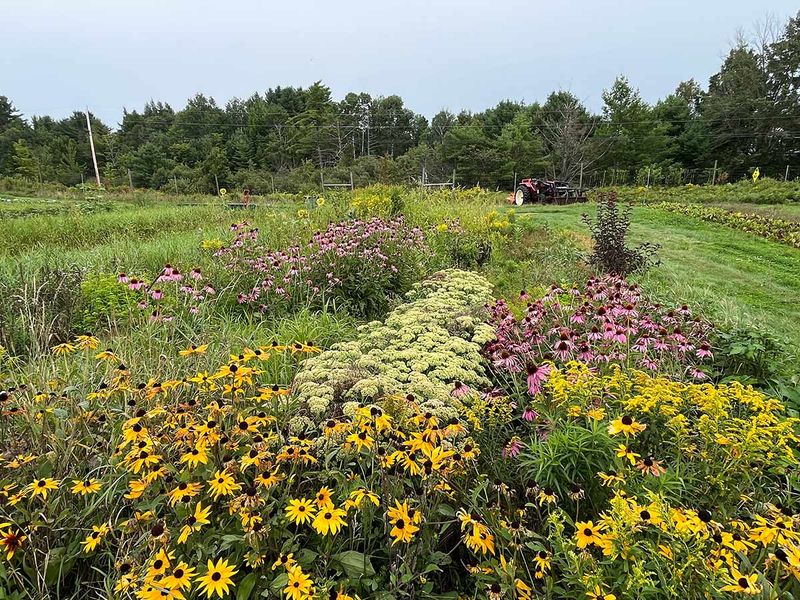
Most insects you see in your yard are not the enemy. Research from UF/IFAS Extension notes that only a small fraction of yard insects actually cause plant damage.
The rest are either harmless or actively helpful, feeding on pest insects, breaking down organic matter, or moving pollen from flower to flower.
Before reaching for any spray, try to identify what you are actually dealing with. A caterpillar chewing a leaf might be the larva of a native butterfly.
An aphid cluster might already be attracting predatory insects that will handle the problem naturally. Misidentifying a pest and treating unnecessarily is one of the most common ways pollinators get harmed in home gardens.
Integrated Pest Management, or IPM, is a practical approach backed by UF/IFAS and FDACS. It means starting with the least disruptive option first.
Try hand-removing pests, using water sprays, or encouraging beneficial insects before using chemicals. If a pesticide is truly needed, choose the least toxic option available and always read the full label before applying.
Labels are legal documents, and following them exactly protects bees, other wildlife, and your own health. Reducing unnecessary spraying is one of the fastest ways to make a yard safer for pollinators without spending a single dollar.
4. Time Yard Treatments When Bees Are Away
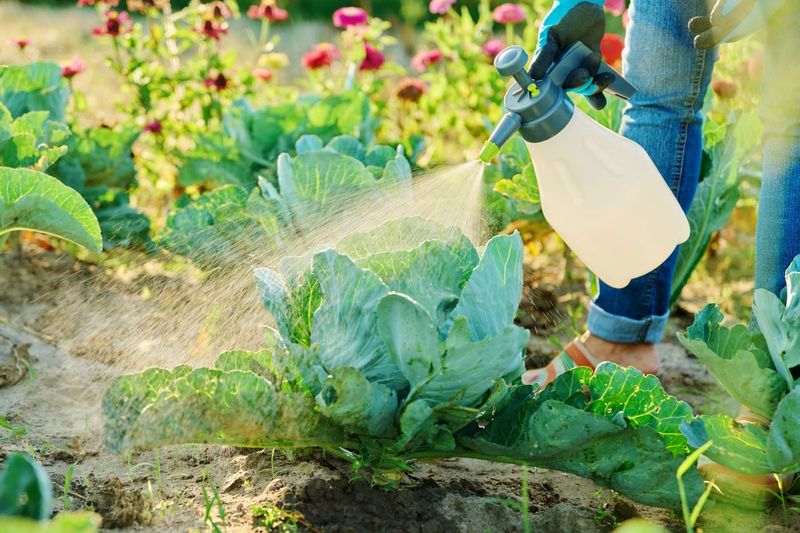
Timing matters as much as product choice. Even a relatively low-risk pesticide can harm bees if it is applied while they are actively foraging on nearby blooms.
Most bees are out working flowers during the warmest parts of the day, typically mid-morning through mid-afternoon.
UF/IFAS advises avoiding daytime applications and avoiding sprays when plants are flowering, since those are times bees are most active. Avoiding windy or rainy conditions also helps prevent products from drifting onto plants bees visit.
If a nearby plant is flowering, consider waiting until blooms fade. You can also cover it during application, then remove the cover after the product dries.
Never spray open flowers directly, even with lower-risk products, unless the label explicitly allows that use and pollinator precautions are followed. Bees that land on treated blooms can carry residue back to the nest, where it may affect the whole colony.
Dusts can be particularly risky because bees may pick them up while foraging and carry them home. Read product labels carefully for any specific guidance about pollinators and re-entry intervals.
These precautions do not require extra products or major effort. A small shift in when and how you apply treatments can protect the bees living and foraging in your yard without sacrificing your ability to manage genuine pest problems.
5. Leave Sandy Ground For Nesting Native Bees
Not every bee lives in a hive. In fact, most native bee species in the United States are solitary and nest alone in the ground.
Many of them are perfectly suited to the sandy, well-drained soils found across much of the state. These bees are harmless to people and incredibly valuable as pollinators.
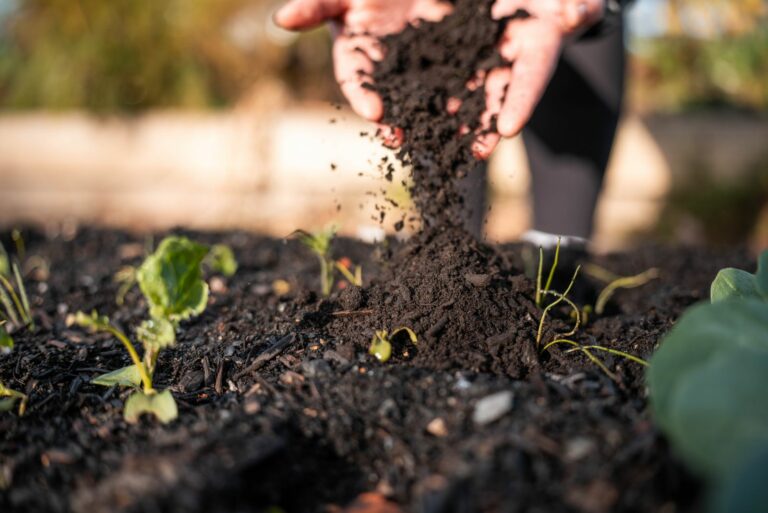
Ground-nesting bees need access to bare or lightly vegetated soil in a sunny spot. Heavy mulch layered everywhere, compacted ground, or solid turf can block them from nesting successfully.
Leaving a small sunny patch of exposed sandy soil, even just a square foot or two, gives these bees a place to set up a nest and raise their young.
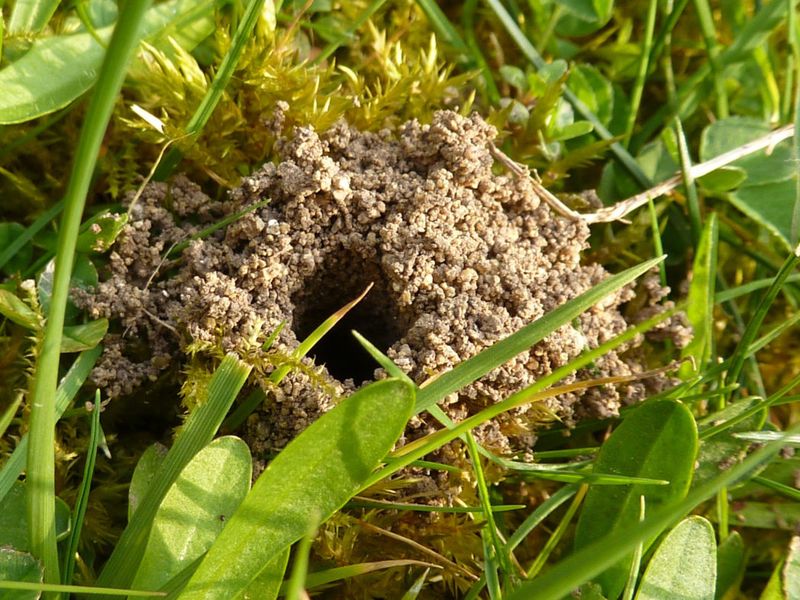
If you notice small mounds of loose soil with a hole in the center, resist the urge to disturb them. These are almost certainly harmless native bees doing important pollination work nearby.
Ground-nesting native bees are usually solitary and non-aggressive, though they may sting if handled, stepped on, or threatened. You can also skip the mulch in one corner of a garden bed or along a sunny border to create intentional nesting space.
Supporting ground nesters costs nothing and requires almost no effort beyond simply leaving a small patch of earth alone.
6. Grow Herbs That Bees Cannot Resist
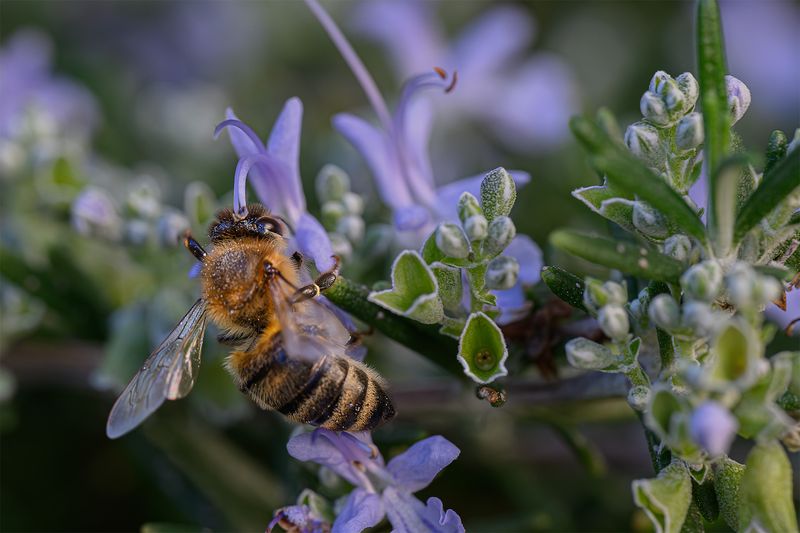
Herbs pull double duty in a pollinator-friendly yard. Grow them for your kitchen, then let a few go to flower and watch the bees arrive.
Basil, thyme, oregano, chives, rosemary, and mint all produce small blooms that bees find highly attractive. The flowers may be modest in size, but they are packed with accessible nectar.
One of the best things about growing herbs for bees is how adaptable they are. Pots on a balcony, raised beds on a patio, or a small in-ground kitchen garden can all work well.
You do not need a large space or a full garden setup to make this happen. Even a single pot of blooming basil near a sunny window or doorstep gives local bees a reliable pit stop.
A few things to keep in mind: some herbs, like mint, can spread aggressively if planted directly in the ground without containment. Growing mint in a pot is the smarter choice for most yards.
Rosemary, on the other hand, grows beautifully in the ground in warm climates and can become a sizeable shrub that blooms generously. UF/IFAS Gardening Solutions notes that many culinary herbs thrive in the state’s climate with minimal care.
Letting herbs flower instead of constantly trimming them back is a simple way to add bee forage without planting anything new.
7. Give Bees Water Shelter And Safe Forage
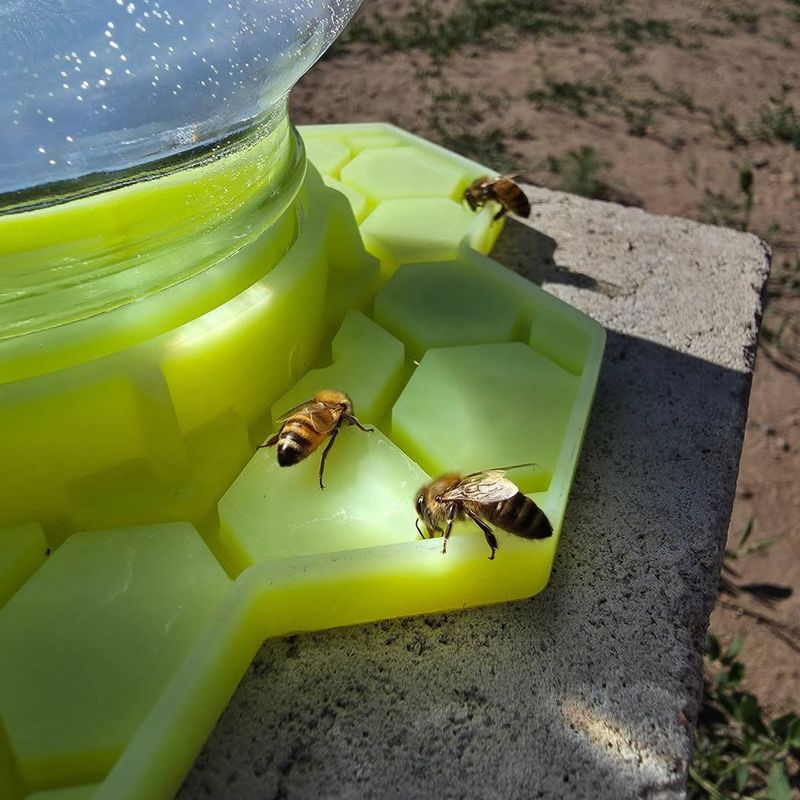
A bee working a hot yard needs water just like any other creature. The trick is providing it safely.
Bees can struggle in deep containers with no landing surface. Use a shallow dish with stones, corks, or marbles so they can land and drink safely.
Refresh the water every couple of days to keep it clean and mosquito-free.
Beyond water, bees benefit from yards that offer layered diversity. A mix of bloom times, plant heights, and flower shapes supports more bee species than a yard planted with just one or two types of flowers.
Some bees have long tongues suited to tubular blooms, while others prefer flat, open flowers with easy pollen access. Variety in your plantings naturally serves a broader range of visitors.
Shelter from strong wind also helps. Bees are small and lightweight, and a gusty yard can make foraging harder.
Hedges, shrubs, or even a low fence can buffer wind and create calmer foraging conditions.
Avoid the urge to keep your yard completely tidy and sterile.
Leaf litter, hollow stems, and undisturbed corners all provide refuge for various pollinators.
A yard that looks a little lived-in is often a yard that works hard for the insects that support your local food web and wild plant communities.
8. Choose Florida-Friendly Plants That Work Hard
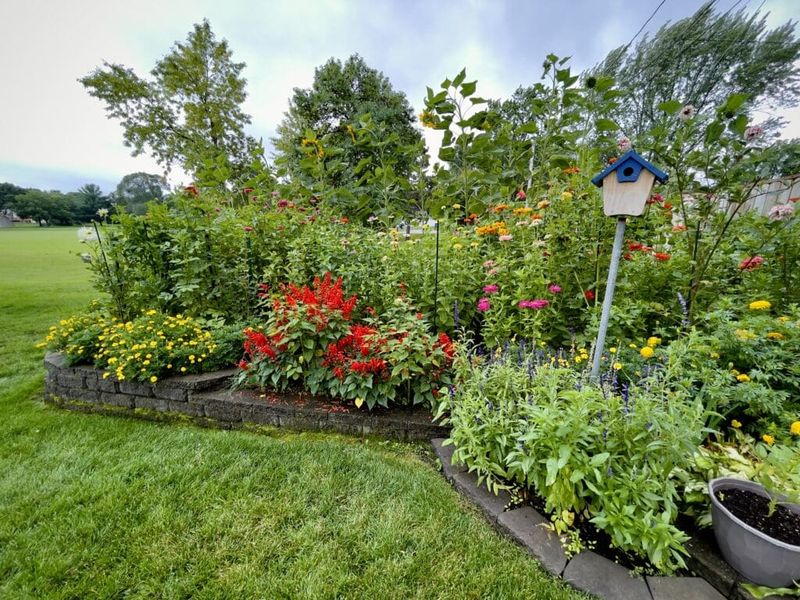
The right plant in the right place is one of the core ideas behind the Florida-Friendly Landscaping program, developed by UF/IFAS. It sounds simple, but it is genuinely powerful.
A plant matched to its spot needs less water, less fertilizer, and less intervention overall. That means fewer inputs that can stress pollinators and fewer reasons to spray.
Smart plant choices also reduce the cycle of replacing struggling plants with new ones.
When a plant is suited to your soil, sun level, and moisture conditions, it establishes faster and supports local wildlife sooner.
Bees benefit when landscapes are stable and blooming consistently, rather than constantly being replanted or renovated.
Before buying anything new, check with your local UF/IFAS Extension office or browse the Florida-Friendly plant list online.
The Florida Native Plant Society and Florida Wildflower Foundation also offer regionally specific recommendations that go beyond generic garden center advice.
Look for plants that offer multiple seasons of bloom, attract a range of pollinators, and hold up well in your specific conditions. Coastal gardens, sandy inland yards, and shady suburban lots all have different needs, and the right resources can help you choose wisely.
A little research before you plant saves money, reduces maintenance, and creates a yard that genuinely supports the bees and pollinators living around you.