Why Ohio Irises Stop Blooming And What Usually Causes It
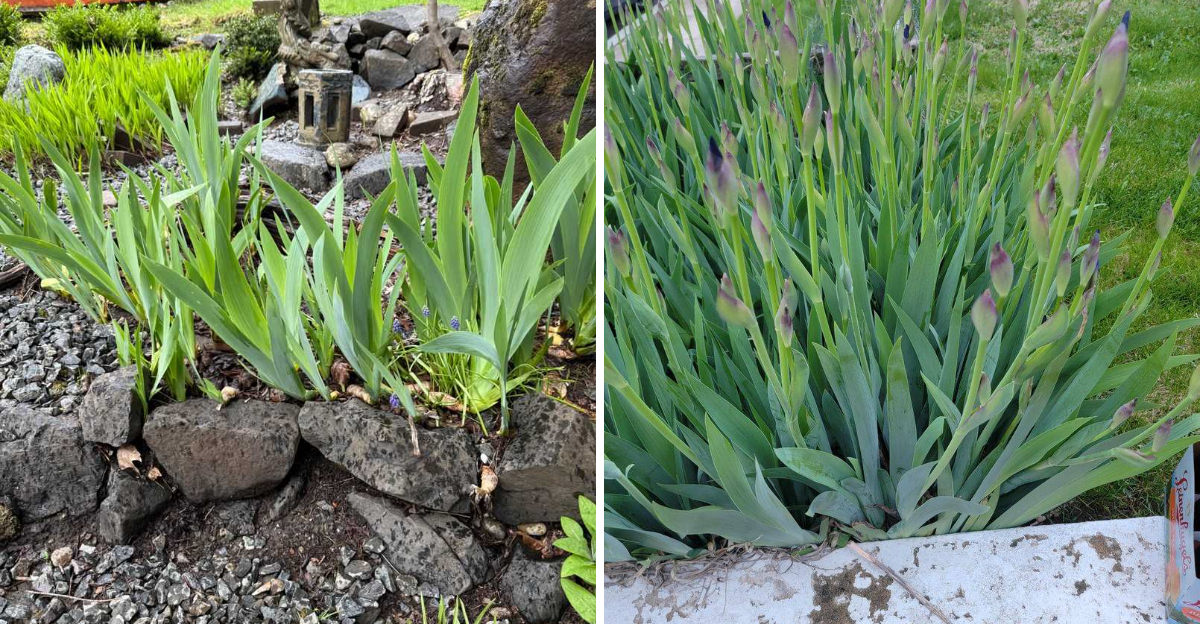
Is there anything more heartbreaking than an iris bed that’s all leaves and no “show”?
In Ohio, we live for that moment when our gardens explode into those impossible purples and golds, but it’s a total head-scratcher when a perfectly healthy-looking plant refuses to bloom.
If your irises have gone on a flower strike, you aren’t alone. Between Ohio’s stubborn clay soils, those sneaky late-spring frosts, and shifting shade as our trees grow, there are plenty of reasons for the disappearing act.
The good news? Your irises aren’t broken – they’re likely just reacting to their environment.
Here is how to troubleshoot your iris bed and bring those stunning blooms back to life.
1. Overcrowded Rhizomes Reduce Flower Production Over Time
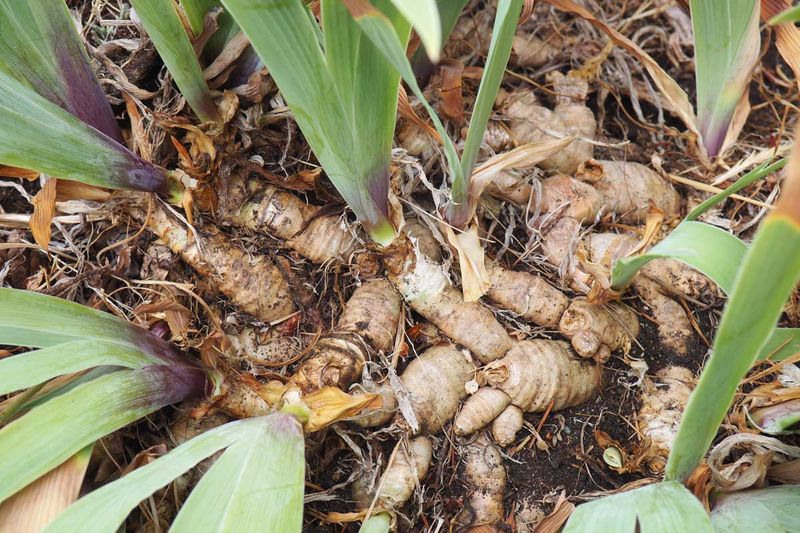
Walk through any established Ohio garden bed in midsummer and you might notice iris clumps that have quietly tripled in size over the years, spreading outward in dense, tangled mats. When rhizomes grow too close together, they compete fiercely for nutrients, water, and space beneath the soil surface.
The result is often plenty of foliage but very few, if any, flowers.
Bearded irises multiply steadily each season, and without intervention, older rhizomes at the center of a clump become woody and exhausted. These older sections rarely bloom well, while the younger outer rhizomes struggle to find enough room to thrive.
Ohio’s warm, humid summers can accelerate this multiplication, making overcrowding a surprisingly fast-developing problem.
Dividing your iris clumps every three to five years is one of the most reliable ways to restore blooming. Late summer, roughly four to six weeks after blooms have faded, is the recommended window for division in Ohio.
Dig up the entire clump, discard the older woody centers, and replant healthy outer rhizomes with good spacing of at least twelve to eighteen inches apart. After replanting, water consistently through fall so roots establish before Ohio winters arrive.
Gardeners who make division a regular habit almost always see a noticeable improvement in flower production the following spring.
2. Too Much Shade Limits Blooming Potential
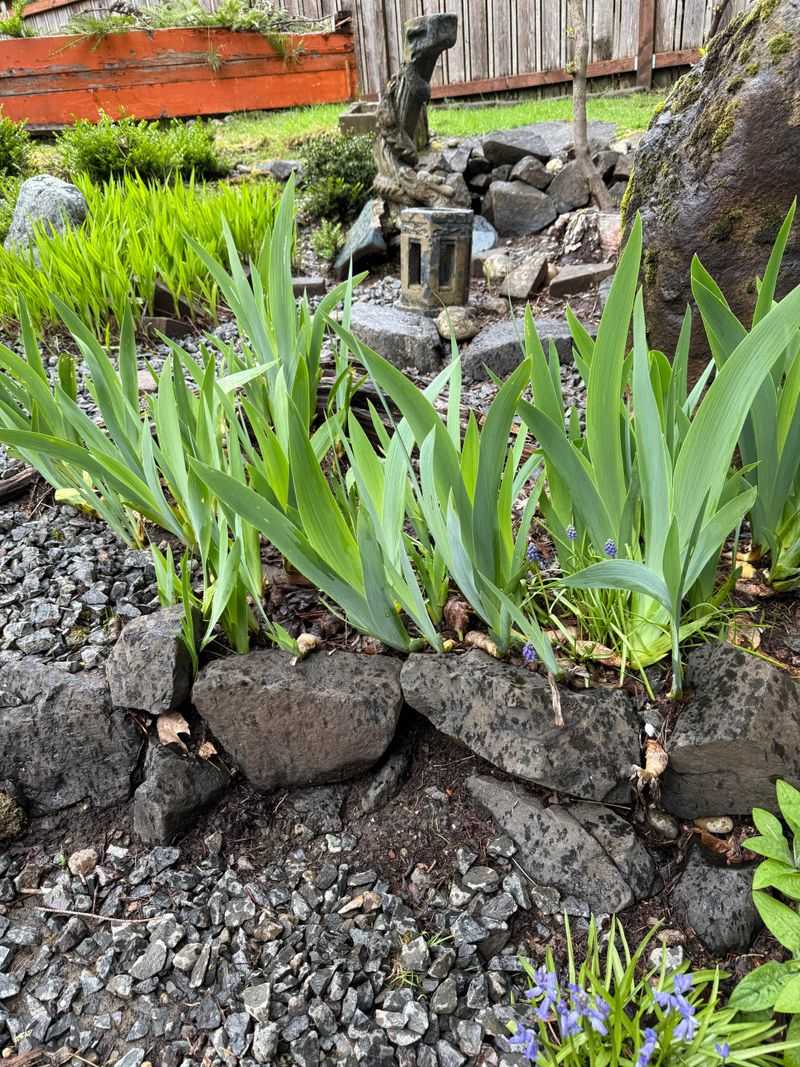
Many Ohio gardeners plant irises in a spot that gets full sun at the time of planting, only to find years later that a nearby tree or tall shrub has slowly claimed that sunlight.
Irises are sun-loving plants, and even a modest reduction in daily light exposure can significantly reduce their motivation to flower.
When shade takes over, the plant shifts its energy toward maintaining foliage rather than producing blooms.
Bearded irises generally need at least six hours of direct sunlight each day to bloom reliably. In Ohio, where deciduous trees leaf out fully by late spring, a garden that looked bright in early April can feel surprisingly shaded by May.
That timing matters because iris flower stalks develop during precisely that window when light levels drop.
Evaluating your garden’s sun exposure honestly throughout the day is a worthwhile exercise. Stand in the bed at different hours and note how long direct sunlight actually reaches the rhizomes.
Your Ohio Garden Changes Every Week. Your Plan Should Too.
Gardening in Ohio changes quickly throughout the season. Every Friday you’ll receive a simple weekly plan showing exactly what to plant, prune, fertilize, harvest, and protect so you never miss the right timing.
If shade has crept in from a neighboring tree or fence line, consider transplanting your irises to a sunnier location in late summer. Trimming lower branches from nearby trees can also open up light without requiring a full transplant.
Ohio gardeners who reclaim that six-hour sunlight threshold for their irises frequently report a dramatic improvement in flower count the very next season.
3. Planting Rhizomes Too Deep Affects Flowering
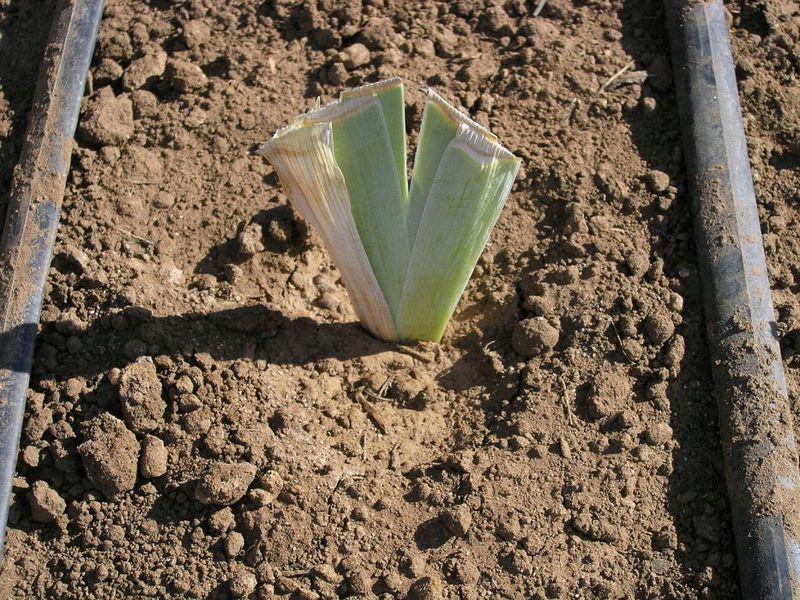
One of the most overlooked reasons Ohio irises fail to bloom is surprisingly simple: they were planted too deep. Unlike most garden perennials that prefer to be buried several inches below the surface, bearded iris rhizomes need to sit at or just slightly above the soil line.
When they’re buried too deeply, the rhizome can’t absorb the warmth and sunlight it needs to trigger flower production.
A rhizome that’s been planted even two inches too deep may produce healthy, upright foliage season after season while never sending up a single bloom stalk.
This is especially common in Ohio gardens with heavy clay soil, where well-meaning gardeners press rhizomes deeper to help them stay anchored against frost heaving.
The instinct makes sense, but it works against the plant’s natural blooming cycle.
Checking planting depth is a quick fix worth attempting before assuming a more complex problem is at play. Gently expose the top of the rhizome and assess whether it’s visible at the soil surface.
If it’s buried, carefully lift and reposition it so the top is exposed to sunlight while the roots extend downward. In Ohio’s clay-heavy soils, amending the planting area with coarse sand or grit can improve both drainage and anchoring without requiring deep burial.
Correcting planting depth often results in blooms returning within one to two growing seasons.
4. Excess Nitrogen Encourages Leaves Over Blooms
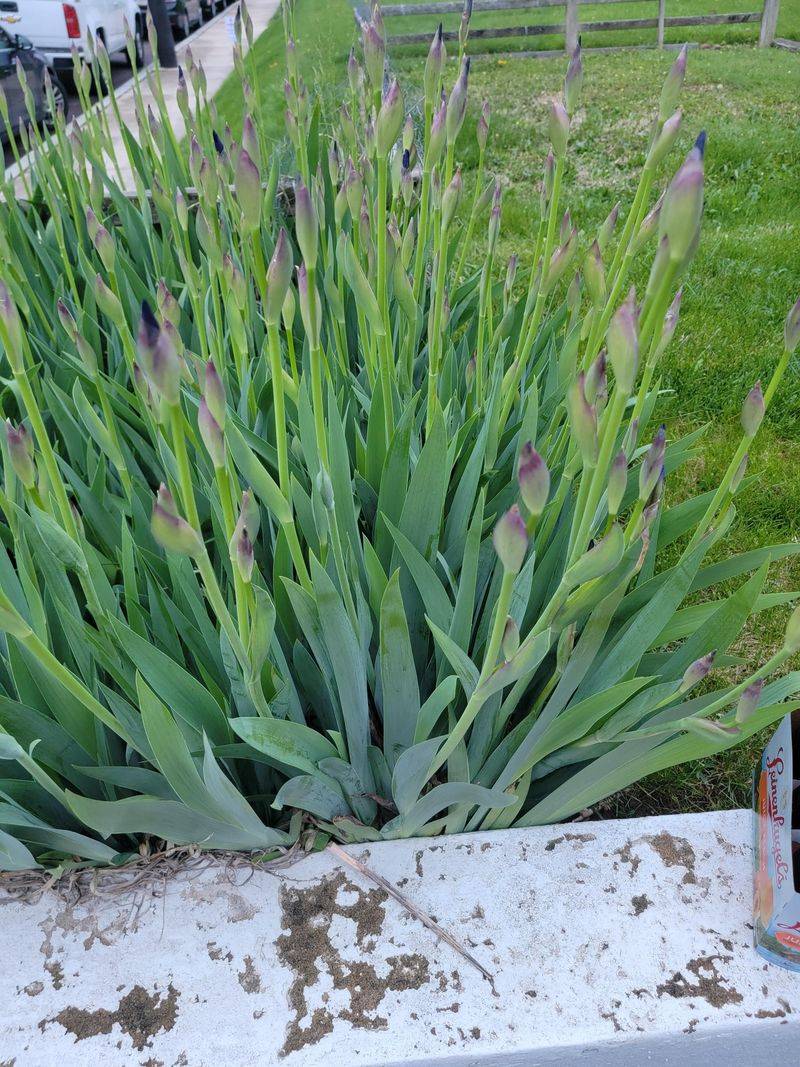
Lush, dark green iris leaves that seem to grow taller every week can actually be a warning sign rather than a celebration.
When irises receive too much nitrogen, whether from a high-nitrogen fertilizer or from lawn feed that drifts into garden beds, the plant channels nearly all of its energy into producing foliage.
Blooms become an afterthought.
Ohio gardeners who fertilize their iris beds with the same products they use on their lawns are especially likely to run into this issue. Lawn fertilizers are typically nitrogen-heavy by design, meant to push fast green growth.
Applied to irises, that same nitrogen surge produces impressive leaves while essentially suppressing the hormonal signals that trigger flowering.
Switching to a low-nitrogen, phosphorus-forward fertilizer is a straightforward correction.
A balanced fertilizer with a lower first number in its N-P-K ratio, applied lightly in early spring and again just after blooming, supports root development and flower production without overstimulating leafy growth.
Avoid fertilizing Ohio irises in late summer or fall, as this can encourage soft new growth that struggles through winter.
If your soil is already nitrogen-rich due to years of heavy feeding, skipping fertilizer entirely for a season or two while the nitrogen levels naturally balance out can sometimes be the most effective approach to restoring bloom cycles.
5. Poor Drainage Can Stress Iris Roots
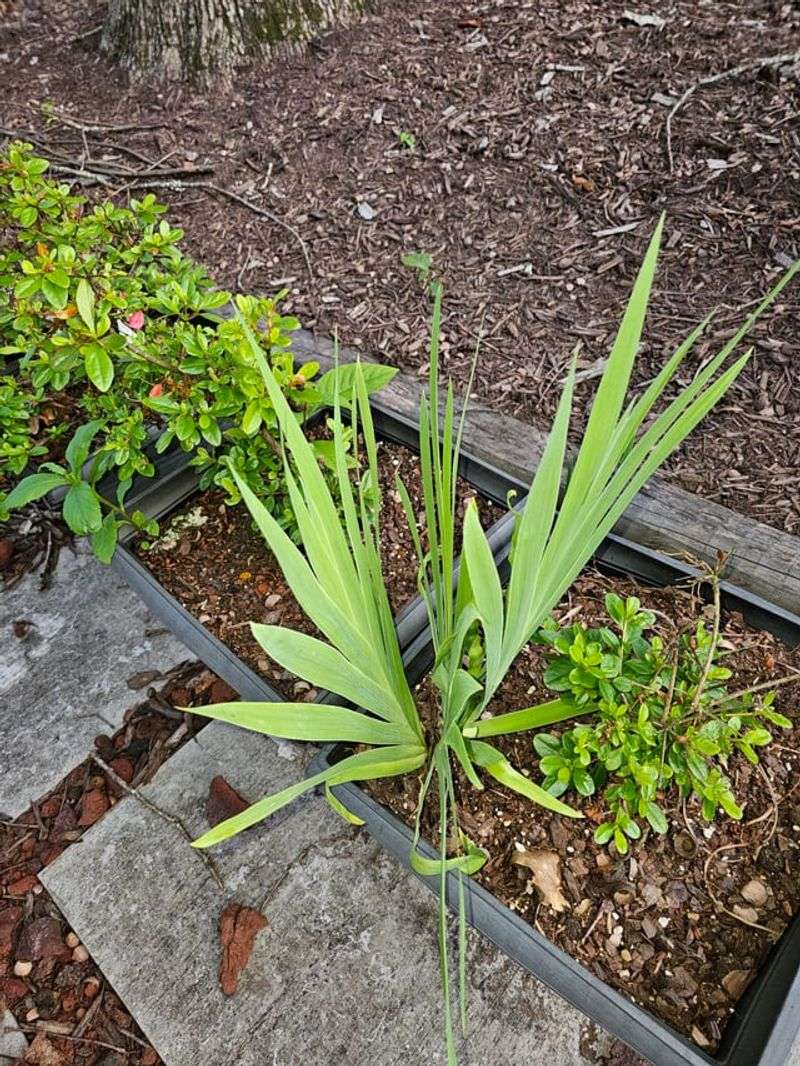
Ohio’s clay-heavy soils hold water longer than most other soil types, and while that can benefit some plants, irises are notably sensitive to prolonged moisture around their roots and rhizomes.
Wet conditions create an environment where the rhizomes struggle to function properly, often leading to soft rot or simply a stressed plant that redirects all available energy away from blooming.
After a wet Ohio spring, gardeners sometimes notice their irises looking sluggish, with yellowing lower leaves and no sign of flower stalks. Soggy soil essentially suffocates roots by limiting oxygen availability.
Even without obvious rot, consistently waterlogged rhizomes produce fewer blooms because the plant is operating under chronic stress rather than thriving conditions.
Improving drainage in an iris bed doesn’t always require a full garden renovation. Raising the bed by even four to six inches using amended soil can make a significant difference in Ohio’s heavier soil regions.
Working coarse grit, pea gravel, or composted bark into the planting area improves both drainage and aeration. Positioning iris beds on gentle slopes where water naturally flows away from the rhizomes is another practical strategy.
If standing water consistently appears after Ohio’s spring rains, installing a simple French drain or redirecting downspout runoff away from garden beds can protect rhizomes and help restore the conditions irises need to bloom reliably each season.
6. Lack Of Sunlight Reduces Energy For Blooming
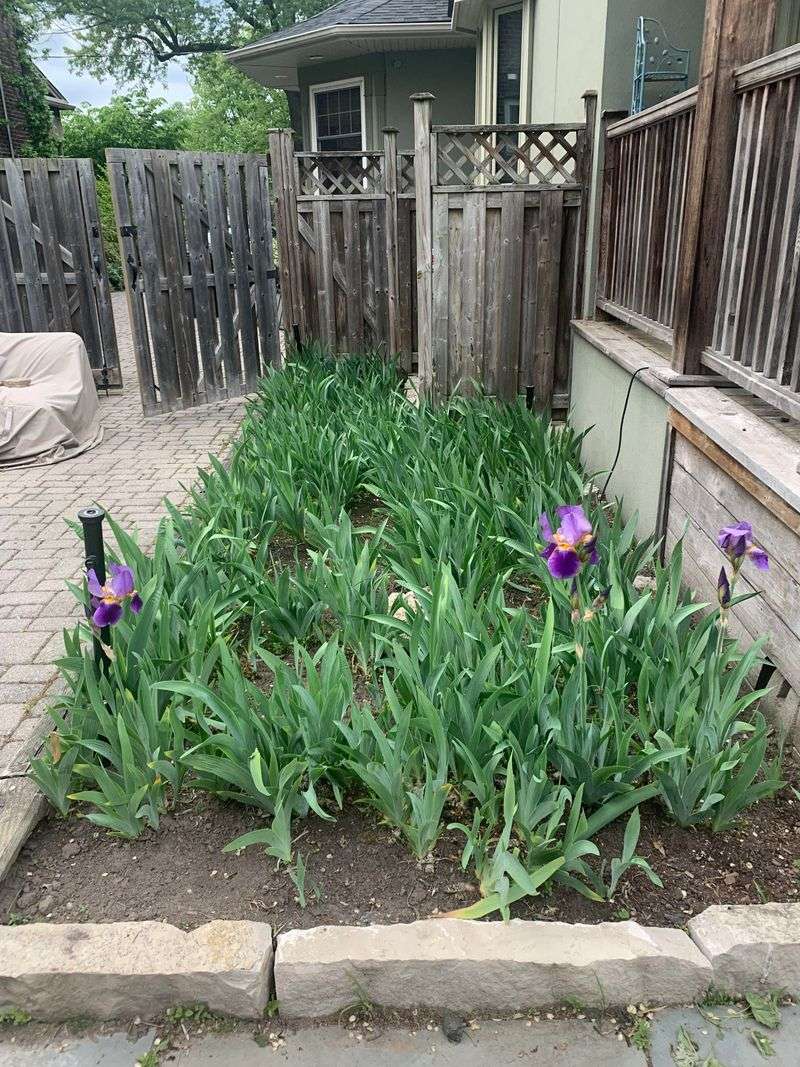
Sunlight is essentially the fuel that powers an iris through its entire growth cycle, and when that fuel runs low, blooming is one of the first things to suffer. Ohio’s spring and early summer days can vary widely in terms of cloud cover and tree canopy density, meaning that even a garden that seems bright might not be delivering the sustained direct sun irises genuinely need.
Beyond the obvious issue of shade from trees or buildings, factors like north-facing slopes, dense neighboring plantings, and even tall ornamental grasses planted nearby can quietly reduce the hours of direct sun reaching iris rhizomes.
In Ohio, where overcast spring days are fairly common, every hour of direct sunlight counts toward a plant’s energy budget for producing flower stalks.
Photosynthesis fuels the storage of carbohydrates in the rhizome during the growing season, and it’s those stored reserves that power the following year’s bloom. When light is consistently limited, those reserves simply don’t build up enough to support flowering.
Conducting a sunlight audit of your garden bed in May, when iris flower development is already underway, can reveal surprising gaps in light exposure.
Relocating plants to south or west-facing areas of your Ohio yard, where afternoon sun is most reliable, is often one of the most impactful changes a gardener can make to encourage consistent annual blooming without any other adjustments needed.
7. Skipping Division Leads To Fewer Flowers
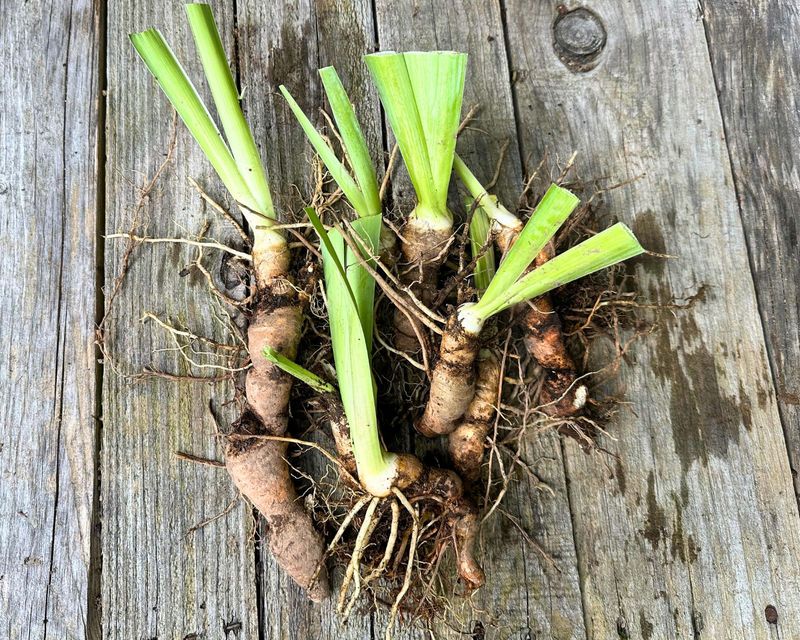
Skipping the task of dividing irises for too many seasons is one of the most common reasons Ohio gardeners find themselves staring at a bed full of leaves and no flowers come spring. It’s easy to let division slide, especially when the plants look green and healthy.
But beneath that healthy appearance, the rhizomes are quietly running out of room and resources.
Every season, iris rhizomes produce new offshoots called increases. Over four or five years without division, a single rhizome can expand into a crowded colony where dozens of plants compete for the same patch of soil.
The oldest rhizomes at the center of the cluster stop contributing to flowering entirely, while younger ones on the edges lack the space and nutrients to perform well either.
Committing to a division schedule is genuinely one of the highest-return maintenance tasks an Ohio iris gardener can do.
Late July through August is the recommended timing in Ohio, after summer heat has peaked and the plants have had time to recover from the spring bloom cycle.
Use a clean garden fork to lift the clump, trim the foliage fans to about six inches to reduce water loss, and replant only firm, healthy sections.
Giving each division generous spacing encourages strong root establishment before Ohio’s first frost, setting the stage for a noticeably fuller bloom display the following May.
8. Foliage Issues Reduce Energy Storage For Next Season
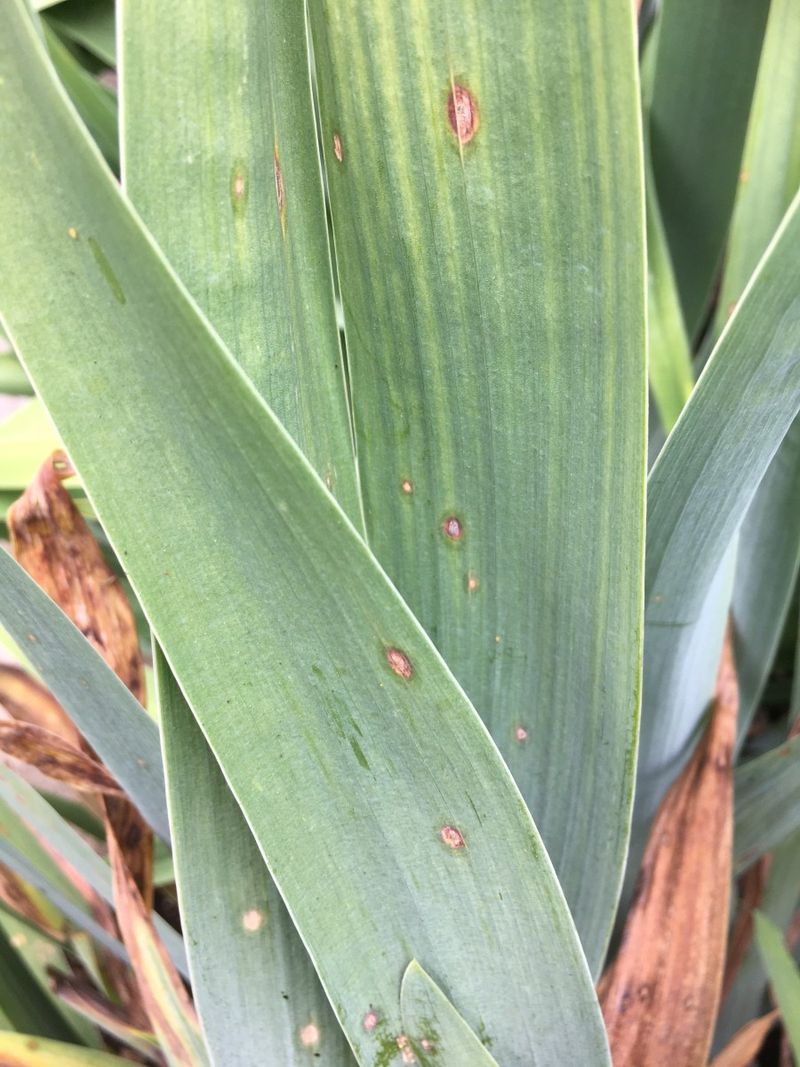
Healthy iris leaves do far more than look attractive – they act as solar panels, capturing sunlight and converting it into the stored energy that fuels next year’s blooms.
When foliage becomes damaged, diseased, or is cut back too aggressively after blooming, the plant loses a significant portion of its energy-gathering capacity during the critical late summer and fall months.
In Ohio, common foliage problems include leaf spot fungus, which creates brown streaks and patches across the leaves, and iris borer damage, which can weaken leaf tissue from the inside out. Both issues reduce the surface area available for photosynthesis.
A plant managing significant foliage damage through late summer enters the following spring with fewer stored reserves, making it far less likely to produce flower stalks even if all other conditions are favorable.
Keeping foliage as healthy as possible through the entire growing season, not just during bloom time, is a meaningful investment in next year’s flowers. Remove visibly damaged leaves promptly to limit the spread of fungal issues.
Avoid cutting back green foliage before it naturally begins to yellow and fade in fall, as premature removal cuts short the energy storage process.
In Ohio, where late summer humidity can encourage fungal growth, spacing plants well and ensuring good air circulation around the foliage goes a long way toward protecting the leaf health that ultimately drives reliable spring blooming.