These Pennsylvania Ground Covers Create A Natural Tick Barrier Around Your Property
Ticks in Pennsylvania are active for a longer stretch of the year than most people realize, and the edges of a property where lawn meets woods, garden, or unmaintained ground are exactly where they tend to concentrate.
Most tick management strategies focus on repellents or yard treatments that require regular reapplication and cover only a limited area at a time.
A more permanent approach is building a natural barrier using groundcovers that ticks find actively off-putting. Certain low-growing plants produce compounds and scents that interfere with tick activity and make an area far less hospitable for them to move through.
When established along the perimeter of a yard, these groundcovers create a living barrier that works around the clock through every tick-active month.
Pennsylvania’s climate supports many of these plants well, and several of them are attractive enough to double as legitimate landscape choices rather than just functional plantings tucked out of sight.
1. Pennsylvania Sedge
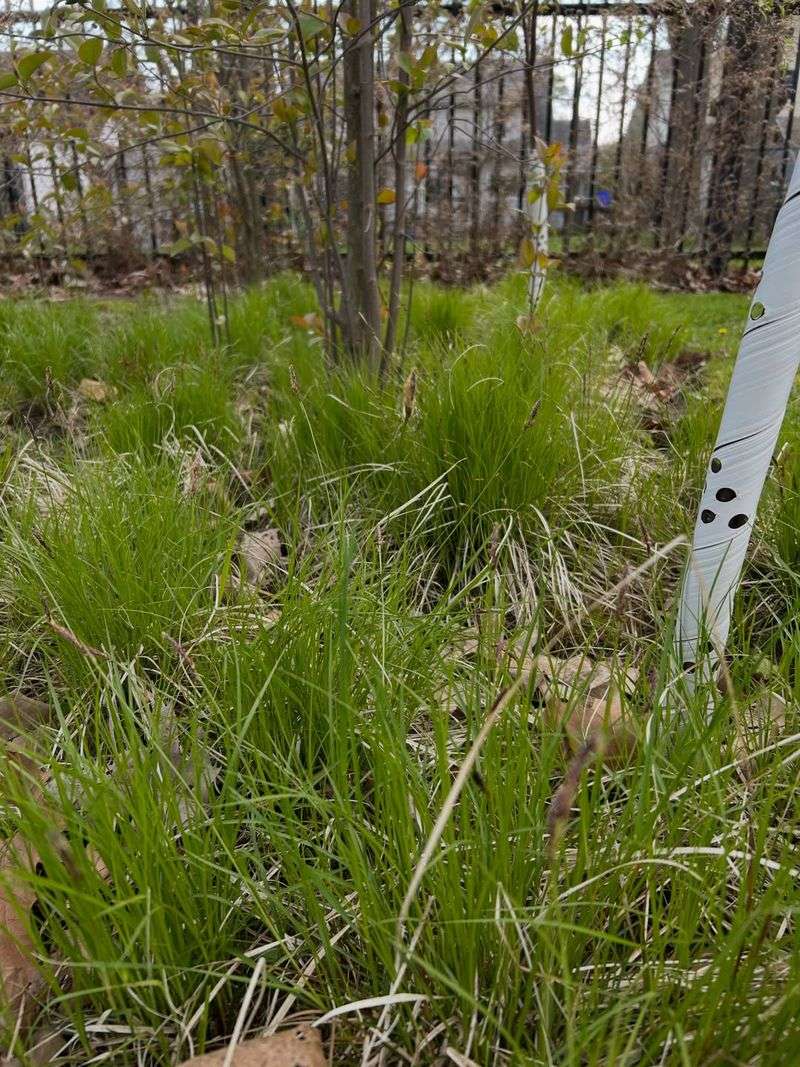
Walk through any shaded Pennsylvania woodland and you might spot Pennsylvania Sedge quietly doing its job, growing low and thick without any fuss.
This native plant has been part of the region’s natural landscape for centuries, and it brings serious benefits to home gardens.
It looks like a fine, soft grass but is actually a sedge, meaning it thrives in spots where regular lawn grass struggles.
One of the biggest advantages of Pennsylvania Sedge is how tightly it grows. The dense, low mat it forms leaves very little bare soil exposed.
Ticks prefer humid, shaded hiding spots close to the ground, and a thick sedge planting helps reduce those ideal conditions. Less open soil means fewer places for ticks to wait and latch onto passing people or pets.
This plant stays relatively short, usually between six and twelve inches tall, so it rarely needs mowing. It handles shade well and does fine in dry to medium moisture soils.
That makes it a practical choice for areas under trees or along the north side of a house where other plants struggle to establish.
Pennsylvania Sedge also supports local insects and wildlife, which adds ecological value beyond tick management. It stays green through most of the year in milder winters, giving your yard a tidy, natural look even when other plants go dormant.
Planting it in clusters or drifts helps it spread gradually and fill in gaps over time. For a low-effort, high-reward ground cover, this native sedge is hard to beat.
2. Wild Ginger
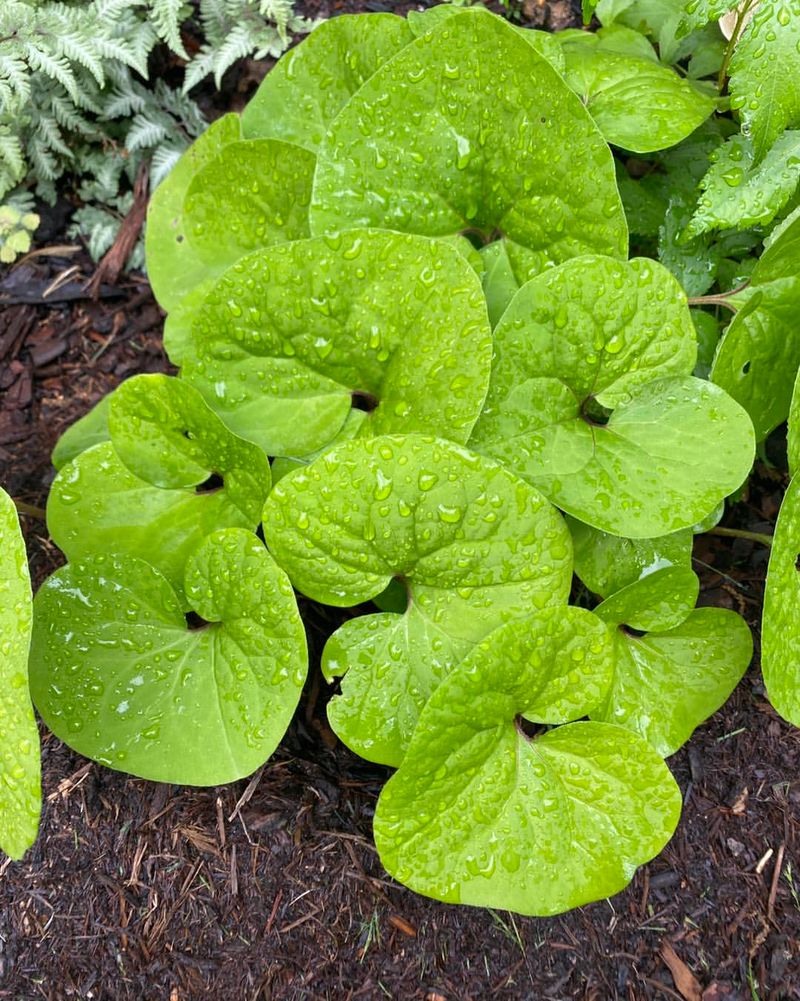
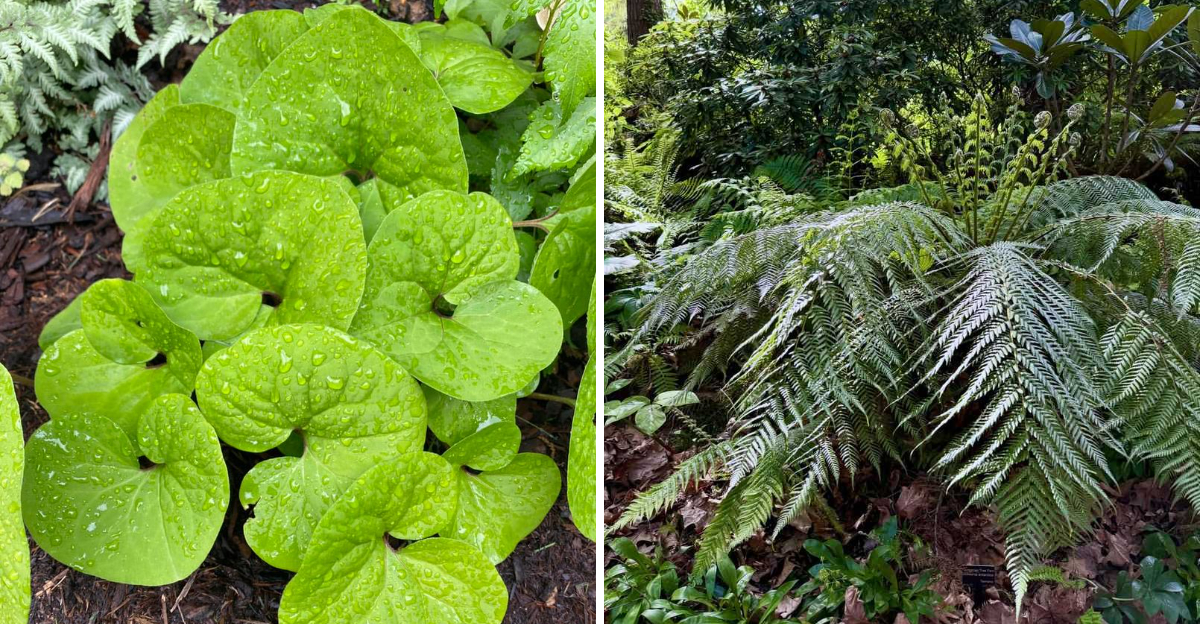
There is something almost secretive about Wild Ginger. It grows quietly in the shade, spreading its broad, heart-shaped leaves low across the ground like a living carpet.
Most people have never heard of it, but gardeners who know it love it for good reason. The leaves are lush, deep green, and surprisingly tough for such a delicate-looking plant.
Wild Ginger thrives beneath trees and along shaded borders where ticks often find shelter. By covering that bare, moist soil under the tree canopy, it removes one of the key environments ticks look for.
Your Pennsylvania Garden Changes Every Week. Your Plan Should Too.
Gardening in Pennsylvania changes quickly throughout the season. Every Friday you’ll receive a simple weekly plan showing exactly what to plant, prune, fertilize, harvest, and protect so you never miss the right timing.
The broad leaves overlap each other naturally, creating a layer that keeps the ground beneath cooler and less hospitable for pests looking to hide and wait.
Beyond its pest-reducing benefits, Wild Ginger makes shaded garden borders look clean and intentional. It replaces weedy overgrowth with a tidy, uniform look that requires very little maintenance once established.
It spreads slowly through underground rhizomes, so you will not need to worry about it taking over your entire yard.
Fun fact: Wild Ginger does produce small, reddish-brown flowers in spring, but they hide beneath the leaves near the soil. Most people never even notice them, which adds to the plant’s mysterious charm.
It prefers moist, rich, well-drained soil and handles deep shade better than most ground covers.
Pairing it with other native plants along shaded walkways or fence lines creates a layered, natural look while helping manage the conditions that make ticks comfortable. It is a quiet workhorse of the native plant world.
3. Allegheny Spurge
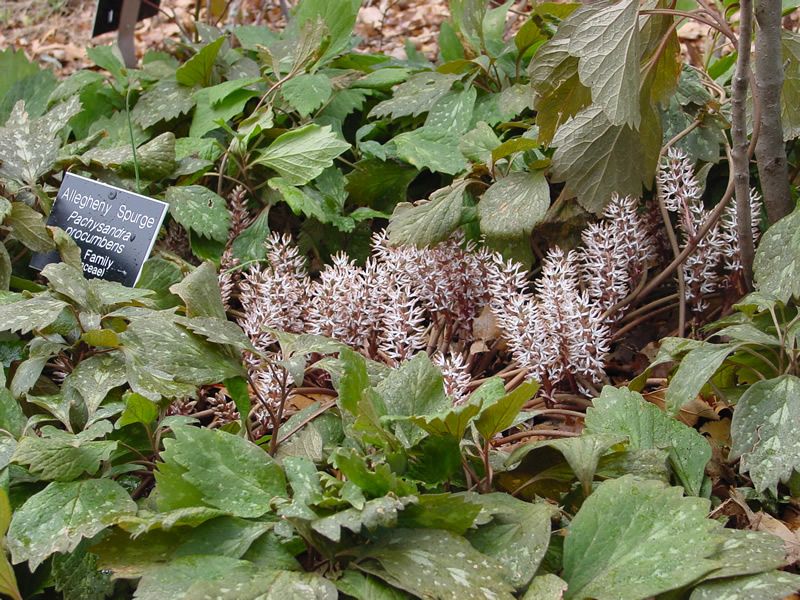
Allegheny Spurge is one of those plants that earns its place in the garden season after season without demanding much attention. Native to the eastern United States, including Pennsylvania, it forms a thick, evergreen mat that stays attractive through winter.
The leaves are dark green with lighter silver-green markings, giving the plant a refined, almost decorative look even when nothing else is blooming.
What makes Allegheny Spurge especially valuable for tick management is how effectively it suppresses weeds. Weedy, overgrown areas are prime habitat for ticks, offering both cover and humidity.
When Allegheny Spurge fills in those spaces with dense, low foliage, it leaves little room for weeds to take hold. That directly reduces the cluttered, moist conditions that ticks prefer.
This plant does best in partial to full shade and prefers moist, well-drained, slightly acidic soil, conditions that are common in many Pennsylvania yards with tree coverage.
Once established, it spreads steadily through underground runners and rarely needs replanting. It also holds up well during dry spells once it gets settled in.
In early spring, Allegheny Spurge produces small, bottlebrush-style white flowers that add a touch of seasonal charm before most other plants wake up. Birds and pollinators appreciate those early blooms too.
Using it along shaded walkways, beneath large trees, or around the base of shrubs creates a clean, layered look in the landscape.
If you want a ground cover that works hard all year while looking polished, Allegheny Spurge is a genuinely excellent choice for Pennsylvania properties.
4. Creeping Phlox
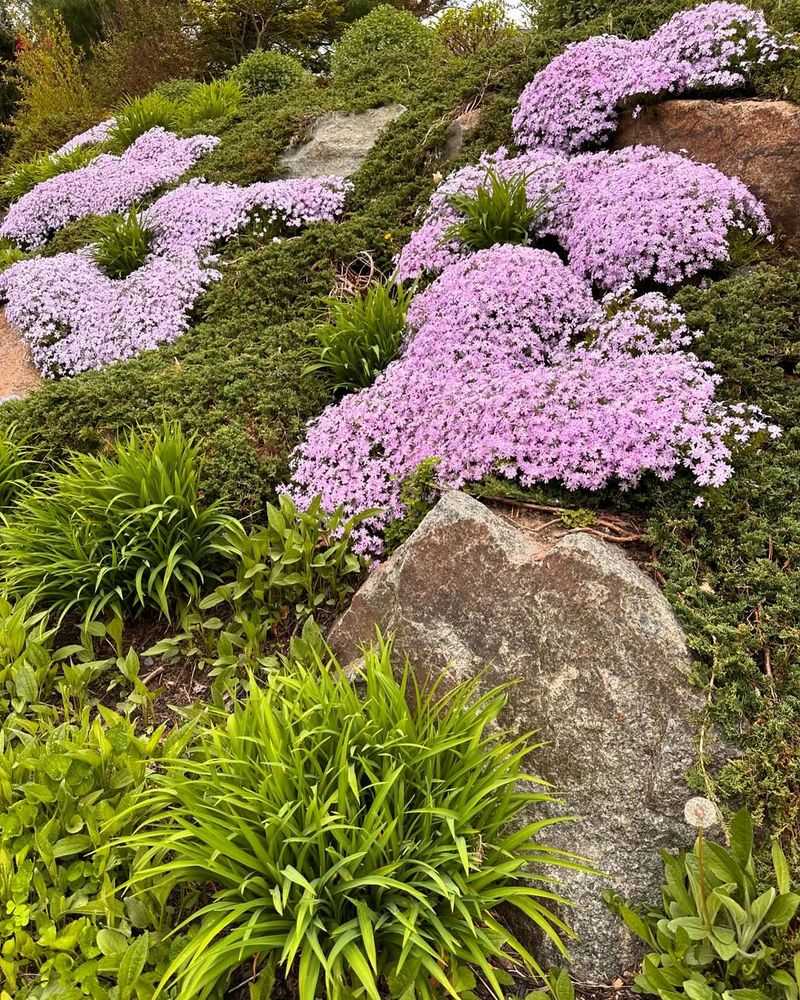
Few ground covers put on a show quite like Creeping Phlox. Every spring, it explodes into a carpet of pink, purple, white, or lavender blooms that cover slopes and garden edges in color.
But once the flowers fade, the dense, needle-like foliage keeps doing important work all season long. It is both beautiful and functional, which is a rare combination in the plant world.
On sunny slopes and embankments, Creeping Phlox forms such a tight mat that it leaves almost no room for tall weeds to push through. Ticks often move through tall, unmowed vegetation on slopes before dropping onto passing animals or people.
By keeping those areas covered with low, dense foliage, Creeping Phlox removes much of that habitat and makes slopes less inviting for ticks to settle in.
Creeping Phlox is drought-tolerant once established, which makes it a smart pick for areas that are hard to water regularly. It prefers full sun and well-drained soil, doing especially well on rocky or sandy ground where other plants struggle.
It spreads gradually each year and can be lightly trimmed after blooming to keep it neat and encourage fresh growth.
Planting Creeping Phlox along the edges of your property, particularly on south-facing slopes or along sunny walkways, creates a natural, managed border that looks intentional and well-kept.
It also attracts butterflies and bees in spring, adding life and movement to the garden. For homeowners who want a ground cover that earns its spot visually while contributing to a cleaner, tick-unfriendly yard, Creeping Phlox delivers on every level.
5. Green-And-Gold
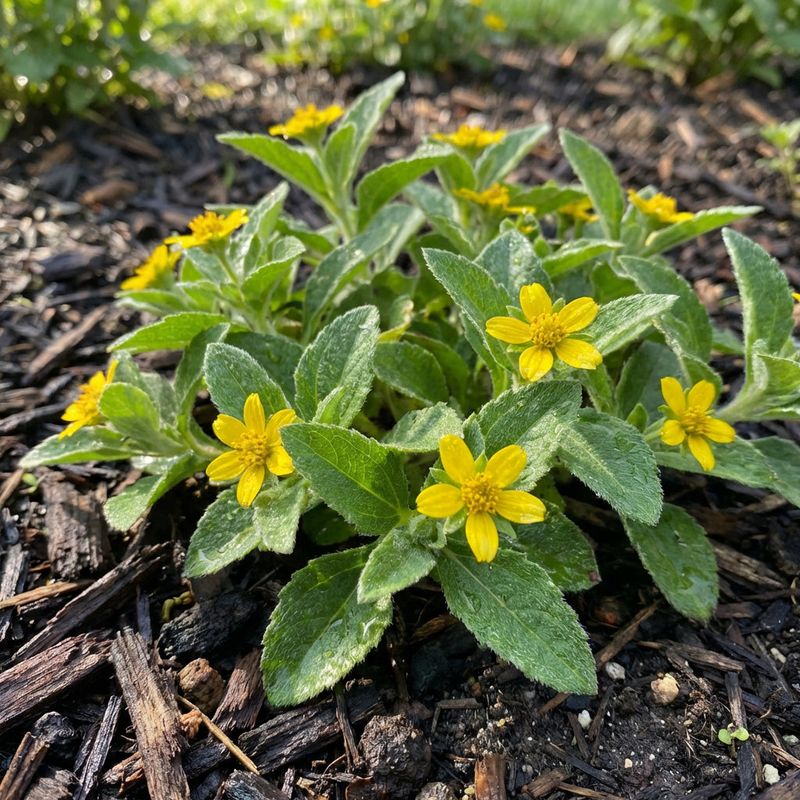
Not every plant can handle the in-between spaces, those partially shaded spots under trees or along fences that get just enough sun to be tricky. Green-and-Gold was practically made for those situations.
This cheerful, low-growing native plant fills those awkward gaps with bright yellow flowers in spring and glossy green foliage that lasts through much of the year.
The way Green-and-Gold spreads is one of its biggest selling points for tick management. It creeps along the ground through runners, slowly filling in bare or weedy patches that would otherwise become prime tick habitat.
A full, weed-suppressing layer of foliage means fewer exposed soil areas where ticks can shelter and wait for a host to walk by.
Green-and-Gold handles a surprising range of conditions. It tolerates dry shade, which is one of the harder environments for plants to manage.
It also does fine in average garden soil without needing fertilizer or special amendments. Once planted and watered in, it largely takes care of itself, spreading steadily without becoming invasive or aggressive.
The yellow flowers that appear in spring and sometimes again in fall bring a warm, cheerful look to shaded spots that can often feel dark and neglected. Bees and other pollinators visit those blooms regularly, which adds biodiversity to your yard.
Pairing Green-and-Gold with taller native shrubs or ferns creates a layered planting that looks natural and full.
For partially shaded spaces around Pennsylvania homes, this native ground cover is one of the most underused and underappreciated options available to homeowners today.
6. Christmas Fern
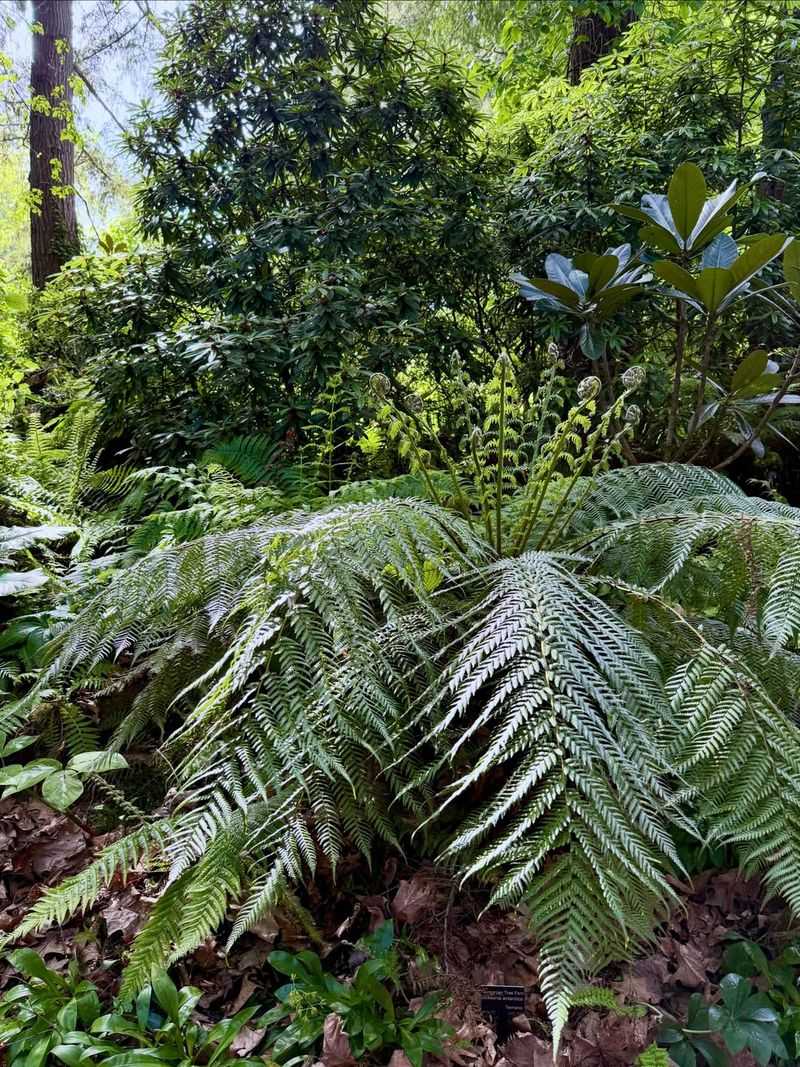
Christmas Fern got its name because its evergreen fronds stay green and visible even during the winter months, sometimes poking through light snow. That year-round presence is part of what makes it so valuable in a Pennsylvania landscape.
It is one of the most common native ferns in the region, and it handles a wide range of shaded conditions with ease.
Along woodland borders and the shaded edges of properties, vegetation can quickly become overgrown and messy. Tall weeds and tangled brush create exactly the kind of cluttered environment where ticks are most comfortable.
Christmas Fern naturally fills those edges with upright, organized growth that keeps borders looking clean without requiring constant maintenance or trimming.
The fern grows in clumps, typically reaching one to two feet in height, and spreads slowly over time. It prefers moist, well-drained soil and does best in partial to full shade.
Rocky slopes, stream banks, and the shaded north sides of buildings are all spots where Christmas Fern can thrive where other plants would give up.
Wildlife also benefits from Christmas Fern. Several bird species use the dense fronds for shelter and nesting material, and the plant supports native insects throughout the growing season.
Planting it along fence lines, at the base of large trees, or along the back edge of a property creates a structured, natural-looking border that discourages weedy growth.
For homeowners who want a reliable, no-fuss native plant that keeps woodland edges tidy and less hospitable to ticks, Christmas Fern is a proven, dependable option worth planting.
7. Foamflower
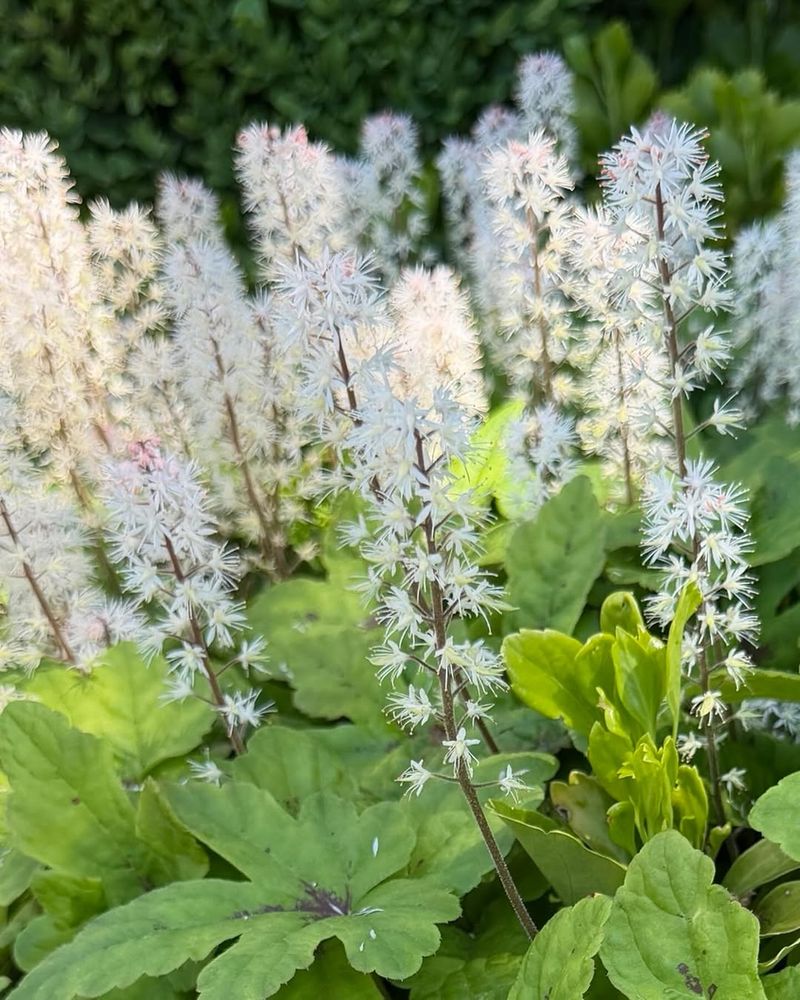
Foamflower has one of the most fitting names in the native plant world. When it blooms in spring, it sends up airy clusters of tiny white flowers that genuinely look like foam floating above the foliage.
It is a stunning sight in a shaded garden, and it arrives early in the season when most other plants are still waking up. That early beauty alone makes it worth planting.
Beyond its looks, Foamflower is a practical ground cover for managing bare, shaded soil. Ticks look for humid, dark soil with minimal disturbance, and a shaded patch of bare ground is almost an invitation.
Foamflower spreads gently through stolons, gradually covering that exposed soil with a layer of attractive, heart-shaped leaves that shade the ground and reduce the open conditions ticks prefer.
Foamflower handles moist, rich soil and deep shade very well, making it an excellent fit for areas near rain gardens, stream edges, or the shaded back corners of a yard.
It pairs beautifully with Wild Ginger and Christmas Fern, creating a layered native planting that covers the ground at multiple heights.
Unlike some aggressive spreaders, Foamflower moves at a reasonable pace and is easy to manage if it edges too far in one direction. It also comes in several cultivated varieties with colorful or patterned leaves, giving homeowners some flexibility in how the planting looks.
Supporting native bees and early pollinators, Foamflower brings both ecological value and visual appeal to shaded Pennsylvania gardens. Planting it in groups creates a full, lush look that is genuinely hard to achieve with non-native alternatives.