Why Eastern Redbud Is Such A Popular Native Tree For Ohio Landscapes
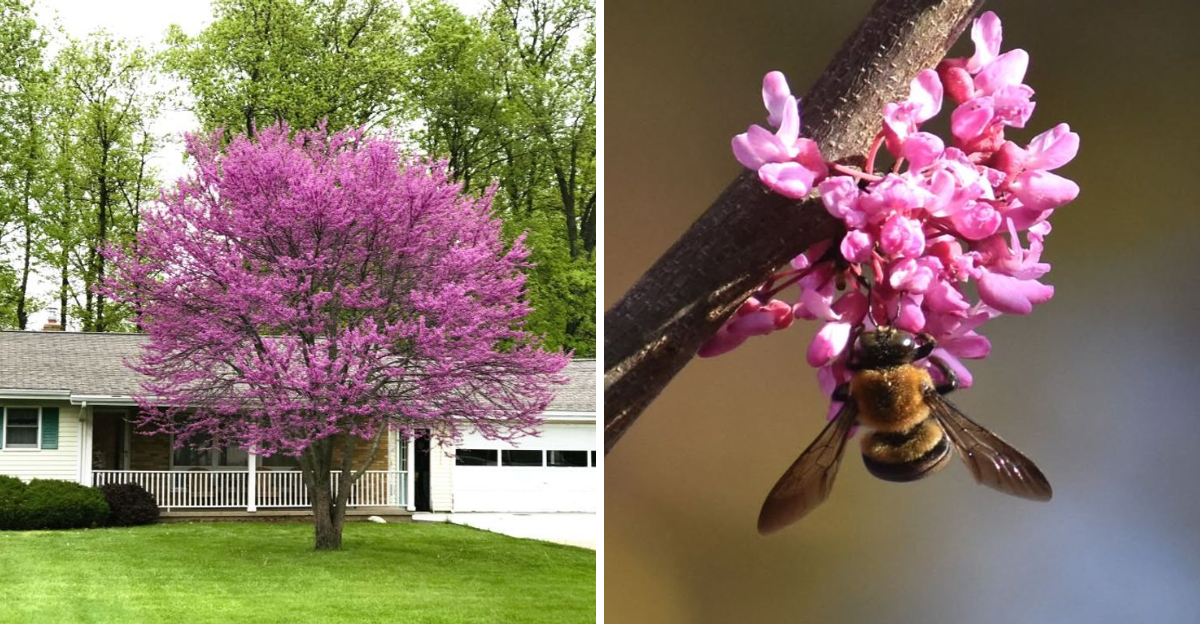
Drive through Ohio in early spring and one tree tends to stand out before anything else wakes up. Bright pink blossoms line streets, edge woodlots, and frame front yards with color that feels almost sudden after winter.
Eastern redbud has earned a strong place in Ohio landscapes thanks to its early bloom, manageable size, and natural fit within the region. Homeowners often choose it for its ability to add interest without overwhelming smaller spaces.
Its shape, color, and seasonal rhythm bring a sense of balance that works well in both newer developments and older neighborhoods. Native roots also play a role, since many gardeners look for options that support local ecosystems while still offering visual appeal.
This tree checks all those boxes with ease. Take a closer look at why Eastern redbud continues to show up across Ohio yards year after year.
1. Early Spring Blooms Instantly Brighten Ohio Yards
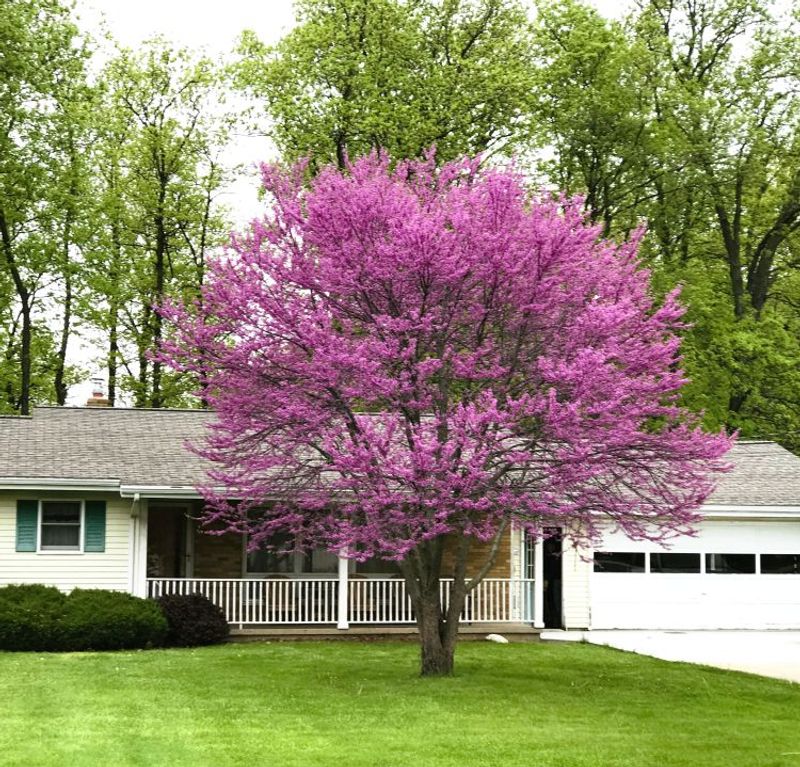
Before most trees have even thought about pushing out their first leaves, the Eastern Redbud puts on a flower show that stops people in their tracks.
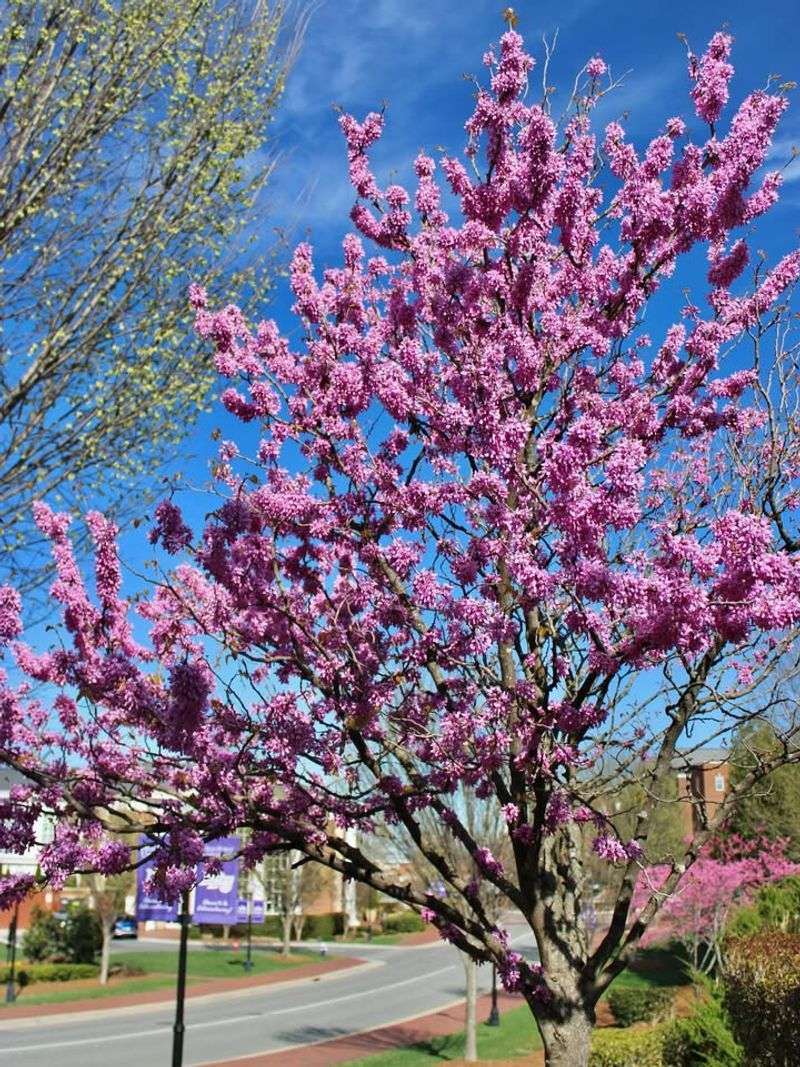
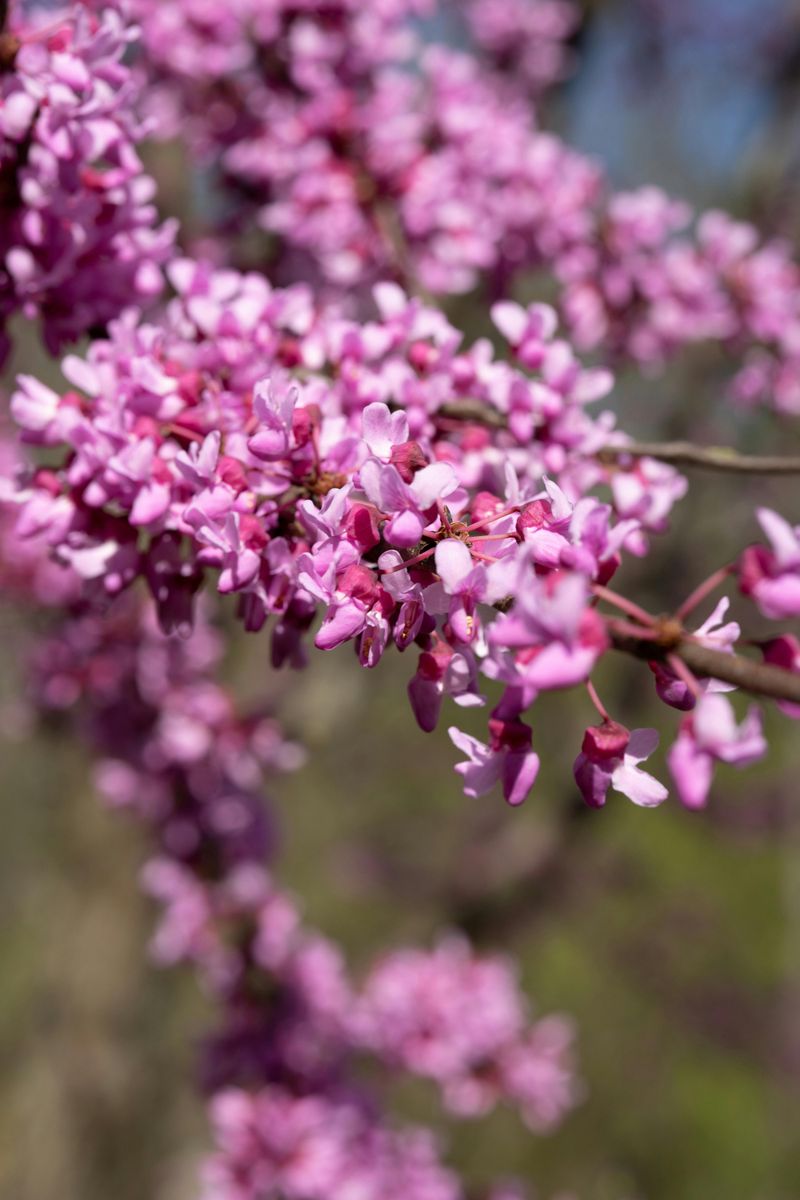
Tiny, bright magenta-pink blossoms cluster tightly along every branch and even directly on the main trunk, a botanical trick called cauliflory.
This creates a full, almost electric burst of color against the still-bare Ohio landscape in late March and early April.
Because neighboring trees and shrubs are still dormant at that point, the redbud stands out with almost no competition.
According to Ohio State University Extension, blooms typically appear two to three weeks before the leaves emerge, giving the flowers maximum visual impact.
That timing makes it one of the earliest ornamental trees to signal the end of winter in Ohio.
Homeowners often say the redbud is the tree that finally makes their yard feel alive again after a long, grey Ohio winter. Planting one near a window or along a driveway means you get a front-row seat to that seasonal color burst every single year.
Few other native trees can match that kind of reliable spring drama in Ohio’s climate.
2. A Native Tree That Fits Almost Any Space
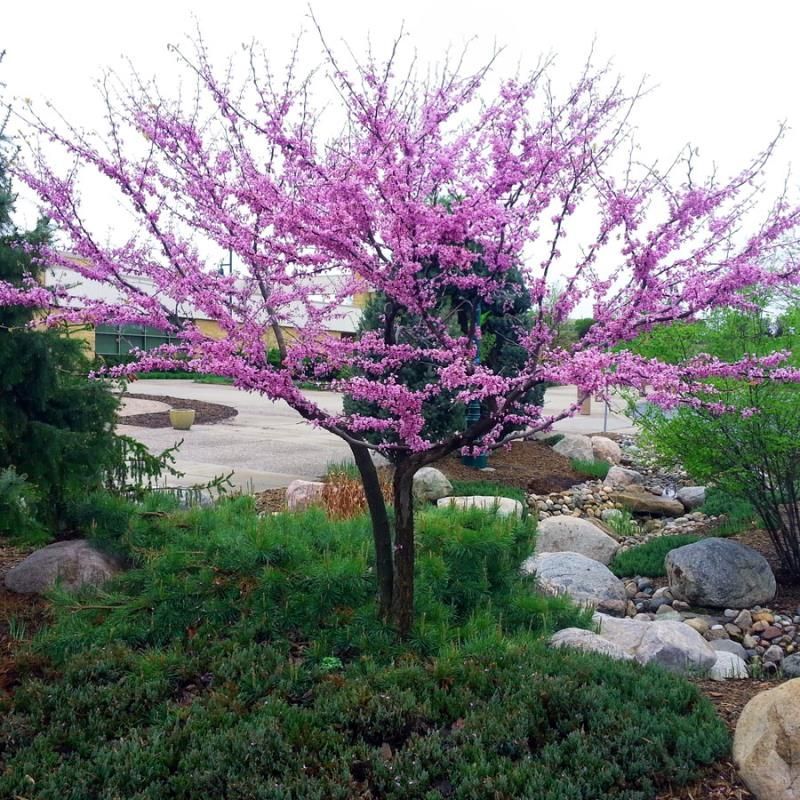
Not every yard in Ohio has room for a massive oak or a towering maple, and that is exactly where the Eastern Redbud earns its reputation as a landscaper’s favorite.
Mature redbuds typically reach between 20 and 30 feet tall with a spread of roughly 25 to 35 feet, making them genuinely manageable for residential lots of nearly any size.
Their naturally rounded, somewhat irregular canopy adds character without overwhelming a space.
Penn State Extension describes the redbud as a superb tree for almost any landscape, and Ohio landscapers echo that sentiment regularly. It works beautifully as a standalone specimen, tucked into a mixed border, or planted in small groupings along a property edge.
Its modest scale also makes it a smart choice for planting beneath power lines, since it rarely grows tall enough to cause clearance problems.
For homeowners who want a tree that makes a statement without taking over the yard, redbud strikes that balance well. It layers nicely with taller shade trees behind it and lower shrubs in front, giving any Ohio landscape a sense of depth and structure.
Your Ohio Garden Changes Every Week. Your Plan Should Too.
Gardening in Ohio changes quickly throughout the season. Every Friday you’ll receive a simple weekly plan showing exactly what to plant, prune, fertilize, harvest, and protect so you never miss the right timing.
Choosing the right spot near a patio or garden bed can turn an ordinary corner into a genuinely inviting outdoor space.
3. Pollinators Flock To Its First Flowers Of The Season
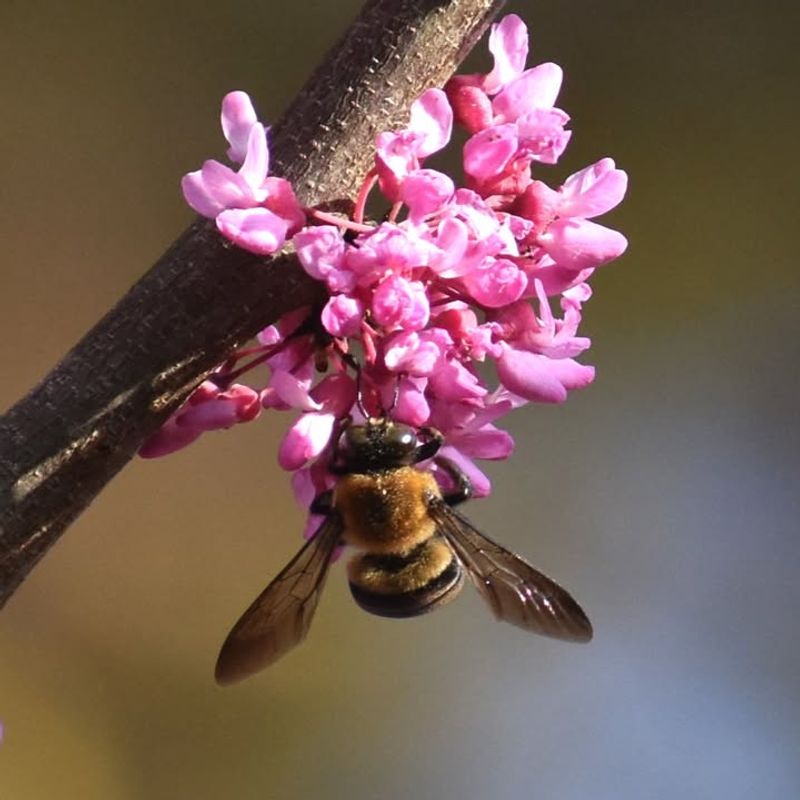
When spring arrives in Ohio, native bees and early-emerging pollinators are hungry and searching for food sources that have not yet opened up across the landscape.
The Eastern Redbud steps in at exactly the right moment, offering a generous supply of nectar-rich flowers when almost nothing else is blooming.
That early availability makes it genuinely valuable from an ecological standpoint, not just a pretty face in the yard.
According to OSU Extension’s factsheet on Cercis canadensis, the tree’s flowers are a critical early-season resource for several bee species, including native mining bees and bumble bees that are just becoming active.
The pea-shaped blossoms are structured in a way that rewards bees with accessible nectar, making visits efficient and frequent.
Watching a redbud in full bloom on a warm April afternoon, buzzing with activity, is a reminder of how much a single tree can contribute.
Beyond bees, the Eastern Redbud also supports several butterfly and moth larvae as a host plant, adding another layer of ecological usefulness. Planting one in your Ohio yard is a simple, low-effort way to support local pollinator populations.
Gardeners who care about biodiversity consistently rank it among the most rewarding native trees available for the region.
4. Low Maintenance Needs Make It Easy To Grow
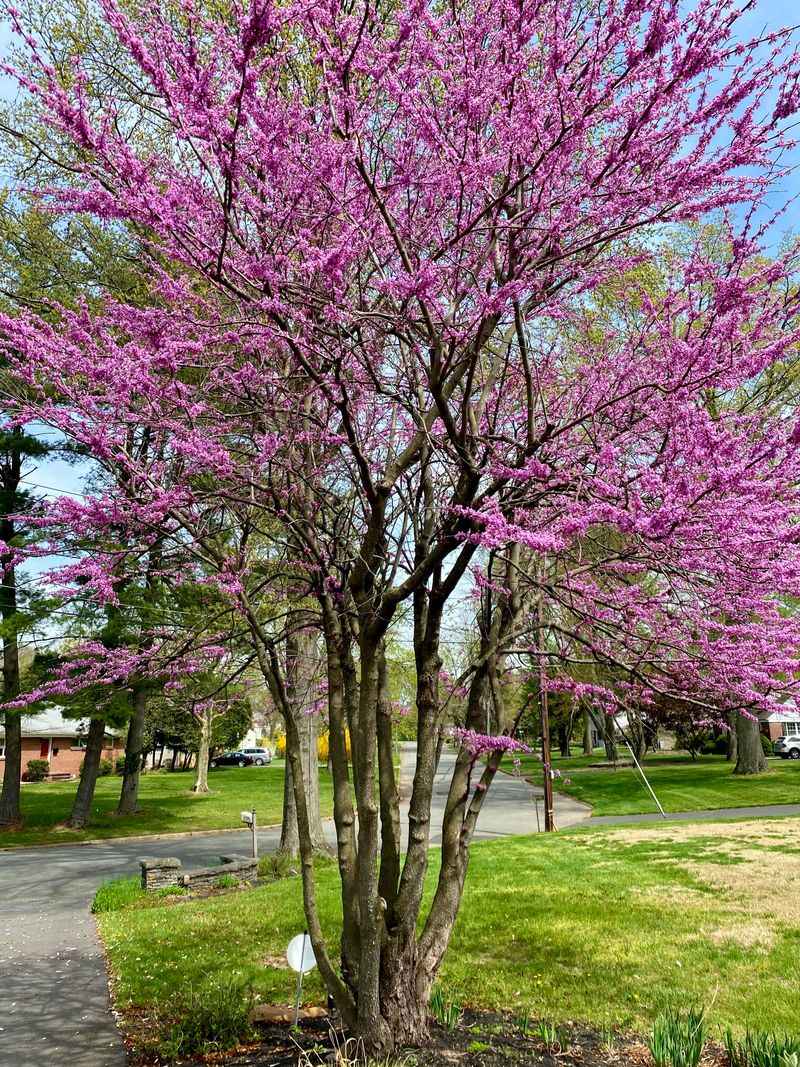
One of the most common questions new tree planters ask is how much work a tree will actually demand over time. With the Eastern Redbud, the honest answer is: not much.
Once established, typically after the first two to three growing seasons, this tree handles Ohio’s conditions with very little help from the homeowner. Regular deep watering during dry spells in the first couple of years gets it off to a strong start.
Pruning needs are minimal and mostly cosmetic. The best time to shape a redbud is right after it finishes blooming in spring, which avoids removing next year’s flower buds.
Removing any crossed or rubbing branches helps maintain good airflow, but heavy pruning is rarely necessary. Redbuds naturally develop an appealing form without much intervention.
Fertilizing is generally not required if the tree is planted in reasonably good soil. A layer of organic mulch around the base helps retain moisture and moderate soil temperature, which is especially helpful during Ohio’s hot summer stretches.
Compared to many ornamental trees that need spraying, staking, or constant attention, the redbud is refreshingly self-sufficient. For busy homeowners who want beauty without a demanding maintenance schedule, it is an easy recommendation to make.
5. Compact Size Works Well In Residential Landscapes
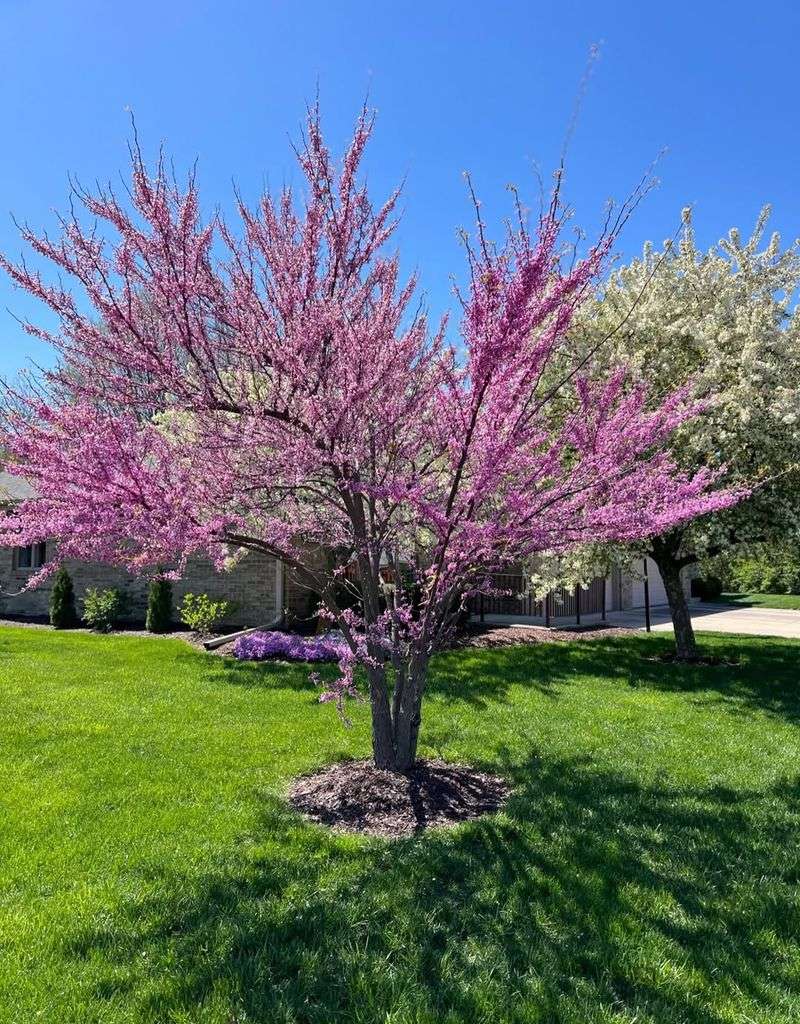
There is a real art to choosing a tree that adds presence to a yard without crowding out everything else around it. The Eastern Redbud has that balance figured out naturally.
Its mature size stays well within the range that works for most residential properties, giving homeowners the feeling of a real, established tree without the root problems or canopy congestion that larger species can bring.
Unlike silver maples or cottonwoods that can push against foundations or lift sidewalks over time, the redbud’s root system is far more restrained. That makes it a practical option for planting relatively close to patios, walkways, or garden beds without worrying about long-term damage.
Many Ohio homeowners plant them within 10 to 15 feet of outdoor living areas to enjoy the dappled shade and seasonal interest up close.
The tree’s naturally layered branching structure also creates a soft, multi-dimensional look that fills visual space without feeling heavy or overpowering. It works well in yards where you want to add height and canopy without sacrificing light or ground space.
For urban and suburban Ohio properties where square footage matters, the redbud’s compact footprint is a genuine practical advantage, not just a bonus feature.
6. Heart-Shaped Leaves Add Soft Texture All Season
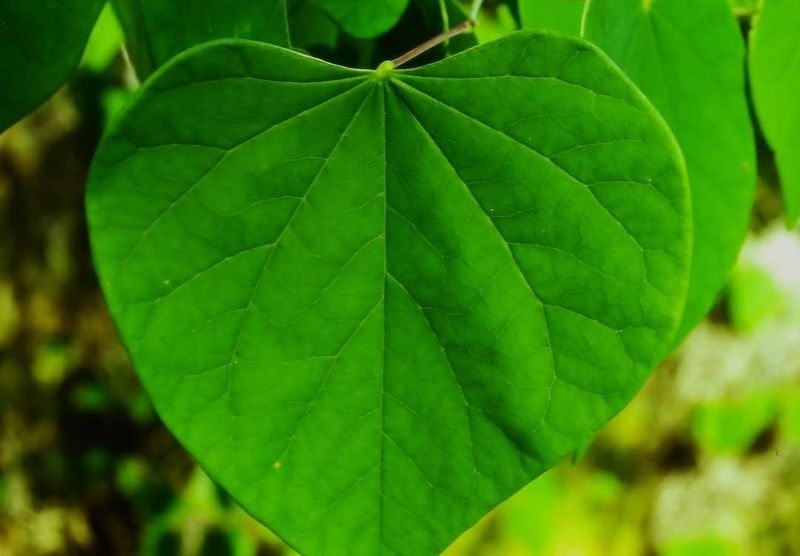
After the spring flower show wraps up, the Eastern Redbud does not quietly fade into the background the way some ornamental trees do.
Instead, it leafs out in a flush of reddish-bronze foliage that gradually matures into a rich, glossy green through the summer months.
The leaves themselves are distinctly heart-shaped, which gives the tree a soft, almost whimsical quality that is hard to find in other native species.
That rounded, textured canopy creates a pleasant visual contrast when planted alongside trees with finer or more pointed foliage. In fall, the leaves shift to a warm yellow before dropping, adding one more seasonal moment to the tree’s annual performance.
It is not the most dramatic fall color in the Ohio tree lineup, but it contributes a quiet, golden warmth that rounds out the year nicely.
Certain cultivars like ‘Forest Pansy’ take the foliage appeal even further, holding deep burgundy-purple leaves well into the growing season.
For homeowners who want interest beyond just the spring bloom window, selecting one of these varieties can extend the redbud’s visual contribution significantly.
The combination of interesting leaf shape, seasonal color change, and clean summer appearance makes it a genuinely multi-season tree.
7. Handles Ohio Conditions Better Than Many Ornamentals
Ohio’s climate is not always easy on ornamental trees. Winters can swing between deep freezes and mid-season warm spells that trick plants into breaking dormancy too early.
Summers bring stretches of heat and humidity, and the soil across the state ranges from heavy clay in the western regions to sandier mixes further east. Many popular ornamental trees struggle to perform consistently across all those variables.
The Eastern Redbud handles that range with notable flexibility. As a native species, it evolved alongside Ohio’s climate patterns and is hardened to the same cold snaps, wet springs, and dry summers that challenge non-native ornamentals.
It tolerates both slightly acidic and slightly alkaline soils, and while it prefers well-drained conditions, established trees can manage periods of brief waterlogging without serious setbacks.
Full sun to partial shade works equally well for redbuds, which gives homeowners more flexibility in choosing planting locations. Penn State Extension notes that the species adapts to a surprisingly wide range of site conditions compared to many ornamental alternatives.
For Ohio gardeners who have watched imported ornamentals struggle and underperform, the redbud’s regional toughness feels like a breath of fresh air. It is built for this state in a way that many exotic alternatives simply are not.
8. A Reliable Choice For Both New And Established Yards
Whether you are starting a landscape from scratch on a newly built lot or filling in gaps in a yard that has been growing for decades, the Eastern Redbud slots in without much fuss.
Young trees establish relatively quickly compared to slower-growing natives, and most begin flowering within three to five years of planting.
That faster return on investment matters to homeowners who want visible results without a long wait.
In established landscapes, the redbud works as a mid-story tree that bridges the gap between tall shade trees and low shrub plantings.
It layers naturally with species like dogwood, serviceberry, and native viburnums, creating the kind of multi-level planting design that professional landscapers often aim for.
Its scale and form complement rather than compete with surrounding plants.
Landscapers across Ohio consistently recommend redbud as a dependable go-to because it performs predictably season after season without surprise failures or high replacement rates.
The Lower Olentangy Urban Arboretum in Columbus highlights it as a valued contributor to urban green spaces, which speaks to its staying power in real-world planting environments.
For any Ohio homeowner who wants a tree that simply works, year in and year out, the Eastern Redbud has built a well-earned reputation for delivering exactly that.