The Native Michigan Grass That Actually Prefers Your Worst Compacted Dry Soil
Compacted, dry soil is the kind of garden problem that seems to resist every solution thrown at it. Amendments wash away or fail to penetrate deeply enough, most plants stall out within a season, and the area ends up bare and frustrating year after year.
There is a native Michigan grass that treats those conditions as home rather than a challenge, and it is one of the more underused solutions in the state’s native plant palette.
This grass evolved in the kind of dry, hard packed ground that exists on roadsides, sunny hillsides, and neglected corners of yards where nothing else has managed to get established.
It does not need amended soil, supplemental watering, or favorable conditions to thrive.
What makes it especially valuable in a Michigan garden is that beyond solving the bare soil problem, it brings genuine seasonal interest to the spots it colonizes.
With a texture and movement that softens difficult areas and gives them a finished, intentional look that bare compacted ground never could.
1. Little Bluestem Is A True Michigan Native (Schizachyrium scoparium)
Few plants have roots as deep in Michigan’s natural landscape as little bluestem. This warm-season prairie grass has been growing across the state for thousands of years, long before anyone thought about planting it in a garden.
You can find it naturally in dry prairies, open sandy fields, and rocky hillsides throughout Michigan, where it forms beautiful clumps alongside other native wildflowers.
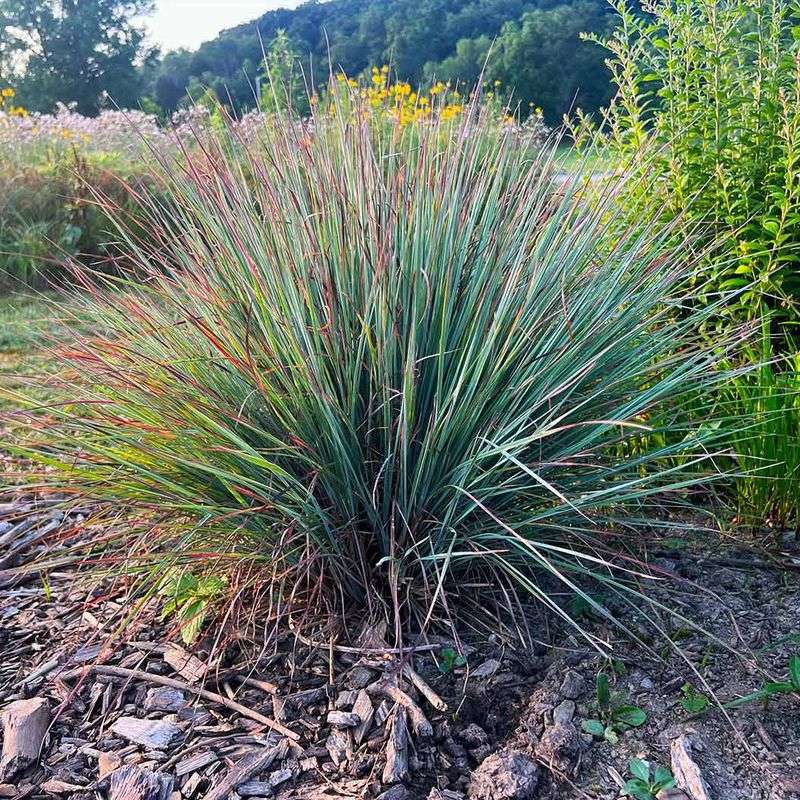
Its scientific name is Schizachyrium scoparium, and it belongs to the grass family Poaceae. The name “little bluestem” comes from the bluish-green color the stems show during the summer growing season.
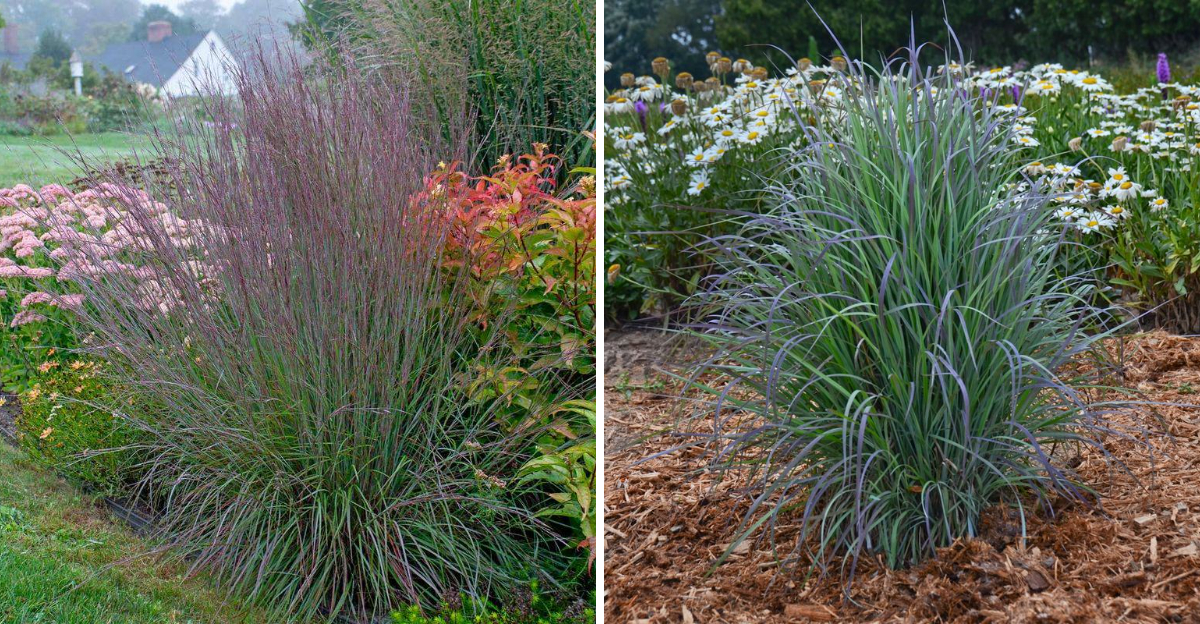
Reaching about two to four feet tall, it forms tidy upright clumps that look great even without any extra attention from you.
Because it evolved right here in Michigan, little bluestem is perfectly matched to the local climate, rainfall patterns, and soil conditions. It knows how to handle cold winters, hot summers, and everything in between.
Planting a Michigan native like this means you’re working with nature instead of against it.
You’re also helping restore a small piece of the tallgrass prairie ecosystem that once covered huge areas of the Midwest, making your garden feel connected to something much bigger and older than a typical yard.
2. Lean Soil Is Where Little Bluestem Truly Shines
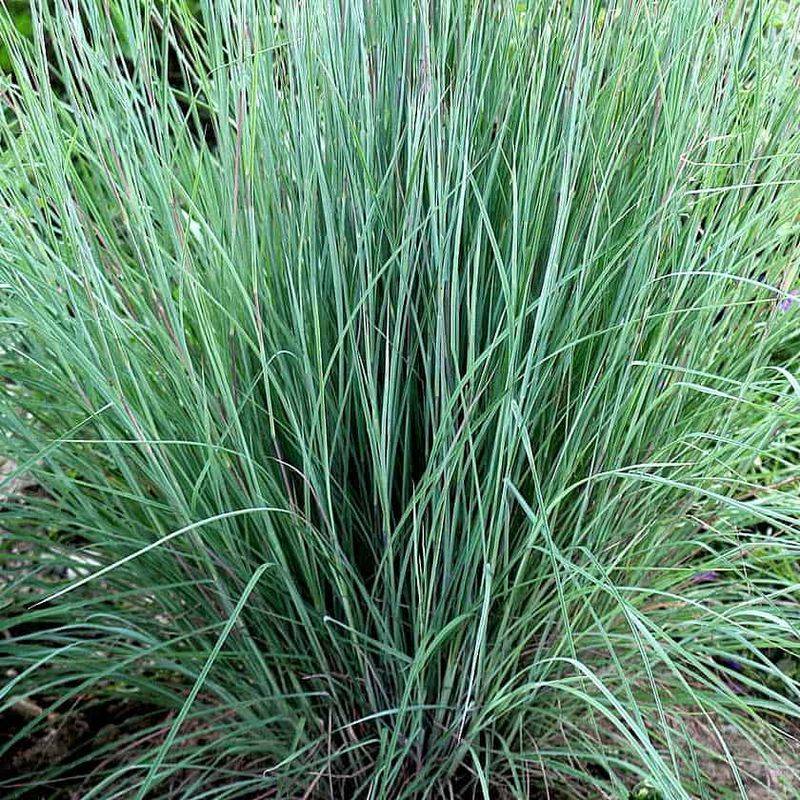
Here is something that surprises almost every new gardener: little bluestem actually performs worse in rich, heavily fertilized soil.
Most of us are trained to think that adding compost and fertilizer makes every plant happier, but this grass did not evolve in pampered garden beds.
It grew up in lean, nutrient-poor soils where other plants could not compete, and that history shaped everything about how it grows.
When you plant little bluestem in overly rich soil, the stems get tall and floppy, leaning over and losing that clean upright look that makes this grass so attractive. Too much nitrogen pushes lush leafy growth that the plant simply cannot support.
Your Michigan Garden Changes Every Week. Your Plan Should Too.
Gardening in Michigan changes quickly throughout the season. Every Friday you’ll receive a simple weekly plan showing exactly what to plant, prune, fertilize, harvest, and protect so you never miss the right timing.
The result is a messy, sprawling clump instead of the beautiful structured form you were hoping for.
The best approach in Michigan gardens is to skip the fertilizer entirely and choose a well-drained spot with average to poor soil. Sandy or gravelly areas work wonderfully.
If your soil drains quickly after rain and does not hold a lot of moisture, that is actually a perfect home for little bluestem. You do not need to amend the soil or add anything special.
Just plant it, water it through the first season while it gets established, and then step back and let it do what it naturally does best in Michigan’s landscape.
3. Drought Resistance That Puts Other Grasses To Shame
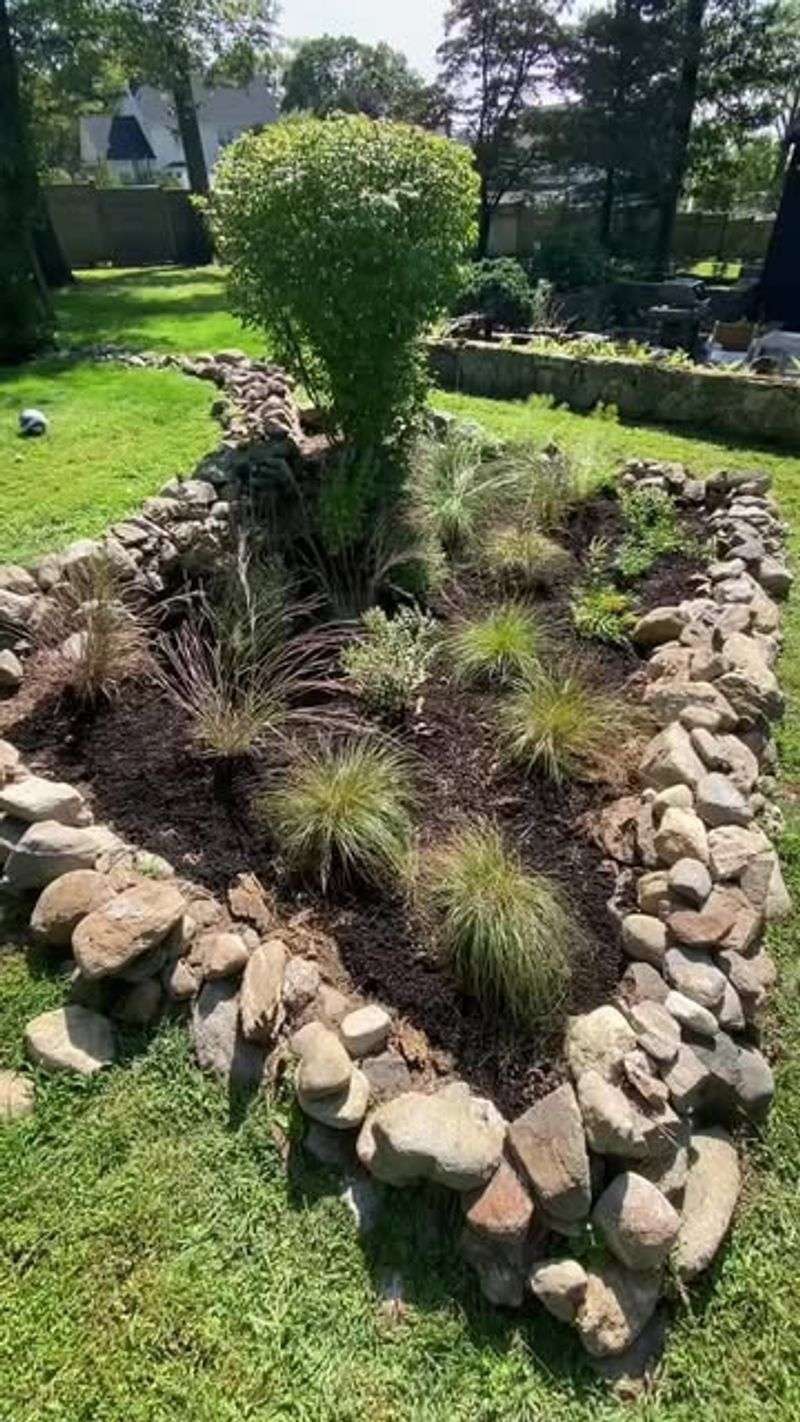
Imagine a plant that actually gets more comfortable as summer heats up and rain disappears. That is little bluestem in a nutshell.
Once it settles in during its first growing season, this grass handles drought far better than typical turf grass or most garden perennials you might find at a Michigan nursery.
Its deep, fibrous root system reaches well into the soil to find moisture that surface-rooted plants simply cannot access.
Research from native plant studies shows that little bluestem roots can extend several feet deep into the ground. That depth is a game-changer during Michigan’s dry summer stretches when rainfall gets unreliable.
While your lawn might turn brown and crispy, little bluestem holds its color and keeps growing without asking for anything from you.
Homeowners in Michigan who have switched from thirsty turf grass to native grass plantings report dramatic reductions in how much they water their yards. Little bluestem is a huge part of that success.
You can skip the irrigation system, ignore the hose during dry spells, and still come outside to find your grass looking healthy and full.
For anyone trying to create a lower-maintenance yard in Michigan, or simply trying to cut down on water bills during summer, this grass is one of the smartest investments you can make in your landscape right now.
4. Compacted Soil? Little Bluestem Handles It Better Than Most Native Flowers
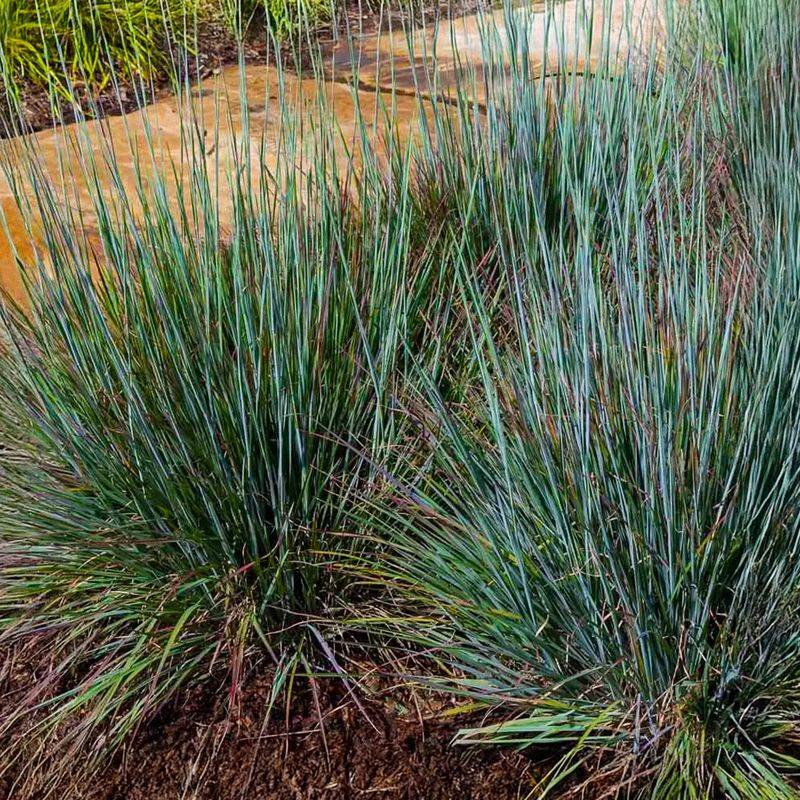
Compacted soil is one of the most frustrating problems homeowners face, especially in newer Michigan neighborhoods where construction equipment has packed the ground down hard.
Most native wildflowers and prairie plants struggle in those conditions because their roots cannot push through dense, airless soil.
Little bluestem is not completely immune to severe compaction, but it handles moderately compacted, dry, and poor soils far better than many of its native plant neighbors.
That toughness makes it incredibly useful in spots most gardeners write off entirely, like the strip between a sidewalk and the street, a dry slope near a driveway, or a hardpan area along a fence line.
These are the kinds of places where nothing seems to want to grow, yet little bluestem can move in and establish itself with surprisingly little fuss.
Its fibrous roots work their way through tighter soils over time, and as the plant matures, it actually helps improve soil structure around it.
Pairing little bluestem with other tough Michigan natives like black-eyed Susan or prairie dropseed can create a low-maintenance planting that gradually softens and improves even difficult ground.
Starting with young plants rather than seeds gives them the best shot at pushing through harder soil.
With a little patience through the first season, you will have a thriving planting in a spot that once seemed completely hopeless.
5. Full Sun Is Non-Negotiable For The Best Results
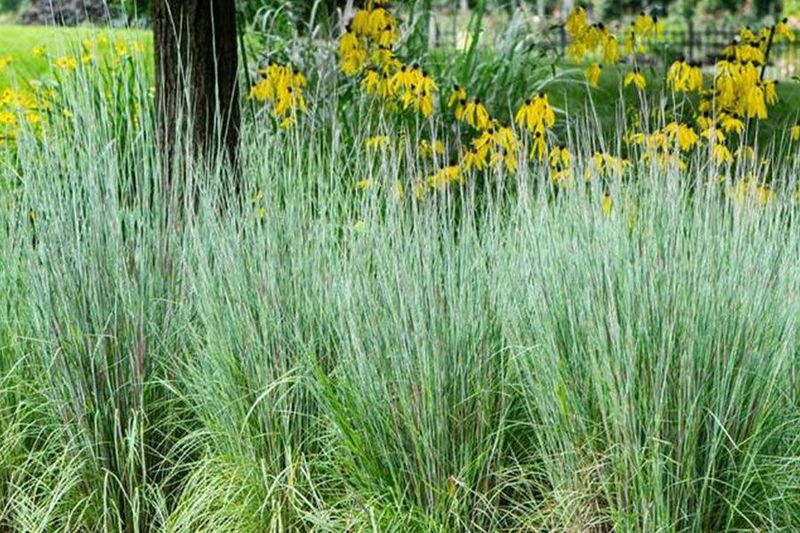
Sunlight is the one thing little bluestem refuses to compromise on. Give it six or more hours of direct sun each day and it grows strong, upright, and absolutely stunning from spring through winter.
Start reducing that sun exposure, though, and the problems add up fast. Shaded plants tend to flop, lean sideways, and lose the tight clumping form that makes this grass such a standout in Michigan landscapes.
The chemistry behind this is actually pretty interesting. Little bluestem is a warm-season C4 grass, which means it uses a special photosynthesis pathway that works most efficiently in bright, hot conditions.
That is why it hits its stride in the hottest months of the Michigan summer, when many other plants slow down. Full sun combined with summer heat is basically the perfect recipe for this grass to look its absolute best.
When you are choosing a planting location in your Michigan yard, pick the sunniest spot available. South-facing slopes, open front yards, and areas away from large trees are all excellent choices.
Avoid planting little bluestem near buildings or fences that cast long afternoon shadows.
Getting the sun requirement right from the beginning saves you a lot of frustration later and means your plants will reward you with that gorgeous upright structure and brilliant fall color that makes this native grass so popular with Michigan gardeners.
6. Year-Round Structure That Keeps Your Garden Beautiful Every Season
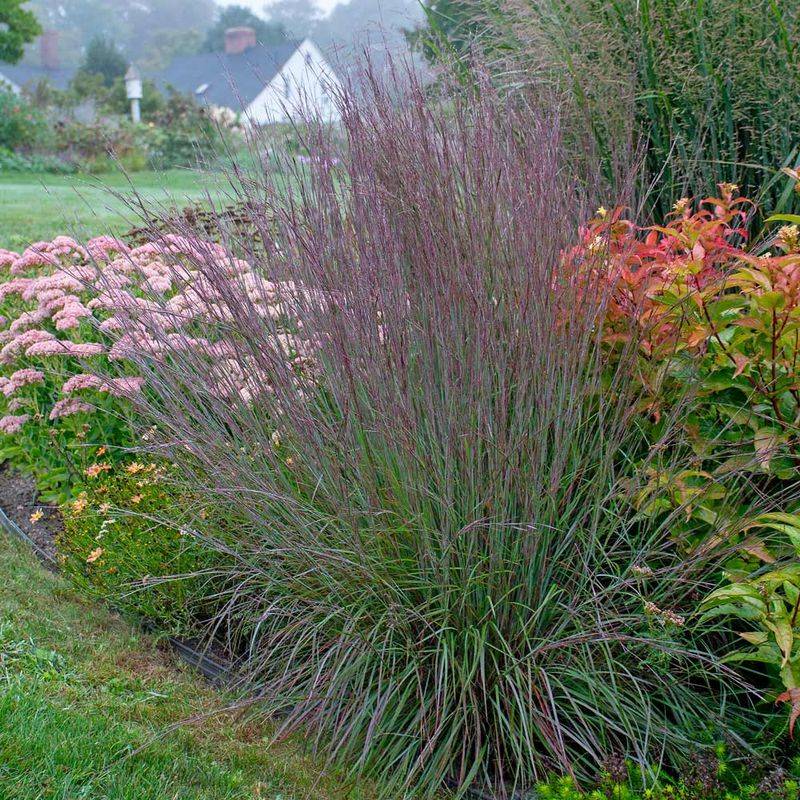
One of the most exciting things about little bluestem is that its show does not stop when summer ends. During the warm months, the blue-green foliage creates a cool, airy texture in your Michigan garden.
Then, as fall arrives, the magic really begins. The stems shift into breathtaking shades of copper, burnt orange, and deep reddish-brown that glow in the low autumn sunlight like something out of a painting.
Even after the first hard frosts, little bluestem keeps delivering. The dried stems and fluffy silver seed heads stand upright through much of the Michigan winter, catching snow and frost in ways that look genuinely beautiful rather than just neglected.
Many gardeners actually prefer the winter look of this grass to its summer appearance, which says a lot about how much visual interest it provides year-round.
From a practical standpoint, leaving the stems standing through winter also benefits the local ecosystem, giving insects and birds shelter and food during the coldest months.
You can cut the clumps back in late winter or early spring, just before new growth begins, to keep everything tidy and fresh.
A simple annual trim is all the maintenance this grass really needs. For Michigan gardeners who want a plant that looks interesting in January and spectacular in October, little bluestem is hard to beat in any season of the year.
7. A Powerhouse For Native Wildlife Right In Your Own Yard
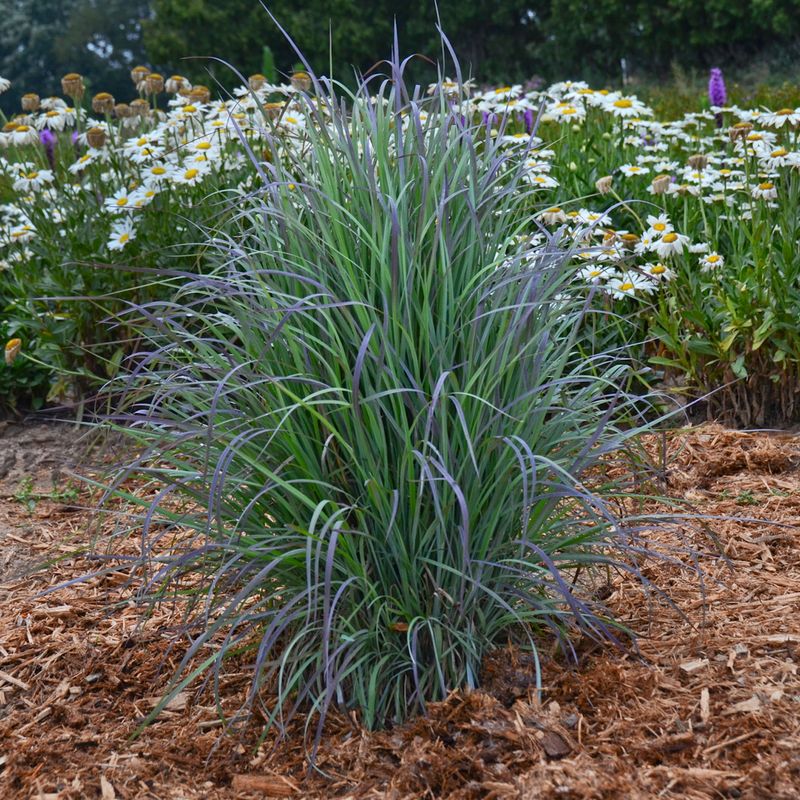
Beyond its good looks and tough attitude, little bluestem quietly does some remarkable work for Michigan’s native wildlife. The dense clumps provide protective cover for ground-nesting birds and small mammals looking for shelter from predators and harsh weather.
Sparrows and juncos in particular love foraging through the seed heads during fall and winter, turning a simple grass planting into a lively backyard bird scene.
For butterfly enthusiasts, little bluestem holds a special role as a host plant for several native skipper butterflies, including the cobweb skipper and the Indian skipper.
These small but beautiful butterflies lay their eggs on little bluestem leaves, and the caterpillars feed on the grass as they develop.
Without host plants like this one, many native butterfly species simply cannot complete their life cycle, making every clump of little bluestem you plant genuinely meaningful for Michigan’s insect populations.
Native bees and other beneficial insects also shelter among the stems and forage near the plant throughout the growing season. When you add little bluestem to your Michigan yard, you are not just improving the look of a tough dry spot.
You are building a small but real piece of native habitat that connects your property to the broader web of Michigan’s natural ecosystems.
Even a few clumps make a measurable difference for local wildlife, and that is a pretty incredible return on such a low-maintenance, easy-to-grow plant.