Why These Pink Flowers Suddenly Appear In Indiana Yards Every August
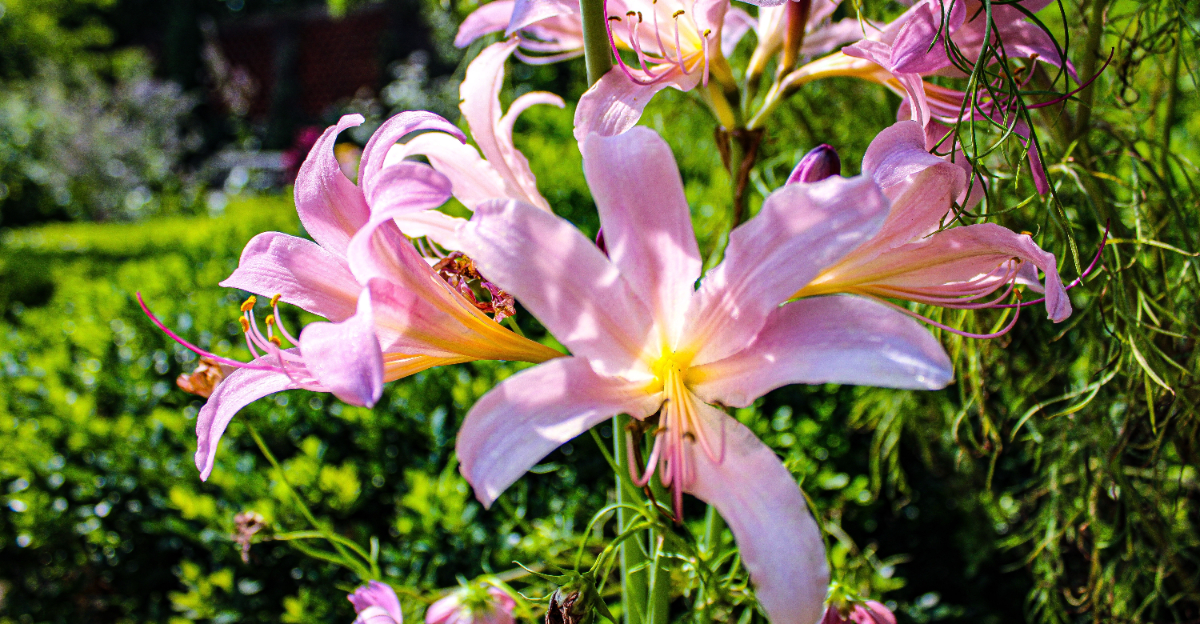
You never planted these flowers, yet here they stand. Yesterday your lawn showed nothing but plain grass. Today pink blossoms tower where nothing grew before.
Nobody planted these seeds, and nobody watered anything new. Indiana repeats this quiet trick every August. Underground a small bulb rested silently for many months.
Spring leaves rose early, then faded away without warning. Weeks passed with empty ground and absolutely no explanation. Heat finally stirred its long dormant patience awake.
Humidity gently coaxed the stem upward within a few hours. Then, quietly, a bare green stalk slowly emerged. Suddenly the bloom simply opened before you noticed.
Locals quietly whisper about flowers that appear unannounced. Meanwhile your yard becomes a stage overnight, right here in Indiana.
Roots remember precise timing your eyes could never catch. Nothing about this strange bloom waits for your permission. Now you will never see your yard the same way again.
1. Foliage Fades Back Weeks Earlier
Most gardeners panic when their plants go bare. You see leafy green stems one week, and then nothing the next, which feels like something went terribly wrong.
Surprise lilies, also called naked ladies, do something almost no other plant does. Their leaves sprout in spring, feed the bulb underground, and then completely disappear by early summer.
That disappearing act is the secret setup for August’s show. The bulb is quietly storing energy while the foliage is gone, building up reserves like a sprinter crouching at the starting line.
Many homeowners accidentally dig up the bulbs during this leafless phase. The ground looks empty, so they assume nothing is there and start planting something new.
Knowing that the foliage fades on purpose changes everything about how you manage your yard. Marking bulb spots with small flags or garden stakes in spring saves a lot of frustration later.
The cycle of disappearing leaves is actually a survival strategy perfected over thousands of years. These bulbs are believed to have evolved this dormancy pattern as a response to seasonal drought stress.
Pink flowers that suddenly appear in Indiana yards every August owe that dramatic entrance to this early foliage exit. No leaves means all the energy goes straight into one dramatic bloom.
Once you respect this part of the cycle, you will stop worrying and start anticipating. The bare patch of ground becomes the most exciting spot in your whole garden.
2. Flower Stalks Grow Incredibly Fast
Speed is not something most people associate with flowers. Surprise lily stalks can grow noticeably taller in a single day, which often surprises first-time observers.
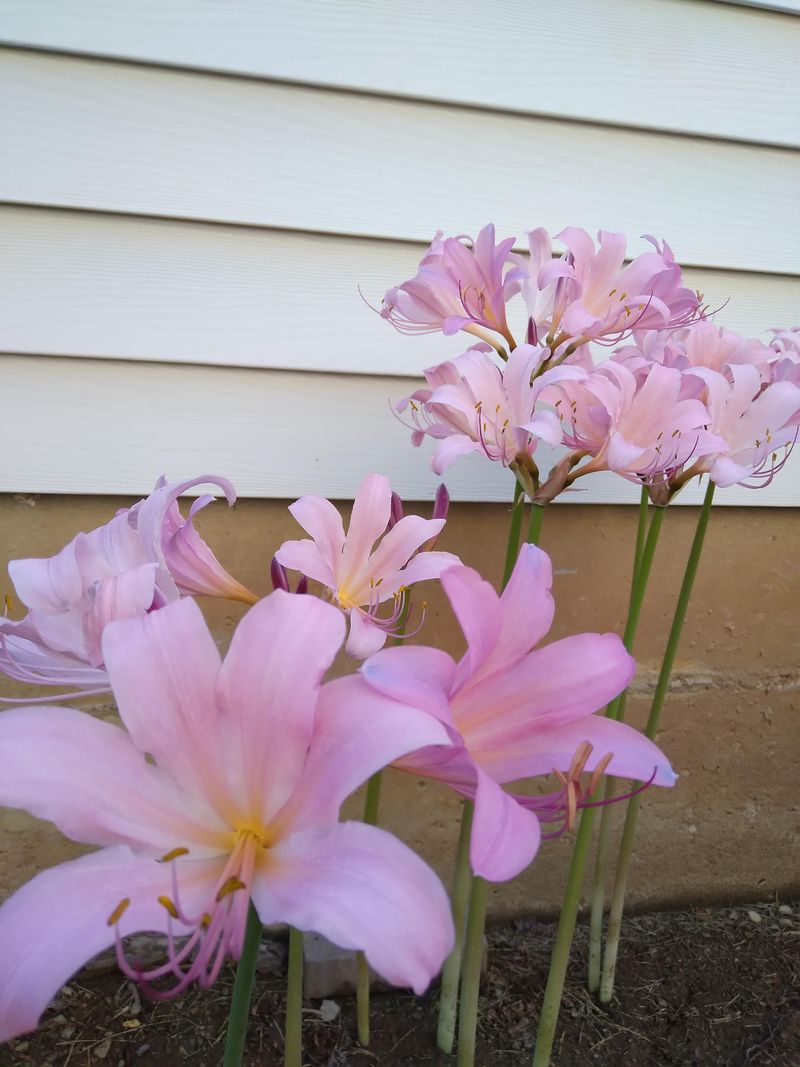
These stalks emerge from bare ground with no warning. One evening you see flat soil, and by morning a cluster of thick green stems stands ankle-high.
The rapid growth happens because the bulb has been saving energy all summer long. Think of it as stored energy released quickly once conditions are right.
This fast emergence happens because of energy stored in the bulb as carbohydrates. The bulb does not need sunlight or leaves to fuel this stage because it already has everything it needs stored below.
Your Indiana Garden Changes Every Week. Your Plan Should Too.
Gardening in Indiana changes quickly throughout the season. Every Friday you’ll receive a simple weekly plan showing exactly what to plant, prune, fertilize, harvest, and protect so you never miss the right timing.
Most flowering plants take weeks to push a stalk from soil to bloom height. Surprise lilies skip that slow process entirely and go from nothing to knee-high in just days.
Watching this happen in real time is notable. Gardeners who notice the first tiny stalk tips often check back every few hours just to track the progress.
The speed also protects the plant from being eaten before it blooms. Deer and rabbits have less time to notice and nibble when the stalk races upward so quickly.
Pink flowers that appear this fast in August yards create a sense of wonder that slower-blooming plants simply cannot match. Fast growth is part of what makes these blooms feel almost magical.
3. Blooms Open Within A Single Day
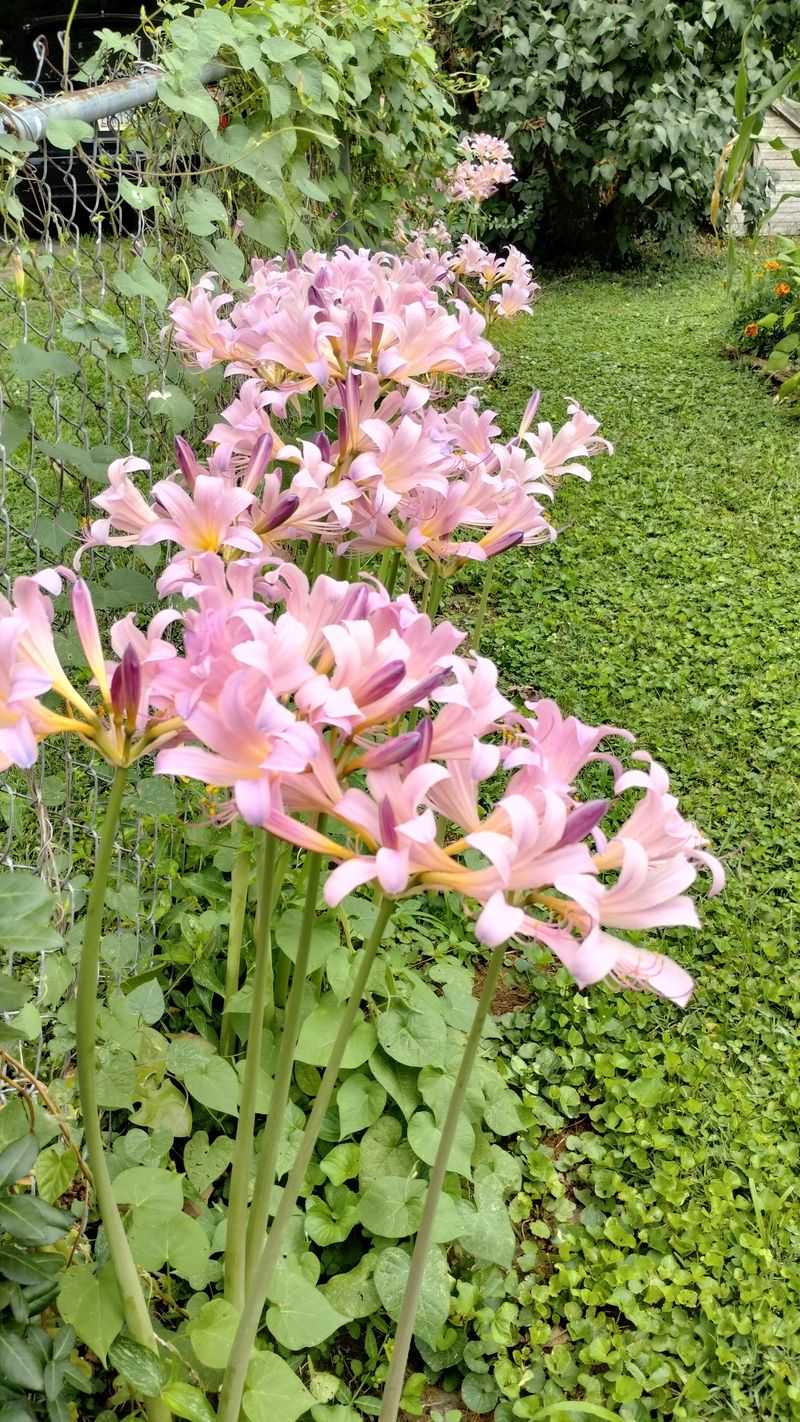
Patience is not required when it comes to surprise lily blooms. Once the stalk reaches its full height, the flowers can open within just twenty-four hours, sometimes faster.
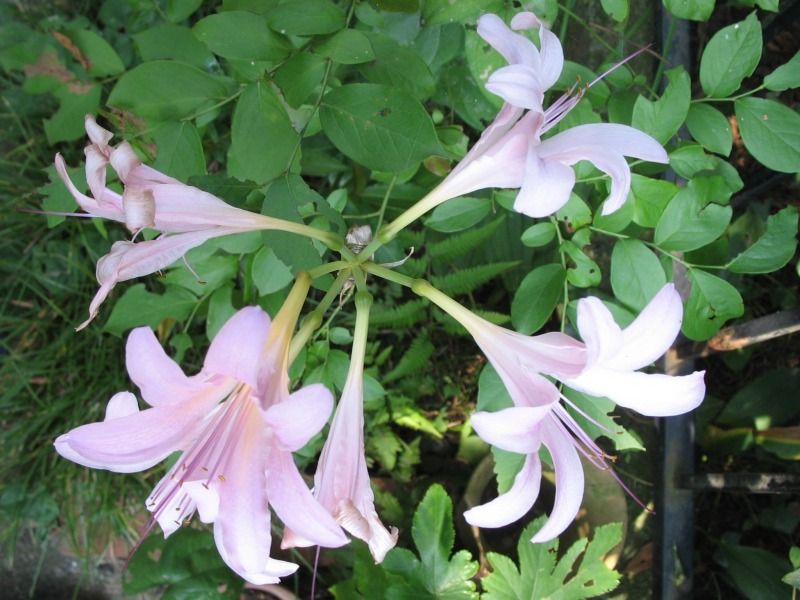
Each individual bloom unfurls like a tiny trumpet, curving outward in soft pink layers. The color is vivid and warm, somewhere between cotton candy and a summer sunset.
Clusters of several flowers typically open at nearly the same time on each stalk. The effect is a sudden burst of color that makes your yard look completely transformed overnight.
This rapid blooming is tied to the plant’s evolutionary timing. Surprise lilies need to attract pollinators quickly before late summer heat fades and insect activity slows down.
Bees and butterflies find these blooms almost immediately after they open. The flowers produce a light, sweet fragrance that attracts pollinators nearby.
Homeowners who have never seen this happen before often post photos online asking what appeared in their yard. The overnight transformation genuinely looks like something was planted while they slept.
One of the most satisfying parts of growing these plants is the anticipation right before blooming. You watch the tight buds for a day or two, knowing the show is about to begin.
Pink flowers that suddenly appear in Indiana yards every August reach their peak beauty fast. Enjoy every moment because the full bloom display lasts only about two weeks before fading gracefully.
4. Bulbs Stay Hidden Underground Unnoticed
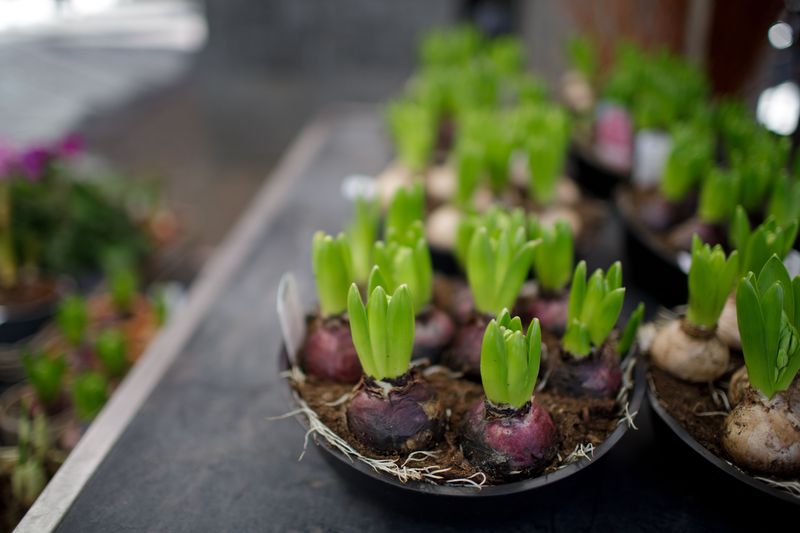
Out of sight, out of mind is basically the surprise lily’s whole strategy. These bulbs sit quietly underground for months while you go about your yard work completely unaware.
Surprise lily bulbs look similar to onions, round and papery on the outside. They can sit as deep as six inches below the surface, which makes them easy to overlook entirely.
Unlike tulip or daffodil bulbs that leave behind some visual clue, surprise lilies vanish completely in summer. No dried stems, no seed pods, no markers of any kind remain above ground.
This hidden phase is actually what makes the August bloom so dramatic. The bulb has been storing energy underground, and then reveals itself with a full display.
Bulbs multiply slowly over the years, which means a yard with just a few stalks in August may have noticeably more the following summer. Clumps grow larger and more impressive with each passing season.
Gardeners who inherit older homes often discover established surprise lily colonies they never knew existed. The previous owner may have planted them decades ago and forgot to mention them.
These bulbs are remarkably tough and self-sufficient. They survive hard Indiana winters, summer droughts, and neglect without complaint, asking for almost nothing in return.
Knowing a bulb is quietly waiting underground changes how you see your whole garden. Every bare patch holds potential, and the surprise lily proves that patience underground leads to brilliance aboveground.
5. No Leaves Signal Their Arrival
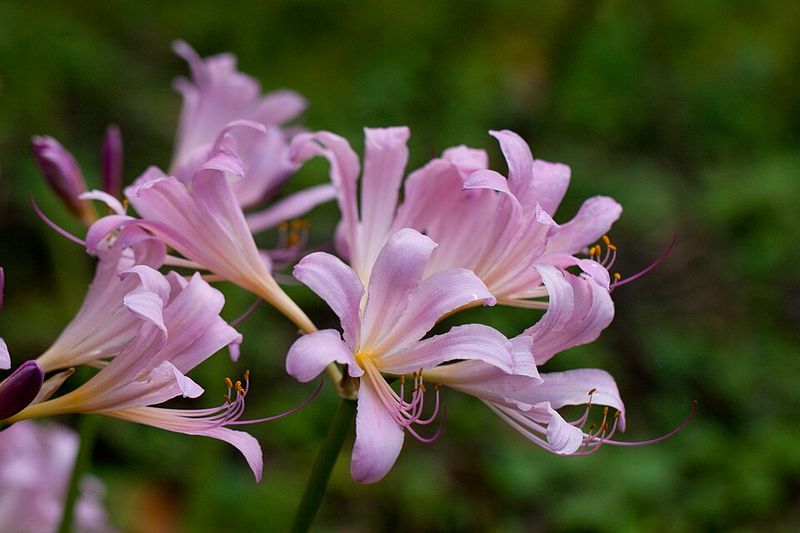
Most flowers give you a heads-up before they bloom. Green leaves appear, buds form, and you can see exactly what is coming weeks in advance.
Surprise lilies skip all of that. The stalk pushes straight up from bare soil with no leaves attached, no buds visible, and no gradual buildup at all.
This leafless stalk rising from empty ground is what gives the plant its other popular nickname: naked ladies. The stems are completely bare from soil to bloom tip.
Seeing a thick green stalk appear in a spot that was bare yesterday is surprising. Many people kneel down and stare at it, trying to figure out where it came from.
The absence of leaves is not a flaw or a sign of disease. It is the plant’s intentional design, separating the feeding stage from the flowering stage by months.
This separation actually makes the blooms more vivid and noticeable. Without competing foliage around the stalk, the pink flowers stand out dramatically against the late-summer green lawn.
Garden designers sometimes use this trait intentionally, placing surprise lilies where the bare stems create an unexpected focal point. The contrast of pink against bare soil is visually striking.
Pink flowers that suddenly appear in Indiana yards every August always arrive this way, with no leaves and no warning. That bare stalk is not a problem to solve but a feature to celebrate.
6. Heat Triggers Sudden Late-Summer Growth
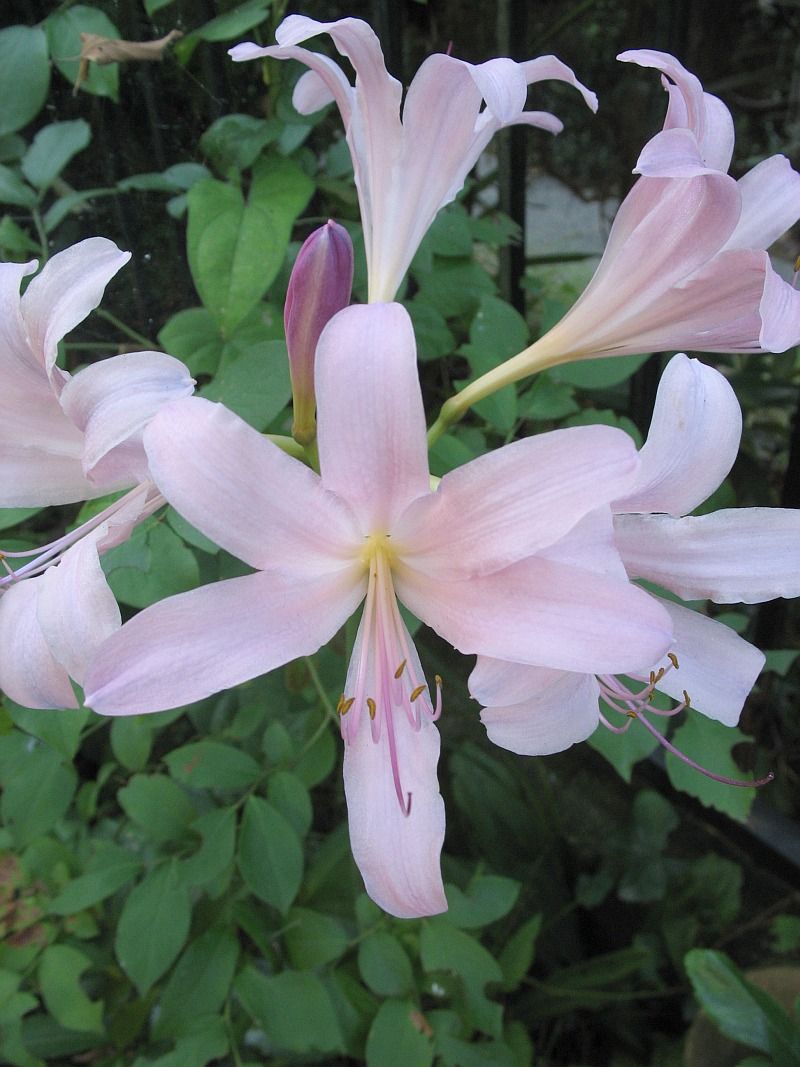
August heat in Indiana is no joke. Temperatures often climb well into the eighties, making most garden plants wilt and struggle to keep up.
Surprise lilies, though, love this heat. The combination of high temperatures and late-summer soil warmth acts like an alarm clock, waking the bulbs from their dormant state.
Soil temperature plays a bigger role than air temperature in triggering the bloom cycle. When ground temps stay consistently warm through July and into August, the bulbs respond by pushing stalks upward.
This heat-triggered response is believed to be a long-standing adaptation. The plants are thought to have originated in regions with hot, dry summers, developing a bloom cycle timed to late-season pollinator activity.
Cooler summers can sometimes delay the bloom by a week or two. Gardeners in shaded yards may notice their surprise lilies appear slightly later than those growing in full sun.
The relationship between heat and bloom timing is one reason these flowers appear so suddenly. A stretch of hot days builds up soil warmth, and then the bulb hits its trigger point and launches.
Watering your yard during dry August spells can sometimes accelerate this process. Moisture combined with heat signals the bulb that conditions are ideal for sending up a stalk.
Understanding this heat connection makes the August appearance feel less mysterious and more logical. Nature is just following its own precise and well-tested schedule, one hot day at a time.
7. Stalks Reach Full Height Quickly
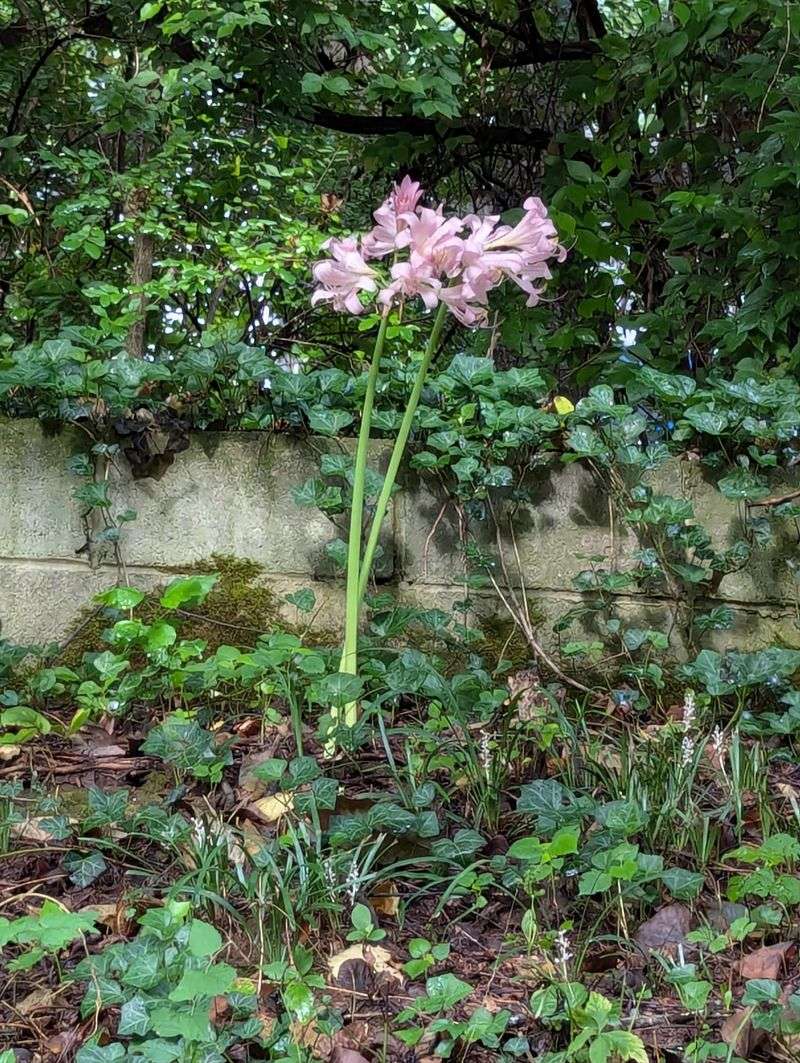
Significant height gain in just a few days is common for these stalks. Surprise lily stalks can grow several inches in a short period, often within a day or two.
The stalk starts as a tiny pointed tip barely visible above the soil. Within a couple of days, it can stand well above ankle height and still be growing.
By the time most gardeners notice the stalk, it is already halfway to full height. The early emergence happens so fast that it often occurs overnight or during work hours.
Full height for a surprise lily stalk typically falls between sixteen and twenty-four inches. The exact height depends on the age of the bulb, soil quality, and how much sun the spot receives.
Older, more established bulbs tend to produce taller and thicker stalks. A bulb that has been in the ground for many years will often outperform a newly planted one by a noticeable margin.
The stalk itself is smooth, round, and a soft blue-green color before the buds appear. It looks almost architectural rising from the bare ground, clean and purposeful.
Children especially love watching this rapid growth happen. Marking the stalk height each morning with a small piece of tape on a nearby post turns it into a fun science experiment.
Few garden moments match the satisfaction of watching a surprise lily reach full height. The speed alone turns a simple backyard plant into something worth paying attention to every single August.
8. Gardeners Forget Where Bulbs Were Planted
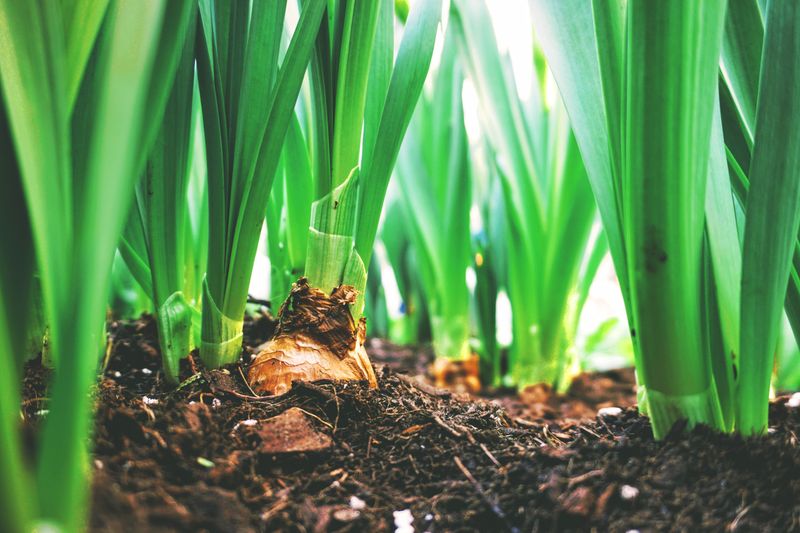
Forgetting where bulbs are planted is common, and surprise lilies are the main reason. You plant them in fall, the foliage disappears in early summer, and by August you have completely forgotten where they went.
This forgetfulness leads to one of the most common surprise lily stories. A homeowner digs up a garden bed in June, hits a bulb, and has no idea what it is.
Sometimes the forgotten bulbs end up in surprisingly good spots. A cluster that was planted near a fence line might bloom in a way that frames the yard beautifully.
Other times, the forgotten placement creates a funny situation. Bulbs tucked behind a shrub suddenly send up tall pink stalks that stick out above the greenery like little flags.
Keeping a simple garden journal or phone photo of where you plant bulbs in fall saves a lot of confusion. Even a quick note in your calendar app labeled with the date and location helps enormously.
Some gardeners use small metal plant markers pushed into the soil right after planting. These markers stay put through winter and spring, reminding you what is sleeping below.
The forgetting and rediscovering cycle is actually part of the charm for many gardeners. There is something joyful about being surprised by your own past decisions coming to life.
Pink flowers that suddenly appear in Indiana yards every August often bloom in spots their owners completely forgot about. That surprise is not a failure of memory but a gift from your earlier self.