The Most Useful Native Tree You Can Plant In Florida
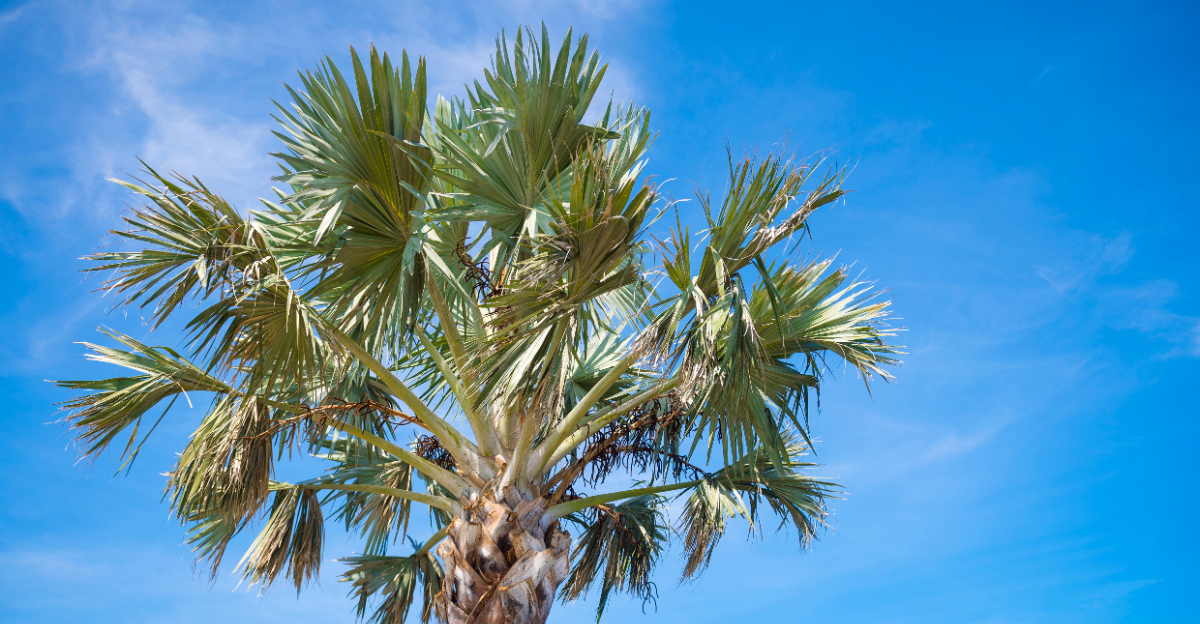
Some trees look pretty for a season and then fade into the background. Others earn their place year after year by doing something genuinely useful.
They hold the landscape together, feed wildlife, stand up to tough weather, and look right at home no matter where they grow. Florida is full of plant choices, and the options can feel overwhelming when you are trying to build a yard that actually works in this climate.
One native tree checks nearly every box a thoughtful gardener could want, and it has been doing it quietly and reliably for centuries across this state.
It thrives in heat, handles coastal winds, supports local birds and animals, and adds bold structure without needing constant attention.
It is not a trendy import or a high-maintenance showpiece. This tree belongs here in a deep and meaningful way, and once you learn what it can do, you may wonder why you waited so long to plant one.
1. Meet Sabal Palmetto – Florida’s Most Useful Native Tree
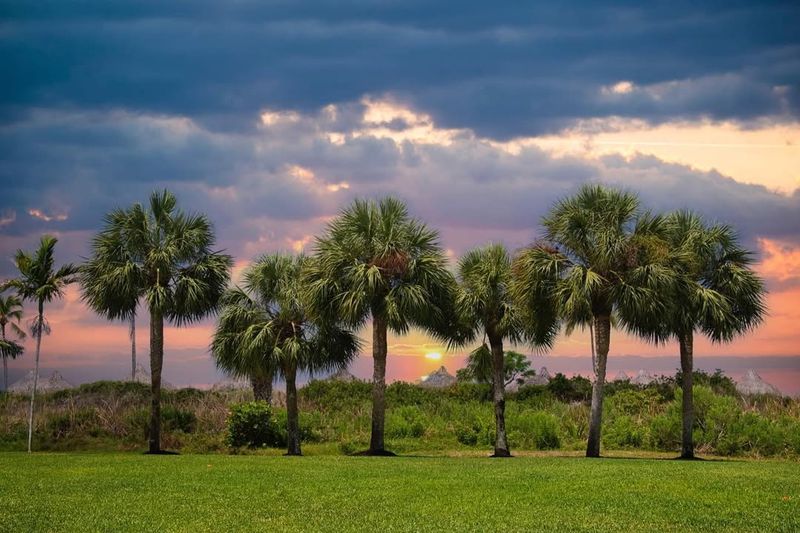
The reveal is worth the wait. The tree that earns so much quiet admiration across this state is Sabal palmetto, known by most people as cabbage palm, sabal palm, or cabbage palmetto.
It is native throughout the entire state and holds the official title of Florida’s state tree, a distinction it has carried since 1953.
Sabal palmetto is not native to just one corner of the state. You can find it growing naturally from the Panhandle down through the Keys, in coastal scrub, flatwoods, hammocks, and roadsides.
That kind of range tells you something important about how adaptable this tree really is.
What makes it so useful in a home landscape goes beyond looks. It stays evergreen all year, which means it provides consistent structure and a light canopy even when other plants go dormant or look ragged.
The bold fan-shaped fronds give it a strong visual presence without needing showy blooms or seasonal color to justify its place.
There is also a sense of identity that comes with planting it. Visitors immediately recognize it as something that belongs here.
That connection to place matters, especially when so many landscapes in this state are filled with plants from somewhere else entirely. Starting with the right tree makes everything else in the yard feel more grounded and intentional.
2. Use It For Year-Round Structure In The Landscape
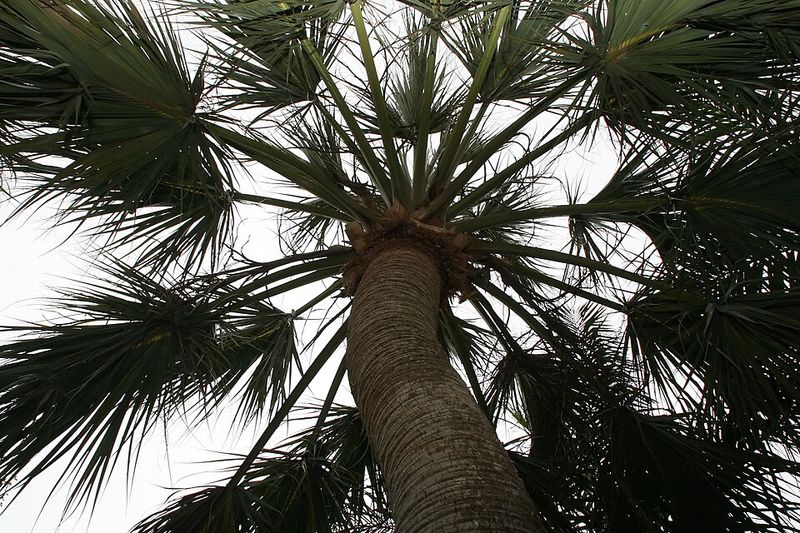
A useful tree does not have to be flashy to earn a permanent spot in the yard. Sabal palmetto delivers structure through its height, its strong silhouette, and its ability to stay green and full through every season.
That kind of reliable presence is hard to find in a landscape that deals with summer humidity, dry winters, and occasional cold snaps.
In practical terms, this palm works well as a bold focal point when planted solo in an open lawn. It also works beautifully as a background plant behind lower-growing native shrubs and grasses.
Your Florida Garden Changes Every Week. Your Plan Should Too.
Gardening in Florida changes quickly throughout the season. Every Friday you’ll receive a simple weekly plan showing exactly what to plant, prune, fertilize, harvest, and protect so you never miss the right timing.
Planted in a loose grouping of three or more, it creates a naturalistic canopy that feels right at home in a Florida-style garden.
Street-side planting is another strong option. Many municipalities and neighborhoods already use Sabal palmetto along roads and medians.
It handles reflected heat, occasional drought, and urban stress better than many shade trees. It does not demand a lot once it settles in.
One practical tip worth remembering: avoid planting it too close to other large plants where the fronds cannot spread naturally. Give it enough open space to show off its natural shape.
Crowding this palm into a tight corner or wedging it between structures tends to reduce its visual impact and can limit healthy frond development over time.
3. Plant It Where Heat And Sandy Soil Challenge Other Trees
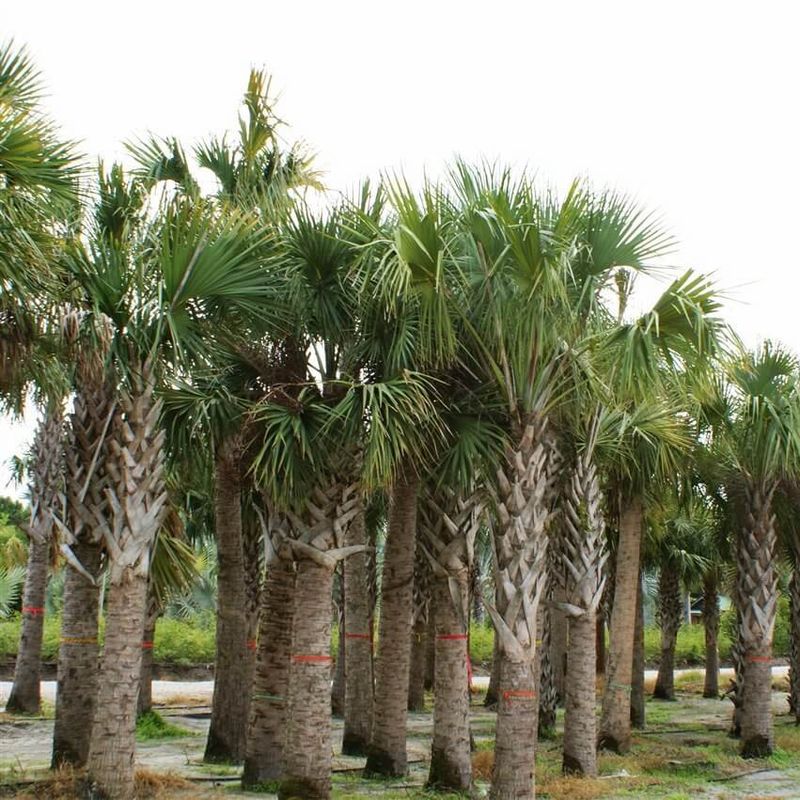
Tough sites still need smart planting. Sabal palmetto is well known for handling conditions that send other trees into decline, and heat is one of the big ones.
Summer temperatures in this state can stay brutal for months, and many ornamental trees struggle to stay healthy through the long, steamy growing season. This palm often adapts without complaint.
Sandy soil is common across many parts of the state, and Sabal palmetto can handle it once the tree is fully established. Sandy soil drains quickly, which means nutrients and moisture do not stick around long.
That can be a challenge during dry stretches, especially for a young tree that has not yet spread its roots widely through the surrounding ground.
Here is where careful planting makes a real difference. A newly transplanted Sabal palmetto needs consistent watering while its root system settles and expands.
Skipping irrigation during the first year or two can stress the tree and slow establishment significantly. This is not a plant-it-and-forget-it situation until those roots are truly anchored.
Once established, the story changes. Mature trees can handle dry spells and heat much more confidently.
Mulching around the base helps retain soil moisture and keeps the root zone cooler during hot weather. Starting strong gives this palm the best chance to become the low-maintenance, resilient tree it is known for being in mature landscapes.
4. Support Birds And Wildlife With A Native Palm
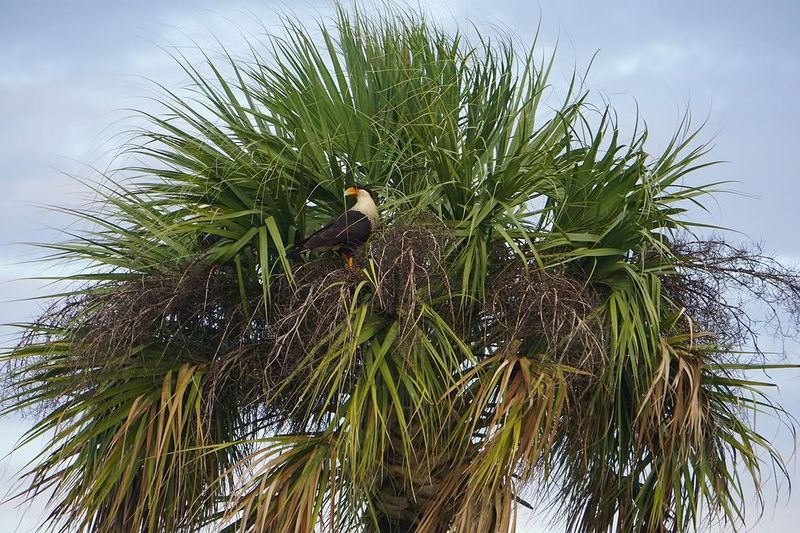
Wildlife value often starts with native fruit. Sabal palmetto produces clusters of small, dark fruits that ripen in late summer and fall, and those fruits attract a noticeable variety of birds.
Robins, mockingbirds, fish crows, woodpeckers, and several other species have been observed feeding on the berries during migration and through the cooler months.
Some mammals also take advantage of the fruit. Raccoons and white-tailed deer may feed on fallen berries depending on the area and what other food sources are available nearby.
The old frond bases that remain on the trunk after fronds drop can also provide small pockets of shelter for certain birds and insects over time.
What makes this especially meaningful in a home garden is the difference between native and non-native plants. Many ornamental palms produce fruit that local wildlife simply does not recognize or use.
Sabal palmetto has co-evolved with local animals over a very long time, which means the relationship between this tree and native wildlife is real and well established.
Planting even one Sabal palmetto in a yard adds genuine habitat value without requiring extra effort. It does not support every kind of wildlife in equal measure, and results will vary by location and season.
Even so, the contribution it makes to a native garden is meaningful. It is far more practical than planting a purely decorative tree that offers nothing to the animals living nearby.
5. Choose It For Coastal Yards And Windy Spots
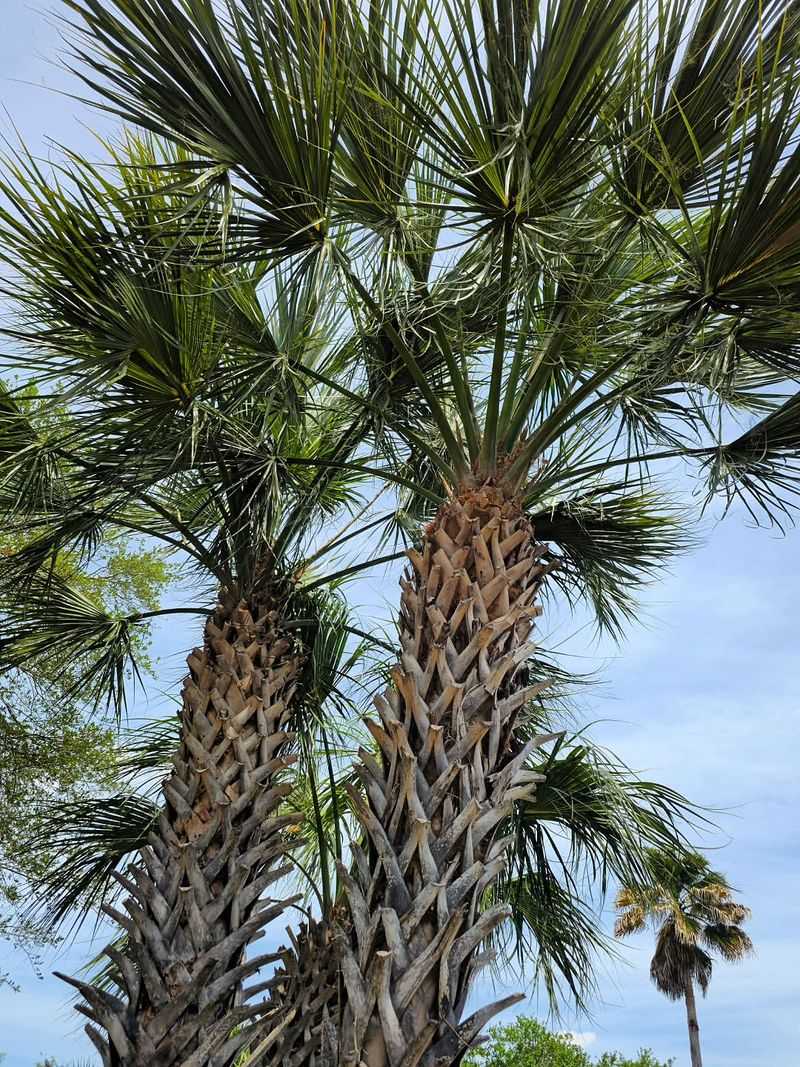
Coastal planting takes a little nuance. Sabal palmetto is a strong choice for many coastal yards and properties that deal with regular wind.
It has a well-earned reputation for standing up to tropical storms and hurricane-force gusts. The flexible trunk and fronds are designed to bend and recover rather than snap under pressure.
Salt spray on the foliage is something this palm can generally tolerate fairly well. If you live near the water and deal with wind-driven salt mist, Sabal palmetto holds up better than many other trees in that kind of exposure.
That makes it genuinely practical for beachside properties and coastal neighborhoods.
Here is the nuance that matters: tolerating salt spray on leaves is not the same as tolerating salty soil or saltwater flooding at the roots. Planting Sabal palmetto in a low spot that collects tidal water or brackish runoff is a different situation entirely.
Root zone flooding, especially with salt-laden water, can stress even a tough coastal tree over time.
Good drainage is still important, even near the shore. Choosing a site with slightly elevated ground or naturally well-drained soil gives the roots the conditions they need to stay healthy.
Coastal yards often have sandy, fast-draining soil, which can actually work in the tree’s favor once it is established. Check local conditions carefully before choosing the final planting spot on any coastal property.
6. Give It Room To Grow Without Crowding The Patio
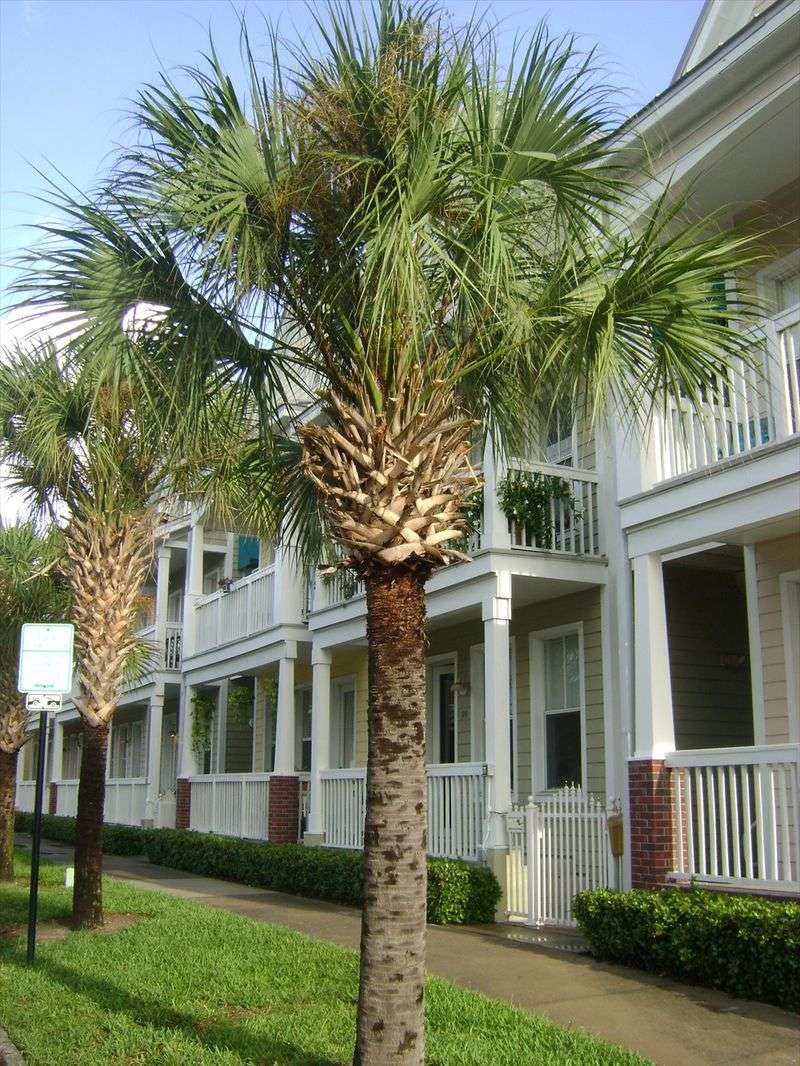
A small nursery palm can fool you. The Sabal palmetto you bring home in a container may look compact and manageable, but this tree has real ambitions.
Mature specimens can reach significant heights, and the canopy of large fan fronds spreads outward in a way that needs open space to look and function at its best.
Planting too close to a patio, walkway, or driveway can create problems over time. Fronds that hang over seating areas drop old leaves and fruit, which means more cleanup than most homeowners expect.
Old frond bases can also remain on the trunk for years before dropping, and on a palm near a walkway that can become a minor inconvenience.
Overhead utility lines are another consideration. Sabal palmetto planted beneath power lines or close to rooflines will eventually require attention as it gains height.
Planning for the mature tree at the time of planting saves a lot of trouble later. Think about where the canopy will sit in ten or twenty years, not just where it sits today.
Roots on this palm are generally considered less aggressive than those of many hardwood trees, but giving any tree adequate root space is still good practice. A spot with open soil, good drainage, and clearance from structures on all sides sets this palm up for a long, healthy life.
It also helps prevent headaches for nearby surfaces or buildings as the tree matures over the years ahead.
7. Skip Harmful Harvesting And Let The Crown Stay Intact
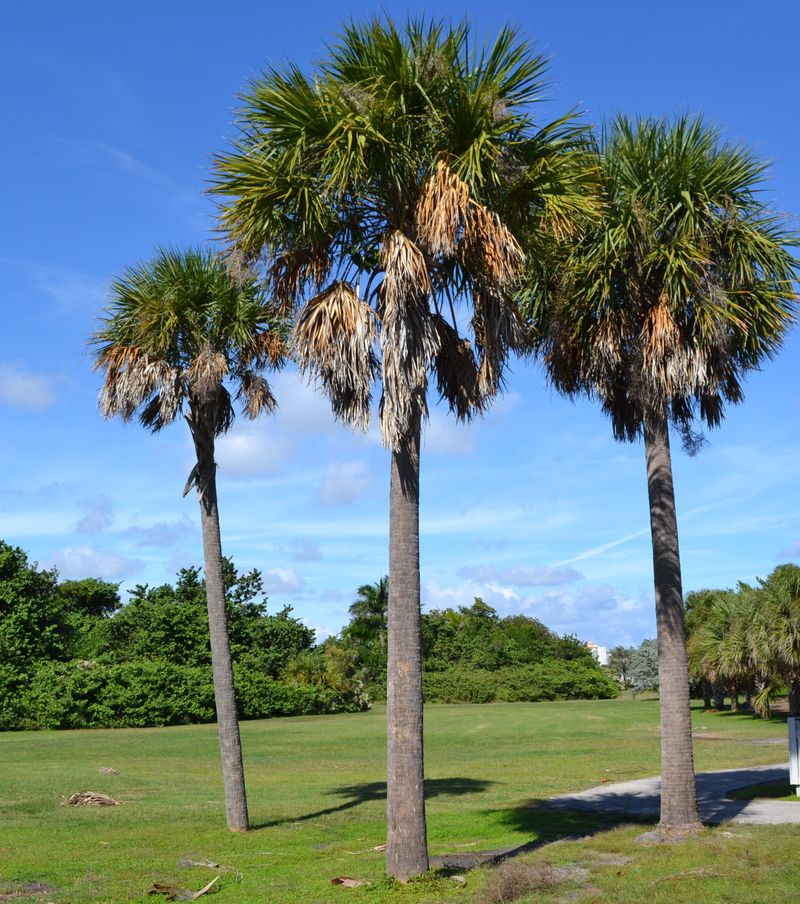
The old name comes with a warning. Sabal palmetto is commonly called cabbage palm.
That name is directly tied to the edible growing bud at the top of the trunk, sometimes called palm heart or swamp cabbage. Historically, this bud was harvested and eaten by Indigenous peoples and later by settlers across the region.
It has a mild, tender flavor and a long culinary history in this state.
For home gardeners, that history comes with an important caution. The growing bud of a Sabal palmetto is also called the apical meristem, and it is the only place from which new fronds can emerge.
Removing it does not just slow the tree down or set it back temporarily. It permanently removes the tree’s ability to produce new growth.
This is worth being clear about: harvesting the growing bud harms the tree in a way that cannot be reversed. The tree will not recover and produce new fronds from a different location.
Once the bud is gone, the palm cannot continue to grow.
Mentioning this as cultural and historical context is appropriate and interesting. Recommending it as something home gardeners should try is a very different matter.
If you plant a Sabal palmetto in your yard for structure, wildlife value, and long-term beauty, protect that crown. It is one of the most important things you can do to keep the tree healthy for decades to come.
8. Match Planting And Care To Your Region
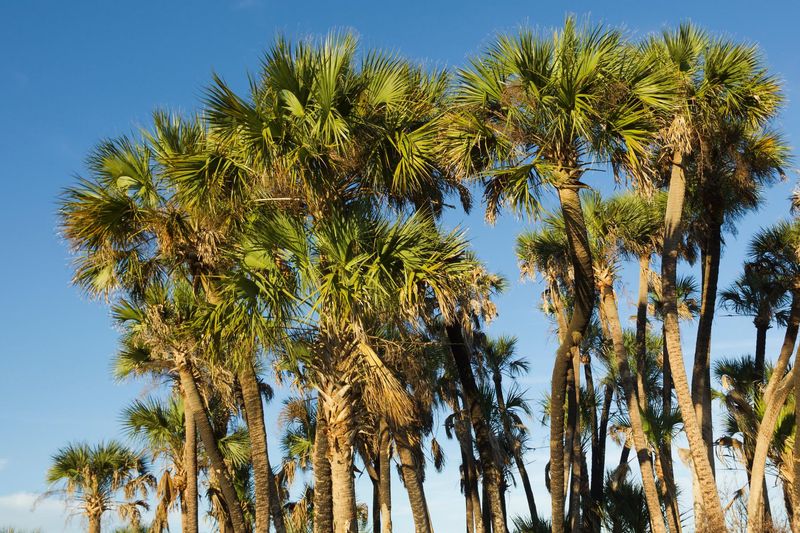
Local conditions still matter, even with a tree that is native to the entire state. Sabal palmetto grows from the Panhandle to the southern tip of the peninsula.
However, the conditions it encounters in each region are different enough to affect how you plant and care for it. Matching your approach to your region gives the tree a better start.
Northern parts of the state can experience cooler spells and occasional freezes that rarely reach central or southern areas. Young or recently transplanted palms are more vulnerable to cold than established ones.
Timing your planting for late spring or early summer in northern regions gives the tree a full warm season to develop roots before cooler weather arrives.
Central areas of the state often swing between dry stretches and heavy summer rain. Paying attention to irrigation during dry periods in the first year or two is especially useful here.
Established palms handle these swings well, but young trees benefit from consistent moisture while they get settled into the soil.
Southern regions deal with intense heat, occasional salt exposure, and dense planting conditions in many neighborhoods. Choosing the right placement and giving the tree adequate airflow and drainage matters more in these dense, humid landscapes.
Wherever you garden in this state, take a few extra minutes to observe your specific site before planting. That small step will pay off with a healthier, more resilient tree in the long run.