The Vegetables Oregon Gardeners Say Are Easiest To Grow In Containers
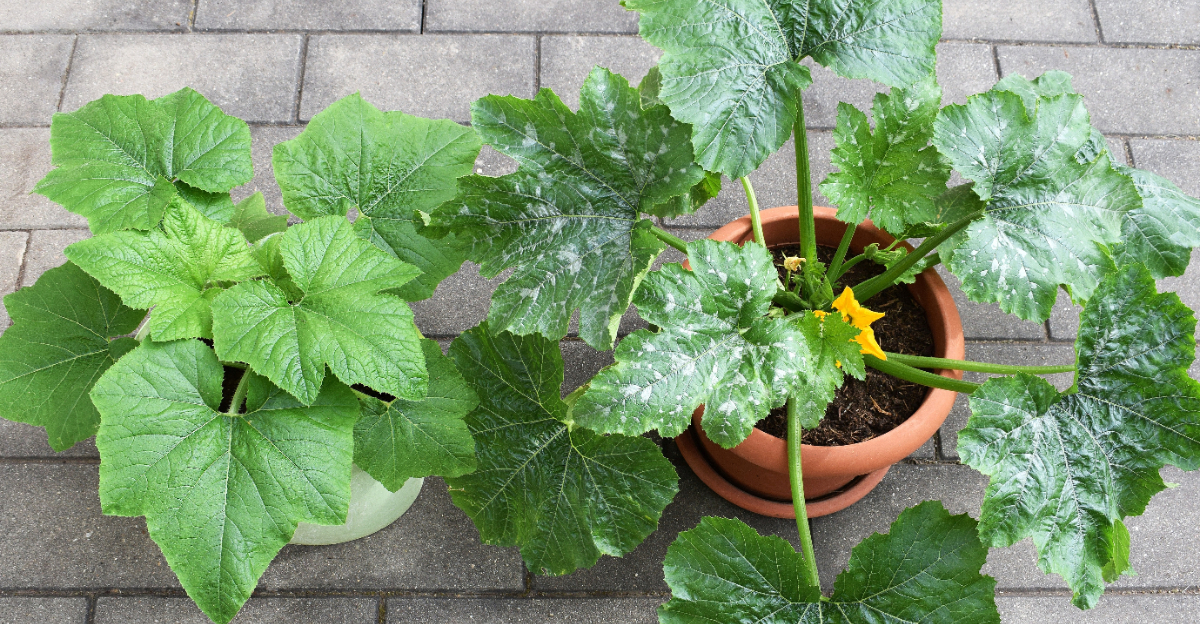
Container vegetable gardening has a reputation for being finicky, and some of it is earned. Put the wrong plant in a pot and you get a lot of leaves, a lot of watering, and not much to eat.
But put the right one in and a container can outperform a garden bed in ways that genuinely surprise people.
Gardeners have had plenty of time to figure out what actually works, and the vegetables they keep coming back to in containers are not always the ones you would expect.
Some of the easiest producers are compact, fast, and almost impossible to mess up once they are in decent soil with decent sun. No massive raised beds, no complicated irrigation, no yard required.
A pot on a porch or a few containers on a balcony can put real food on your table from late spring straight through fall. These are the vegetables Oregon gardeners actually recommend when someone asks where to start.
1. Green Onions Keep Producing In Small Spaces
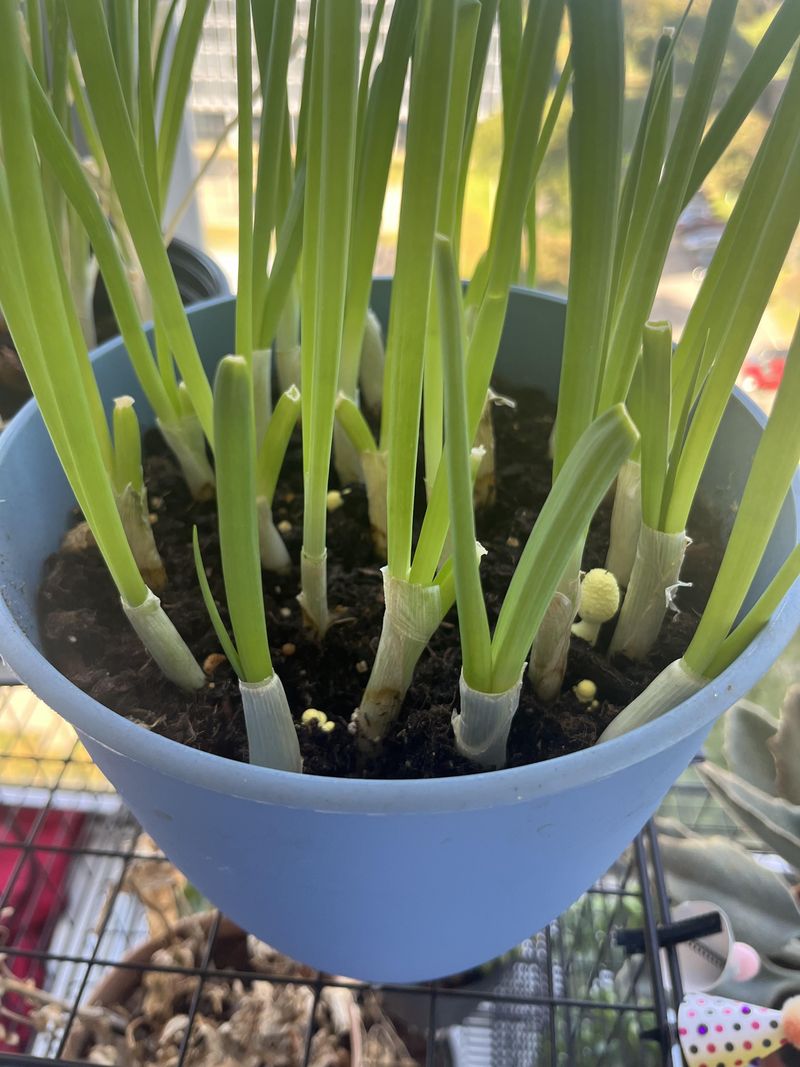
Few vegetables are as easygoing and rewarding as green onions when it comes to container gardening. You can grow them in just about any container that is at least six inches deep.
A simple window box, a recycled coffee can, or a small plastic tub all work perfectly fine. They do not ask for much, and they give back a lot.
What makes green onions especially great for small spaces is their regrowth ability. Once you snip the tops, new growth comes back quickly.
Many gardeners keep a container of green onions on the kitchen windowsill just so they always have fresh ones within reach. It is one of the most practical things you can grow at home.
In our state, green onions handle the cooler temperatures really well. They can even survive light frost, which makes them a solid choice for spring and fall growing.
Plant them close together to save space, and water them consistently but not too heavily. They prefer moist soil, not soggy ground.
Start from sets or seeds, and you will see growth in just a few days. Harvest the outer stalks first and leave the center ones to keep growing.
With a little attention, one container of green onions can feed your kitchen for months. They are truly one of the most low-maintenance vegetables you can grow in a pot.
2. Bush Beans Don’t Need Much Room To Deliver
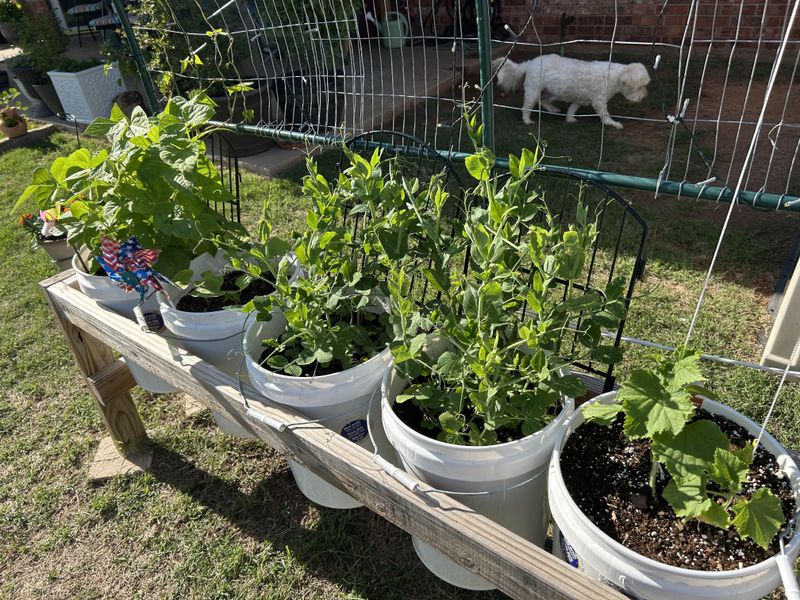
Bush beans have a reputation among container gardeners for being straightforward and productive. Unlike pole beans, they do not need a trellis or support structure.
They grow in a neat, compact shape that fits perfectly inside a pot that is at least twelve inches deep and wide. That makes them a natural fit for patio gardens.
Gardeners across our state love bush beans because they produce a solid harvest in a short amount of time. From planting to picking, you are usually looking at around fifty to sixty days.
That quick turnaround is a big deal when you are working with limited growing space and want results fast.
Your Oregon Garden Changes Every Week. Your Plan Should Too.
Gardening in Oregon changes quickly throughout the season. Every Friday you’ll receive a simple weekly plan showing exactly what to plant, prune, fertilize, harvest, and protect so you never miss the right timing.
Choose a large container with good drainage holes, fill it with quality potting mix, and sow seeds about two inches apart. Water regularly and make sure the pot gets at least six hours of direct sun each day.
Bush beans are warm-season plants, so wait until after the last frost date before planting outdoors.
One of the best things about growing bush beans in containers is that you can move the pot to follow the sun. This is a game-changer in areas of our state where sun exposure can shift through the season.
Harvest beans when they are young and tender for the best flavor. Regular picking also encourages the plant to keep producing more pods throughout the season.
3. Cherry Tomatoes Are Container Garden Favorites
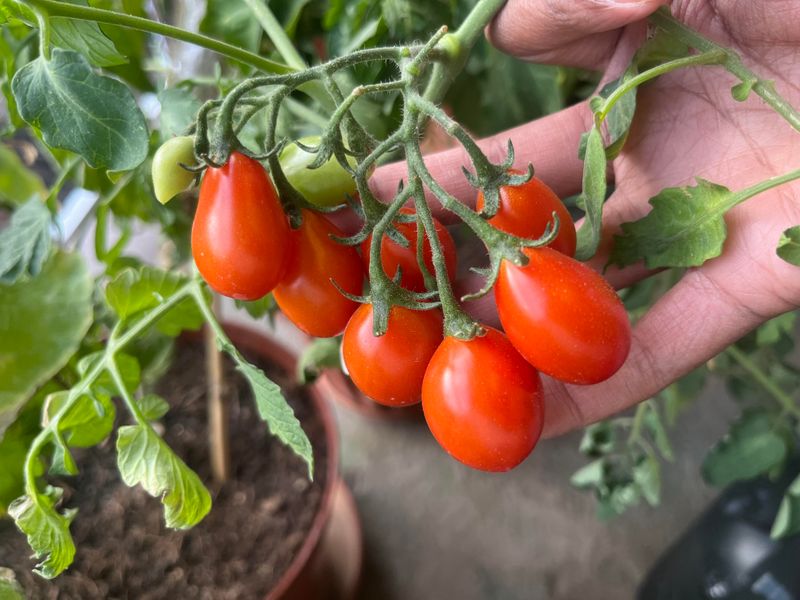
Walk through any neighborhood in our state during summer and you will likely spot cherry tomato plants hanging over the edges of pots on porches and patios. They are arguably the most popular container vegetable around, and for good reason.
Cherry tomatoes produce clusters of sweet, bite-sized fruit all season long with very little fuss.
The best varieties for containers include Tumbling Tom, Tiny Tim, and Patio Princess. These compact types stay manageable in size while still delivering impressive harvests.
A five-gallon pot or larger gives the roots enough room to spread out. Use a rich, well-draining potting mix and add a slow-release fertilizer at planting time.
Full sun is non-negotiable for tomatoes. Aim for at least eight hours of direct sunlight each day.
In the warmer inland parts of our state, cherry tomatoes can absolutely thrive on a south-facing patio. In cooler coastal areas, picking a warm microclimate near a wall or fence can make a real difference in how well your plants produce.
Water consistently and avoid letting the soil dry out completely between waterings. Uneven watering can cause issues like blossom end rot or cracked fruit.
A small tomato cage or stake helps keep the plant upright as it grows. Once the fruit starts coming in, you will be picking handfuls of tomatoes every few days through the whole summer and into fall.
4. Peppers Thrive In Warm Patio Pots
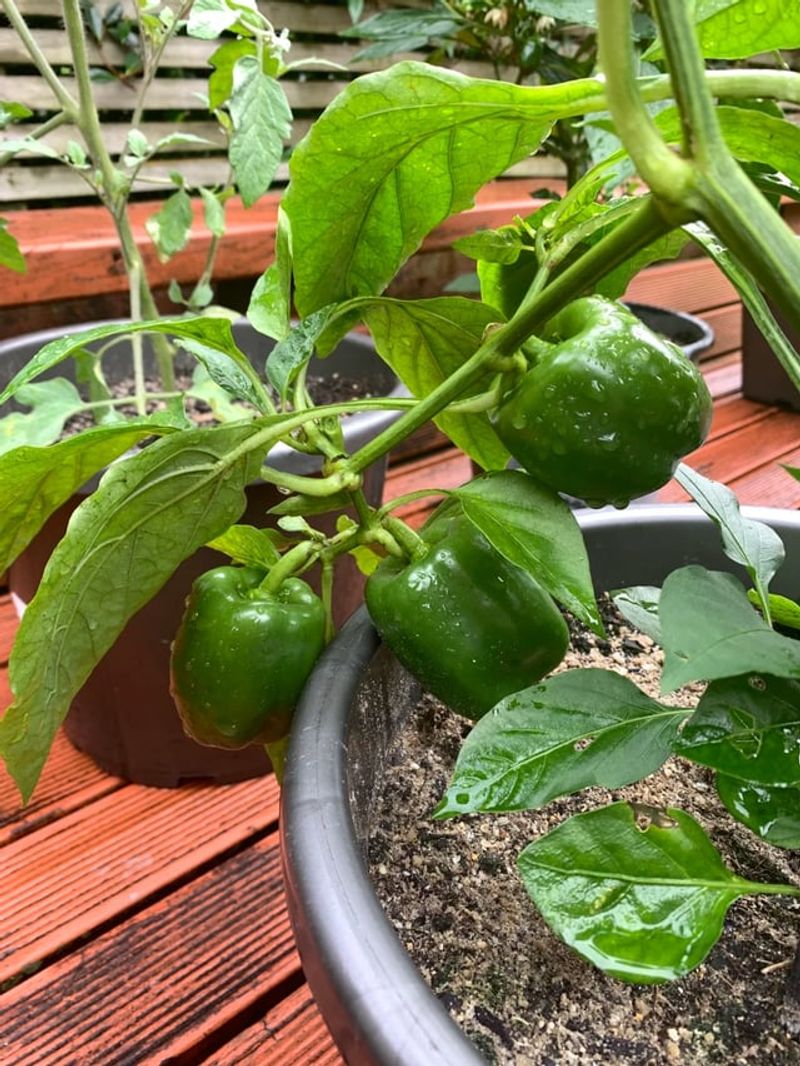
Peppers and containers are a match that many gardeners in our state have figured out over the years. Because pots warm up faster than garden soil, they actually give peppers a head start during the growing season.
This is especially helpful in areas with shorter summers or cooler spring temperatures.
Both sweet and hot pepper varieties do well in containers. Bell peppers, banana peppers, jalapeños, and even habaneros can thrive in a good-sized pot.
Choose a container that holds at least three to five gallons of soil per plant. Terracotta pots look beautiful and allow the soil to breathe, but plastic pots also work well and retain moisture longer.
Place your pepper pots in the warmest, sunniest spot you have available. A south-facing patio or a spot along a warm wall is ideal.
Peppers love heat, and the more warmth they get, the better they produce. In the cooler, wetter western parts of our state, growing peppers in containers near a heat-reflecting wall can make a noticeable difference.
Feed your pepper plants with a balanced fertilizer every two to three weeks once they start flowering. Water deeply but allow the top inch of soil to dry out slightly between sessions.
Peppers do not like to sit in wet soil. Stake taller plants if needed to keep them upright as the fruit develops.
With the right conditions, a single pepper plant in a container can produce all season long.
5. Kale Keeps Going Through Oregon’s Cool Weather
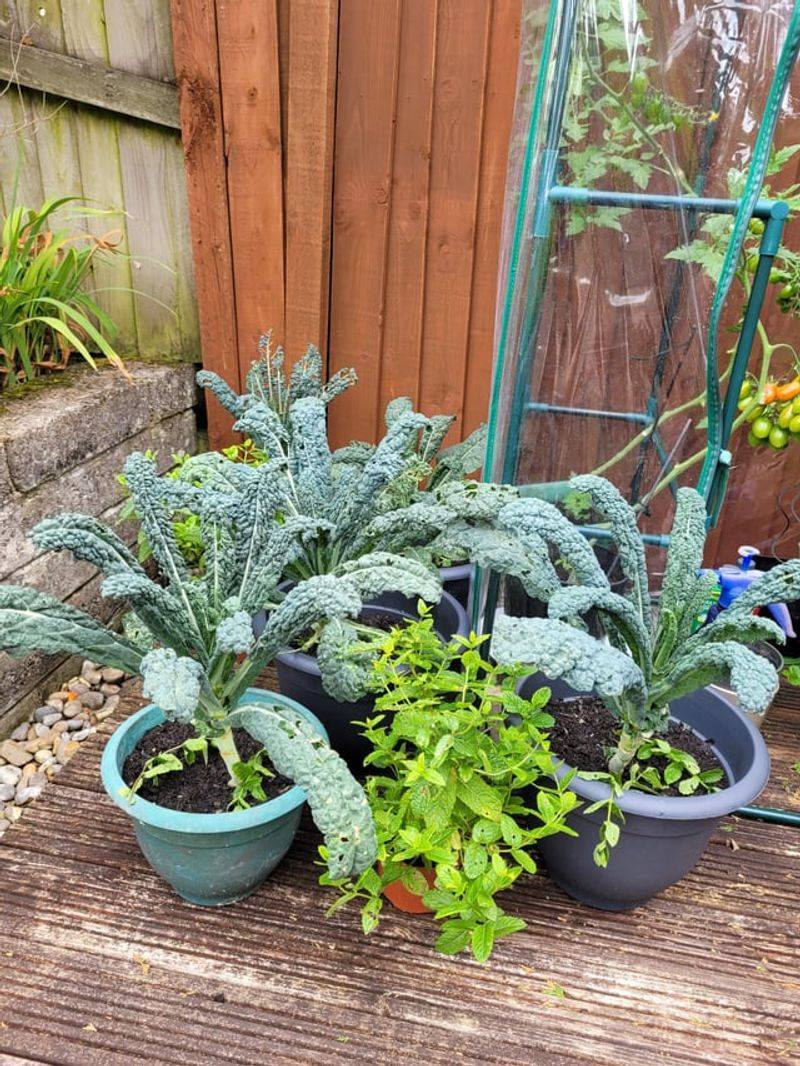
Cool, damp weather is exactly what kale loves, and our state has plenty of that to offer. This leafy green is one of the most reliable container vegetables you can grow here, especially in the fall and winter months when most other plants have slowed down.
Many gardeners keep kale going well into December and sometimes beyond.
Growing kale in containers is simple. Use a pot that is at least twelve inches deep and fill it with a rich, moisture-retaining potting mix.
Kale is not picky about container style, so use whatever you have on hand. A five-gallon bucket works just as well as a decorative planter.
Start seeds indoors about six weeks before your last frost date, or direct sow outdoors in late summer for a fall harvest. Kale actually tastes sweeter after a light frost because the cold converts some of the plant’s starches into sugars.
Gardeners in our state take full advantage of this natural flavor boost during the colder months.
Harvest outer leaves regularly to encourage the plant to keep producing from the center. Kale is a cut-and-come-again vegetable, which means it keeps giving as long as you keep picking.
Water evenly and make sure the container drains well to prevent root problems. Varieties like Lacinato, Red Russian, and Dwarf Blue Curled are especially well-suited for container growing and handle our climate beautifully.
6. Swiss Chard Looks Pretty And Produces For Months
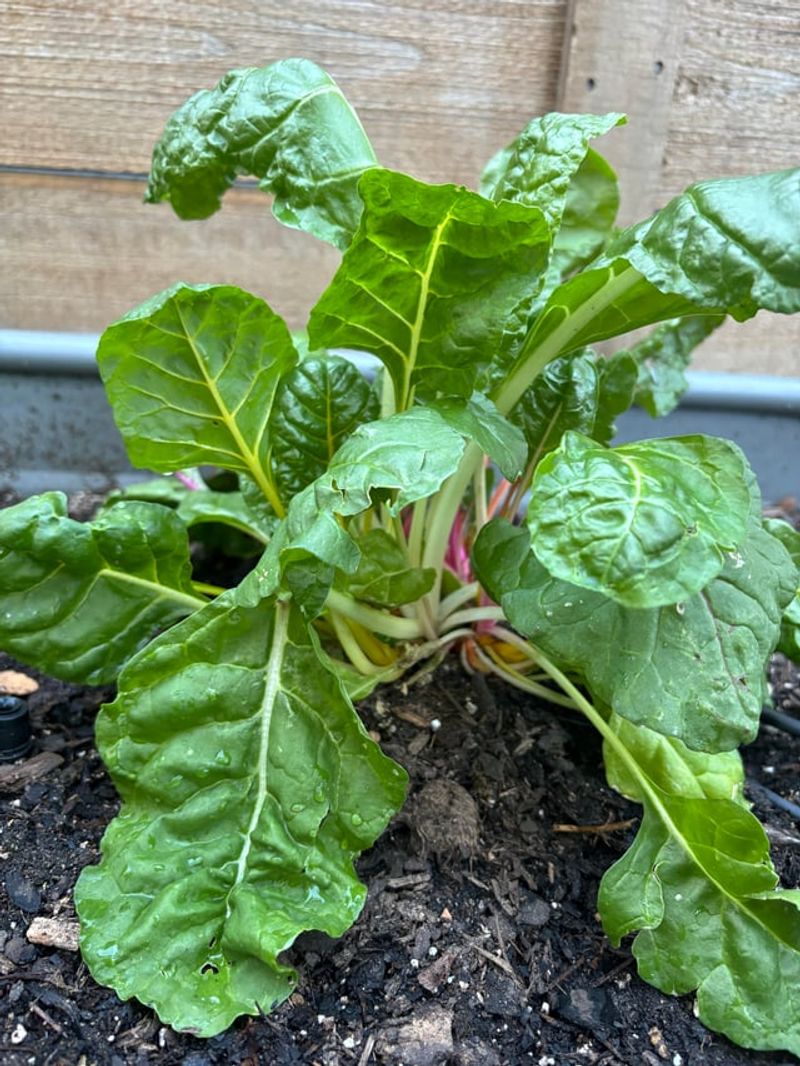
Swiss chard might be the most underrated vegetable on this list. It is colorful enough to use as a decorative plant and productive enough to keep your kitchen stocked with fresh greens for months.
The bright red, yellow, orange, and white stems add a real pop of color to any patio or balcony garden.
One of the best things about Swiss chard is how long it produces. Unlike lettuce that bolts in the heat, chard handles both cool and warm temperatures without much complaint.
In our state, you can often get a harvest from early spring all the way through fall and into winter with proper care. That kind of staying power is rare among leafy greens.
Plant chard in a container that is at least ten inches deep. It has a fairly deep root system compared to other greens, so do not try to squeeze it into a shallow pot.
Use rich potting mix and water consistently. Chard prefers evenly moist soil and will show you when it is thirsty by wilting slightly.
Harvest the outer stalks first, cutting them close to the base. The inner stalks will continue growing and producing new leaves.
A single container of Swiss chard can supply a family with regular harvests if you stay on top of picking. Rainbow Chard and Bright Lights are popular varieties among local gardeners and both perform very well in containers throughout our state.
7. Carrots Work Well In Deep Containers
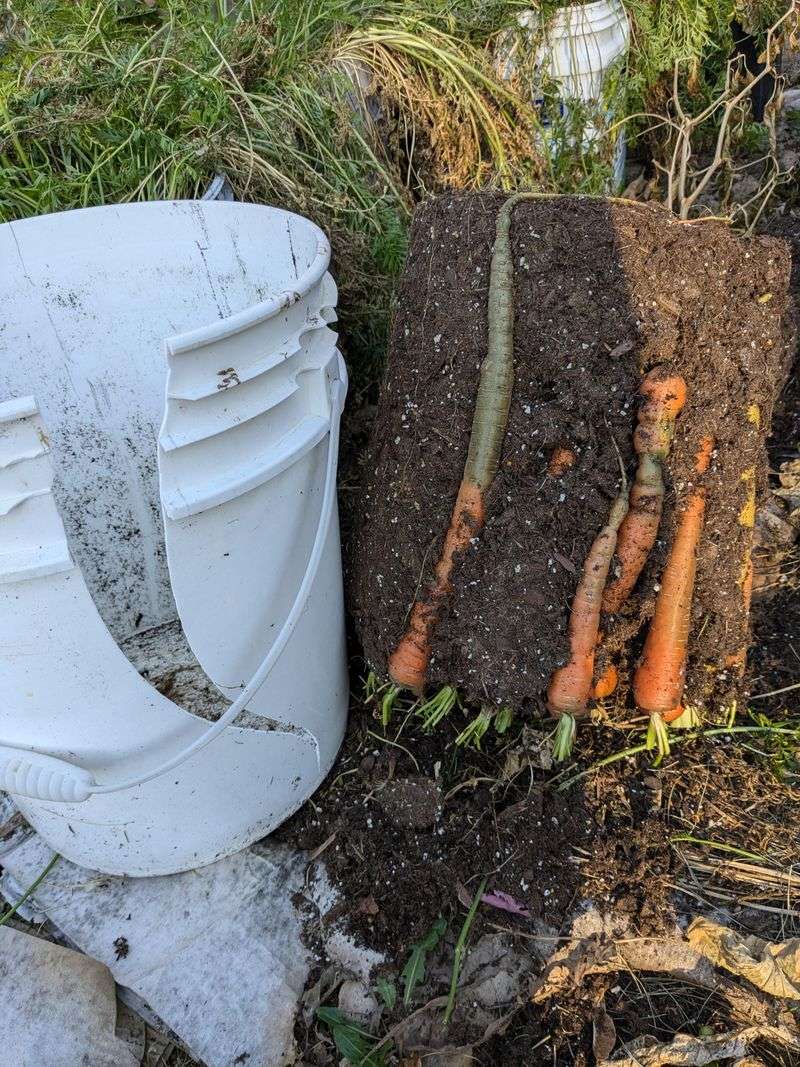
A lot of people assume carrots are too difficult to grow in containers, but that is not the case at all. The secret is choosing the right varieties and using a deep enough pot.
Short and round carrot types like Danvers, Chantenay, and Thumbelina were practically made for container growing. They do not need the deep garden soil that full-length varieties require.
Your container needs to be at least twelve inches deep, and deeper is always better. A five-gallon bucket or a tall fabric grow bag both work very well.
Fill the container with loose, light potting mix rather than heavy garden soil. Carrots need to push through the soil as they grow, and compacted or rocky soil will cause them to fork or twist.
Sow seeds directly into the container because carrots do not transplant well. Thin the seedlings once they sprout so each plant has about two inches of space.
This step is important and many beginners skip it, which leads to crowded roots and small harvests. Be patient because carrots take longer to mature than most vegetables, usually around seventy to eighty days.
Keep the soil consistently moist during germination, which can take up to two weeks. Once established, water deeply but less frequently.
Container-grown carrots in our state benefit from being placed in full sun. Harvest when the shoulders of the carrot are visible at the soil surface.
Freshly pulled homegrown carrots taste noticeably sweeter than store-bought ones.
8. Beets Give You Greens And Roots
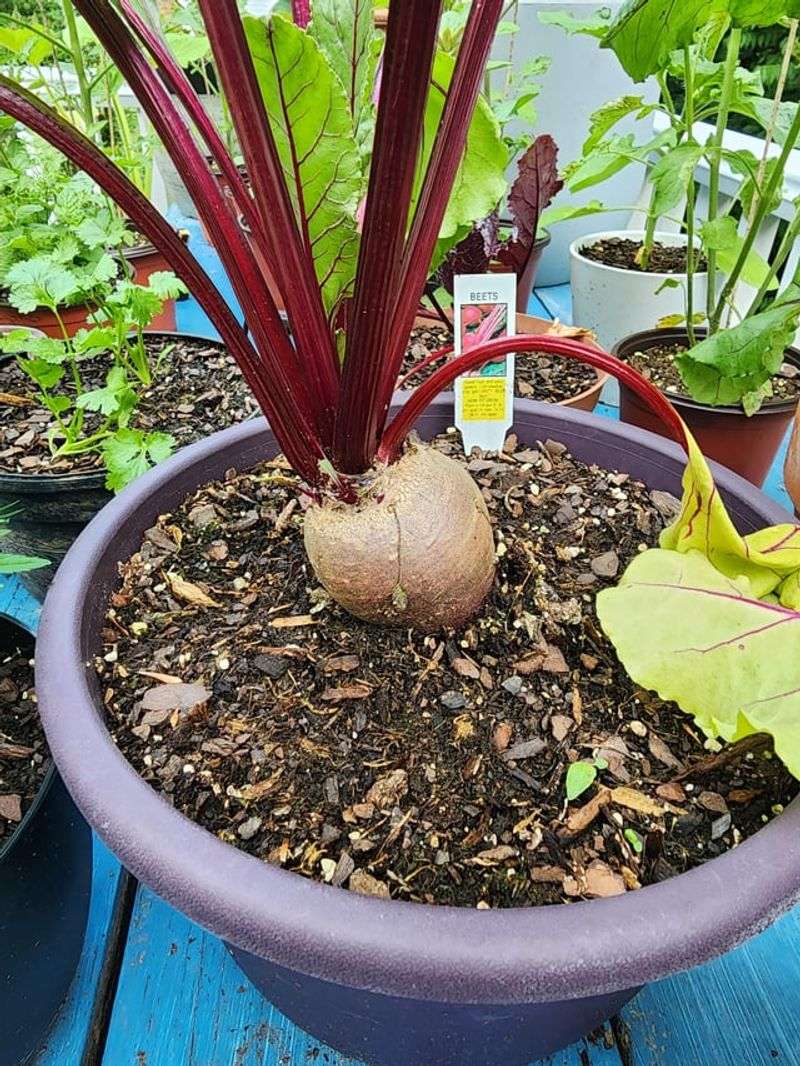
Beets are one of those vegetables that pull double duty in the garden. You get the earthy, sweet roots that most people are familiar with, but you also get the leafy greens on top, which are delicious sauteed or eaten raw in salads.
Growing beets in containers means you are getting two crops from one plant, which is a great deal for anyone working with limited space.
Choose a container that is at least twelve inches deep. Beets have a round root that needs room to develop beneath the soil.
A wide, deep planter or a fabric grow bag works great. Fill it with loose, well-draining potting mix and avoid anything too dense or heavy that might restrict root growth.
Sow seeds directly into the container and thin seedlings to about three to four inches apart once they reach a couple of inches tall. Beet seeds are actually clusters of multiple seeds, so thinning is essential.
Water evenly and consistently to encourage steady root development. Uneven moisture can cause the roots to crack or become tough.
Our state’s mild climate is well-suited for beet growing, especially in the spring and fall. Beets prefer cooler temperatures and can handle light frost without much trouble.
Varieties like Detroit Dark Red, Chioggia, and Golden Beet all perform reliably in containers. Harvest roots when they reach about the size of a golf ball for the best texture and flavor, though you can harvest greens anytime.
9. Bush Cucumbers Save Space And Still Produce
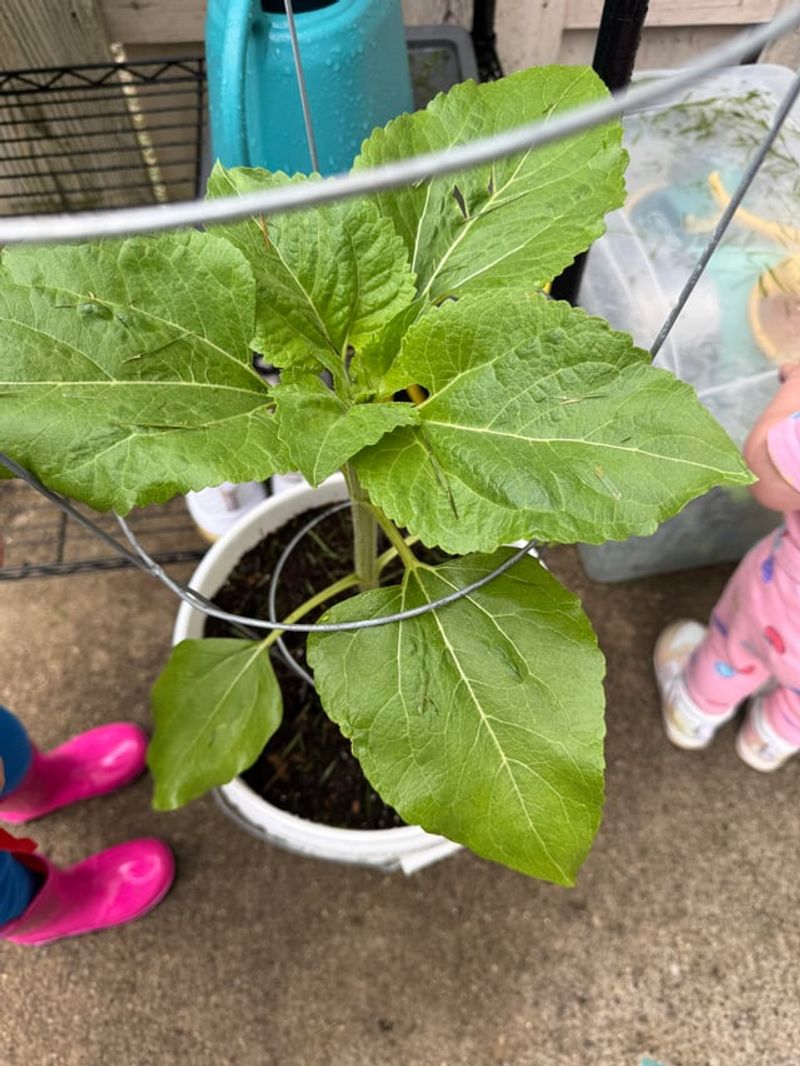
Regular cucumber vines can take over a garden bed in a matter of weeks, which makes them tricky for small spaces. Bush cucumbers, on the other hand, stay compact and controlled while still putting out a solid harvest.
Varieties like Bush Pickle, Spacemaster, and Patio Snacker were bred specifically for smaller growing areas and container gardens.
Use a container that holds at least five gallons of soil per plant. Cucumbers are thirsty plants and need consistent moisture to produce well.
A larger pot holds water better and gives the roots enough room to support the plant during its peak production period. Good drainage is equally important because soggy roots will slow growth considerably.
Place your cucumber container in a spot that gets full sun for most of the day. Cucumbers love warmth and will reward you with more fruit when they get plenty of heat.
In the warmer, drier eastern parts of our state, cucumbers can do exceptionally well on a sunny patio. In cooler western areas, placing them near a south-facing wall helps capture extra warmth.
Feed plants with a balanced fertilizer once flowering begins. Cucumbers are heavy feeders and benefit from regular nutrition during the growing season.
Harvest cucumbers when they are firm and green, before they turn yellow. Leaving overripe cucumbers on the vine signals the plant to slow production.
Picking regularly encourages new fruit to set and keeps the plant producing longer through the summer months.
10. Compact Zucchini Makes Big Harvests Possible
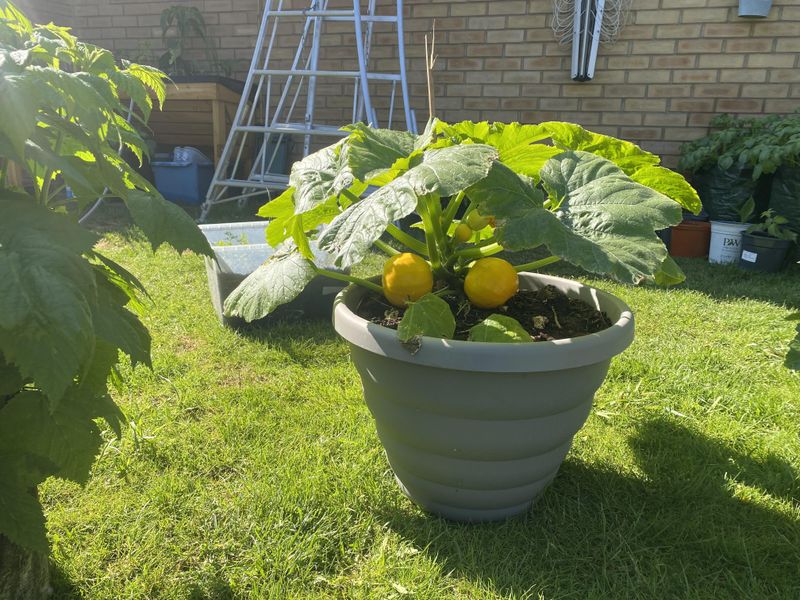
Zucchini has a reputation for being a space hog in traditional garden beds, but compact container varieties have changed the game completely. Varieties like Bush Baby, Patio Star, and Astia were developed to grow in smaller footprints without sacrificing fruit production.
A single plant in a large container can produce an impressive amount of zucchini throughout the summer.
You will need a big container for zucchini, no question about it. A fifteen to twenty gallon pot is ideal.
Zucchini plants have large root systems and big leaves that need space to spread out. Use a rich, well-amended potting mix and add compost if you have it.
The more nutrients in the soil, the better your plant will perform.
Water deeply and consistently. Zucchini plants are thirsty, especially once they start producing fruit.
Inconsistent watering can lead to blossom drop, which means fewer fruits. Mulching the top of the soil in your container can help retain moisture between watering sessions and keep the root zone cooler on hot days.
Full sun is essential. Aim for at least eight hours of direct sunlight daily.
Hand pollination can boost fruit set if you notice flowers dropping without producing fruit. Use a small paintbrush to transfer pollen from male flowers to female flowers.
This is especially helpful in areas where pollinator activity is lower. Harvest zucchini when they are six to eight inches long for the best flavor and texture.
11. Potatoes Are Surprisingly Easy In Grow Bags
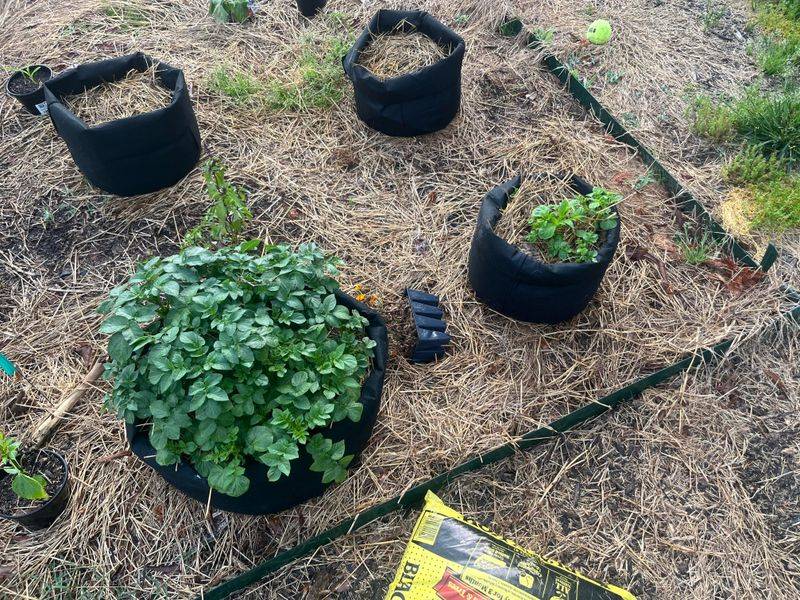
Most people never think to grow potatoes in containers, but once you try it, you will wonder why you waited so long. Fabric grow bags have made potato growing more accessible than ever.
You do not need a large garden plot or even a raised bed. A couple of grow bags on a patio or driveway is all it takes to grow a meaningful harvest of fresh potatoes.
Use a grow bag that holds at least ten gallons of soil. Start by filling the bag about one-third of the way with potting mix.
Place two or three seed potatoes on top and cover them with a few inches of soil. As the plants grow, keep adding more soil around the stems.
This process, called hilling, encourages more tubers to form along the buried stems.
Potatoes need consistent moisture but do not like to sit in waterlogged soil. Fabric grow bags naturally prevent overwatering because they drain and breathe well.
Water regularly and check the moisture level by sticking your finger a few inches into the soil. If it feels dry, it is time to water.
Our state’s mild, moist springs are actually quite good for potato growing. Varieties like Yukon Gold, Red Norland, and Fingerling types all do well in containers here.
When the plant’s leaves start to turn yellow and fall over, your potatoes are ready to harvest. Simply tip the bag over and dig through the soil to find your crop.
It is genuinely one of the most satisfying harvests in container gardening.