10 May Tasks For Ohio Geraniums To Keep Them Blooming Until Frost
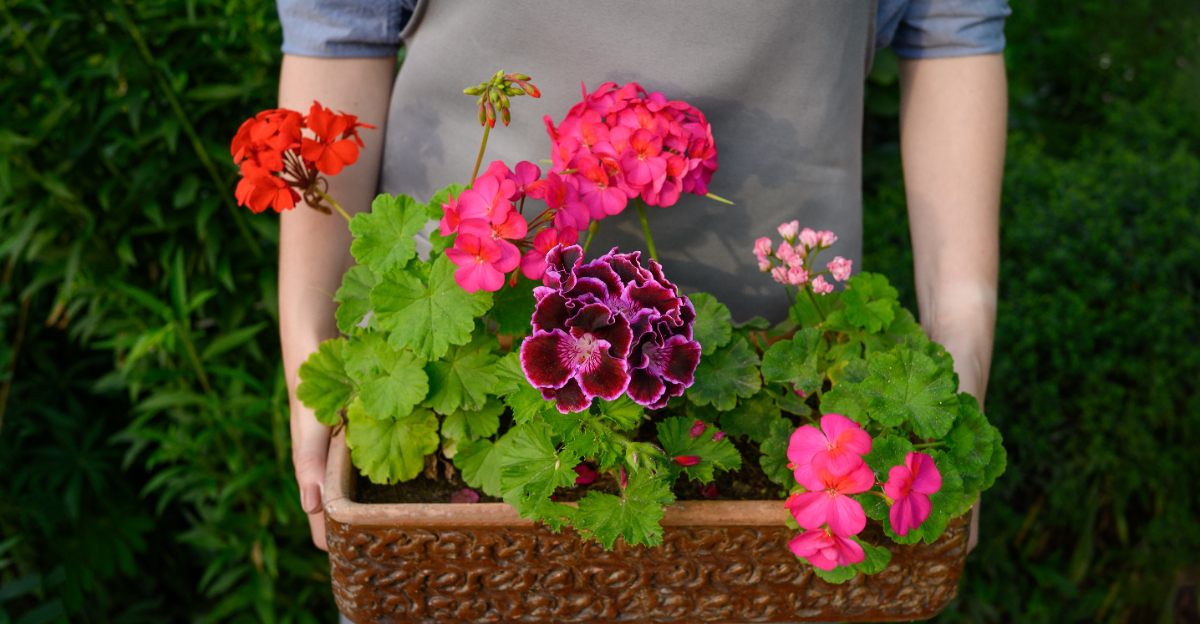
May does not get enough credit in the geranium calendar. Ohio springs are unpredictable, but this month sits in a sweet spot where the right moves pay off for months to come.
Geraniums that get proper attention in May tend to bloom longer, look fuller, and hold up better when summer heat eventually arrives. The ones that get skipped over rarely catch up.
Most gardeners water and maybe toss down a feed, but May asks for a bit more than that.
Nothing complicated, just a handful of focused tasks that take the guesswork out of keeping geraniums blooming strong until the first frost shuts the season down.
A little time in the garden this month goes further than anything you could do in August trying to turn things around.
1. Move Geraniums Outside After Cold Nights Pass
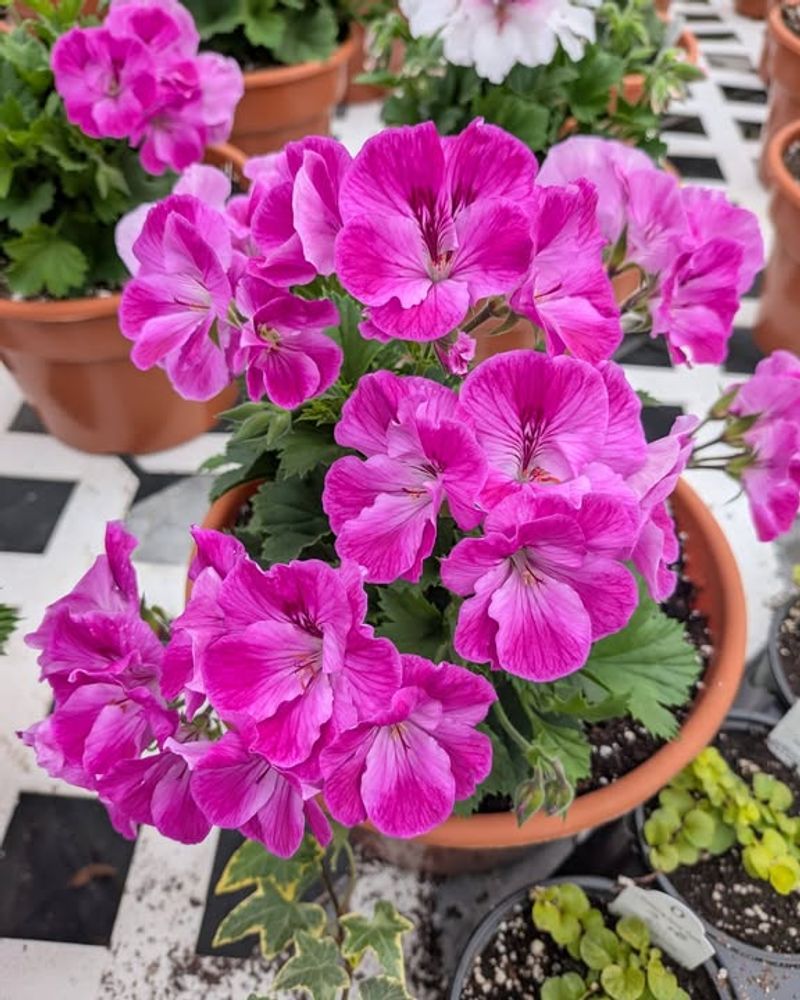
Timing your outdoor move is everything with geraniums. These plants are frost-sensitive, and putting them out too early in May can set them back fast.
In southern parts of Ohio, last frost dates often fall in late April to early May. In central areas, mid-May is safer.
Northern regions and frost-prone spots near higher elevations may not be fully clear until the third week of May.
Before moving any plant outside full time, check your local forecast for a solid stretch of nights above 50 degrees Fahrenheit. One warm week followed by a surprise cold snap can stress a plant badly, especially one that spent the winter indoors.
Plants that were overwintered inside or recently purchased from a greenhouse need gradual hardening off before they stay outside permanently. Start by setting them in a sheltered, partly shaded spot for a few hours a day.
Over one to two weeks, increase their time outdoors and gradually expose them to more sun and wind. Skipping this step can cause leaf scorch, wilting, or poor early growth.
Patience during this transition pays off with stronger, more resilient plants once the warm season is fully underway.
2. Give Them A Sunny Spot With Afternoon Breathing Room
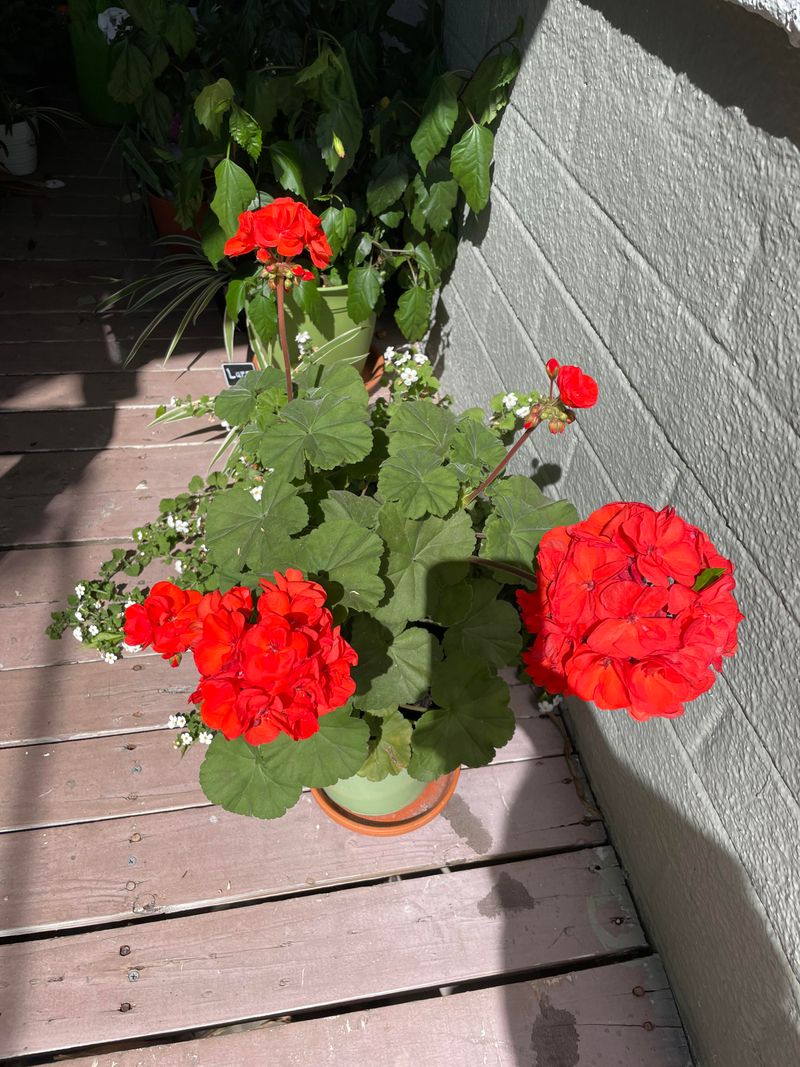
Placement matters more than most gardeners realize. Geraniums generally bloom best with at least six hours of direct sunlight each day.
A spot with morning sun and a bit of afternoon shade can work well during the hotter parts of summer. But in May, full sun is usually just right for encouraging strong early blooms.
Container placement on porch corners, tight fence lines, or against walls with little airflow can create problems during humid stretches. When leaves stay wet for long periods or air barely moves around the plant, fungal issues become more likely.
Spacing your containers a few inches apart and keeping them away from crowded corners helps leaves dry faster after rain or watering.
Window boxes and hanging baskets mounted under overhangs may receive less rain than ground-level pots, so check moisture levels in those spots more often. Avoid placing containers directly against dark walls that absorb and radiate intense afternoon heat.
That kind of reflected heat can stress roots and dry out pots faster than expected. A spot with open sky above, good sun exposure, and room for air to move around the plant is the sweet spot for healthy geraniums through the warm season.
Your Ohio Garden Changes Every Week. Your Plan Should Too.
Gardening in Ohio changes quickly throughout the season. Every Friday you’ll receive a simple weekly plan showing exactly what to plant, prune, fertilize, harvest, and protect so you never miss the right timing.
3. Use Well-Drained Soil In Beds And Containers
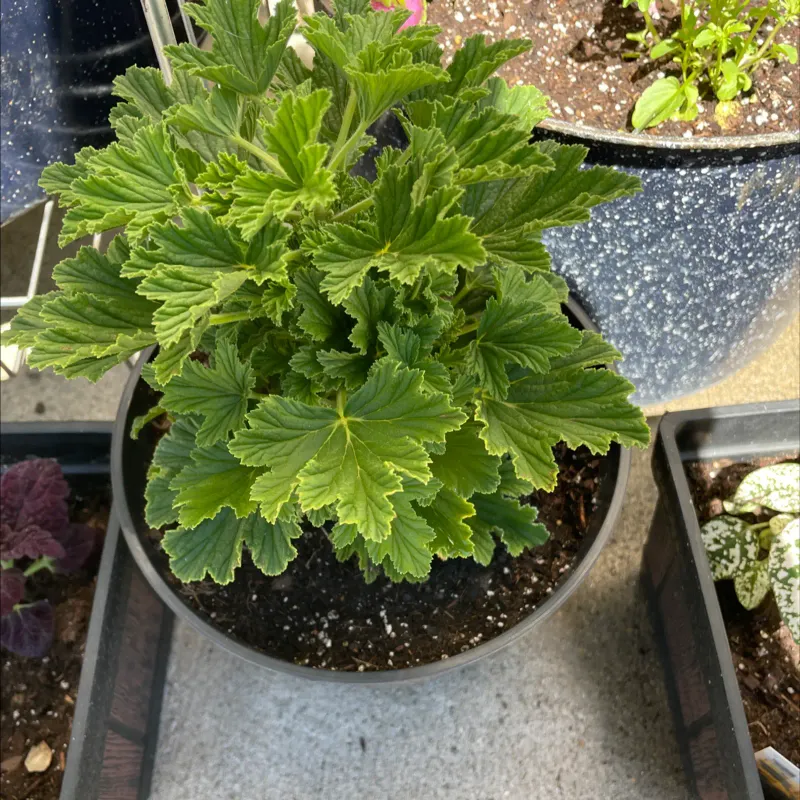
Soggy roots are one of the fastest ways to weaken a geranium. These plants want moisture, but they absolutely need drainage.
In containers, always use a quality potting mix designed for containers, not heavy garden soil pulled from your yard. Garden soil compacts in pots, reduces drainage, and can introduce weed seeds or soil-borne problems into your containers.
Look for a potting mix that feels light and slightly coarse. Some gardeners add a small amount of perlite to improve drainage further, especially for large pots or window boxes that tend to hold moisture longer.
Make sure every container has functional drainage holes at the bottom. Holes can get blocked by roots, compacted soil, or debris over time, so check them when you refresh containers in May.
For flower beds, geraniums do best in loamy, well-draining soil with some organic matter worked in. If your bed stays wet after rain or has heavy clay content, raised planting or added compost can improve structure.
But drainage still comes first, even in beds amended with organic material. A geranium planted in slow-draining soil will struggle to bloom consistently, no matter how well you water, feed, or care for the rest of the plant.
4. Water Deeply, Then Let The Soil Slightly Dry
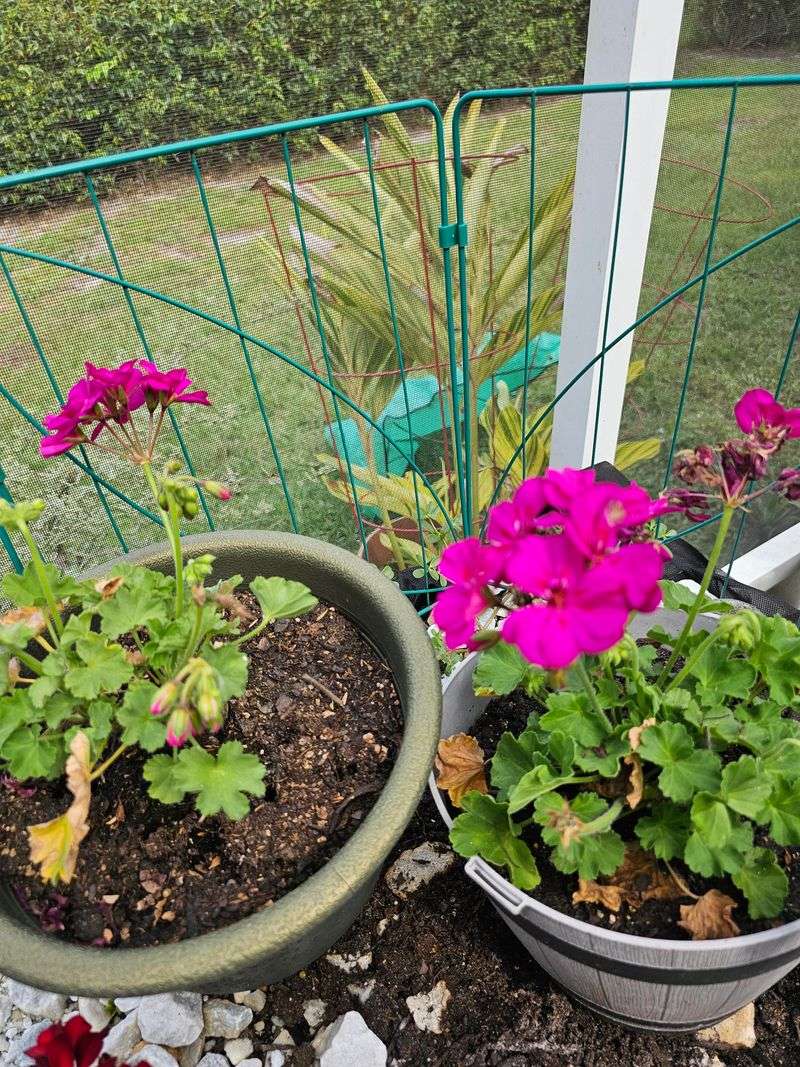
Watering on a fixed schedule is one of the most common mistakes container gardeners make. Geraniums prefer a deep watering followed by a slight dry-down period rather than constantly wet soil.
Wet soil with no dry period between waterings can lead to root problems and weak, soft growth that is more vulnerable to stress and disease.
Before you water, push your finger about an inch into the soil. If it still feels moist, wait another day.
If it feels dry at that depth, water thoroughly until water drains freely from the bottom of the pot. That deep soaking encourages roots to grow downward rather than staying shallow near the surface.
In May, warm days and breezy conditions can dry out hanging baskets and terra-cotta pots surprisingly fast. Terra-cotta is porous and loses moisture through its walls, so those pots may need water more often than plastic or glazed ceramic ones.
Hanging baskets exposed to wind and sun can dry out in a single warm day. Check them daily during warm, breezy stretches.
Pots sitting on sunny south-facing porches or concrete surfaces also tend to dry faster than those in partly shaded spots. Adjust your habits based on conditions rather than the calendar.
5. Feed Lightly Once Plants Start Growing Strong
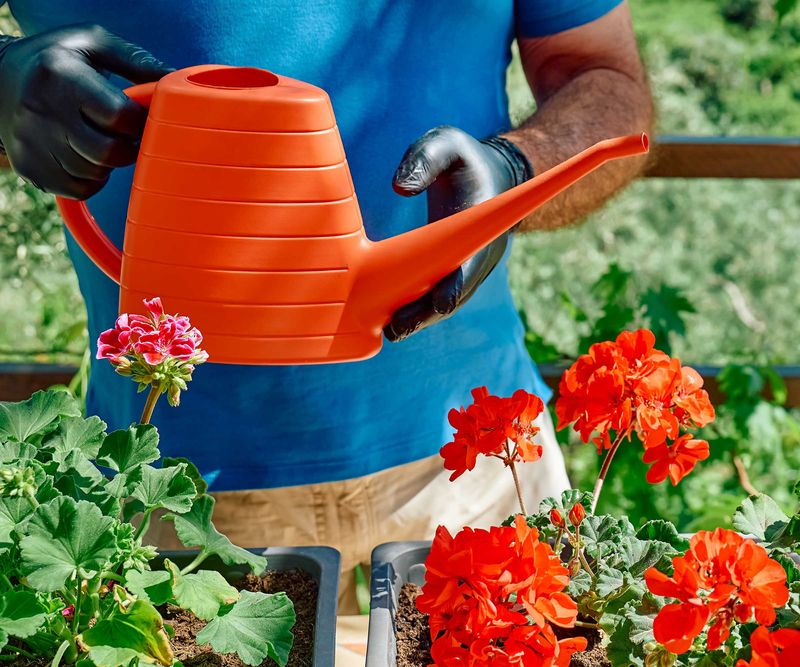
A hungry geranium in a container will tell you pretty quickly. Pale leaves, slow growth, and fewer blooms are all signs that nutrients have been depleted.
Container plants need more regular feeding than those in garden beds because water washes nutrients out of the potting mix over time. May is a good month to start a light feeding routine once your plants are actively growing and settled into their outdoor spots.
Use a balanced fertilizer or a bloom-supporting fertilizer that is slightly higher in phosphorus, which supports flower development. Always follow the label directions.
More is not better with fertilizer, and overfeeding is a real risk. Too much nitrogen in particular pushes lush, leafy growth at the expense of blooms.
You may end up with a big, green, bushy plant that produces very few flowers.
For most container geraniums, a light feeding every two to four weeks during the active growing season is a reasonable starting point. Slow-release granular fertilizers mixed into the potting soil at planting time can also provide steady, low-level nutrition over several months.
Geraniums in garden beds with good soil may need less frequent feeding than those in containers. Watch how your plants respond and adjust from there rather than following a rigid schedule.
6. Pinch Back Leggy Stems For Fuller Plants
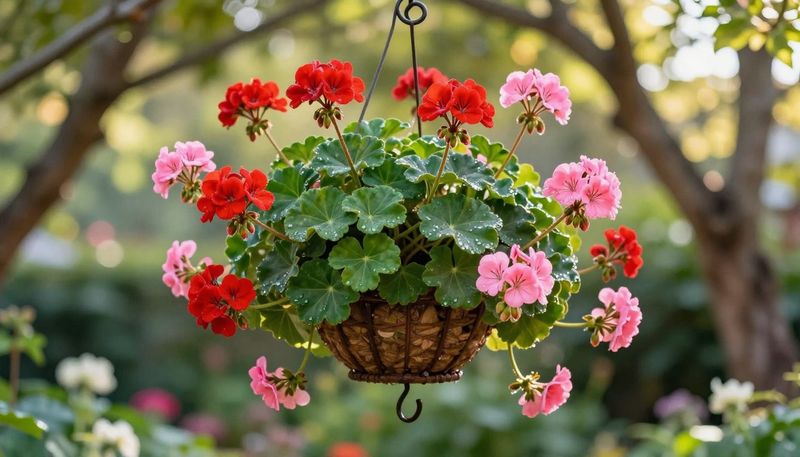
Stretched-out, lanky stems are a sign that a geranium has been reaching for light or has simply grown without any shaping. Left alone, a leggy plant tends to bloom mostly at the tips of long bare stems, which makes it look sparse and tired rather than full and lush.
A quick pinch in May can change that.
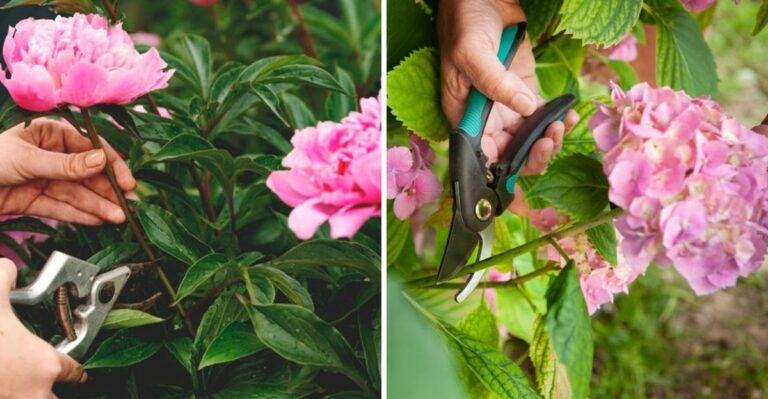
Look for stems that seem longer than the rest of the plant, any growth that looks weak or thin, or spots where the plant feels uneven and one-sided. Pinching means removing just the tip of the stem, right above a healthy leaf node, using your fingers or clean, sharp scissors.
This signals the plant to send out new side shoots from that point, which creates a fuller, more branching shape over time.
May is actually one of the best times to do this because the plant is actively growing and will recover quickly. Small trims done early are much easier on the plant than waiting until it has become a tangled, overgrown mess by July.
You do not need to cut back hard. Just a light shaping now sets up a better structure for the whole season.
Many experienced gardeners pinch their geraniums at least once or twice between May and midsummer to keep plants compact and productive.
7. Remove Spent Blooms Before They Drain Energy
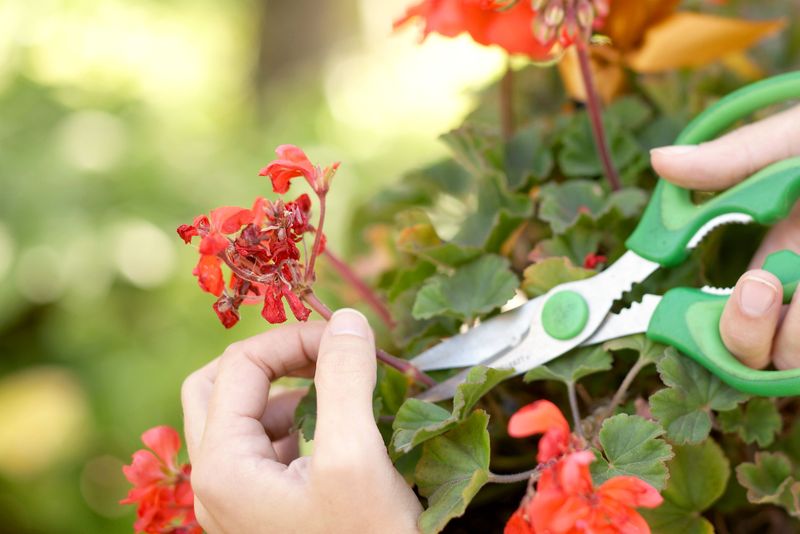
Faded flowers left on the plant do more than just look messy. Once a bloom cycle finishes, the plant can put energy into forming seeds rather than producing new flower buds.
Regular trimming redirects that energy back into fresh growth and continued blooming, which is exactly what you want from May through the end of the season.
With geraniums, it is more effective to remove the entire flower stalk rather than just pulling off the spent petals. Trace the stalk down to where it meets the main stem or a set of leaves and remove it cleanly.
Leftover stalks can sometimes stay on the plant and create a cluttered look or provide a place for moisture to collect.
During active bloom periods in May and early June, you may find yourself trimming every few days. That is completely normal and worth the time.
It takes only a few minutes to go over a pot or a bed, and the difference in bloom quantity over the season is noticeable. Trimming is also a good opportunity to take a close look at your plants.
While you are working through each stem, you can spot early signs of leaf discoloration, pest activity, or crowding. You might otherwise miss those issues during a quick glance from across the yard.
8. Check Leaves Early For Pests And Disease Spots
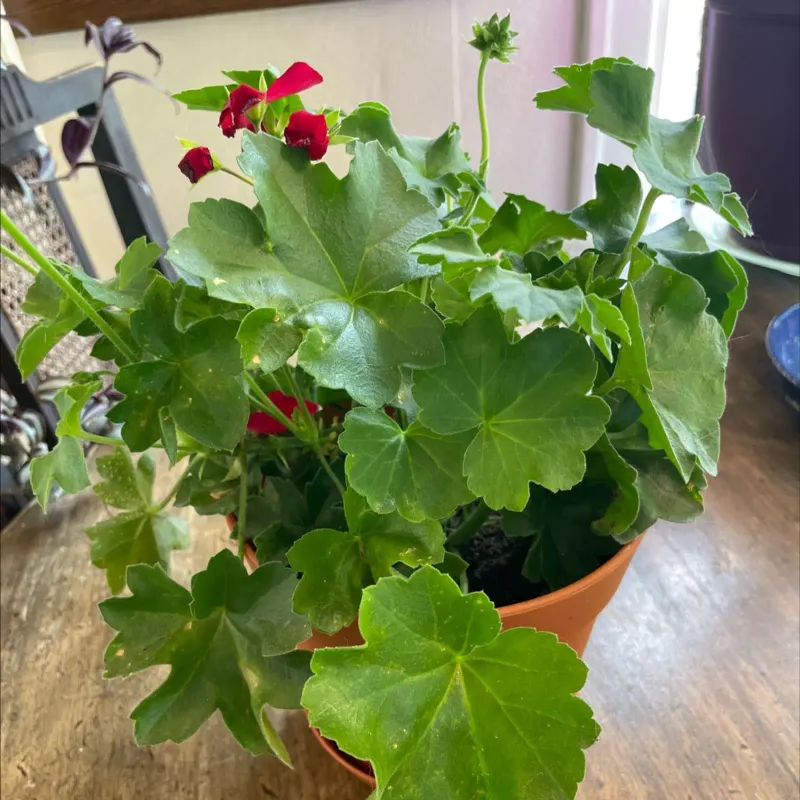
May is prime time for a thorough inspection of your geraniums before small problems get a chance to spread. Catching something early is always easier than managing it after it has moved through an entire plant or jumped to neighboring containers.
Make a habit of checking your plants every week or so rather than waiting until something looks obviously wrong.
Aphids, spider mites, and whiteflies are among the insects that can show up on geraniums. Aphids tend to cluster on tender new growth and flower buds.
Spider mites often appear during warm, dry stretches and can cause a fine stippled look on leaves. Whiteflies may flutter up when you brush against the plant.
Check the undersides of leaves carefully, since that is where many pests prefer to feed and hide.
Leaf spots and other fungal issues can also develop, especially when foliage stays wet or air circulation is poor. If you spot discolored, spotted, or soft-looking leaves, remove them promptly and improve airflow around the plant.
Avoid wetting foliage when watering if you can help it. Ohio State University Extension and other land-grant university resources recommend cultural controls first.
These include better spacing, removing affected plant material, and keeping foliage dry before considering any other treatments.
9. Refresh Containers Before Summer Heat Builds
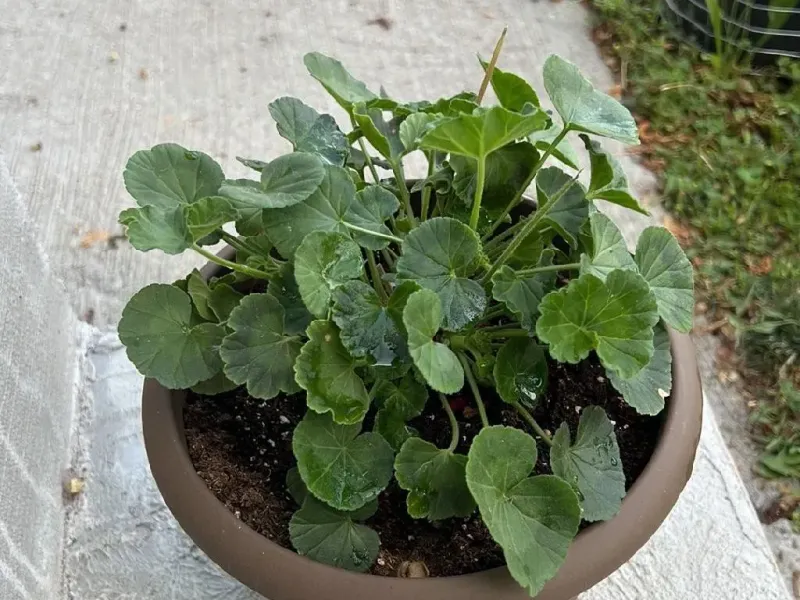
May is one of the best windows of the year to give your containers a proper checkup before summer heat makes everything more stressful.
A plant that is already struggling in a too-small pot or depleted potting mix will have a harder time bouncing back once temperatures climb into the 80s and 90s.
Start by tipping the plant out of its pot if possible and checking the roots. If roots are circling the bottom or pushing out of drainage holes, the plant has outgrown its container.
Move it up to a pot that is one or two sizes larger and fill in with fresh potting mix. Avoid jumping to an oversized pot all at once, since too much extra soil around the roots can hold excess moisture.
Window boxes and hanging baskets benefit from having their potting mix refreshed or at least topped off in May. Old potting mix can break down and compact over time, reducing drainage and nutrient availability.
Check that drainage holes in all your containers are clear and functional. If you have saucers under your pots, empty them after heavy rain so water does not sit against the drainage holes.
Crowded mixed containers with multiple plant types may also need thinning if geraniums are being shaded out or competing for root space.
10. Trim And Feed Again When Blooms Slow Down
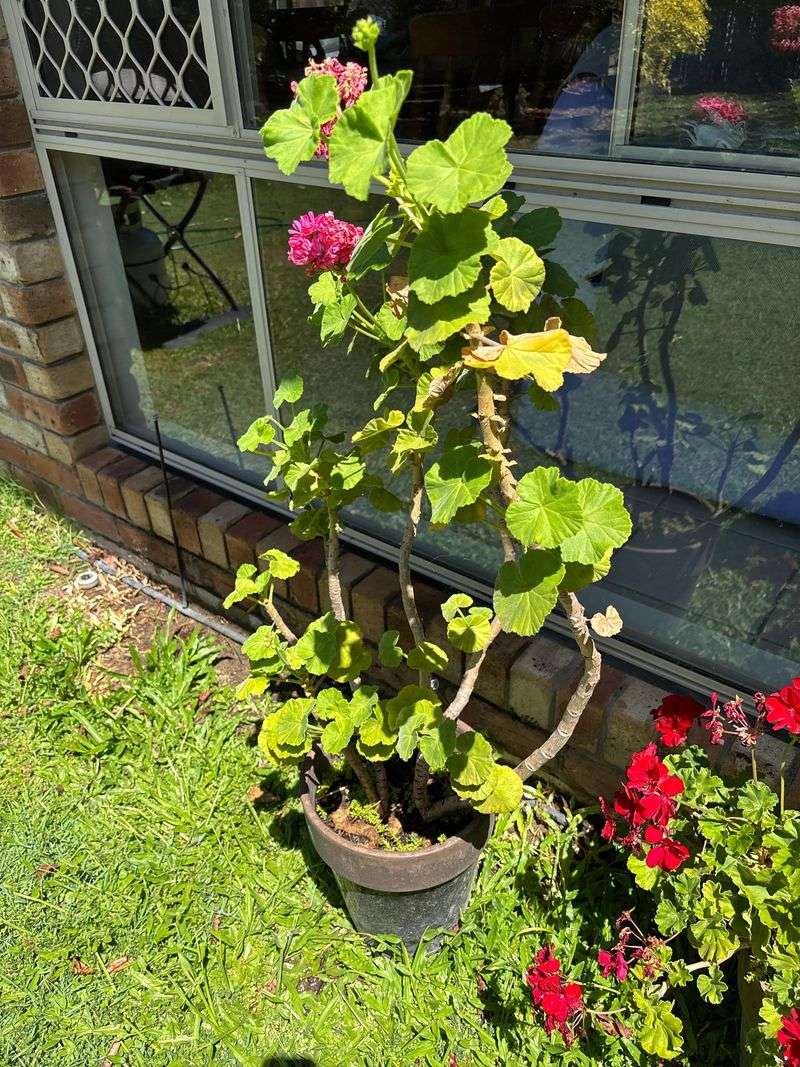
Even well-cared-for geraniums can hit a slow patch. After a heavy bloom cycle or during a stretch of intense heat, plants sometimes pull back and produce fewer flowers.
Stems may start to look stretched again, lower leaves may yellow and drop, and the whole plant can take on a slightly tired appearance. That is a normal part of the growing season, not a sign of permanent trouble.
When you notice blooms slowing down, start with a light trim. Remove spent flower stalks, cut back any stems that look stretched or bare, and clean up yellowing foliage at the base.
Do not cut back hard or remove more than about one-third of the plant at a time. The goal is a gentle refresh, not a dramatic overhaul that stresses the plant further during already warm weather.
After trimming, check soil moisture and make sure drainage is still working well. If the plant looks healthy and is actively putting out new growth, a light feeding can help.
Use a balanced or bloom-supporting fertilizer to help it push through the slow stretch. Skip feeding if the plant looks stressed, wilted, or unhealthy, since fertilizer will not fix underlying problems and can make stress worse.
Give the plant a week or two after a trim and a feed to respond before making any further changes.