These Plants Repel Deer From A Pennsylvania Garden So Reliably Neighbors Will Ask What You Did
Pennsylvania deer are bold, persistent, and remarkably good at finding whatever you just planted. If you have been gardening here for any length of time, you already know that a deer can undo weeks of work in a single night.
Sprays help for a while, fencing works but changes the whole look of a yard, and most so called deer resistant plants still get sampled when food gets scarce.
What actually keeps deer away consistently is a garden that relies on plants they find genuinely offensive, not just mildly unappealing.
Certain plants produce scents, textures, and tastes that deer avoid so reliably that once you build your beds around them, the browsing drops off in a way that is hard to ignore.
Your yard starts looking untouched while your neighbors are still replanting, and eventually someone is going to want to know exactly what you are growing.
1. Lavender
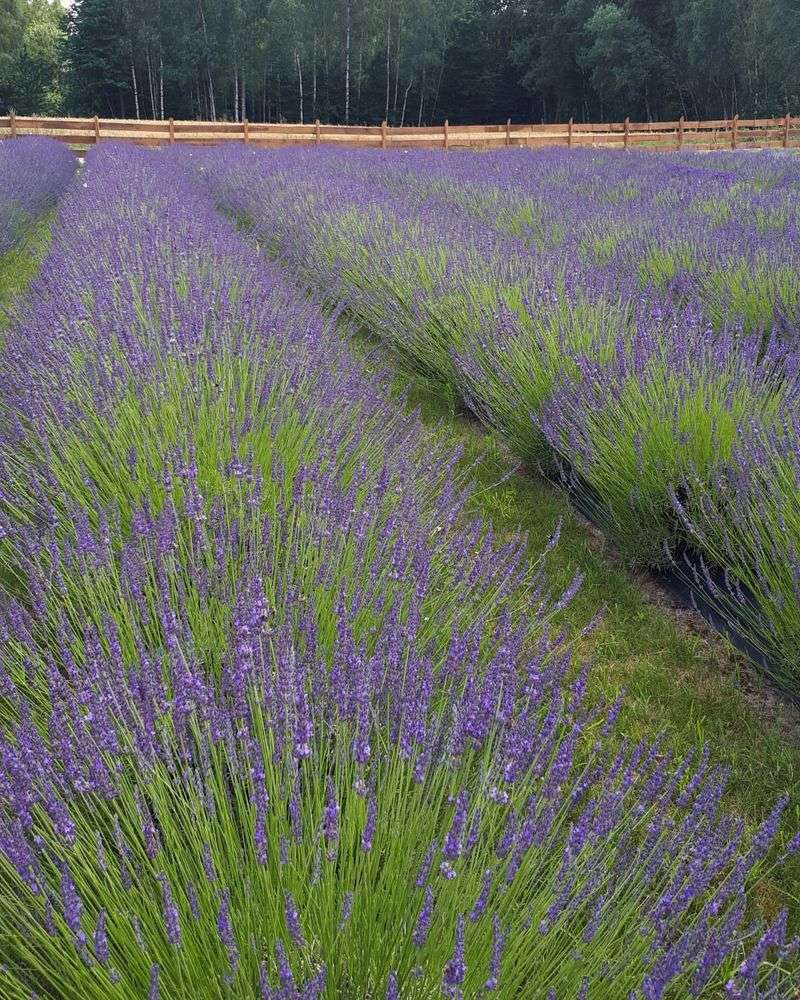
Few plants in a garden do double duty quite like lavender. It looks stunning, smells amazing to people, and works like a natural deer repellent all at once.
Deer have sensitive noses, and the strong, herbal fragrance that lavender gives off is simply too overwhelming for them. They tend to steer clear of it, which makes it a smart addition to any Pennsylvania yard.
Lavender grows best in full sun and well-drained soil, which makes it a great fit for many parts of Pennsylvania, especially in raised beds or along sunny borders.
It does not like sitting in wet soil, so if your yard tends to hold water, planting it on a slight slope or in a raised area will help it thrive. Once it gets established, it is surprisingly low-maintenance and drought-tolerant.
Beyond keeping deer away, lavender attracts pollinators like bees and butterflies, which is a big bonus for any garden. You can also cut the blooms and dry them for use inside your home.
The scent stays strong even after drying, which is why lavender has been used in sachets and home fragrance for centuries. Planting it near the edges of your garden or along walkways creates a natural scent barrier that deer are not eager to cross.
For Pennsylvania gardeners who want beauty and function in one plant, lavender checks every box. It is a reliable, fragrant, and hardworking plant that earns its place season after season.
2. Bee Balm
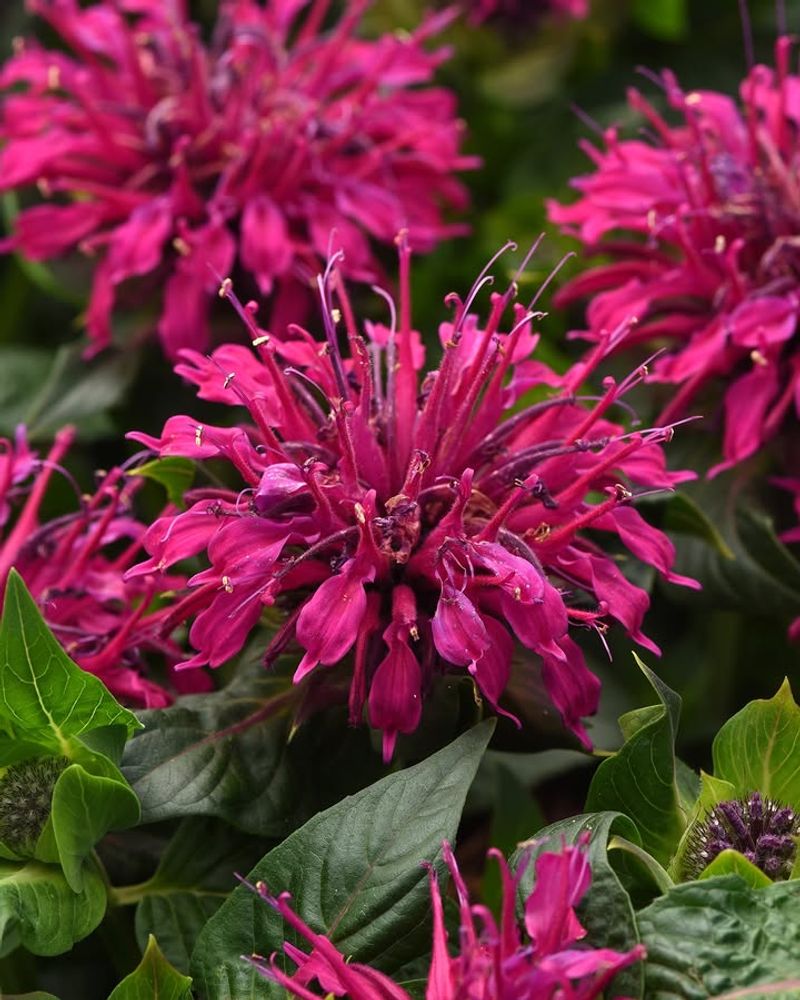
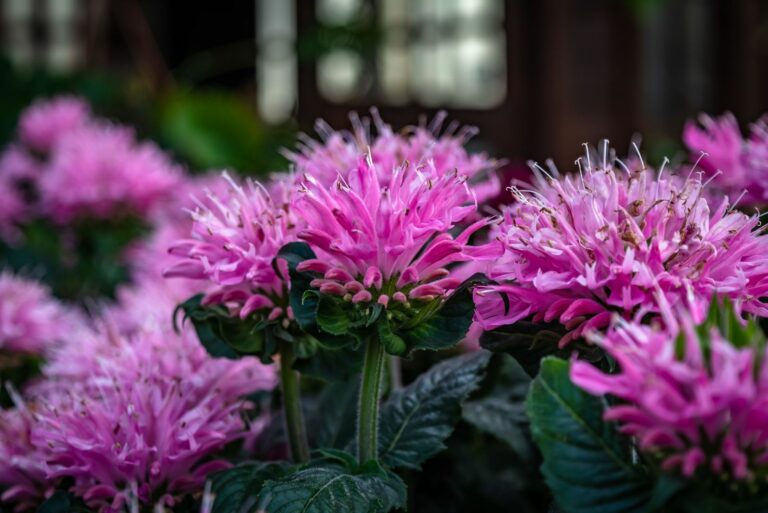
Walk past a patch of bee balm on a warm summer afternoon and you will notice it immediately. The scent hits you before you even get close, a sharp, minty fragrance that is bold and unmistakable.
That same smell is exactly why deer tend to walk right past it. Their instinct tells them this plant is not worth eating, which is great news for any gardener trying to protect a flower bed.
Bee balm belongs to the mint family, and like most of its relatives, it produces aromatic oils in its leaves that deer find off-putting. In Pennsylvania, it thrives in both sunny spots and partial shade, making it flexible enough to work in many different garden layouts.
Your Pennsylvania Garden Changes Every Week. Your Plan Should Too.
Gardening in Pennsylvania changes quickly throughout the season. Every Friday you’ll receive a simple weekly plan showing exactly what to plant, prune, fertilize, harvest, and protect so you never miss the right timing.
It prefers moist, well-drained soil and can spread over time, filling in gaps in a garden bed beautifully. Just keep an eye on it so it does not crowd out neighboring plants.
One of the best things about bee balm is how much wildlife it supports. Hummingbirds, bees, and butterflies flock to its bright blooms, which come in red, pink, purple, and white.
It typically blooms from mid to late summer, adding a burst of color right when many other plants start to fade. Planting it in clusters gives you a strong visual impact while also creating a scent wall that deer are reluctant to pass through.
For Pennsylvania gardeners who love color and wildlife activity, bee balm is a genuinely rewarding choice that keeps on giving all summer long.
3. Yarrow
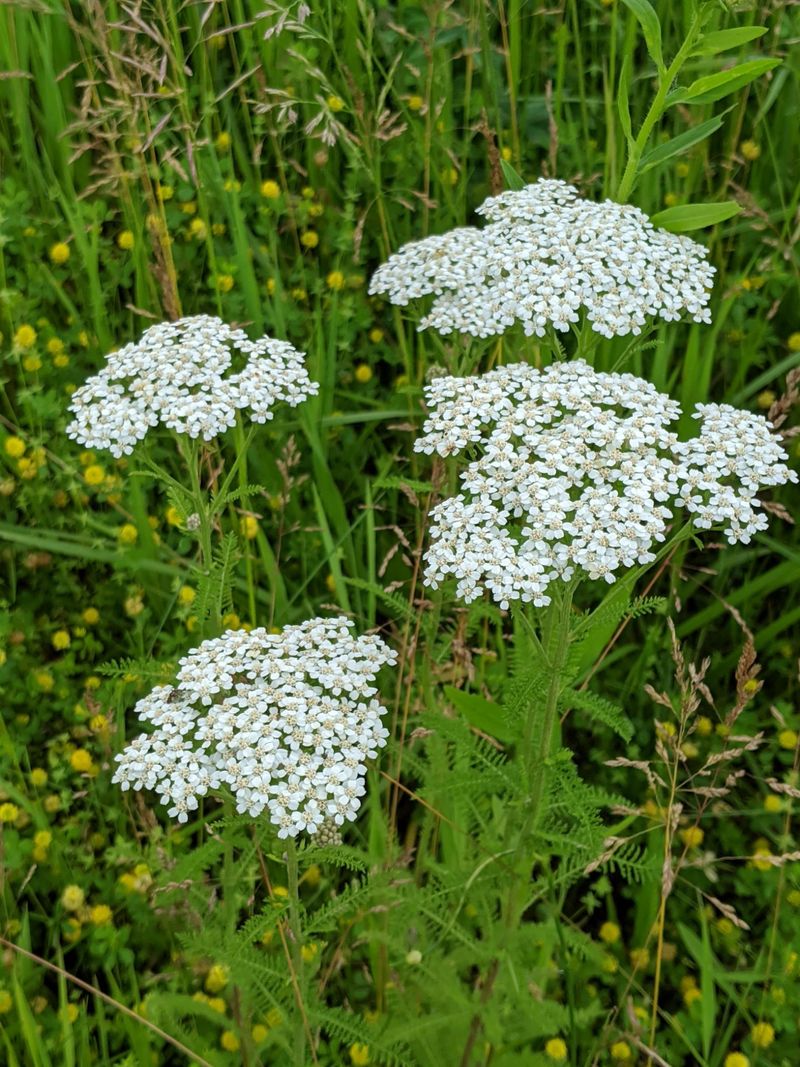
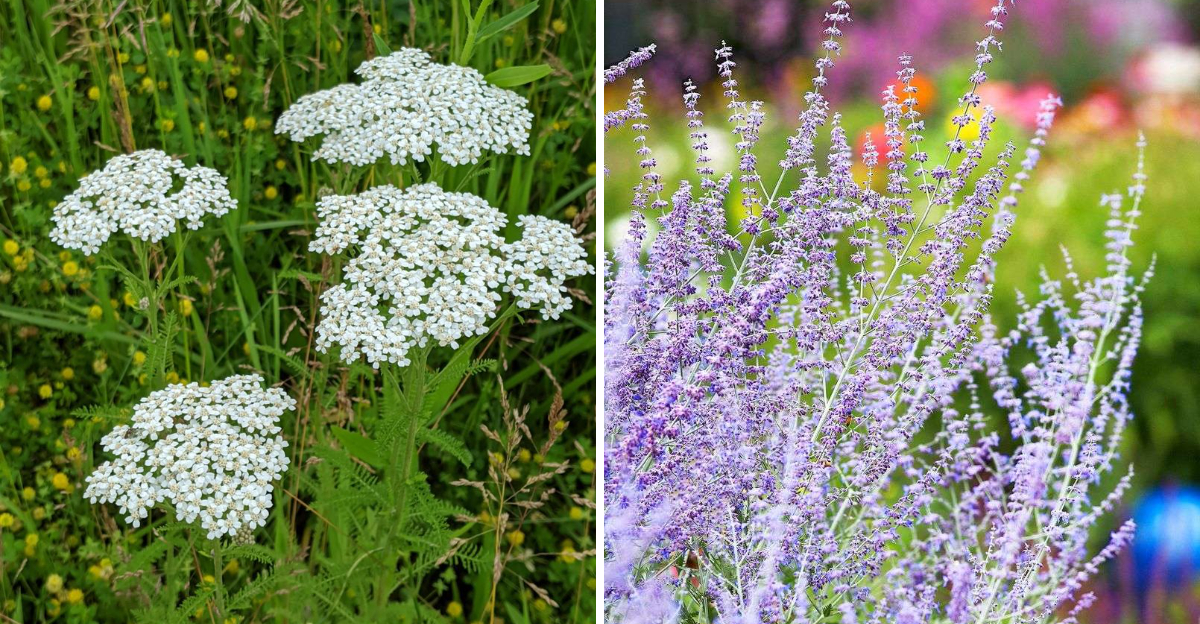
Yarrow has been growing wild across Pennsylvania for a long time, and there is a good reason it survives so well without any help. It is tough, adaptable, and deer almost never touch it.
The leaves have a pungent, slightly bitter aroma that deer find unappealing, and the feathery texture of the foliage does not make it any more inviting. It is one of those plants that quietly does its job without asking for much in return.
In the garden, yarrow is a real workhorse. It grows well in full sun and handles dry, poor soil without complaint.
That makes it ideal for spots in your yard where other plants might struggle, like sunny slopes, rocky borders, or areas near pavement that tend to dry out quickly. Once established, it spreads slowly and fills in bare spots with dense, attractive foliage.
You can find yarrow in a wide range of colors, from classic white and yellow to deep red, pink, and orange.
Yarrow blooms from late spring through summer, and the flat-topped flower clusters are magnets for beneficial insects like ladybugs and parasitic wasps, which actually help control garden pests naturally.
Deadheading spent blooms encourages more flowers throughout the season. It also dries beautifully, making it a popular choice for dried flower arrangements.
Planting yarrow along the edges of your garden or mixed in with other deer-resistant plants creates a layered defense that is both practical and visually interesting. It is a smart, no-fuss choice for any Pennsylvania gardener.
4. Catmint
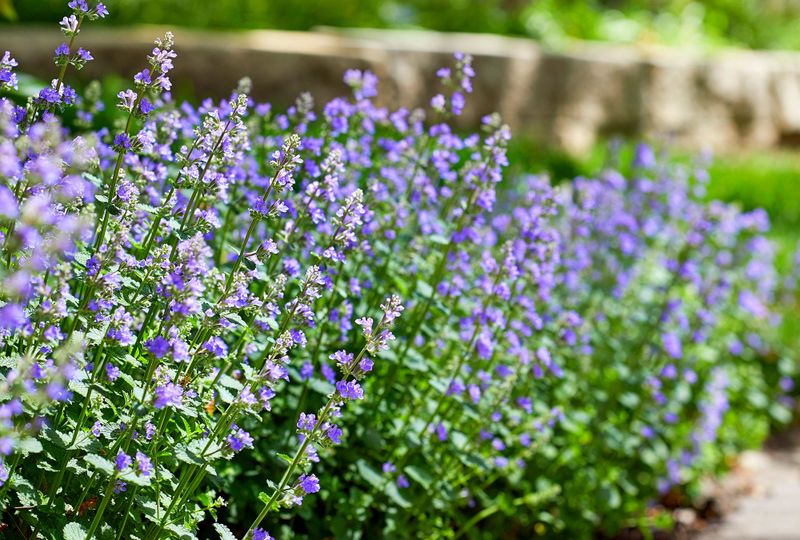
If you have ever struggled to find a plant that blooms for months, handles tough conditions, and keeps deer from browsing through your beds, catmint might just become your new favorite.
It produces waves of soft lavender-blue flowers from late spring well into fall, and it does this while barely asking anything from the gardener.
The secret to its deer resistance lies in its strongly aromatic foliage, which releases a sharp, minty scent whenever it is touched or brushed.
Catmint is a member of the mint family, and like others in that group, it carries aromatic oils that deer find unpleasant. Deer rely heavily on smell when choosing what to eat, and catmint simply does not pass that test for them.
In Pennsylvania gardens, it performs beautifully in full sun to partial shade and handles dry spells well once it gets established. It is also one of the most cold-hardy options available, surviving Pennsylvania winters without any special care.
What makes catmint especially appealing is how versatile it looks in a garden. It has a soft, mounding shape that spills gracefully over borders, stone walls, and pathway edges.
The silvery-green foliage looks attractive even when the plant is not in bloom. Cutting it back by about a third after the first flush of flowers encourages a strong second bloom in late summer.
Bees absolutely love it, which adds even more life to your yard. For a plant that blooms heavily, resists deer reliably, and requires minimal effort, catmint stands out as one of the best choices available to Pennsylvania gardeners.
5. Russian Sage
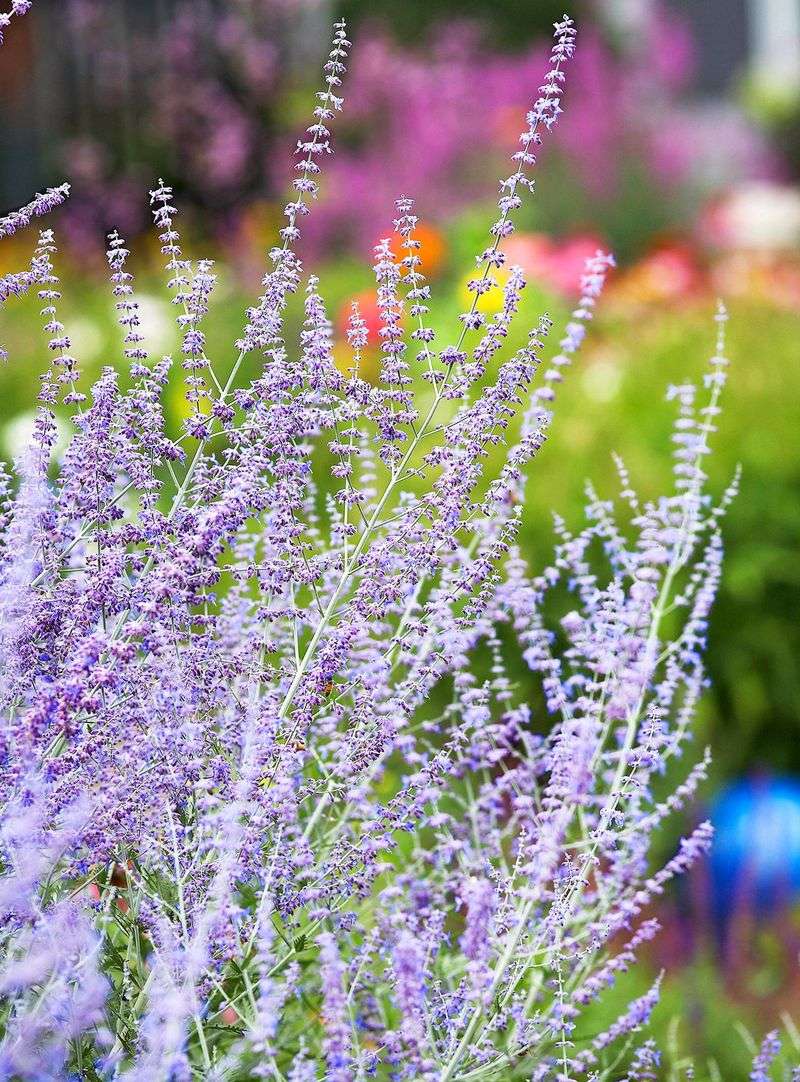
There is something almost magical about the way Russian sage moves in a summer breeze. Its tall, silvery stems and airy clusters of tiny purple-blue flowers sway gently and catch the light in a way that few other plants can match.
But beyond its good looks, Russian sage has a practical superpower: deer almost never go near it. The plant produces a strong, pungent scent from both its stems and foliage that deer find completely unattractive.
Russian sage is not a true sage, but it shares that sharp, herbal fragrance that the whole family is known for. When you brush against the stems, the smell is immediate and strong.
Deer rely on scent to evaluate plants before eating, and Russian sage sends a clear message that it is not on the menu. In Pennsylvania, it thrives in hot, sunny spots with well-drained soil and handles dry summers with ease.
It is a plant that actually looks better and performs more reliably when conditions are a little tough.
Gardeners love Russian sage for its long bloom season, which runs from midsummer into early fall. It pairs beautifully with ornamental grasses, coneflowers, and black-eyed Susans in a naturalistic planting style.
The silvery stems remain attractive even in winter, adding structure to the garden long after other plants have faded. It is also drought-tolerant and rarely troubled by pests or disease.
For a tall, dramatic, deer-resistant plant that thrives in Pennsylvania’s summer heat, Russian sage is a standout performer that rarely disappoints.
6. Daffodil
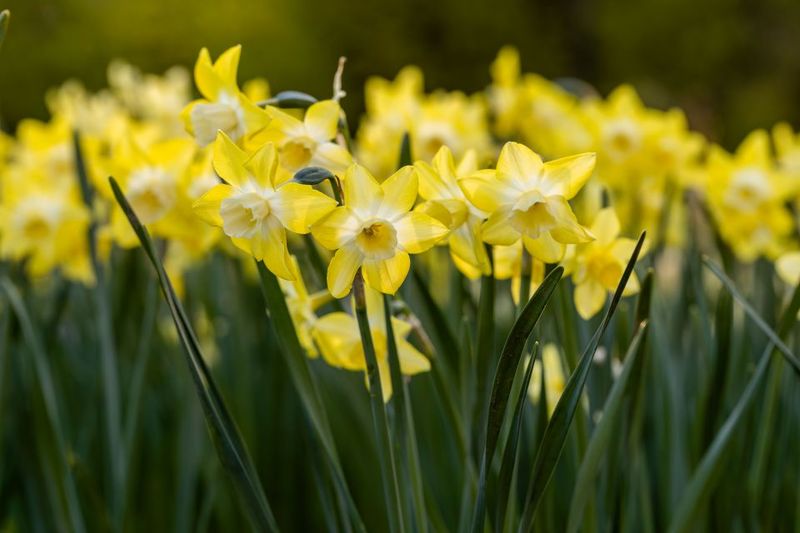
Every spring, daffodils pop up across Pennsylvania yards and roadsides in cheerful bursts of yellow, white, and orange. What most people do not realize is that deer consistently leave them alone, even when other spring bulbs nearby get eaten down to the ground.
The reason is chemistry. Daffodils contain alkaloids throughout the entire plant, from the bulb to the flower, that make them unpleasant and unsafe for deer to consume. Once deer learn this, they tend to avoid them entirely.
Planting daffodils strategically around your garden can help protect more vulnerable plants nearby. Some gardeners plant them in rings around tulip beds or mix them in with other spring bulbs specifically to discourage deer from browsing the whole area.
It is a simple and effective trick that costs very little extra effort. Daffodils naturalize easily, meaning they multiply on their own over the years and come back reliably without needing to be replanted.
Pennsylvania’s climate is a great match for daffodils. They prefer a cold winter dormancy period to bloom well in spring, and they handle the state’s variable weather without complaint.
Plant the bulbs in fall in a sunny or partially shaded spot with decent drainage, and they will reward you with blooms every March and April for years to come.
With hundreds of varieties available, you can find daffodils in a wide range of heights, colors, and bloom times to extend your spring display.
They are one of the most dependable deer-resistant plants you can add to a Pennsylvania garden.
7. Rosemary
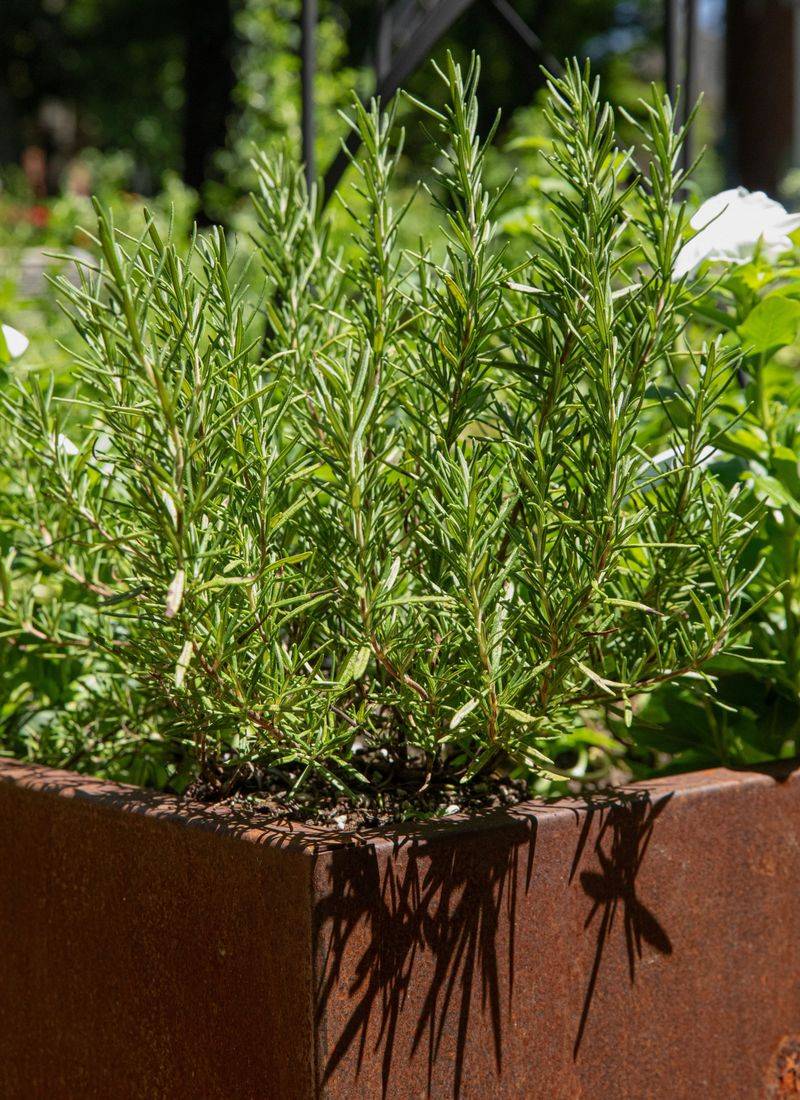
Rosemary has a reputation in the kitchen, but out in the garden it plays a completely different role. That same sharp, piney aroma that makes it so useful in cooking is exactly what sends deer in the other direction.
Deer have a highly developed sense of smell, and the strong essential oils in rosemary’s needle-like leaves are enough to make them turn away and look elsewhere for a meal. It is one of the most reliable deer-resistant plants a Pennsylvania gardener can grow.
In terms of growing conditions, rosemary loves full sun and well-drained soil. It handles heat and drought well once established, which makes it a good fit for raised beds, sunny borders, and container gardens on patios or decks.
Pennsylvania winters can be a challenge for rosemary, especially in the northern part of the state, so choosing a hardy variety like Arp or Hardy Hill is a smart move.
In colder zones, growing it in a container that can be brought indoors during the coldest months is another good option.
Beyond its deer-repelling qualities, rosemary is genuinely useful to have around. You can snip sprigs for cooking anytime you need them, which makes it one of those rare plants that pulls double duty in the garden.
The small blue flowers that appear in spring attract pollinators, and the woody structure of mature plants adds year-round texture to a garden bed.
Tucking rosemary near the edges of a planting or along pathways creates a fragrant barrier that deer are unlikely to cross. It is a smart, practical, and beautiful addition to any Pennsylvania garden.